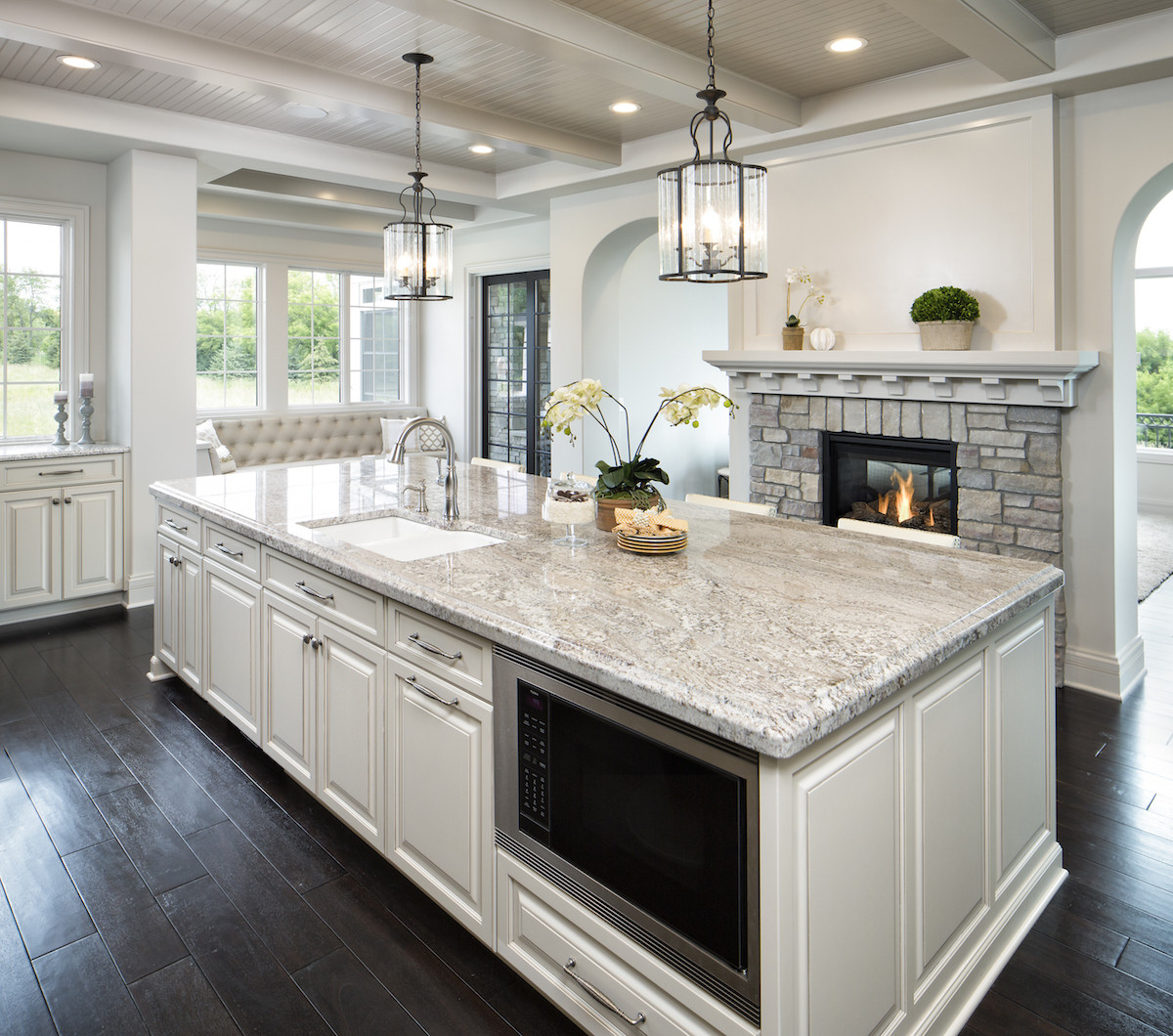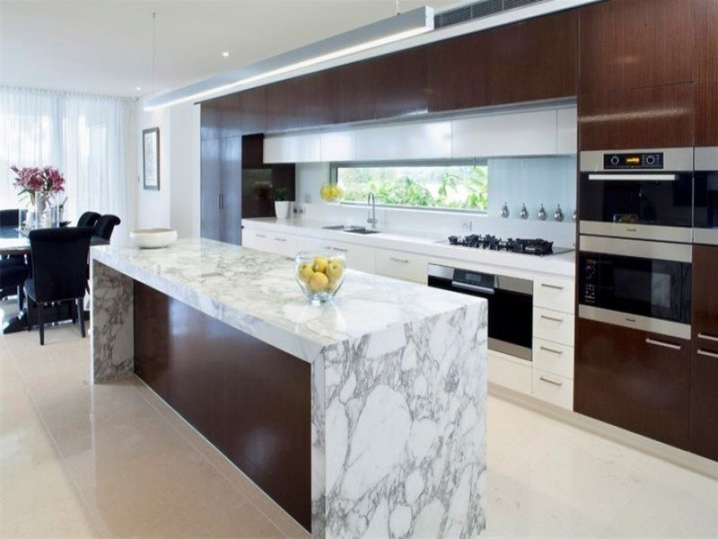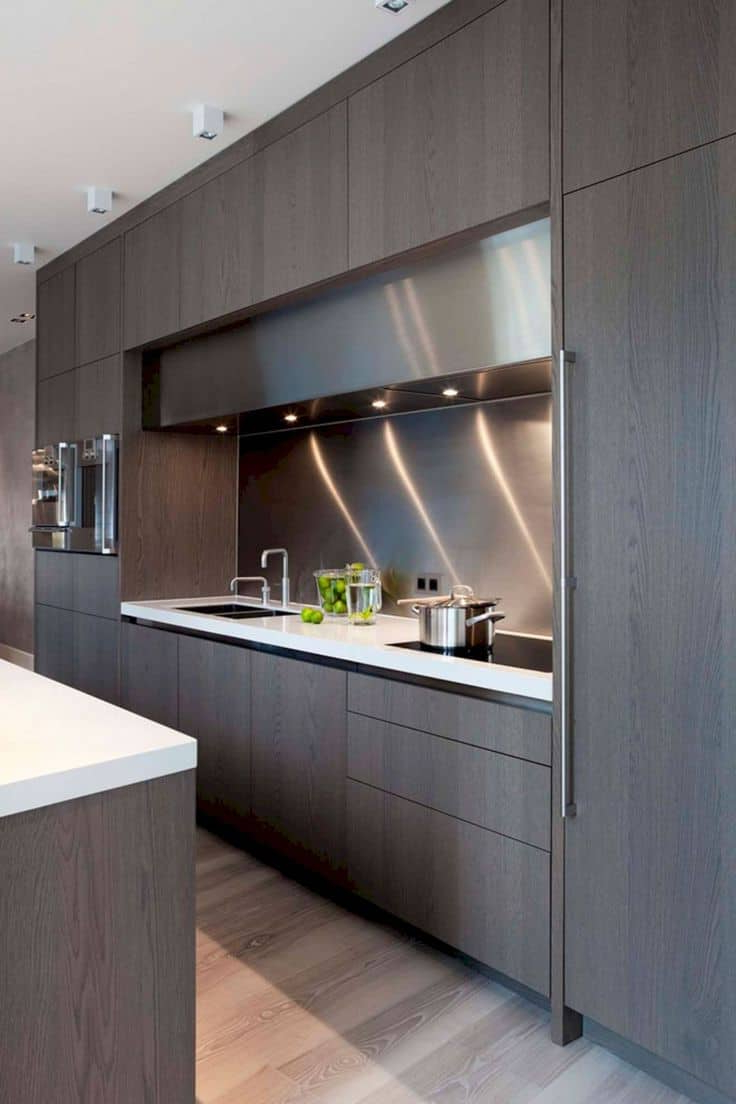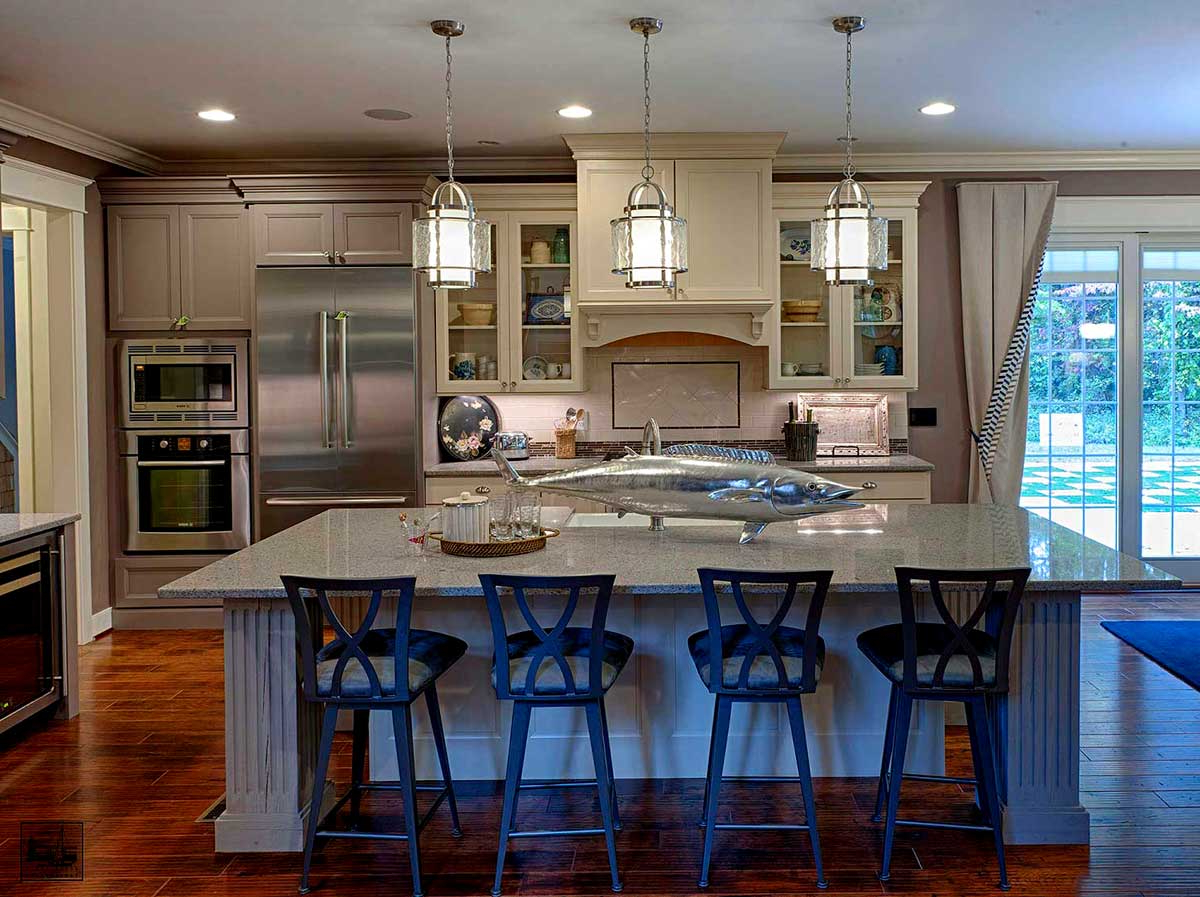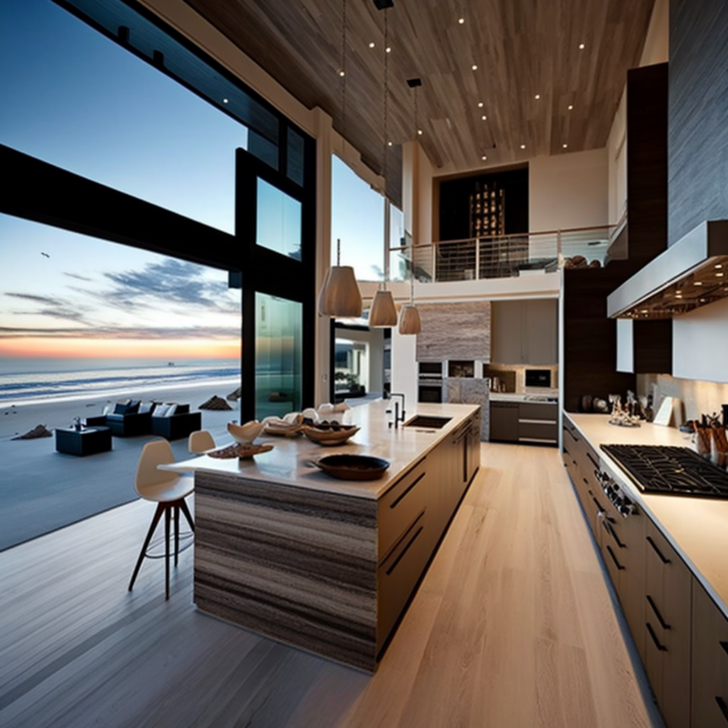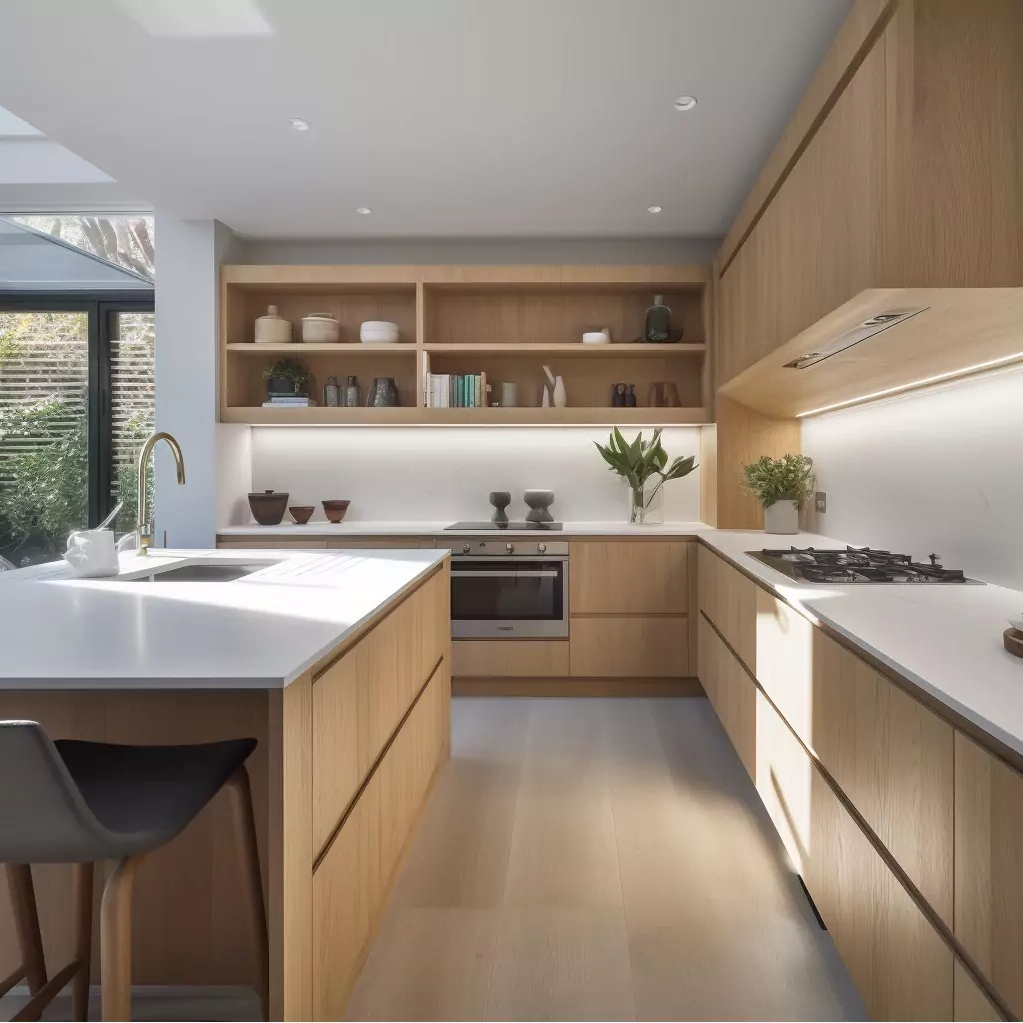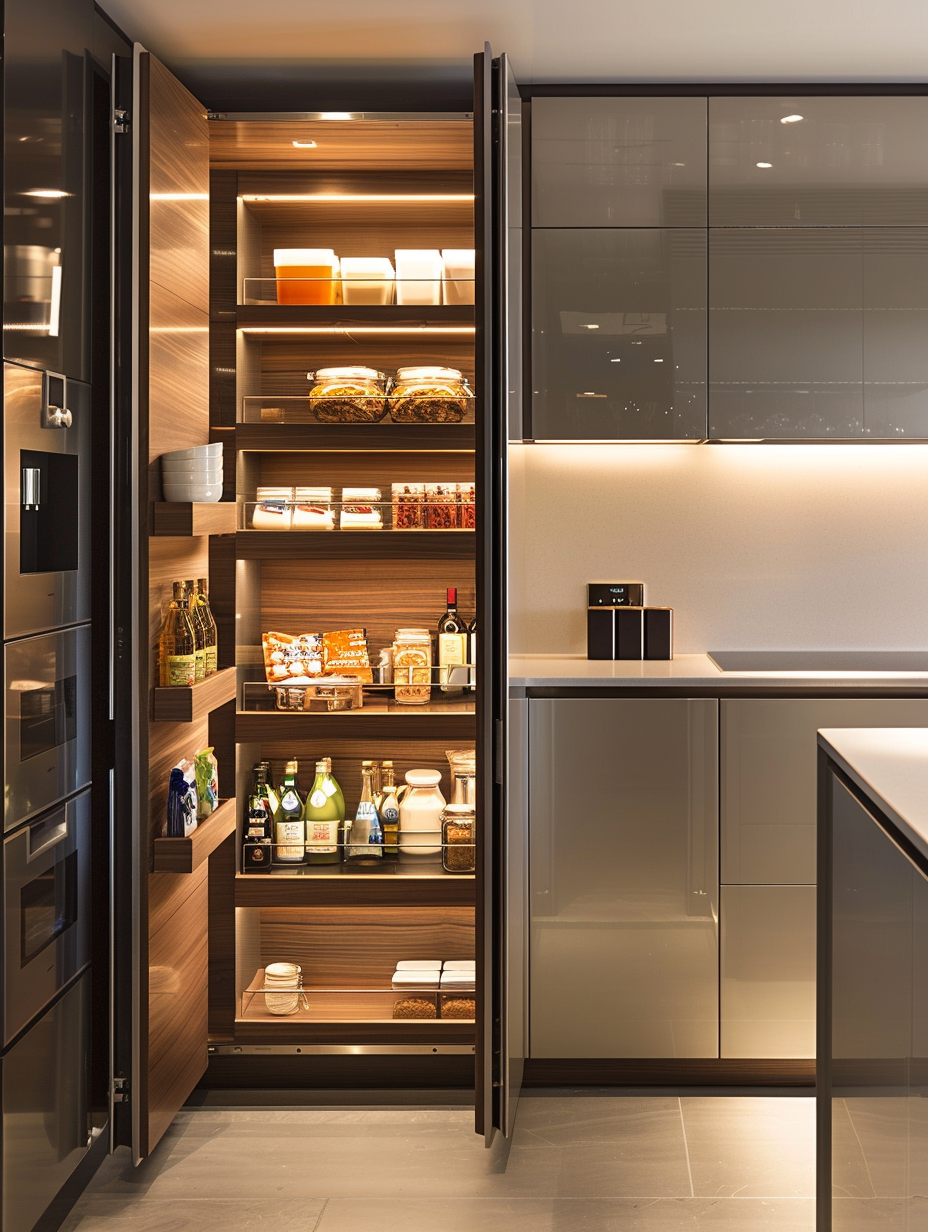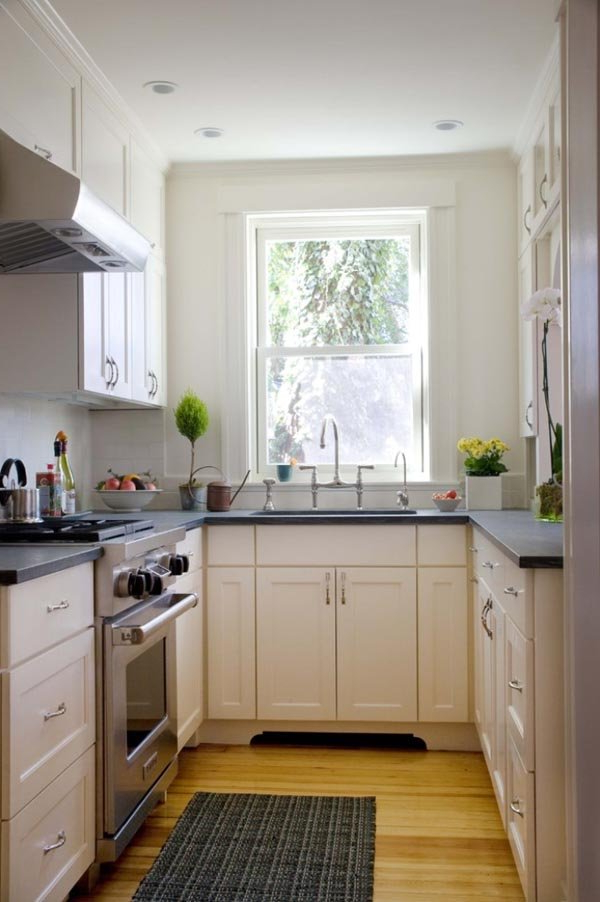
Imagine walking into a kitchen where every detail feels intentional, where light dances across countertops and creates the perfect ambiance for both cooking and gathering. That’s exactly what happens when you thoughtfully choose pendant lighting for your culinary space. These elegant fixtures don’t just provide illumination – they become the centerpiece that ties together your entire room’s design aesthetic.
The kitchen has evolved far beyond its traditional role as a purely functional space. Today’s kitchens are social hubs, creative studios, and showcases of personal style. Lighting plays a crucial role in defining this transformation. Pendant lights have emerged as one of the most versatile and impactful elements in modern kitchen design. They offer the perfect blend of form and function, serving as both practical illumination and striking design features. Whether you’re renovating a small breakfast nook or upgrading a spacious open-concept kitchen, understanding how to select and position pendant lights can completely change how your space feels and functions.
The Versatility of Pendant Lighting in Kitchen Spaces
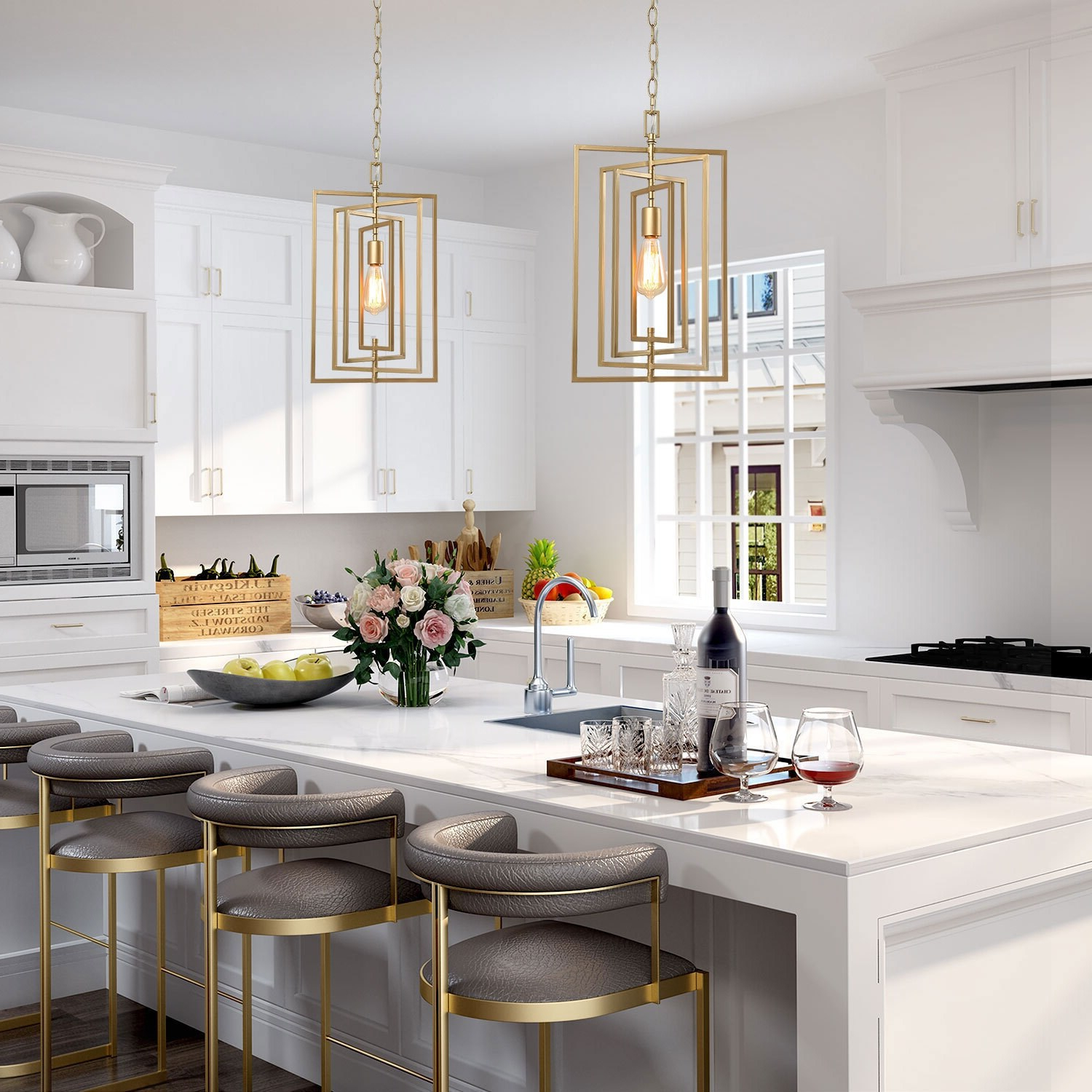
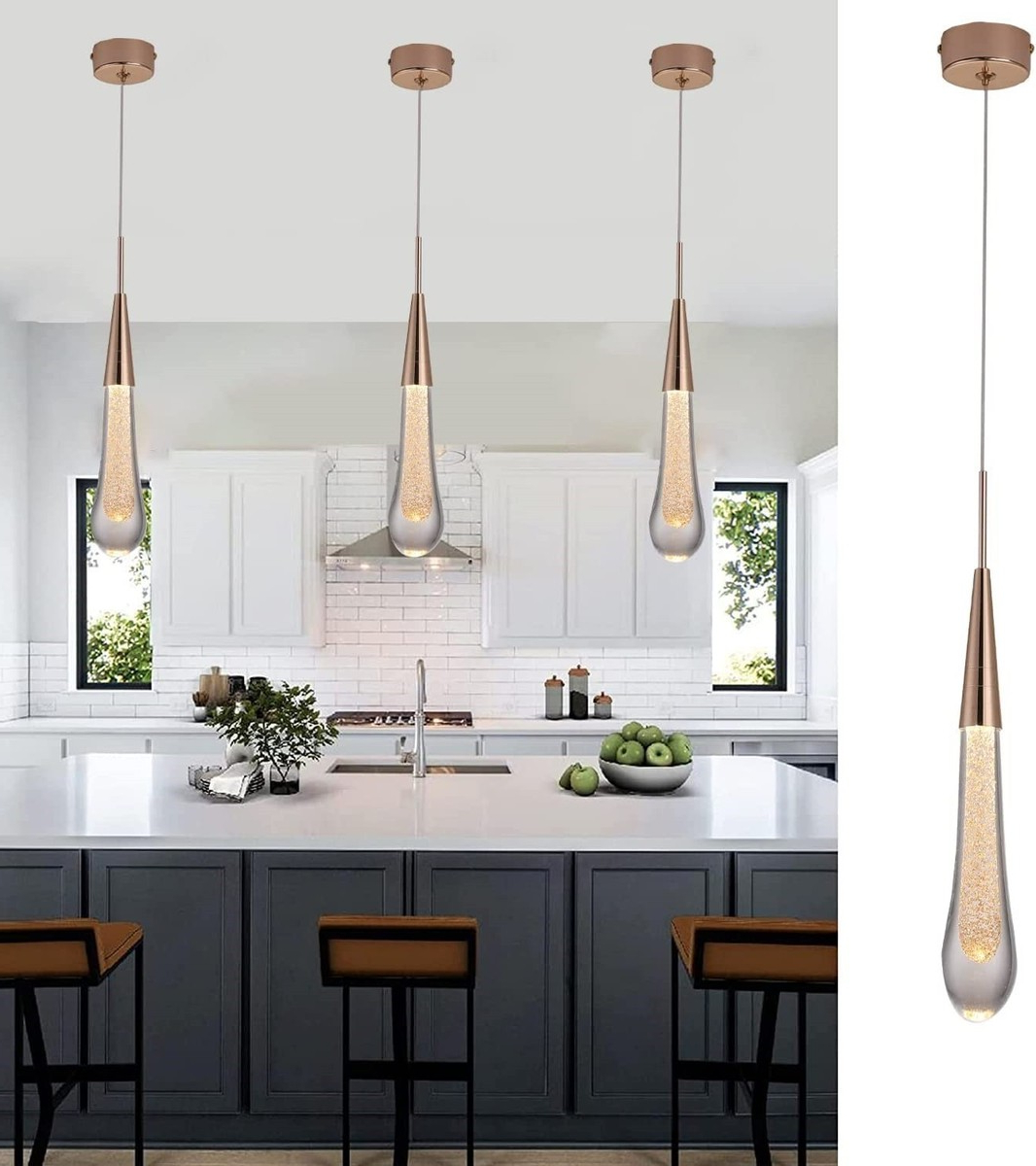
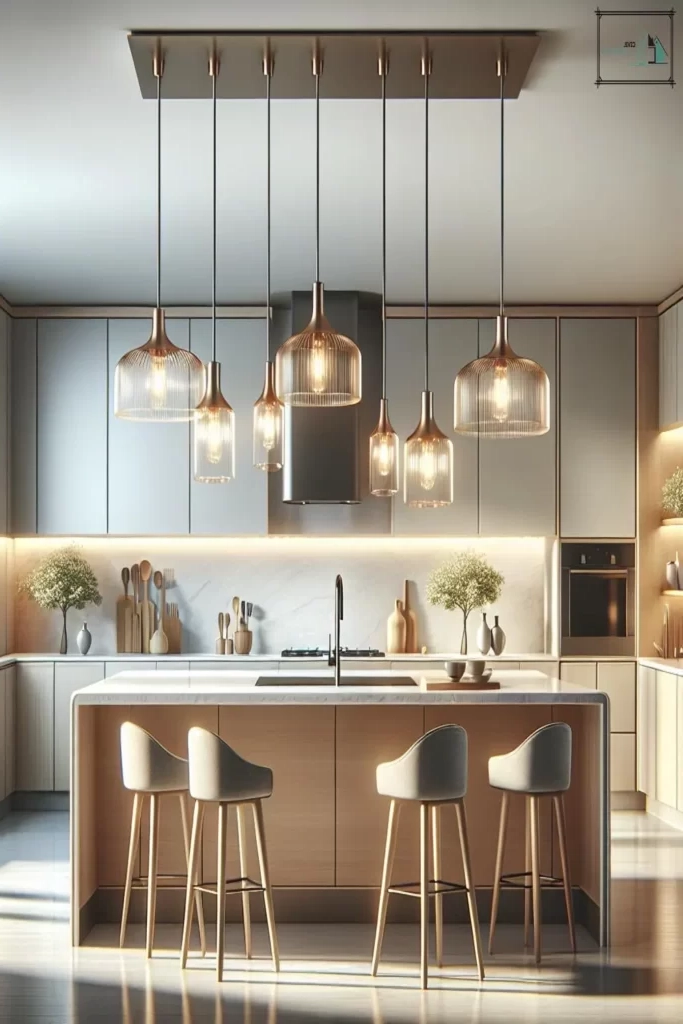
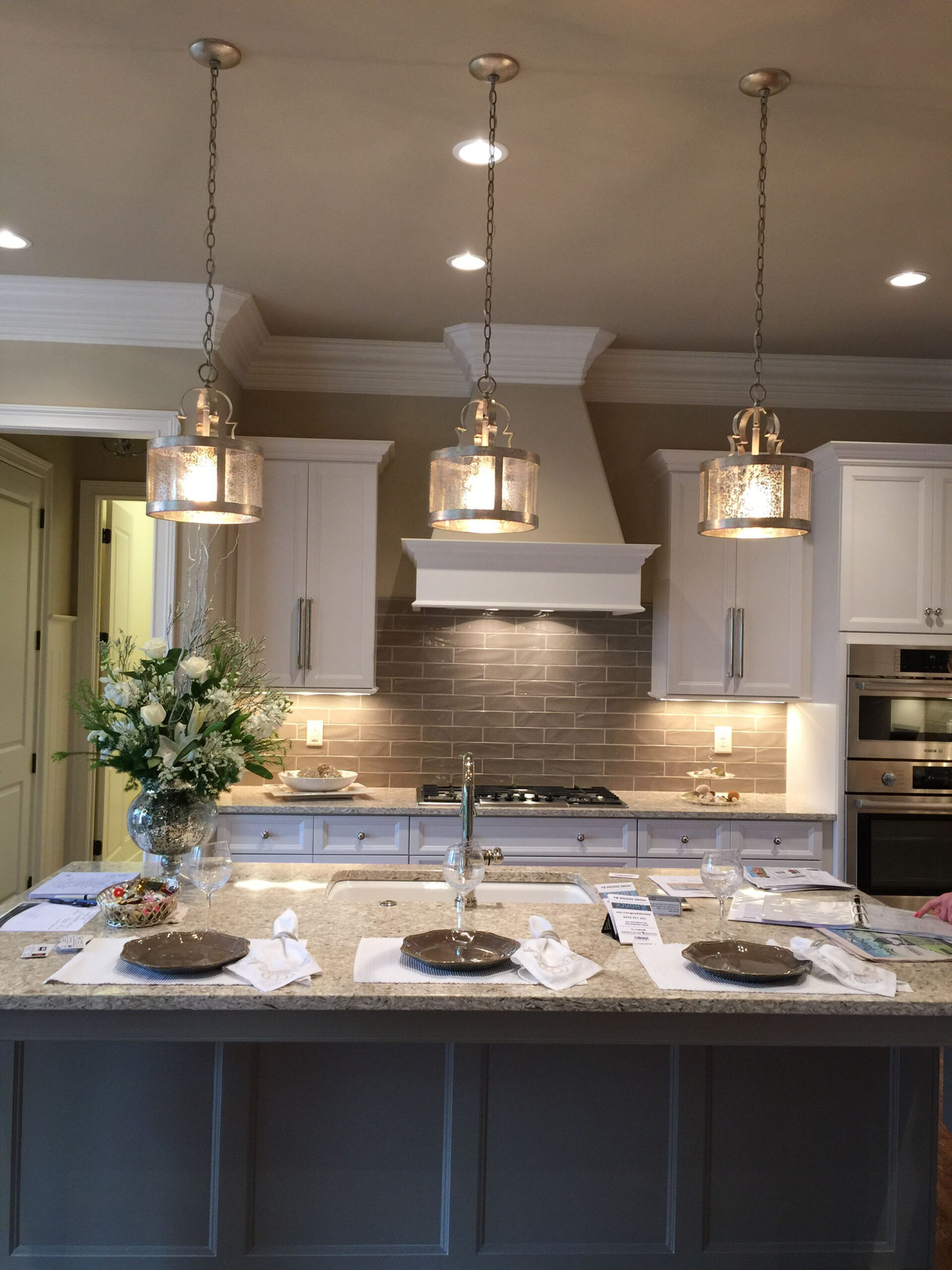
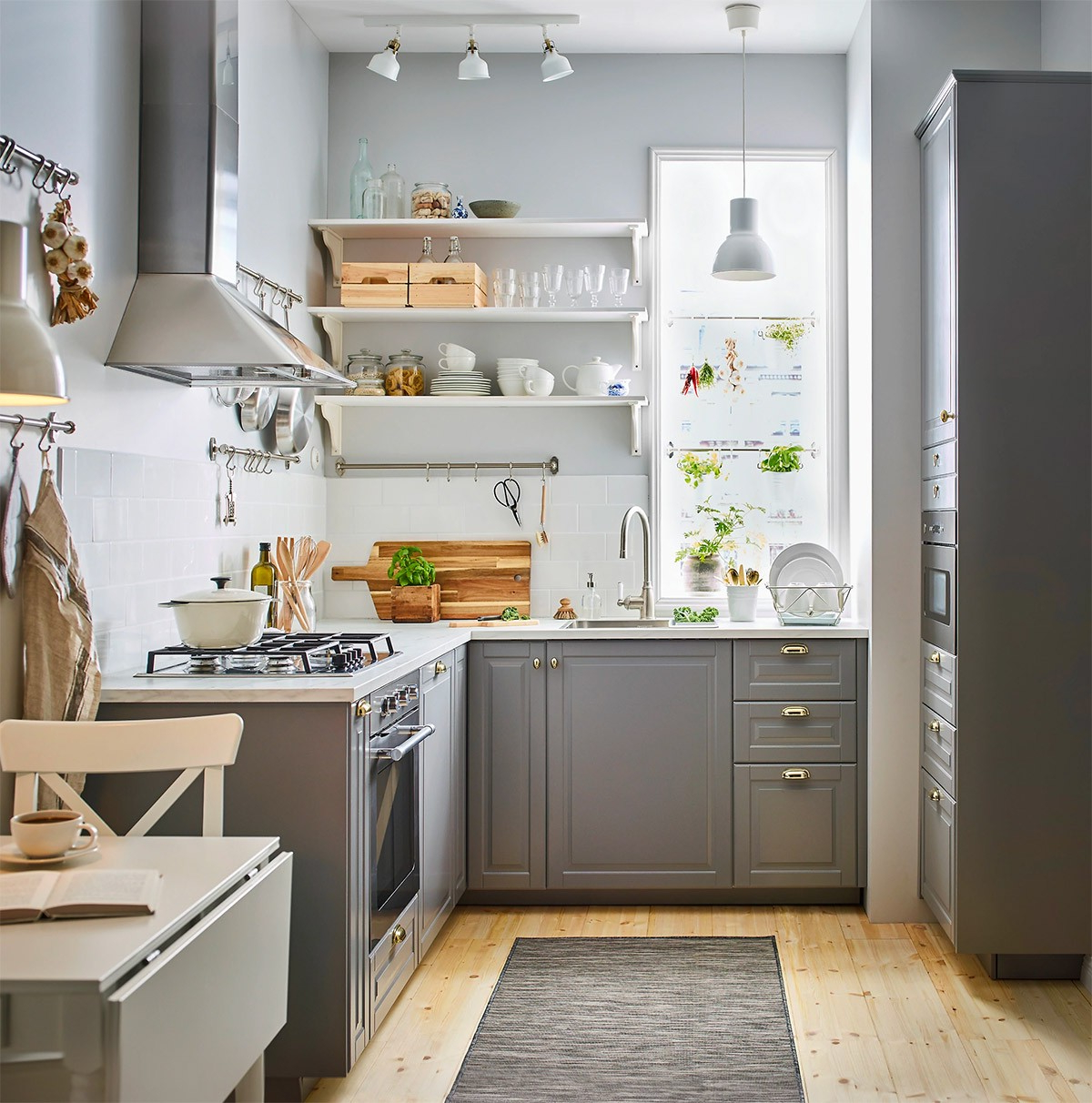
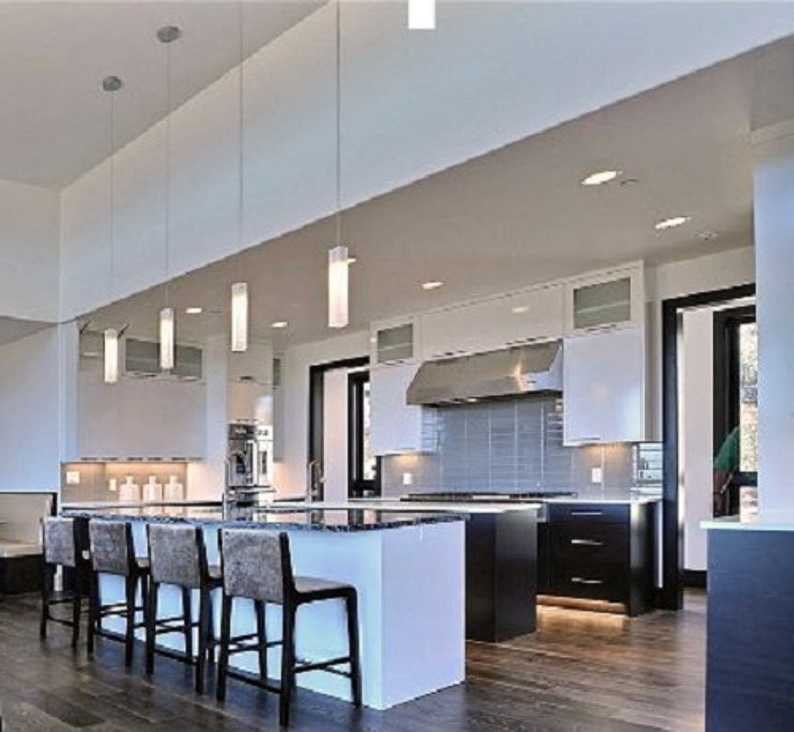
Pendant lights offer incredible flexibility that makes them ideal for various kitchen layouts and design preferences. Unlike traditional ceiling fixtures, pendants can be positioned precisely where needed, creating focused areas for work surfaces while adding visual interest to the overall space. Consider how a single large pendant might anchor a breakfast bar, while multiple smaller pendants could define different zones within an open kitchen area. The key is matching the scale and style to your kitchen’s proportions and existing design elements. For instance, a sleek, minimalist pendant works beautifully with clean lines and contemporary appliances, whereas a more ornate fixture might complement a rustic or farmhouse-style kitchen better. The versatility extends beyond aesthetics – pendants can provide task lighting over islands, ambient lighting for dining areas, and even accent lighting to highlight architectural features or artwork.
Choosing the Right Size and Scale for Your Kitchen
One of the most common mistakes in kitchen lighting is choosing fixtures that are either too large or too small for the space. The size of your pendant should relate directly to the area it’s illuminating. As a general rule, for a standard 4-foot kitchen island, a pendant with a diameter of 12 to 18 inches works well. For larger spaces or bigger islands, consider going up to 24 inches in diameter. But remember, scale isn’t just about width – it’s also about height. Pendants that hang too low can feel cramped, while those hanging too high lose their impact. A good rule of thumb is to allow 30 inches of clearance between the pendant and the work surface below. This ensures proper lighting without creating a feeling of confinement. When dealing with multiple pendants, spacing them evenly and maintaining consistent heights creates a balanced look. Think about how the light will interact with your cabinetry, countertops, and seating areas. Will it create the right amount of glare? Does it provide enough illumination for daily tasks? These questions guide the selection process toward the perfect fit for your unique kitchen.
Material Selection and Design Trends
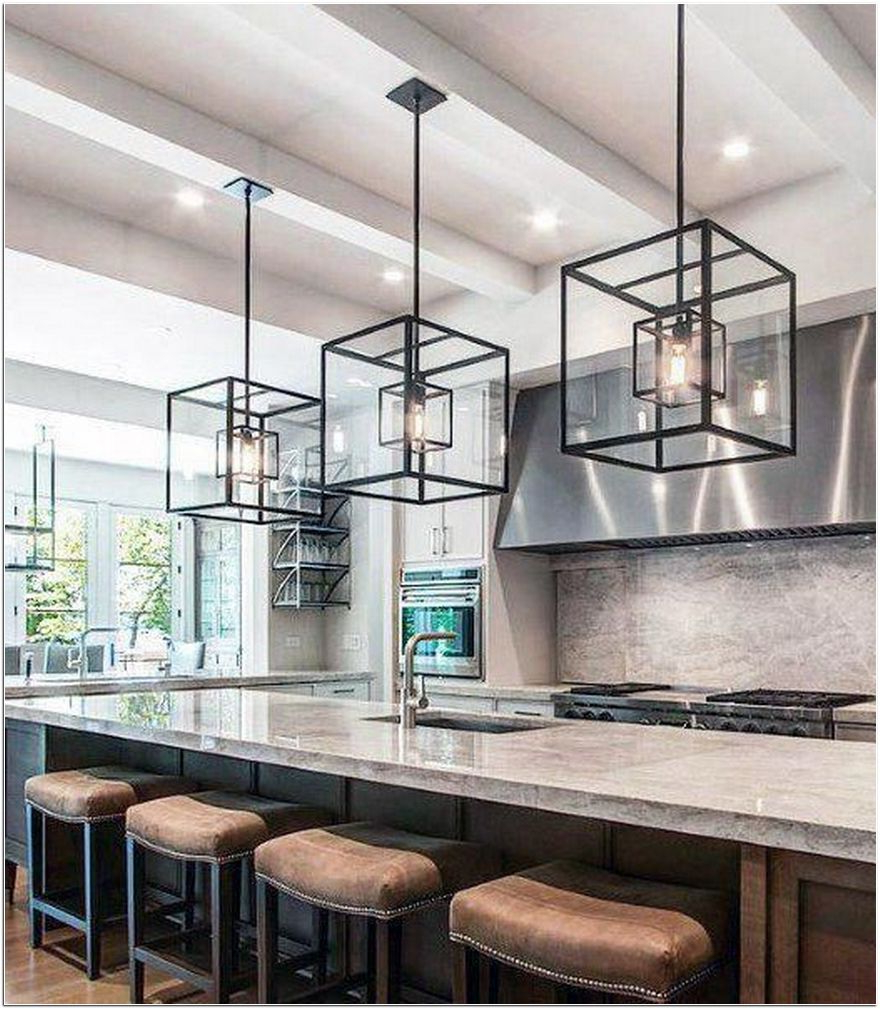
The materials used in pendant lighting have shifted significantly toward more sustainable and visually interesting options. Metal fixtures, particularly those with brushed brass or matte black finishes, have become incredibly popular due to their durability and ability to complement various design styles. Glass pendants offer a timeless elegance that can range from frosted and soft to clear and dramatic. Wood elements bring warmth and organic texture to modern kitchens, while concrete and stone pendants add industrial sophistication. The choice of material often reflects broader trends in interior design. For example, the rise of biophilic design has led to increased popularity of natural materials like wood and stone in lighting fixtures. Consider how different textures will interact with your kitchen’s surfaces. A matte finish might be more appropriate in a bright, modern space, while a glossy surface could provide the perfect contrast in a darker, more intimate setting. Current trends favor mixed materials and layered textures rather than monochromatic approaches. Combining metal with wood or glass with fabric creates visual depth that keeps the space feeling fresh and dynamic.
Lighting Functionality and Task Considerations
Beyond their aesthetic appeal, pendant lights must serve practical purposes in your kitchen environment. Task lighting is crucial for activities like food preparation, cooking, and cleaning. The placement of pendants above work surfaces determines how effectively they’ll illuminate these areas. Typically, pendants should hang approximately 30 inches above countertops and 36 inches above kitchen islands. This positioning ensures adequate light levels without causing shadows or eye strain. However, different areas of the kitchen may require different lighting approaches. Over a dining table, a pendant should provide sufficient illumination for meals while maintaining a cozy atmosphere. In a breakfast nook, the lighting might be more focused on creating a welcoming environment for morning coffee or evening gatherings. Consider incorporating dimming capabilities to adjust light levels throughout the day. This flexibility allows you to shift from bright, functional lighting during cooking hours to softer, more ambient light for socializing. Some modern pendants even feature smart controls that can adjust color temperature based on time of day, mimicking natural lighting patterns to support circadian rhythms.
Color Temperature and Its Impact on Mood
The color of light emitted by pendant fixtures significantly affects how your kitchen feels and functions. Color temperature is measured in Kelvin (K), with lower numbers producing warmer, more yellow tones and higher numbers creating cooler, bluer light. For kitchen applications, the optimal range typically falls between 3000K and 4000K. This spectrum provides enough brightness for detailed work while maintaining a comfortable, inviting atmosphere. Warmer light (around 3000K) tends to make spaces feel cozier and more intimate, making it excellent for dining areas and breakfast nooks. Cooler light (around 4000K) enhances clarity and focus, making it ideal for work surfaces and prep areas. Many homeowners find that combining different color temperatures creates a more dynamic and adaptable space. For instance, using warmer pendants in dining areas while installing cooler ones over work zones can provide both functionality and comfort. The interplay between these different light qualities helps create layers of illumination that respond to various activities throughout the day. Some modern fixtures even offer adjustable color temperature settings, allowing you to customize the mood and function of your kitchen lighting dynamically.
Installation Tips and Professional Considerations
Installing pendant lights properly requires attention to both electrical requirements and aesthetic considerations. Before beginning any installation, verify that your kitchen’s electrical system can handle the load, especially if you’re planning multiple fixtures. Most pendant lights require dedicated circuits, particularly when using LED technology, which can be more power-hungry than traditional bulbs. Professional installation is often recommended for complex setups involving multiple pendants or unusual ceiling configurations. This ensures safety and proper alignment of fixtures. When installing, measure carefully to ensure proper spacing and clearance. Mark mounting points accurately to avoid misalignment later. Consider the location of existing outlets and whether additional wiring might be necessary. For those working with older homes, electrical upgrades might be required before installing new lighting. Some modern pendant designs come with built-in LED strips or wireless control systems that simplify installation but require careful consideration of compatibility with existing infrastructure. Always follow local building codes and safety guidelines, and don’t hesitate to consult with professionals when uncertain about electrical work. Remember that the best lighting solution combines beautiful design with reliable performance.
Modern pendant lights represent more than just a way to illuminate your kitchen – they’re powerful design tools that can transform your entire space. From selecting the right size and scale to considering material choices and functional needs, each decision contributes to a cohesive and appealing kitchen environment. The key lies in understanding how these fixtures can serve both practical and aesthetic purposes simultaneously. Whether you’re designing a new kitchen or refreshing an existing one, thoughtful pendant lighting can elevate your space from ordinary to extraordinary. The investment in quality fixtures pays dividends not just in improved functionality but also in enhanced daily enjoyment. Take time to explore different options, consider how the lighting will affect your lifestyle, and remember that the best kitchen lighting solution balances form, function, and personal preference. After all, your kitchen should feel like a place where you want to spend time – and great pendant lighting helps make that happen.
[sps_html tag=”img” src=”https://roofdrivein.com/wp-content/uploads/2026/01/kitchen-island-lighting-modern-pendant-light-for-kitchen-etsy-intended-for-modern-kitchen-island-pendant-lighting.jpg” alt=”Kitchen Island Lighting Modern Pendant Light For Kitchen | Etsy intended for Modern Kitchen Island Pendant Lighting” style=”width: 100%; height: auto;”]
[sps_html tag=”img” src=”https://roofdrivein.com/wp-content/uploads/2026/01/68-how-to-choose-black-pendant-lights-over-island-for-your-kitchen-intended-for-understanding-how-modern-pendant-lights-can-elevate-your-kitchen-aesthetics.jpg” alt=”68 How To Choose Black Pendant Lights Over Island For Your Kitchen … intended for Understanding How Modern Pendant Lights Can Elevate Your Kitchen Aesthetics” style=”width: 100%; height: auto;”]
[sps_html tag=”img” src=”https://roofdrivein.com/wp-content/uploads/2026/01/best-24-modern-kitchen-island-pendant-lighting-ideas-inside-modern-kitchen-island-pendant-lighting.webp” alt=”Best 24 Modern Kitchen Island Pendant Lighting Ideas inside Modern Kitchen Island Pendant Lighting” style=”width: 100%; height: auto;”]
[sps_html tag=”img” src=”https://roofdrivein.com/wp-content/uploads/2026/01/modern-kitchen-island-pendant-lights-ottilie-modern-contemporary-throughout-understanding-how-modern-pendant-lights-can-elevate-your-kitchen-aesthetics.jpg” alt=”Modern Kitchen Island Pendant Lights Ottilie Modern Contemporary throughout Understanding How Modern Pendant Lights Can Elevate Your Kitchen Aesthetics” style=”width: 100%; height: auto;”]
[sps_html tag=”img” src=”https://roofdrivein.com/wp-content/uploads/2026/01/pendant-lighting-for-kitchen-island-pictures-things-in-the-kitchen-within-understanding-how-modern-pendant-lights-can-elevate-your-kitchen-aesthetics.jpg” alt=”Pendant Lighting For Kitchen Island Pictures – Things In The Kitchen within Understanding How Modern Pendant Lights Can Elevate Your Kitchen Aesthetics” style=”width: 100%; height: auto;”]