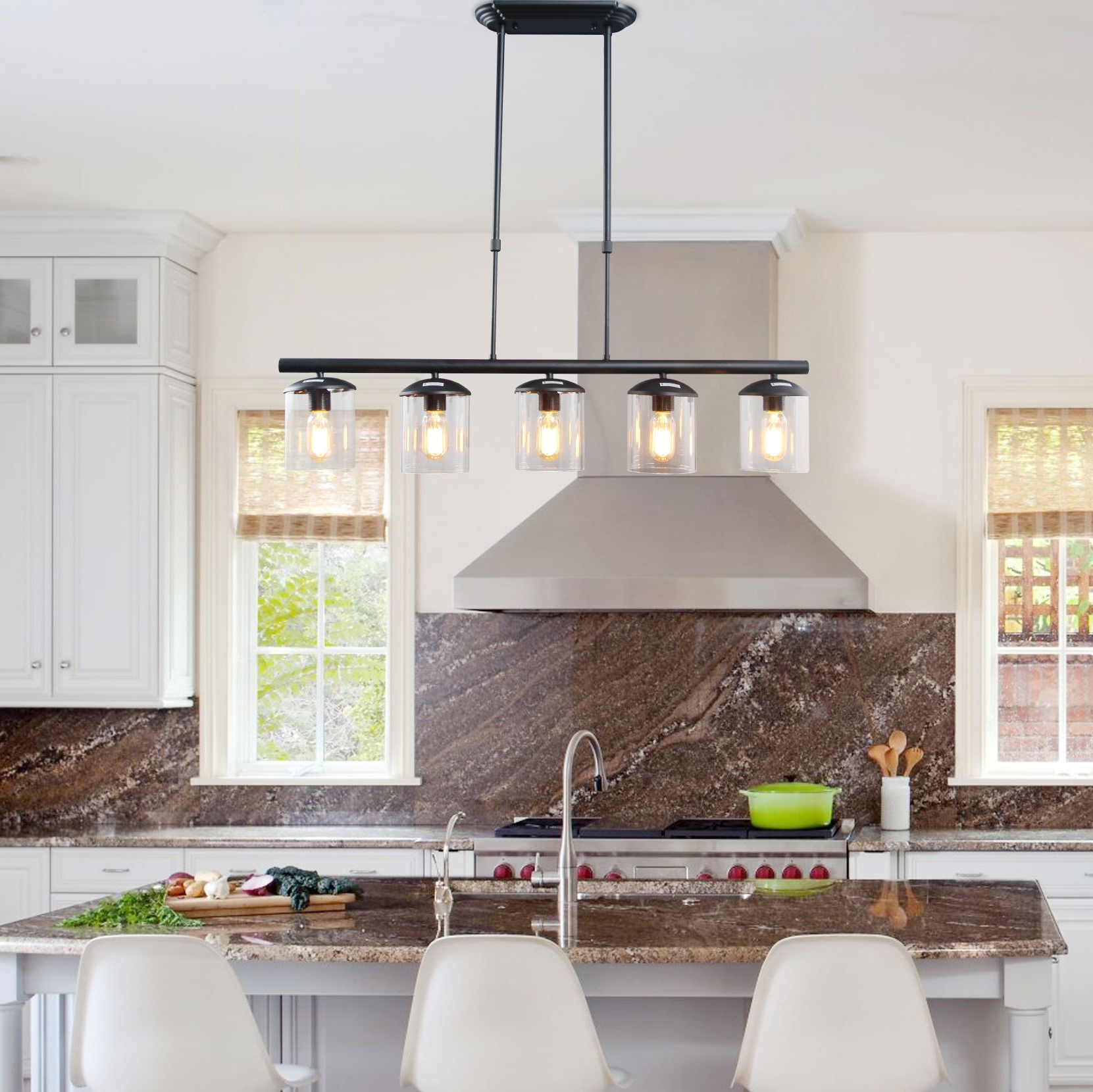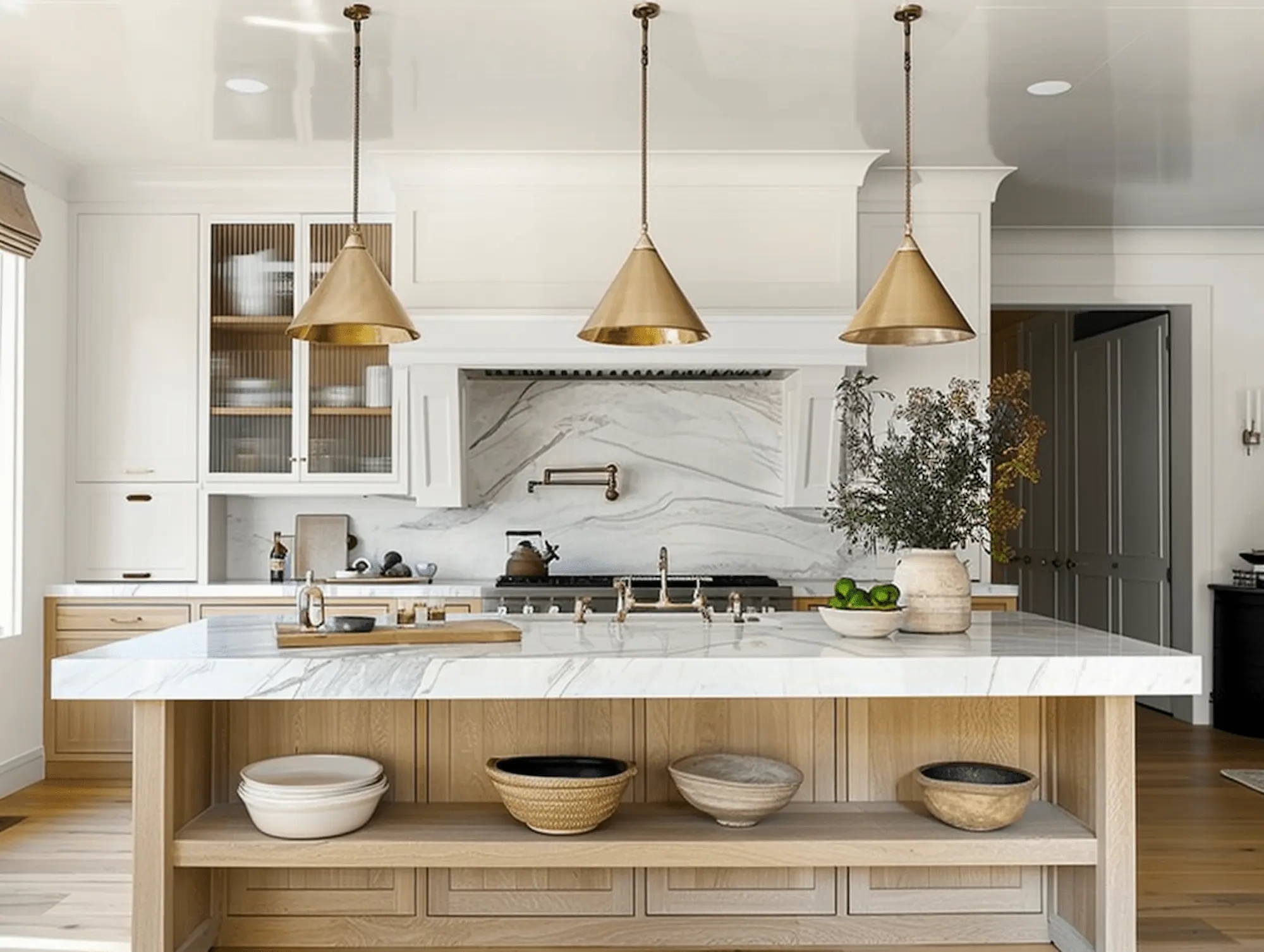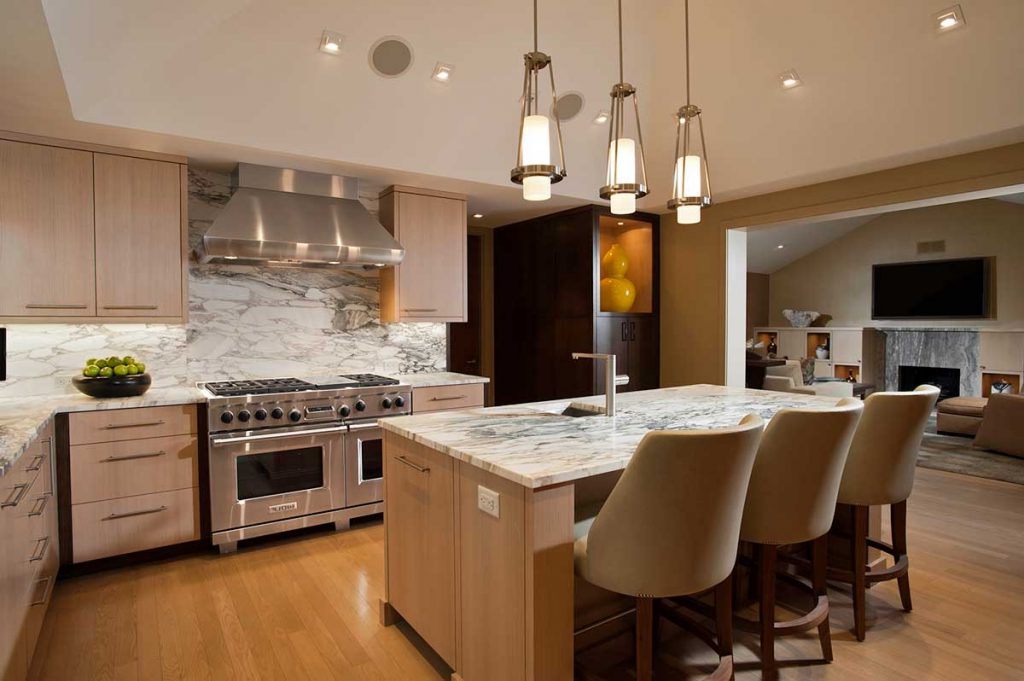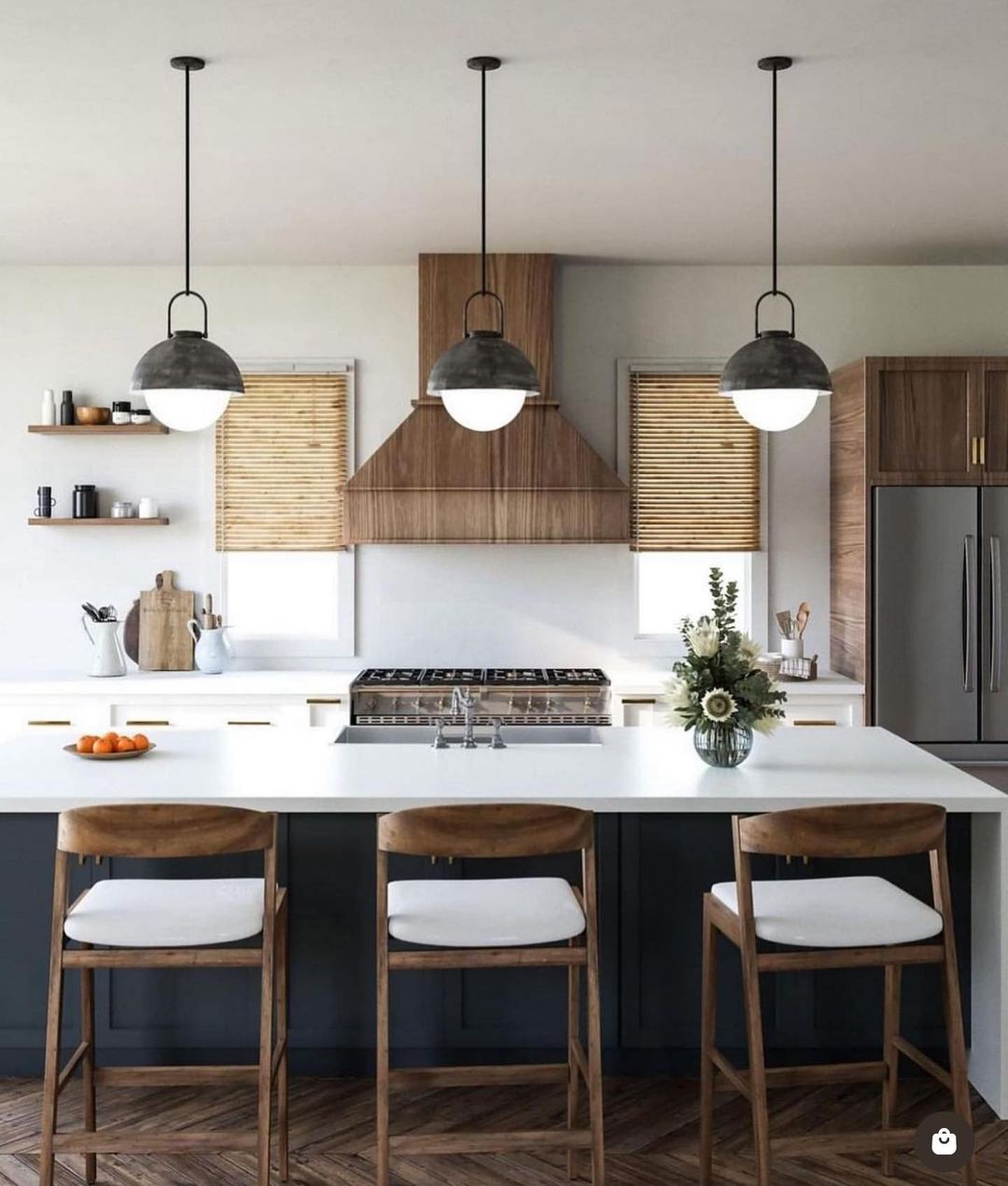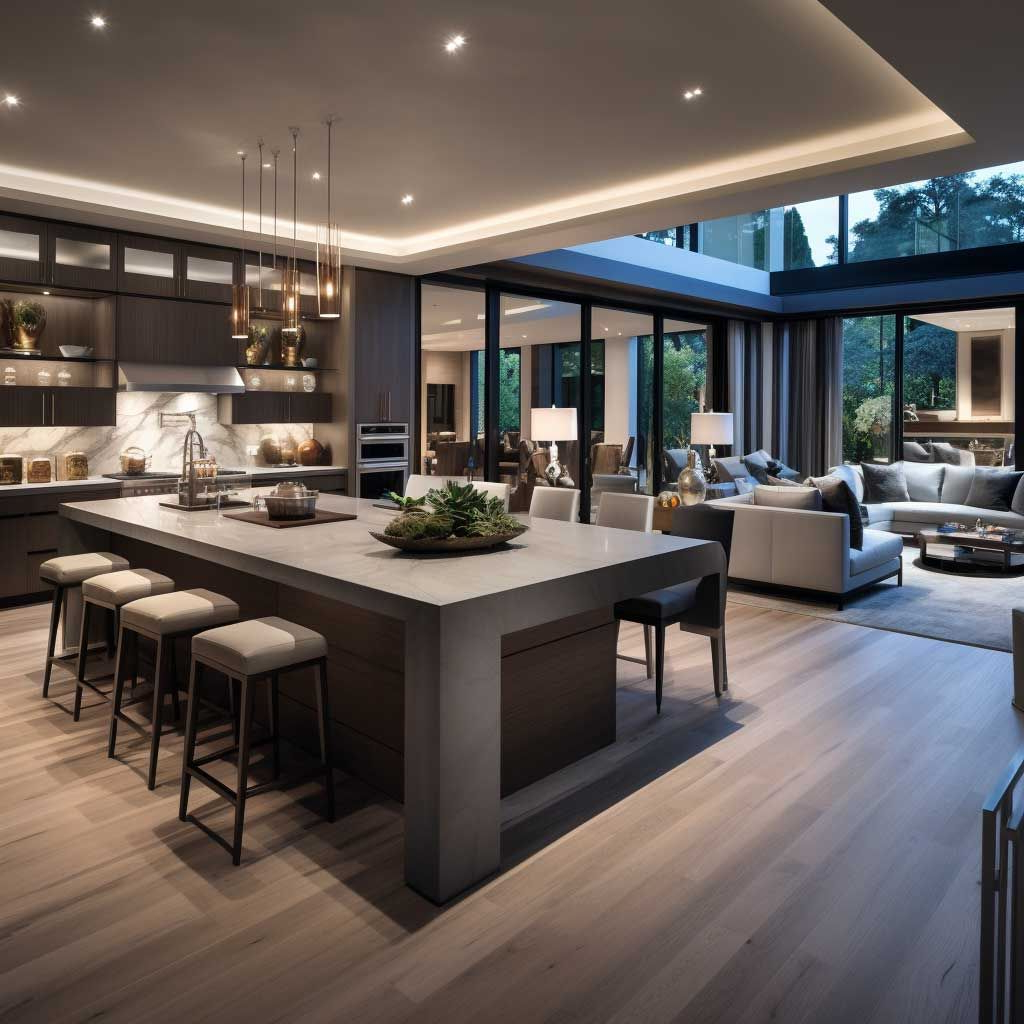
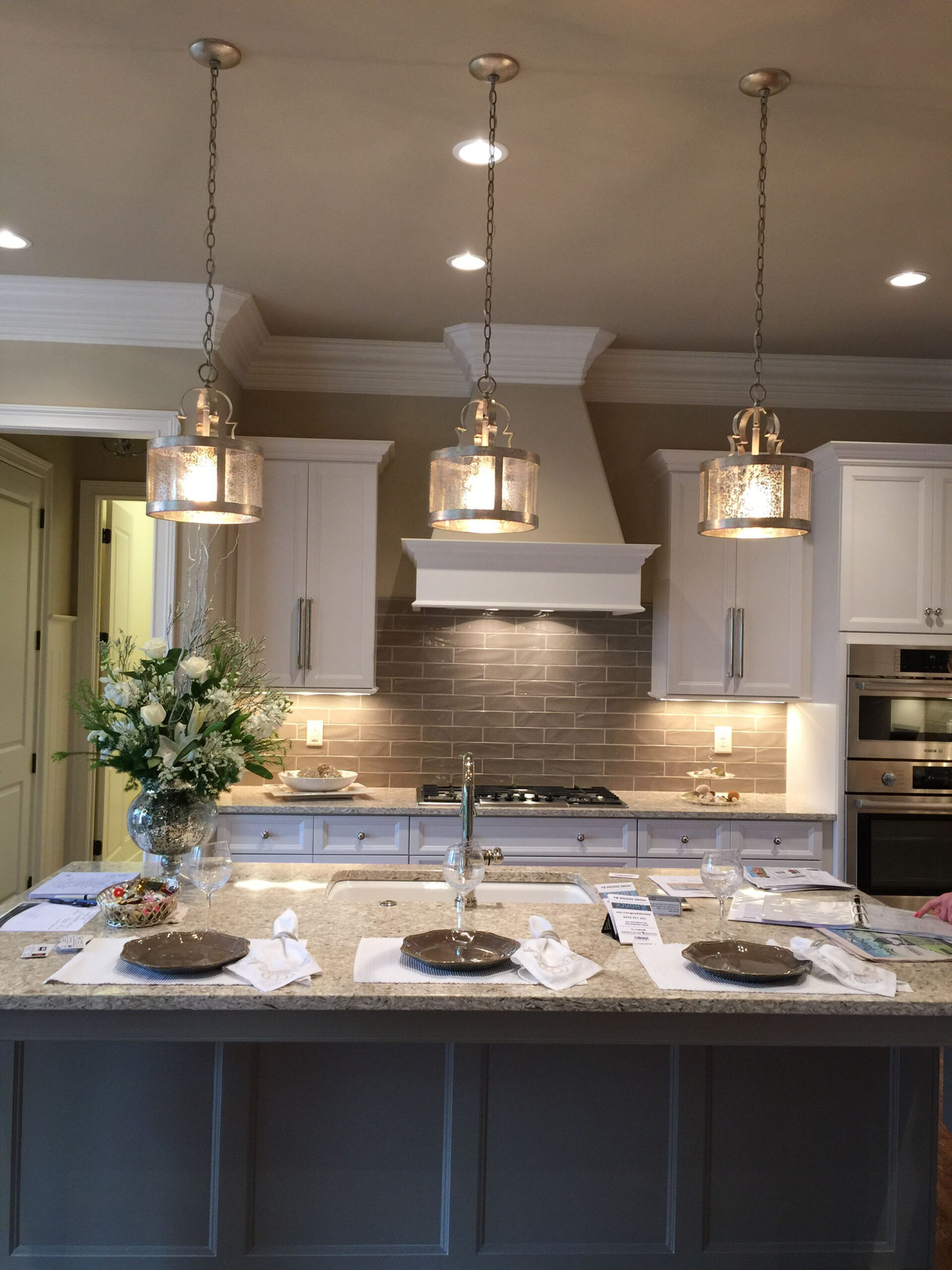
The kitchen island isn’t just a cooking surface anymore – it’s the heart of your home’s social life. But when it comes to illumination, many homeowners miss the mark. The right lighting can make or break your island’s functionality and aesthetic appeal. From bright task lights to ambient glow, understanding how to light your kitchen island properly can completely change how you experience your kitchen.
Think about your kitchen island. What comes to mind? Is it the place where you prep ingredients for dinner, where friends gather during weekend brunches, or perhaps where you do your morning coffee ritual? Regardless of its role in your daily routine, one thing remains constant: it needs proper lighting. Modern kitchen islands demand more than just overhead lights – they require thoughtful illumination that serves multiple purposes. Lighting that’s too dim makes everything feel cramped and uninviting. Too bright, and it can create harsh shadows that make cooking feel stressful. The secret lies in balancing different types of light sources to create a space that feels both welcoming and practical.
Why Island Lighting Matters More Than You Think
Kitchen islands have evolved far beyond simple prep areas. They’ve become multifunctional spaces where families gather, meals are planned, and conversations flow freely. This shift means lighting must serve several functions simultaneously. Consider how you use your island throughout the day. In the morning, you might want bright, even light to see ingredients clearly. During dinner parties, softer ambient lighting creates a warm atmosphere. When working late, you’ll need focused task lighting to avoid eye strain.
The truth is, most kitchen islands suffer from poor lighting choices. Too often, homeowners rely solely on ceiling fixtures that cast shadows and create uneven illumination. This creates frustrating situations where you can’t see what you’re doing, especially when preparing food or reading recipes. Good island lighting solves these problems by providing layered illumination that adapts to different activities and times of day.
Layered Lighting: The Foundation of Great Island Design
The best approach to kitchen island lighting involves layering three distinct types of illumination:
• Task lighting – This provides focused brightness for specific activities like chopping vegetables or reading labels
• Ambient lighting – Creates overall illumination for general use and comfortable atmosphere
• Accent lighting – Adds visual interest and highlights architectural features or decorative elements
This three-tiered system ensures that every moment in your kitchen island area feels well-lit and purposeful. Imagine trying to slice potatoes while your island is poorly lit – you’d be constantly squinting and adjusting your position. With proper layered lighting, you can work efficiently without straining your eyes.
Many people think they need just one dramatic fixture, but that rarely works. Instead, consider combining a few smaller lights strategically placed around your island. This approach distributes light evenly and eliminates those harsh shadows that make spaces feel cold and unwelcoming.
Choosing the Right Light Fixtures for Your Space
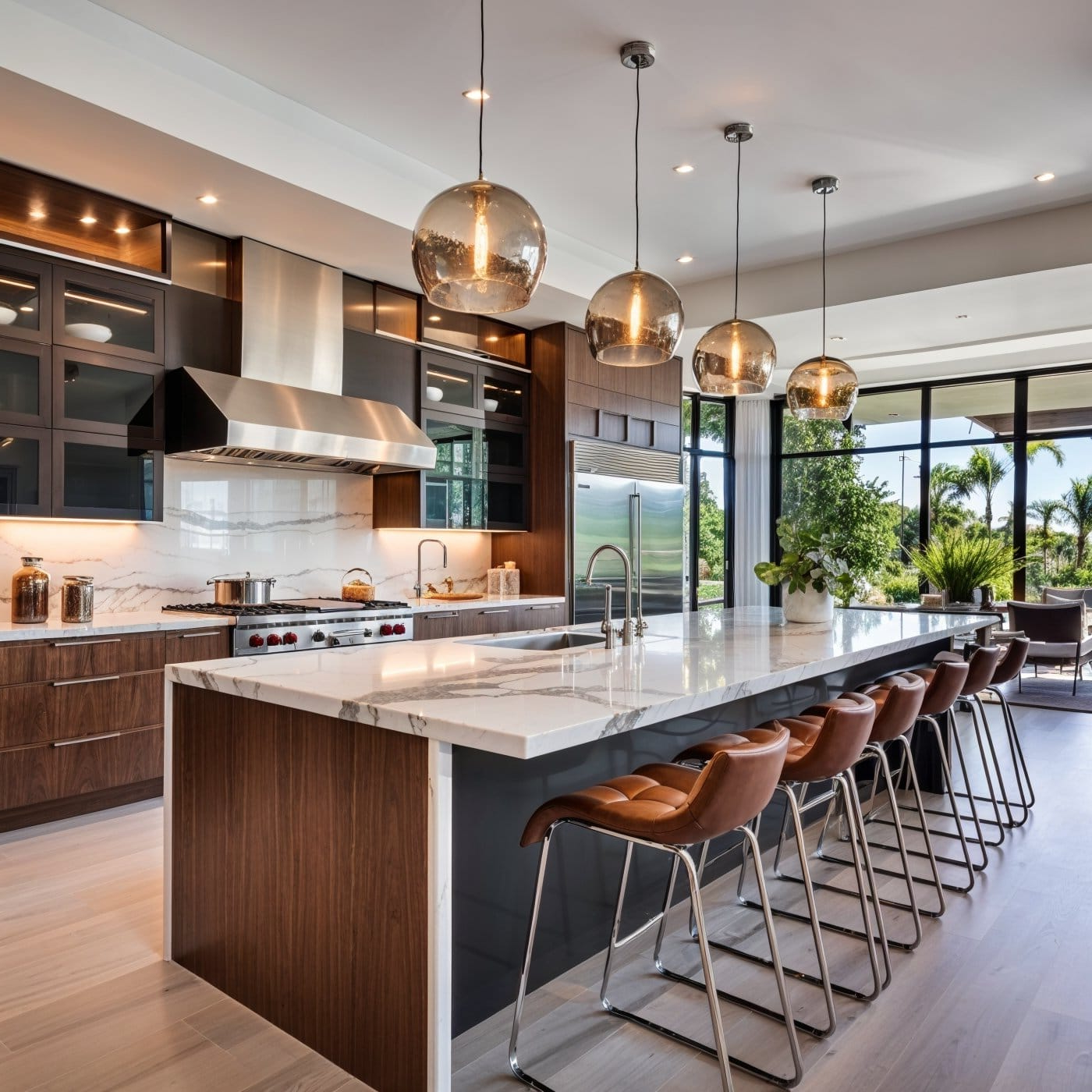
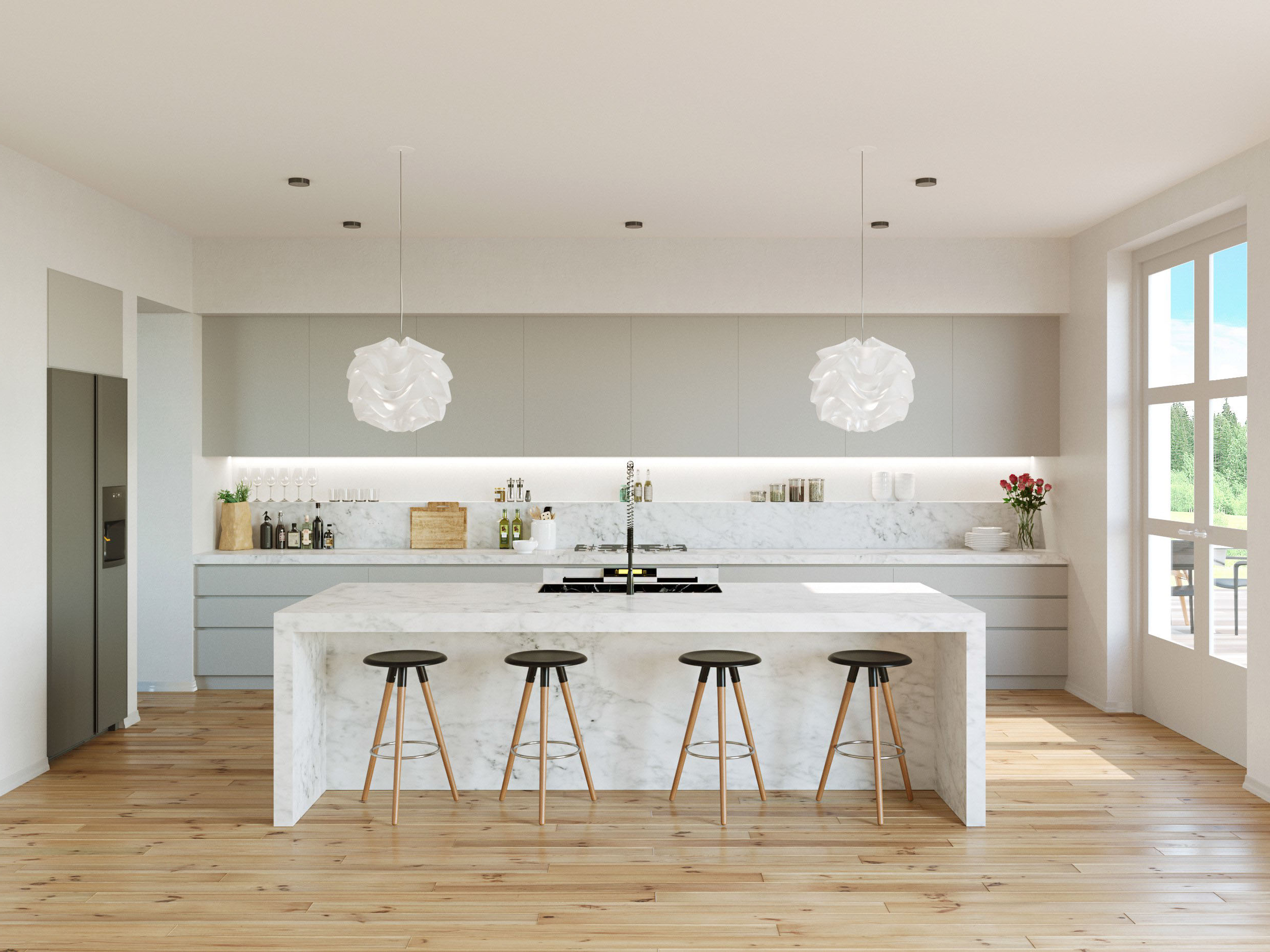
Selecting appropriate fixtures requires considering several factors including island size, ceiling height, and existing kitchen design. For smaller islands, pendant lights offer excellent options. They provide direct downward light while adding visual appeal. The key is choosing the right size – a fixture that’s too large can overwhelm a small space, while one that’s too small won’t provide adequate illumination.
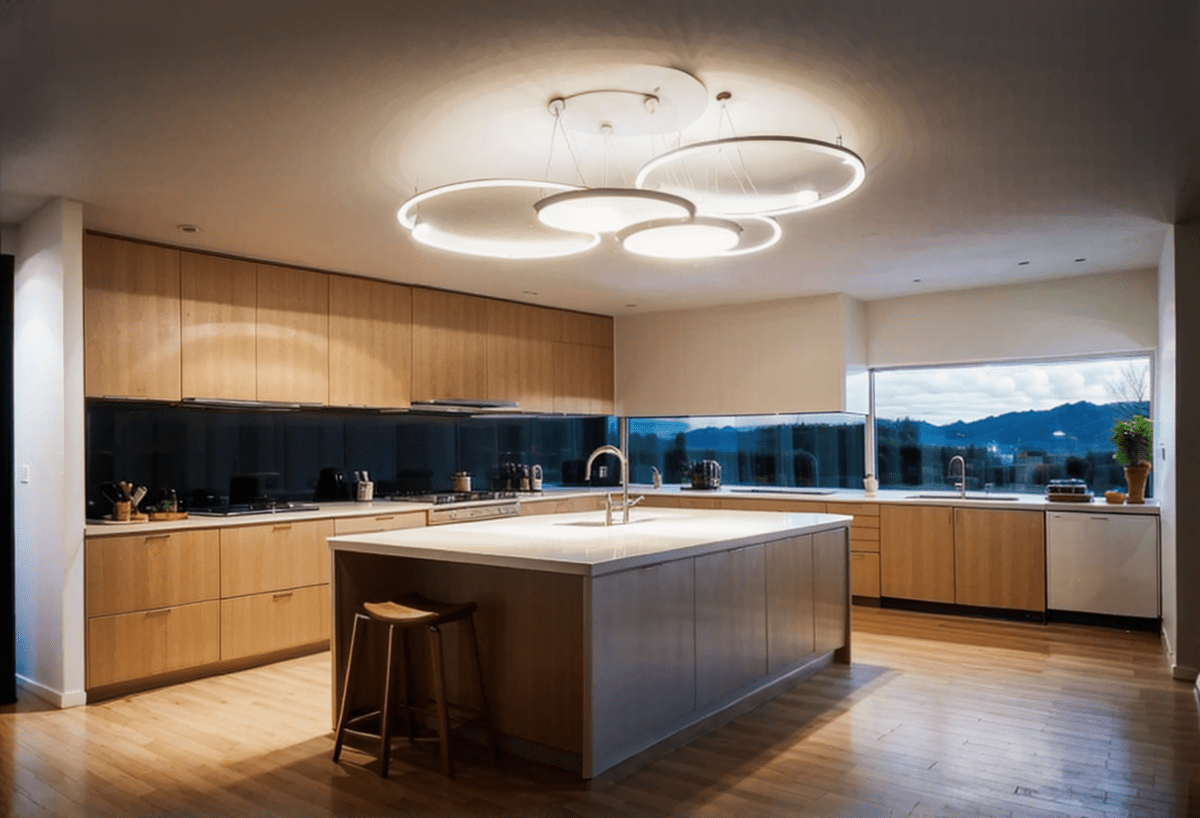
For larger islands, consider multiple pendant lights or a chandelier-style fixture. These can create a dramatic focal point while ensuring even light distribution. The distance between fixtures matters – typically, they should be spaced about 30 inches apart for optimal coverage.
Another popular option is under-cabinet lighting. While this primarily serves task lighting needs, it can also contribute to ambient lighting when positioned correctly. Many homeowners combine this with overhead fixtures for maximum effectiveness. The trick is making sure there’s no gap in lighting coverage across the entire island surface.
Color Temperature and Its Impact on Mood
Lighting temperature affects how we feel and interact within our spaces. The color temperature of light is measured in kelvins (K) and ranges from warm to cool tones. For kitchen islands, the choice often depends on intended use and personal preference.
Warm white light (2700K-3000K) creates a cozy, inviting atmosphere perfect for evening meals and casual gatherings. It’s particularly effective when combined with dimming capabilities, allowing you to adjust the ambiance based on the time of day or activity. Think of it like having a warm fireplace glow – comforting and relaxing.
Cool white light (4000K-5000K) offers better visibility for detailed work and is ideal for morning preparation or when you’re doing precise food prep. It reduces eye fatigue during extended periods of concentration. Some people prefer a balance – using cooler light during daytime hours and warmer tones in the evenings.
The most practical approach combines both temperatures. Many modern fixtures allow you to switch between settings or offer adjustable color temperature controls. This flexibility lets you customize your environment based on changing needs throughout the day.
Practical Tips for Installing Island Lighting
Installing proper lighting requires careful planning and attention to detail. Here are some key considerations:
• Measure your island dimensions carefully before selecting fixtures. This prevents buying items that are either too big or too small
• Consider existing electrical outlets and plan accordingly. You may need to hire an electrician for new installations
• Plan for dimming capabilities if you want flexible lighting options. Not all fixtures support dimming, so check specifications carefully
• Think about future needs. Will you add more seating or change the island layout? Planning ahead helps avoid costly retrofits later
One common mistake is placing lights too high above the island. Most kitchen island lighting should hang between 30 and 36 inches above the surface. This height provides good illumination without creating glare or shadow issues. Another consideration is ensuring adequate wattage for the space. A typical island might need 100-200 watts total, depending on its size and how much light you desire.
Common Mistakes to Avoid in Island Lighting Design
Even experienced homeowners can fall into common pitfalls when designing their island lighting. Here are some frequent errors and how to prevent them:
• Over-relying on a single overhead fixture. This creates dark spots and poor illumination
• Choosing fixtures that don’t match the room’s style. Lighting should complement rather than clash with existing design elements
• Ignoring the importance of task lighting. Without proper focus areas, even well-lit spaces feel inadequate
• Failing to consider the island’s actual usage patterns. A fixture that looks great but doesn’t serve your daily routines is pointless
Another frequent oversight is not accounting for the fact that different areas of the island may need different lighting levels. The center of the island might require more illumination than the edges. Some designers recommend using adjustable fixtures that can be moved or tilted to direct light where needed most. Also, remember that lighting changes over time – what looks good today might not work as well in a few years when your kitchen evolves.
Great kitchen island lighting transforms a simple workspace into a dynamic gathering place. By understanding the basics of layered illumination, considering practical installation factors, and avoiding common mistakes, you can create a space that feels both functional and beautiful. The investment in proper lighting pays dividends in daily comfort and enjoyment. Whether you’re planning a complete kitchen renovation or simply updating your current setup, remember that lighting isn’t just about brightness – it’s about creating an environment that supports your lifestyle and enhances your quality of life. Your kitchen island deserves nothing less than thoughtful, well-designed illumination that makes every moment in the space feel special.
[sps_html tag=”img” src=”https://roofdrivein.com/wp-content/uploads/2026/01/50-modern-kitchen-lighting-ideas-for-your-kitchen-island-homeluf-in-understanding-the-essentials-of-contemporary-kitchen-island-illumination.jpg” alt=”50 Modern Kitchen Lighting Ideas For Your Kitchen Island - Homeluf in Understanding the Essentials of Contemporary Kitchen Island Illumination” style=”width: 100%; height: auto;”]
[sps_html tag=”img” src=”https://roofdrivein.com/wp-content/uploads/2026/01/30-modern-farmhouse-kitchen-island-lights-with-regard-to-understanding-the-essentials-of-contemporary-kitchen-island-illumination-scaled.jpg” alt=”30+ Modern Farmhouse Kitchen Island Lights with regard to Understanding the Essentials of Contemporary Kitchen Island Illumination” style=”width: 100%; height: auto;”]
[sps_html tag=”img” src=”https://roofdrivein.com/wp-content/uploads/2026/01/modern-kitchen-island-lighting-tips-and-inspiration-kitchen-ideas-with-modern-kitchen-island-lighting.jpg” alt=”Modern Kitchen Island Lighting - Tips And Inspiration - Kitchen Ideas with Modern Kitchen Island Lighting” style=”width: 100%; height: auto;”]
[sps_html tag=”img” src=”https://roofdrivein.com/wp-content/uploads/2026/01/35-modern-kitchen-island-lighting-ideas-for-a-luxurious-look-for-understanding-the-essentials-of-contemporary-kitchen-island-illumination.jpg” alt=”35 Modern Kitchen Island Lighting Ideas For A Luxurious Look for Understanding the Essentials of Contemporary Kitchen Island Illumination” style=”width: 100%; height: auto;”]
[sps_html tag=”img” src=”https://roofdrivein.com/wp-content/uploads/2026/01/13-small-kitchen-island-ideas-that-are-ultimate-space-savers-your-throughout-modern-kitchen-island-lighting.webp” alt=”13 Small Kitchen Island Ideas That Are Ultimate Space Savers - Your … throughout Modern Kitchen Island Lighting” style=”width: 100%; height: auto;”]