The modern kitchen isn’t just about cooking anymore. It’s become the heart of the home where families gather, friends meet, and conversations flow freely. Your kitchen island can be more than a prep surface – it can be the centerpiece of social interaction.
Think about your favorite moments in the kitchen. Chances are, they involve people. Whether it’s a morning coffee with your partner, a quick chat while dinner cooks, or a lively conversation during weekend brunch, the kitchen is where connection happens. Your island setup plays a crucial role in making these moments possible. But creating the right environment requires more than just a big counter space. It’s about designing intentional areas where people naturally want to gather and talk. What if your kitchen island could be the catalyst for all those wonderful conversations? Let’s explore how to make that happen.
Understanding the Psychology of Gathering Spaces
People are naturally drawn to spaces that encourage interaction. When we think about why certain areas of our homes work better for conversation, it comes down to a few key elements. The physical layout matters enormously. Open floor plans have made kitchens more social, but that doesn’t mean every kitchen automatically becomes a conversation hub. You need to actively design for connection. Consider how people move through your space. Do they naturally gravitate toward the island? Or do they feel awkward or crowded when trying to engage there? The psychology of gathering spaces involves comfort, accessibility, and visual appeal. People want to feel like they belong in the space, not like they’re intruding. Think about the difference between a narrow bar stool setup versus a wider, more comfortable seating arrangement. One makes people want to stay, while the other might make them want to leave quickly. The right setup should invite people to linger, not just pass through.
Seating Arrangements That Promote Dialogue
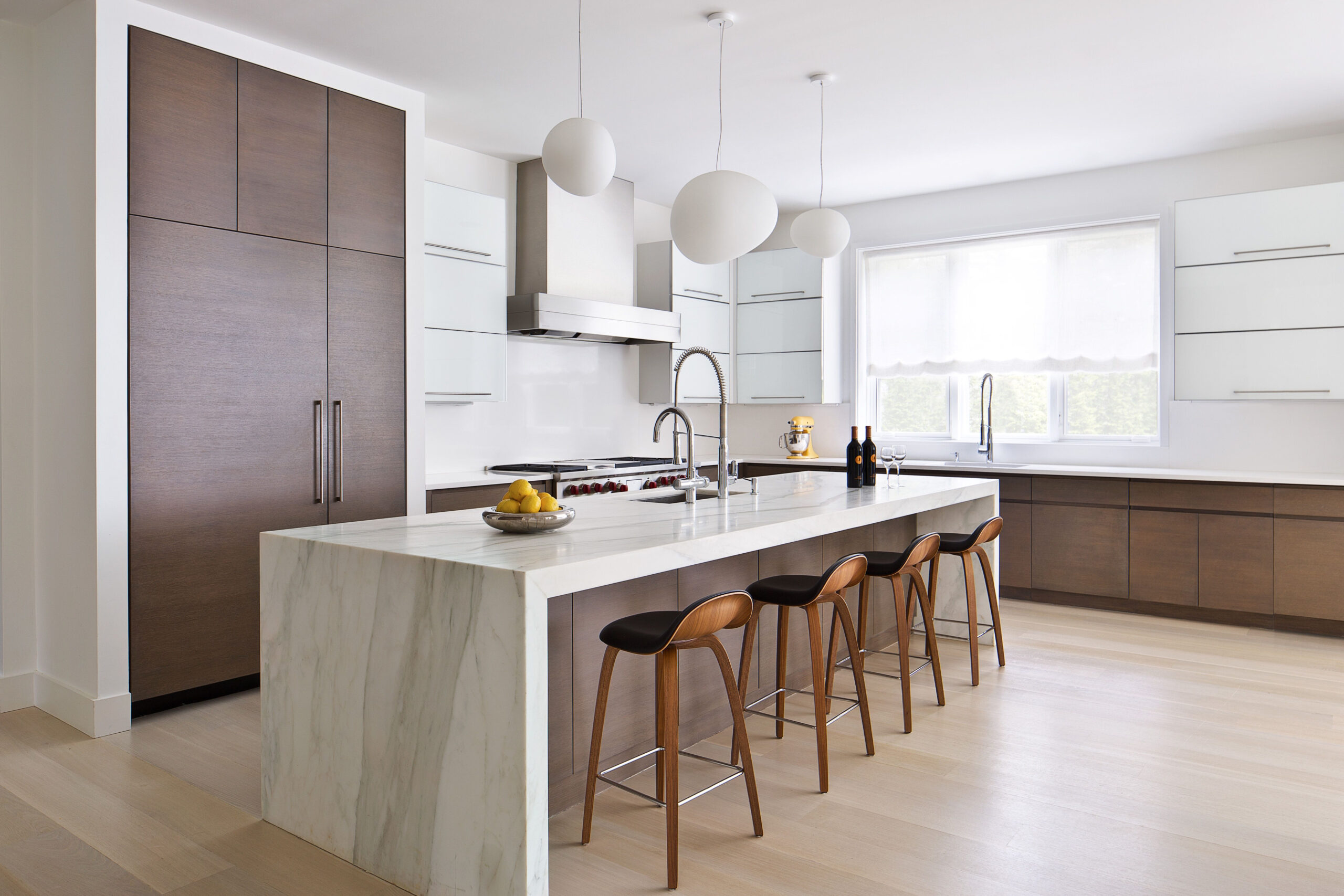
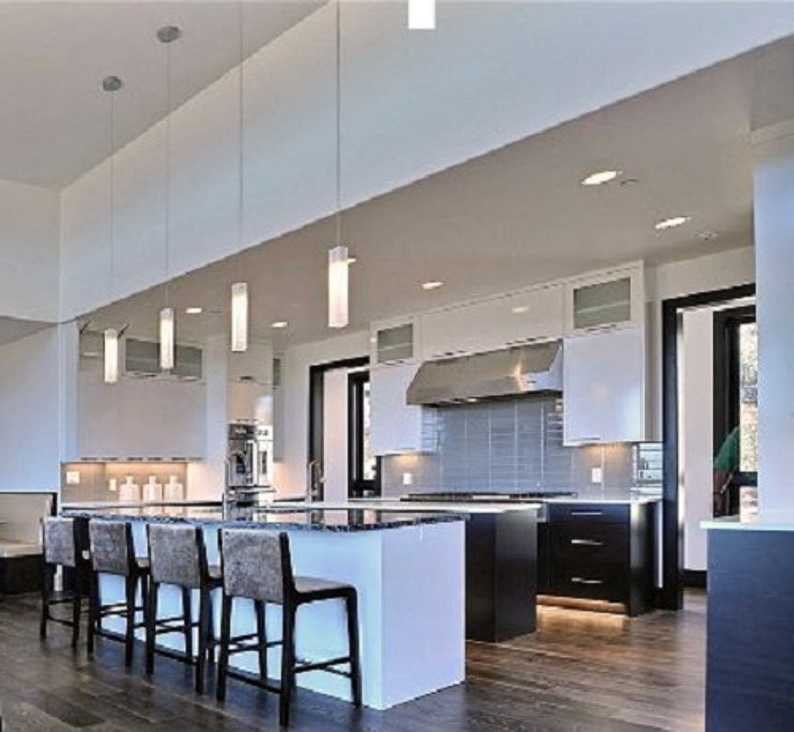
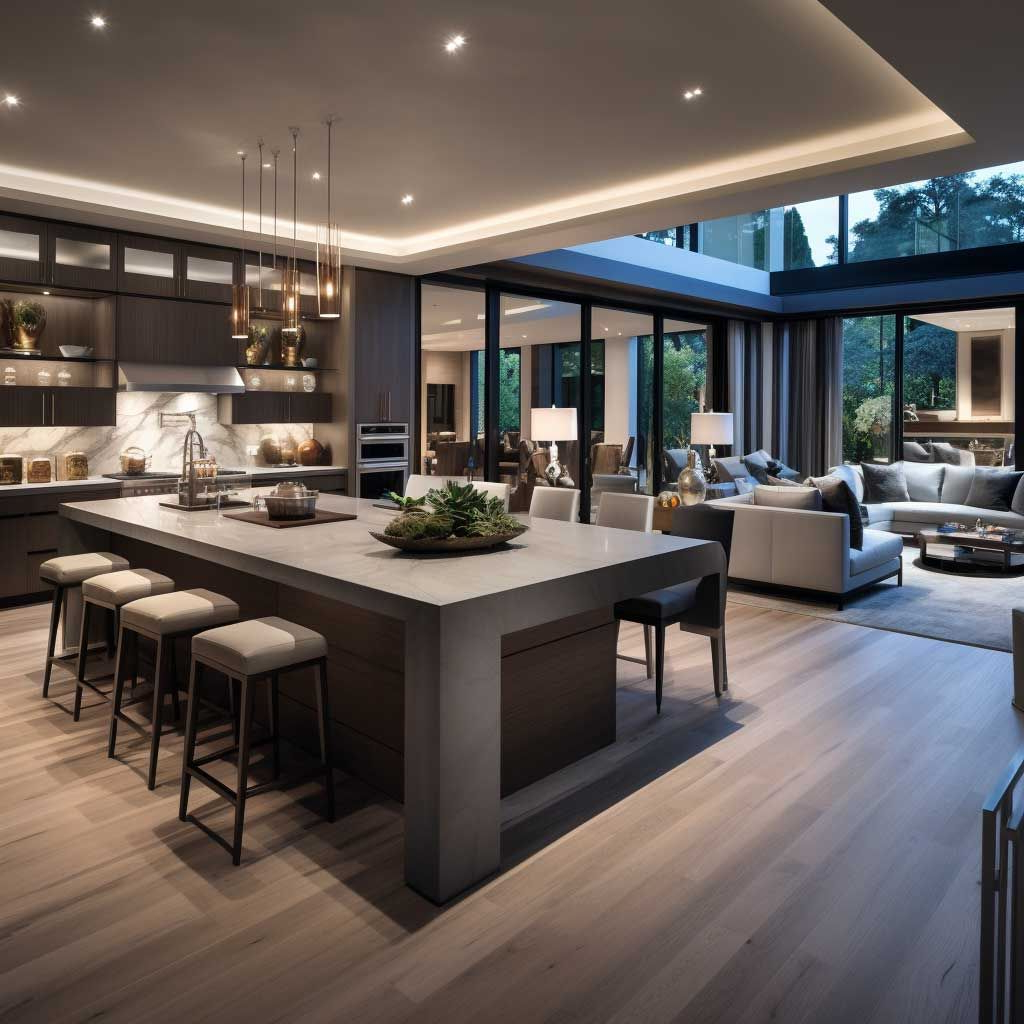
The type of seating around your island significantly impacts how much conversation happens. You’ve probably noticed how different seating options create different vibes. A row of bar stools might work well for quick meals, but they don’t always allow for comfortable face-to-face conversation. Try thinking about the angle of seating. When people sit at 90-degree angles to each other, they’re more likely to engage in conversation. This creates a natural circle of interaction. Consider adding a mix of seating types – perhaps some bar stools, some regular chairs, and maybe even a small bench. Different heights and styles can accommodate various needs and preferences. For instance, taller stools might work better for quick breakfasts, while lower seating encourages longer conversations. Some people prefer to sit with their backs to the wall, while others want to face the room. Designing with flexibility in mind means considering multiple seating configurations. Maybe you can easily rearrange furniture or add removable seating options. This way, your space adapts to different situations – whether you need casual family time or more formal gatherings.
Lighting That Encourages Connection
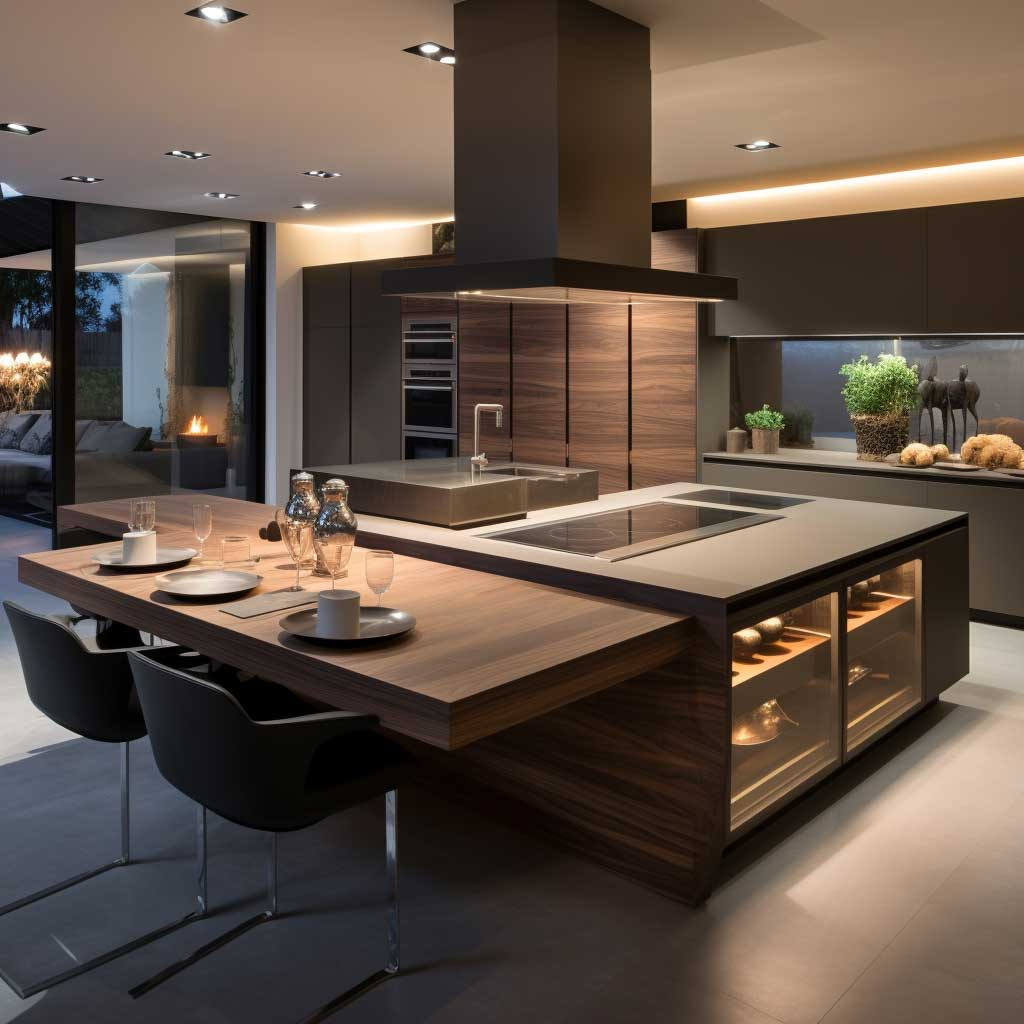
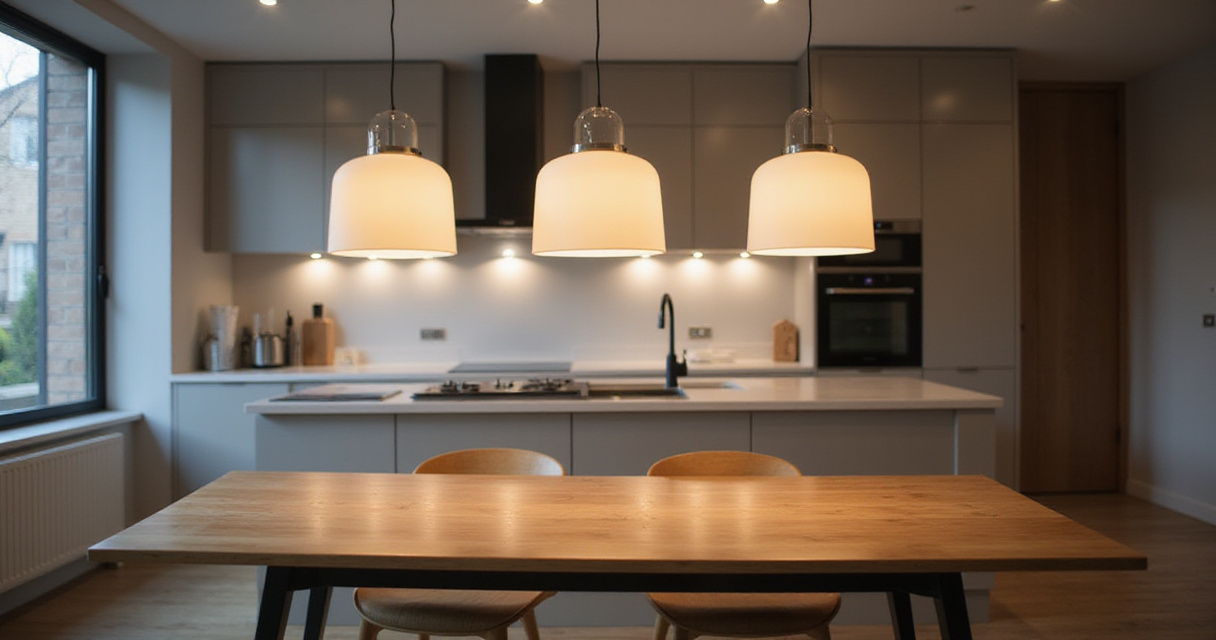
Good lighting does more than just illuminate your space. It sets the mood for conversation. Natural light is fantastic, but it’s not always available when you want to host evening discussions. That’s where layered lighting comes into play. Task lighting above the island keeps things functional for cooking and prep work. Ambient lighting creates a welcoming atmosphere. And accent lighting can highlight conversation areas or special features. Soft, warm lighting tends to encourage longer stays and more intimate conversations. It’s the kind of lighting that makes people feel comfortable enough to share stories or discuss their day. Consider installing dimmer switches so you can adjust the lighting based on the time of day and the type of gathering you’re having. Some people love the bright, clean look of overhead lighting, but it can sometimes feel harsh for extended conversations. Adding table lamps or string lights can soften the overall effect. Don’t forget about the placement of light sources too. Sometimes a single bright light in the center can create shadows that make people feel uncomfortable. Spreading light more evenly helps everyone feel included in the conversation area.
Functional Layouts That Support Interaction
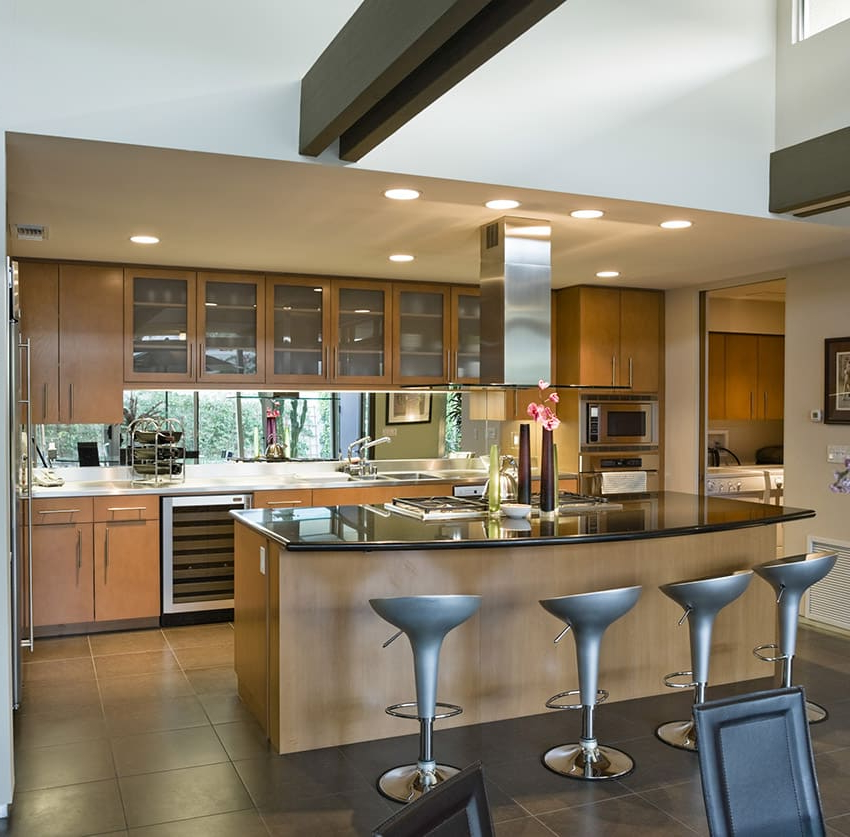
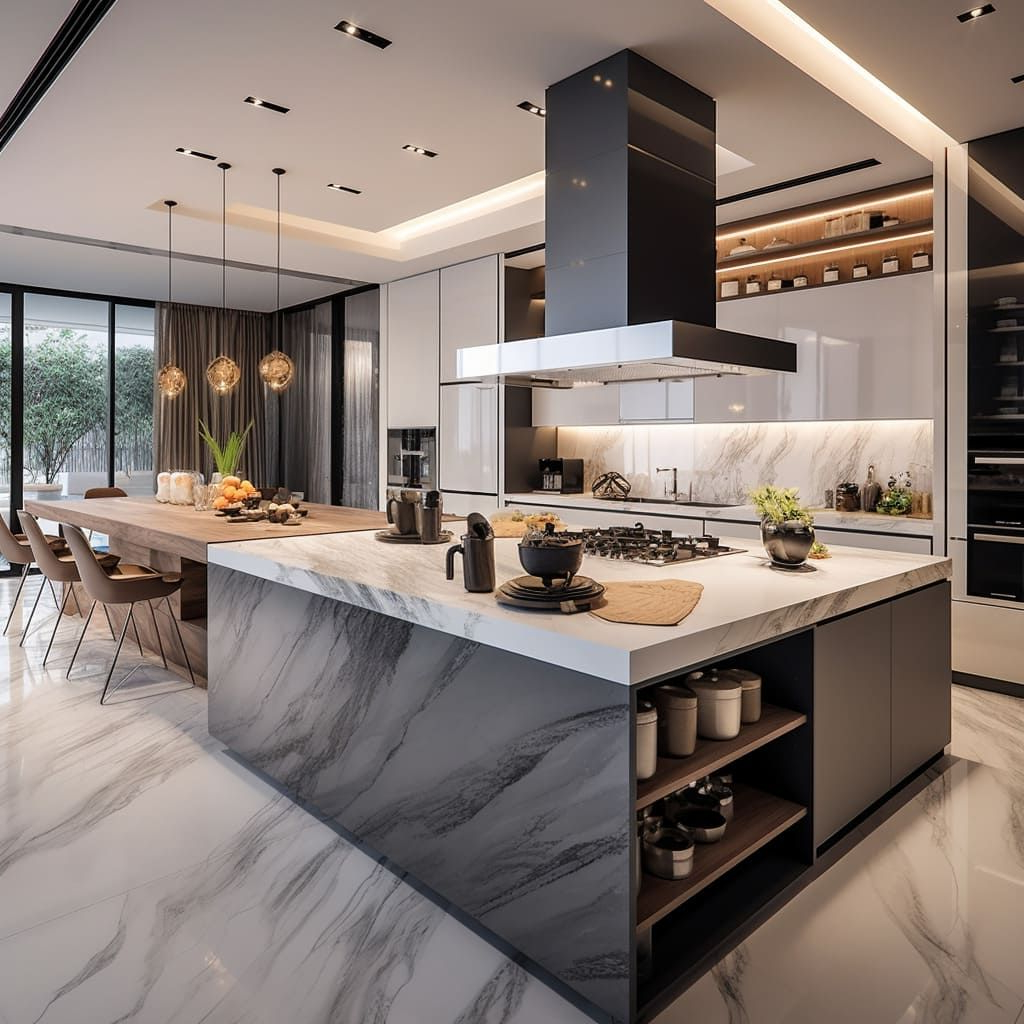
A well-designed kitchen island layout can either enhance or hinder conversation. Think about how you actually use your kitchen. Do you cook together? Do you often eat meals there? Is it a place where you work on projects or games? These activities influence how you should arrange everything. The island itself should provide adequate space for both food preparation and socializing. If it’s too narrow, people will feel cramped when trying to sit around it. But if it’s too wide, it might create a barrier rather than a gathering point. Consider the distance between the island and other kitchen elements. Are there cabinets or appliances that block views or create awkward pathways? The best layouts usually have clear sightlines and open spaces. You want people to see each other easily, especially when they’re seated around the island. Some people prefer islands with a slight overhang, which allows for more comfortable seating and gives people room to move their arms. Others like islands that extend directly to the walls, creating a more enclosed feeling. The key is matching the layout to your lifestyle and the types of conversations you want to encourage. If you’re planning to host regular dinner parties, you might want a larger, more flexible island. For simple weekday meals, a smaller, more intimate setup might work better.
Storage Solutions That Keep Conversations Flowing
Clutter can kill conversation. No one wants to sit in a space that feels chaotic or disorganized. Good storage solutions keep everything neat and accessible, which means less stress and more time for talking. Think about where items go and how often you’ll need to access them. If you’re constantly reaching across the island to get ingredients or utensils, it disrupts the natural flow of conversation. Storage should be thoughtfully placed to support both functionality and socializing. Consider pull-out drawers, built-in shelves, and hidden compartments. These can keep ingredients and supplies out of sight while still being easy to reach. You might want to group similar items together so people can find what they need without searching everywhere. Some people love the look of open shelving, but it requires careful organization to avoid visual chaos. If you do choose open storage, consider using decorative containers or baskets to maintain a polished appearance. The goal is to create a space where everything has its place, and no one feels like they’re interrupting someone else’s cooking or conversation by reaching for something. Sometimes the most important storage solution is simply keeping the island surface clear of unnecessary items.
Personal Touches That Make the Space Feel Like Home
What makes a space truly inviting isn’t just the layout or the furniture – it’s the personal touches that make it feel like a home. These small details often have the biggest impact on encouraging conversation. Plants bring life to the space and create a calming atmosphere. They also provide natural conversation starters. Artwork or photos can reflect your personality and give guests something to notice and comment on. Even simple items like candles, books, or fresh flowers can transform a utilitarian kitchen into a warm gathering place. Consider how you want people to feel when they’re sitting around your island. Do you want them to feel relaxed and informal? Or more formal and elegant? The right personal touches help set that tone. Some people prefer a rustic, lived-in look with vintage items and handmade pieces. Others might lean toward sleek, modern aesthetics with clean lines and minimalist design. Whatever style you choose, consistency helps create a cohesive environment that feels intentional rather than random. Remember that personal touches should be meaningful to you, not just visually appealing. A well-chosen item that tells a story or represents something important to you will spark more genuine conversation than a pretty decoration that lacks personal significance.
Creating conversation areas around your modern kitchen island isn’t just about getting people to sit together. It’s about designing spaces that naturally encourage connection and interaction. Every element – from seating choices to lighting decisions to storage solutions – contributes to whether your kitchen becomes a place where people want to spend time together. The most successful kitchen islands are those that balance functionality with warmth. They provide the practical space needed for cooking and preparing meals while also offering comfortable areas for people to gather and connect. You don’t need to overhaul your entire kitchen to make this happen. Small changes to how you arrange furniture, add lighting, or organize your space can have a dramatic impact on the social experience. The key is to think about your daily routines and how you want to spend time with family and friends. What would make those moments more enjoyable? What would make people feel more welcome? By focusing on these questions and making thoughtful design choices, your kitchen island can become the heart of your home’s social life. It’s not about perfection – it’s about creating a space where people want to return again and again.
[sps_html tag=”img” src=”https://roofdrivein.com/wp-content/uploads/2026/01/modern-kitchen-island-designs-8-unique-features-inside-creating-conversation-areas-around-your-modern-kitchen-island-setup.png” alt=”Modern Kitchen Island Designs: 8+ Unique Features inside Creating Conversation Areas Around Your Modern Kitchen Island Setup” style=”width: 100%; height: auto;”]
[sps_html tag=”img” src=”https://roofdrivein.com/wp-content/uploads/2026/01/modern-kitchen-with-waterfall-island-countertop-modern-kitchen-island-inside-creating-conversation-areas-around-your-modern-kitchen-island-setup-scaled.jpg” alt=”Modern Kitchen With Waterfall Island Countertop | Modern Kitchen Island … inside Creating Conversation Areas Around Your Modern Kitchen Island Setup” style=”width: 100%; height: auto;”]
[sps_html tag=”img” src=”https://roofdrivein.com/wp-content/uploads/2026/01/this-modern-kitchens-island-topped-with-white-marble-adds-elegance-intended-for-modern-kitchen-island-decor.jpg” alt=”This Modern Kitchen’s Island, Topped With White Marble, Adds Elegance … intended for Modern Kitchen Island Decor” style=”width: 100%; height: auto;”]
[sps_html tag=”img” src=”https://roofdrivein.com/wp-content/uploads/2026/01/33-modern-kitchen-islands-design-ideas-designing-idea-throughout-creating-conversation-areas-around-your-modern-kitchen-island-setup.jpg” alt=”33 Modern Kitchen Islands (Design Ideas) - Designing Idea throughout Creating Conversation Areas Around Your Modern Kitchen Island Setup” style=”width: 100%; height: auto;”]
[sps_html tag=”img” src=”https://roofdrivein.com/wp-content/uploads/2026/01/50-stunning-modern-kitchen-island-designs-intended-for-creating-conversation-areas-around-your-modern-kitchen-island-setup.jpg” alt=”50 Stunning Modern Kitchen Island Designs intended for Creating Conversation Areas Around Your Modern Kitchen Island Setup” style=”width: 100%; height: auto;”]