Kitchen islands have undergone quite the transformation over the past century. What started as basic work surfaces have evolved into multifunctional centers that define modern kitchens. These once simple structures now serve as social hubs, storage solutions, and design statements all rolled into one.
Think about your last visit to a kitchen. Chances are you noticed something central – a large piece of furniture that sits in the middle of the room. That’s your kitchen island. It’s become such a staple in modern homes that we barely think twice about its presence. But if you look back just a few decades, these islands were much simpler affairs. They weren’t the elaborate showpieces they are today. They were functional, yes, but not particularly stylish or versatile. Today, kitchen islands are the heart of many homes, serving multiple purposes beyond just food prep. They’ve become places where families gather, friends chat, and meals are shared. This evolution isn’t just about aesthetics though – it reflects how our lifestyles have changed and what we expect from our living spaces.
Early Beginnings: Functional Foundations
In the early 1900s, kitchens were quite different from what we see today. They were utilitarian spaces designed purely for function. Kitchen islands were simple wooden tables or benches that served as work areas. These early versions had no fancy features or elaborate designs. They were practical solutions to a common problem – needing more counter space. Many homes didn’t even have them. In fact, they were often just an extra piece of furniture that happened to fit well in the center of the kitchen. The materials were straightforward too – usually wood or stone. These islands were built to last, using solid construction methods that could handle heavy use. Some even had built-in storage compartments that helped keep things organized. The focus was always on durability rather than appearance. Families would use these islands for everything from chopping vegetables to doing homework. They were places where daily activities took place, not social gathering spots. You might find them in modest homes or larger estates, but they were never considered special features. The idea of having a kitchen island as a centerpiece was unheard of back then.
Mid-Century Transformation
The 1950s and 60s brought major changes to how people thought about their kitchens. As home design became more sophisticated, kitchen islands began to evolve. During this time, architects and designers started paying attention to kitchen layouts and functionality. Islands weren’t just work surfaces anymore – they were becoming integrated parts of the overall kitchen design. The materials improved significantly during this period. Stainless steel began appearing more frequently, especially in commercial kitchens. This material choice reflected a growing interest in clean, modern aesthetics. Kitchen islands started incorporating more features like sinks, cooktops, and storage. The concept of having a separate prep area within the main kitchen space became popular. People realized that having a central work area made cooking more efficient. This era also saw the first attempts at making islands more visually appealing. Designers experimented with different shapes and sizes, moving away from purely rectangular forms. Some islands featured decorative elements like carved details or ornate edges. The idea of creating a focal point in the kitchen was beginning to take root. These islands were still practical, but they also started to contribute to the overall style of the room. The mid-century shift marked the beginning of kitchen islands as more than just functional furniture.
The Golden Age of Island Design
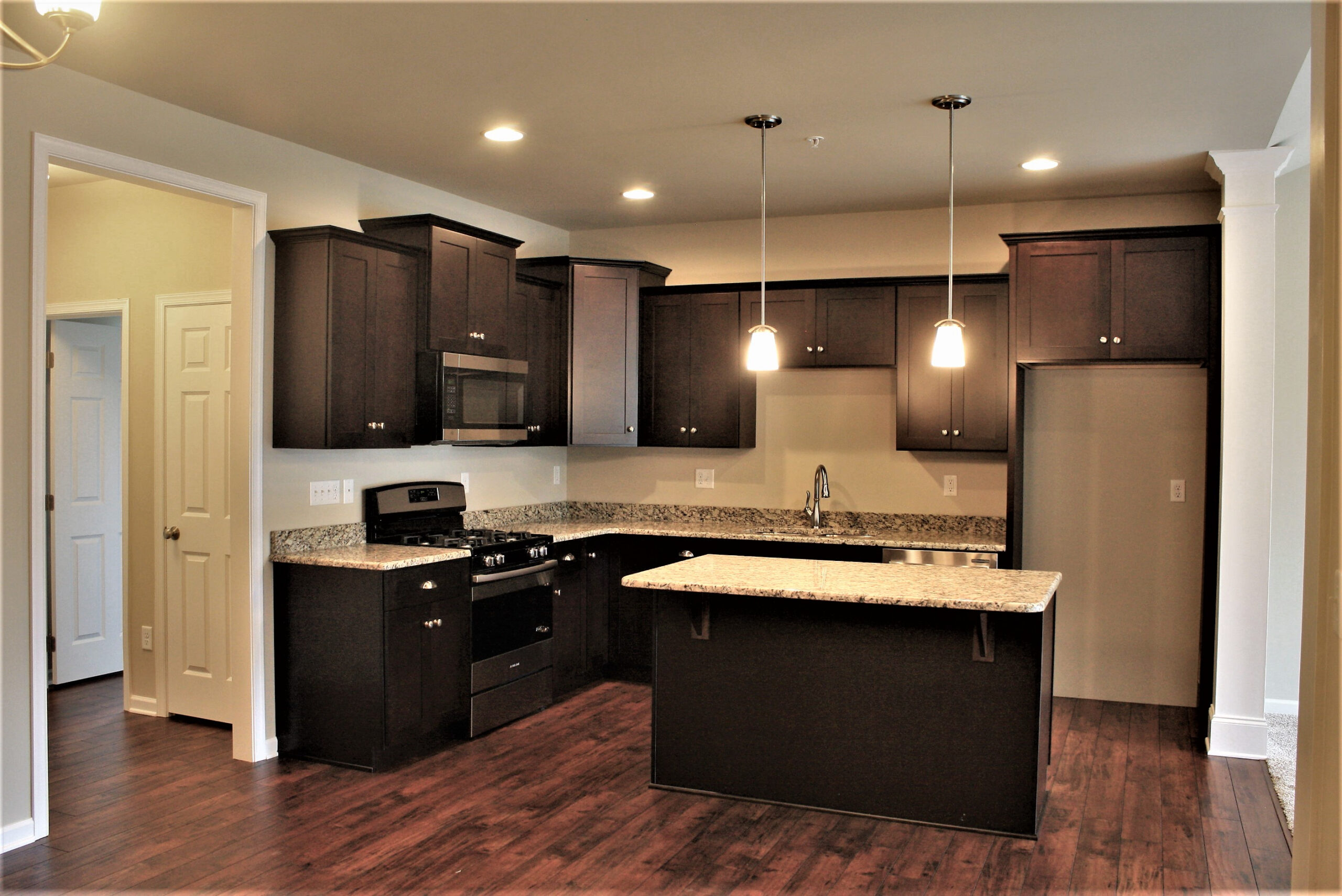
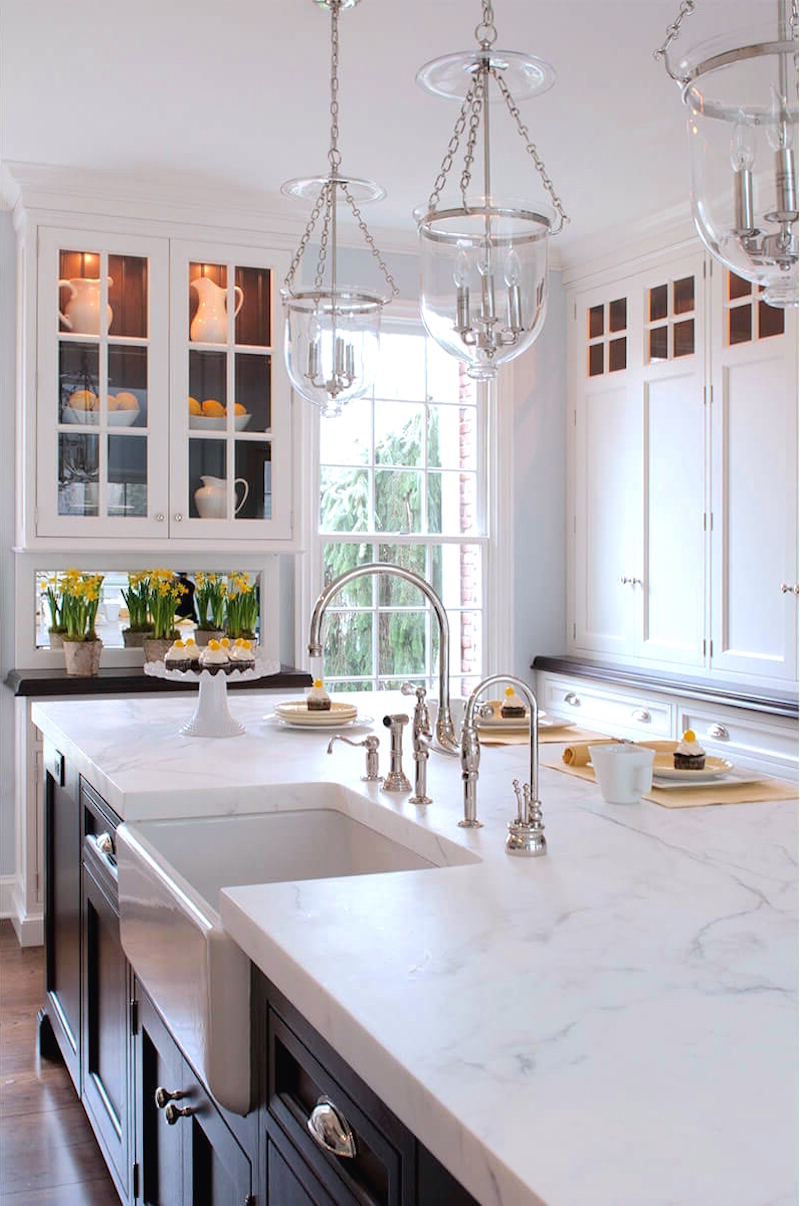
By the 1980s and 90s, kitchen islands had truly matured into important design elements. This period saw unprecedented creativity in island construction and styling. Manufacturers began offering pre-made island kits, making it easier for homeowners to install these features. The variety of materials expanded dramatically. Granite, marble, and other natural stones became popular choices. These materials offered both beauty and durability that previous options couldn’t match. The islands also grew in size and complexity. People started designing islands that spanned entire kitchen walls, creating massive workspaces. Some featured multiple levels or integrated appliances. The concept of the kitchen as a social space really took hold during this time. Islands became places where family members could interact while cooking. They often included seating areas that allowed people to eat or chat while others prepared meals. This was also when the idea of islands as display areas emerged. People began using them to showcase beautiful dishes, decorative items, or collections. The styling possibilities were endless. Homeowners could personalize their islands with custom finishes, unique hardware, or artistic touches. The golden age wasn’t just about bigger or fancier – it was about making islands truly central to the kitchen experience. This period established many of the design principles that continue to influence modern kitchen islands.
Modern Innovation and Technology Integration
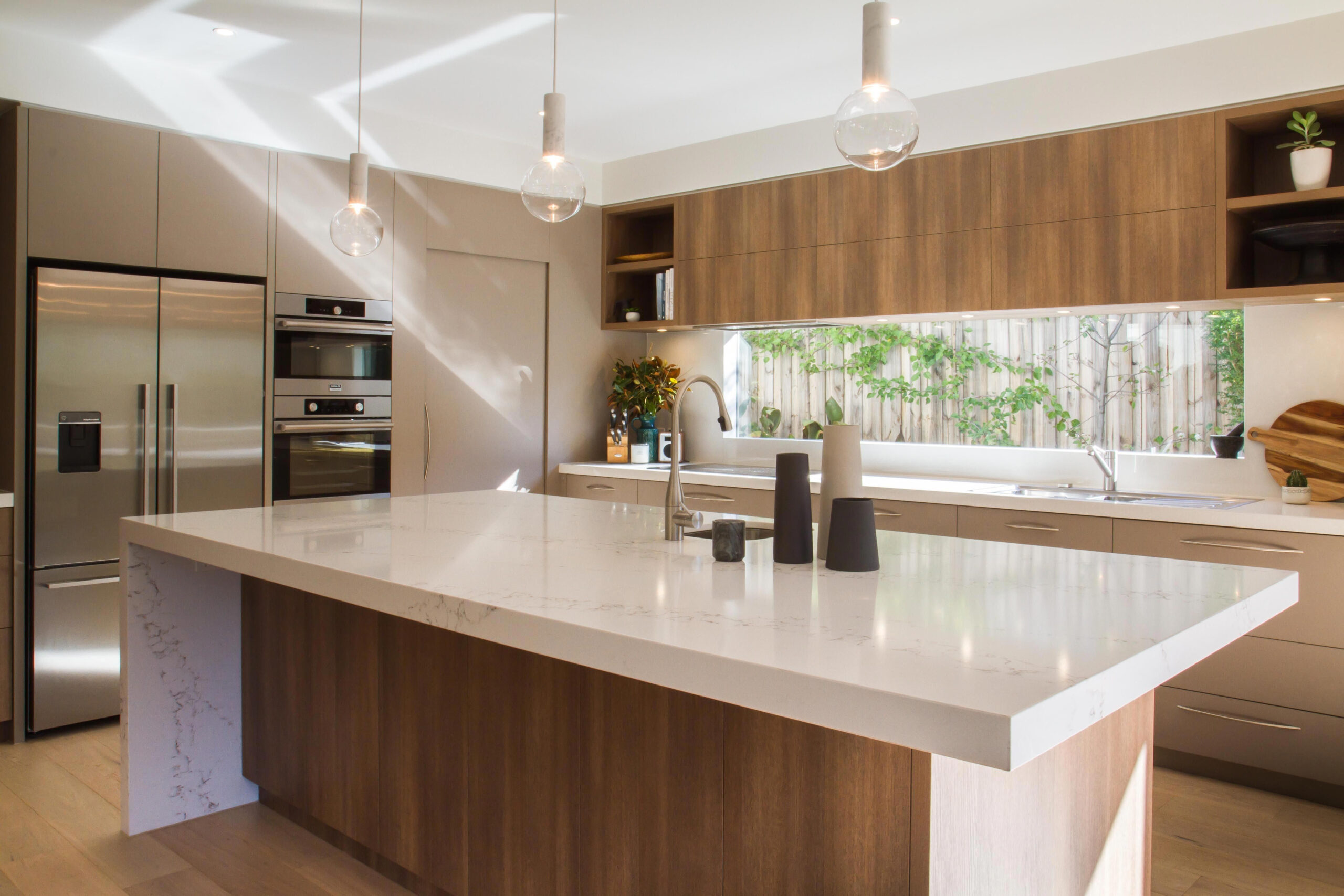
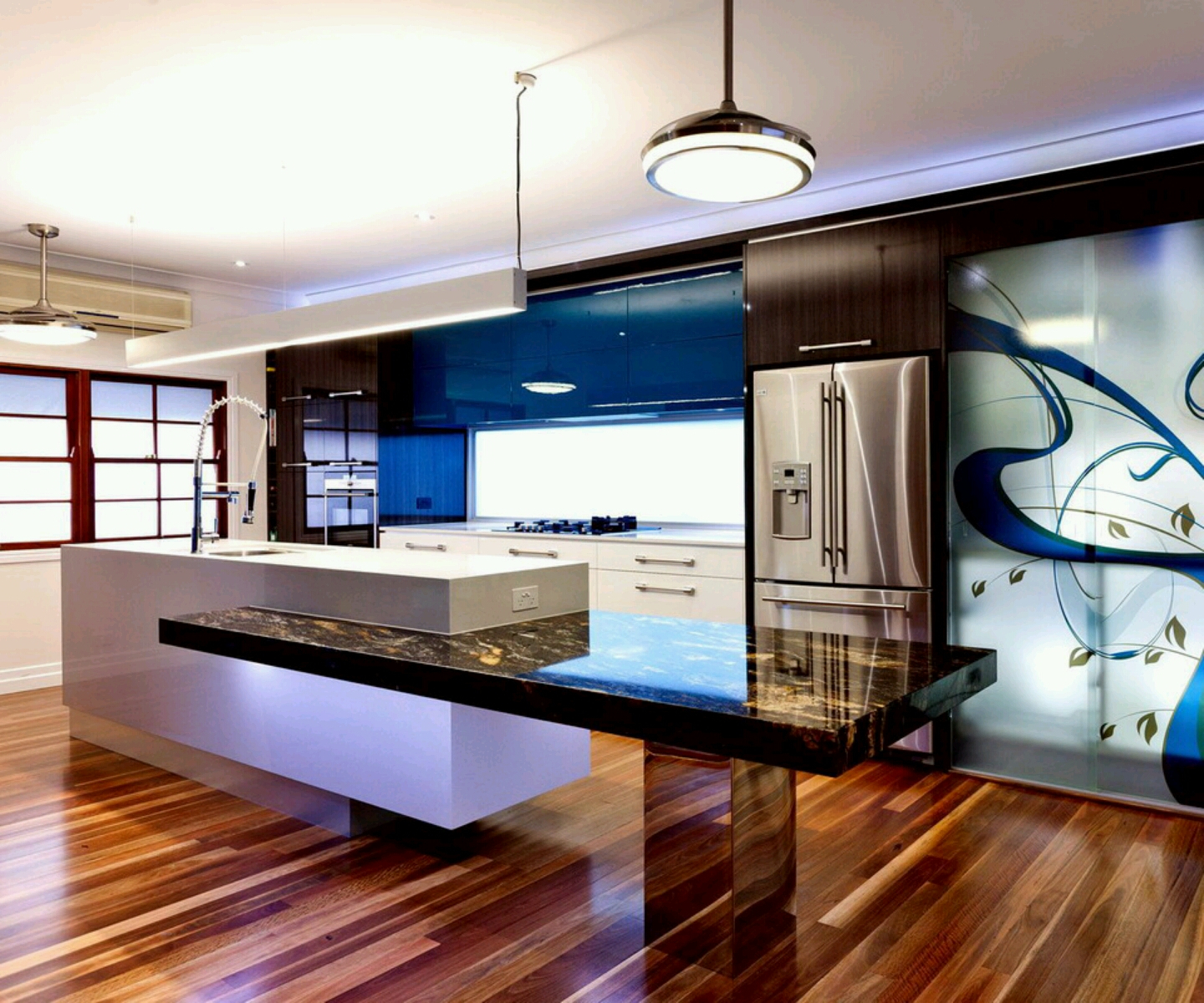
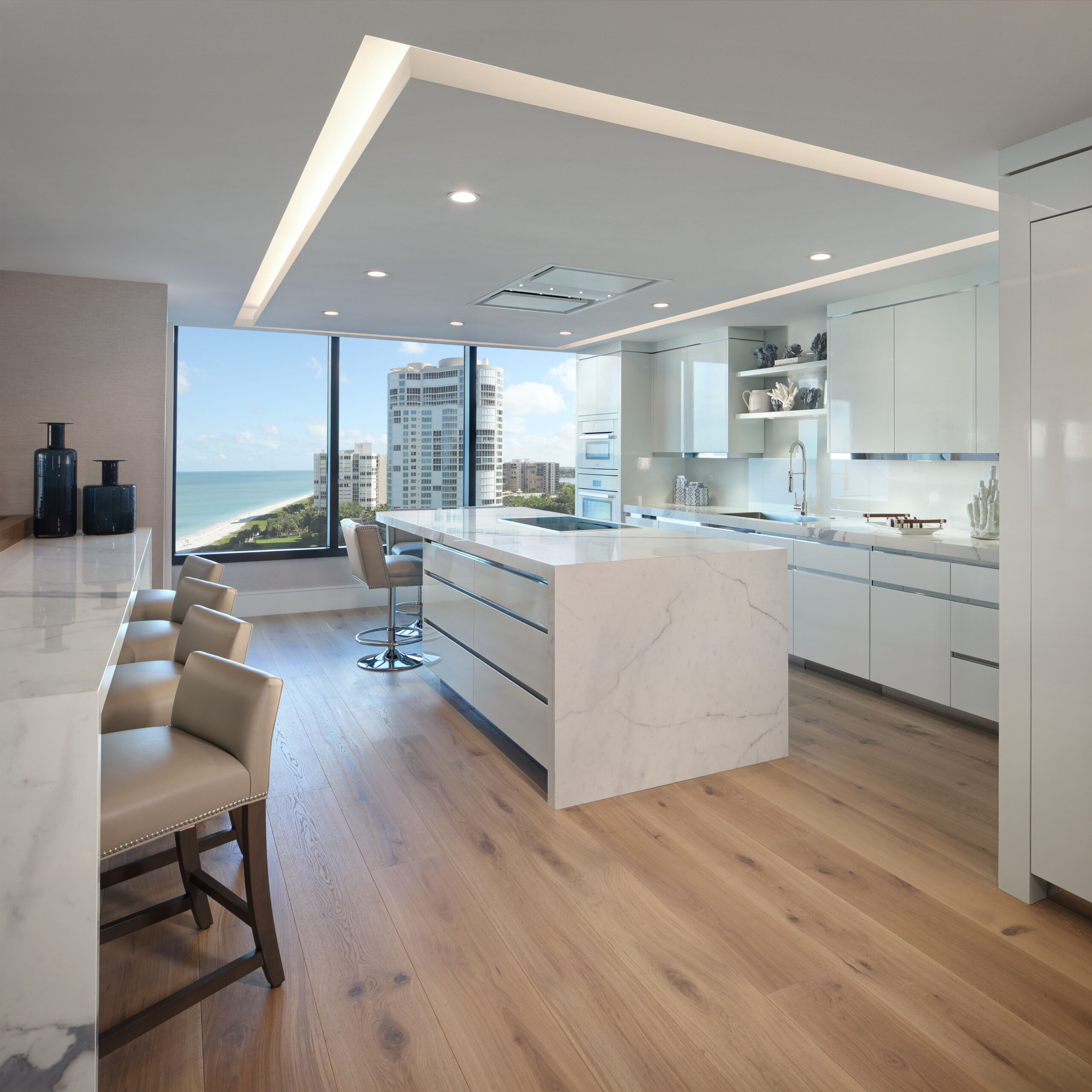
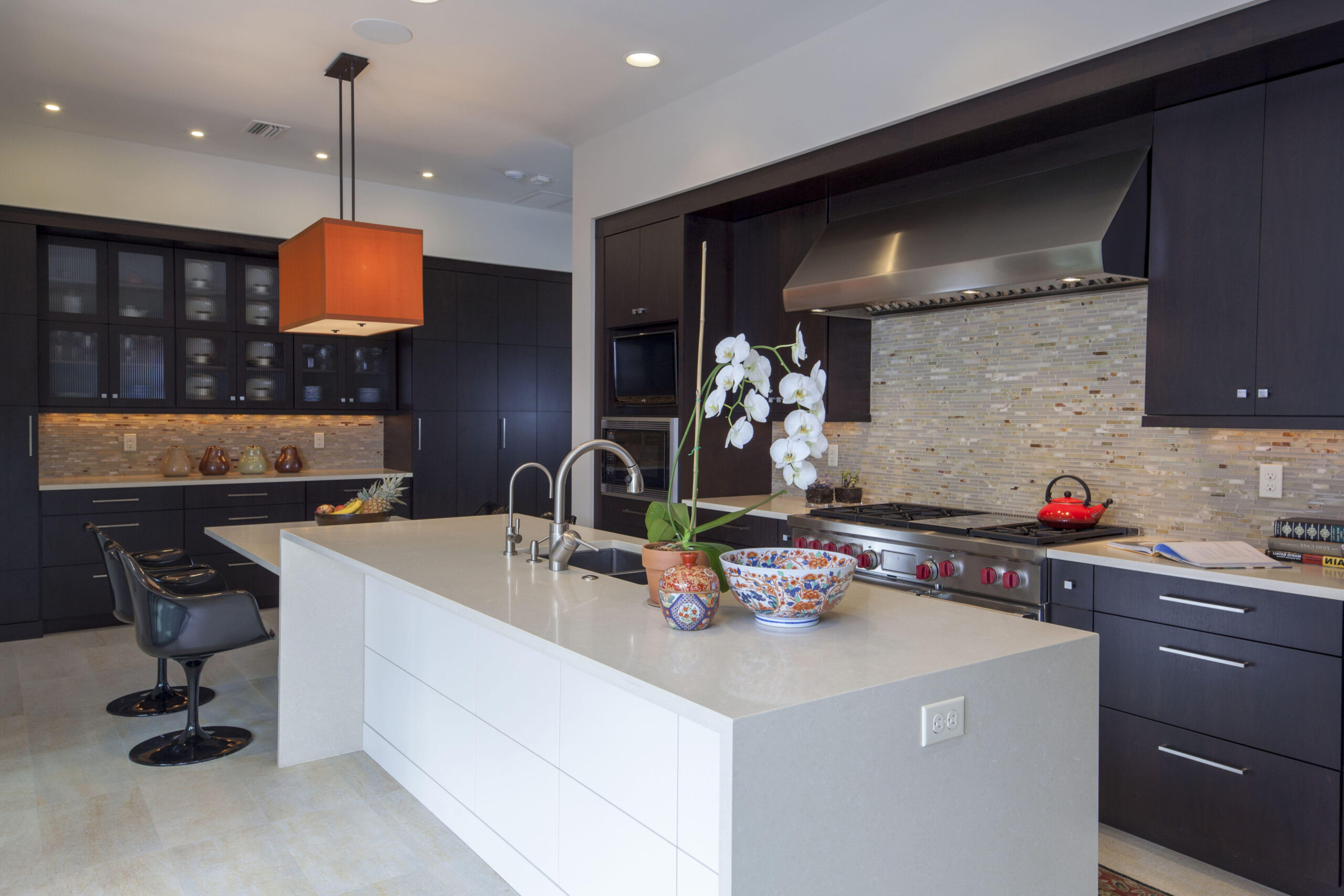
Today’s kitchen islands represent the ultimate fusion of form and function. Technology has completely transformed how these spaces operate. Smart appliances now integrate seamlessly with island designs. You can find islands with built-in charging stations, touch-screen controls, and even smart refrigerators connected to the kitchen system. The materials used today are incredibly diverse. Beyond traditional stone and wood, we see materials like concrete, glass, and recycled metals. These options allow for more creative expressions and unique visual effects. Contemporary islands often feature hidden storage solutions that keep clutter out of sight. Some even incorporate pull-out drawers, rotating shelves, or sliding panels. Lighting has become an essential element in modern island design. LED strips, pendant lights, and under-cabinet illumination create dramatic effects and improve functionality. The integration of multiple functions has reached new heights. Islands now serve as entertainment centers, workspaces, and even fitness areas. Some feature built-in televisions or sound systems. The emphasis on sustainability has also influenced modern island creation. Many designers use eco-friendly materials and energy-efficient components. These islands reflect the lifestyle needs of today’s households – they must be versatile, efficient, and aesthetically pleasing all at once.
Contemporary Features and Trends
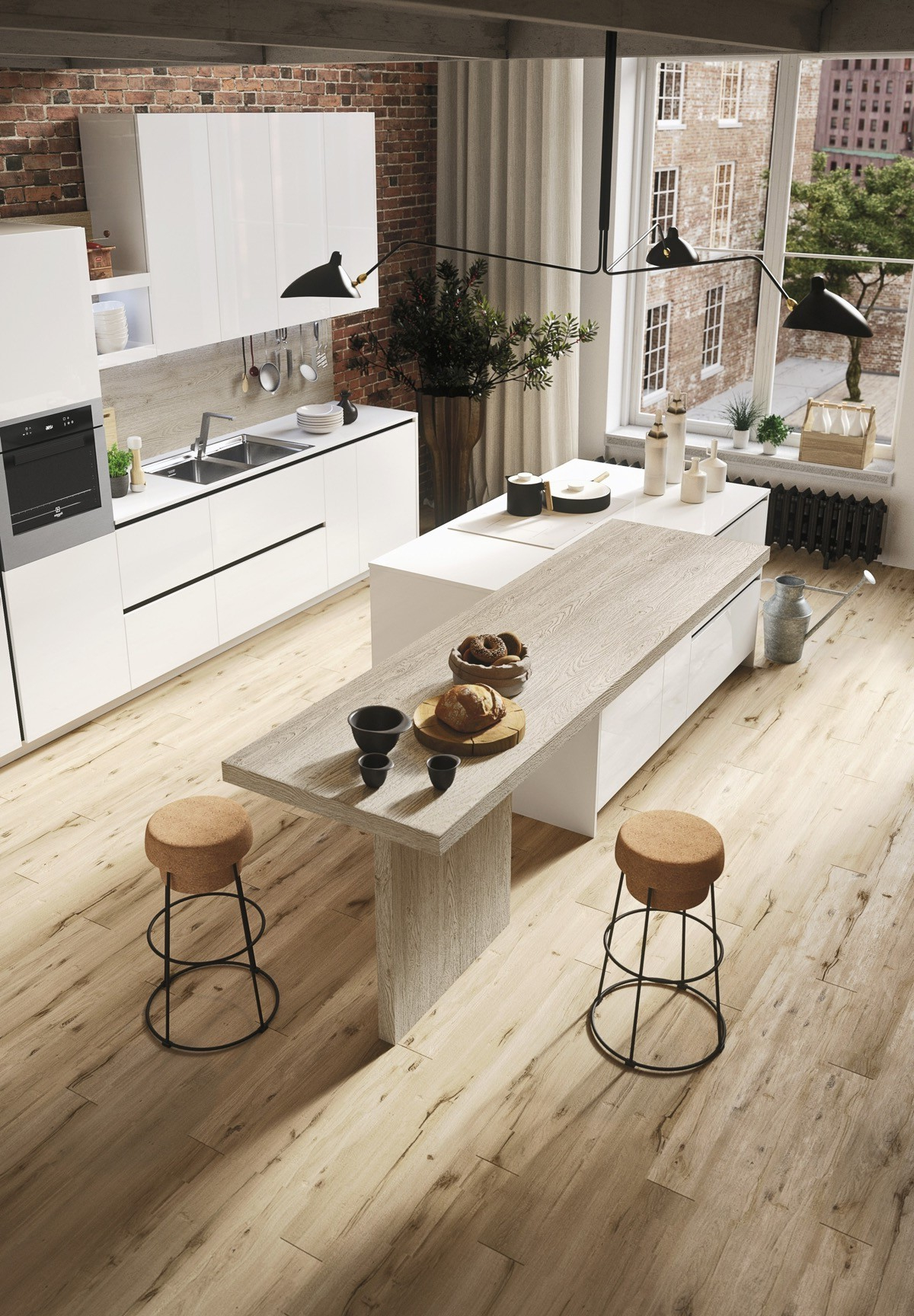
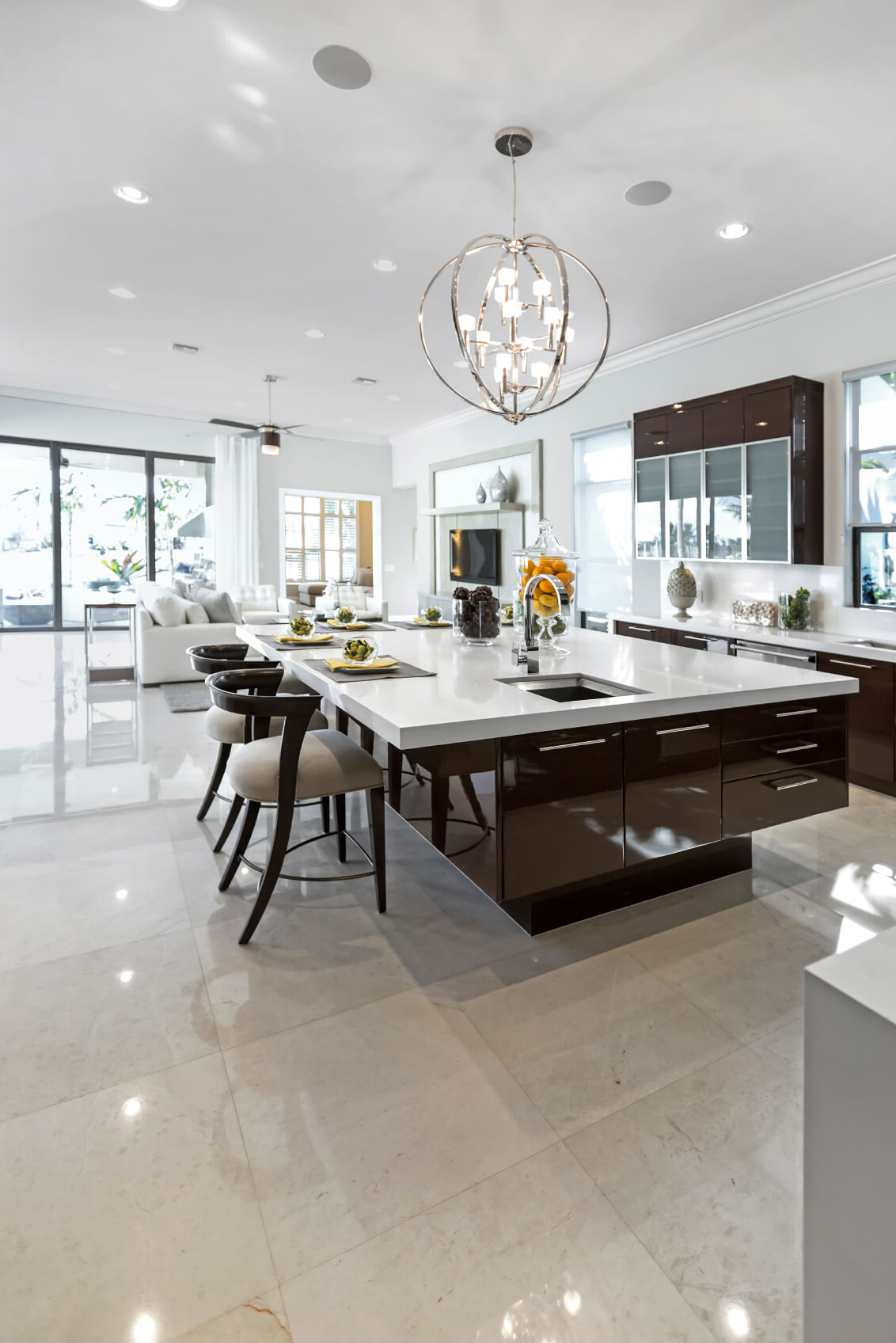
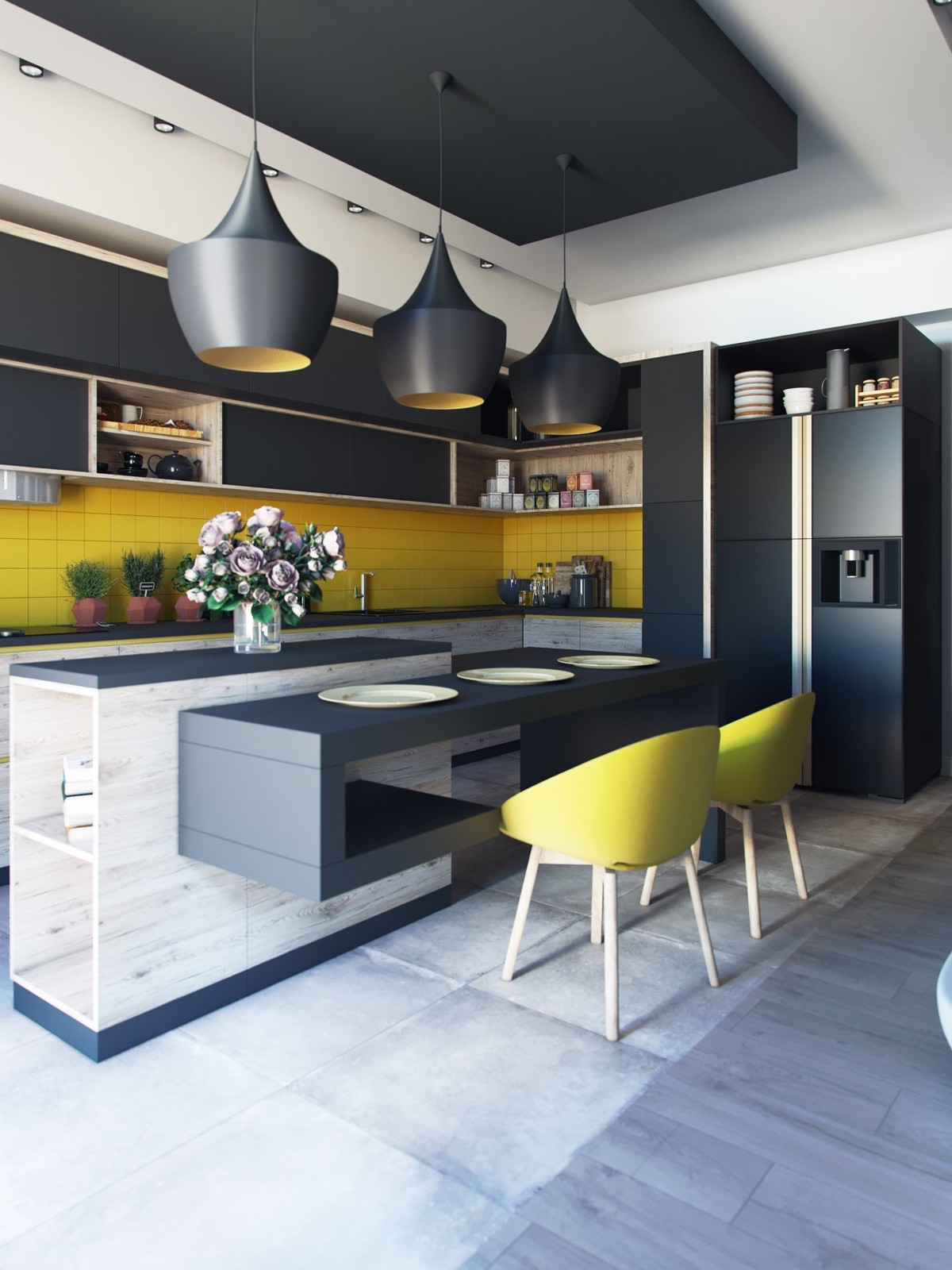
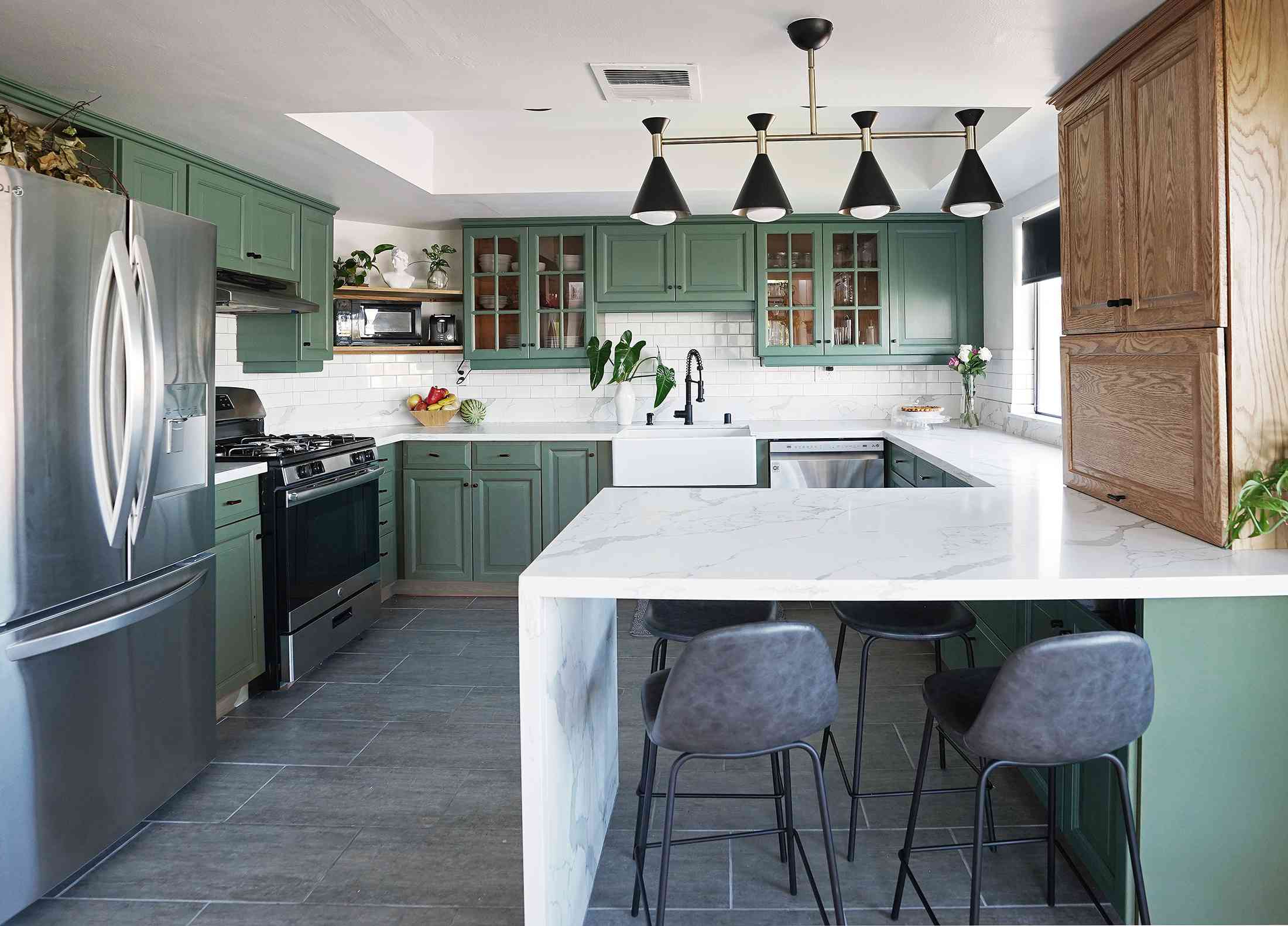
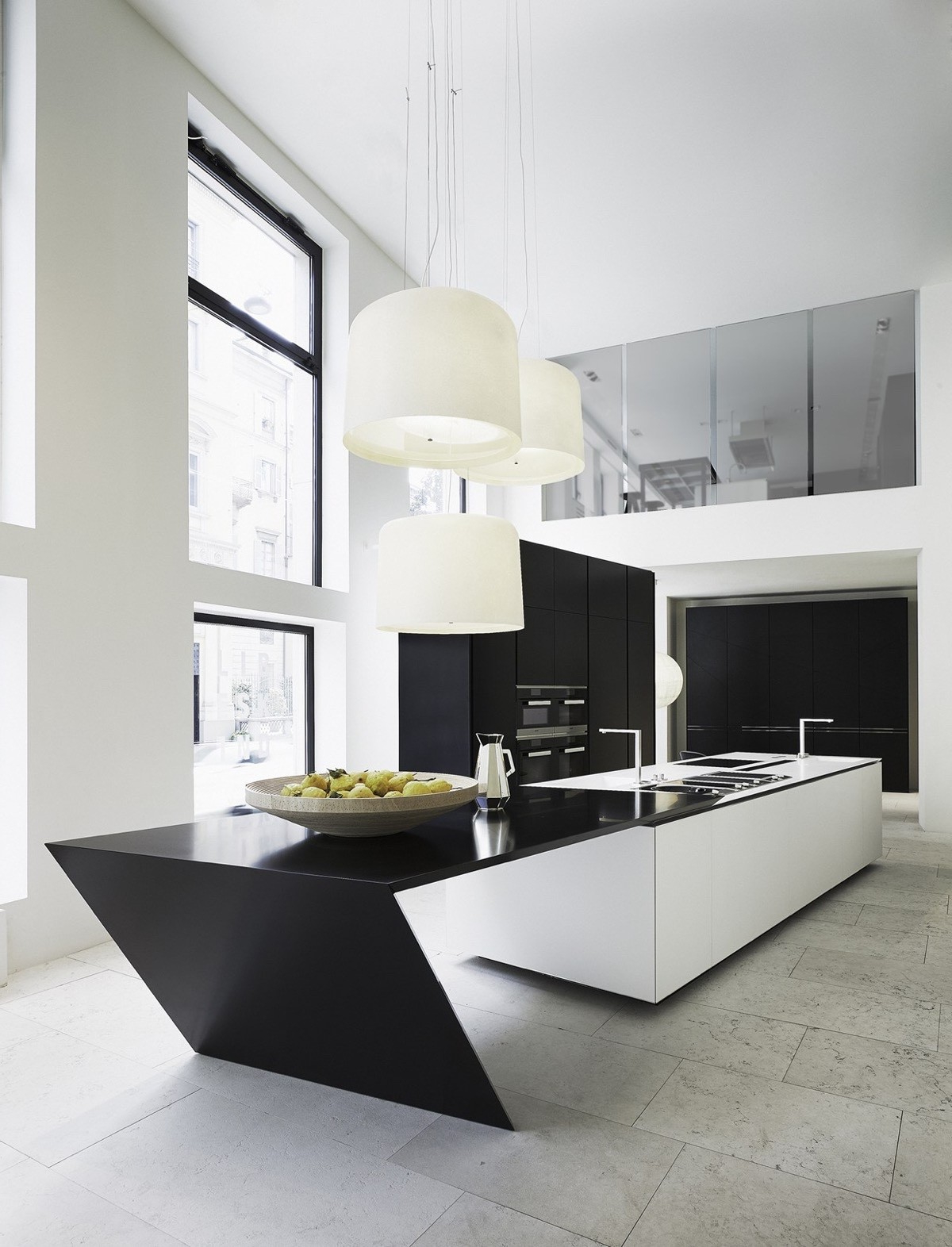
Current kitchen island trends show a clear preference for multi-purpose spaces. The modern homeowner wants flexibility in their kitchen environment. Islands now commonly feature breakfast bar seating that allows casual dining. This setup encourages family interaction and creates a more relaxed atmosphere. The popularity of open floor plans has pushed islands to become even more central to home design. They often serve as room dividers between kitchen and living areas. Many contemporary islands include integrated technology features. Voice control systems, wireless charging pads, and smart home connectivity are becoming standard. The trend toward minimalist design influences island styling. Clean lines, neutral colors, and simple shapes dominate current preferences. However, there’s also a growing appreciation for bold statement pieces. These islands might feature unusual materials, unexpected color combinations, or architectural elements. Sustainability remains a key consideration in modern island construction. Recycled materials, locally sourced products, and energy-efficient appliances are preferred. The rise of DIY culture has also impacted island design. Many people now attempt to build their own islands, leading to more personalized and unique creations. Social media platforms showcase innovative island designs that inspire homeowners worldwide. These trends reflect changing attitudes toward home ownership and personal expression through interior design.
The Future of Kitchen Islands
Looking ahead, kitchen islands will likely become even more integrated with smart home technology. We’re already seeing prototypes of islands that can adjust lighting based on time of day or automatically prepare ingredients. The future will probably bring more modular designs that can be reconfigured as needs change. Sustainability will continue driving innovation in materials and manufacturing processes. Expect to see more biodegradable or renewable materials being used in island construction. The concept of islands as community spaces might expand further. Imagine islands that can connect with other rooms in the house or facilitate remote work arrangements. The focus on health and wellness will influence island design too. Features like water filtration systems, air purification units, and nutrition tracking capabilities might become standard. As urban living continues to grow, islands may need to be more compact and adaptable. Multi-functional designs that can transform from work surface to dining table to exercise area will be increasingly important. The evolution won’t stop here – kitchen islands will continue adapting to meet the changing needs of modern families and individuals.
The journey from simple work surfaces to sophisticated design elements shows just how much kitchen islands have evolved. What began as basic functional pieces have transformed into complex spaces that serve multiple purposes. This evolution reflects broader changes in how we live, work, and interact with our homes. Today’s islands aren’t just about preparation – they’re about connection, style, and lifestyle. The future holds exciting possibilities as technology and design continue to merge. Whether you’re planning a kitchen renovation or simply appreciate good design, understanding this evolution helps us appreciate why these central features matter so much. The kitchen island has truly become the beating heart of modern living spaces, and its story is far from over.
[sps_html tag=”img” src=”https://roofdrivein.com/wp-content/uploads/2026/01/large-modern-kitchen-island-kitchen-info-pertaining-to-the-evolution-of-kitchen-islands-from-traditional-to-contemporary-scaled.jpg” alt=”Large Modern Kitchen Island – Kitchen Info pertaining to The evolution of kitchen islands from traditional to contemporary” style=”width: 100%; height: auto;”]
[sps_html tag=”img” src=”https://roofdrivein.com/wp-content/uploads/2026/01/50-stunning-modern-kitchen-island-designs-for-the-evolution-of-kitchen-islands-from-traditional-to-contemporary.jpg” alt=”50 Stunning Modern Kitchen Island Designs for The evolution of kitchen islands from traditional to contemporary” style=”width: 100%; height: auto;”]
[sps_html tag=”img” src=”https://roofdrivein.com/wp-content/uploads/2026/01/modern-island-kitchen-design-2015-for-modern-kitchen-island.jpg” alt=”Modern Island Kitchen Design 2015 for Modern Kitchen Island” style=”width: 100%; height: auto;”]
[sps_html tag=”img” src=”https://roofdrivein.com/wp-content/uploads/2026/01/84-custom-luxury-kitchen-island-ideas-designs-pictures-regarding-modern-kitchen-island.jpg” alt=”84 Custom Luxury Kitchen Island Ideas & Designs (Pictures) regarding Modern Kitchen Island” style=”width: 100%; height: auto;”]
[sps_html tag=”img” src=”https://roofdrivein.com/wp-content/uploads/2026/01/50-stunning-modern-kitchen-island-designs-with-modern-kitchen-island.jpg” alt=”50 Stunning Modern Kitchen Island Designs with Modern Kitchen Island” style=”width: 100%; height: auto;”]