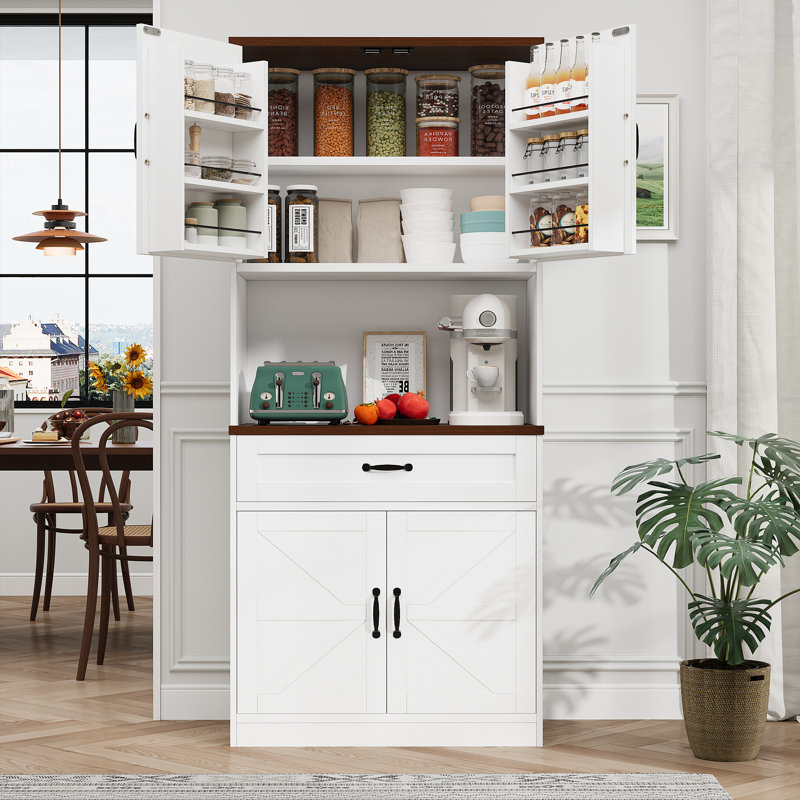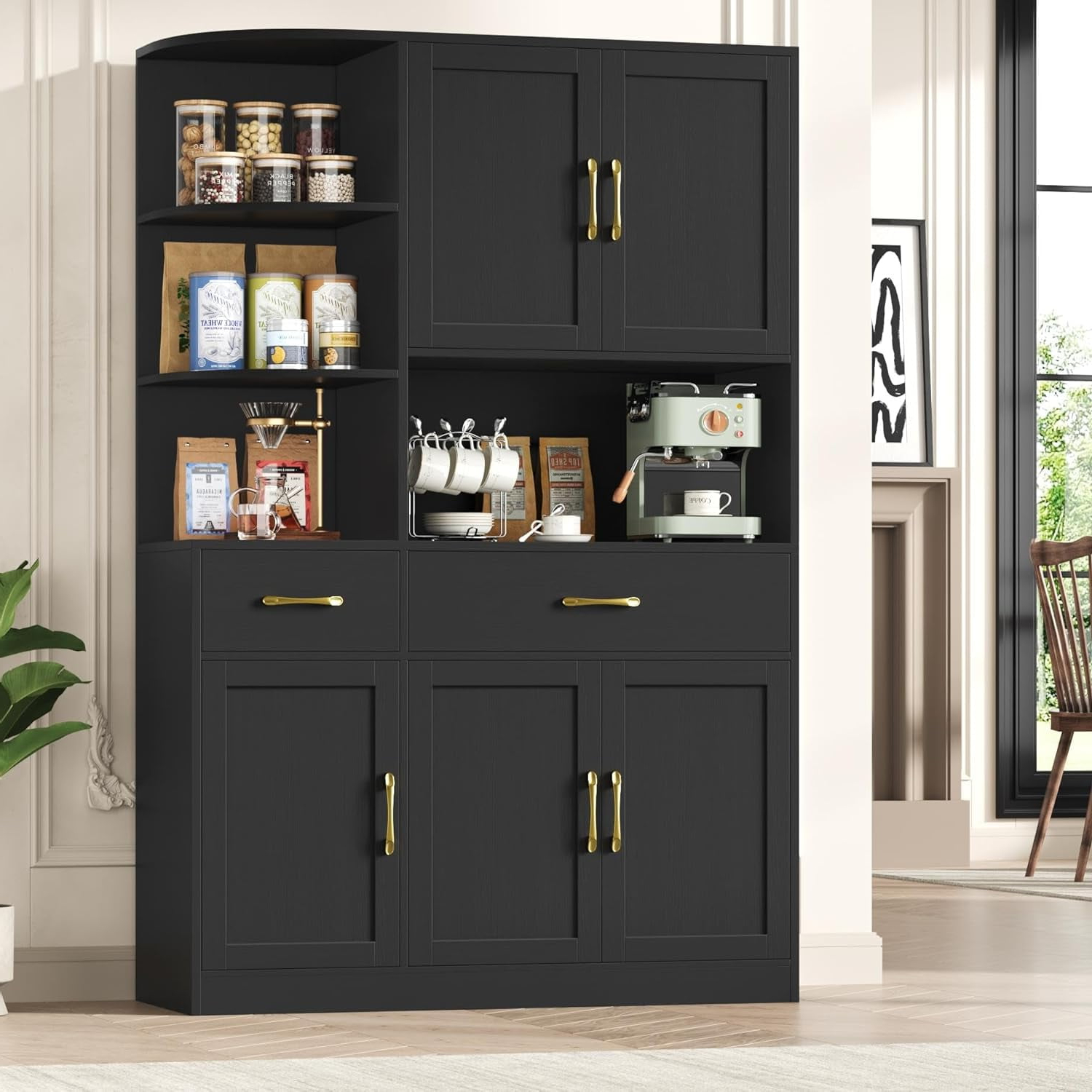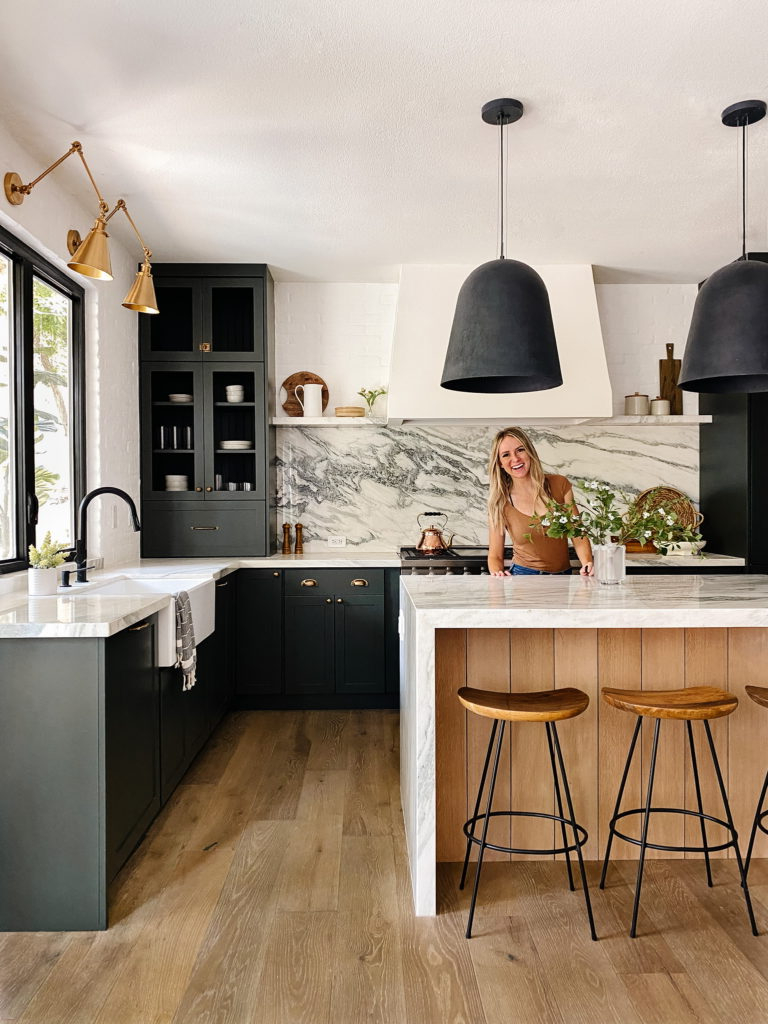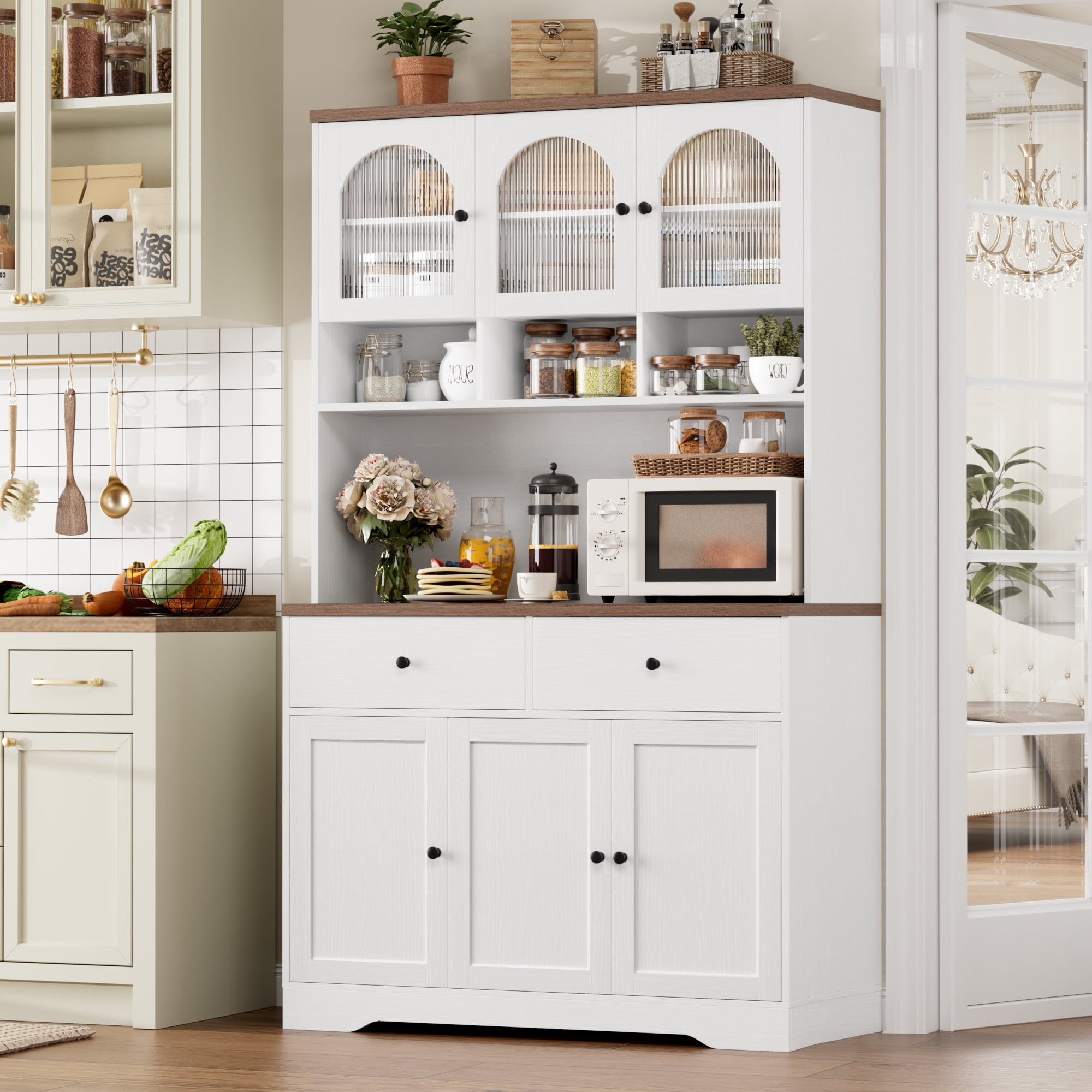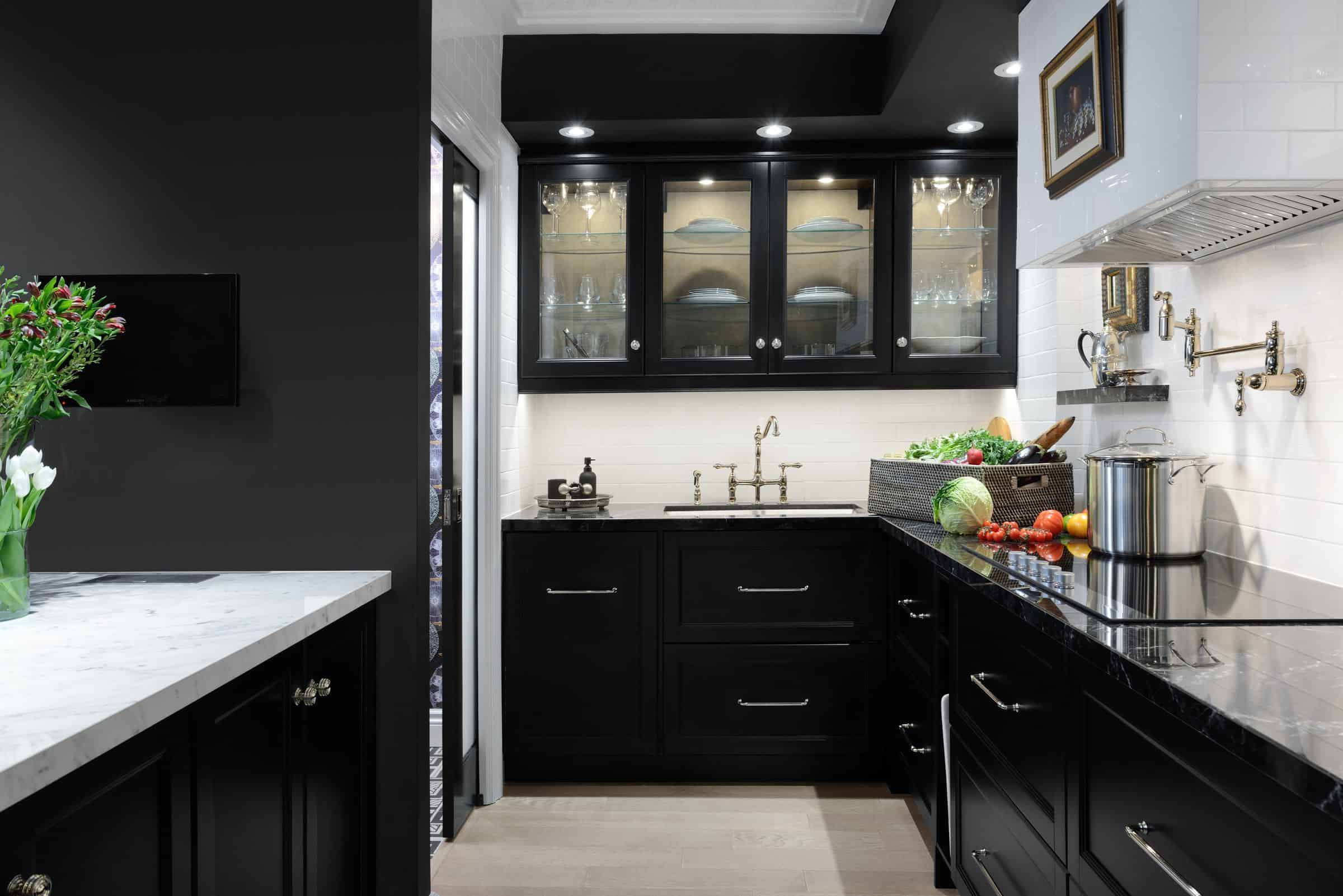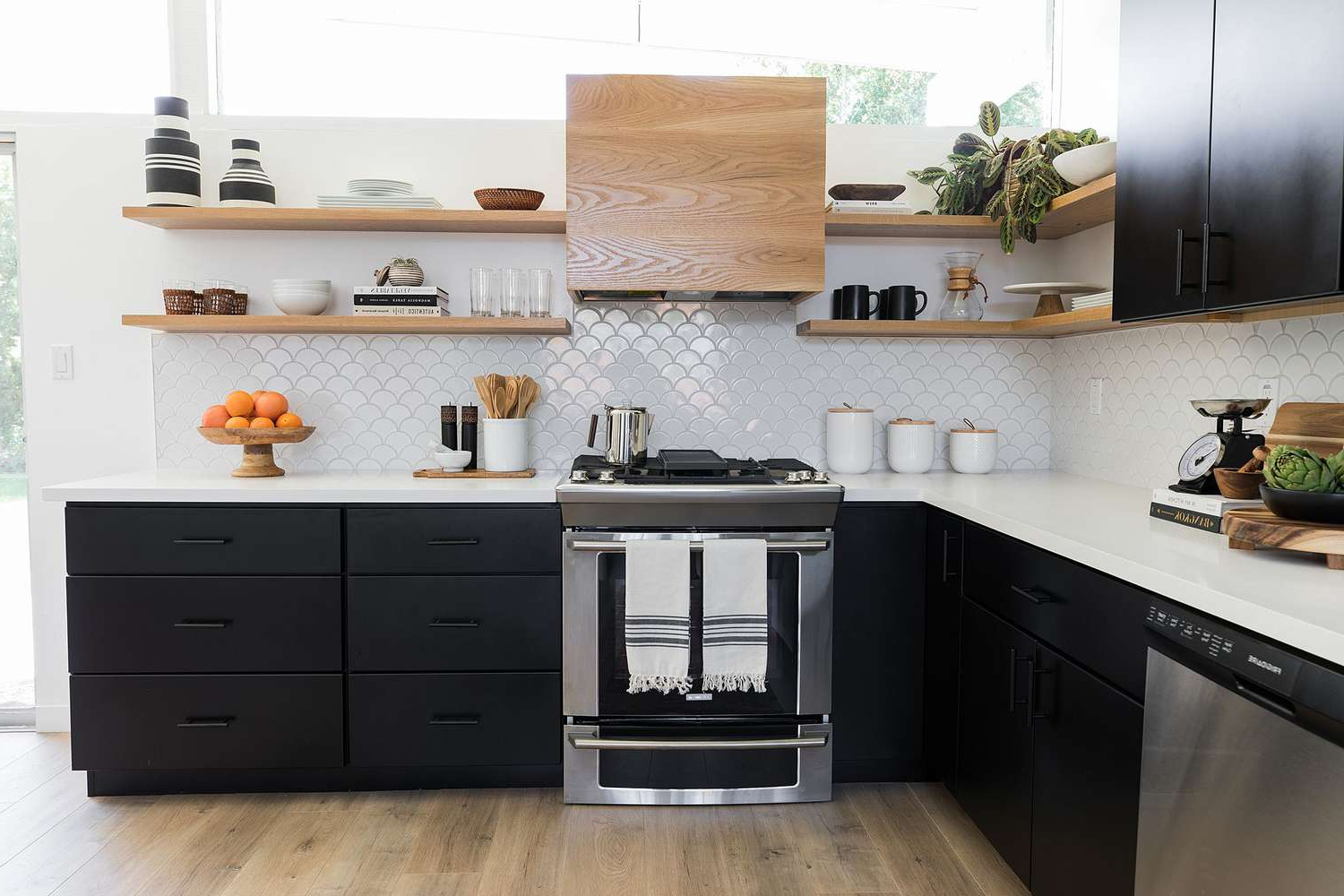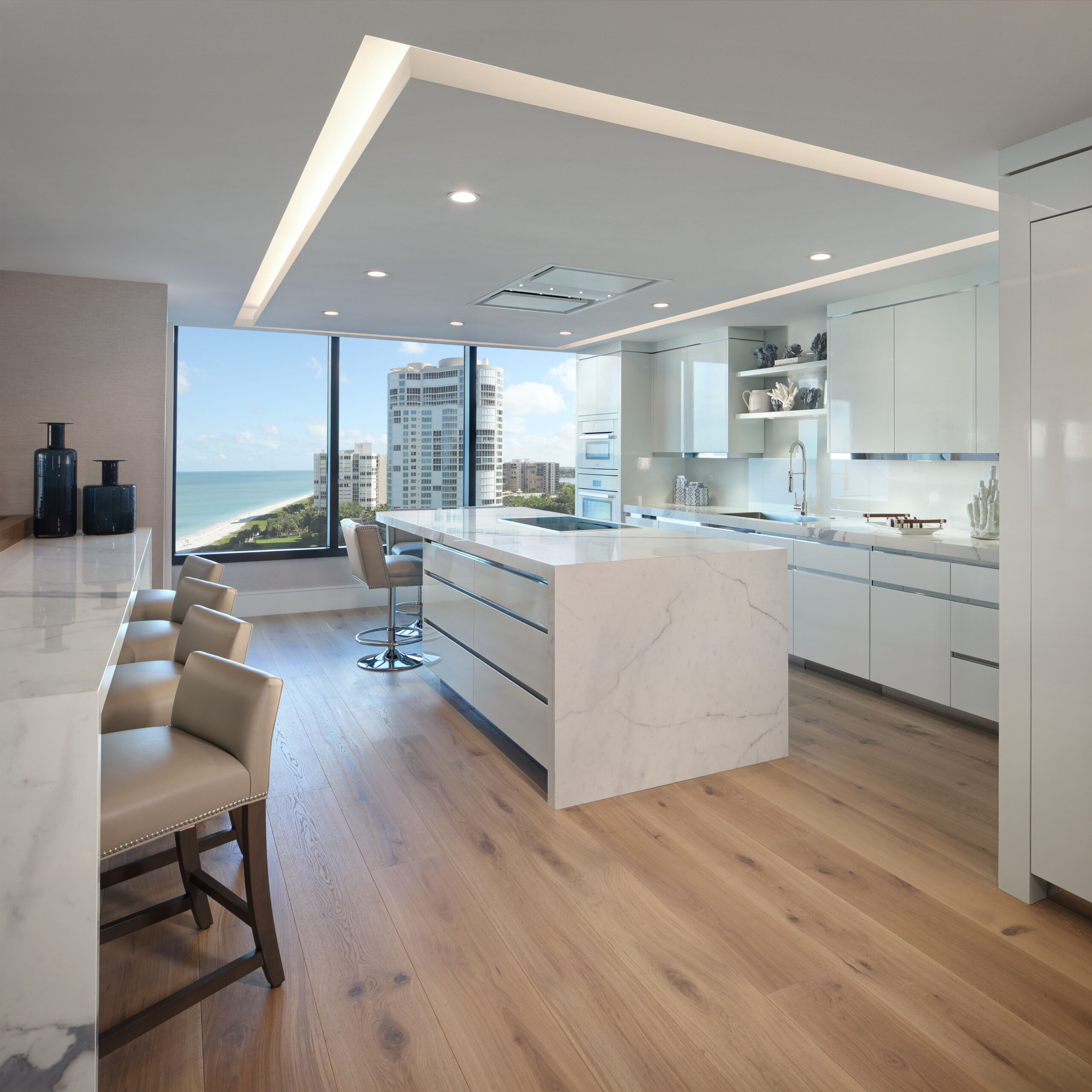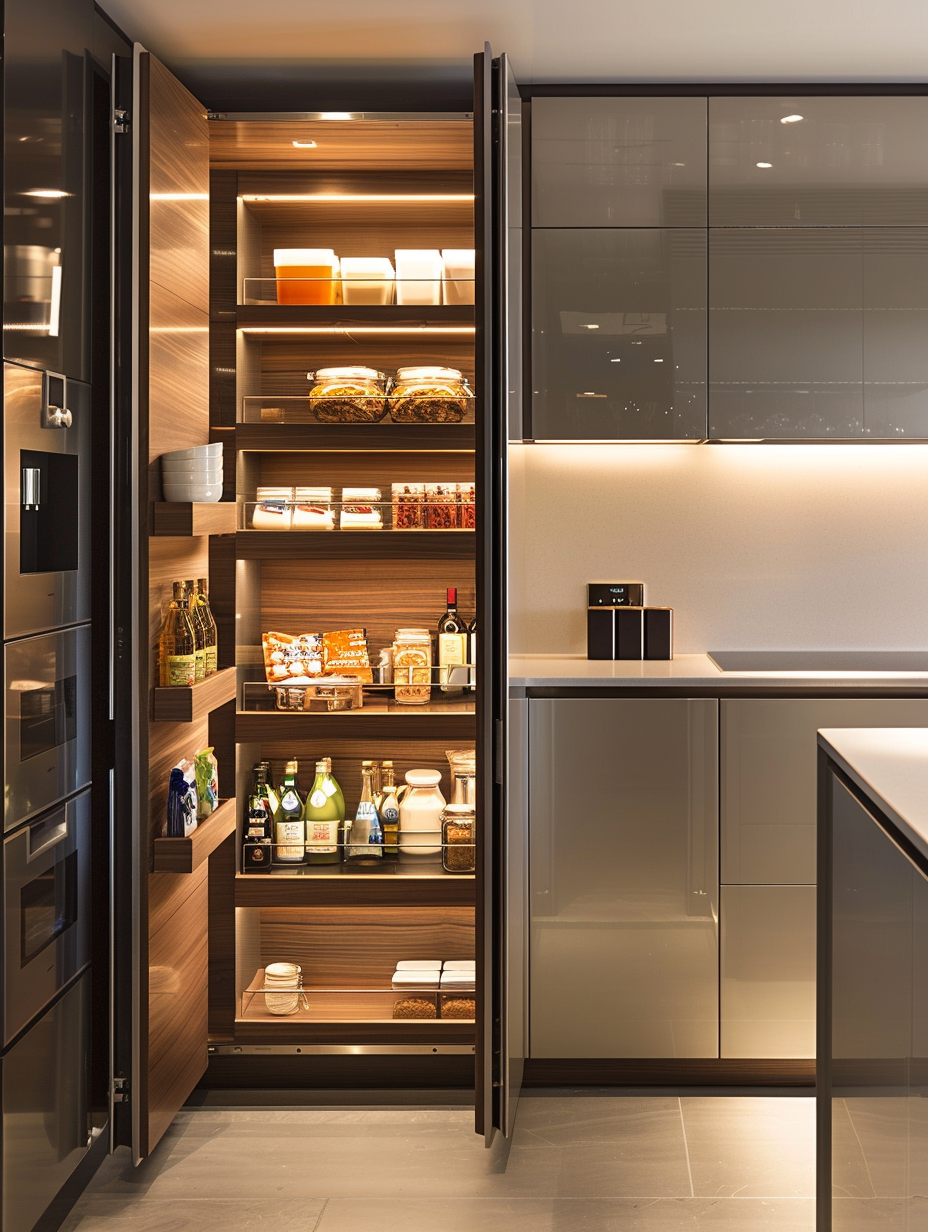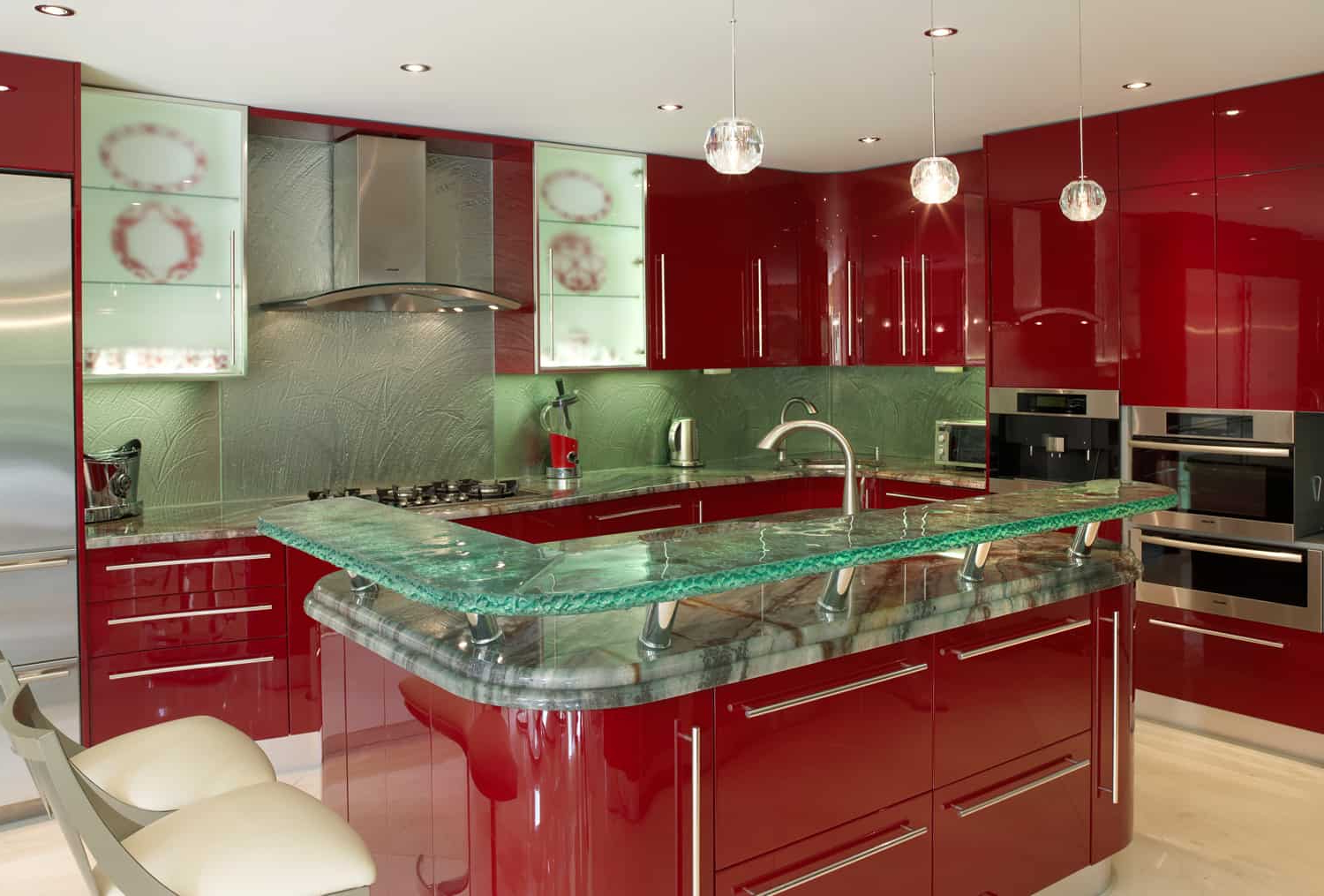
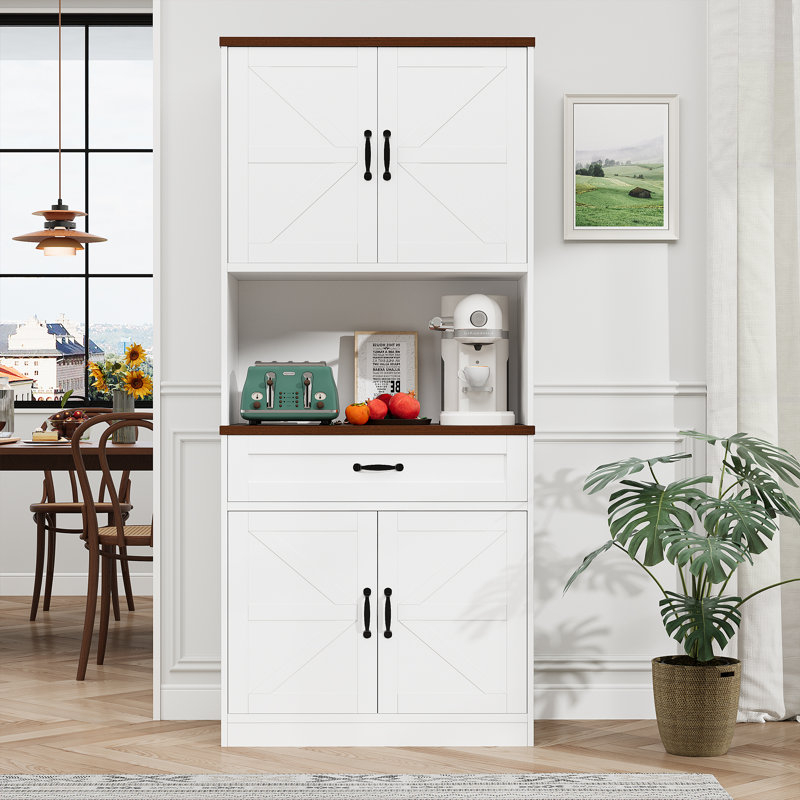
Think about your kitchen as a well-orchestrated symphony. Every element needs its place, every piece its purpose. The humble kitchen hutch, often overlooked, can become the star player that transforms your entire cooking and dining experience. It’s not just about adding another cabinet or shelf – it’s about creating a seamless flow between functionality and aesthetics.
We’ve all been there – standing in our kitchens, staring at that empty wall space, wondering what to do with it. Maybe you have a beautiful modern hutch gathering dust because you’re not quite sure where to put it. Or perhaps you’ve already installed one but feel like it’s not working as it should. The truth is, the right hutch placement can completely change how you interact with your kitchen space. It’s not just about decoration – it’s about creating a smarter, more efficient environment that works with your lifestyle rather than against it.
Understanding Your Kitchen’s Flow
Before we dive into hutch placement strategies, let’s talk about kitchen flow. You know that feeling when everything just clicks? When you can move from sink to stove to prep area without bumping into anything? That’s good flow. And your hutch should be part of that conversation. Consider where you naturally move through your kitchen. Do you start at the sink and work toward the stove? Or do you begin at the counter and head to the refrigerator? Understanding these patterns helps determine where your hutch will serve you best.
A common mistake is placing hutches in spots that interrupt your workflow. For instance, putting a tall hutch directly in front of your main work zone might block your movement and create a bottleneck. Instead, think about positioning it where it can enhance your journey through the kitchen. Sometimes that means placing it along a wall where it won’t interfere with daily tasks, or even using it to define different zones within your space.
Choosing the Right Hutc Positioning
There are several key areas where a modern hutch can truly shine:
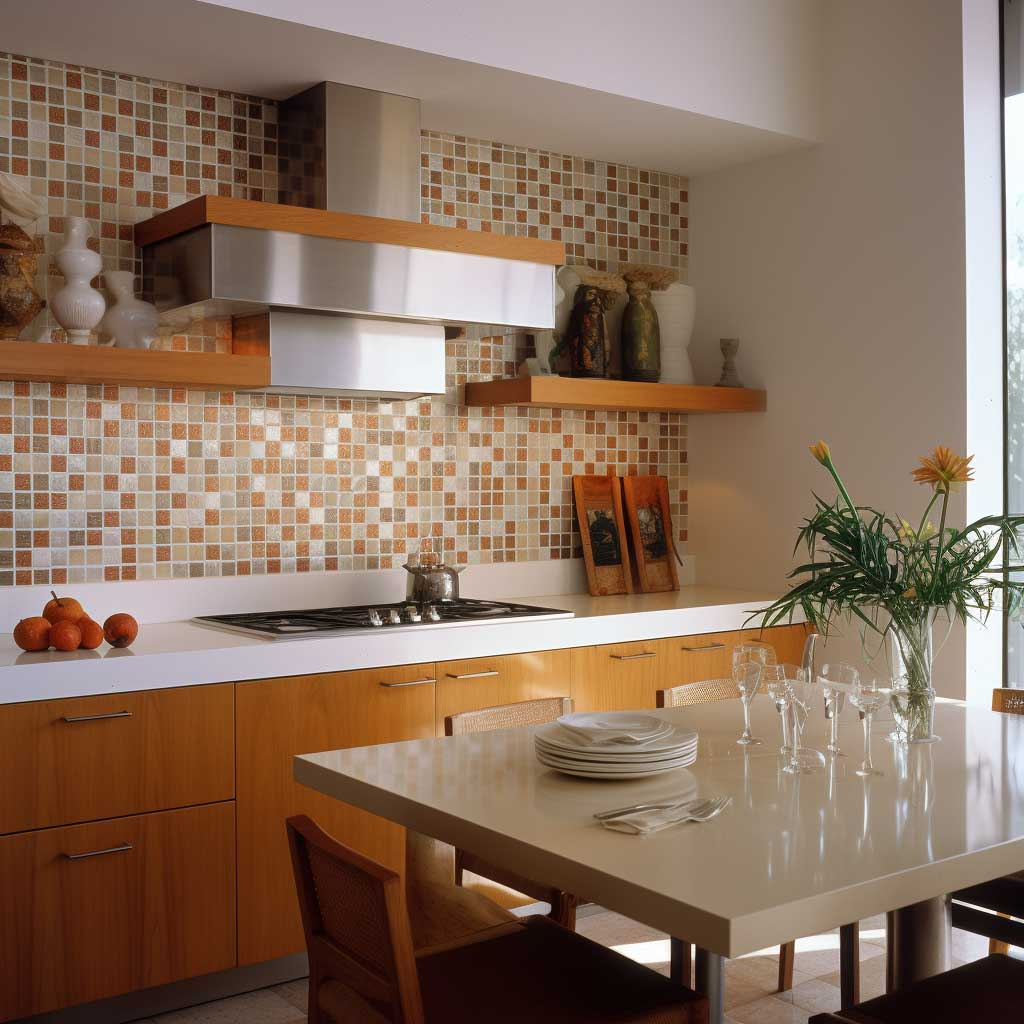
• Above the stove: This is often the most popular spot. A hutch above your stove can hold spices, cookbooks, or decorative items while keeping them within easy reach. It creates a visual anchor for your cooking area.
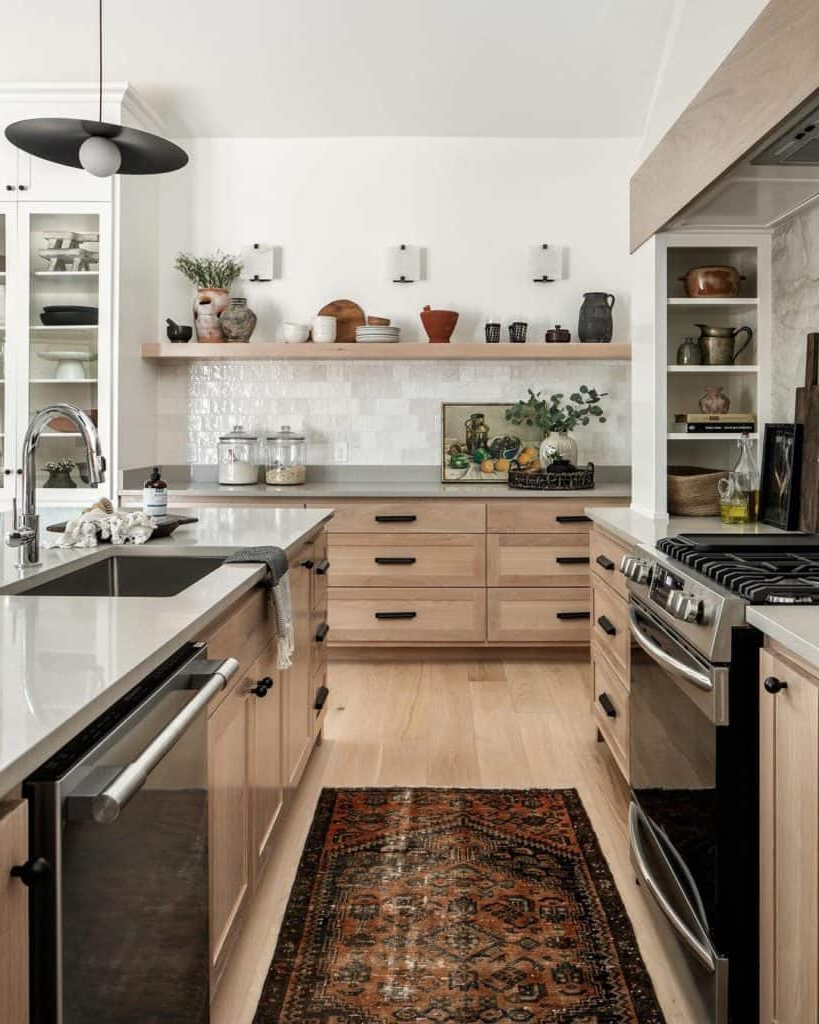
• At the end of a wall: If you have a long wall with nothing but cabinets, a hutch can break up the monotony and add visual interest. Plus, it provides additional storage for items you want to display or access frequently.
• Between two work zones: Using a hutch as a separator between your prep area and cooking area can create a natural boundary. It’s particularly effective in open-concept kitchens where you want to maintain some sense of organization.
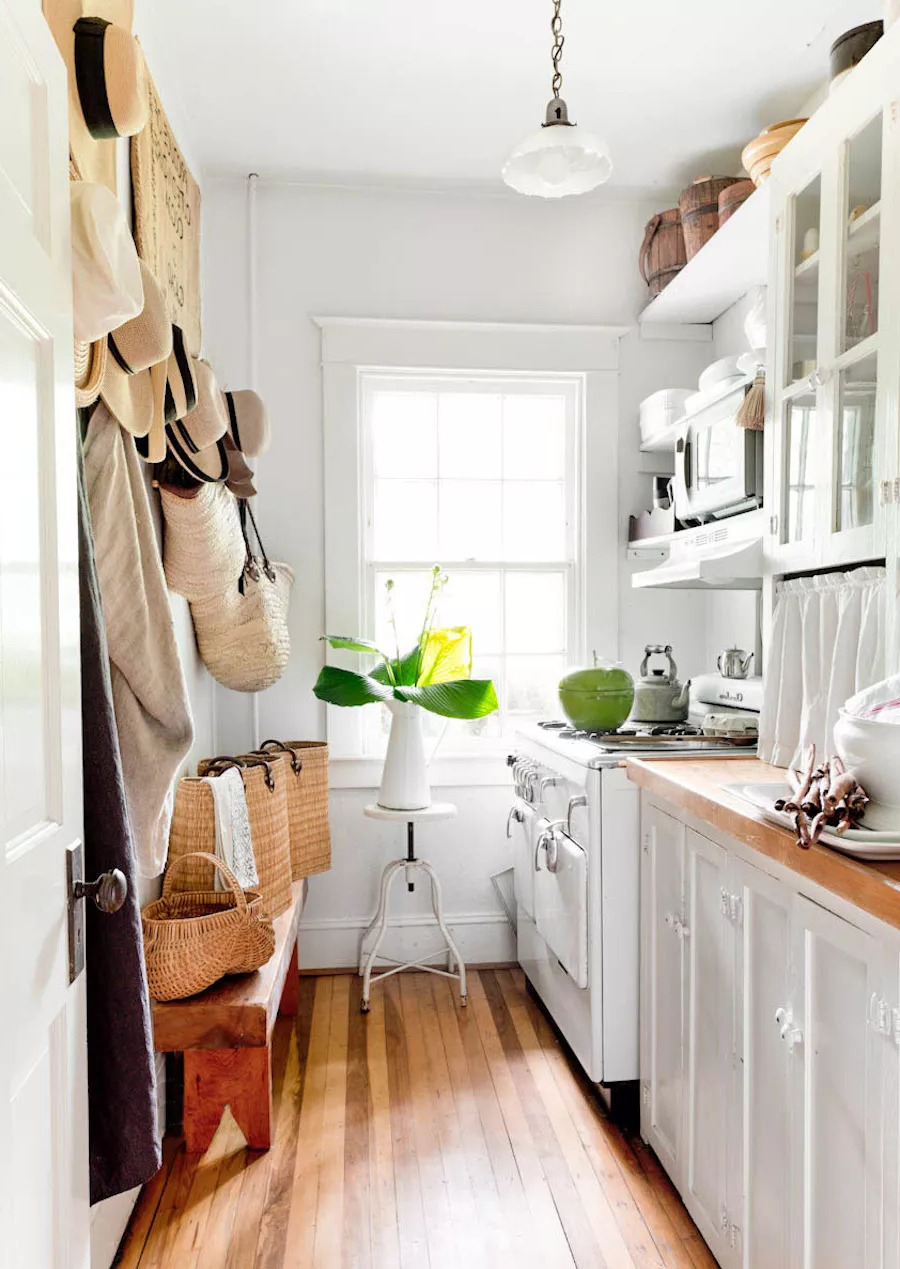
• Along a window: If you have a nice window in your kitchen, a hutch can serve as both a functional storage solution and a lovely spot for displaying plants or small treasures. It also helps frame the view and makes the most of natural light.
• As a focal point: Sometimes, a hutch works best when it’s the star of the room. Placing it against a blank wall can draw attention to it and make it a beautiful centerpiece.
Height and Scale Considerations
One of the most important aspects of hutch placement is understanding height relationships. A hutch that’s too tall can overwhelm a small kitchen, while one that’s too short might get lost in a large space. Here’s what to keep in mind:
• Proportion matters: Measure your kitchen carefully before buying. The hutch should be proportional to the space around it. In a small kitchen, opt for a lower profile hutch or one with a narrow footprint. In larger spaces, you have more flexibility to go bold.
• Eye-level accessibility: Think about what you’ll use most often. Items you reach for regularly should be within easy reach, typically between 36 and 48 inches from the floor. This means positioning your hutch so that the most used shelves are at eye level.
• Visual balance: A hutch that’s too heavy-looking can make a room feel cramped. Balance it with lighter elements around it. If you have a large, dark wood hutch, consider pairing it with lighter cabinets or open shelving nearby to create visual breathing room.
Functional Benefits Beyond Storage
Modern hutches offer more than just storage space. They can dramatically improve your kitchen’s usability in subtle ways. When placed thoughtfully, they can:
• Create designated zones: A hutch can separate your prep area from your cooking zone, giving each area its own personality and function.
• Improve lighting: Positioning a hutch near a window can help reflect light deeper into the room, making it brighter and more inviting.
• Enhance workflow: By placing frequently used items in easily accessible locations, you reduce the time spent reaching across the kitchen or walking back and forth.
• Add visual interest: Hutches can break up repetitive cabinetry and add texture and dimension to your kitchen walls. This is especially helpful in kitchens with lots of similar cabinets.
• Provide display opportunities: Many modern hutches feature open shelving that allows you to showcase your favorite dishes, books, or decorative objects. This personalizes the space and makes it feel lived-in and welcoming.
Practical Tips for Installation
Installing your hutch properly is just as important as choosing the right spot. Here are some essential tips:
• Measure twice, install once: Before hanging anything, double-check your measurements. Account for any obstructions like outlets, pipes, or structural beams that might affect placement.
• Consider your appliances: If you have a range hood or microwave above your stove, make sure there’s enough clearance. Most manufacturers recommend at least 12 inches of clearance above the stove.
• Think about electrical needs: If you plan to use your hutch for electronics or lighting, ensure you have proper electrical outlets nearby. Some modern hutches come with built-in LED strips or power outlets.
• Plan for maintenance: Choose a location that’s easy to clean. Avoid places where crumbs or spills might accumulate and be difficult to reach.
• Test the fit: Once you’ve chosen a spot, physically test the hutch placement. Walk around it, sit at your dining table, and see if it affects your movement or comfort.
Style Integration and Design Harmony
The final piece of the puzzle is ensuring your hutch fits beautifully within your overall design scheme. This isn’t just about matching colors – it’s about creating a cohesive look that feels intentional.
• Material consistency: If your kitchen features wood cabinets, consider a hutch with similar wood tones. If you’re going for a more contemporary look with metal or glass elements, choose a hutch that complements those materials.
• Color coordination: Whether you want your hutch to blend in or stand out, make sure it works with your existing color palette. Light-colored hutches can make a small kitchen feel bigger, while darker tones add warmth and sophistication.
• Texture contrast: Adding texture through materials like reclaimed wood, brushed steel, or natural stone can bring visual interest and depth to your space.
• Balance with other elements: If your kitchen has a lot of angular elements, a curved hutch might soften the look. Conversely, if your space is very organic, a geometric hutch could provide the needed structure.
Remember, the best hutch placement doesn’t just solve a problem – it enhances the joy of cooking and entertaining in your space.
Transforming your kitchen layout through strategic hutch placement isn’t just about adding another piece of furniture. It’s about creating a space that truly works for you. When you take time to consider your flow, measure carefully, and think about how each element contributes to your daily routine, you’re not just arranging furniture – you’re designing a better way of living. The right hutch, in the right place, can turn a simple kitchen into a space where you actually want to spend time. It’s not about perfection – it’s about finding that sweet spot where form meets function, where beauty supports your lifestyle, and where every corner of your kitchen serves a purpose. So take a step back, assess your current setup, and ask yourself: does my hutch make my kitchen better, or does it just take up space? The answer might surprise you.
[sps_html tag=”img” src=”https://roofdrivein.com/wp-content/uploads/2026/01/hiphuta-71in-modern-kitchen-pantry-storage-cabinet-freestanding-with-modern-kitchen-hutch.jpeg” alt=”Hiphuta 71"In Modern Kitchen Pantry Storage Cabinet, Freestanding … with Modern Kitchen Hutch” style=”width: 100%; height: auto;”]
[sps_html tag=”img” src=”https://roofdrivein.com/wp-content/uploads/2026/01/67-kitchen-pantry-cabinet-modern-kitchen-hutch-with-5-doors-and-2-inside-transforming-your-kitchen-layout-with-strategic-modern-hutch-placement.jpeg” alt=”67" Kitchen Pantry Cabinet, Modern Kitchen Hutch With 5 Doors And 2 … inside Transforming your kitchen layout with strategic modern hutch placement” style=”width: 100%; height: auto;”]
[sps_html tag=”img” src=”https://roofdrivein.com/wp-content/uploads/2026/01/gracie-oaks-71-tall-kitchen-pantry-storage-cabinet-modern-kitchen-intended-for-transforming-your-kitchen-layout-with-strategic-modern-hutch-placement.jpg” alt=”Gracie Oaks 71" Tall Kitchen Pantry Storage Cabinet, Modern Kitchen … intended for Transforming your kitchen layout with strategic modern hutch placement” style=”width: 100%; height: auto;”]
[sps_html tag=”img” src=”https://roofdrivein.com/wp-content/uploads/2026/01/diy-modern-kitchen-hutch-angela-rose-home-inside-transforming-your-kitchen-layout-with-strategic-modern-hutch-placement.jpeg” alt=”Diy Modern Kitchen Hutch - Angela Rose Home inside Transforming your kitchen layout with strategic modern hutch placement” style=”width: 100%; height: auto;”]
[sps_html tag=”img” src=”https://roofdrivein.com/wp-content/uploads/2026/01/gracie-oaks-71-tall-kitchen-pantry-storage-cabinet-modern-kitchen-pertaining-to-transforming-your-kitchen-layout-with-strategic-modern-hutch-placement.jpg” alt=”Gracie Oaks 71" Tall Kitchen Pantry Storage Cabinet, Modern Kitchen … pertaining to Transforming your kitchen layout with strategic modern hutch placement” style=”width: 100%; height: auto;”]