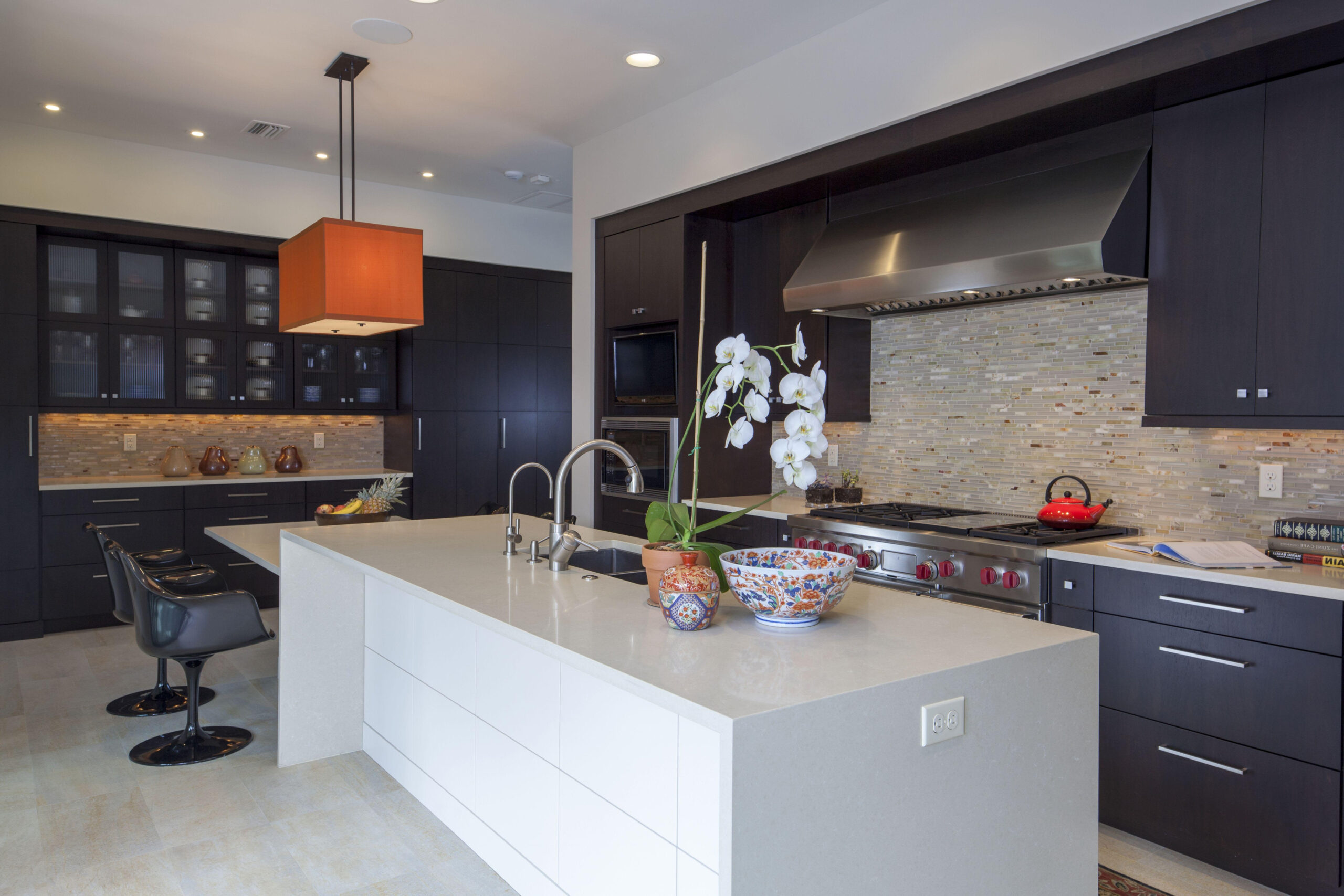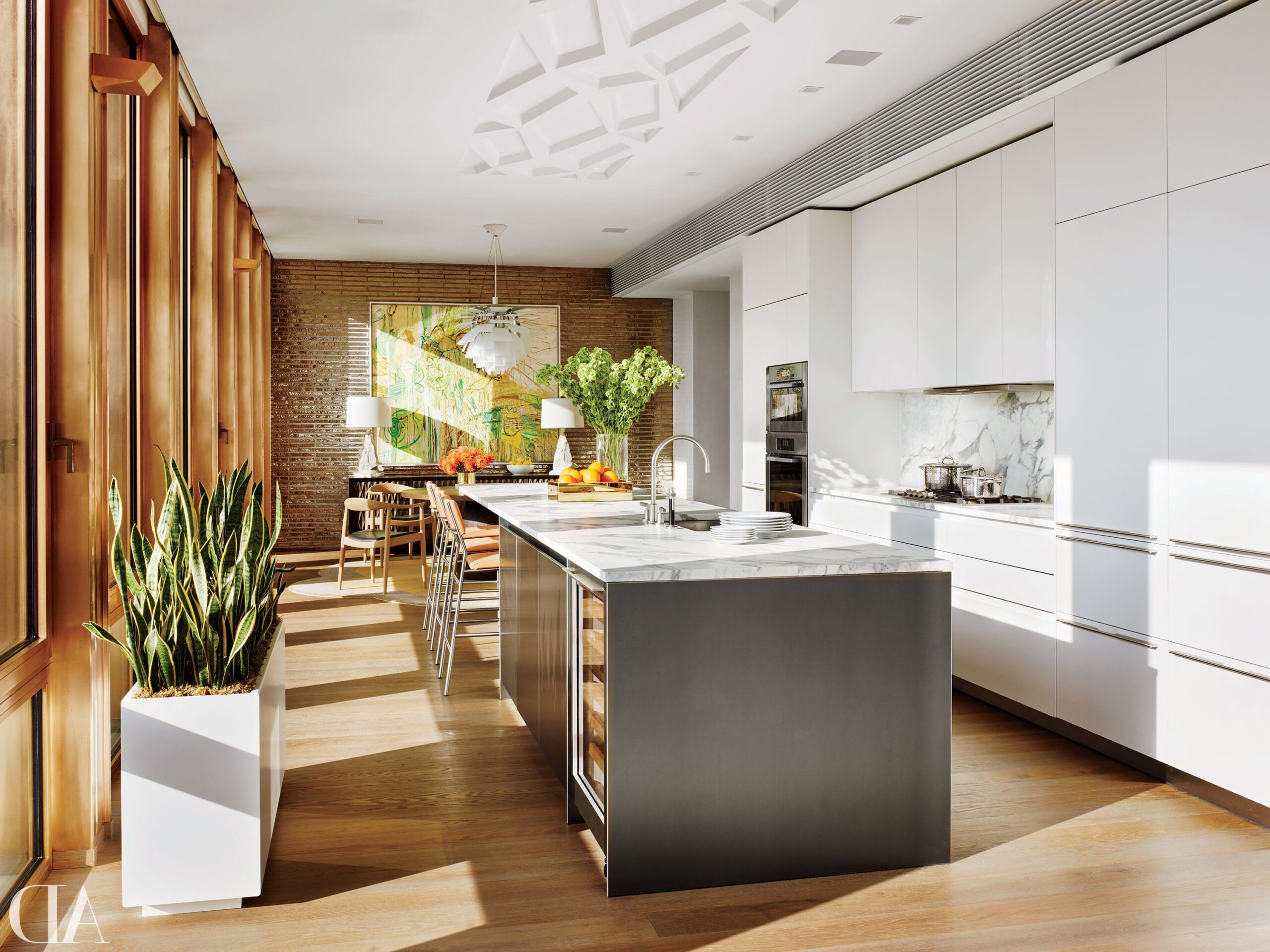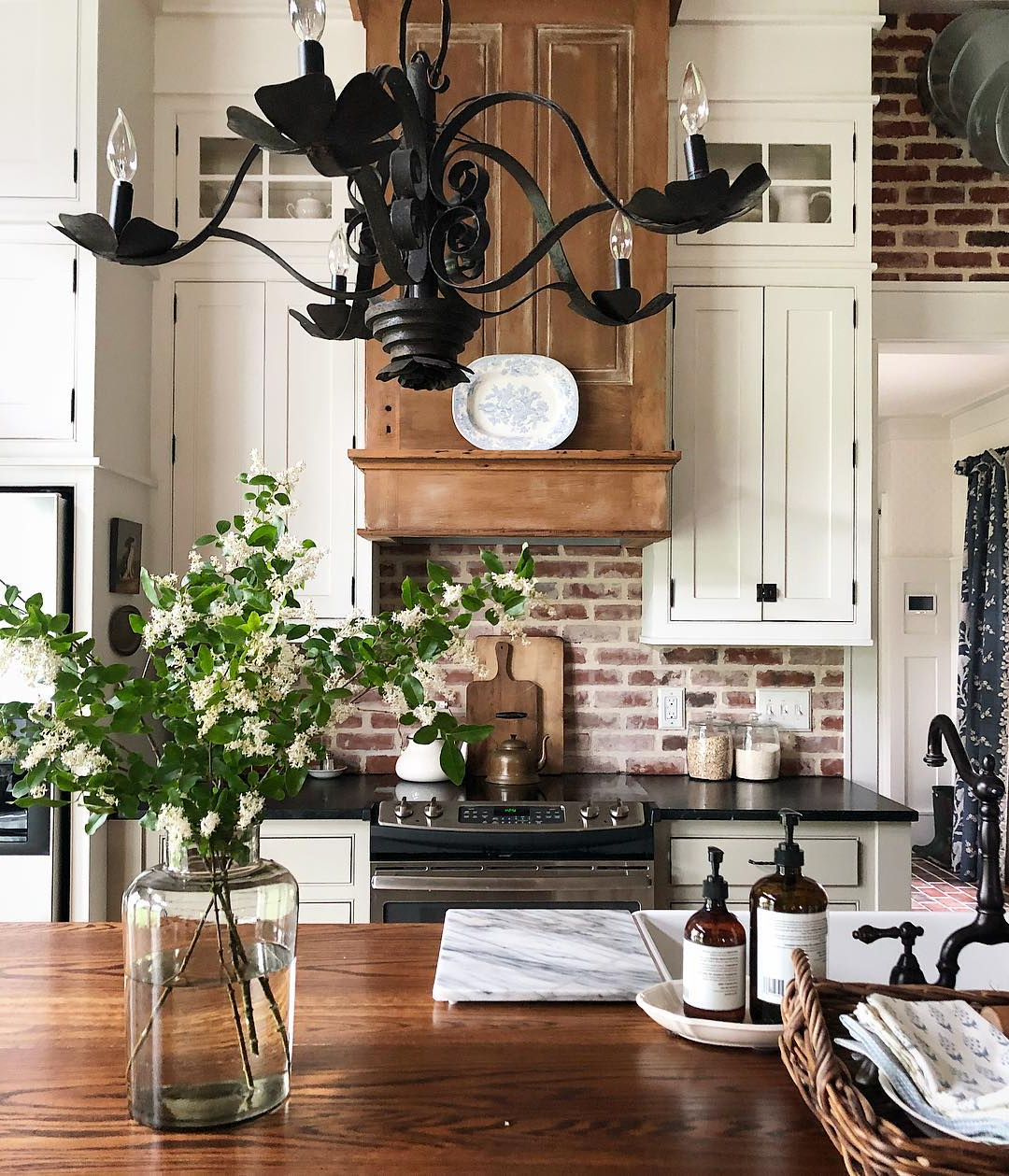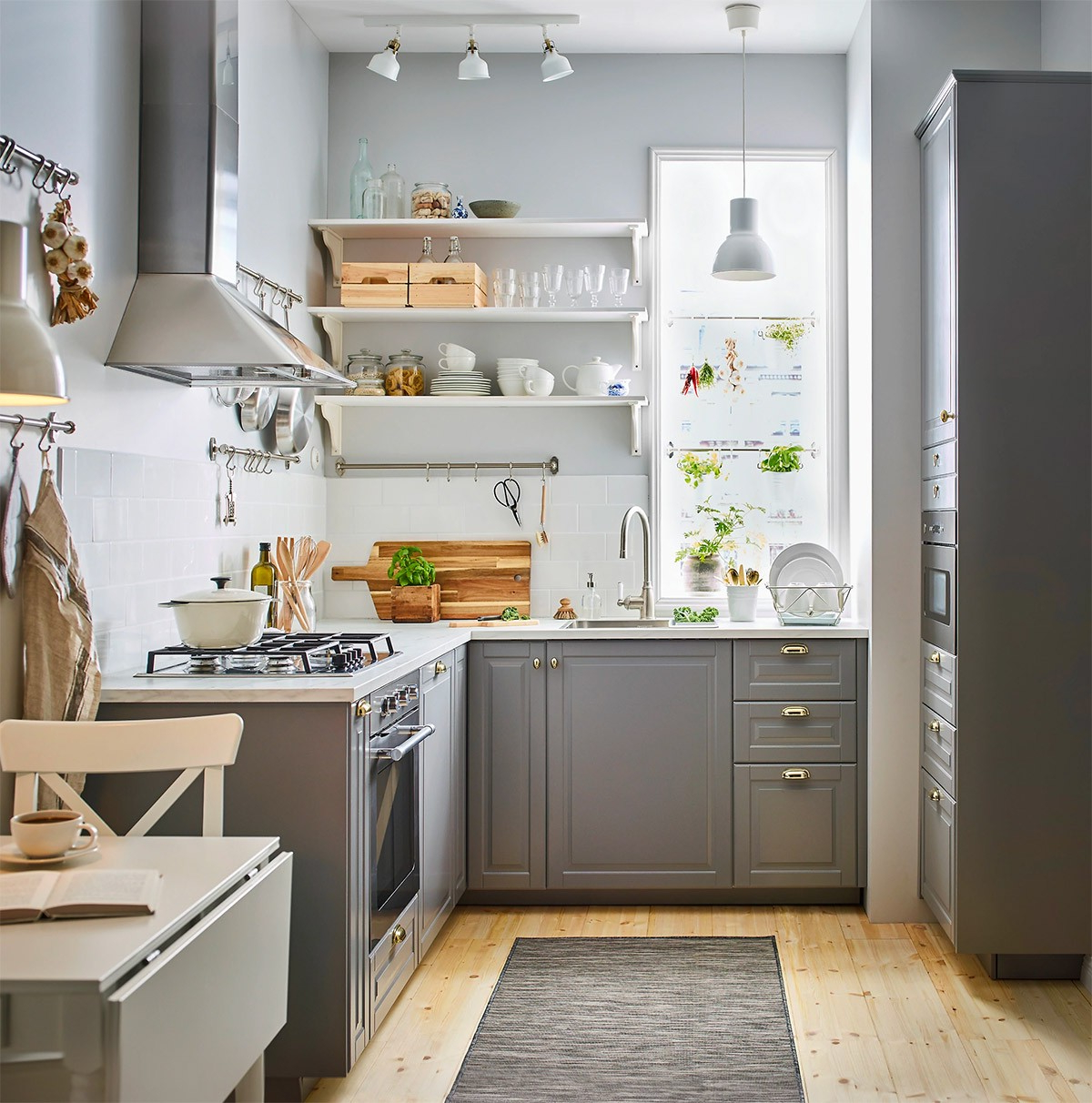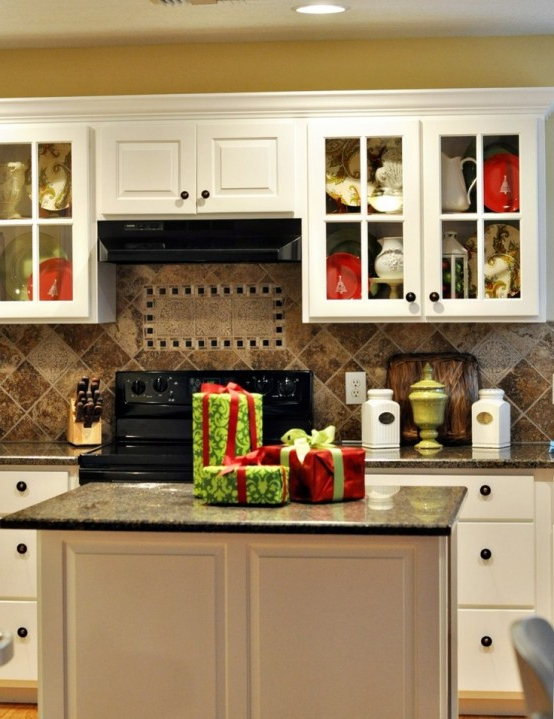
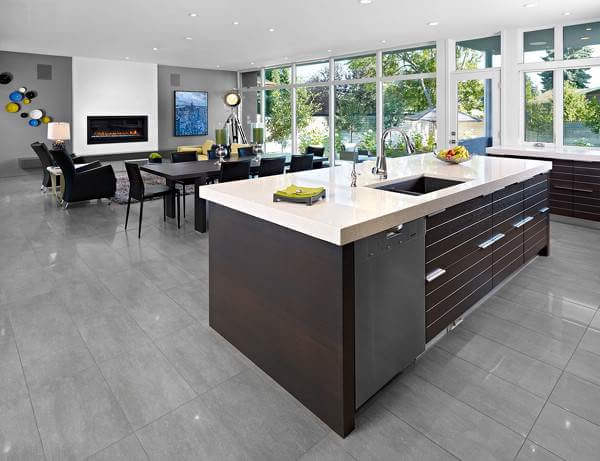
Think about the last time you walked into a kitchen that made you feel like you were in a magazine photo shoot. What was it about that space that caught your attention? Probably not just the appliances or cabinets. It was probably the floor. The way light danced across polished surfaces, how colors flowed together seamlessly, or how textures created a sense of warmth and sophistication. Today’s kitchens are no longer just functional spaces – they’re designed to be beautiful, inspiring places where we spend quality time with family and friends. And when it comes to achieving that perfect balance of form and function, one element stands out above all else: contemporary floor tile aesthetics.
Kitchens have undergone a dramatic transformation over the past decade. Gone are the days when we thought of kitchen floors as merely something to walk on. Now, homeowners are treating their kitchen floors like art pieces, carefully selecting materials, patterns, and finishes that complement their overall design vision. This shift isn’t just about style – it’s about creating spaces that reflect our personal taste while serving practical needs. Contemporary floor tile aesthetics offer a unique opportunity to elevate a kitchen from ordinary to extraordinary. Whether you’re planning a full renovation or just looking to refresh your current space, understanding how to properly incorporate modern tile flooring can make all the difference in how your kitchen looks and feels.
The Power of Visual Continuity
One of the most important aspects of successful kitchen floor tile design is creating visual continuity throughout the space. When you think about it, a kitchen floor is often the foundation upon which everything else is built. It sets the tone for the entire room. Imagine walking into a kitchen where the floor tiles are perfectly aligned with the cabinet hardware, where the color palette flows naturally from the backsplash to the flooring. That seamless connection creates a feeling of unity that makes the space feel larger and more cohesive than it actually is.
Consider a kitchen with warm terracotta tiles that echo the rich wood tones in the cabinetry. Or picture a modern kitchen with sleek, minimalist white tiles that reflect natural light and make the space feel airy and bright. These aren’t just random choices – they’re deliberate design decisions that work together to create a harmonious environment. The key is to think about how the floor tiles interact with other elements in the room, including countertops, wall colors, and even lighting fixtures. When everything works in harmony, the result is a kitchen that feels intentional and well-designed.
Material Matters: Understanding Your Options
The variety of floor tile options available today is staggering, and each material brings its own set of benefits and characteristics. Porcelain tiles, for instance, have become incredibly popular in modern kitchens due to their durability and low maintenance requirements. They’re perfect for high-traffic areas and can handle the occasional spill without showing damage. Their surface is typically smooth and easy to clean, making them ideal for busy households.
Ceramic tiles offer another excellent option, particularly for those who want to add some personality to their kitchen. They come in countless colors, patterns, and finishes, allowing for creative expression. Some ceramic tiles mimic the look of natural stone, while others provide a more abstract aesthetic. The downside is that they may require more careful maintenance than porcelain options.
Natural stone tiles, such as marble or granite, bring an element of luxury and uniqueness to any kitchen. They have inherent character that no manufactured tile can replicate. However, they do require regular sealing and can be prone to staining if not properly maintained. The investment is usually worth it for those seeking a truly distinctive look.
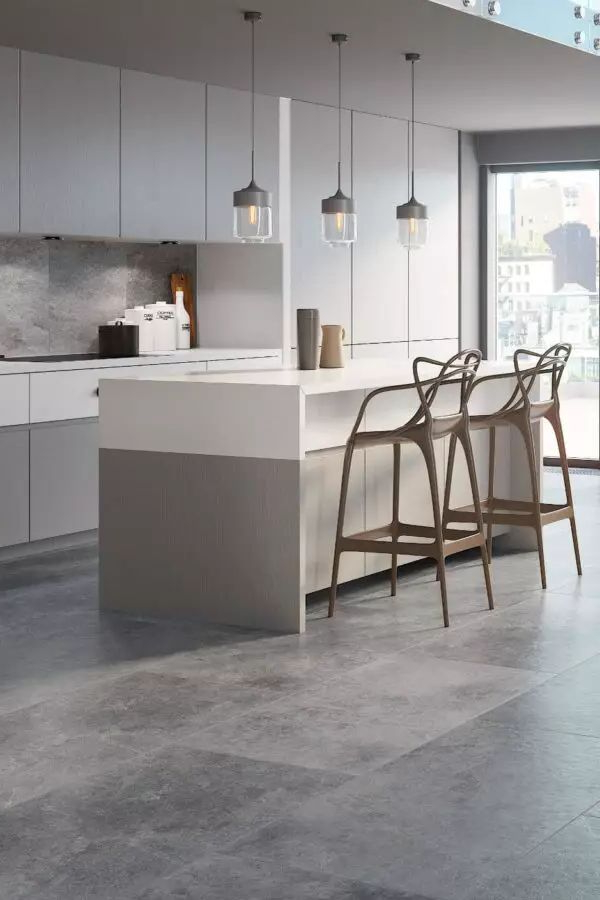
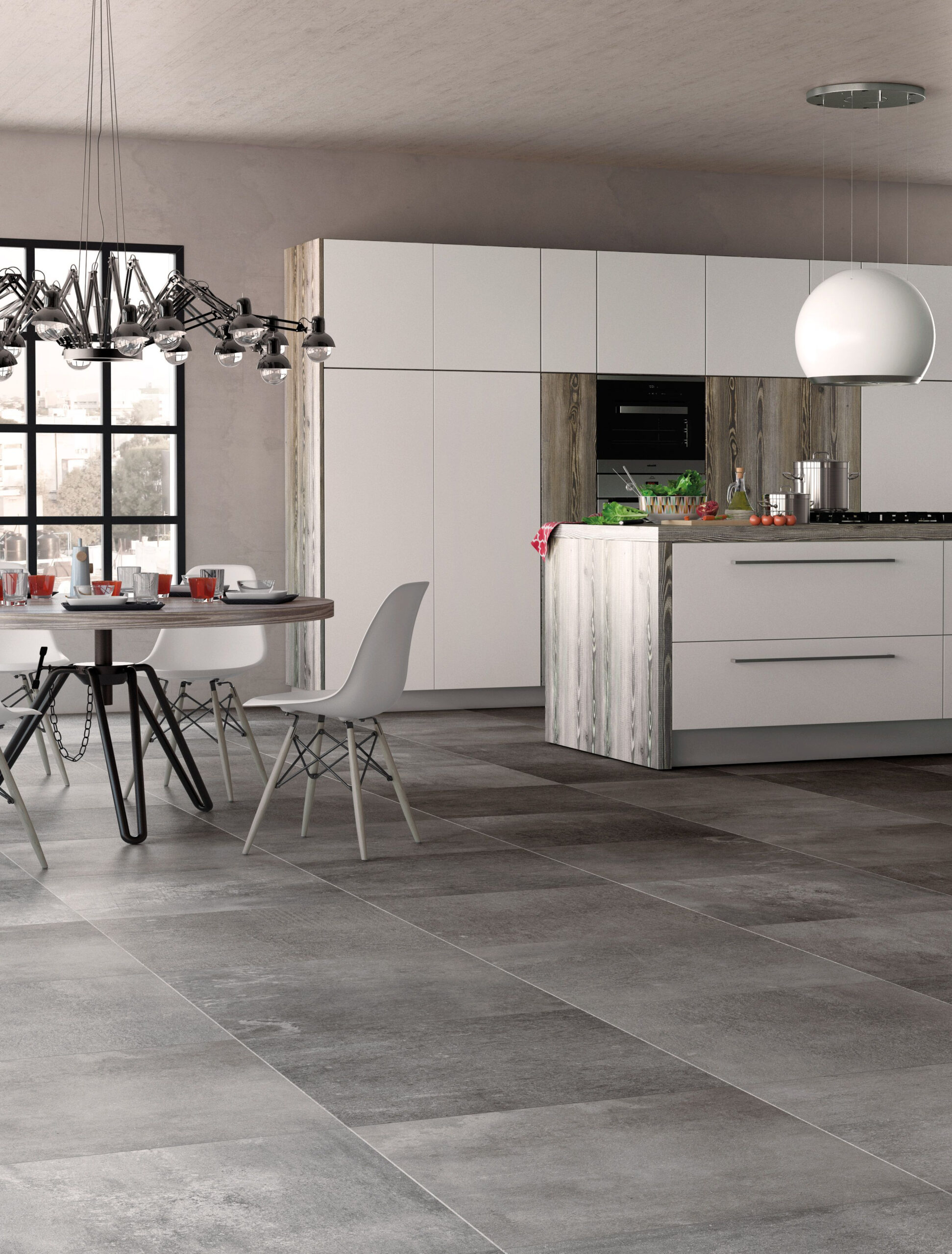
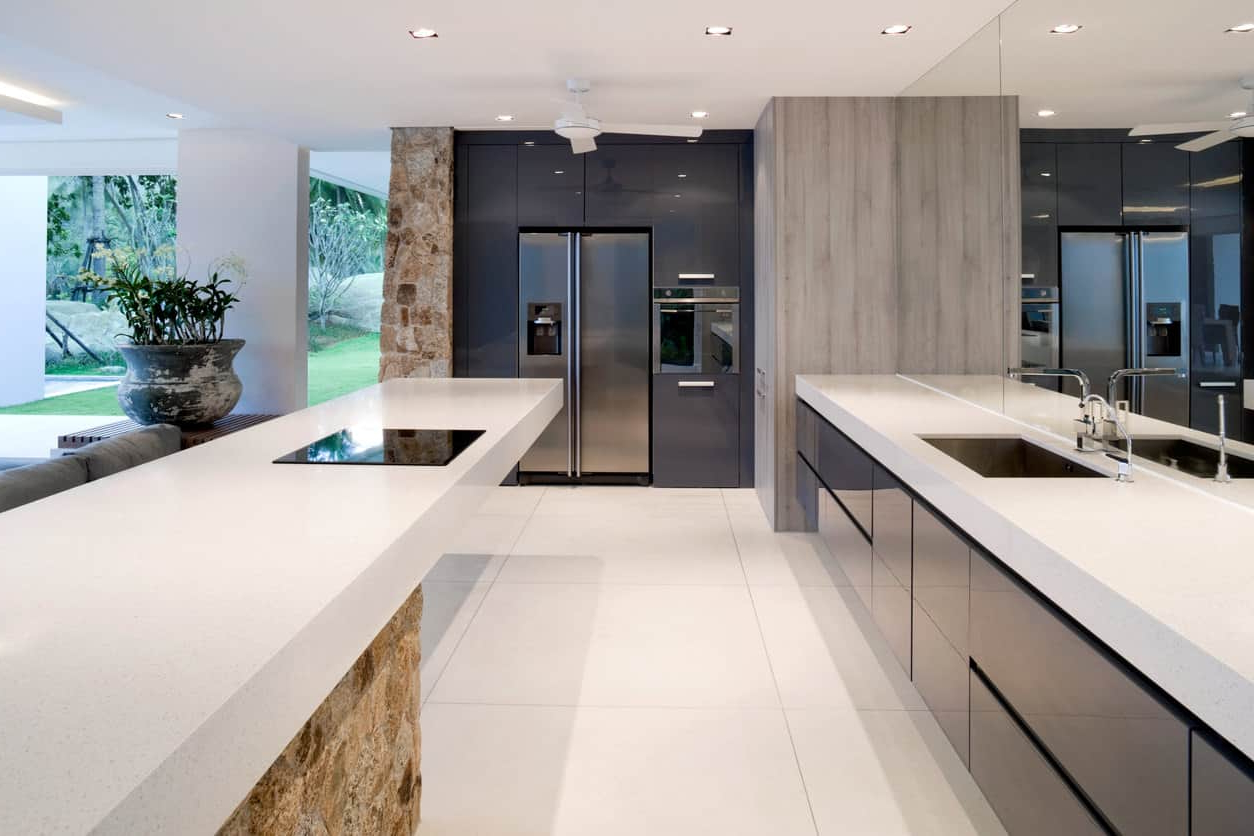
There’s also the growing trend toward large-format tiles that create a seamless appearance. These tiles minimize grout lines and can make small kitchens appear larger. They’re particularly effective when used in monochromatic schemes or when the tile pattern complements the overall design language of the space.
Color Psychology in Kitchen Flooring
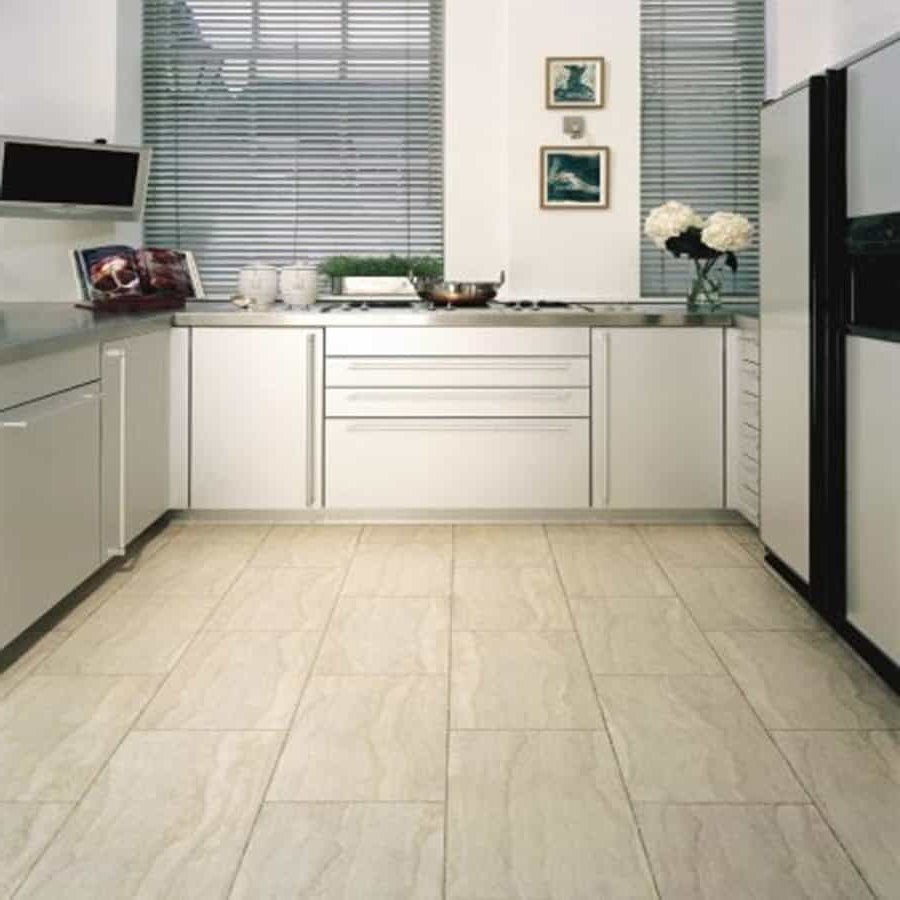
Colors in a kitchen floor can have a surprising impact on how we feel and behave in that space. Lighter colors, such as whites, creams, and soft beiges, tend to make smaller kitchens feel more spacious and airy. They reflect natural light beautifully, creating a bright and welcoming atmosphere. This is especially true when combined with adequate lighting throughout the kitchen.
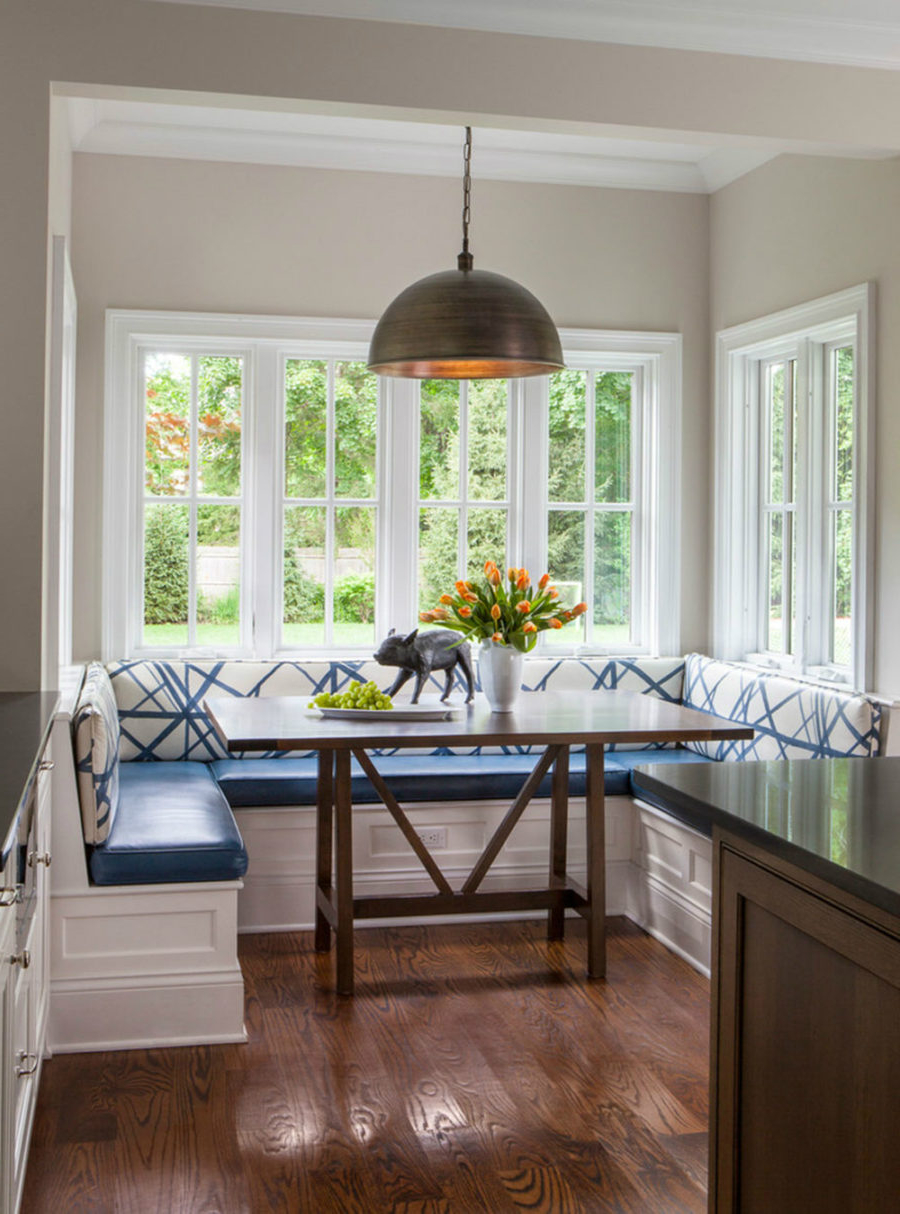
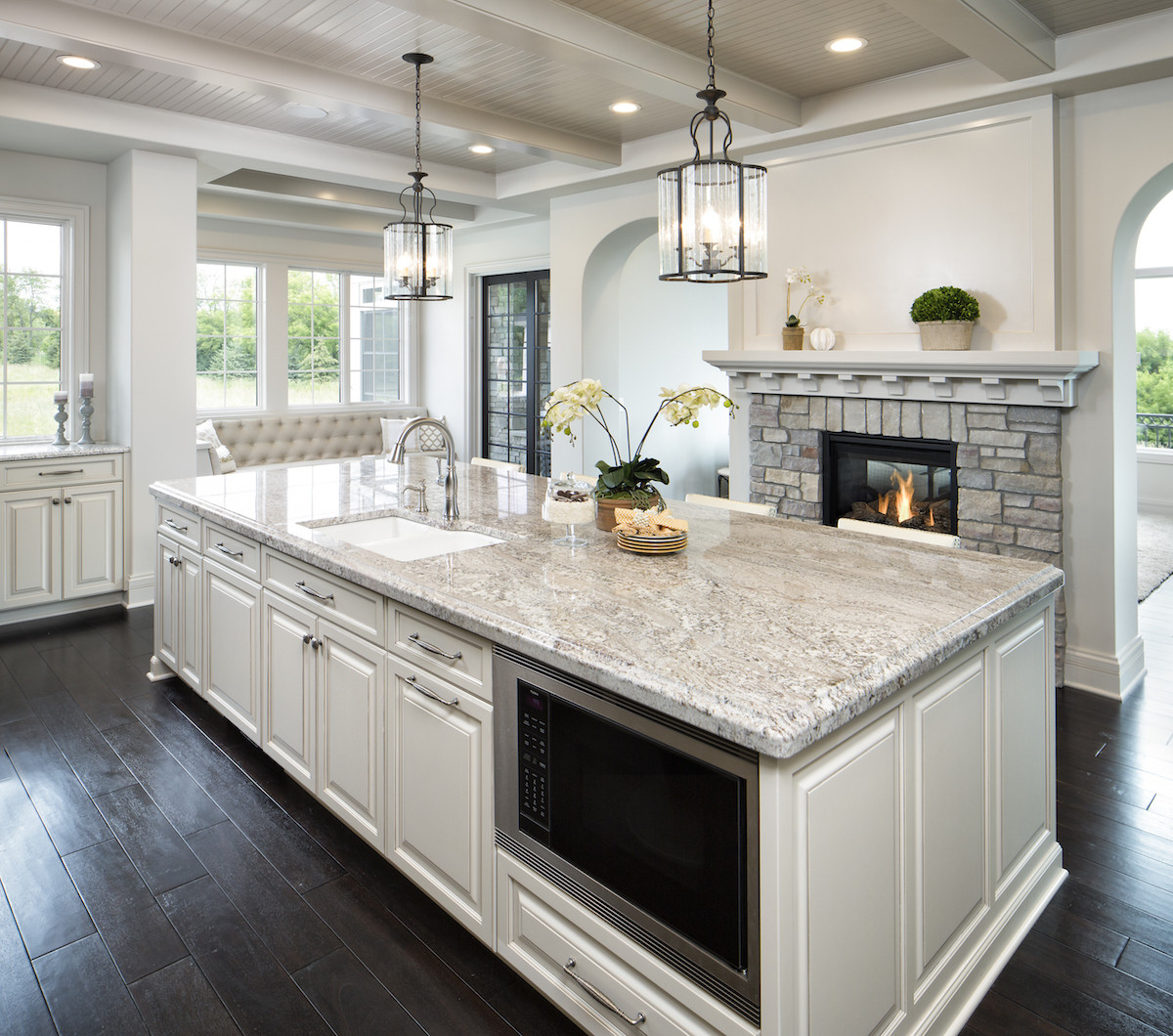
Darker floors, on the other hand, can create a sense of warmth and sophistication. They work particularly well in kitchens with lighter walls and ceilings, providing contrast that adds depth to the overall design. Darker tones also hide dirt and stains better, which can be a practical advantage in busy kitchens.
Neutral colors remain popular because they’re versatile and timeless. They allow other design elements to take center stage while still providing a solid foundation for the space. Brown, gray, and beige tones are particularly effective because they complement both warm and cool color palettes.
Consider how different colors might affect your daily routine. Do you prefer a bright, energetic morning environment? Or does a more subdued palette help you relax during dinner time? The right color choice can enhance your relationship with the space itself.
Pattern Play: From Simple to Statement Making
Not every kitchen needs a bold pattern to make an impact. Sometimes, simplicity speaks volumes. A well-chosen plain tile in a sophisticated finish can be more powerful than a complex pattern that overwhelms the senses. Think about how a subtle texture or a refined edge detail can elevate even the simplest tile selection.
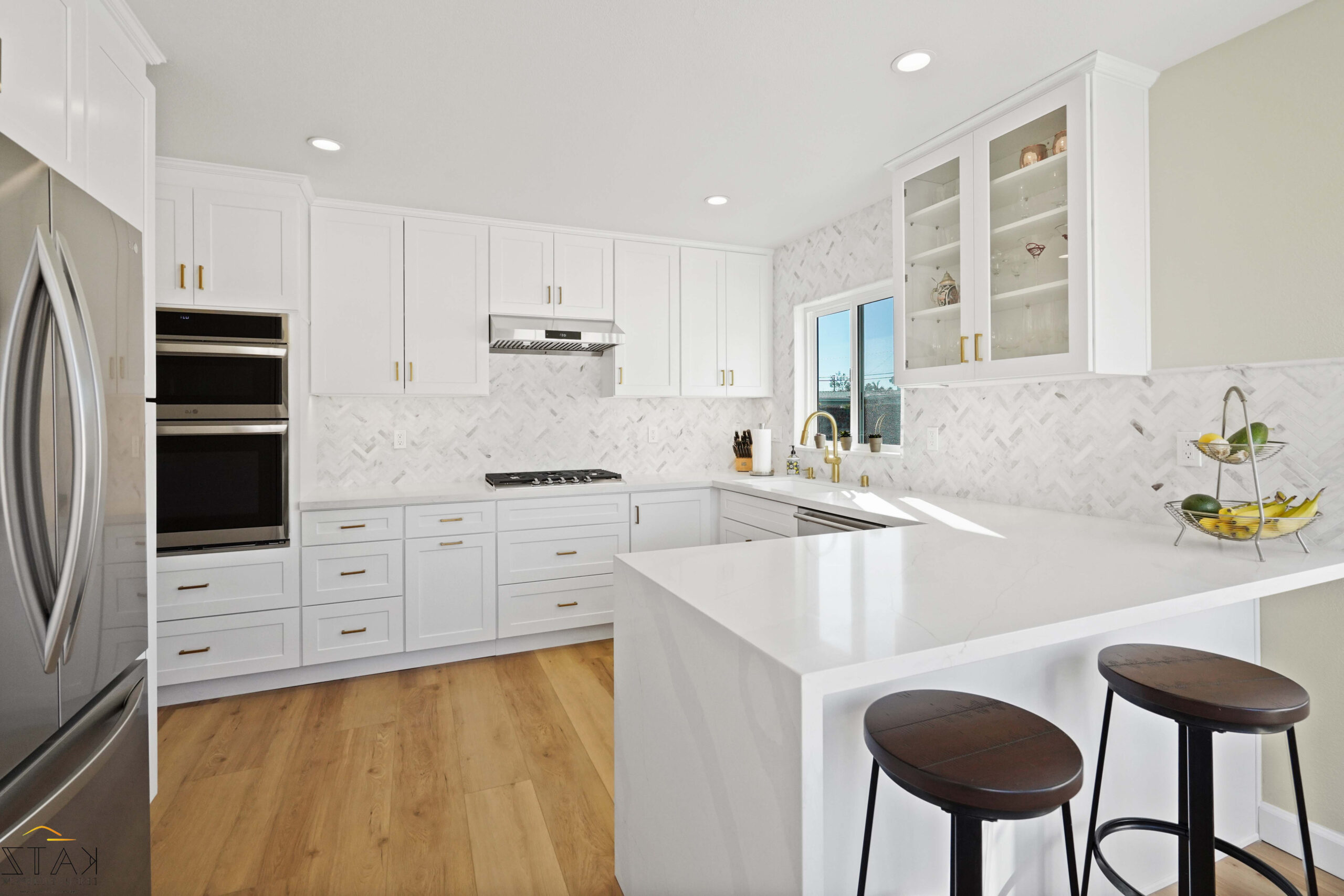
But when you do want to make a statement, there are plenty of options available. Geometric patterns, whether they’re classic squares or more contemporary shapes, can add visual interest without overwhelming the space. Herringbone patterns, for example, have made a strong comeback in modern kitchens, offering a timeless appeal that works well with both traditional and contemporary designs.
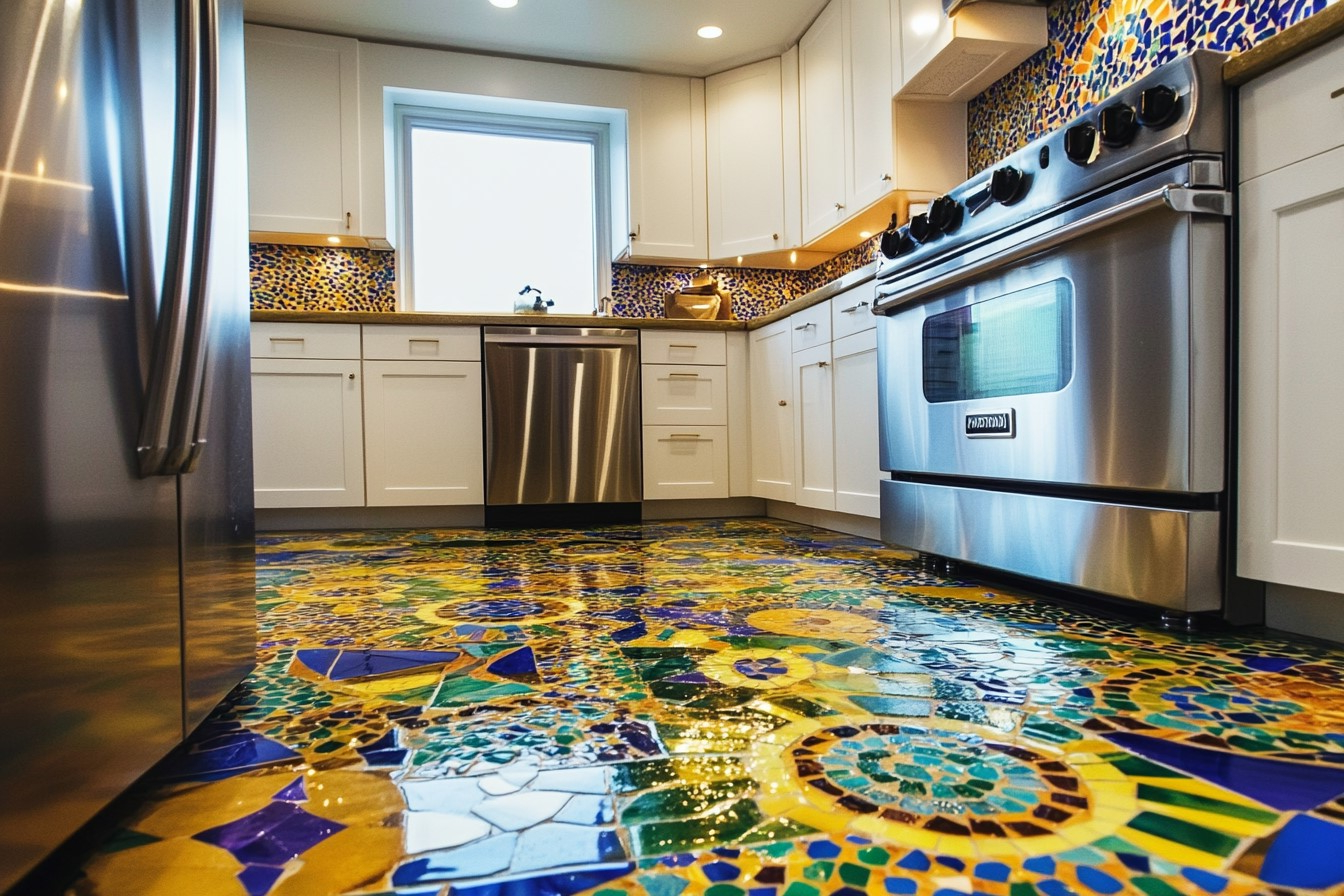
Mosaic tiles are another excellent way to introduce pattern and personality. They’re particularly effective when used in accent areas, such as around a kitchen island or in a backsplash transition zone. The small size of mosaic tiles allows for intricate designs that can be both whimsical and elegant.
The key is to consider how much pattern you want to incorporate and where. Too many competing patterns can create visual chaos, while too few might make the space feel flat. Balance is crucial, and sometimes less really is more.
Practical Considerations for Daily Life
While aesthetics are important, we can’t ignore the practical realities of daily kitchen life. The floor will see constant foot traffic, spills, and potentially heavy items being moved around. That means choosing tiles that can withstand the wear and tear of everyday use.
Slip resistance is a critical factor, especially in areas where water might accumulate. Look for tiles with appropriate slip ratings for your specific kitchen layout. A kitchen floor that’s too smooth can be dangerous when wet, while overly textured tiles might be uncomfortable to walk on barefoot.
Maintenance requirements vary significantly between tile types. Some tiles are extremely easy to clean with just a damp mop, while others may require special cleaning products or periodic sealing. Consider your lifestyle and how much time and effort you’re willing to invest in keeping your floors looking pristine.
Durability should also factor into your decision-making process. High-quality tiles will last decades with proper care, while lower-end options might need replacement within a few years. The initial cost might seem higher, but the long-term value often makes it worthwhile.
Lighting and Tile Interplay
The relationship between lighting and tile flooring is one of the most underappreciated aspects of kitchen design. Different tile finishes react differently to various lighting conditions, which can dramatically change how a space looks throughout the day.
Smooth, glossy tiles reflect light beautifully and can make a kitchen feel brighter and more open. They’re particularly effective in kitchens with limited natural light, as they help bounce available light around the room. However, they can also show fingerprints and water marks more easily.
Matte or textured tiles absorb light rather than reflecting it, creating a softer, more intimate atmosphere. They’re excellent for kitchens where you want to create a cozy, homey feeling. These tiles also tend to hide minor imperfections better than their glossy counterparts.
Consider how your kitchen will be lit throughout the day. Natural light changes the appearance of tiles dramatically from morning to evening. Will you be using artificial lighting primarily? How will that affect the way your chosen tiles look?
Many designers recommend layering different lighting sources – ambient, task, and accent – to ensure your kitchen looks great at all times. The right combination can highlight the beauty of your tile choice while ensuring functionality.
Transforming your kitchen with contemporary floor tile aesthetics isn’t just about following trends – it’s about creating a space that truly reflects your personality and meets your practical needs. Every choice you make, from the material and color to the pattern and finish, contributes to the overall experience of your kitchen. The best approach is to start with a clear vision of what you want to achieve and then let that guide your tile selection process.
Remember that a successful kitchen floor design balances beauty with functionality. It should be something you enjoy living with every day, not just something that looks good in photos. Take time to consider how the tiles will perform in your specific situation, how they’ll age over time, and whether they’ll continue to support your evolving lifestyle.
The investment in quality tile flooring pays dividends in both aesthetics and longevity. A thoughtfully chosen floor tile can make your kitchen feel like a true centerpiece of your home, a place where you want to spend time and create memories. Whether you’re designing a new kitchen or refreshing an existing one, remember that the right tile choice can transform not just the look of your space, but the way you experience it every single day.
[sps_html tag=”img” src=”https://roofdrivein.com/wp-content/uploads/2026/01/are-you-looking-for-modern-kitchen-flooring-ideas-that-will-keep-you-in-in-modern-kitchen-floor-tiles-design.jpg” alt=”Are You Looking For Modern Kitchen Flooring Ideas That Will Keep You In … in Modern Kitchen Floor Tiles Design” style=”width: 100%; height: auto;”]
[sps_html tag=”img” src=”https://roofdrivein.com/wp-content/uploads/2026/01/6-exquisite-modern-tile-kitchen-floor-ideas-regarding-transforming-kitchens-with-contemporary-floor-tile-aesthetics-scaled.jpg” alt=”6 Exquisite Modern Tile Kitchen Floor Ideas regarding Transforming kitchens with contemporary floor tile aesthetics” style=”width: 100%; height: auto;”]
[sps_html tag=”img” src=”https://roofdrivein.com/wp-content/uploads/2026/01/modern-kitchen-floor-tile-designs-flooring-site-for-modern-kitchen-floor-tiles-design.jpg” alt=”Modern Kitchen Floor Tile Designs – Flooring Site for Modern Kitchen Floor Tiles Design” style=”width: 100%; height: auto;”]
[sps_html tag=”img” src=”https://roofdrivein.com/wp-content/uploads/2026/01/11-beautiful-kitchen-floor-tile-design-ideas-youll-love-to-try-in-2025-within-modern-kitchen-floor-tiles-design.jpg” alt=”11 Beautiful Kitchen Floor Tile Design Ideas You'll Love To Try In 2025 within Modern Kitchen Floor Tiles Design” style=”width: 100%; height: auto;”]
[sps_html tag=”img” src=”https://roofdrivein.com/wp-content/uploads/2026/01/kitchen-floor-tiles-for-a-modern-look-contemporary-tile-design-ideas-throughout-transforming-kitchens-with-contemporary-floor-tile-aesthetics.jpg” alt=”Kitchen Floor Tiles For A Modern Look | Contemporary Tile Design Ideas … throughout Transforming kitchens with contemporary floor tile aesthetics” style=”width: 100%; height: auto;”]