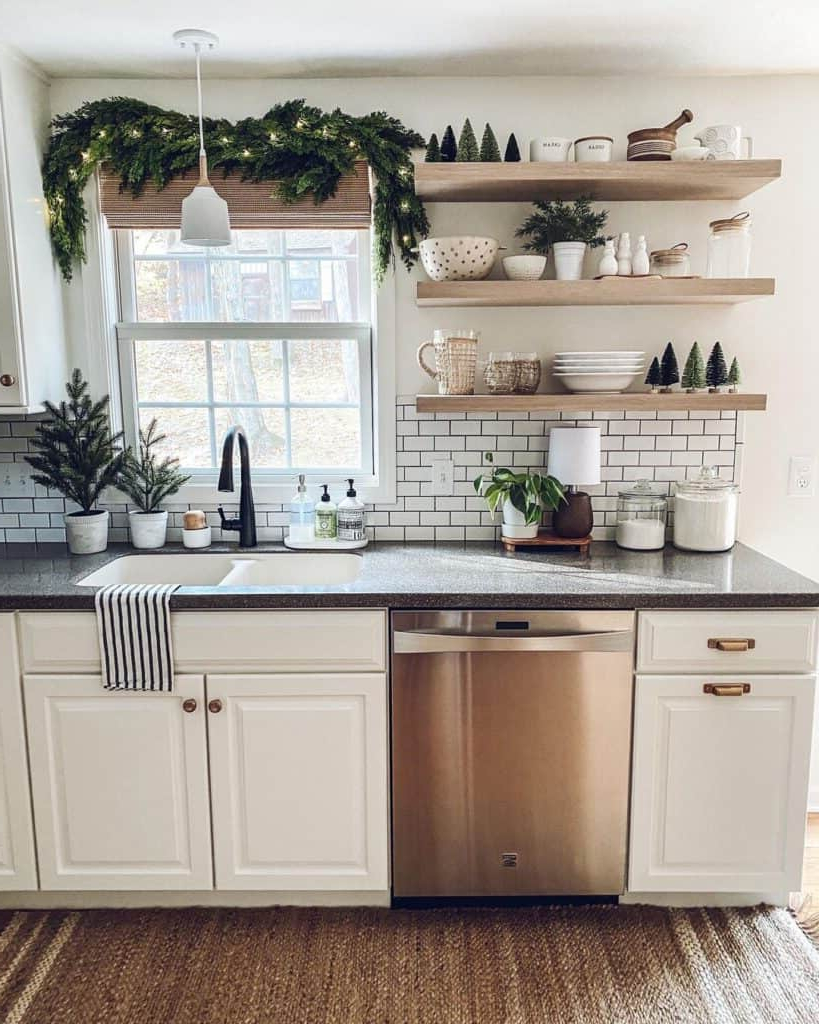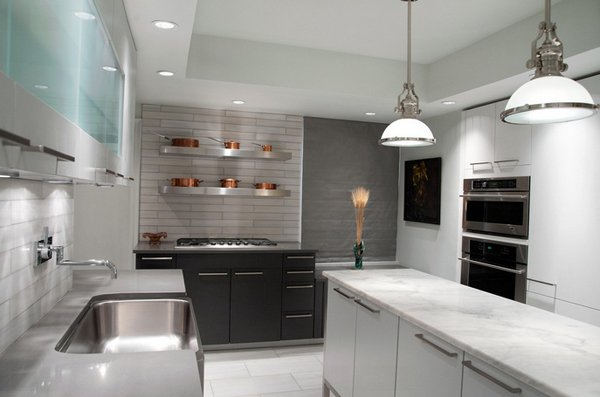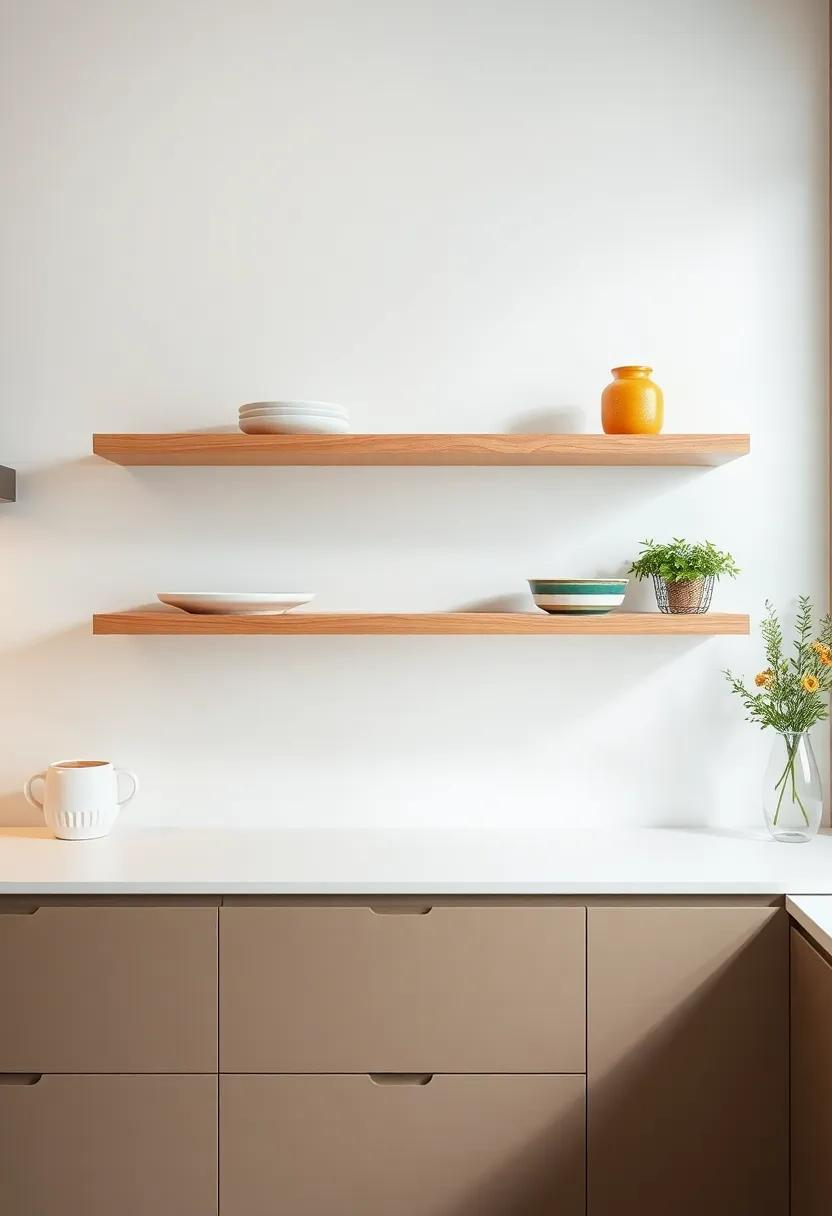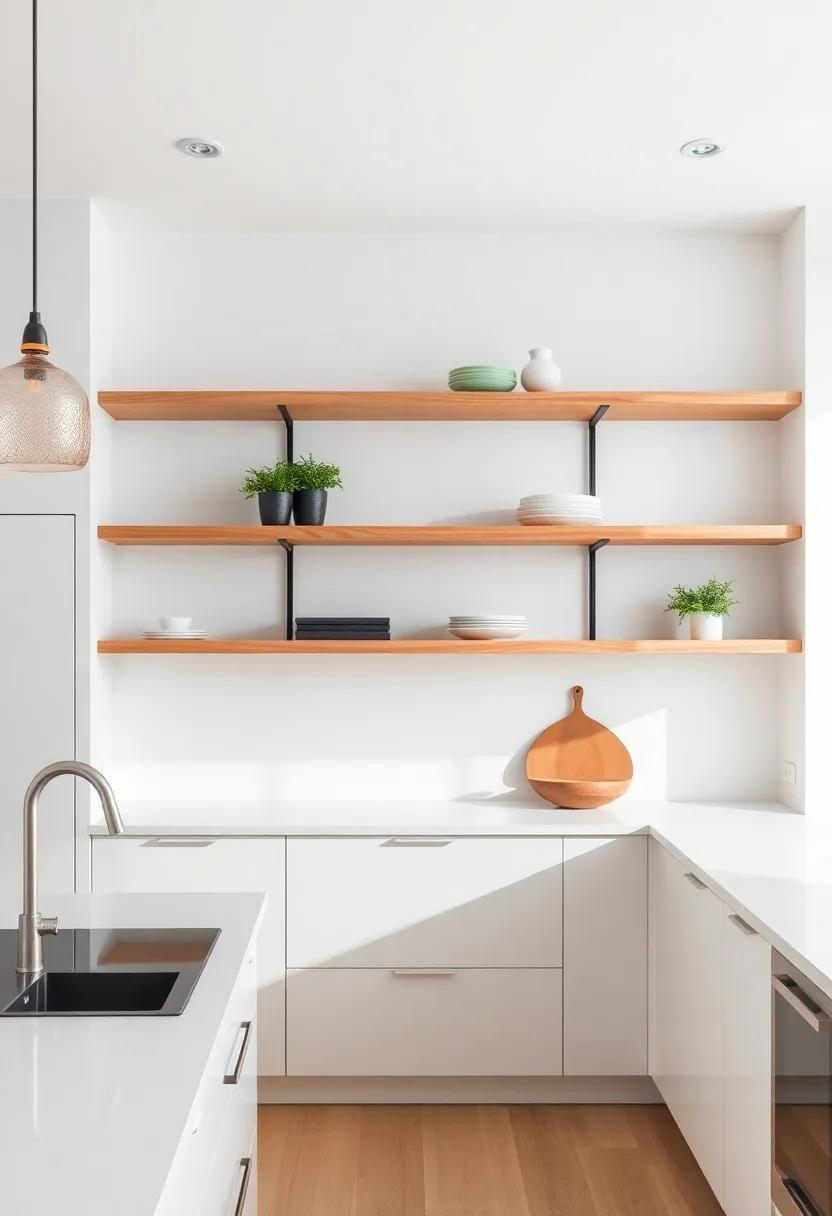
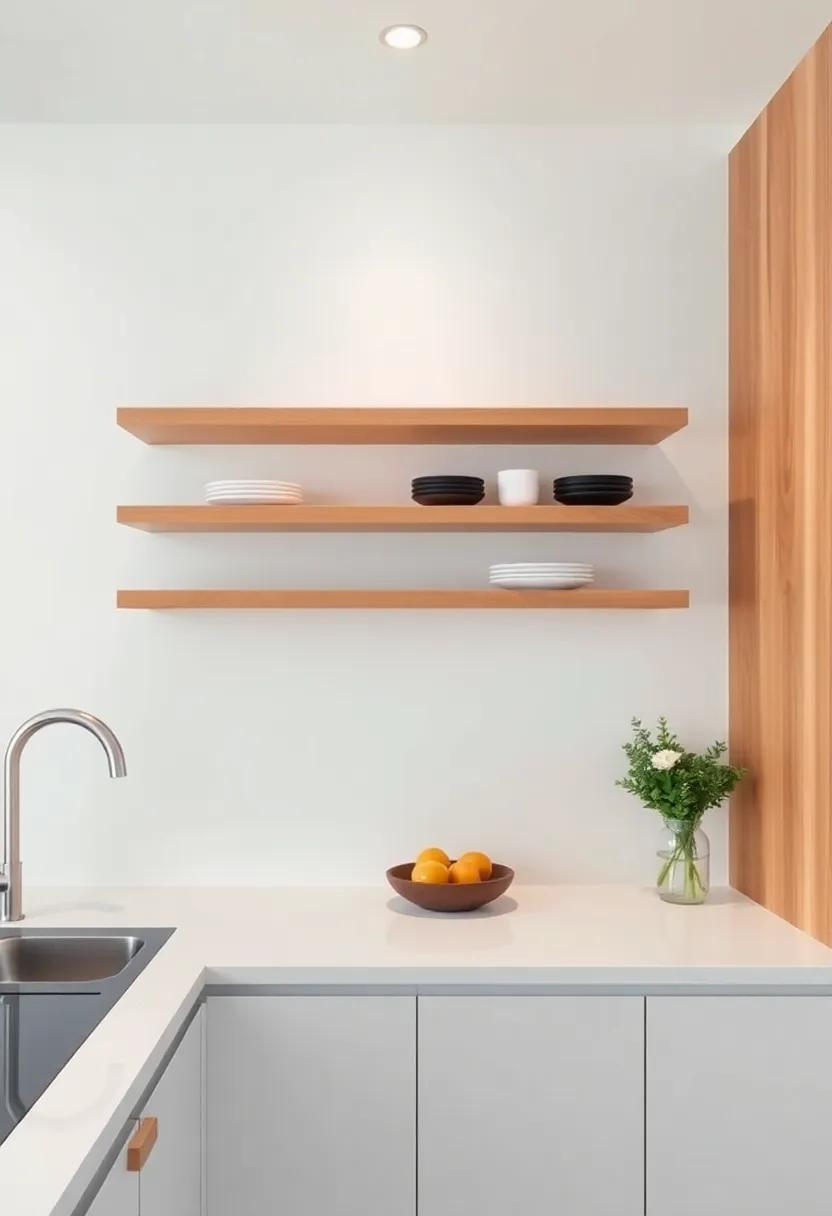
Picture this: You’re standing in your kitchen, admiring those perfectly installed floating shelves that seem to defy gravity. They hold your favorite dishes, spices, and cookbooks with ease. But then you see another kitchen where the shelves have started to sag, or worse, come crashing down. What’s the difference? It’s not just about style – it’s about technique. The truth is, floating shelves in kitchens are either magic or disaster waiting to happen. The key lies in understanding how they’re supposed to work and what goes wrong when things go south.
Floating shelves have become the ultimate kitchen statement piece. They add visual interest, provide extra storage space, and make even the smallest kitchens feel bigger. But here’s the thing – not every floating shelf installation is a success story. We’ve all seen those kitchen disasters where shelves look like they’re about to give up on life entirely. The good news? With the right approach, floating shelves can be both beautiful and functional. This guide will walk you through everything you need to know about installing these popular kitchen features properly. From choosing the right hardware to understanding load limits, we’ll cover the essentials that make the difference between a shelf that stays put and one that becomes a kitchen hazard.
Understanding How Floating Shelves Actually Work
Before we dive into installation, let’s talk about what makes floating shelves tick. These shelves aren’t really floating – they’re supported by hidden brackets that attach directly to the wall behind them. The secret is in the engineering. When properly installed, these brackets distribute weight evenly across the wall structure. Think of it like a suspension bridge – the cables carry the load rather than the shelf itself. Most modern floating shelves are designed to hold between 20 and 50 pounds per linear foot. But here’s where it gets interesting – the weight isn’t just about what’s on the shelf. It’s about how the shelf is attached to the wall and whether the wall can handle the stress. For example, drywall can only support so much weight before it starts to give way. That’s why knowing your wall type matters more than you might think. If you’re dealing with plaster walls or concrete, the installation process changes completely. A single heavy item can cause problems if the wall isn’t strong enough to support it.
Choosing the Right Hardware for Your Kitchen
Let’s get real about hardware – it’s the foundation of your floating shelf success. Not all brackets are created equal, and cheap options often lead to disappointment. Look for brackets that are rated for your intended load. If you plan to store heavy cookware or multiple items, you’ll want brackets with higher weight capacity. The material matters too. Steel brackets typically outlast aluminum ones, especially in humid kitchen environments. One common mistake people make is assuming that bigger brackets always mean better performance. Sometimes, smaller brackets work better when properly spaced. Consider the depth of your shelves too. A shallow shelf might not need the same amount of bracket support as a deep one. Real-world experience shows that using brackets that are slightly over-engineered often pays off in the long run. For instance, if you’re planning to put 40 pounds on a shelf, choose brackets rated for 60 pounds. It’s better to have a safety margin than risk disappointment later. Many professionals recommend checking the manufacturer’s specifications carefully and never exceeding recommended weights.
Wall Type Matters More Than You Think
Here’s where most DIYers trip up – they don’t consider their wall construction. A kitchen wall might look solid, but underneath, it could be a different story. Studs are your best friend in this scenario. When you can anchor into wood studs, you’re getting maximum support. However, many kitchens have drywall only, which means you need to plan differently. If you’re working with drywall, you’ll need to use appropriate anchors and ensure they’re properly positioned. The rule of thumb is to place brackets at least 1/4 inch from the edge of the shelf. This small detail prevents the shelf from pulling away from the wall. For those with concrete or brick walls, special anchors are required. These might include masonry screws or expansion anchors that can handle the extra weight. A quick test can tell you a lot about your wall. Tap it with a knuckle – hollow sounds usually indicate air gaps behind the wall. If you hear solid sounds, you’re likely dealing with a stud. In some cases, you might need to use toggle bolts or plastic anchors. The key is matching the anchor to your wall type. Don’t assume that because something works in one room, it will work in your kitchen. Every situation is different, and walls vary widely in strength and composition.
Proper Measurement and Placement Techniques
Getting measurements right is half the battle. Start with the basics – measure the exact width of your shelf and subtract 1/4 inch from each side for bracket placement. This might sound small, but it makes a big difference in stability. Use a level to ensure your shelf is perfectly horizontal. Even a slight tilt can cause items to slide off. Many people skip this step, thinking it’s unnecessary, but it’s crucial for both appearance and functionality. Mark your bracket locations carefully, using a pencil and straightedge. Double-check that your measurements are correct before drilling. Another tip: place brackets closer together for longer shelves. A 4-foot shelf needs more support points than a 2-foot one. The math works out to about 16 inches center-to-center for shorter shelves, but you might need to go as close as 8 inches for longer spans. When in doubt, go with more brackets. It’s easier to remove one than to fix a sagging shelf. Also, remember to account for the thickness of your shelf when measuring. The bracket needs to sit flush against the back of the shelf for proper support. This attention to detail makes all the difference between a shelf that looks good and one that actually works well.
Load Distribution and Weight Management
This is where the real magic happens – managing what goes on your shelves. The key is distribution. Don’t pile everything on one side. Spread heavier items evenly across the shelf surface. Think about the center of gravity – the heavier items should be near the middle, while lighter items can go toward the ends. For example, a heavy spice rack should be positioned toward the center of a shelf. Heavy pots and pans should be distributed across the shelf rather than grouped together. Some people make the mistake of filling shelves to maximum capacity immediately. Instead, start with lighter items and gradually add weight. This allows you to test the shelf’s stability before committing to full load. Consider the weight of each item individually. A 10-pound coffee maker isn’t the same as a 10-pound stack of plates. The latter puts more stress on the shelf structure due to its wider distribution. A practical tip is to keep frequently used items within easy reach and reserve heavier items for less accessible spots. This creates a natural weight balance and makes your kitchen more user-friendly. Remember, the shelf is only as strong as its weakest link – so even a single heavy item can compromise the whole setup.
Maintenance and Long-Term Care Tips
Installing floating shelves is just the beginning – maintaining them properly ensures they last for years. Check bracket tightness every few months, especially after heavy use. Loose brackets can cause wobbling and eventually lead to shelf failure. A simple torque wrench can help ensure proper tightening without over-tightening. Clean regularly with mild soap and water – avoid harsh chemicals that might damage the finish. For high-traffic areas, consider using shelf liners or protective covers to prevent scratches and stains. Keep an eye out for signs of wear – loose brackets, gaps between shelf and wall, or visible movement. These early warning signs can prevent bigger problems later. Some people forget that humidity can affect shelf stability over time. In kitchens with high moisture levels, check for any signs of warping or loosening. If you notice any issues, address them immediately rather than waiting for complete failure. Regular maintenance might take a few minutes each month, but it’s worth it to preserve your investment. Consider keeping a small toolkit handy for quick adjustments. Having a spare set of brackets on hand can save you from major headaches. The cost of prevention is far less than replacing a failed shelf.
Floating shelves can transform your kitchen from ordinary to extraordinary when installed correctly. The secret isn’t in expensive materials or fancy techniques – it’s in understanding the fundamentals and applying them consistently. From choosing the right hardware to properly accounting for wall types, every decision impacts your shelf’s longevity. Remember that these shelves are meant to be functional as well as decorative. A beautiful shelf that falls apart isn’t a solution – it’s a hazard. Take your time with measurements, choose quality hardware, and don’t be afraid to over-engineer your solution. The kitchen environment is tough on storage solutions, so building in some extra strength pays dividends. Most importantly, consider your actual usage patterns. What do you really need to store? How often will you access these items? Answering these questions helps determine the right approach for your situation. With proper planning and execution, floating shelves can be both stunning and reliable additions to any modern kitchen. They’re not just trendy décor – they’re smart storage solutions that can make daily cooking and meal prep more enjoyable. The investment in proper installation pays off in convenience and peace of mind.
[sps_html tag=”img” src=”https://roofdrivein.com/wp-content/uploads/2026/01/34-floating-kitchen-shelves-to-grace-your-walls-with-regard-to-modern-kitchen-floating-shelves.jpg” alt=”34 Floating Kitchen Shelves To Grace Your Walls with regard to Modern Kitchen Floating Shelves” style=”width: 100%; height: auto;”]
[sps_html tag=”img” src=”https://roofdrivein.com/wp-content/uploads/2026/01/elevate-your-space-the-ultimate-guide-to-stylish-modern-kitchen-with-modern-kitchen-floating-shelves.jpg” alt=”Elevate Your Space: The Ultimate Guide To Stylish Modern Kitchen … with Modern Kitchen Floating Shelves” style=”width: 100%; height: auto;”]
[sps_html tag=”img” src=”https://roofdrivein.com/wp-content/uploads/2026/01/20-contemporary-floating-shelves-in-the-kitchen-home-design-lover-for-expert-tips-for-installing-floating-shelves-that-actually-work-in-modern-kitchens.jpg” alt=”20 Contemporary Floating Shelves In The Kitchen | Home Design Lover for Expert tips for installing floating shelves that actually work in modern kitchens” style=”width: 100%; height: auto;”]
[sps_html tag=”img” src=”https://roofdrivein.com/wp-content/uploads/2026/01/elevate-your-space-the-ultimate-guide-to-stylish-modern-kitchen-regarding-modern-kitchen-floating-shelves.jpg” alt=”Elevate Your Space: The Ultimate Guide To Stylish Modern Kitchen … regarding Modern Kitchen Floating Shelves” style=”width: 100%; height: auto;”]
[sps_html tag=”img” src=”https://roofdrivein.com/wp-content/uploads/2026/01/elevate-your-space-the-ultimate-guide-to-stylish-modern-kitchen-for-expert-tips-for-installing-floating-shelves-that-actually-work-in-modern-kitchens.jpg” alt=”Elevate Your Space: The Ultimate Guide To Stylish Modern Kitchen … for Expert tips for installing floating shelves that actually work in modern kitchens” style=”width: 100%; height: auto;”]