Every home deserves a table that feels right—not just looks good. But when it comes to choosing a modern kitchen dining table, the options can feel overwhelming. Is it about size? Style? Or how many people you need to feed? What if you have a small space but still want to entertain? These are the kinds of questions that pop up when you’re shopping for something so central to your home life.
The kitchen table isn’t just furniture—it’s the heart of your home. It’s where families gather for meals, friends share stories over dinner, and kids do their homework. So picking the right one matters more than you might think. A modern kitchen dining table can transform your space from simply functional to truly welcoming. Whether you’re planning a big renovation or just updating your current setup, understanding what makes a great table is essential. This guide will walk you through everything you need to know to choose a table that fits your lifestyle perfectly.
Understanding Your Space and Layout
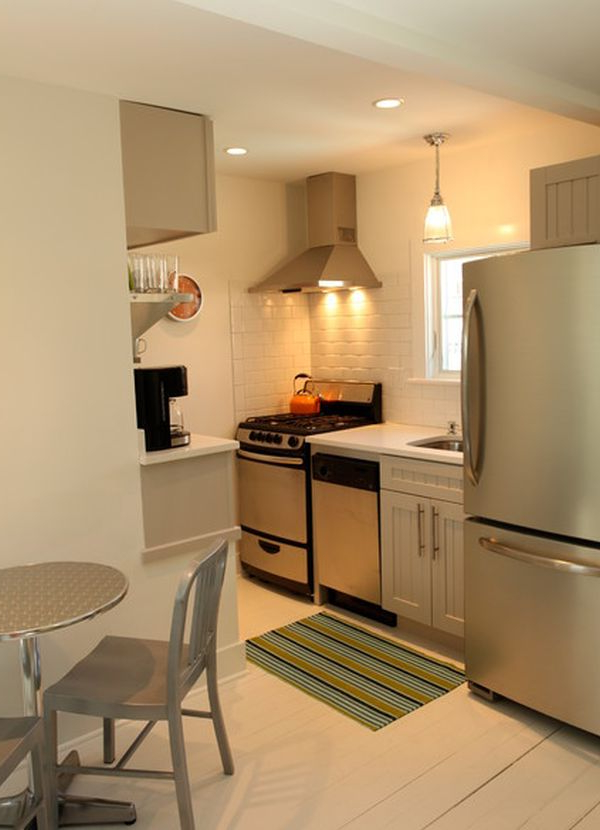
Before diving into design options, take a careful look at your kitchen. Measure the room thoroughly, noting where appliances sit and how much space you have for movement. A large oval table might look stunning, but if it blocks access to the sink, it could cause daily frustration. Consider how you use your kitchen daily. Do you cook in the morning while kids get ready for school? Then maybe a narrow rectangular table works better than a wide one. Also, think about traffic flow. Will people need to walk around the table? If so, leave at least 36 inches of clearance. You might also want to check if there’s enough room for a dining chair to pull out comfortably. Some tables come with built-in storage or extendable features to help maximize small spaces. If you live in a smaller apartment or condo, a table that folds flat or has a leaf that extends only when needed could be a game changer. For example, a simple 4-foot-long table may seem too small, but if it expands to 6 feet when guests arrive, it offers both everyday convenience and special occasion flexibility.
Deciding on Size and Shape
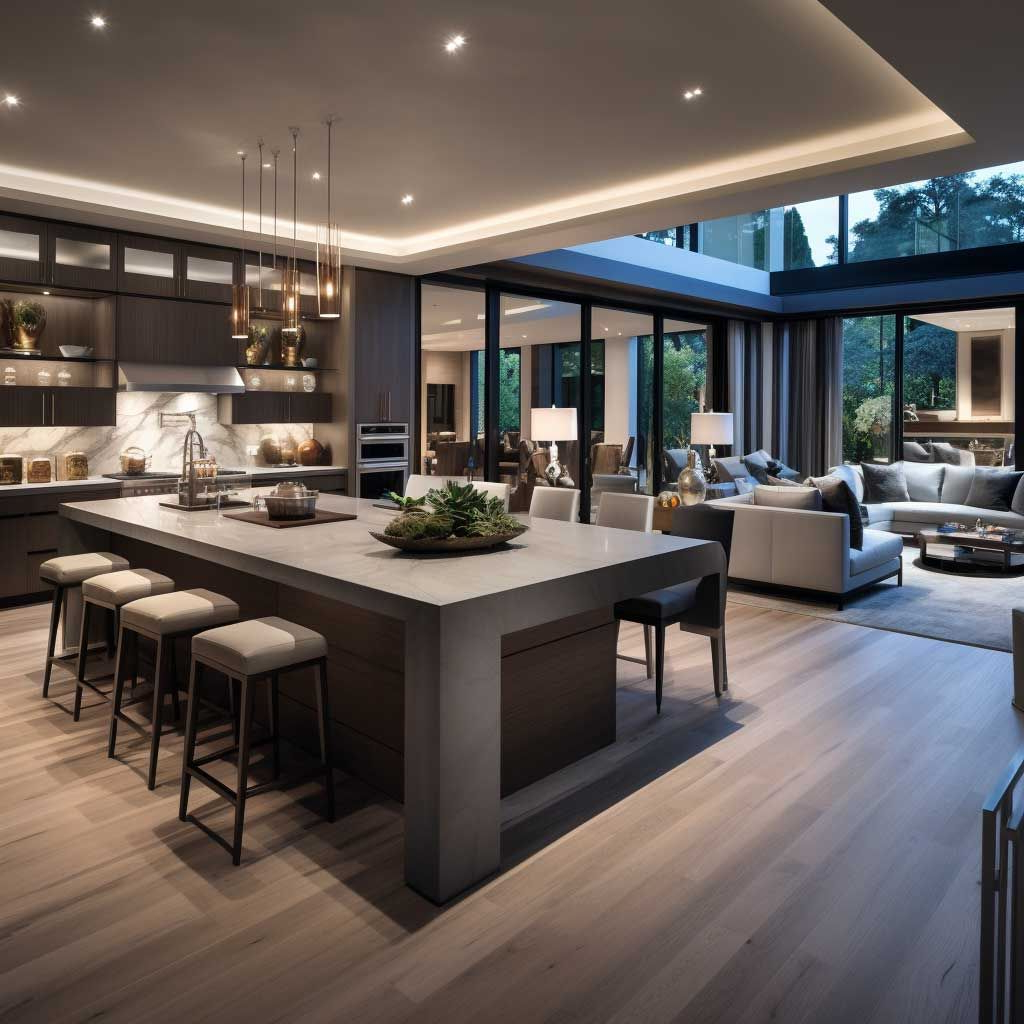
Choosing the right size depends heavily on how many people you regularly seat. A general rule is to allow about 24 inches of table length per person. So, a six-person table should ideally be 144 inches long. But remember, this is just a starting point. Think about how often you entertain and whether you prefer casual or formal dining. Round tables are cozy and encourage conversation because everyone faces each other. They’re also great for small spaces since they don’t have sharp corners that can be dangerous for children. Rectangular tables offer more seating and work well for longer meals or when you need extra surface area for food prep. However, they can sometimes feel cold or formal. If you have a small dining area, consider a U-shaped or L-shaped table that fits into corners. These shapes save space and still give you plenty of room for meals and gatherings. For instance, a 72-inch rectangular table might feel cramped in a tiny kitchen, whereas a curved 60-inch round table could feel spacious and inviting. Sometimes the shape of your existing kitchen island or cabinets can influence your choice too. Matching shapes can create visual harmony and balance.
Material Matters for Durability and Style
Different materials bring different benefits to your dining experience. Wood tables, especially hardwoods like oak or maple, are classic choices. They age beautifully, develop character over time, and feel warm under your hands. However, they require regular maintenance and can be prone to scratches or water damage. Glass tables are sleek and modern, easy to clean, and make small spaces feel larger. But they show fingerprints easily and can be fragile. Metal tables are strong and often very affordable, but they might not fit every aesthetic. They can also feel cold unless paired with warm accessories or cushions. For those who want the best of both worlds, composite materials like laminate or engineered wood offer durability without breaking the bank. They mimic the look of real wood but are more resistant to wear and tear. When considering materials, also think about your lifestyle. If you have pets or young children, you might lean toward something sturdy and scratch-resistant. If you love hosting parties, a material that handles spills and stains well becomes important. Take a look at reviews from people with similar homes and lifestyles to get a sense of what works best for them. For example, many families swear by solid wood tables because they last decades and can be refinished multiple times.
Considering Practical Features and Functionality
Modern kitchens often call for tables that do more than just hold plates and glasses. Look for features like built-in charging ports, hidden storage compartments, or even adjustable height settings. Some tables come with leaves that extend when needed, giving you flexibility for guests. Others feature integrated cutting boards or wine racks. These extras can add real value to your daily routine. If you frequently host dinner parties, a table with expandable sides might be worth the investment. You can start with a basic setup and grow it as needed. Some models even fold away completely when not in use, freeing up floor space. Think about how often you’ll use additional features. If you never entertain, a simple table might be better than one packed with gadgets you’ll never use. Also, consider ease of cleaning. Tables with smooth surfaces and non-porous finishes are easier to maintain, especially in busy households. A table with a removable top or a drop-leaf design can also help you manage seasonal changes in your dining needs. For example, a table that converts from a 4-person setup to an 8-person affair during holidays can be incredibly useful for those who love to cook for others.
Matching Style to Your Home’s Aesthetic
A table should reflect the vibe of your home. If your kitchen has clean lines and minimal decor, a sleek modern table with metal or glass elements might fit perfectly. But if you have a rustic or traditional space, a wooden table with a warm finish can bring the whole room together. Don’t ignore your personal style either. Are you drawn to bold colors or neutral tones? Do you prefer organic textures or polished surfaces? The right table can tie everything together and make your kitchen feel cohesive. You can always add pops of color through chairs or tablecloths, but the main table sets the tone. Sometimes, matching the existing hardware or fixtures in your kitchen helps create continuity. For instance, if you have brushed brass cabinet pulls, a table with a similar finish can unify the look. Consider whether you want something that blends in or stands out. Some people prefer subtle elegance, while others want their table to be the centerpiece. The key is finding a balance between looking good and feeling comfortable. A table that’s too flashy might feel out of place in a calm, minimalist kitchen, while something too plain could look forgettable in a vibrant space.
Budget Considerations and Long-Term Value
Setting a budget upfront helps narrow down your options and prevents buyer’s remorse later. But don’t let price alone dictate your decision. Instead, focus on getting the most value for your money. A cheaper table might save you some cash now, but if it breaks easily or needs frequent repairs, it could end up costing more over time. On the flip side, investing in a quality table that will last for years can be worth the upfront cost. Consider how long you plan to stay in your home. If you’re planning to move soon, a mid-range option might be fine. But if you’re settling in for the long haul, a higher-end table could be a smart financial move. Quality craftsmanship often shows in the joints, finish, and materials used. Look for tables made with solid wood construction rather than particle board or thin veneers. Also, factor in ongoing costs like cleaning supplies or replacement parts. Some brands offer warranties that cover damage or defects, which adds peace of mind. Many people find that spending a little more upfront pays off in the long run. For example, a $500 table that lasts 20 years is far more economical than buying three $200 tables over the same period.
Final Tips for Making the Right Choice
Here are some key takeaways to keep in mind when choosing your modern kitchen dining table:
• Measure twice, buy once. Always double-check your measurements before purchasing.
• Think about how you actually use your kitchen. Not just how it looks.
• Consider your lifestyle and future needs. Will you still be using this table in five years?
• Don’t overlook the importance of comfort. Chairs matter just as much as the table itself.
• Visit stores to see and feel different materials and styles in person.
• Read customer reviews and ask for recommendations from friends or neighbors.
• If possible, try sitting at the table before buying. Does it feel right for your body?
Remember, this table will be part of your daily life for years to come. Choosing wisely means choosing for yourself and your family. The right table can make mealtime more enjoyable, create space for memories, and even inspire creativity in the kitchen. So take your time, weigh your options, and trust your instincts. After all, a good table is more than just a piece of furniture—it’s a foundation for good times.
Choosing the perfect modern kitchen dining table is less about following trends and more about aligning form with function. It’s about understanding your space, your family’s habits, and what makes your home feel like a true sanctuary. Whether you’re looking for something simple and elegant or bold and statement-making, the right table should serve your lifestyle and enhance your everyday moments. Take time to explore your options, measure carefully, and trust your gut. The table you choose today will become the backdrop for countless meals, conversations, and celebrations tomorrow. And that’s something worth investing in.
[sps_html tag=”img” src=”https://roofdrivein.com/wp-content/uploads/2026/01/modern-kitchen-dining-table-set-at-hamish-payne-blog-for-modern-kitchen-dining-table.jpg” alt=”Modern Kitchen Dining Table Set At Hamish Payne Blog for Modern Kitchen Dining Table” style=”width: 100%; height: auto;”]
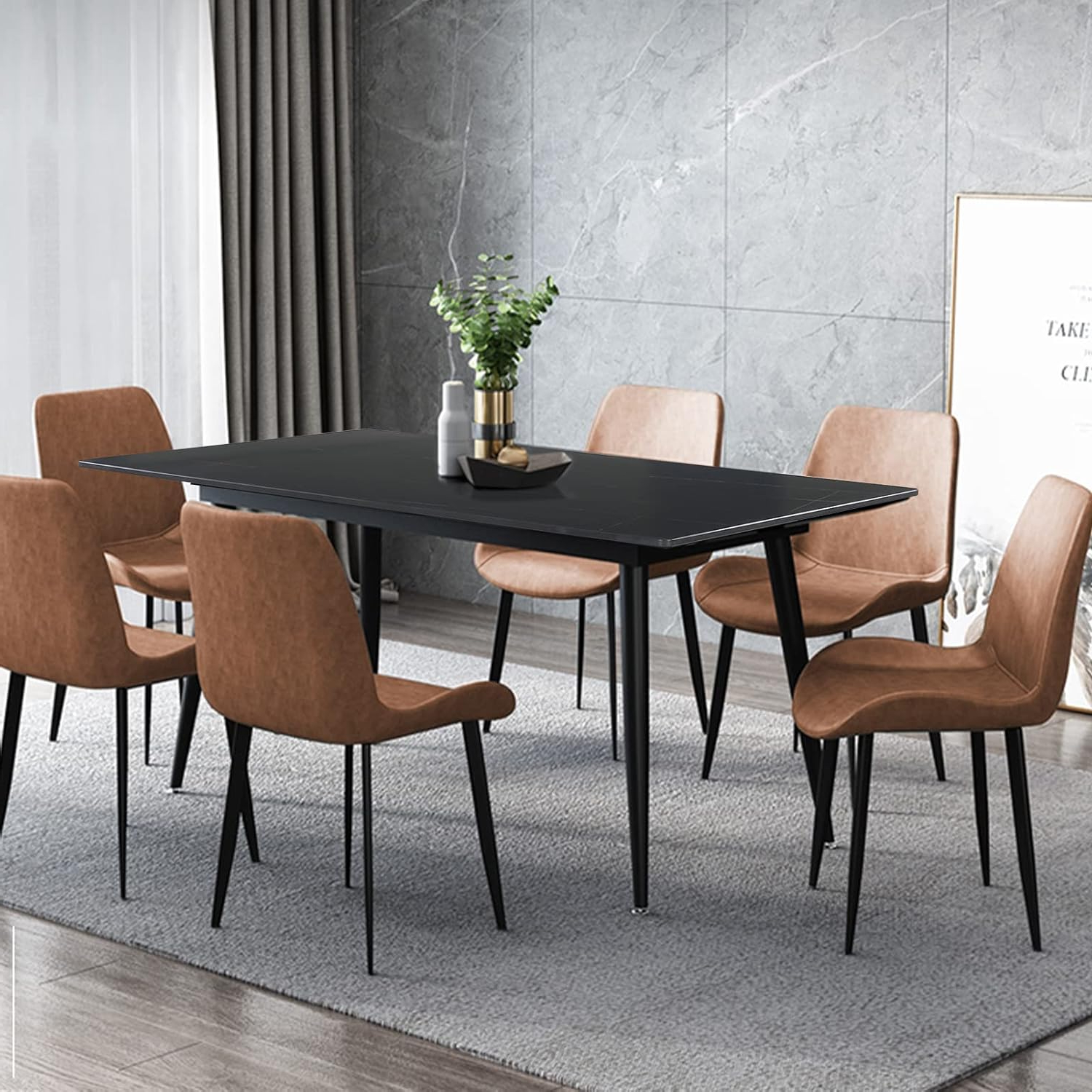
[sps_html tag=”img” src=”https://roofdrivein.com/wp-content/uploads/2026/01/jiexi-slate-dining-table-set-for-4-modern-kitchen-table-for-dinner-within-modern-kitchen-dining-table.jpg” alt=”Jiexi Slate Dining Table Set For 4, Modern Kitchen Table For Dinner … within Modern Kitchen Dining Table” style=”width: 100%; height: auto;”]
[sps_html tag=”img” src=”https://roofdrivein.com/wp-content/uploads/2026/01/15-contemporary-kitchens-with-dining-tables-top-dreamer-with-how-to-choose-the-right-modern-kitchen-dining-table-for-your-lifestyle.jpg” alt=”15 Contemporary Kitchens With Dining Tables - Top Dreamer with How to Choose the Right Modern Kitchen Dining Table for Your Lifestyle” style=”width: 100%; height: auto;”]
[sps_html tag=”img” src=”https://roofdrivein.com/wp-content/uploads/2026/01/kitchen-table-modern-design-things-in-the-kitchen-with-regard-to-how-to-choose-the-right-modern-kitchen-dining-table-for-your-lifestyle.jpg” alt=”Kitchen Table Modern Design – Things In The Kitchen with regard to How to Choose the Right Modern Kitchen Dining Table for Your Lifestyle” style=”width: 100%; height: auto;”]
[sps_html tag=”img” src=”https://roofdrivein.com/wp-content/uploads/2026/01/50-unique-modern-contemporary-kitchen-ideas-roundecor-contemporary-intended-for-modern-kitchen-dining-table.jpg” alt=”50 Unique Modern Contemporary Kitchen Ideas - Roundecor | Contemporary … intended for Modern Kitchen Dining Table” style=”width: 100%; height: auto;”]