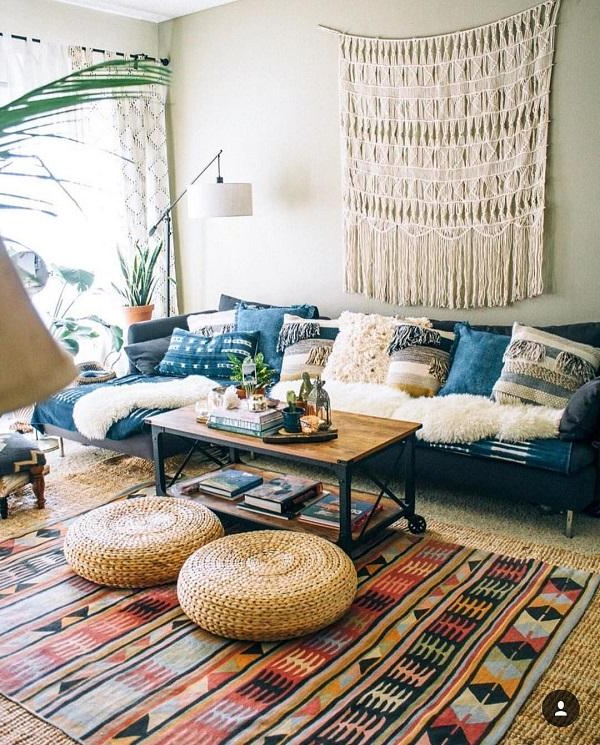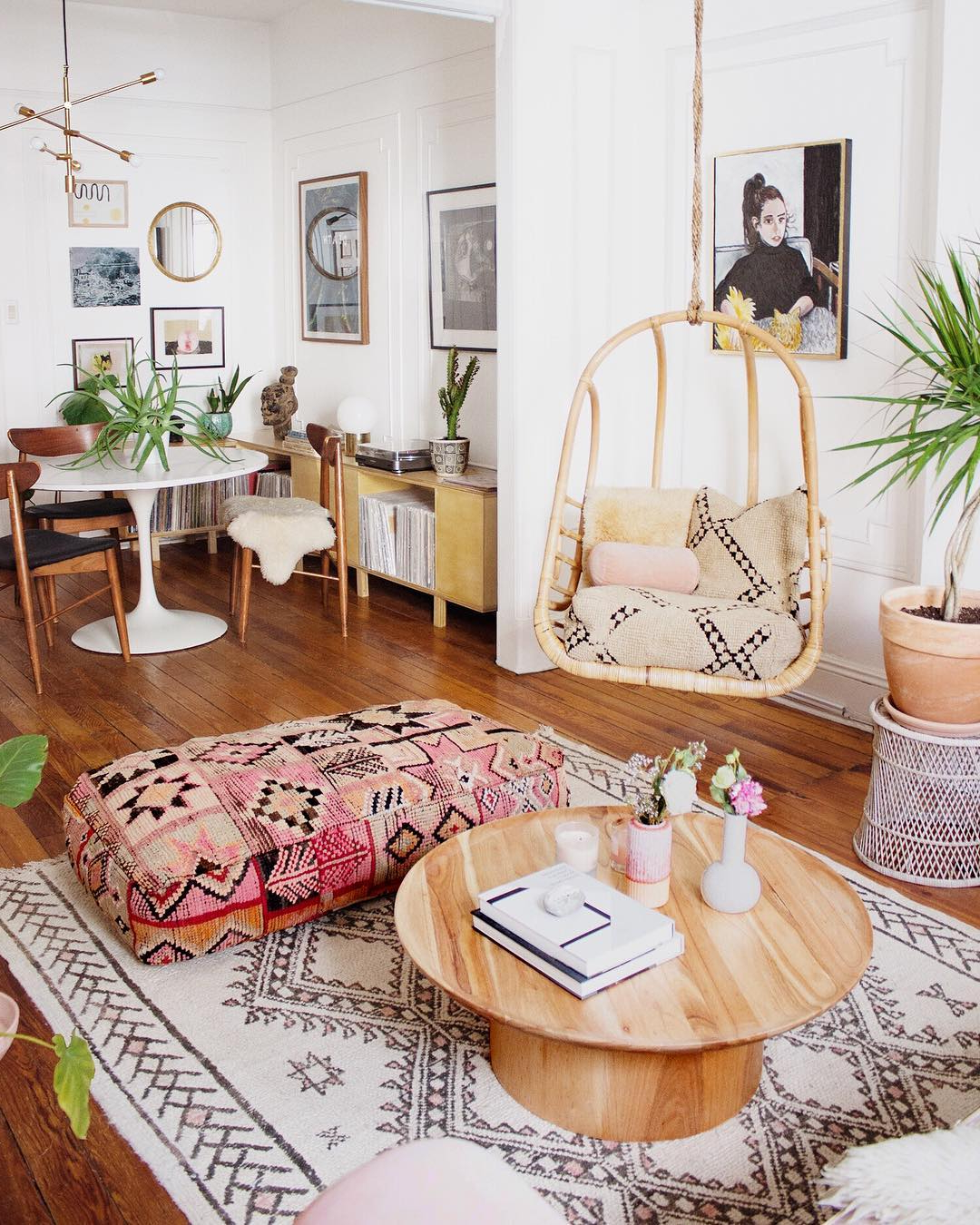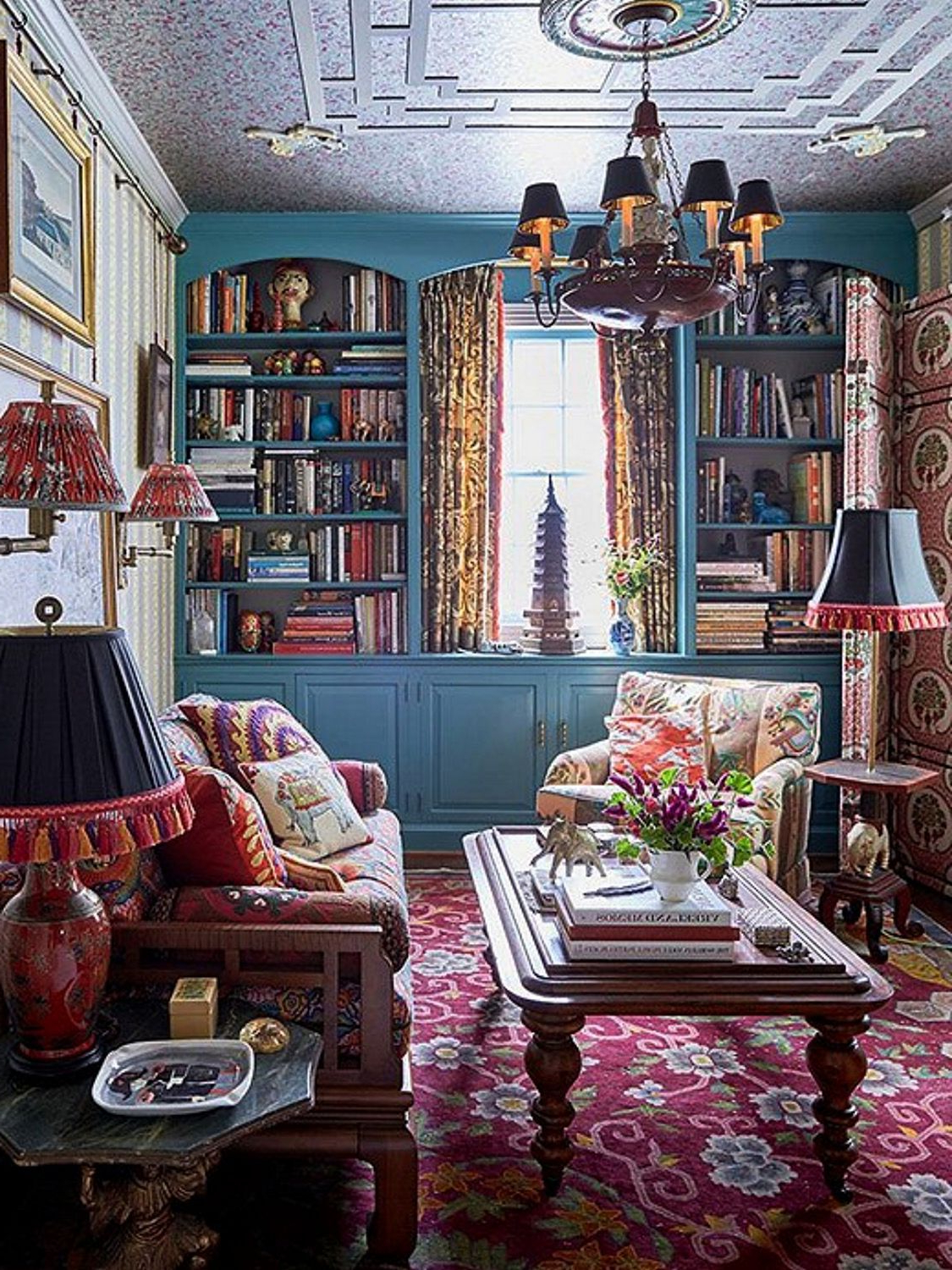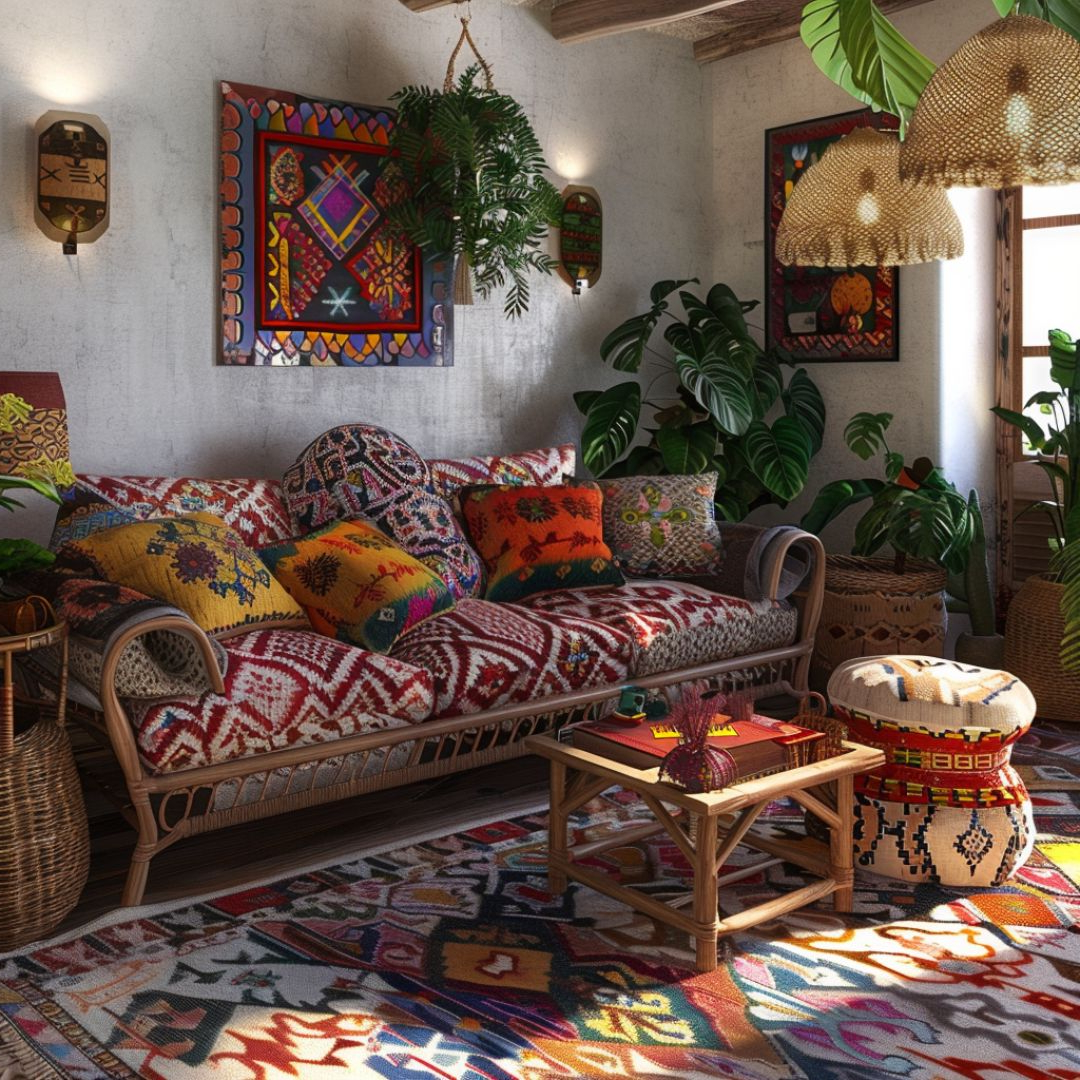
Imagine walking into a space that feels like a cozy adventure, where every corner whispers stories of wanderlust and creativity. That’s the magic of authentic boho interior design. It’s not just about eclectic furniture or vintage finds – it’s about creating a visual symphony where textures and colors work together like old friends. The secret lies in understanding how different materials and hues can complement each other, building layers that feel both intentional and effortless.
Bohemian design has captured hearts worldwide, but what makes it truly special isn’t just the aesthetic – it’s the emotional warmth and storytelling quality it brings to our living spaces. When you think about the most captivating boho rooms you’ve seen, chances are they feature a rich tapestry of textures and colors that seem to breathe with life. The key to mastering this look lies in understanding that boho isn’t chaotic – it’s curated chaos. Every element, from the rough-hewn wood to the flowing fabrics, has a purpose. The real art comes in knowing how to balance these elements so they enhance rather than compete with each other.
Understanding the Boho Foundation
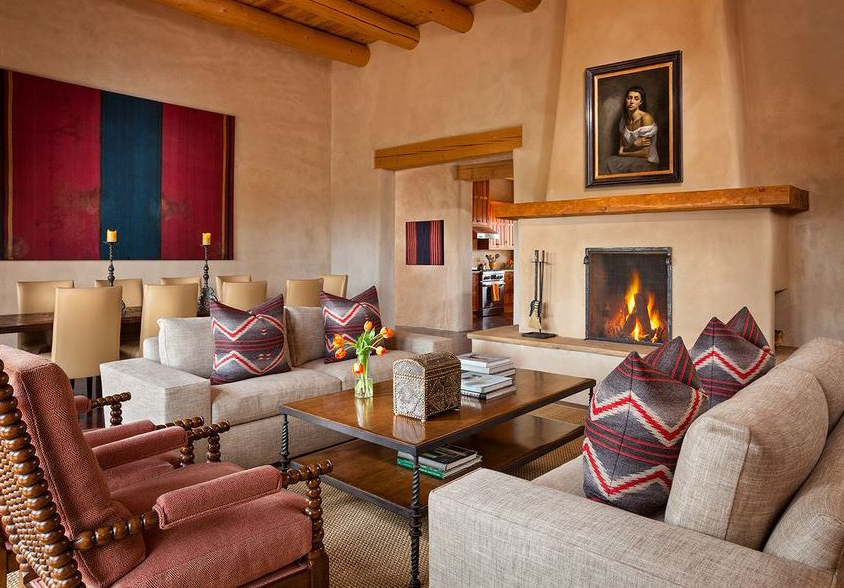
Before diving into textures and colors, it’s important to grasp what makes boho design unique. Unlike many styles that rely on clean lines and minimalism, boho celebrates the beautiful imperfections and organic qualities of natural materials. Think weathered wood, handwoven textiles, and vintage finds that tell their own stories. This approach means that when you’re blending textures and colors, you’re not just adding visual interest – you’re creating a sense of place and personality. The foundation of authentic boho rests on embracing diversity while maintaining harmony. This might sound contradictory, but it’s actually quite simple once you get the hang of it. Start by identifying your core color palette – often earth tones, muted jewel tones, and warm neutrals form the backbone of most boho schemes. Then, layer in textures that speak to different senses and emotions.
Mastering Color Psychology in Boho Spaces
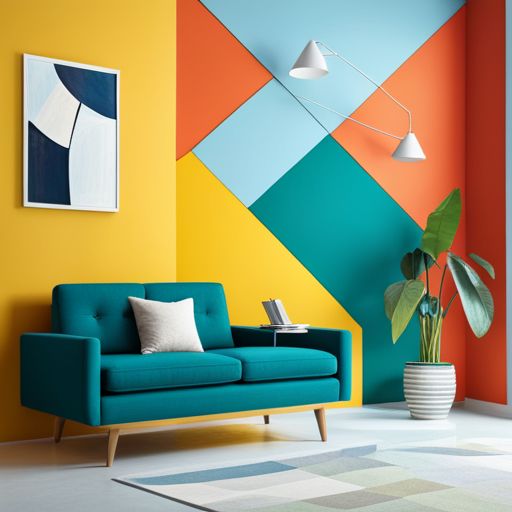
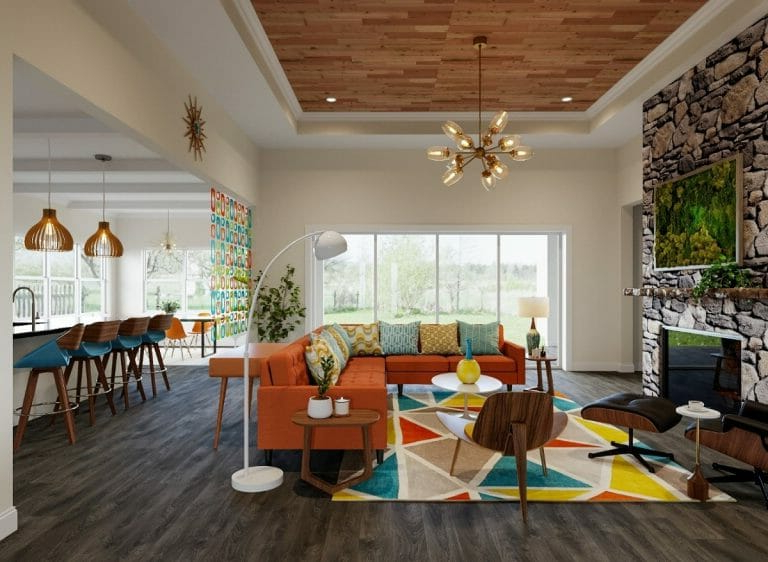
Colors in boho design aren’t chosen randomly – they’re selected to evoke feelings and create atmospheres. Earth tones like terracotta, burnt sienna, and sage green form the heart of most boho palettes because they ground the space and create a connection to nature. These colors are particularly effective because they naturally occur in the environment, making them feel comfortable and familiar. Consider how you want your space to make people feel. Do you want it to feel cozy and intimate? Warm oranges and yellows might be perfect. Looking for something more energizing and vibrant? Try deep blues or rich purples. The beauty of boho is that it allows for bold choices, but even the most daring colors should have some connection to the natural world. For example, if you choose a bright coral accent wall, pair it with textures that echo the ocean – perhaps a woven seagrass rug or driftwood decor. Remember, the goal isn’t to match everything perfectly, but to create a visual conversation between elements.
The Art of Texture Layering
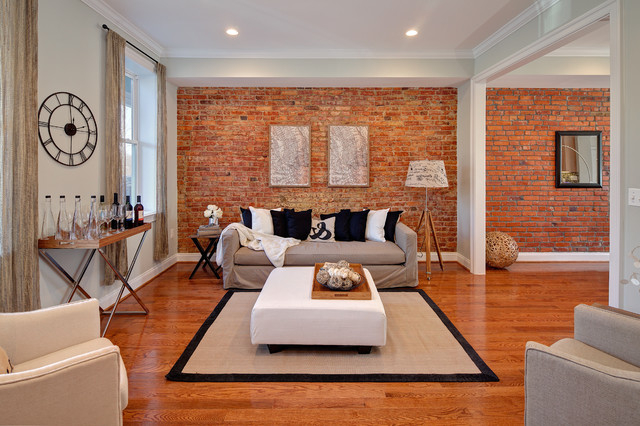
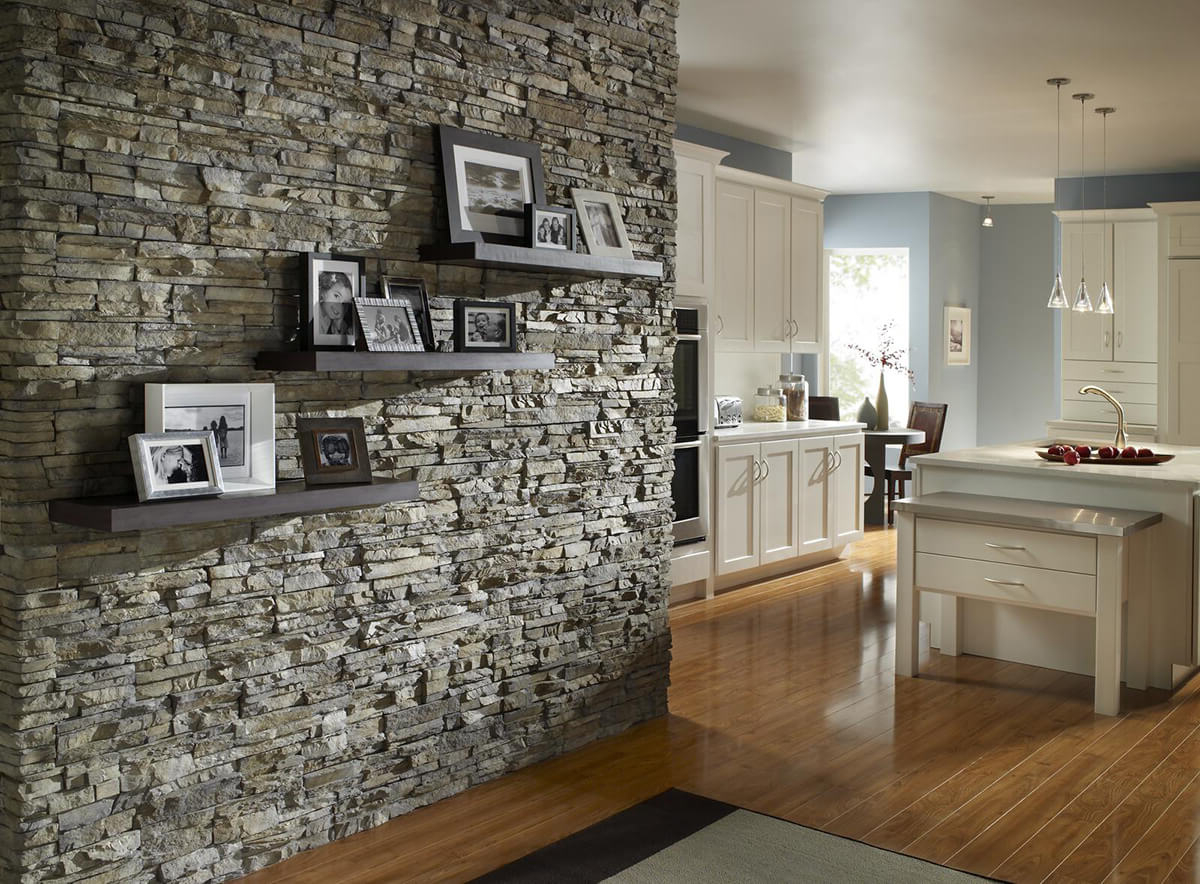
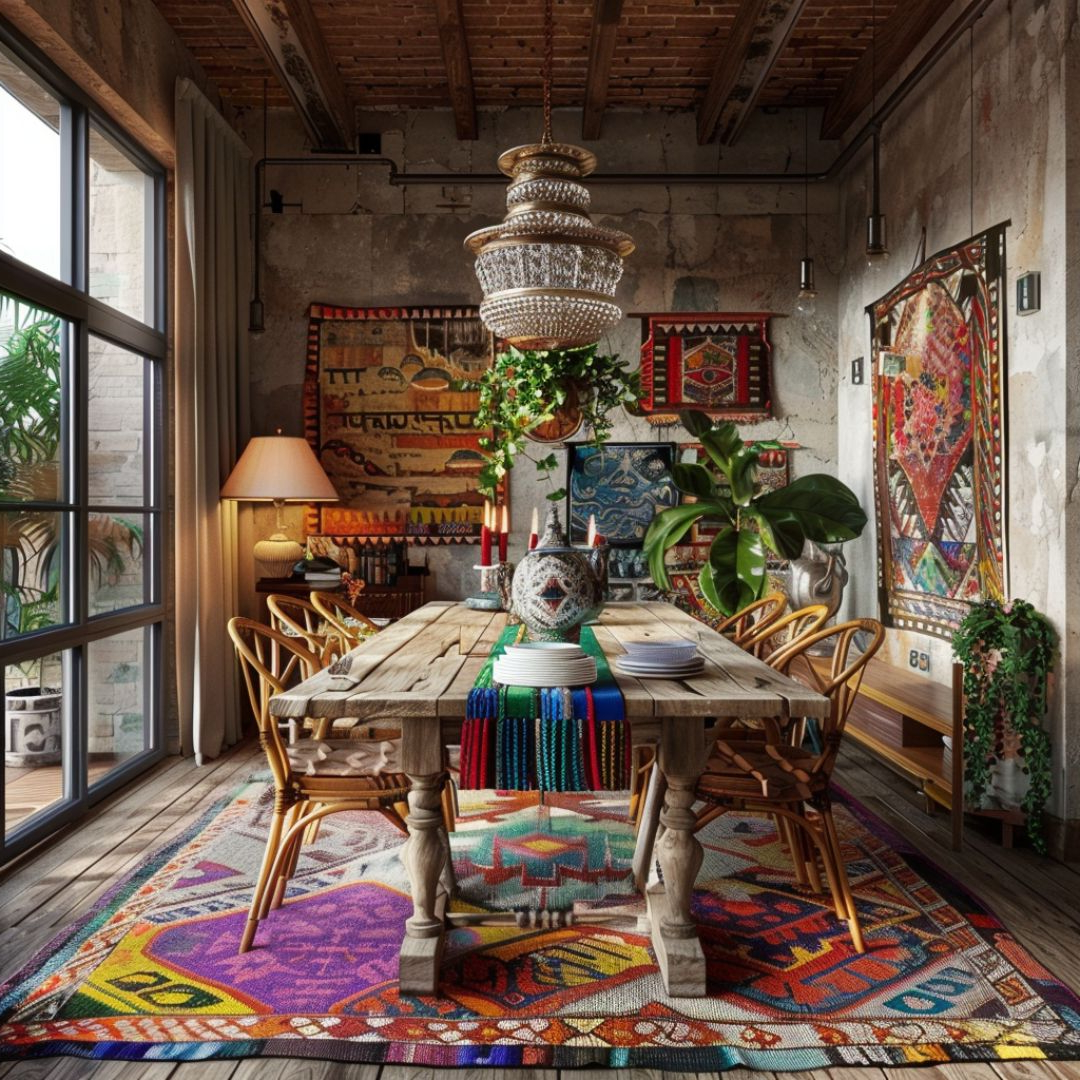
Texture is where boho design really shines. You’ll notice that successful boho spaces have multiple layers of tactile experiences. Start with your largest surfaces – walls, floors, and large furniture pieces. A natural fiber rug adds immediate warmth, while a textured wall treatment creates visual depth. Then move to smaller elements that invite touch. A chunky knit throw on a sofa feels inviting, while a wooden side table provides a contrasting surface. The key is variety without overwhelm. Mix smooth and rough, soft and hard, natural and man-made. Think about how these textures interact with light too – a velvet cushion catches the light differently than a linen curtain, creating subtle changes in the room’s mood throughout the day. A great rule of thumb is to have one dominant texture and three or four supporting ones. This prevents the space from feeling too busy while still maintaining the layered richness that boho lovers crave.
Color and Texture Synergy
When textures and colors work well together, they create a harmonious whole that feels intentional rather than random. For instance, a deep emerald green velvet sofa pairs beautifully with a woven jute rug in neutral tones – the velvet adds richness to the green while the jute grounds it with its natural texture. Similarly, a bright yellow textile can pop against a neutral background while its texture – whether it’s a soft cotton or a more structured linen – affects how that color is perceived. The texture of a material can make the same color appear warmer or cooler, depending on its surface quality. A matte finish tends to make colors appear more muted, while glossy surfaces can amplify them. Pay attention to these subtle interactions as you build your space. They’re what transform a good design into a great one.
Practical Tips for Creating Balance
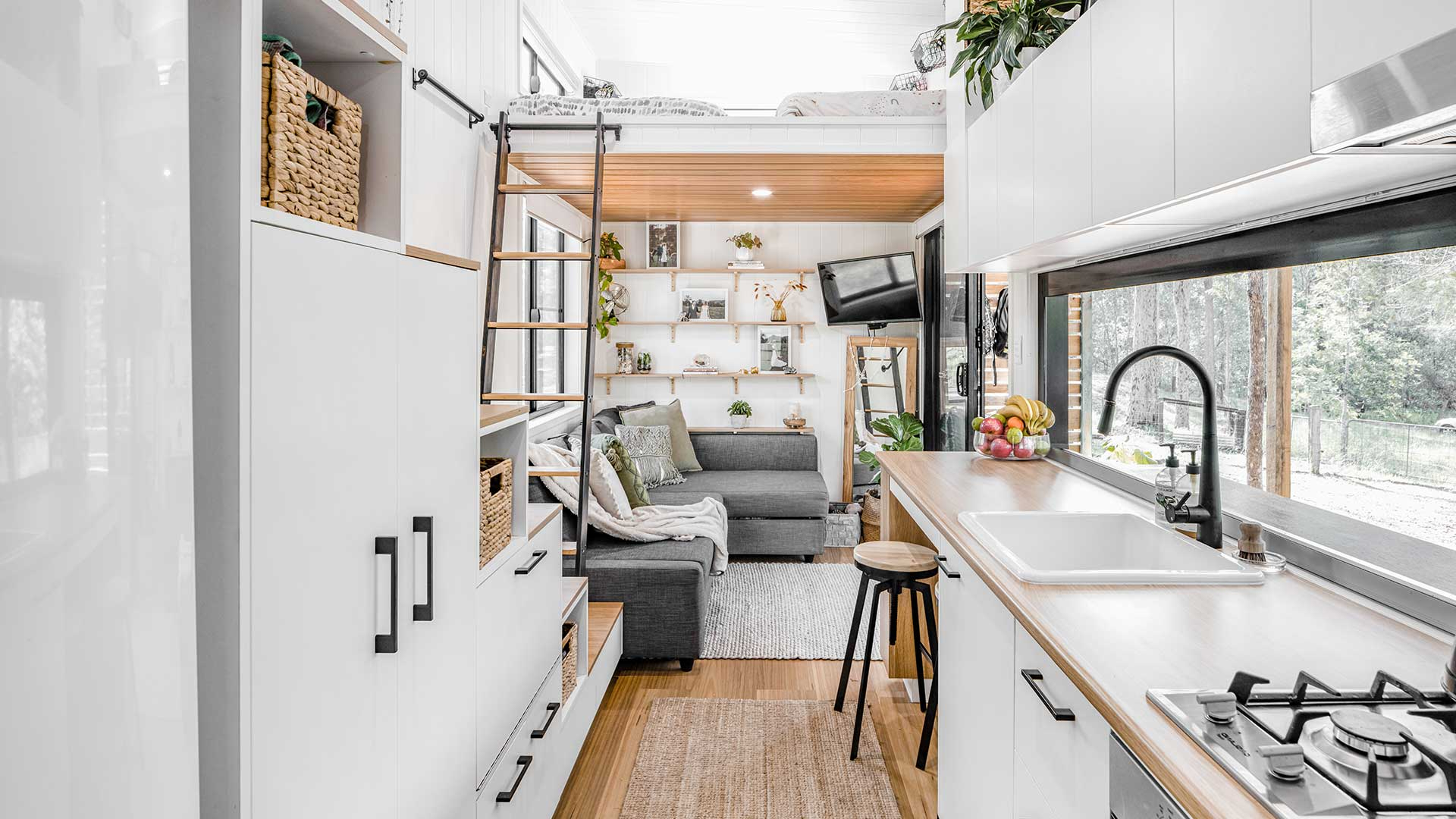
Creating the perfect balance in boho design requires a few key strategies. First, always start with a neutral base. This gives you room to experiment with bolder colors and textures without overwhelming the space. White, cream, and warm beige work exceptionally well as foundational colors because they allow other elements to stand out while maintaining calm. Next, consider using the 60-30-10 rule, but with a twist – apply it to both color and texture. Sixty percent of your space should be neutral textures and colors, thirty percent should be secondary elements, and ten percent should be your statement pieces. This ratio helps prevent any single element from dominating the room. Finally, remember that boho design thrives on personal touches. Incorporate items that have meaning to you – a vintage suitcase, a hand-carved wooden bowl, or a collection of interesting textiles. These personal elements give your space character and authenticity.
Avoiding Common Mistakes
Even experienced designers can stumble when trying to blend textures and colors in boho spaces. One major pitfall is overcomplicating things. Too many competing textures or colors can make a room feel chaotic and uninviting. Remember, less is often more in boho design. Another common error is ignoring the scale of elements. A small patterned pillow can look great on a large sofa, but it might overwhelm a petite chair. Always consider how large or small each element will be in relation to the space around it. Additionally, don’t forget about lighting. Natural light can dramatically change how colors and textures appear, so test your combinations during different times of day. Finally, avoid the temptation to match everything perfectly – the beauty of boho lies in its imperfections and the way elements can exist in harmony despite their differences.
Blending textures and colors for authentic boho interior design is both an art and a science. It requires understanding the emotional impact of different elements while maintaining a sense of balance and purpose. The most successful boho spaces are those where every texture and color choice serves a reason and contributes to the overall story of the room. Whether you’re starting from scratch or looking to refresh an existing space, remember that boho design is ultimately about expressing your personality and creating a sanctuary that feels uniquely yours. The key is to approach it with curiosity and confidence, allowing yourself to experiment while keeping the foundational principles of balance and harmony in mind. After all, the best boho spaces are those that feel lived-in, loved, and authentically you.