Imagine walking into a kitchen where every corner works hard for you. No wasted space, no cluttered counters, just smart design that makes cooking feel effortless. This isn’t just a dream – it’s achievable when you understand how to maximize functionality in compact spaces. Whether you’re working with a studio apartment or a tiny house, these modern design strategies will help you create a kitchen that truly serves you.
Let’s face it – small kitchens can feel cramped and frustrating. You’ve got limited space, but still need to cook, store food, and keep everything organized. It’s like trying to fit a mountain of stuff into a shoebox. But what if we told you there’s a way to make that shoebox feel spacious and useful? The secret lies in thoughtful design choices that prioritize function over form. We’re talking about creating a kitchen where every inch matters, where storage solutions are clever, and where your workflow feels smooth and natural. This approach isn’t just about making things look good – it’s about making things work better for your daily life.
Understanding Compact Kitchen Challenges
Working with small kitchen spaces brings unique obstacles that might surprise you. First, let’s talk about the obvious – limited counter space. When you’re cooking dinner for four people, you suddenly realize you have nowhere to prep ingredients. Then there’s the storage problem. You know exactly what happens when you open the pantry door – everything seems to fall out, and you can’t find anything. The challenge gets even trickier when you consider the appliances. A full-size refrigerator might look great in a big kitchen, but it’s a nightmare in a small one. That’s why understanding these issues is crucial before diving into solutions. Many people assume they need to sacrifice comfort for space, but that’s simply not true. The right approach can actually enhance your kitchen experience while maintaining its compact size.
Smart Storage Solutions for Maximum Efficiency
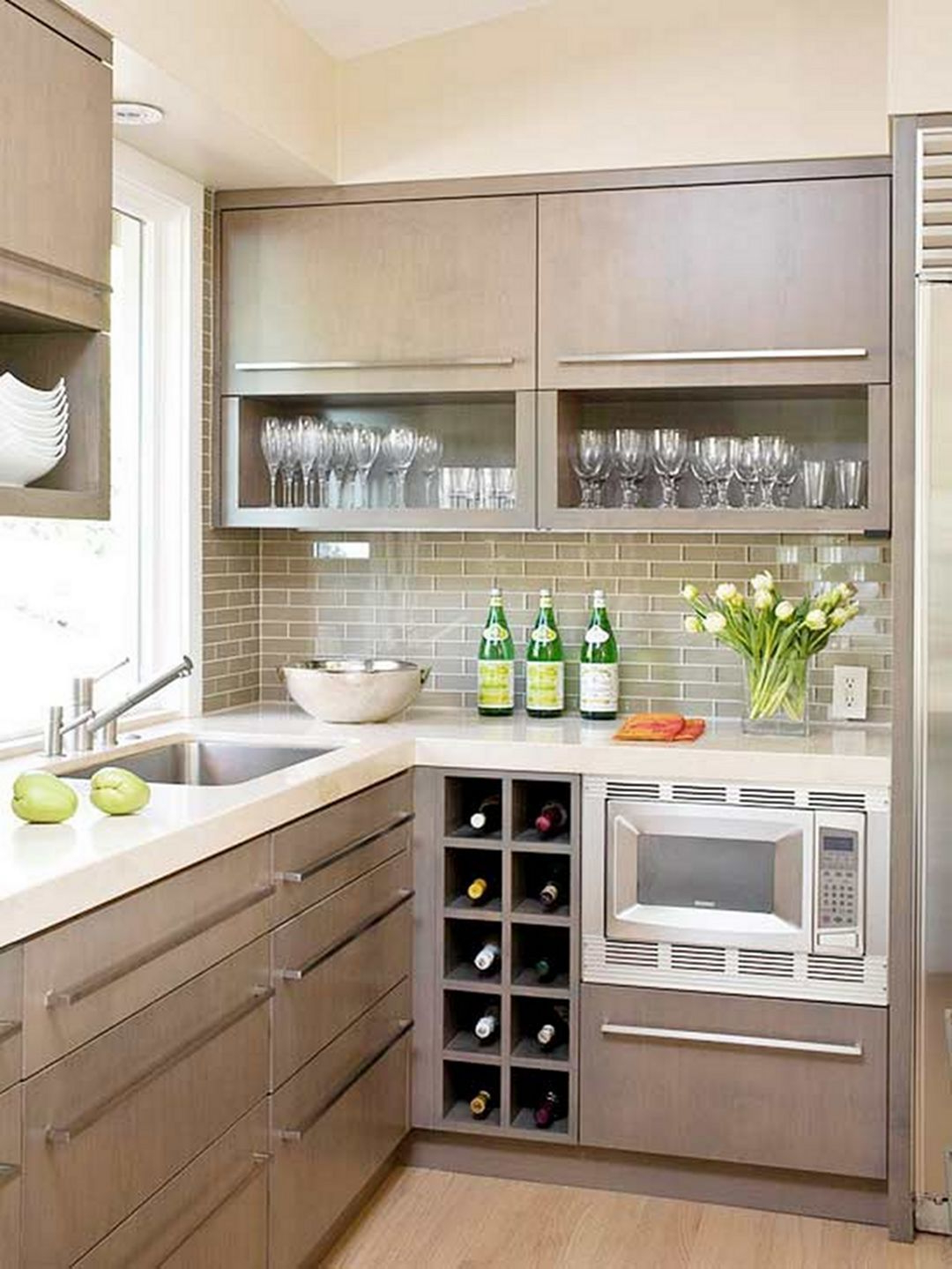
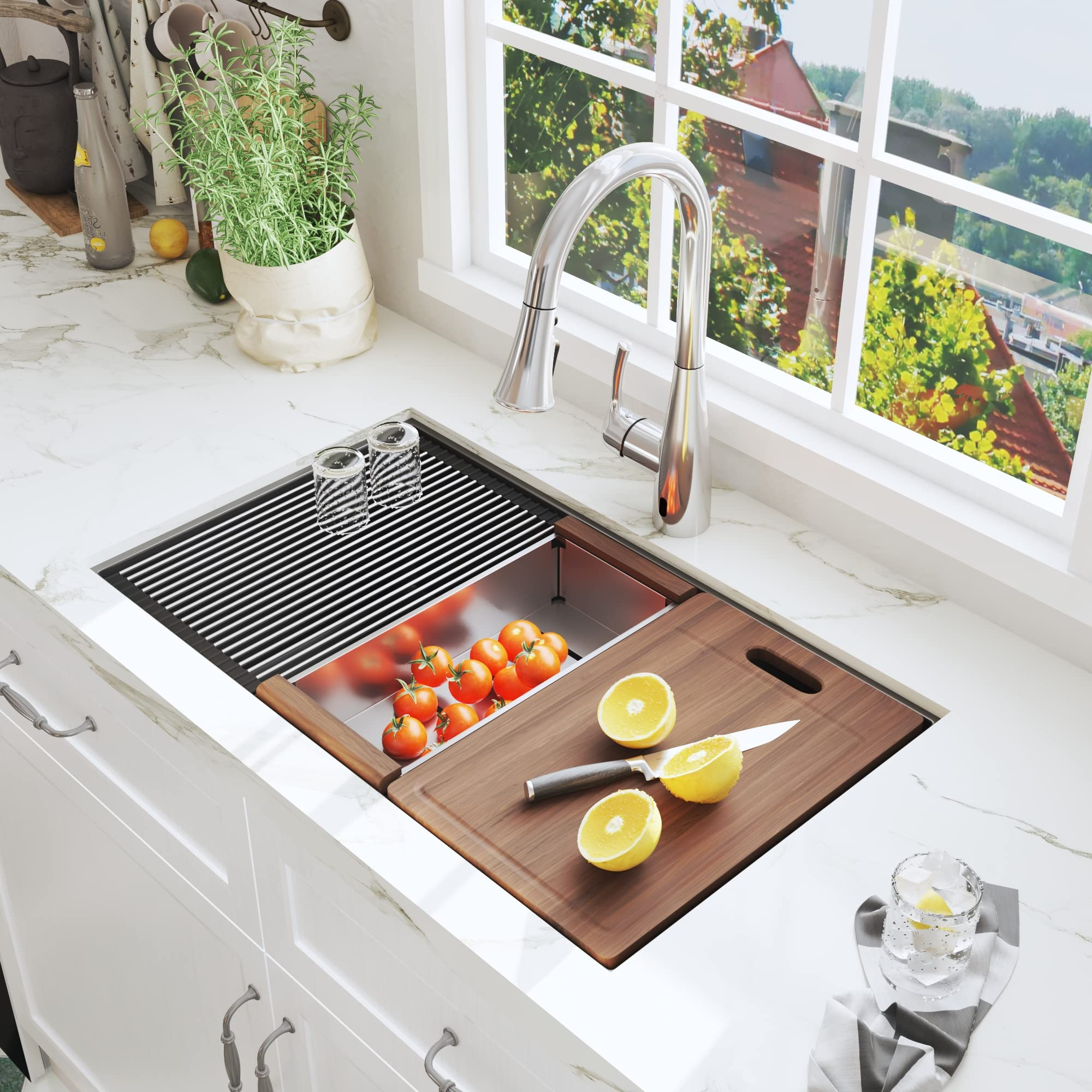
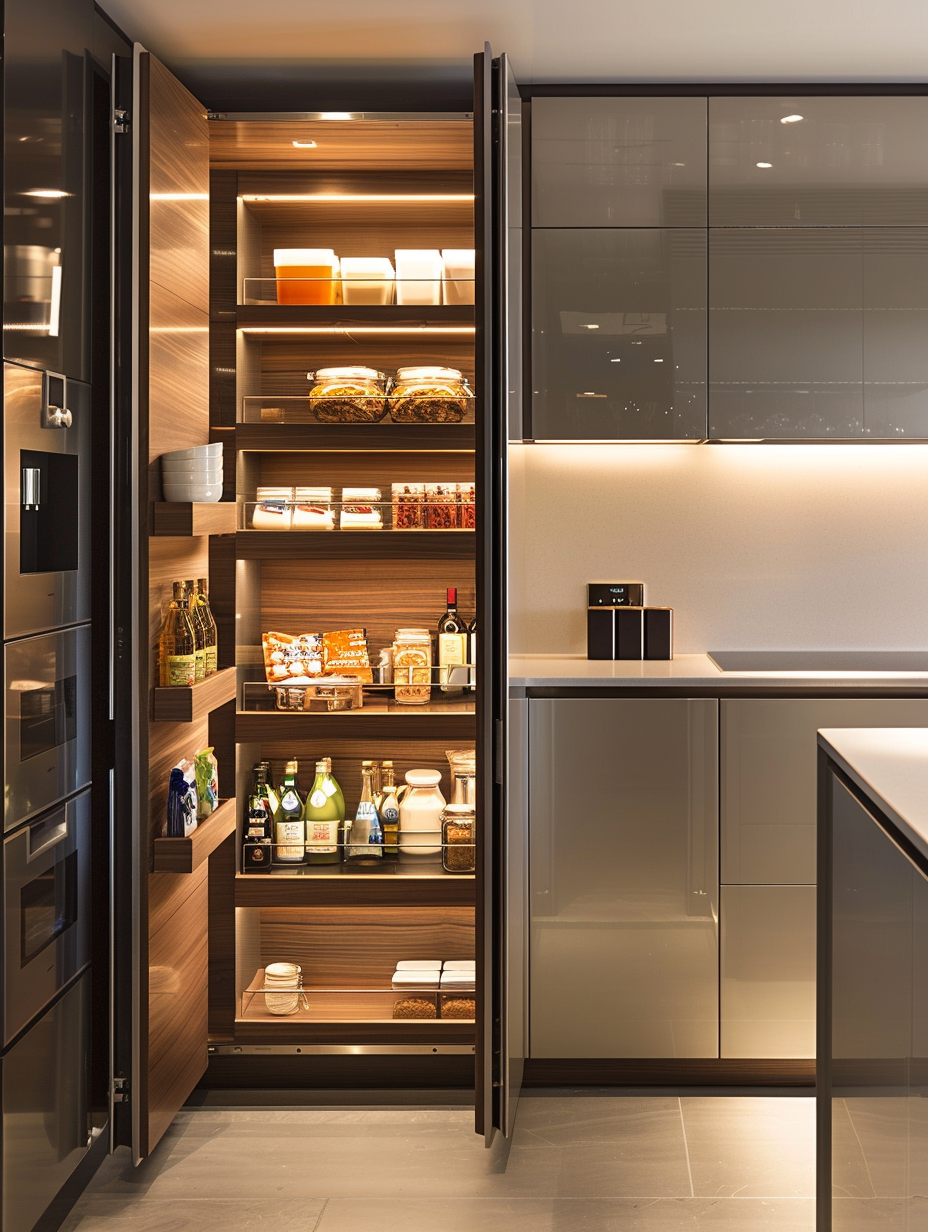
Storage in small kitchens requires creativity and strategic thinking. Vertical space is your best friend here. Instead of letting walls go unused, install tall shelves that reach toward the ceiling. Think about using the entire height of your kitchen for storage – you’ll be amazed at how much extra room you gain. Pull-out drawers are another game-changer. These aren’t just fancy additions; they’re practical solutions that make accessing items easier and more efficient. Consider installing them in cabinets or under sinks. For those hard-to-reach corners, slide-in pantry systems can transform unusable space into organized storage. And don’t forget about multi-purpose furniture – a breakfast bar that doubles as storage or a cabinet with built-in cutting boards can do double duty. The key is thinking beyond traditional storage methods and embracing innovative solutions that maximize every available surface.
Multi-Functional Furniture and Design Elements
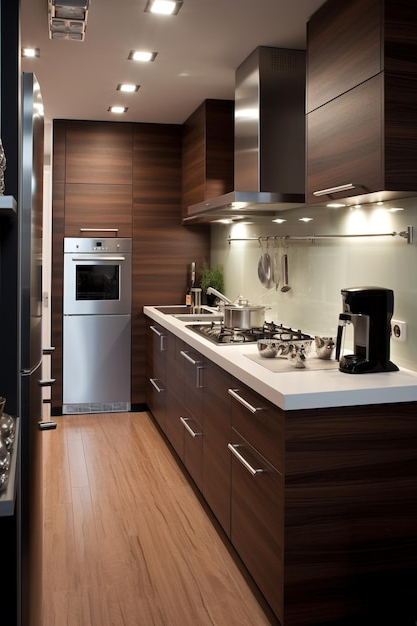
In a small kitchen, every piece of furniture should serve multiple purposes. A dining table that folds away during the day can save significant floor space. Look for kitchen islands that offer both prep space and seating. These versatile pieces become the heart of your kitchen, providing functionality while serving as gathering spots. Built-in appliances are another excellent choice. They blend seamlessly with cabinetry and save valuable counter space. Consider a wall oven that sits flush with your cabinets or a built-in microwave that disappears into the wall. Sometimes the simplest changes make the biggest impact. Adding a pegboard to your kitchen wall allows you to hang utensils, spices, and tools. This creates visual organization while keeping frequently used items within easy reach. The goal is creating furniture that enhances your kitchen’s utility rather than just occupying space.
Lighting and Visual Design Principles
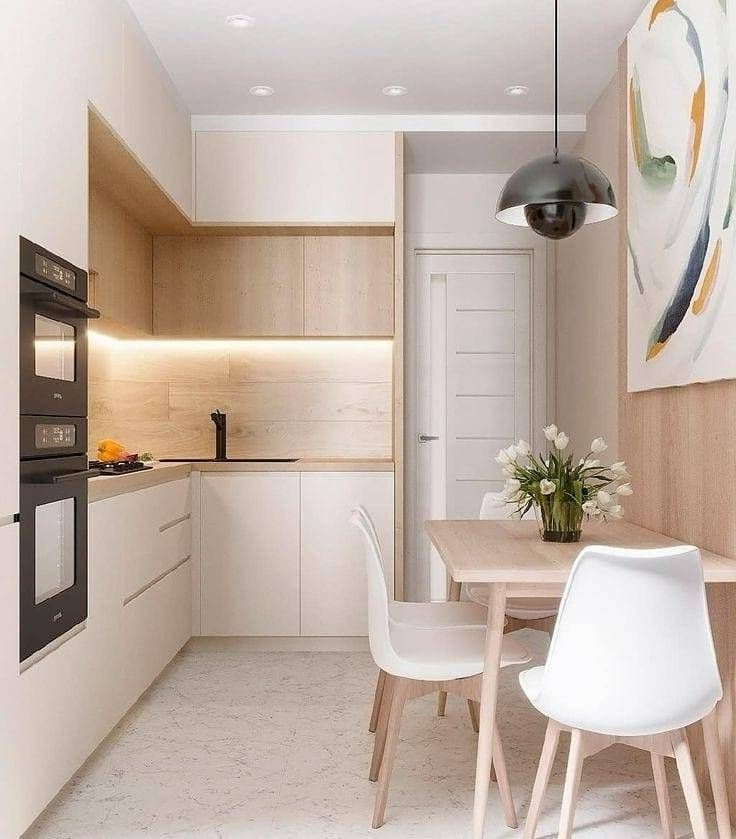
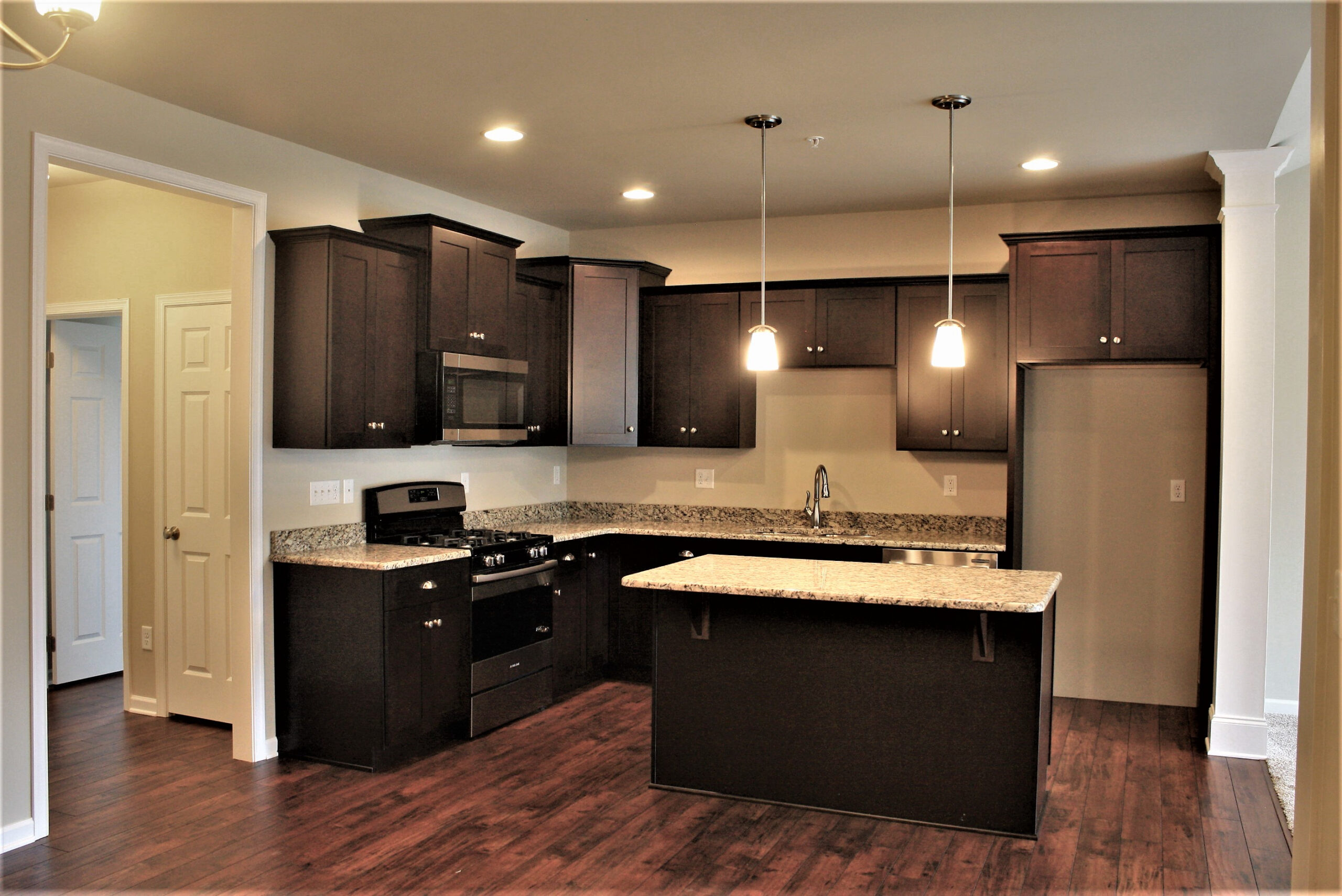
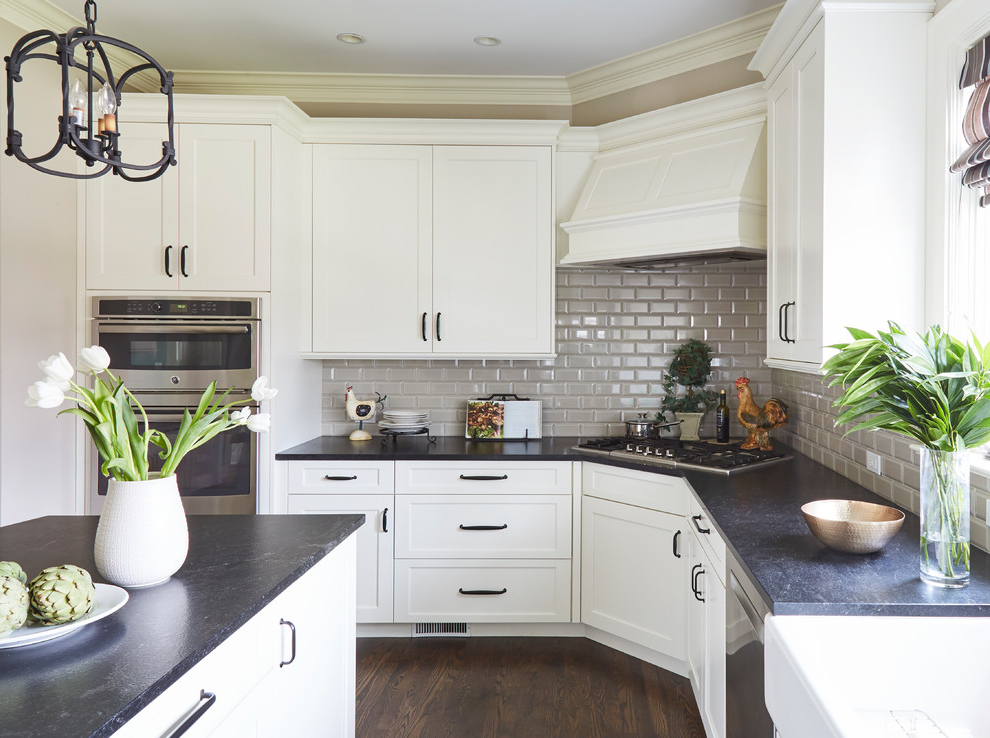
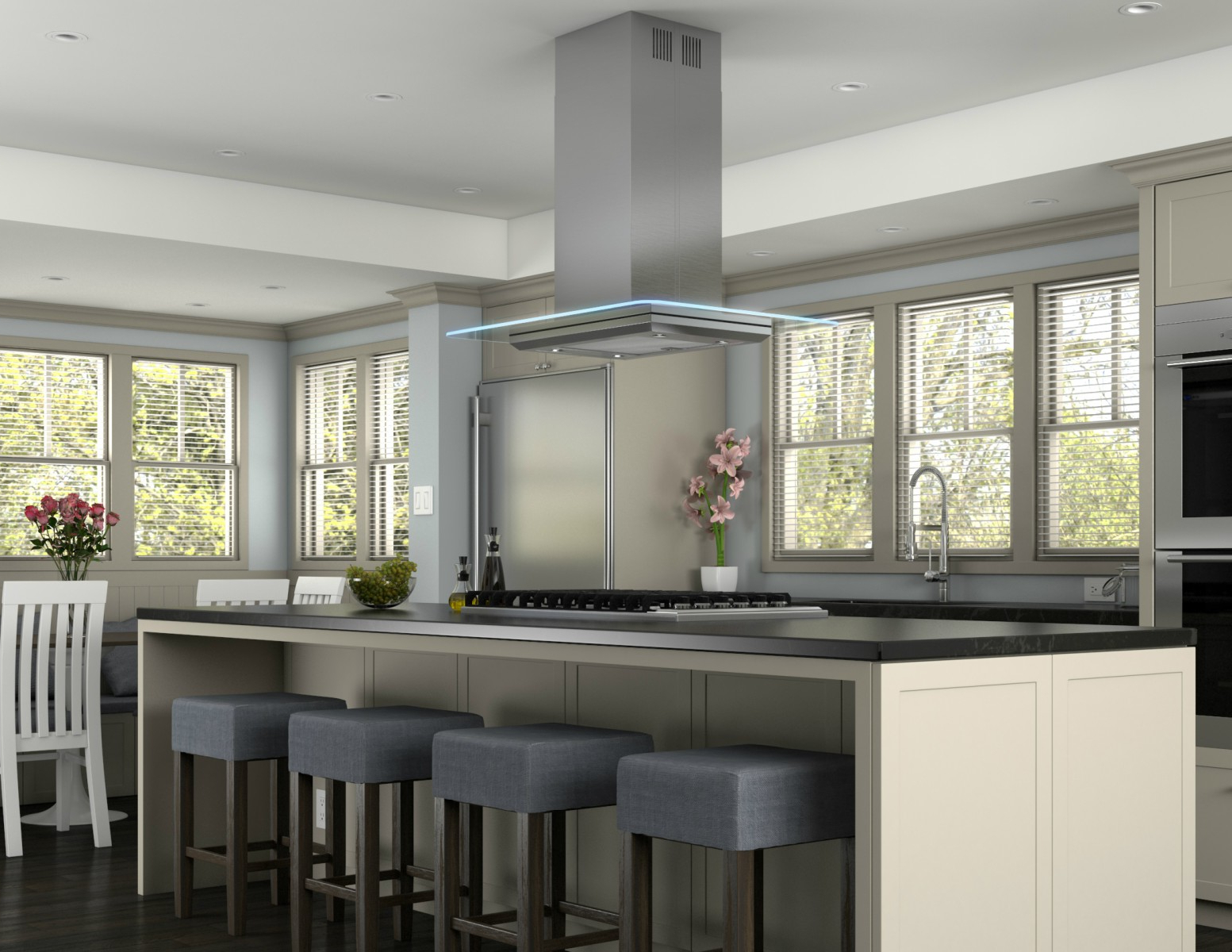
Proper lighting can completely transform how a small kitchen feels. Natural light is always preferable, but it’s not always available. In those cases, layered lighting becomes essential. Combine ambient lighting with task lighting for specific areas like countertops and stovetops. Pendant lights above a kitchen island provide focused illumination for meal preparation. Under-cabinet lighting adds practicality while creating a warm atmosphere. Color selection also plays a major role in making small spaces feel larger. Light colors reflect light and create an airy feeling. White cabinets, light wood tones, or even pastel shades can make your kitchen appear more spacious. Mirrors strategically placed can also bounce light around and add visual depth. But remember, too much of anything can overwhelm. The key is balancing light elements with textures and warmth to avoid making the space feel cold or sterile.
Streamlined Workflow and Layout Planning
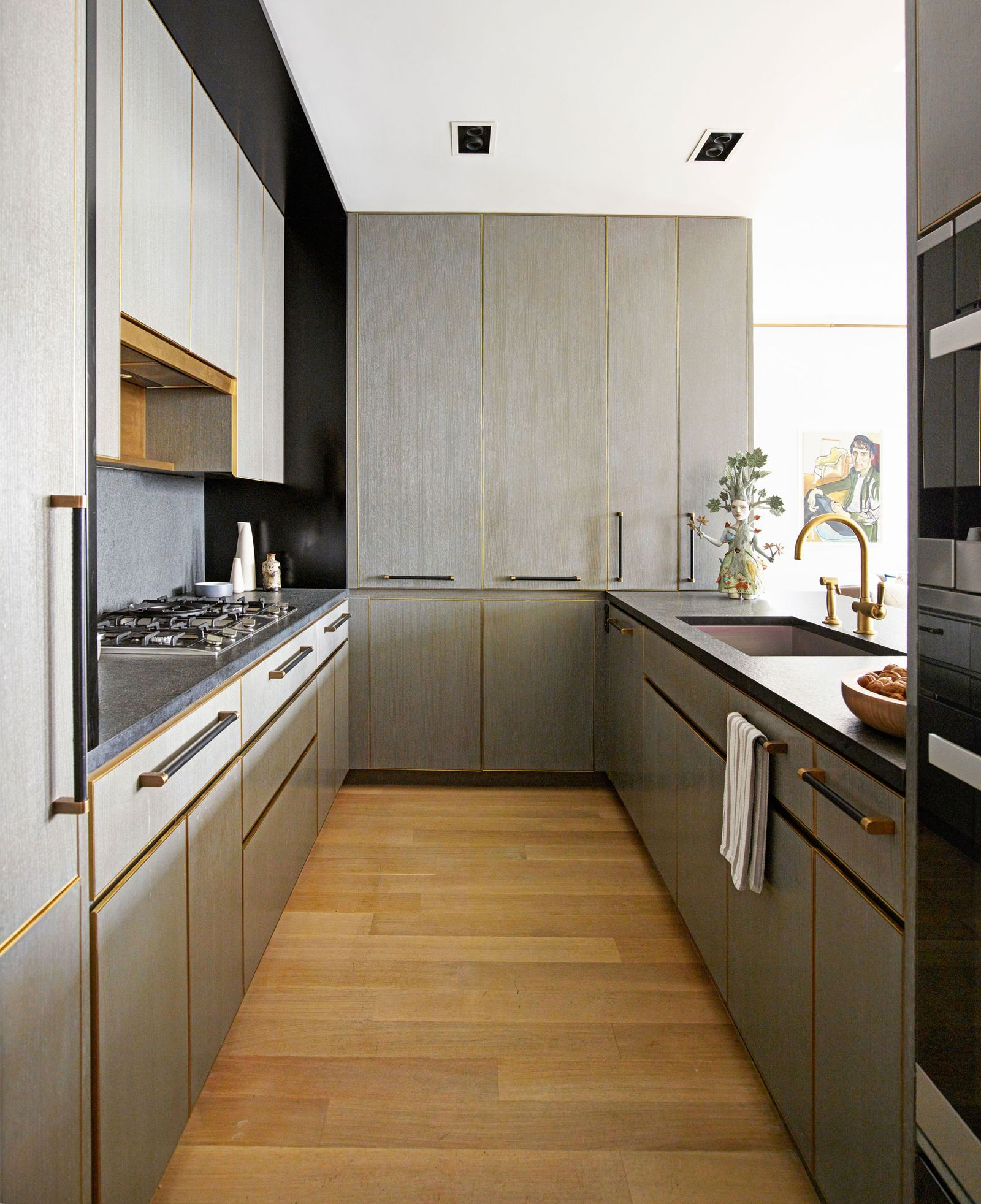
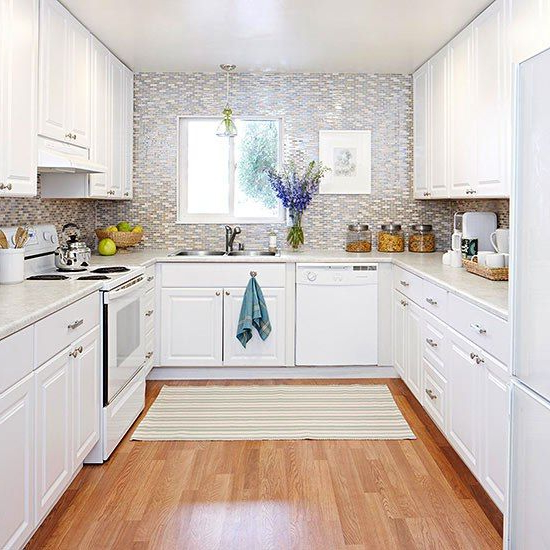
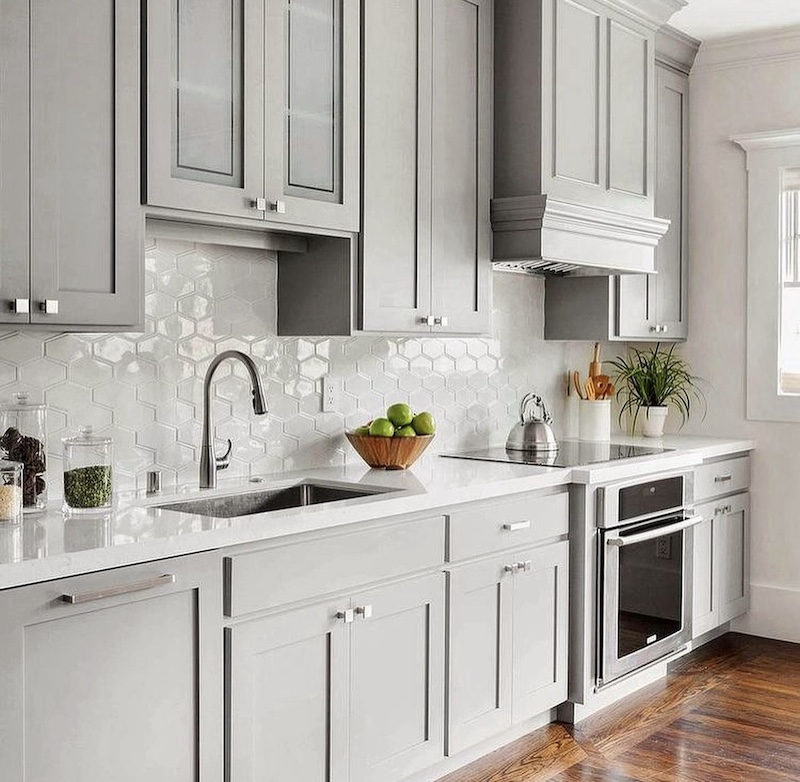
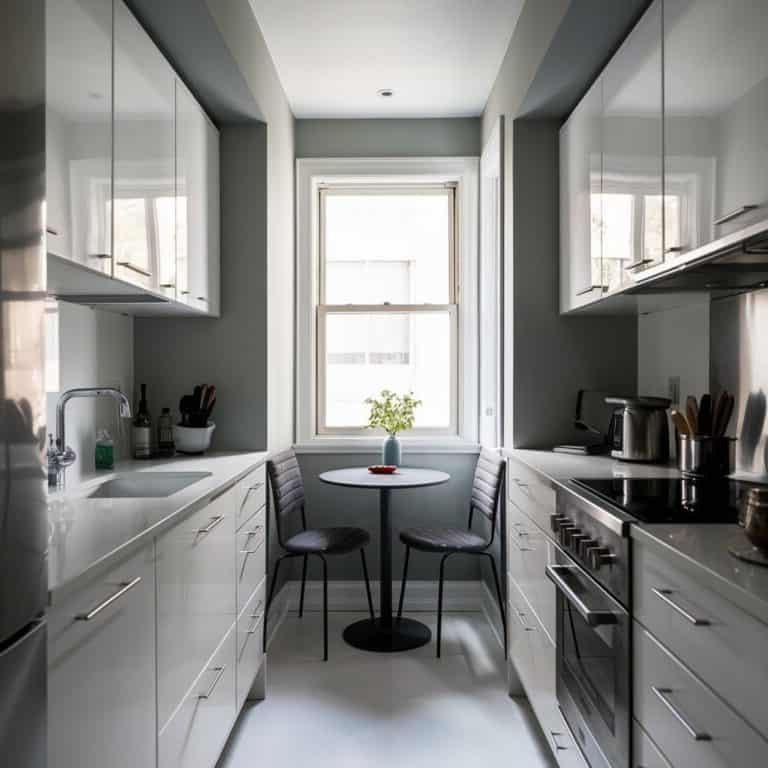
The kitchen layout directly affects how efficiently you can work. The classic work triangle – between sink, stove, and refrigerator – remains important even in small spaces. However, you may need to adjust the shape to fit your room’s dimensions. A galley-style layout works well in narrow spaces because it creates a straight path from one end to the other. L-shaped layouts are also popular because they maximize corner space and allow for more efficient movement. Consider how often you move through different areas of your kitchen. If you frequently prep ingredients near the sink, make sure that area is easily accessible. The same applies to cooking zones. You want to minimize unnecessary steps and reduce the amount of time you spend walking back and forth. Planning your workflow carefully helps you determine where to place appliances, storage units, and prep areas for maximum efficiency. Sometimes a simple rearrangement can dramatically improve your kitchen’s usability.
Technology Integration for Modern Convenience
Modern kitchens benefit greatly from smart technology that simplifies daily tasks. Smart refrigerators can track inventory and send notifications when items are running low. Voice-controlled assistants can guide you through recipes or control lighting without touching anything. Even simple devices like automatic faucets or touchless trash cans can make daily routines smoother. Consider how technology can reduce the need for physical storage. Digital recipe books take up no space but provide unlimited access to thousands of meals. Smart lighting systems can adjust automatically based on time of day or your activity levels. The goal isn’t to fill your kitchen with gadgets, but to choose technology that genuinely improves your daily routine. Think about which tasks take the most time and find ways to automate or simplify them. A few well-chosen tech additions can significantly enhance your kitchen’s functionality without increasing clutter.
Designing a functional small kitchen isn’t about making compromises – it’s about making intentional choices that prioritize your needs. When you approach the challenge with creativity and practicality, you’ll discover that compact spaces can actually enhance your cooking experience. The key is to focus on smart storage, multi-functional furniture, proper lighting, thoughtful layout, and technology integration. These strategies don’t just solve immediate problems; they create lasting improvements to how you interact with your kitchen daily. Every decision you make should support your lifestyle and cooking habits. Remember, the best small kitchen design is one that feels spacious, organized, and perfectly suited to your unique way of living. With careful planning and attention to detail, your compact kitchen can become a true haven of functionality and comfort.
[sps_html tag=”img” src=”https://roofdrivein.com/wp-content/uploads/2026/01/premium-ai-image-kitchen-with-small-space-and-modern-design-with-regard-to-modern-kitchen-design-for-small-space.jpg” alt=”Premium Ai Image | Kitchen With Small Space And Modern Design with regard to Modern Kitchen Design For Small Space” style=”width: 100%; height: auto;”]
[sps_html tag=”img” src=”https://roofdrivein.com/wp-content/uploads/2026/01/61-small-kitchen-ideas-that-make-the-most-of-a-tiny-space-within-modern-kitchen-design-for-small-space.jpg” alt=”61 Small Kitchen Ideas That Make The Most Of A Tiny Space … within Modern Kitchen Design For Small Space” style=”width: 100%; height: auto;”]
[sps_html tag=”img” src=”https://roofdrivein.com/wp-content/uploads/2026/01/incredible-modern-kitchen-design-small-space-2022-regarding-maximizing-functionality-in-compact-spaces-modern-kitchen-design-strategies.jpg” alt=”Incredible Modern Kitchen Design Small Space 2022 regarding Maximizing Functionality in Compact Spaces: Modern Kitchen Design Strategies” style=”width: 100%; height: auto;”]
[sps_html tag=”img” src=”https://roofdrivein.com/wp-content/uploads/2026/01/10-small-modern-kitchen-design-inspirations-to-transform-your-space-intended-for-maximizing-functionality-in-compact-spaces-modern-kitchen-design-strategies.jpeg” alt=”10 Small Modern Kitchen Design Inspirations To Transform Your Space intended for Maximizing Functionality in Compact Spaces: Modern Kitchen Design Strategies” style=”width: 100%; height: auto;”]
[sps_html tag=”img” src=”https://roofdrivein.com/wp-content/uploads/2026/01/modern-kitchen-designs-for-small-spaces-regarding-maximizing-functionality-in-compact-spaces-modern-kitchen-design-strategies.jpg” alt=”Modern Kitchen Designs For Small Spaces regarding Maximizing Functionality in Compact Spaces: Modern Kitchen Design Strategies” style=”width: 100%; height: auto;”]