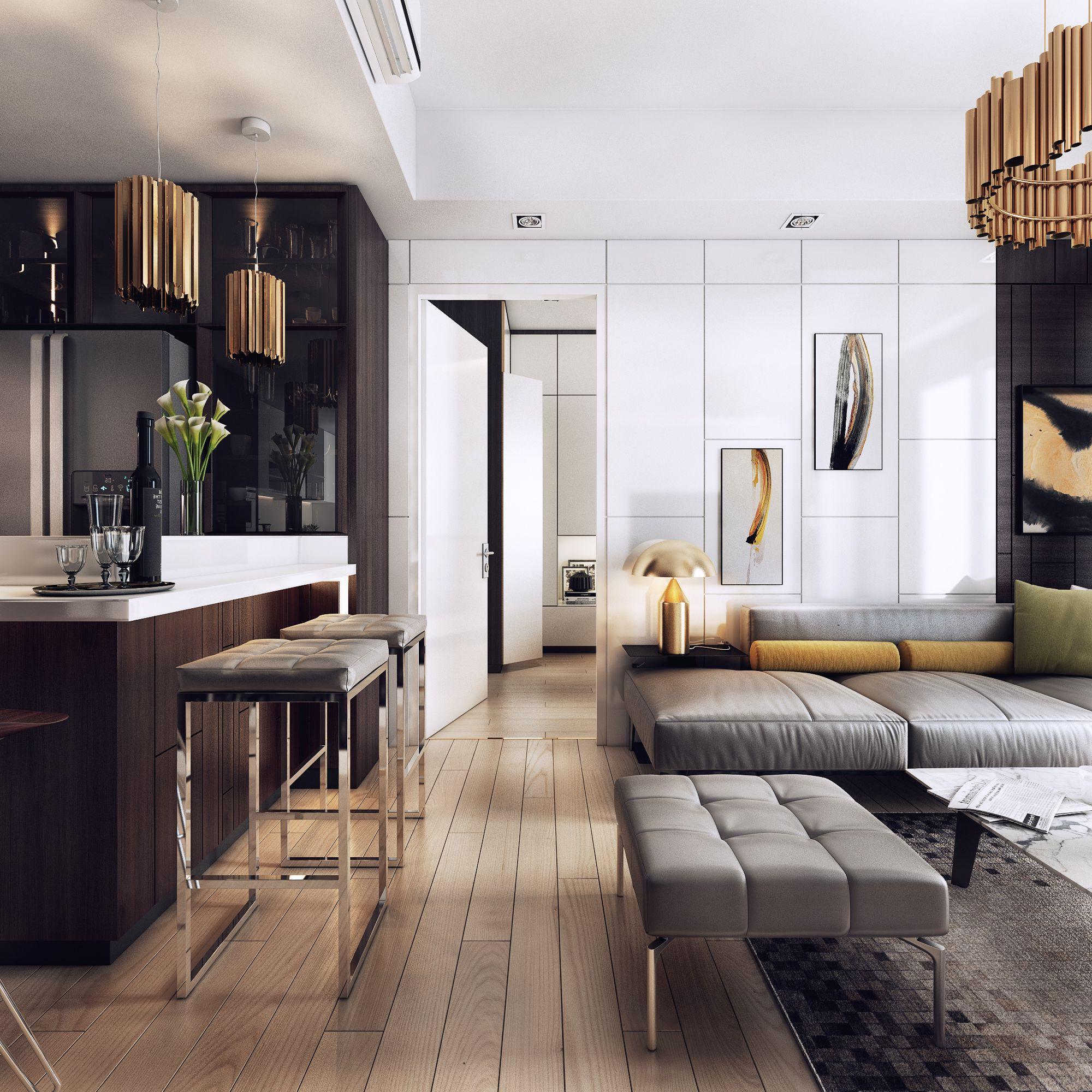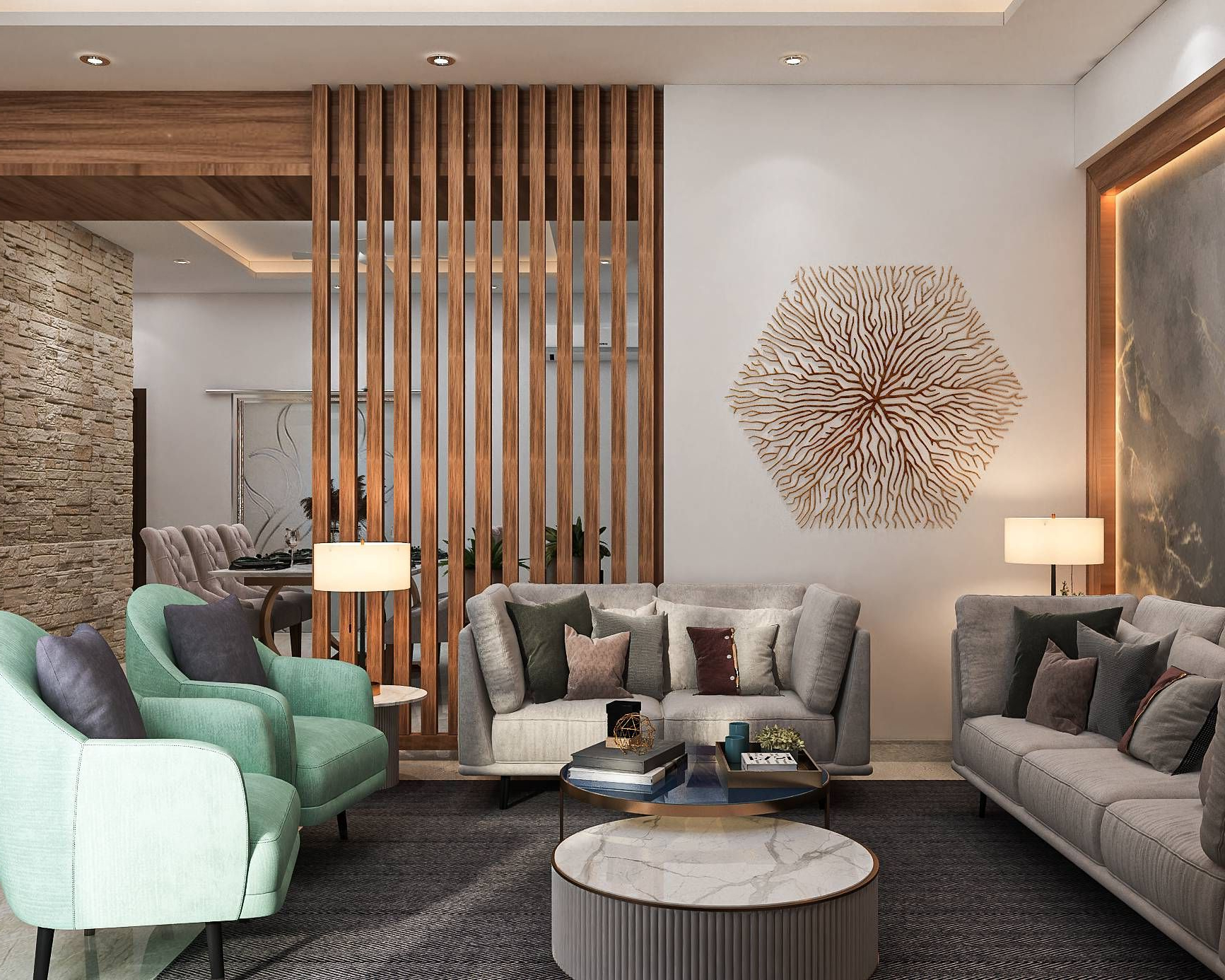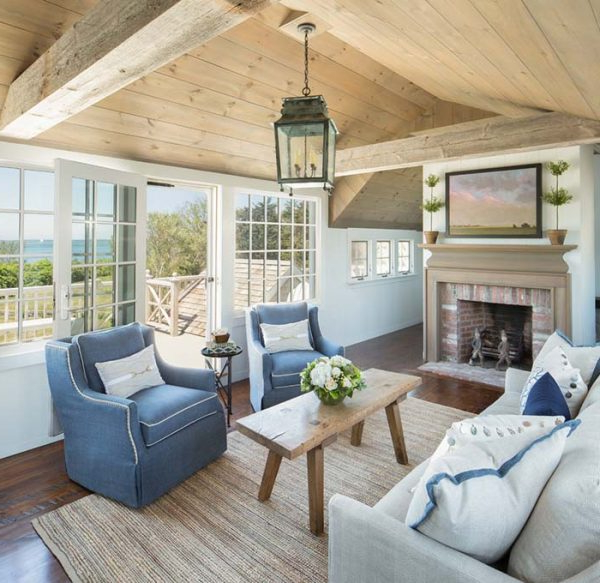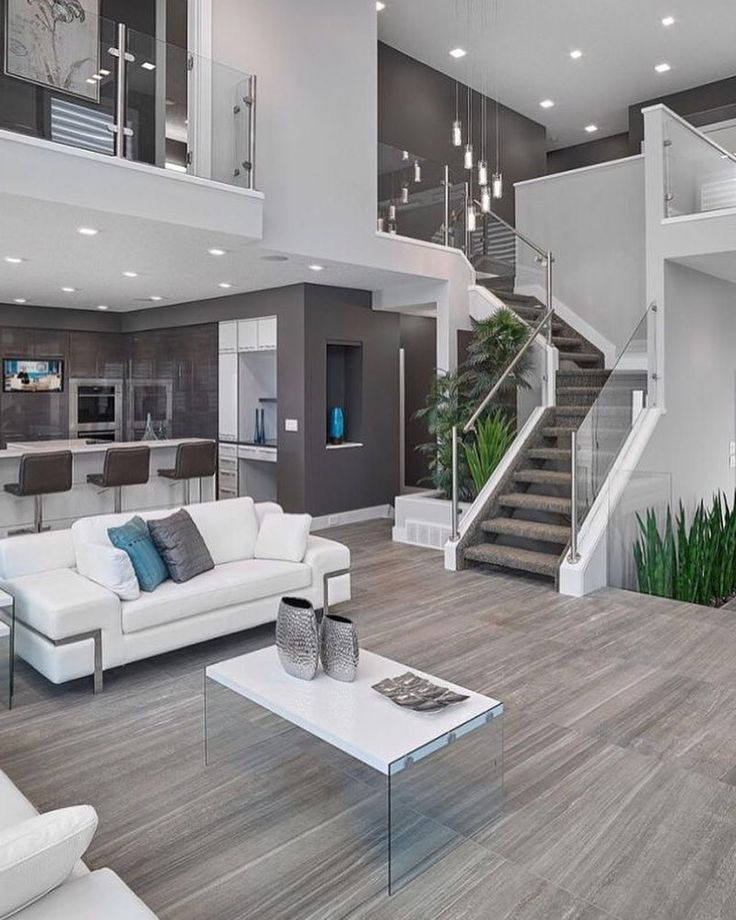
There’s something undeniably powerful about the contrast between black and white. It’s the visual equivalent of a perfectly balanced symphony, where two opposing forces create harmony rather than chaos. This classic color combination has been gracing homes and spaces for decades, and it shows no signs of losing its appeal. Why? Because it speaks to something fundamental in our human experience – the universal language of light and shadow, of simplicity and sophistication.
Black and white interior design isn’t just about choosing two colors. It’s about understanding how light dances across surfaces, how shadows create depth, and how minimalism can be anything but boring. These timeless trends have evolved over time, adapting to modern tastes while maintaining their core appeal. Whether you’re starting fresh with a new space or refreshing existing decor, understanding these enduring principles can guide your choices toward lasting beauty. The secret isn’t in following every passing fad, but in embracing the fundamentals that make black and white design work so beautifully across different eras and styles.
The Foundation of Classic Contrast
At its heart, black and white design relies on the fundamental principle of contrast. This isn’t just about painting walls in stark whites and blacks. It’s about creating layers of texture, varying tones, and strategic placement that make each element pop. Think of it like a master chef combining ingredients – the right balance brings out the best in each component. In practice, this means using various shades of gray as intermediaries, incorporating different textures like wood, metal, and fabric, and ensuring that your black and white palette has enough variety to feel rich rather than monotonous. The key is in the subtle variations that make the overall scheme feel dynamic and alive.
Timeless Patterns, Textures, and the Power of Light in Black and White Design
Black and white interiors have an enduring appeal that transcends trends, but achieving a space that feels warm and layered—rather than flat or stark—requires thoughtful use of patterns, textures, and lighting. When handled correctly, these elements add depth, movement, and personality to an otherwise minimalist color palette.
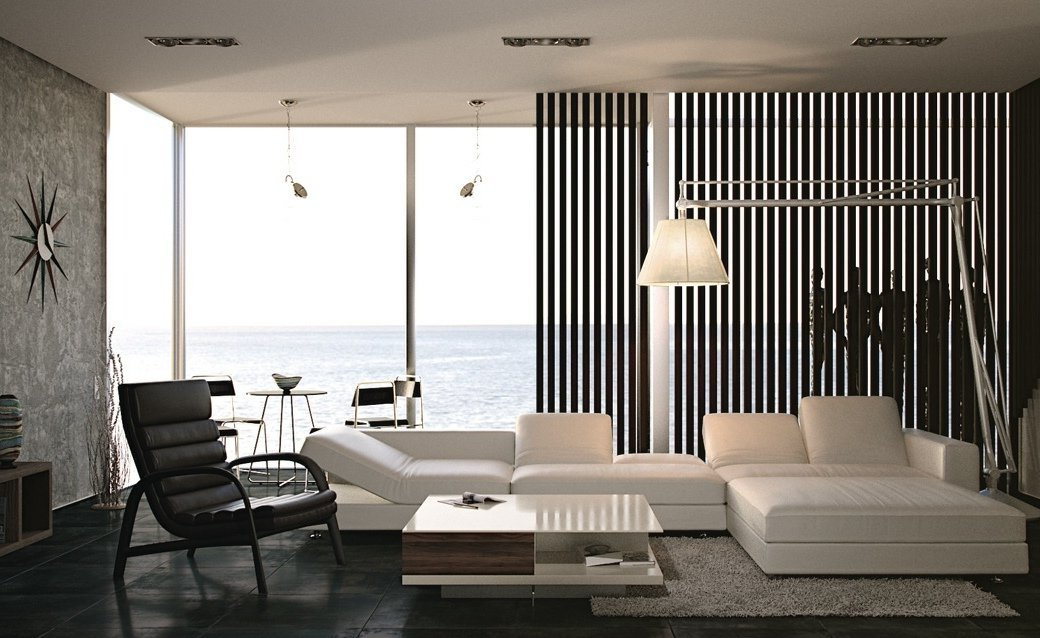
Certain patterns have proven to be especially effective in black and white spaces because of their clean structure and visual clarity. Geometric patterns, for instance, are a natural fit. Bold stripes can elongate walls or visually widen a room, while subtler designs like chevrons or herringbone patterns introduce rhythm without overwhelming the space. These patterns work particularly well on rugs, accent walls, or upholstery, where they provide structure and contrast while maintaining the elegance of a monochromatic scheme.
Another timeless option is plaid or check patterns, which bring a sense of familiarity and warmth to black and white interiors. When softened with muted tones or blended with gray, these designs prevent the room from feeling too rigid or cold. Plaid textiles—such as throw blankets, cushions, or upholstered chairs—add a cozy, lived-in quality that balances the sharp contrast between black and white surfaces.
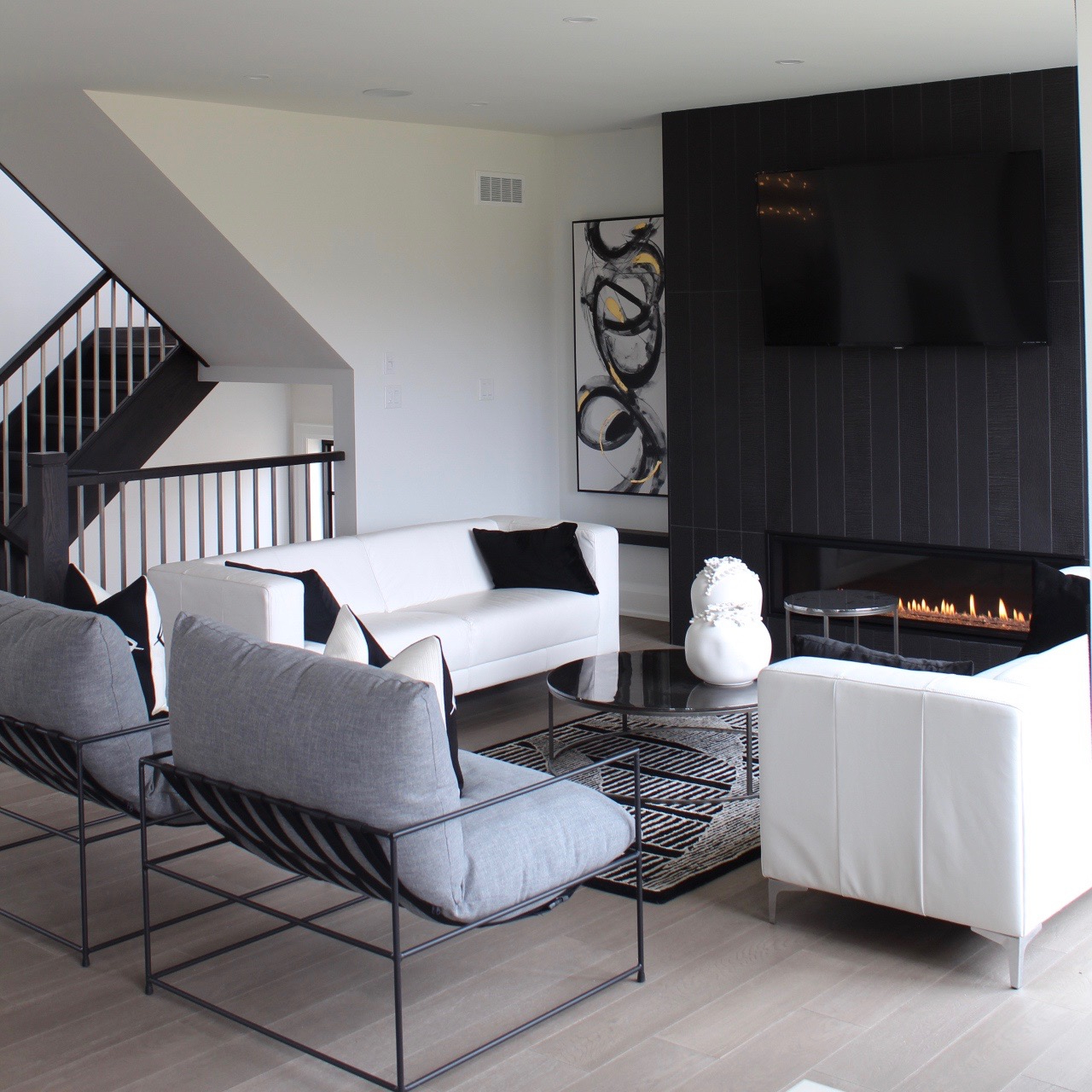
Texture plays an equally important role in elevating monochrome spaces. Natural materials help break up visual uniformity and add tactile interest. Marble, with its organic veining, introduces subtle movement and sophistication. A white marble coffee table paired with black metal legs, for example, becomes both functional and sculptural. Concrete offers a raw, modern edge that works beautifully in contemporary interiors, while wood grain—whether light or dark—adds warmth and grounding. Even small wooden elements, such as side tables or picture frames, can soften the crisp lines of a black and white palette.
Textured wall treatments further enhance depth. Wallpaper in layered shades of gray, linen-textured paint finishes, or subtle plaster effects can transform a simple white wall into a feature without adding color. These tactile surfaces catch light differently throughout the day, ensuring the room never feels static or sterile.
Lighting as a Transformative Design Tool
In black and white interiors, lighting is not merely functional—it becomes a central design feature. The way light interacts with contrast defines the mood, highlights textures, and shapes the overall experience of the space. Without thoughtful lighting, a monochrome room can feel flat or overly dramatic. With the right approach, it becomes dynamic and inviting.
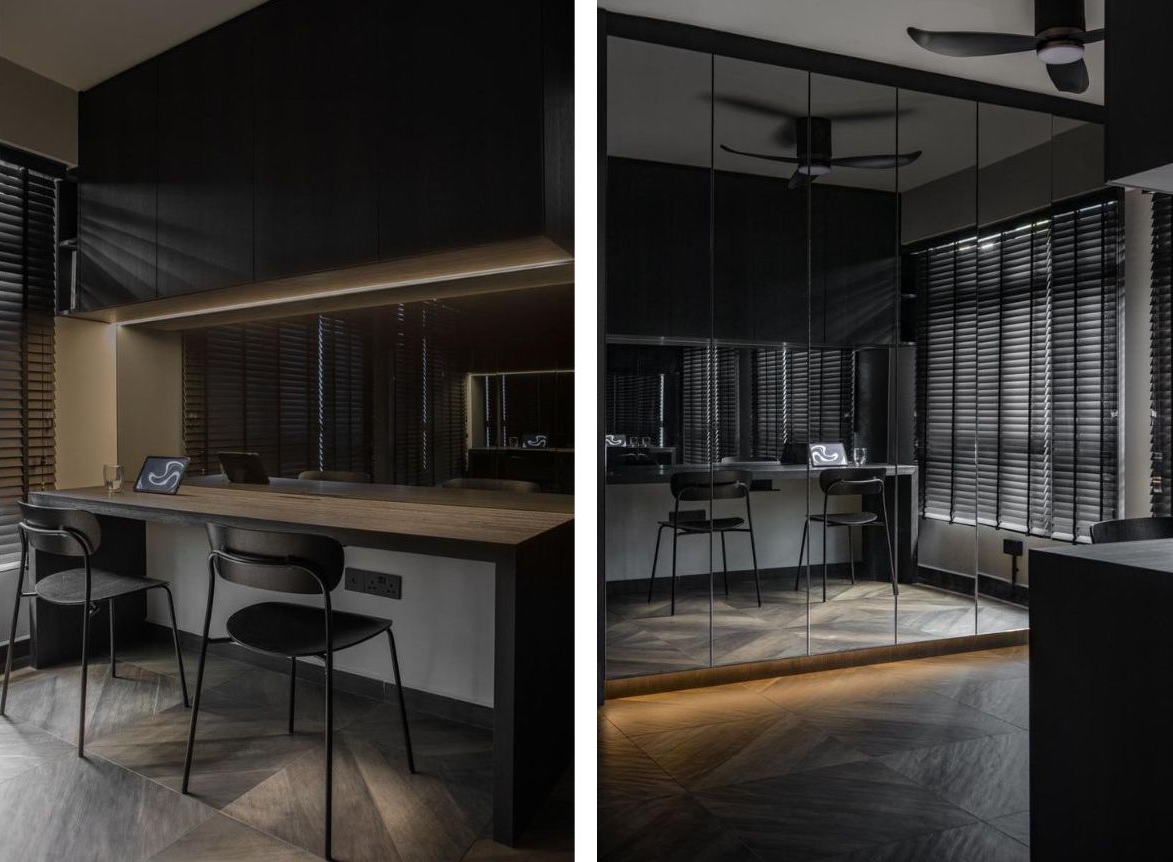
Layered lighting is essential. Ambient lighting provides overall illumination and sets the baseline mood. Soft overhead lights or diffused ceiling fixtures ensure the room feels welcoming rather than harsh. Task lighting, such as reading lamps or under-cabinet lighting, adds practicality while creating pockets of brightness that balance dark surfaces. Accent lighting is where black and white interiors truly come alive—spotlights, wall washers, or LED strips can emphasize architectural details, artwork, or textured finishes.
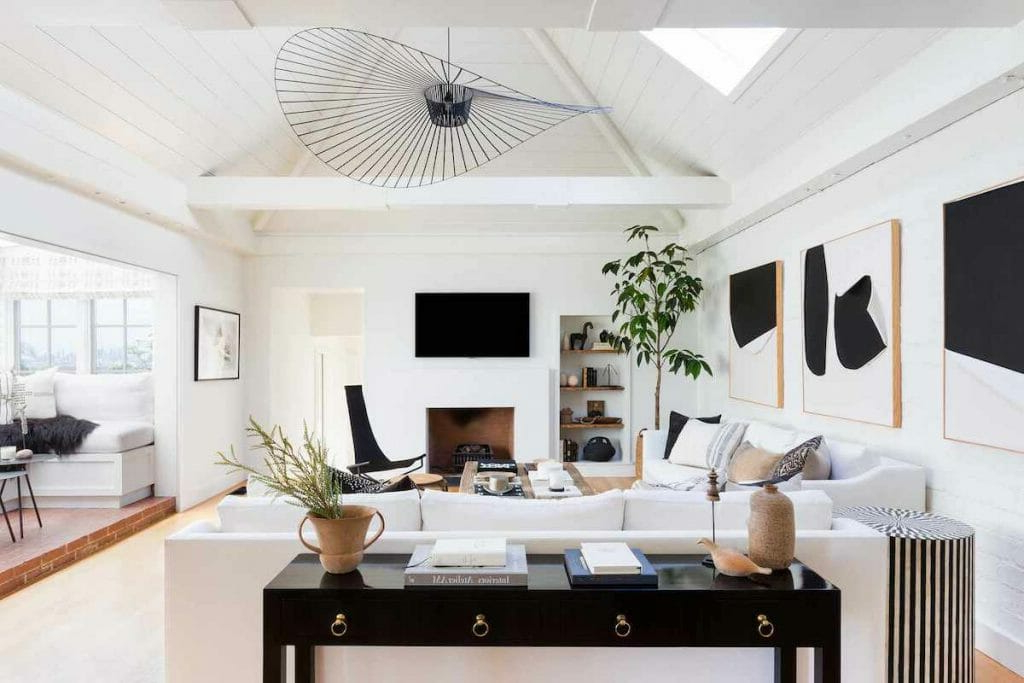
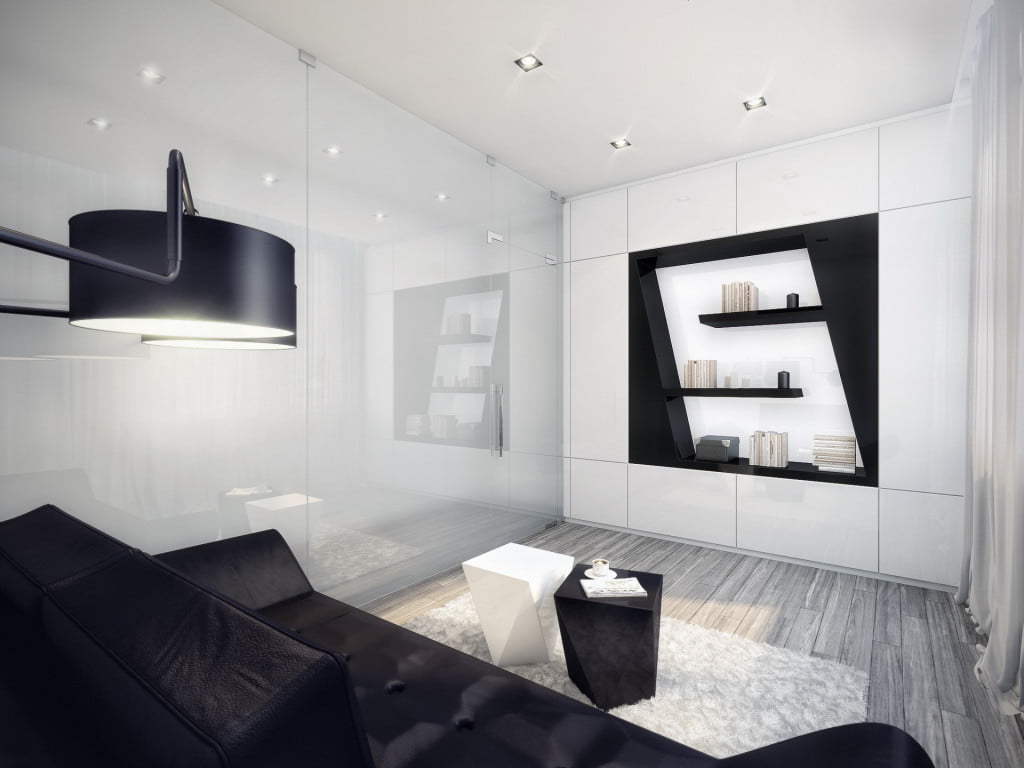
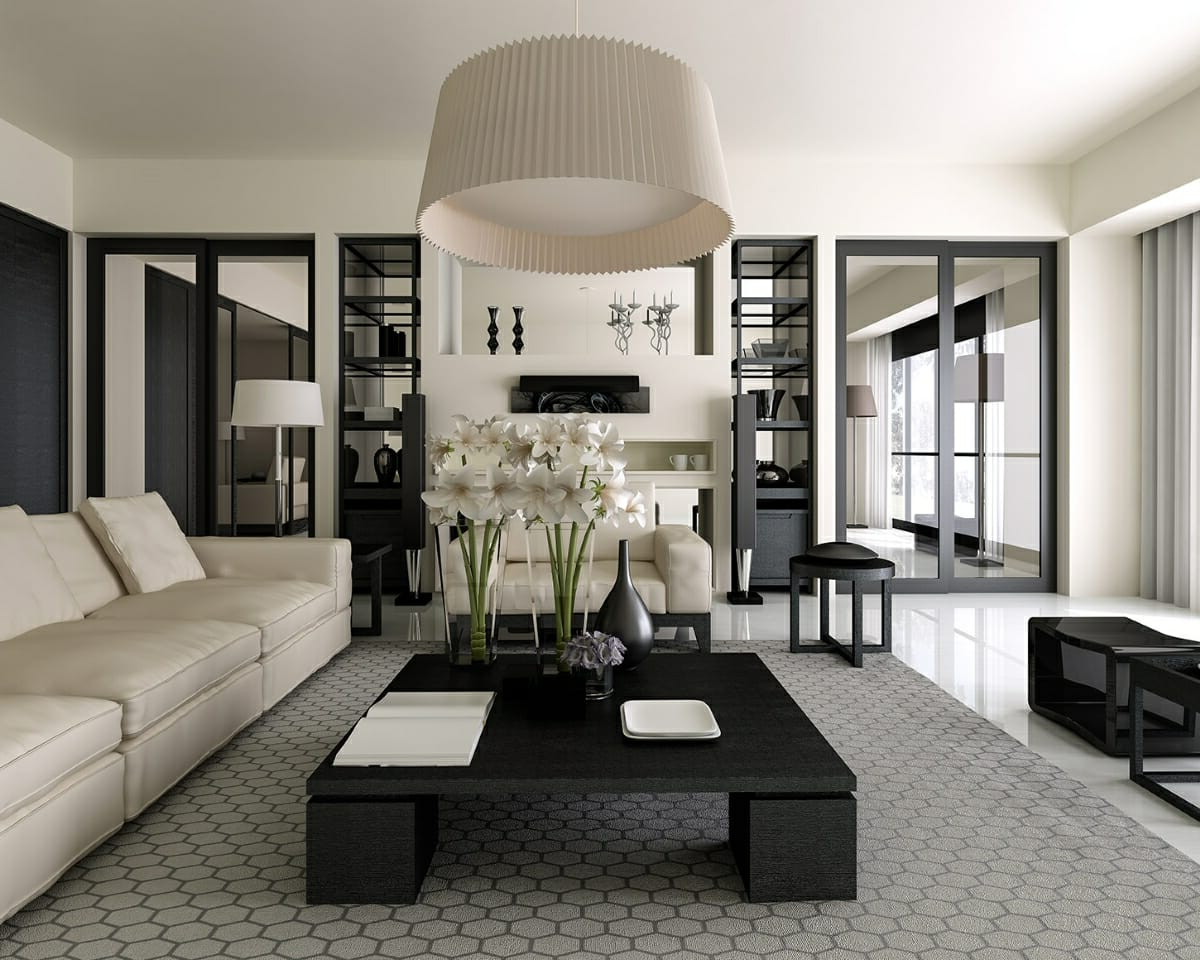
Black or white pendant lights often serve as striking focal points. A matte black pendant against a white ceiling creates a bold statement, while a white fixture in a darker space adds contrast and visual lift. Table lamps with white shades diffuse light gently, softening the sharp edges that high contrast can create.
Natural light also plays a vital role. Sunlight filtering through sheer white curtains casts gentle shadows across black floors or furniture, creating an ever-changing visual composition. Throughout the day, light shifts and transforms the space, making it feel alive and responsive. This interplay of light and shadow is what gives black and white interiors their dramatic yet timeless character.
Ultimately, the magic of black and white design lies in balance. Patterns provide structure, textures add warmth, and lighting brings everything together. When these elements are thoughtfully combined, a monochrome space becomes anything but simple—it becomes layered, expressive, and enduring.
Modern Interpretations of Classic Elements
Today’s black and white design often reimagines traditional elements with contemporary flair. Minimalist furniture with clean lines works beautifully against stark backgrounds, while vintage pieces can add character when they’re carefully selected. Modern art pieces in monochrome tones can become conversation starters, and even the choice of accessories matters – from black and white photography to geometric sculptures. The beauty lies in mixing old and new sensibilities. A sleek modern sofa in charcoal might pair perfectly with a vintage black and white photograph, or a contemporary chandelier could anchor an otherwise simple room. These combinations show how timeless principles can adapt to current aesthetics without losing their essential appeal.
Practical Applications and Room-by-Room Guide
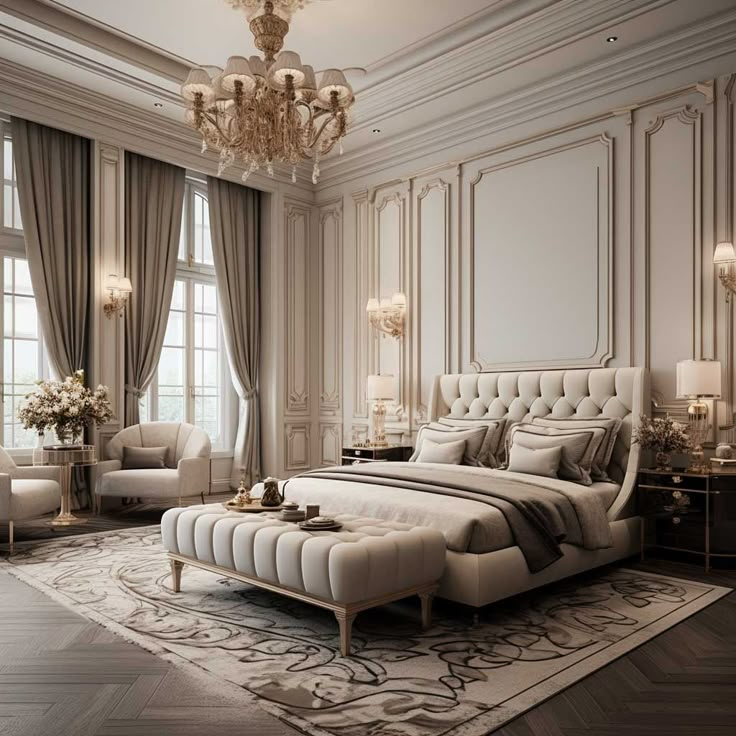
Every room benefits differently from black and white design principles. In living rooms, consider using white walls with black furniture or accent pieces to create visual anchors. Bedrooms can benefit from the calming effect of neutral tones, especially when combined with soft textures like white bedding and black accents. Kitchens often showcase the versatility of black and white, from black appliances with white countertops to patterned backsplashes that add visual interest. Bathrooms can become serene sanctuaries with white tiles and black fixtures, or dramatic spaces with black tiles and white accents. The key is matching the scale and function of each space with appropriate design choices. A small bathroom might benefit from white subway tiles, while a larger space could handle bolder black and white combinations.
Avoiding Common Pitfalls
Many people struggle with black and white design because they focus too heavily on the two main colors. Remember that this approach is about balance, not just black and white. Too much contrast can feel harsh, while too little can feel bland. One common mistake is using only one shade of white or black, which creates a flat appearance. Instead, try mixing different tones – from cream to off-white, and from charcoal to deep black. Another frequent error is ignoring texture and pattern, leading to spaces that look clinical rather than comfortable. Adding natural elements, varying surface finishes, and incorporating different materials helps create a more inviting atmosphere. Don’t forget that even in black and white schemes, you still want to consider the mood you’re trying to create – some spaces need to feel energizing, others peaceful.
Black and white interior design isn’t just about following rules – it’s about understanding the emotional impact of contrast and simplicity. These timeless trends work because they tap into our basic appreciation for order, clarity, and visual harmony. They allow us to express our personal style while maintaining a sense of sophistication that transcends fleeting trends. Whether you’re drawn to the dramatic statement of a black and white living room or prefer the subtle elegance of a bedroom in soft neutrals, the principles remain consistent. The key is to approach the design with intentionality, paying attention to how light affects the space, how different textures interact, and how the overall composition makes you feel. When done well, black and white design creates environments that feel both contemporary and classic, making them truly timeless.