Imagine walking into a kitchen where every single inch serves a purpose. Where cabinets don’t just store things but actually make the space feel bigger. For many of us, this isn’t just a dream—it’s a necessity. Small kitchens have become the norm rather than the exception, especially in urban areas where square footage comes at a premium. But here’s the thing: you don’t have to sacrifice style for function when you’re working with limited space.
Let’s face it, small kitchens can be frustrating. The cramped counters, the lack of storage, the feeling like you’re constantly bumping into things. But what if I told you that smart cabinet solutions could completely change your relationship with your tiny kitchen? It’s not about making your space smaller—it’s about making it smarter. These modern approaches to kitchen organization don’t just solve storage problems; they create new possibilities for how we think about cooking, eating, and living in our smallest rooms.
The Psychology of Small Space Storage
Understanding how we perceive space is crucial before diving into actual solutions. Our brains naturally want more room, and when we’re confined to tight quarters, it can trigger feelings of claustrophobia or frustration. This psychological aspect affects how we interact with our kitchens daily. When storage feels inadequate, it creates stress and makes simple tasks feel overwhelming. The right cabinet solutions address both the physical and emotional needs of small kitchen users.
Consider how a well-designed pantry drawer system makes you feel more in control of your food storage. Or how a cleverly positioned pull-out shelf makes you feel like you have more space than you actually do. These aren’t just storage solutions—they’re confidence boosters. They shift the perception from ‘this is too small’ to ‘this is efficiently organized.’
What really matters is creating visual lightness even when you’re storing a lot. This means thinking beyond just quantity and focusing on how items appear and are accessed.
Vertical Thinking: Making the Most of Height
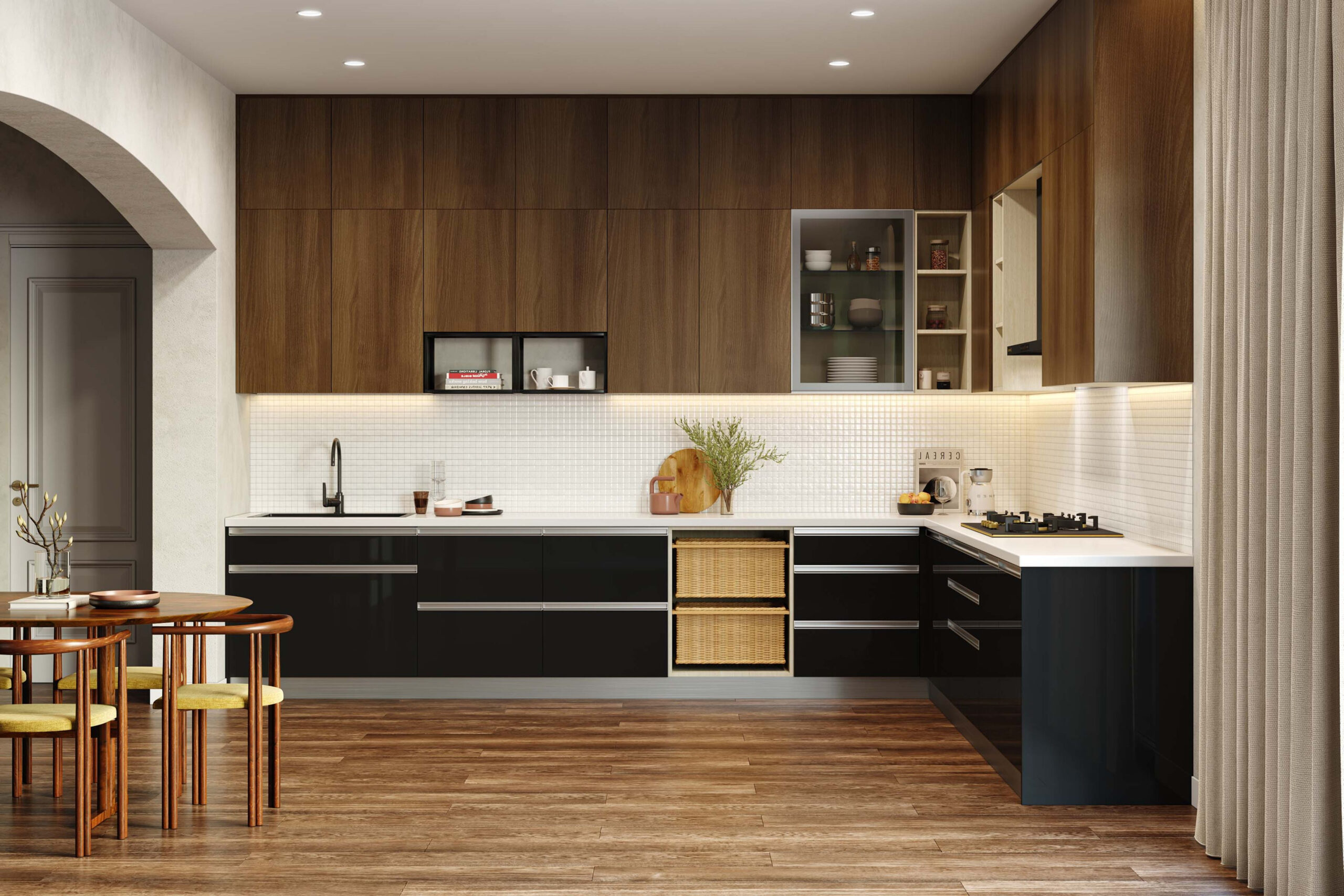
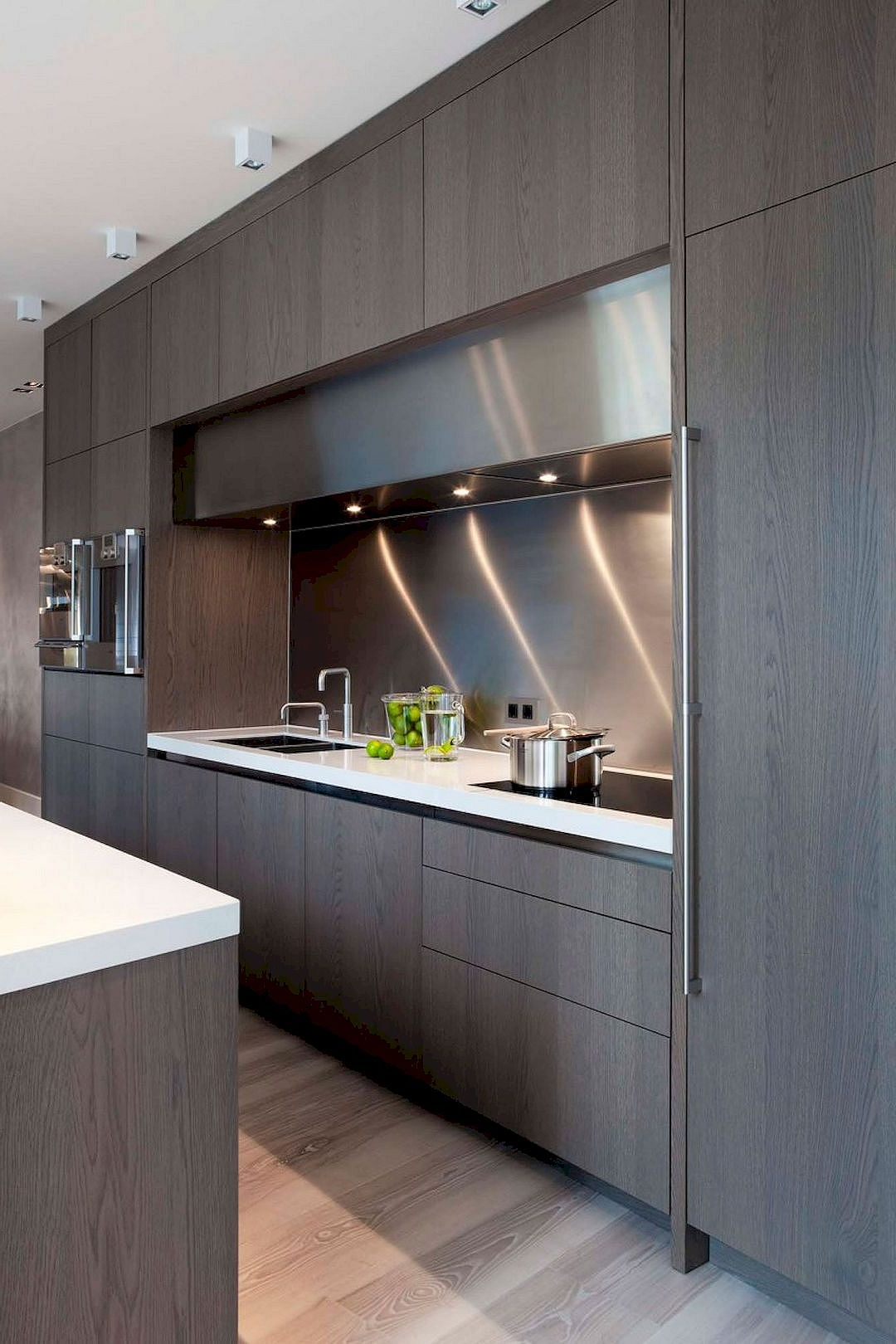
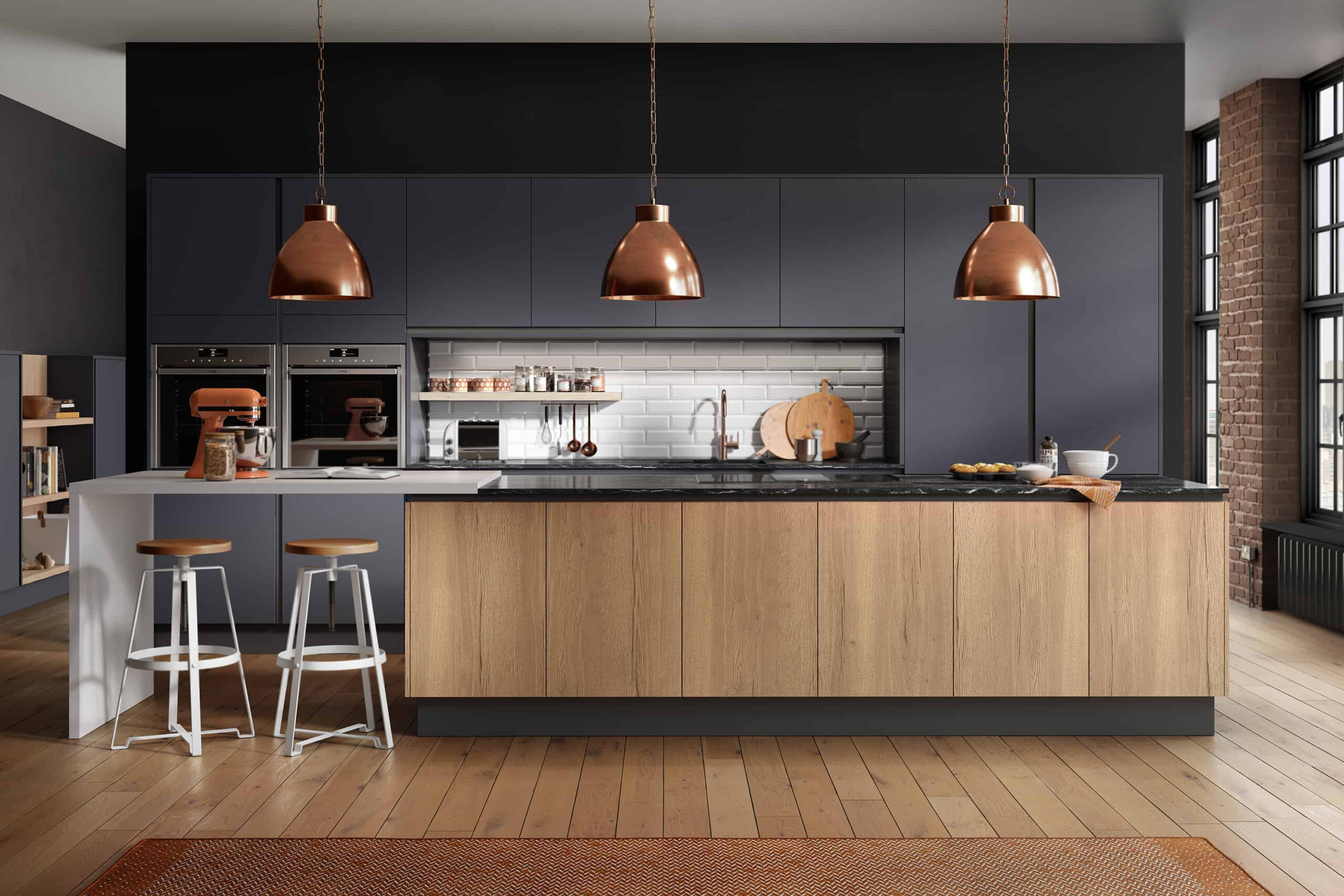
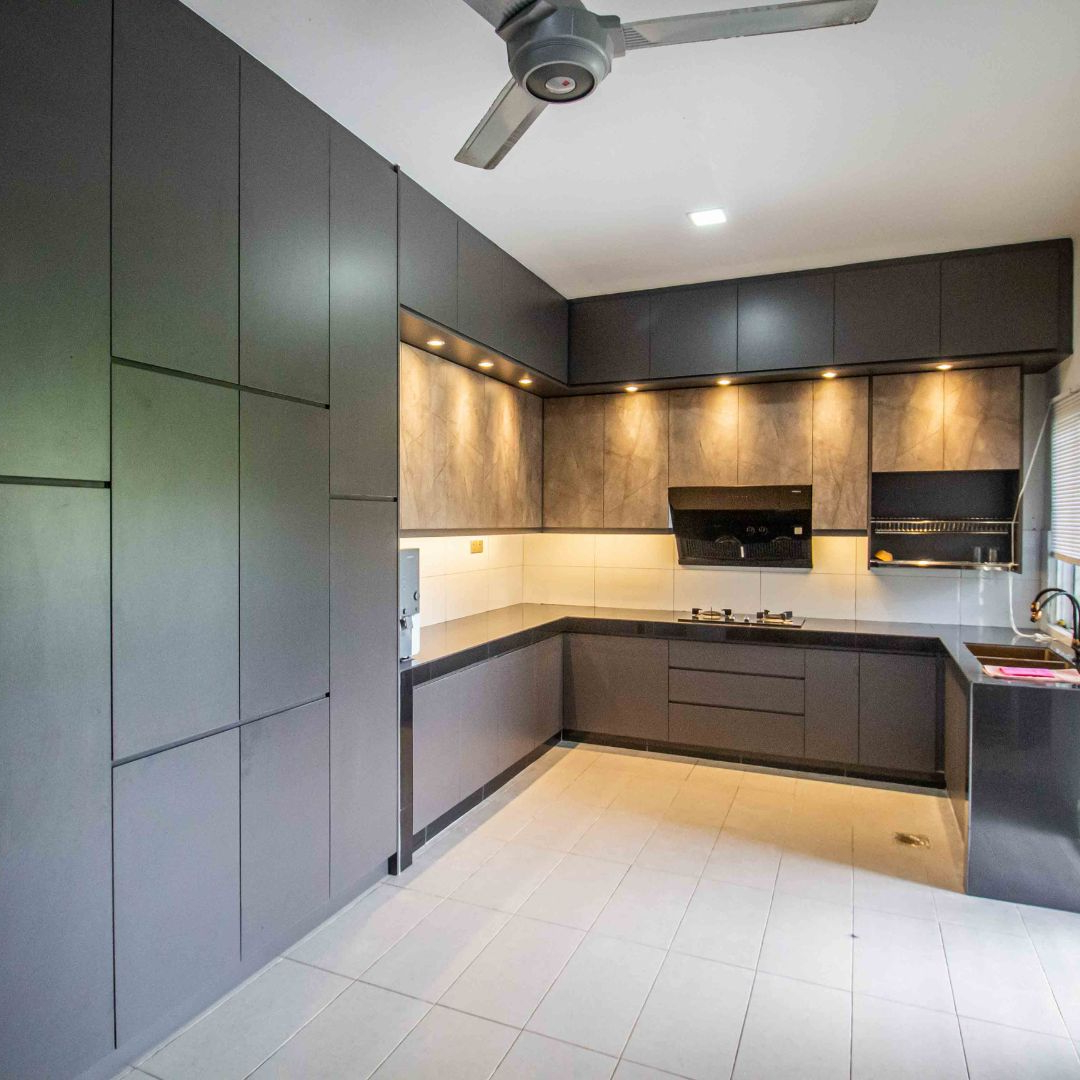
One of the most effective strategies for maximizing small kitchen space involves going upward. Traditional thinking often stops at counter height, but smart modern solutions push boundaries. Tall cabinets that reach the ceiling aren’t just about storage capacity—they’re about making the most of vertical space.
Here are some key approaches:
• Extend cabinets to the ceiling for maximum storage potential
• Use tall pantry units for dry goods and spices
• Install wall-mounted shelves above countertops for additional storage
• Consider corner cabinets that utilize previously wasted space
• Create a floating shelf system that adds storage without blocking sight lines
The beauty of vertical storage is that it works with your natural eye movement. You’re used to looking up and down, so placing items where you naturally look helps with accessibility. Think about how you currently organize things. Do you keep everything at eye level? What if you moved some items higher or lower?
Real-world example: A couple in a 400-square-foot apartment found that extending their cabinets to the ceiling freed up enough space to eliminate their need for external storage boxes. Their kitchen suddenly felt much larger because there was no visual clutter.
Multi-Functional Cabinet Designs
The future of small kitchen storage lies in multifunctional design. These aren’t just fancy terms—they represent real solutions to real problems. Imagine a cabinet that serves as both storage and workspace, or one that transforms from a pantry to a dining area.
Key multi-functional features include:
• Cabinets with built-in cutting boards
• Drawers that convert to serving trays
• Hidden compartments that double as storage
• Adjustable shelving that changes with your needs
• Pull-out components that maximize access
The secret is designing with flexibility in mind. A kitchen island that doubles as a dining table might seem extreme, but consider how many people eat at their kitchen counter. What if that counter had built-in storage that folded away when needed?
Modern cabinet makers now offer modular systems where you can add or remove components based on changing needs. This adaptability is essential for small spaces where every item must serve multiple purposes.
Smart Technology Integration
Technology isn’t just for big kitchens anymore. Smart features can enhance small spaces dramatically. Think about automatic lighting that turns on when you open a cabinet door, or sensors that alert you when ingredients are running low.
Some innovative smart solutions include:
• LED lighting that activates with motion sensors
• Electronic locks for secure storage
• Voice-activated storage reminders
• Weight sensors that track ingredient levels
• App-controlled cabinet features
These aren’t luxury additions—they’re practical enhancements that make small kitchens more manageable. For instance, a smart pantry system can remind you when you’re running low on coffee beans or olive oil. It’s like having a personal assistant for your kitchen.
The key is choosing technology that enhances rather than complicates your daily routine. Simple automation is better than complex systems that break down easily.
Creative Storage Solutions
Sometimes the best solutions come from thinking outside traditional cabinet shapes. Creative storage designs can transform a mundane kitchen into a space that feels larger and more functional.
Innovative approaches include:
• Corner solutions that utilize triangular spaces
• Pull-out pantry systems that make deep storage easy
• Slide-out spice racks that provide full access
• Under-cabinet lighting that creates ambiance
• Hidden storage compartments that reveal themselves
The most successful creative solutions are those that solve a specific problem while maintaining visual appeal. A kitchen that looks like it was designed by someone who truly understands small spaces will always feel more spacious than one that simply crams items in without thought.
Consider a kitchen where the backsplash is actually a storage wall. Instead of traditional cabinets, the entire wall is designed to hold dishes, spices, and small appliances. The result is a clean, unified look that still provides plenty of storage.
Another popular approach is the use of open shelving combined with closed storage. This gives the illusion of more space while providing both visible and hidden storage options.
Material and Color Considerations
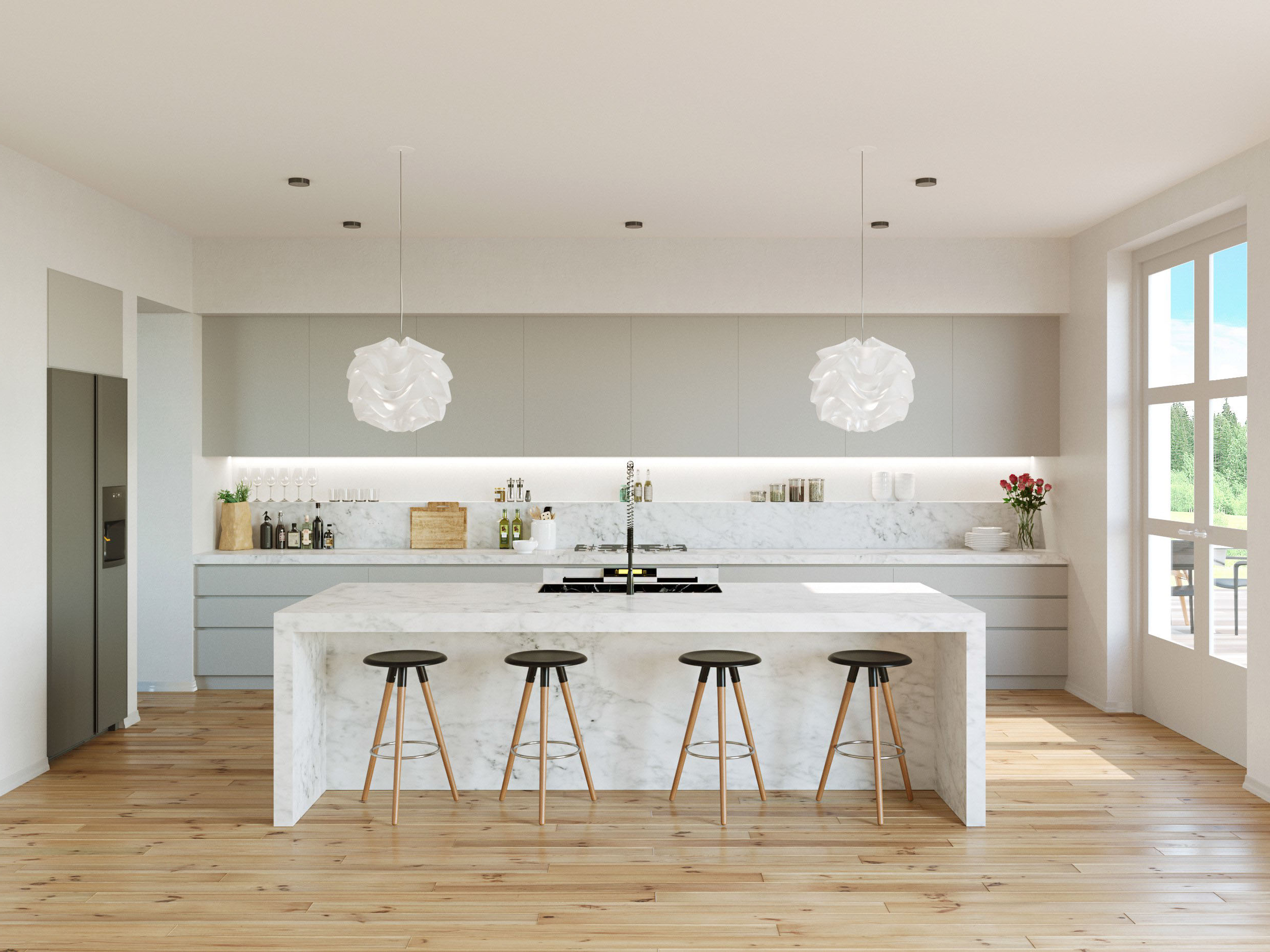
How cabinets look matters as much as how they function. In small spaces, the right materials and colors can make a dramatic difference in perceived size. Light colors reflect light, making spaces feel larger. Darker tones absorb light and can make small areas feel smaller.
Key considerations:
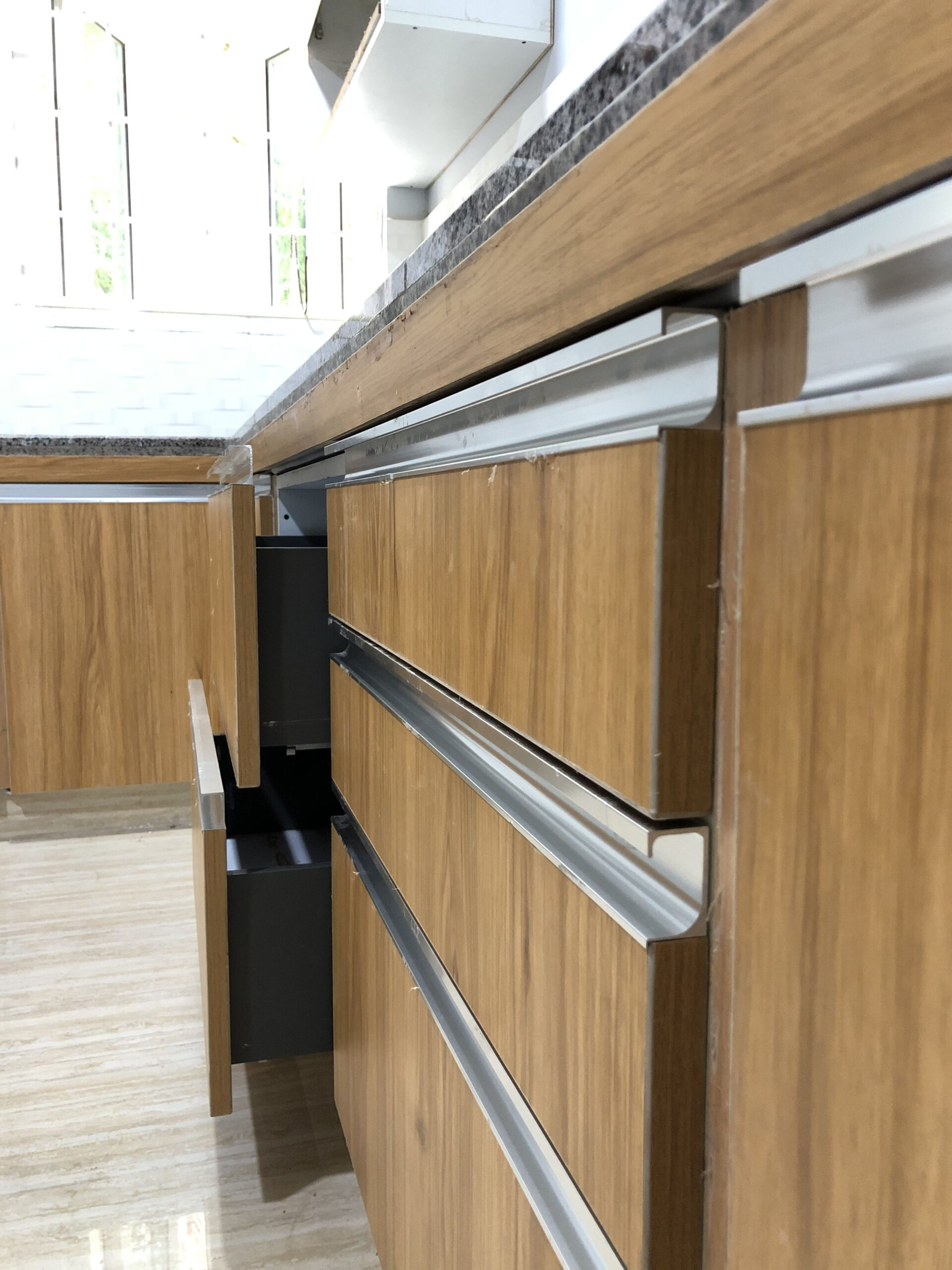
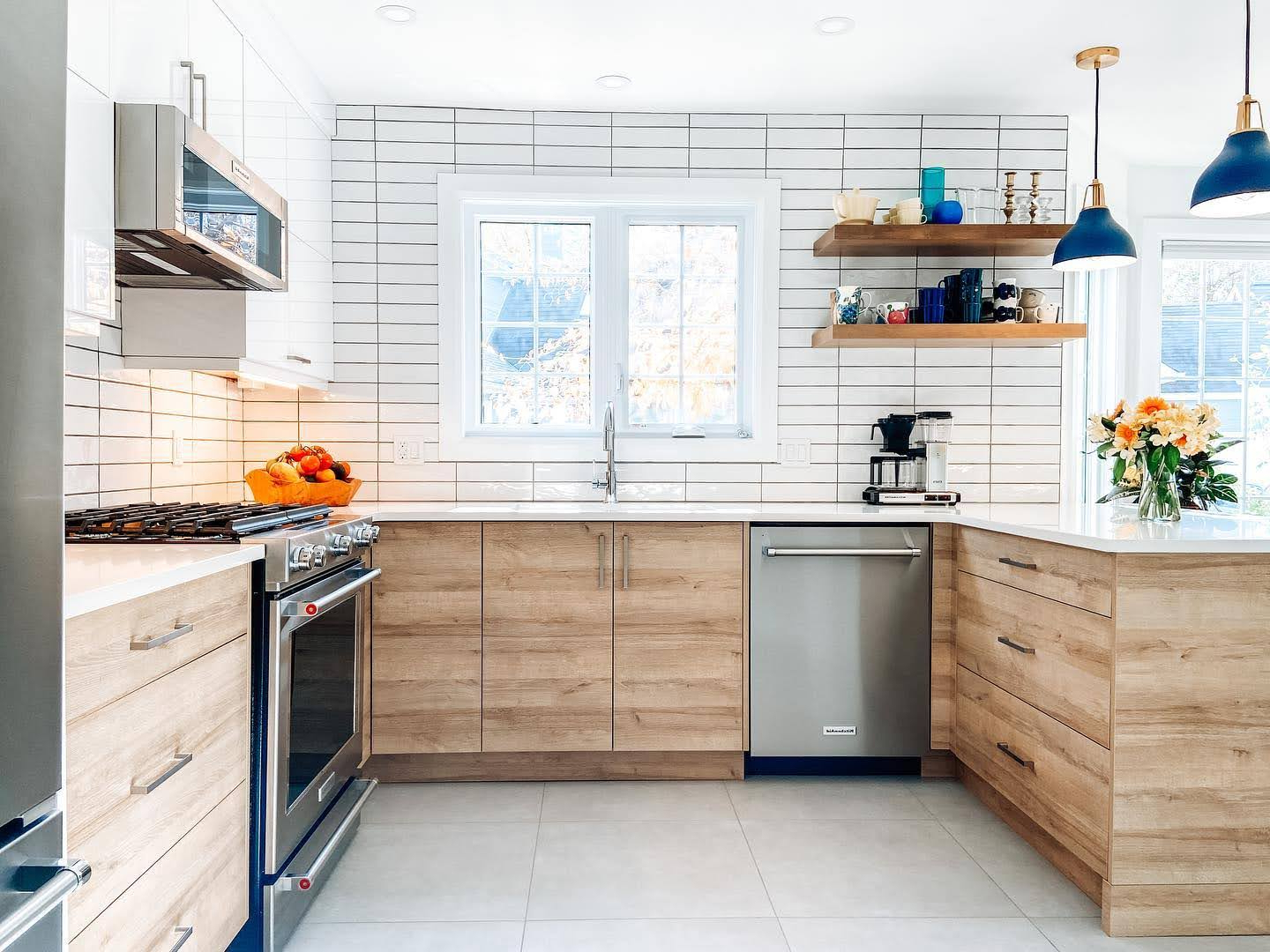
• Use light-colored wood tones for a bright, airy feel
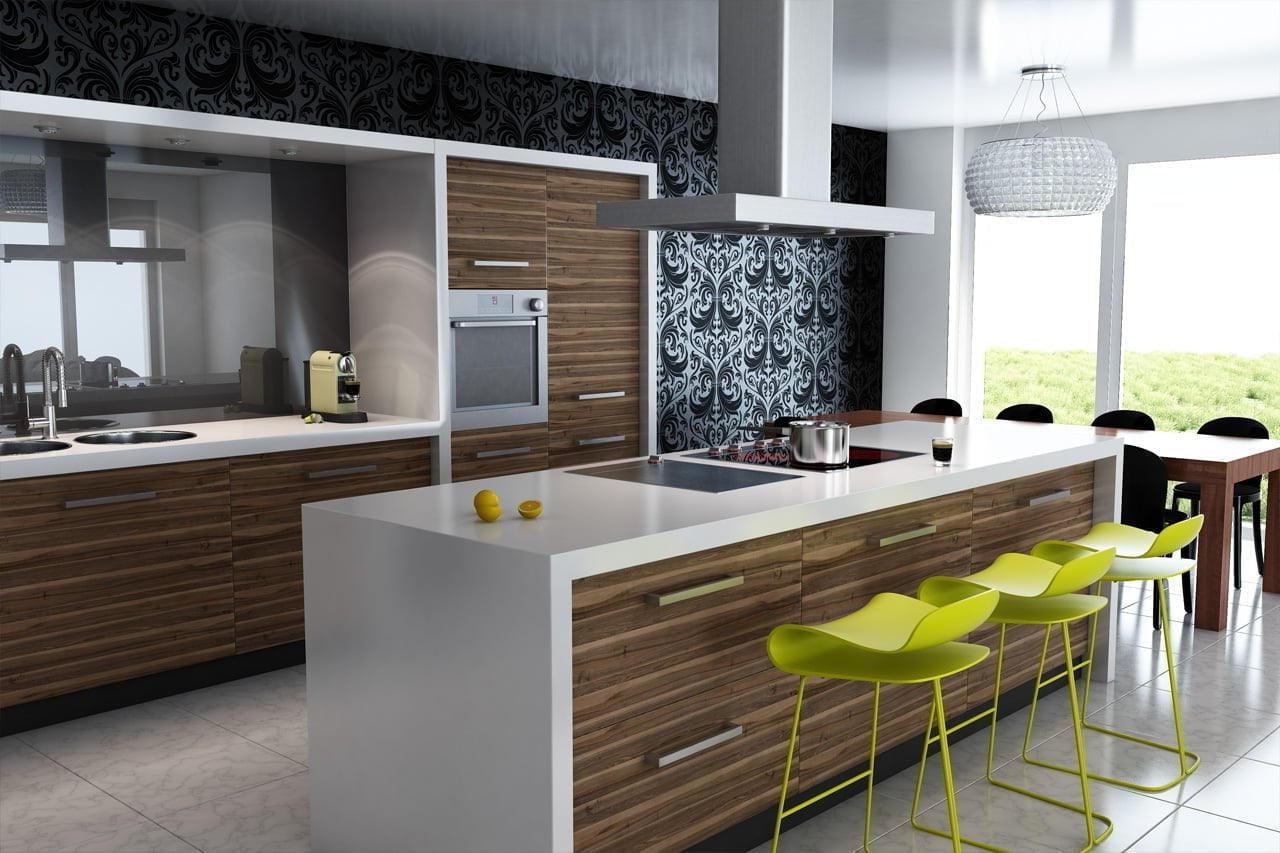
• Consider glass cabinet doors for visual openness
• Choose reflective surfaces to bounce light around
• Paint cabinets in neutral tones that complement your space
• Mix textures to add interest without adding bulk
Modern finishes have evolved significantly. Matte finishes can hide fingerprints and smudges better than glossy ones, making them ideal for busy kitchens. Textured surfaces can add depth without making the space feel cramped.
A common mistake is using too many different materials or colors. Stick to 2-3 main colors and let your hardware and accessories provide contrast. This creates a cohesive look that supports the illusion of space.
Think about the material of your cabinets. Wood grain finishes can make spaces feel warmer, while metal accents can create a more contemporary feel. The choice should reflect your lifestyle and how you use the space.
Transforming a small kitchen isn’t about making it look bigger—it’s about making it work better. Smart modern cabinet solutions offer more than just extra storage; they provide a framework for how to live in tight spaces with grace and efficiency. The key isn’t to fight against the limitations of small space but to embrace them creatively.
Whether you’re dealing with a studio apartment or a converted garage kitchen, these solutions prove that good design can overcome any spatial challenge. The most important thing is to start with what you need and build from there. Don’t try to do everything at once. Pick one area that really bothers you and tackle that first.
Remember, the goal isn’t to have the most expensive kitchen or the fanciest cabinets. It’s to create a space where you feel comfortable and confident. When your kitchen works for you instead of against you, that’s when you know you’ve found the right solution. The journey toward a smarter kitchen starts with understanding that every inch matters—and every solution should make that inch count.
[sps_html tag=”img” src=”https://roofdrivein.com/wp-content/uploads/2026/01/250-modern-kitchen-cabinet-designs-kitchen-cupboards-designs-in-2024-in-modern-kitchen-cabinet-design-scaled.jpg” alt=”250+ Modern Kitchen Cabinet Designs | Kitchen Cupboards Designs In 2024 … in Modern Kitchen Cabinet Design” style=”width: 100%; height: auto;”]
[sps_html tag=”img” src=”https://roofdrivein.com/wp-content/uploads/2026/01/cupboard-design-within-maximizing-small-spaces-with-smart-modern-kitchen-cabinet-solutions.jpg” alt=”Cupboard Design within Maximizing Small Spaces with Smart Modern Kitchen Cabinet Solutions” style=”width: 100%; height: auto;”]
[sps_html tag=”img” src=”https://roofdrivein.com/wp-content/uploads/2026/01/a-guide-to-modern-kitchen-cabinet-design-ba-li-kitchen-cabinet-for-modern-kitchen-cabinet-design.jpg” alt=”A Guide To Modern Kitchen Cabinet Design - Ba Li Kitchen Cabinet for Modern Kitchen Cabinet Design” style=”width: 100%; height: auto;”]
[sps_html tag=”img” src=”https://roofdrivein.com/wp-content/uploads/2026/01/44-best-ideas-of-modern-kitchen-cabinets-for-2021-inside-maximizing-small-spaces-with-smart-modern-kitchen-cabinet-solutions.jpg” alt=”44 Best Ideas Of Modern Kitchen Cabinets For 2021 inside Maximizing Small Spaces with Smart Modern Kitchen Cabinet Solutions” style=”width: 100%; height: auto;”]
[sps_html tag=”img” src=”https://roofdrivein.com/wp-content/uploads/2026/01/12-nice-ideas-for-your-modern-kitchen-design-modern-kitchen-design-regarding-modern-kitchen-cabinet-design.jpg” alt=”12 Nice Ideas For Your Modern Kitchen Design | Modern Kitchen Design … regarding Modern Kitchen Cabinet Design” style=”width: 100%; height: auto;”]