In recent years, black kitchens have transformed from a bold statement to a mainstream choice. But what drives us to embrace this dramatic color? It’s not just about aesthetics—it’s deeply rooted in psychology and human behavior.
Picture this: You walk into a kitchen where sleek black cabinets meet glossy countertops, where every surface gleams with understated sophistication. This isn’t just a design choice—it’s a psychological decision. Black kitchens have become increasingly popular, but why do we feel drawn to such a powerful, almost intimidating color? The answer lies not just in visual appeal, but in how colors influence our emotions, perceptions, and even our behavior. When we choose black for our kitchens, we’re making a statement about ourselves and our living spaces that goes far beyond mere decoration.
The Power of Darkness: Understanding Black Psychology
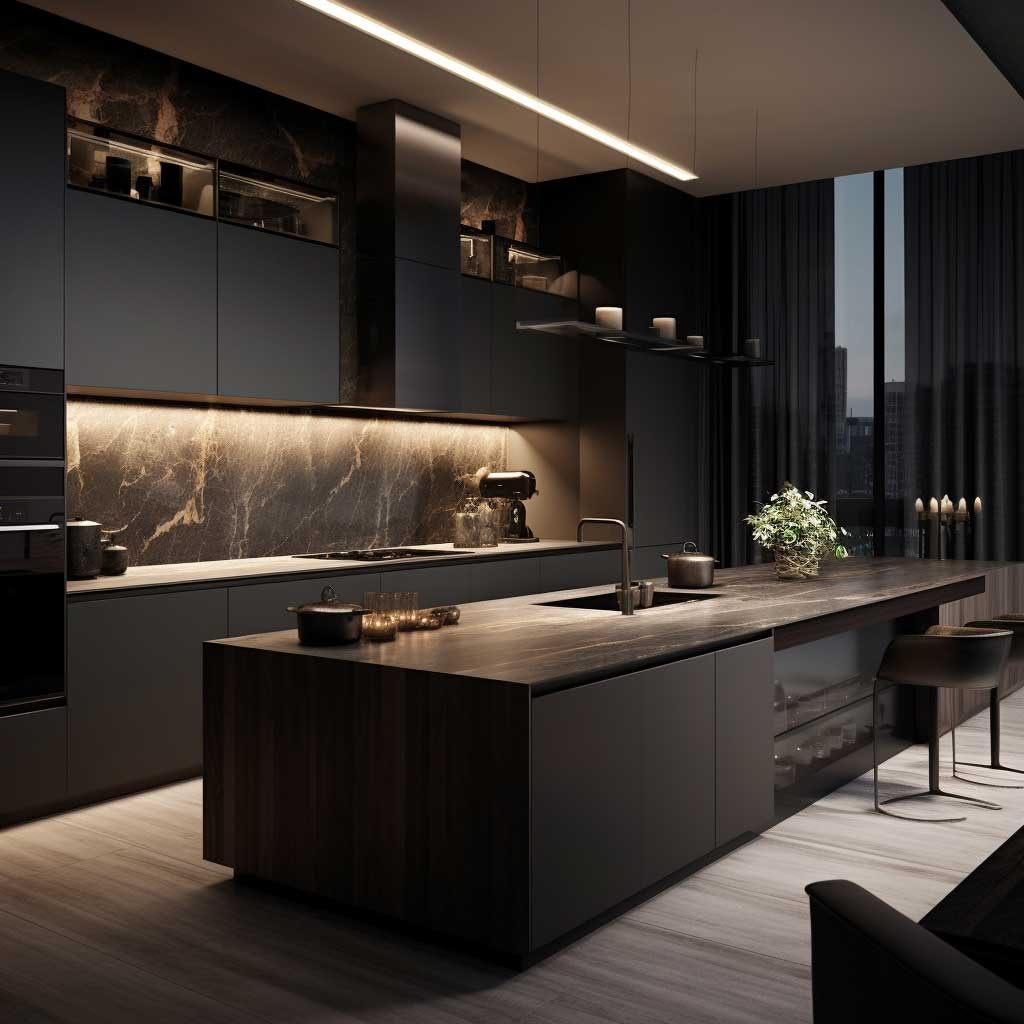
Black is often misunderstood as a color that brings negativity or sadness. But psychologists tell us something different. Black represents power, elegance, and mystery. In the kitchen context, this translates to a sense of control and sophistication. When we surround ourselves with black, we’re essentially creating a space that feels intentional and purposeful. The color doesn’t just fill a room—it fills it with confidence. Consider how black makes objects appear more defined and sharp. In a kitchen setting, this means appliances look sleeker, surfaces seem cleaner, and overall design feels more polished. This psychological effect is why many people find black kitchens both calming and energizing at the same time. The color seems to absorb light rather than reflect it, creating a cocoon-like atmosphere that can be incredibly soothing after a long day.
How Black Affects Our Mood and Behavior
Research shows that colors significantly impact our moods and actions. Black, when used thoughtfully, can actually enhance focus and productivity. In a kitchen environment, this means you might find yourself cooking more mindfully or spending more quality time in your culinary space. The deep hue creates a sense of intimacy and exclusivity, making the kitchen feel like a personal sanctuary. However, it’s important to note that too much black can sometimes feel oppressive. This is where balance becomes crucial. Many successful black kitchen designs incorporate lighter accents or metallic elements to prevent the space from feeling too heavy or overwhelming. The psychology of black works best when it’s part of a carefully considered palette that includes complementary colors. This approach allows the dark tones to shine while maintaining the warmth and openness that makes a kitchen feel inviting.
The Modern Appeal of Minimalist Black Design
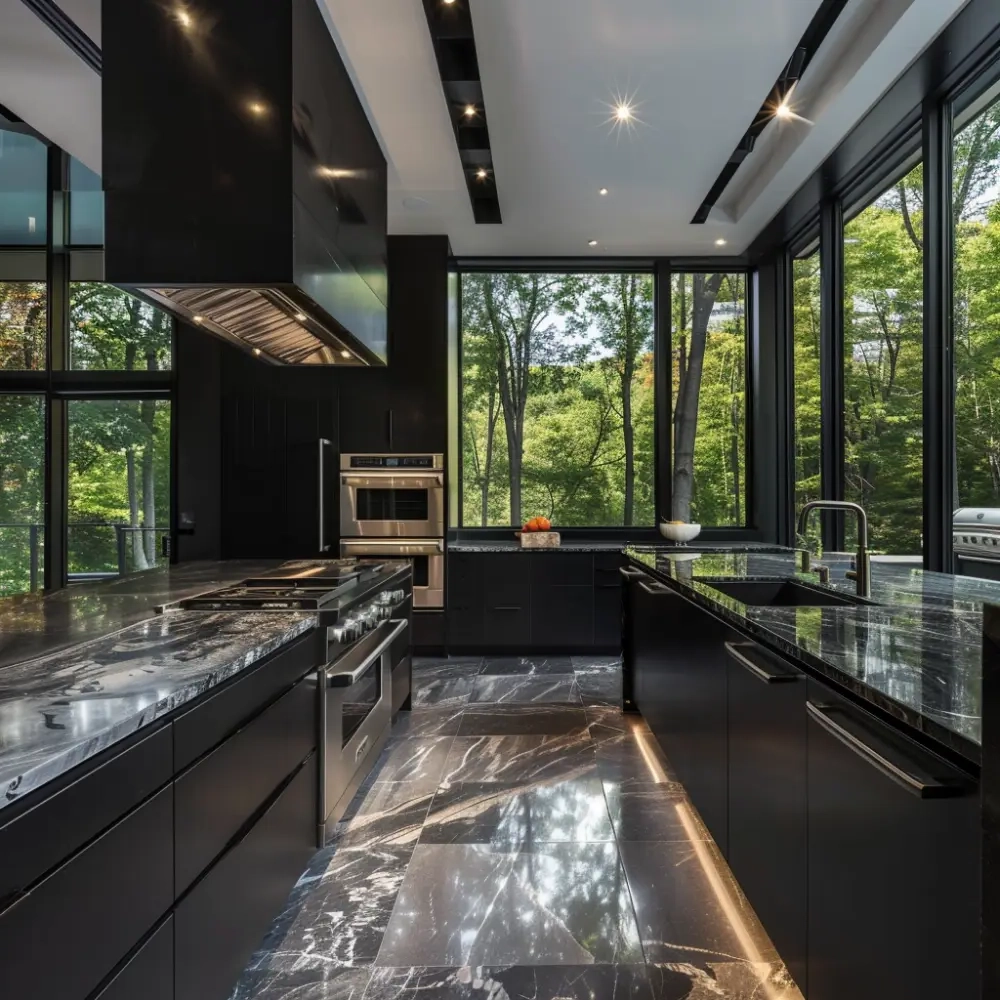
Modern consumers are gravitating toward minimalism, and black kitchens perfectly embody this aesthetic. The clean lines and simple forms of black cabinetry speak to our desire for order and simplicity. Black kitchens often feature smooth surfaces and uncluttered spaces, which naturally promote a sense of calm. This design philosophy resonates with people who want their kitchen to feel like a retreat from the chaos of daily life. The psychological benefit here is clear: a well-designed black kitchen can reduce stress levels and improve overall well-being. Think about how a minimalist black kitchen feels different from a traditional white kitchen. While white kitchens offer brightness and cleanliness, black kitchens provide depth and character. They’re bold yet refined, creating an environment that feels both luxurious and functional. The modern appeal of black kitchens comes from their ability to make small spaces feel larger and more sophisticated.
Cultural Perceptions and Social Significance
Black has different meanings across cultures and societies, and these cultural associations play a role in its acceptance in kitchen design. In Western culture, black has evolved from mourning to luxury and sophistication. Today’s homeowners see black kitchens as a sign of taste and modernity. The social psychology behind this choice is fascinating. People choose black kitchens because they want to signal to others that they appreciate contemporary design and have good taste. This isn’t just vanity—it’s about creating a space that reflects one’s identity and values. In many ways, a black kitchen becomes a conversation starter, allowing homeowners to share their aesthetic preferences and design sensibilities. The color carries weight in social settings, often conveying success, creativity, and attention to detail. This social dimension adds another layer to why people choose black over other colors for their kitchen spaces.
Practical Considerations and Long-term Satisfaction
Beyond the psychological benefits, there are practical aspects to consider when choosing black for kitchen decor. Black kitchens require more maintenance than lighter colors, as they show fingerprints and smudges more readily. However, this challenge can be overcome with proper materials and cleaning routines. The key is selecting high-quality finishes and being prepared to maintain the space regularly. From a longevity perspective, black kitchens tend to age well, maintaining their appeal for years. Unlike trendy colors that may feel dated quickly, black remains timeless. This durability factor appeals to people who want their kitchen investment to last. The practical consideration of maintenance versus long-term satisfaction often tips the scales in favor of black kitchens for many homeowners. The psychological reward of having a space that feels uniquely yours outweighs the extra care required.
Balancing Black with Other Elements for Optimal Impact
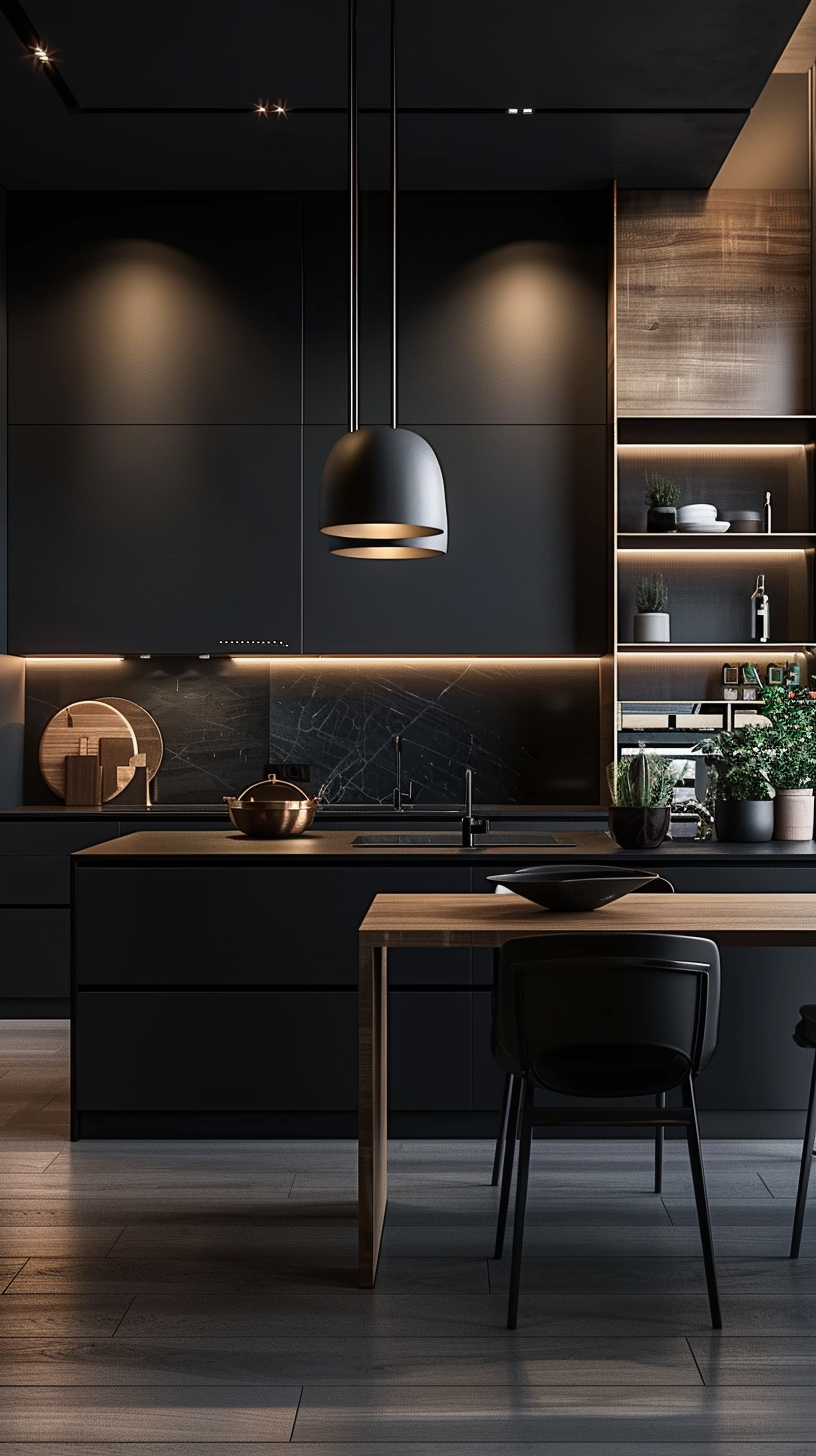
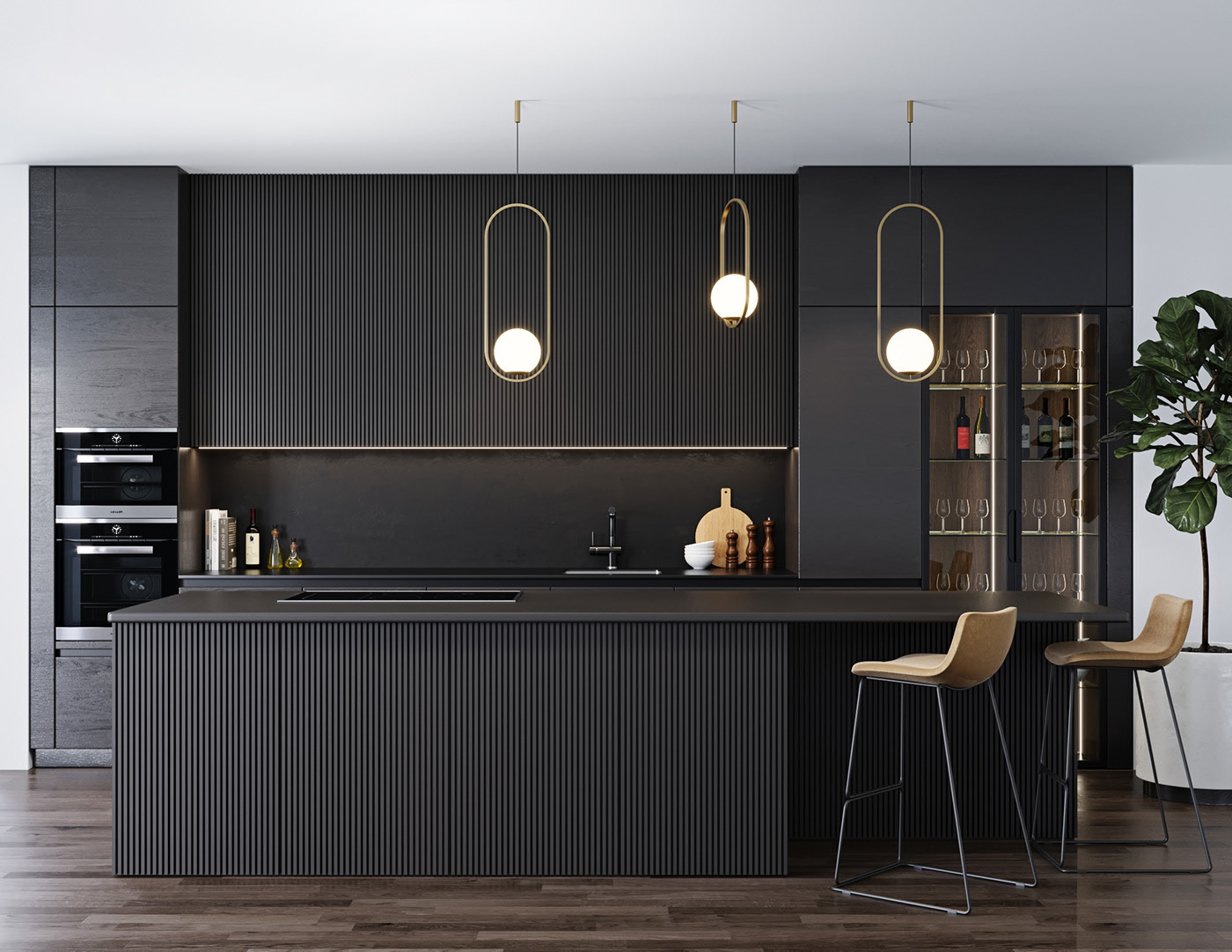
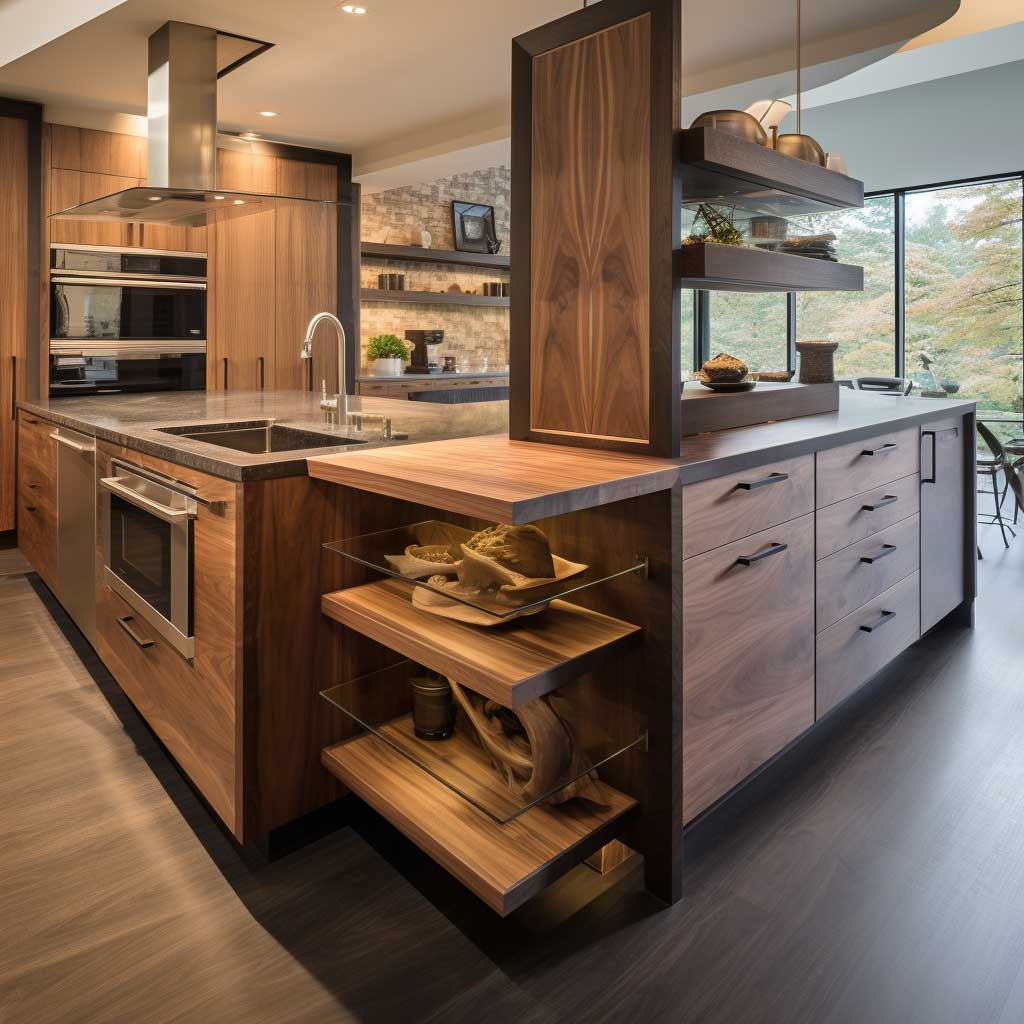
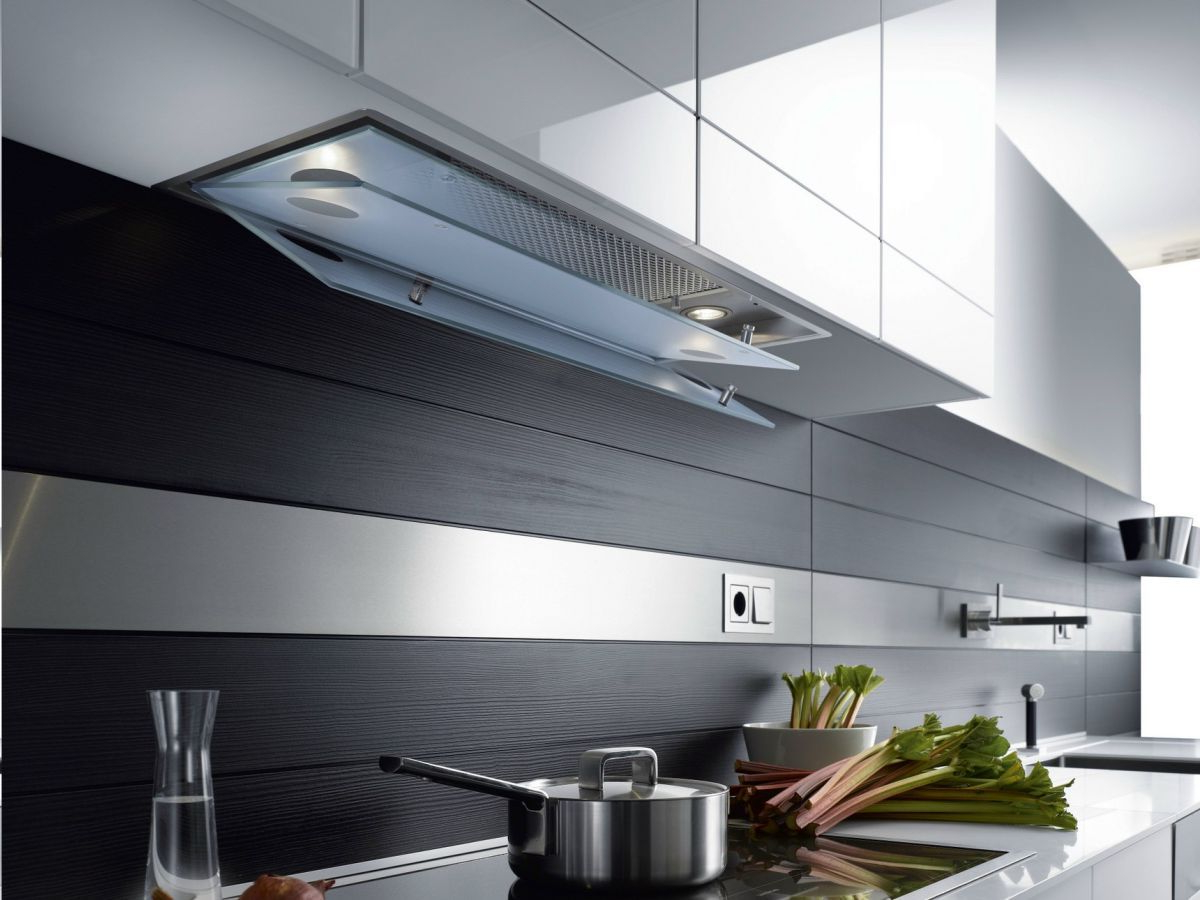
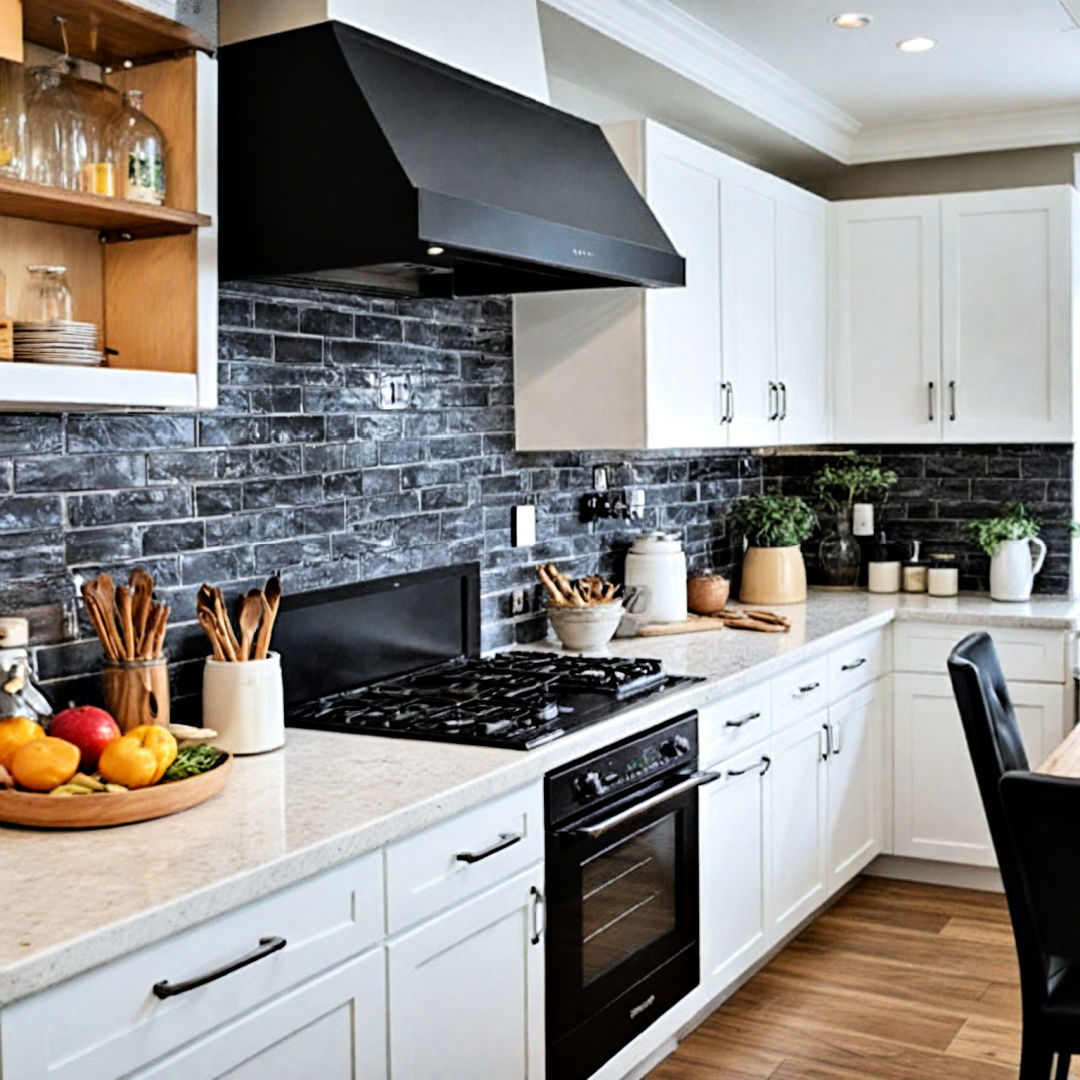
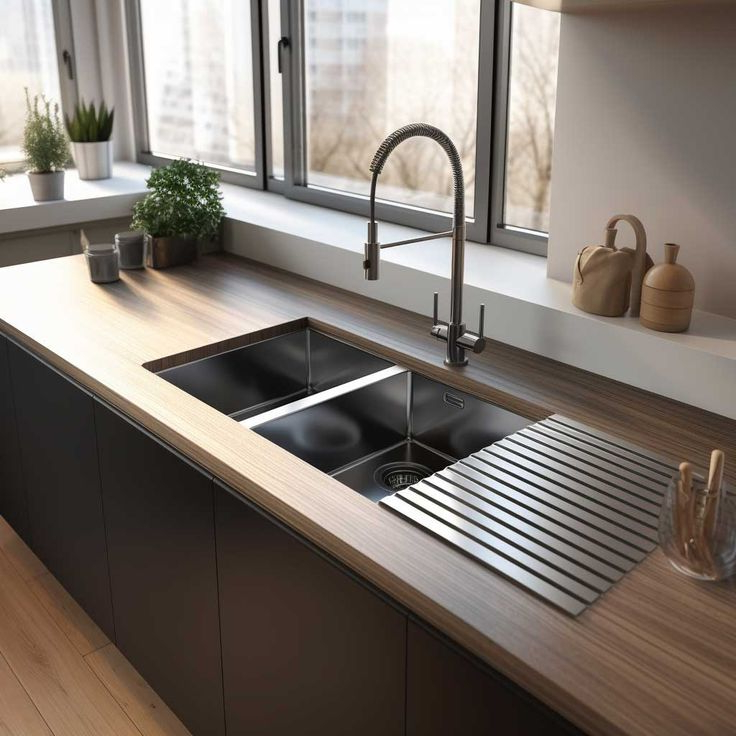
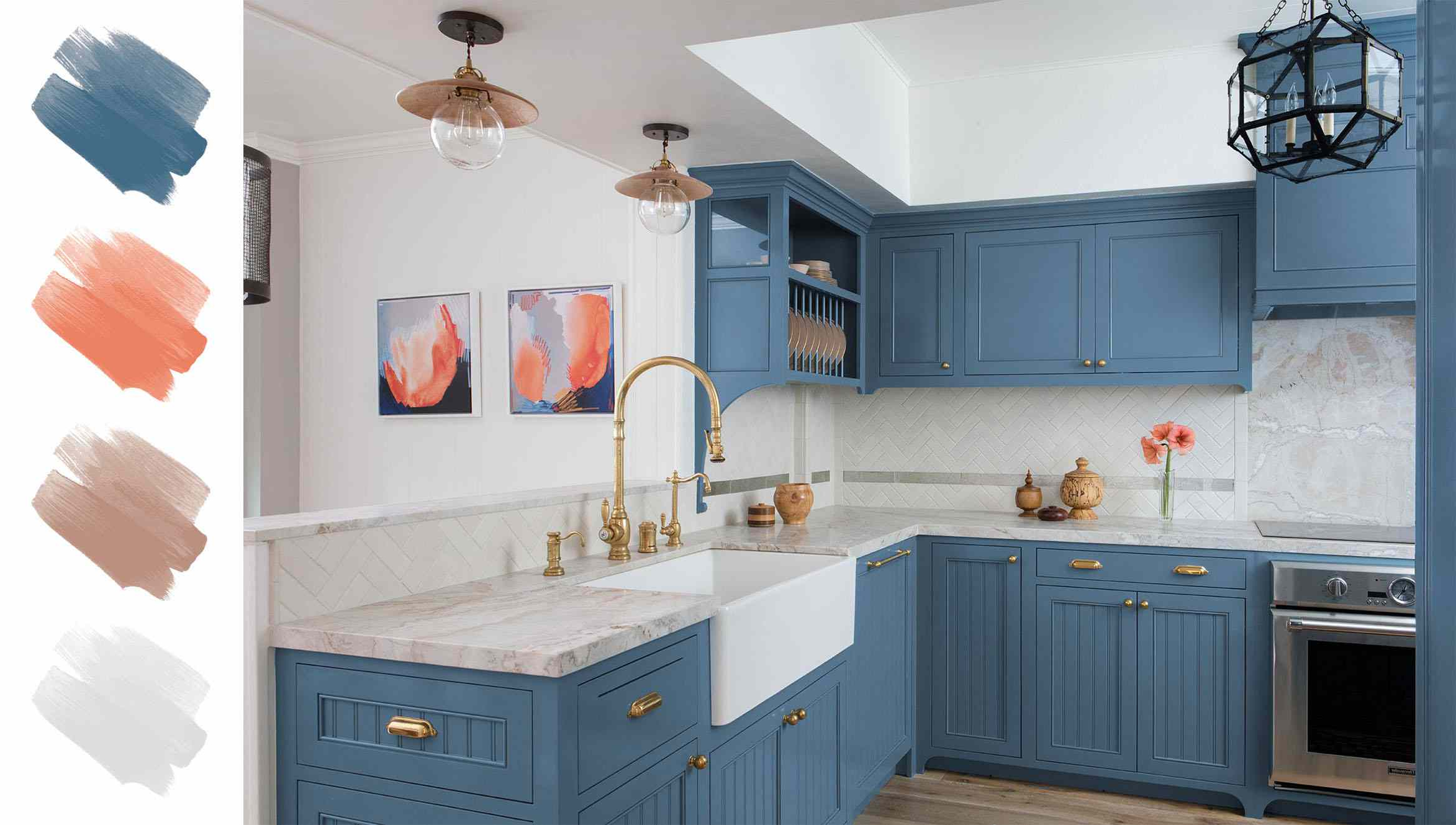
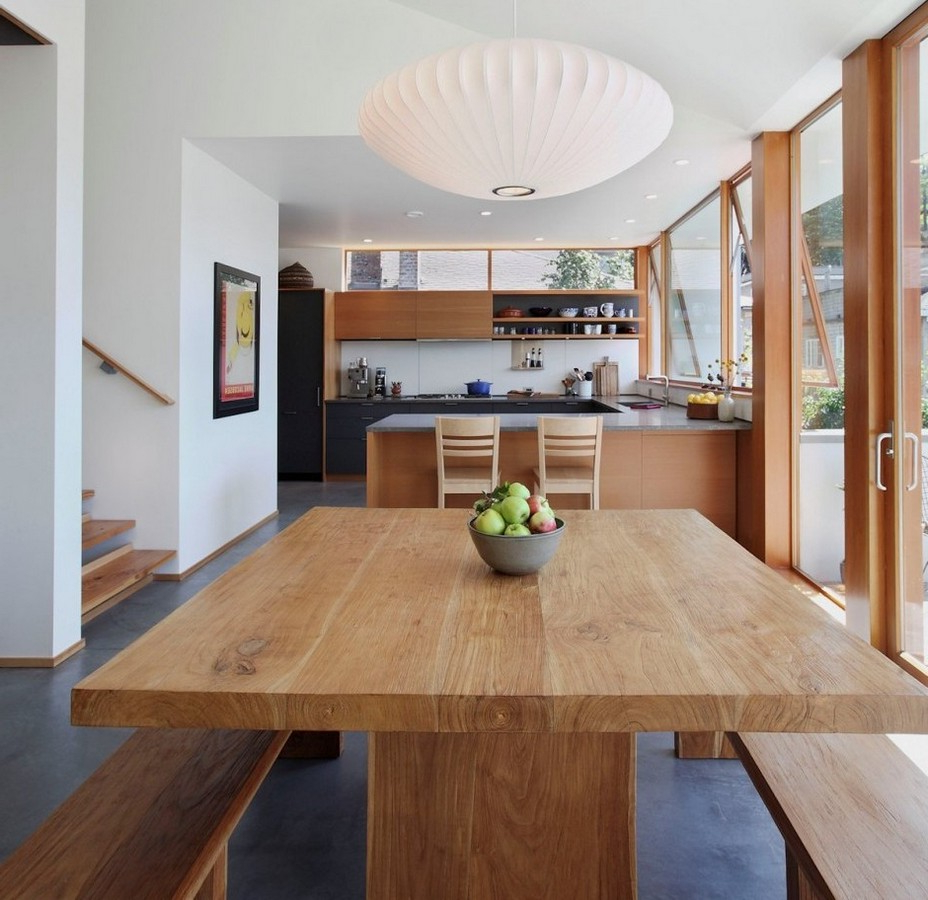
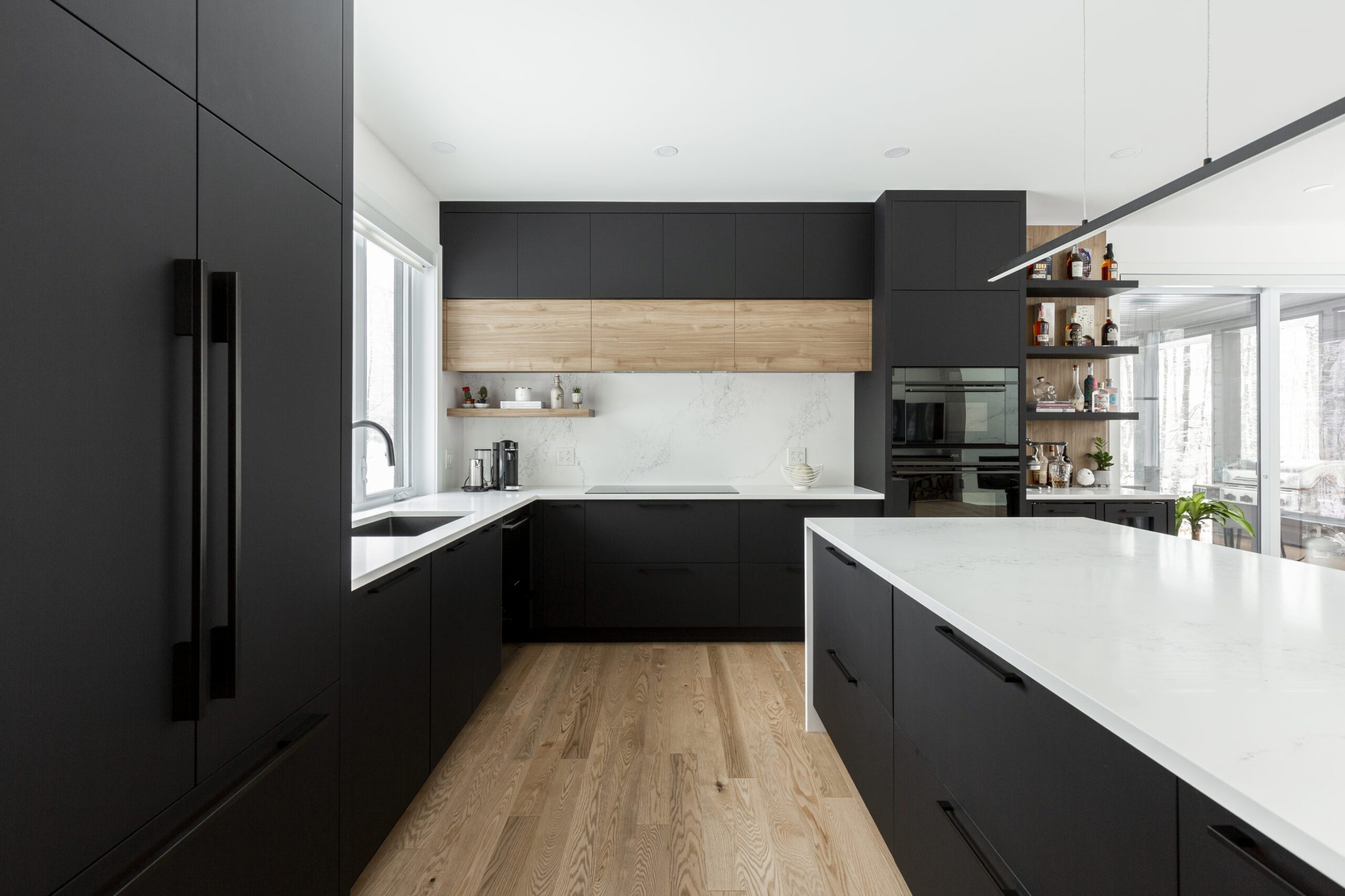
The secret to successful black kitchen design lies in balancing the dominant color with other elements. Adding natural wood tones, brass fixtures, or even pops of bright color can create visual harmony. These contrasting elements prevent the space from feeling monotonous or overly dramatic. For instance, pairing black cabinets with warm wooden countertops can create a welcoming atmosphere. The psychology of contrast plays a vital role here—the interplay between dark and light creates visual interest and prevents monotony. Many successful black kitchens incorporate metallic accents like brushed nickel or copper hardware to add warmth and sophistication. Lighting also becomes crucial when working with black. Proper illumination can make or break a black kitchen, ensuring that the space feels bright and airy rather than dark and foreboding. Strategic placement of lighting fixtures and the use of reflective surfaces can help maintain the psychological benefits of the color while avoiding the potential negatives.
Choosing black for kitchen decor is more than a design decision—it’s a psychological choice that reflects our inner desires for sophistication, control, and personal expression. The color’s ability to create depth, convey elegance, and provide a sense of calm makes it incredibly appealing to modern homeowners. While it requires careful planning and ongoing maintenance, the psychological rewards often outweigh the practical challenges. Black kitchens represent a shift toward more intentional design choices that prioritize emotional well-being alongside aesthetic appeal. Whether you’re drawn to the power of darkness or the timeless elegance it provides, the psychology behind black kitchen choices speaks to something fundamental about how we want our homes to make us feel. The key is finding the right balance that honors both the psychological benefits and practical realities of living with this bold color choice.
[sps_html tag=”img” src=”https://roofdrivein.com/wp-content/uploads/2026/01/24-modern-black-kitchen-ideas-to-inspire-you-modern-black-kitchen-regarding-modern-kitchen-black.png” alt=”24 Modern Black Kitchen Ideas To Inspire You | Modern Black Kitchen … regarding Modern Kitchen Black” style=”width: 100%; height: auto;”]
[sps_html tag=”img” src=”https://roofdrivein.com/wp-content/uploads/2026/01/modern-black-kitchen-cabinets-pertaining-to-modern-kitchen-black-scaled.jpg” alt=”Modern Black Kitchen Cabinets pertaining to Modern Kitchen Black” style=”width: 100%; height: auto;”]
[sps_html tag=”img” src=”https://roofdrivein.com/wp-content/uploads/2026/01/7-stunning-ideas-for-modern-dark-kitchen-designs-333-images-throughout-modern-kitchen-black.png” alt=”7+ Stunning Ideas For Modern Dark Kitchen Designs • 333+ Images … throughout Modern Kitchen Black” style=”width: 100%; height: auto;”]
[sps_html tag=”img” src=”https://roofdrivein.com/wp-content/uploads/2026/01/black-modern-kitchen-on-behance-with-modern-kitchen-black.jpg” alt=”Black Modern Kitchen On Behance with Modern Kitchen Black” style=”width: 100%; height: auto;”]
[sps_html tag=”img” src=”https://roofdrivein.com/wp-content/uploads/2026/01/30-black-modern-kitchen-ideas-for-an-air-of-sophistication-with-modern-kitchen-black.webp” alt=”30 Black Modern Kitchen Ideas For An Air Of Sophistication with Modern Kitchen Black” style=”width: 100%; height: auto;”]