Your kitchen deserves more than just pretty looks. It needs surfaces that can handle daily chaos while looking absolutely stunning. Whether you’re planning a full renovation or just updating your countertops, picking the right materials feels like choosing the perfect partner – you want something that’s both beautiful and reliable.
Kitchens are the heart of many homes, and they’re often the most used rooms in the house. That means your surfaces take a beating every single day. From chopping vegetables to cleaning up spills, your countertops, flooring, and walls see constant action. But here’s the thing – you don’t have to sacrifice style for function. The right materials can make your kitchen both gorgeous and practical. This guide walks you through the key considerations when selecting surfaces and finishes for your modern kitchen, helping you make smart choices that will last.
Understanding Kitchen Surface Materials
Choosing the right surface material is like picking out a wardrobe – it needs to match your lifestyle, your budget, and your aesthetic preferences. Let’s break down some of the most popular options:
• Granite: This natural stone offers incredible durability and unique patterns. Each slab is one-of-a-kind, giving your kitchen a truly special look. Granite is resistant to heat and scratches, though it does require periodic sealing.
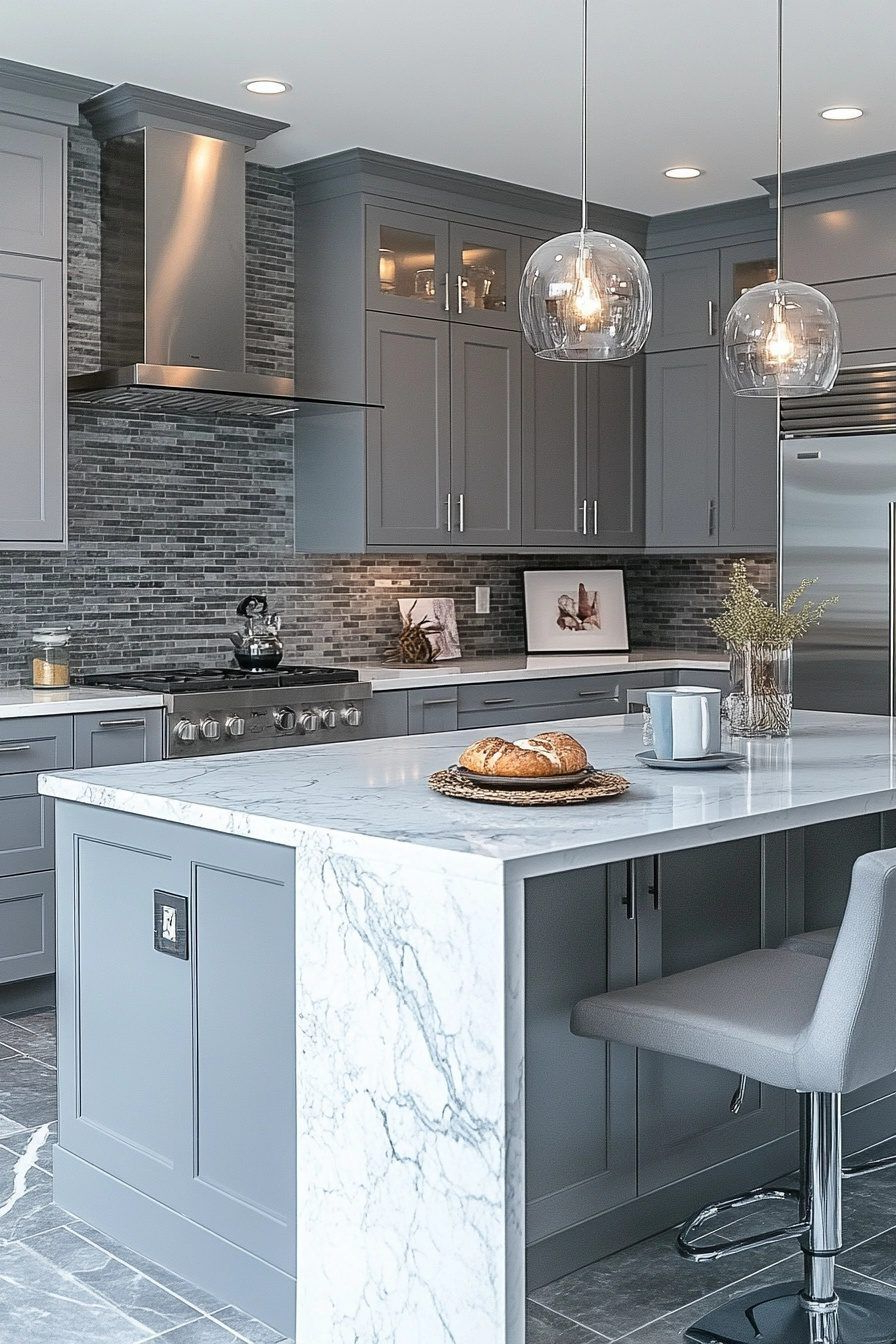
• Quartz: Engineered to be incredibly strong, quartz is non-porous and doesn’t need sealing. It comes in a wide range of colors and patterns, making it a versatile choice. Plus, it’s easy to clean and maintain.
• Marble: With its elegant veining and timeless appeal, marble brings luxury to any kitchen. However, it’s softer than granite and requires regular maintenance to prevent staining.
• Solid Surface: These man-made materials offer seamless installation and can be easily repaired if damaged. They’re available in many colors and can be shaped to fit unusual designs.
• Wood: For a warm, organic feel, wood surfaces bring character to kitchens. They’re not as durable as stone but can be refinished multiple times. Just keep in mind they may need protection from moisture and heat.
The Importance of Durability and Maintenance
Let’s get real for a moment – your kitchen surfaces aren’t going to stay pristine forever. You’re going to drop a heavy pot, spill wine, or maybe accidentally cut into your countertop. So, what kind of wear and tear can each surface handle?
Durability matters more than you might think. Here’s what to consider:
• Heat Resistance: Some materials handle high temperatures better than others. Granite and quartz are excellent choices if you frequently cook with hot pans.
• Scratch Resistance: If you’re a heavy knife user, you’ll want a surface that can stand up to sharp edges. Quartz and granite usually win here.
• Stain Resistance: Spills happen, and some materials resist them better than others. Quartz and solid surface materials typically fare well against common kitchen stains.
• Maintenance Needs: Some surfaces require regular sealing or special cleaning products. Others are low-maintenance and just need a quick wipe-down.
Remember, the right balance between beauty and usability is what makes a kitchen work for you.
Color and Pattern Considerations
The colors and patterns you choose can completely change how your kitchen feels. Are you going for a bright, airy space? Or do you prefer a dramatic, cozy atmosphere? Your surface choices play a huge role in setting that mood.
When thinking about color:
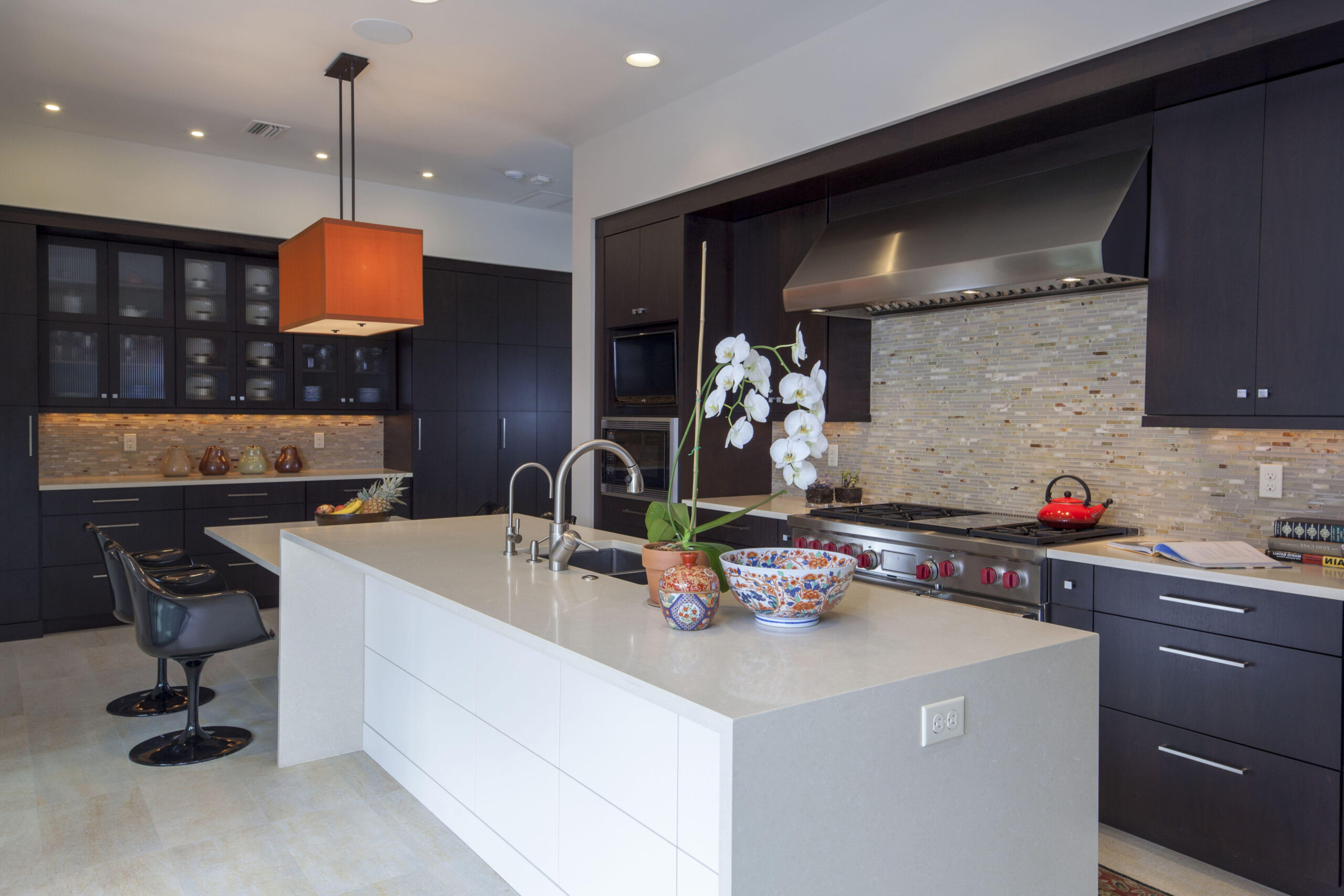
• Light Colors: White, cream, and light gray countertops can make small kitchens feel bigger and brighter. They also tend to hide water marks and stains better.
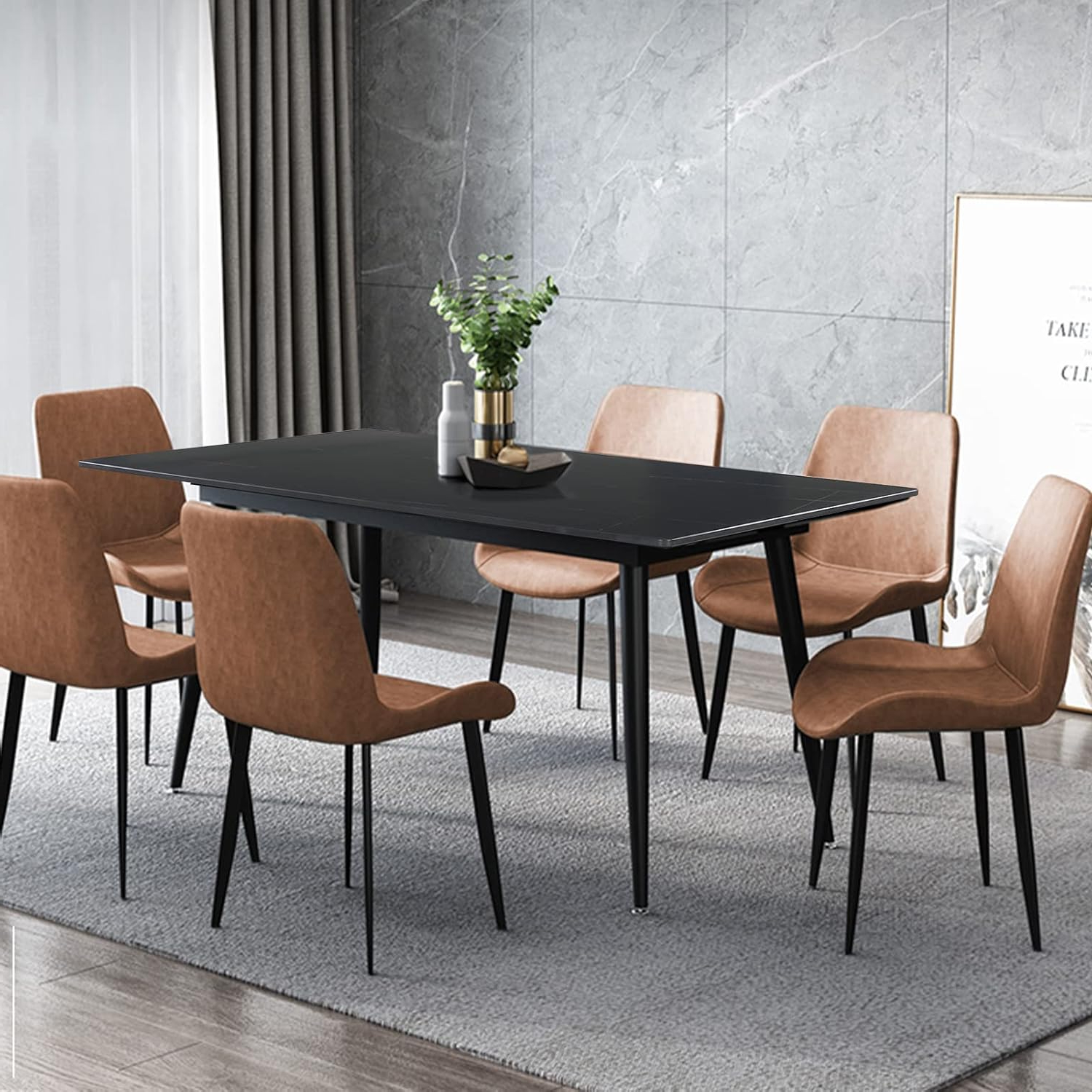
• Dark Colors: Deep grays and blacks add sophistication and make a bold statement. They’re great for larger kitchens and can hide dirt and smudges.
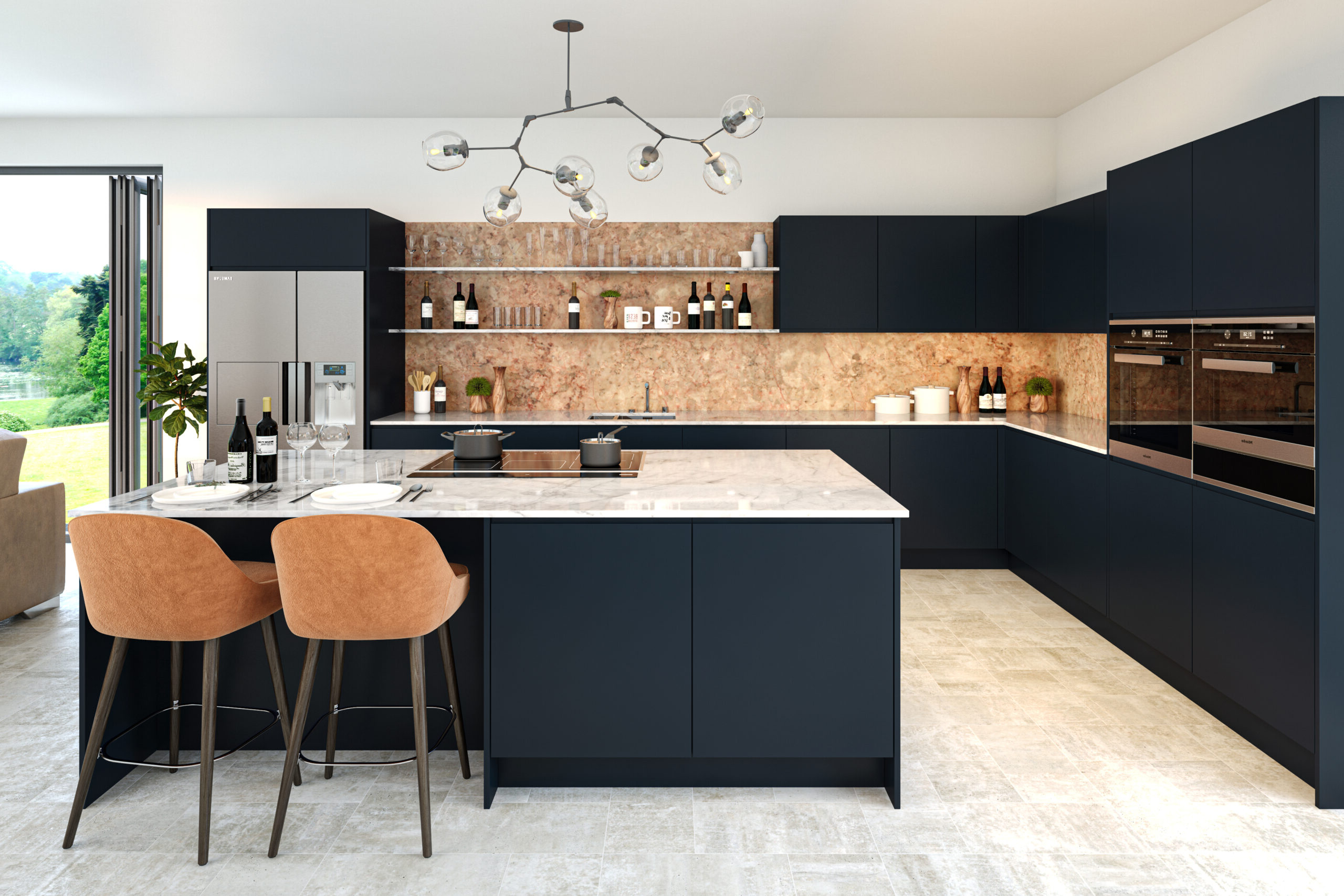
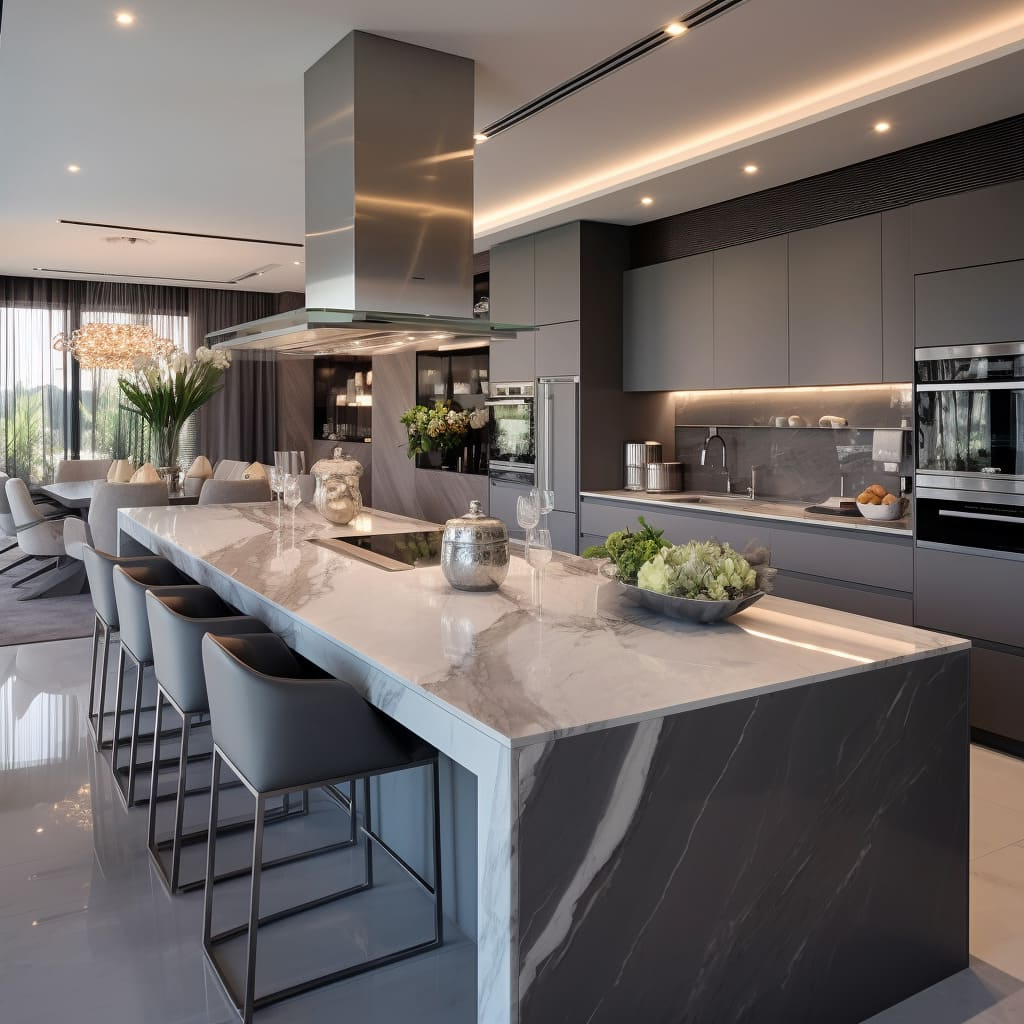
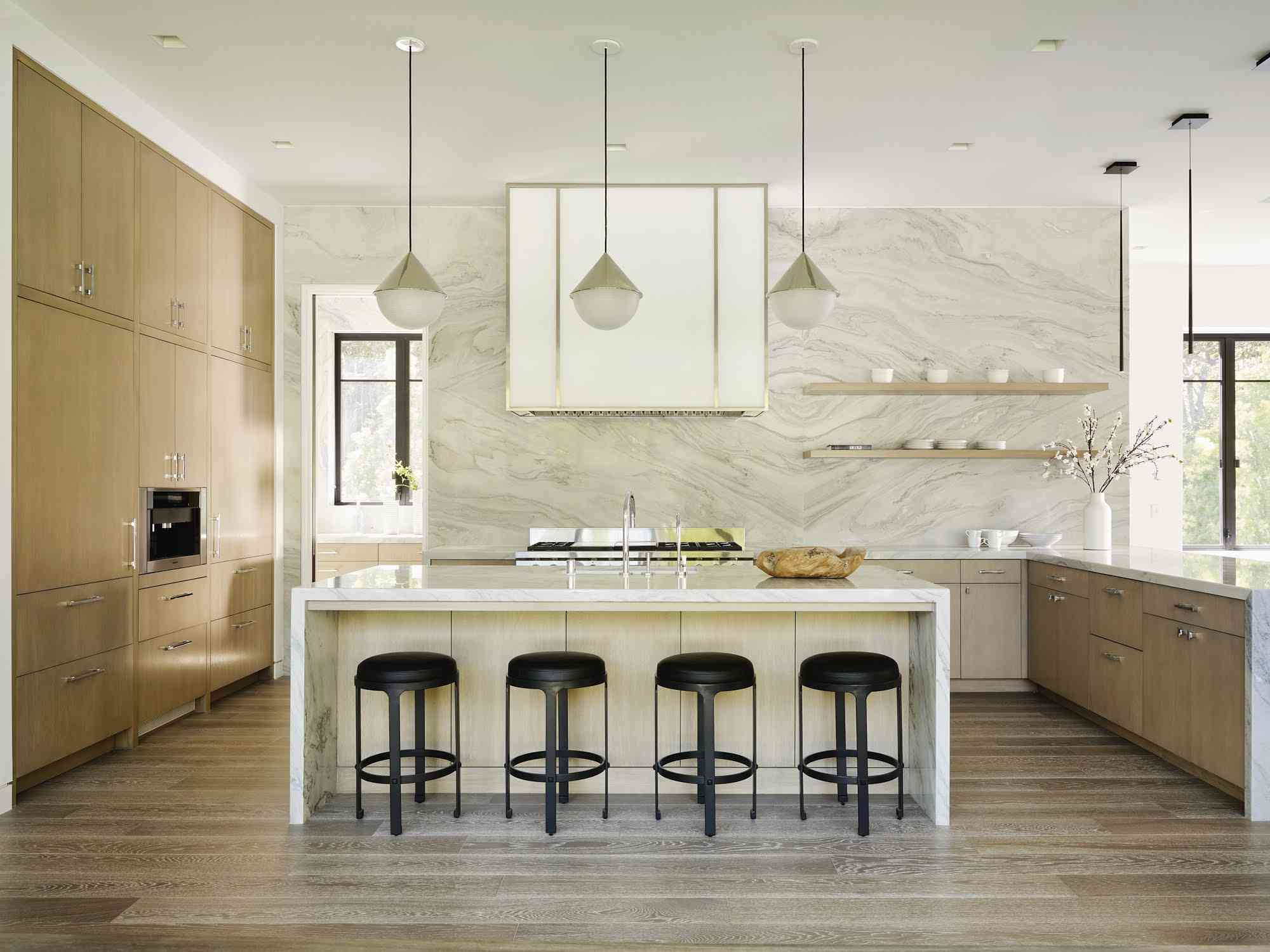
• Patterned Surfaces: Natural stone like granite and marble brings visual interest through their unique patterns. Engineered options like quartz can mimic these looks while offering more consistency.
Consider how the colors interact with your cabinets, flooring, and backsplash. They should complement rather than compete with each other.
Budget-Friendly Options That Still Look Great
You don’t have to spend a fortune to get a stunning kitchen. There are plenty of affordable materials that still deliver quality and style. Here are some smart budget picks:
• Laminate: This is probably the most cost-effective option for kitchen surfaces. It comes in many styles and colors, and modern laminates are surprisingly durable. They’re also easy to install and replace if needed.
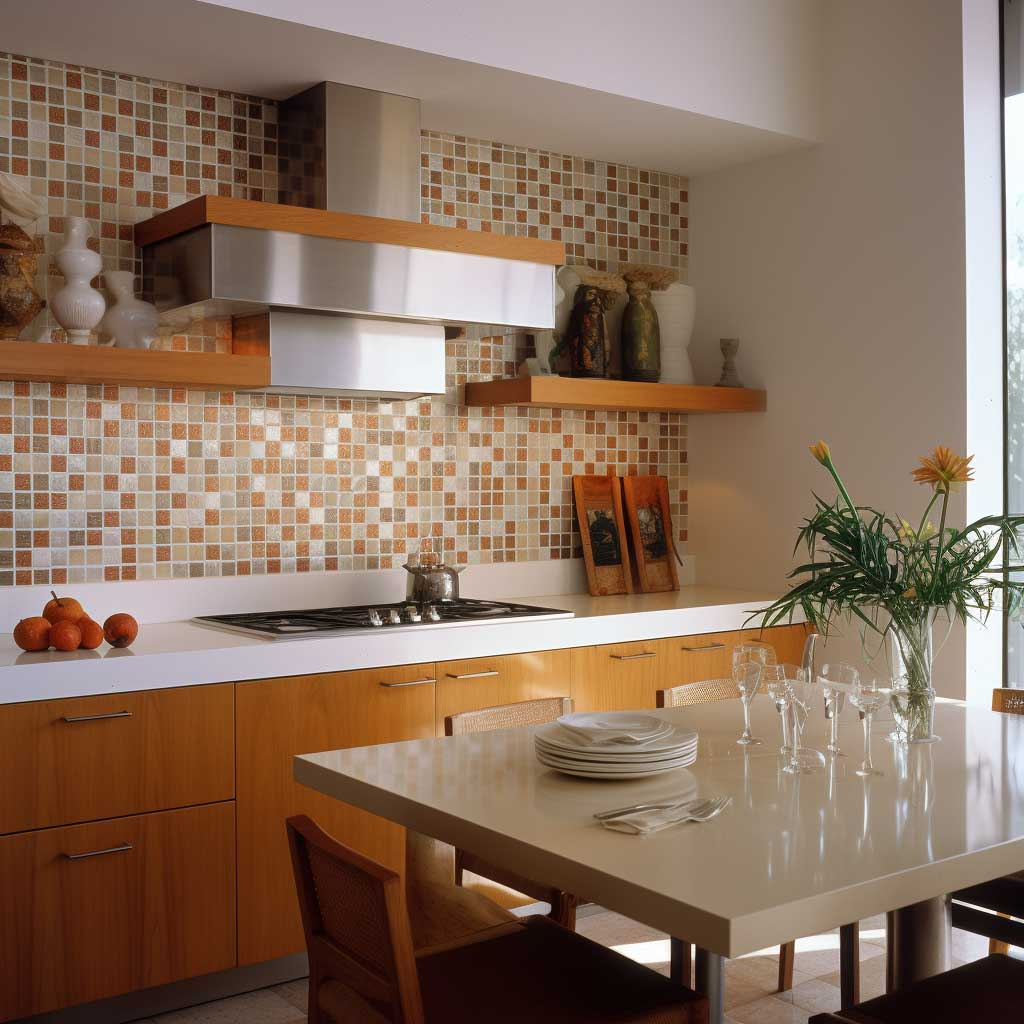
• Tile: Ceramic and porcelain tiles offer endless design possibilities. They’re affordable, easy to clean, and can be used for backsplashes, floors, or even countertops.
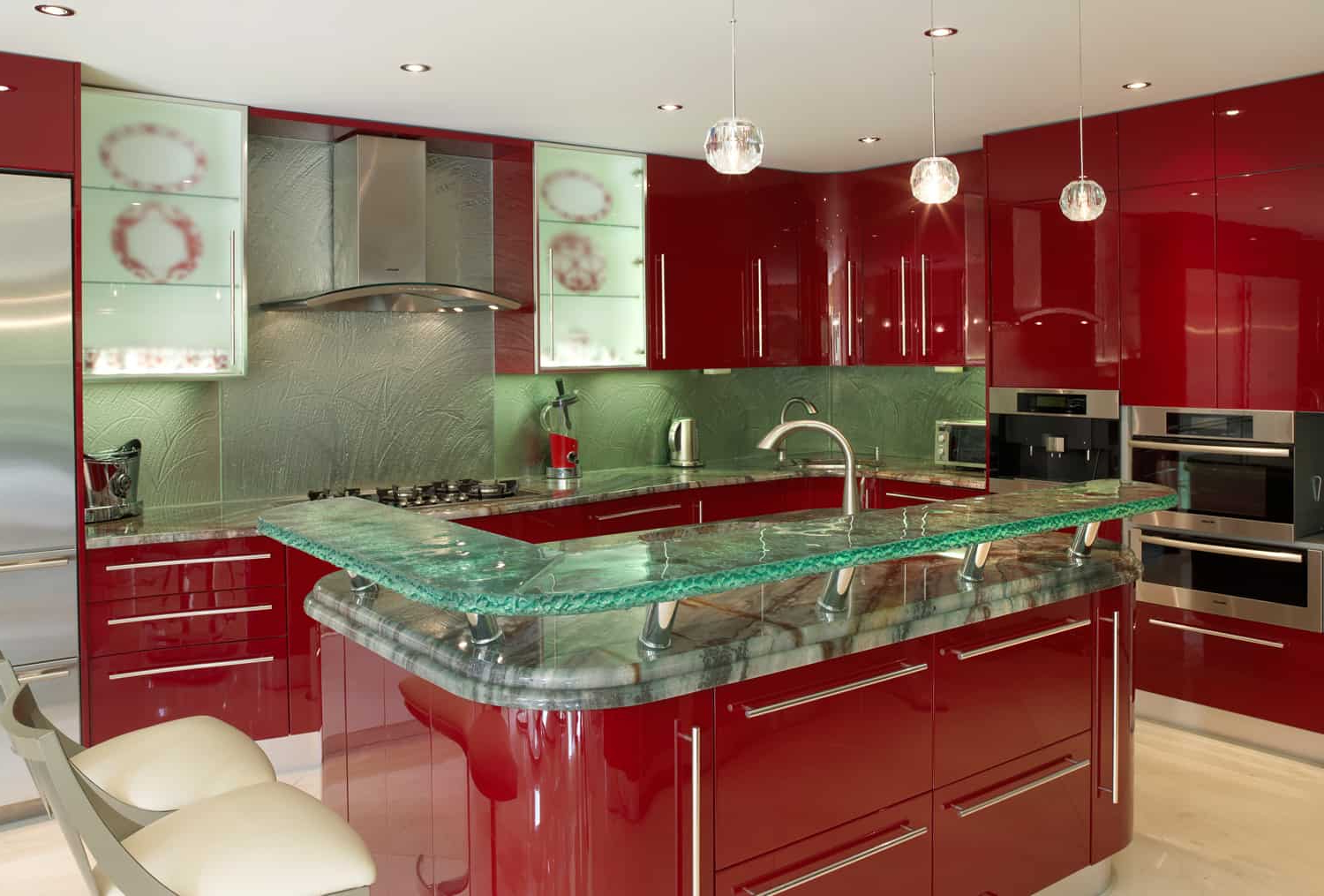
• Recycled Glass: This trendy material combines sustainability with eye-catching visuals. It’s more expensive than laminate but less than natural stone. It’s also highly resistant to stains and heat.
• Engineered Wood: While wood is generally pricier, engineered versions can give you that natural wood look at a lower cost. They’re also more stable and less prone to warping.
Don’t forget to factor in installation costs when comparing prices. Sometimes a cheaper material ends up being more expensive once you add labor.
Finishing Touches: Adding Personality and Functionality
Once you’ve chosen your main surfaces, it’s time to think about the details that really make a kitchen come alive. These finishing touches can turn a good kitchen into a great one.
• Edge Profiles: The way your countertops finish meets the wall or cabinet can dramatically change the look. Common options include straight edges, bullnose, ogee, and custom profiles.
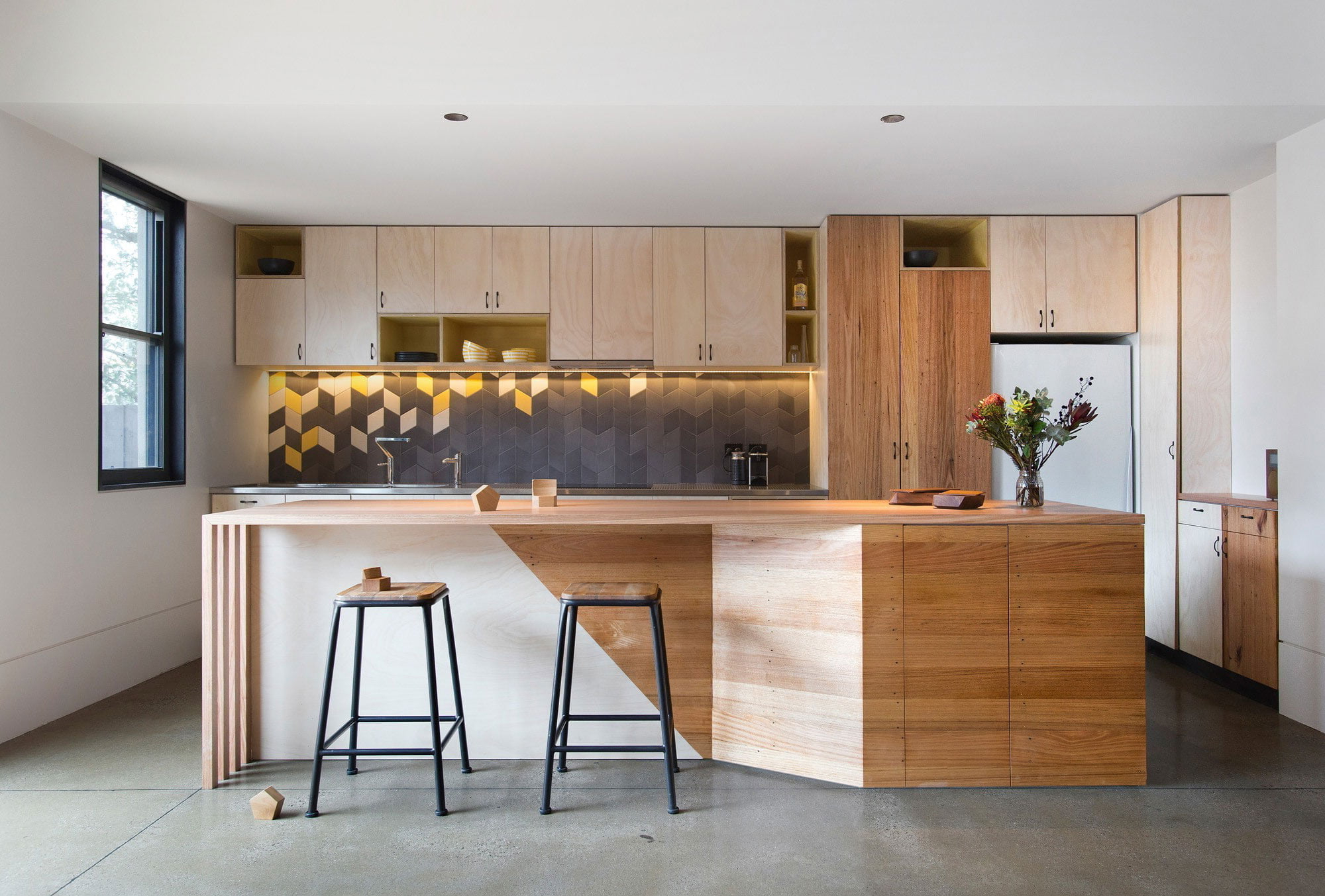
• Backsplash Materials: This is where you can really show off your personality. Tile, glass, metal, or even wood can create a striking focal point.
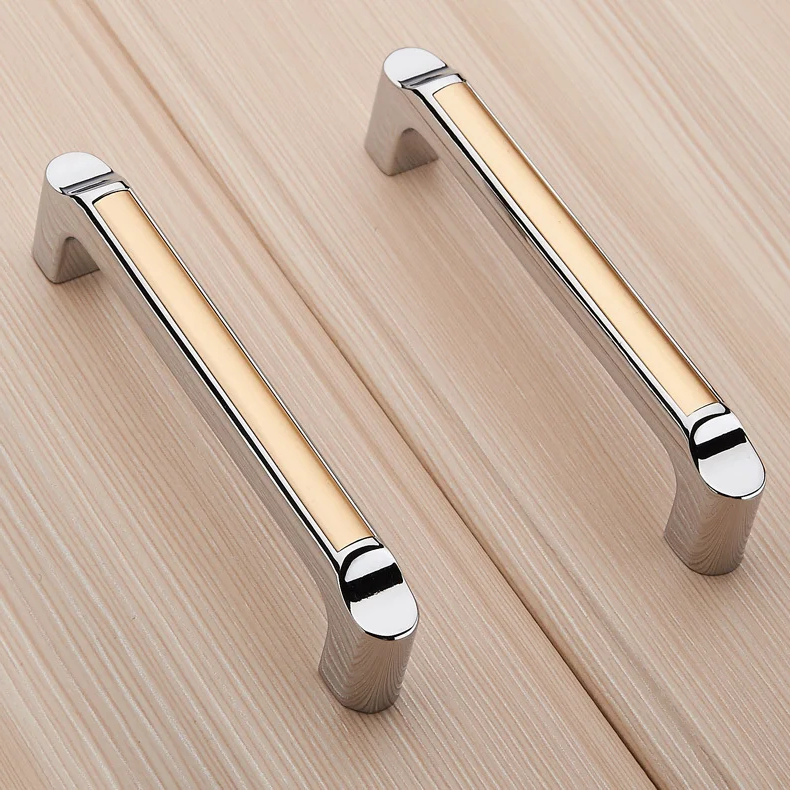
• Hardware Choices: From drawer pulls to cabinet handles, hardware affects both appearance and function. Choose materials that complement your surfaces – brushed brass with stone, matte black with wood.
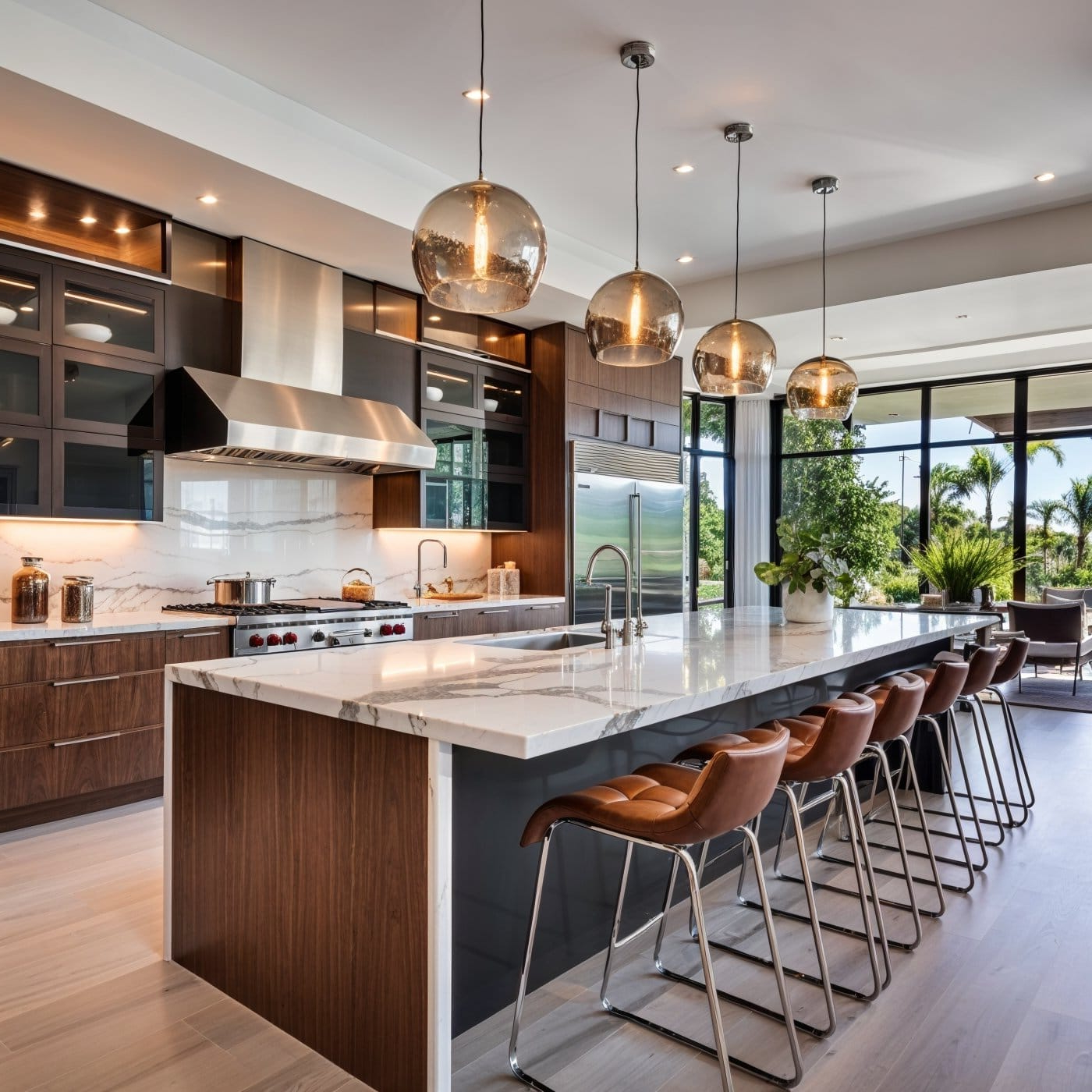
• Lighting: Proper lighting can make all the difference in how your surfaces appear. Consider under-cabinet lights, pendant lights, or recessed fixtures to highlight your materials.
Think of these elements as the final notes in a symphony – they tie everything together and make your kitchen uniquely yours.
Making the Final Decision
So you’ve researched all the options, compared costs, and thought about your lifestyle. Now comes the hard part – making a decision. Here are some final thoughts to help you decide:
• Think Long-Term: Will this material still look good in ten years? What happens if you move? Some materials hold their value better than others.
• Consider Your Lifestyle: If you have kids or entertain frequently, you might prioritize durability over aesthetics. If you’re a home chef, you might want materials that are easy to clean.
• Get Samples: Before committing, get samples of your top choices. Place them in your kitchen during different times of day to see how they look in various lighting conditions.
• Ask for Recommendations: Talk to friends who’ve renovated, local contractors, or designers. Real-world experiences can provide insights you might miss.
Remember, there’s no perfect choice – just the best choice for you. Trust your instincts and pick what feels right for your family and your home.
Choosing kitchen surfaces and finishes is both an art and a science. It’s about finding that sweet spot between beauty and functionality, where your materials support your daily life without compromising on style. Whether you’re drawn to the timeless elegance of natural stone or the modern appeal of engineered quartz, the key is understanding what each material brings to your space. Take your time, weigh your options carefully, and remember that the right surfaces will make your kitchen not just look good, but feel like home. After all, your kitchen should be a place where you want to spend time – and the right materials help make that possible.
[sps_html tag=”img” src=”https://roofdrivein.com/wp-content/uploads/2026/01/41-polished-modern-kitchen-design-ideas-to-consider-with-material-matters-choosing-the-right-surfaces-and-finishes-for-modern-kitchens.jpg” alt=”41 Polished Modern Kitchen Design Ideas To Consider with Material Matters: Choosing the Right Surfaces and Finishes for Modern Kitchens” style=”width: 100%; height: auto;”]
[sps_html tag=”img” src=”https://roofdrivein.com/wp-content/uploads/2026/01/50-best-modern-kitchen-design-ideas-for-2021-within-modern-kitchen.jpg” alt=”50 Best Modern Kitchen Design Ideas For 2021 within Modern Kitchen” style=”width: 100%; height: auto;”]
[sps_html tag=”img” src=”https://roofdrivein.com/wp-content/uploads/2026/01/universal-design-kitchens-modern-kitchen-design-modern-house-furniture-in-material-matters-choosing-the-right-surfaces-and-finishes-for-modern-kitchens.jpg” alt=”Universal Design Kitchens Modern Kitchen Design Modern - House Furniture in Material Matters: Choosing the Right Surfaces and Finishes for Modern Kitchens” style=”width: 100%; height: auto;”]
[sps_html tag=”img” src=”https://roofdrivein.com/wp-content/uploads/2026/01/kitchen-trends-2025-18-must-have-ideas-for-a-dream-kitchen-decorilla-for-material-matters-choosing-the-right-surfaces-and-finishes-for-modern-kitchens.jpeg” alt=”Kitchen Trends 2025: 18 Must-Have Ideas For A Dream Kitchen - Decorilla … for Material Matters: Choosing the Right Surfaces and Finishes for Modern Kitchens” style=”width: 100%; height: auto;”]
[sps_html tag=”img” src=”https://roofdrivein.com/wp-content/uploads/2026/01/modern-home-interior-design-kitchen-cabinets-matttroy-pertaining-to-material-matters-choosing-the-right-surfaces-and-finishes-for-modern-kitchens.jpg” alt=”Modern Home Interior Design Kitchen | Cabinets Matttroy pertaining to Material Matters: Choosing the Right Surfaces and Finishes for Modern Kitchens” style=”width: 100%; height: auto;”]