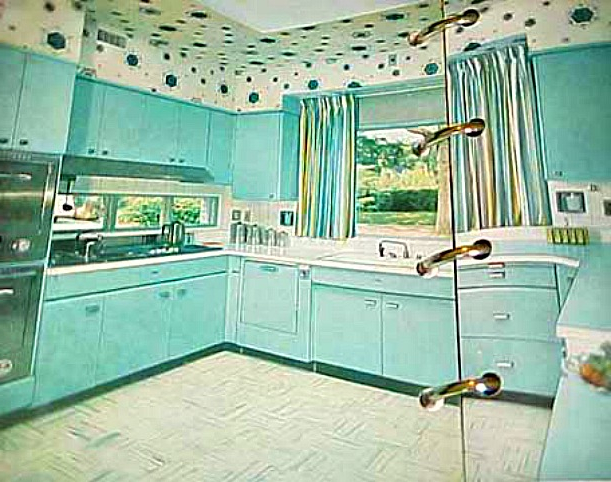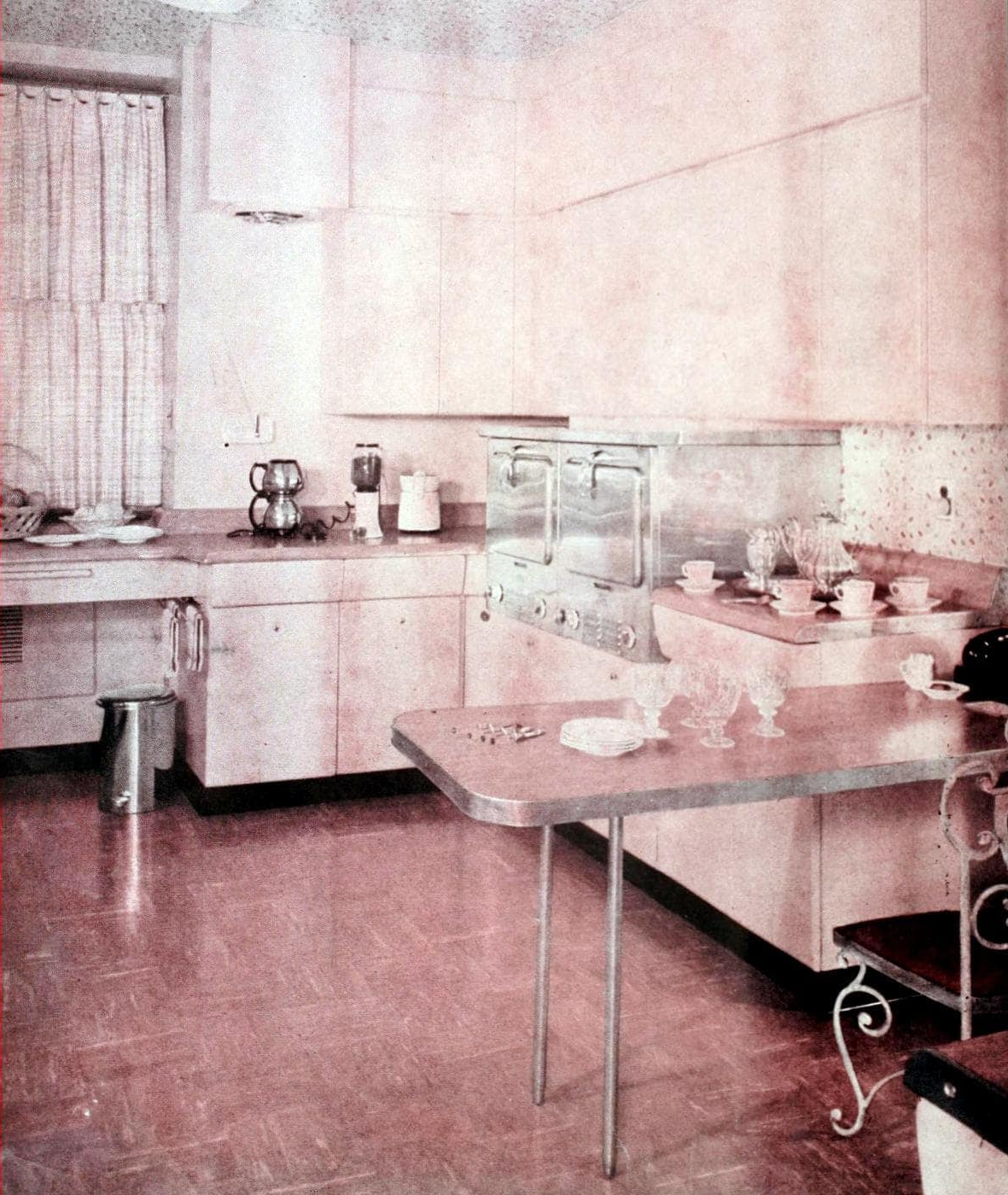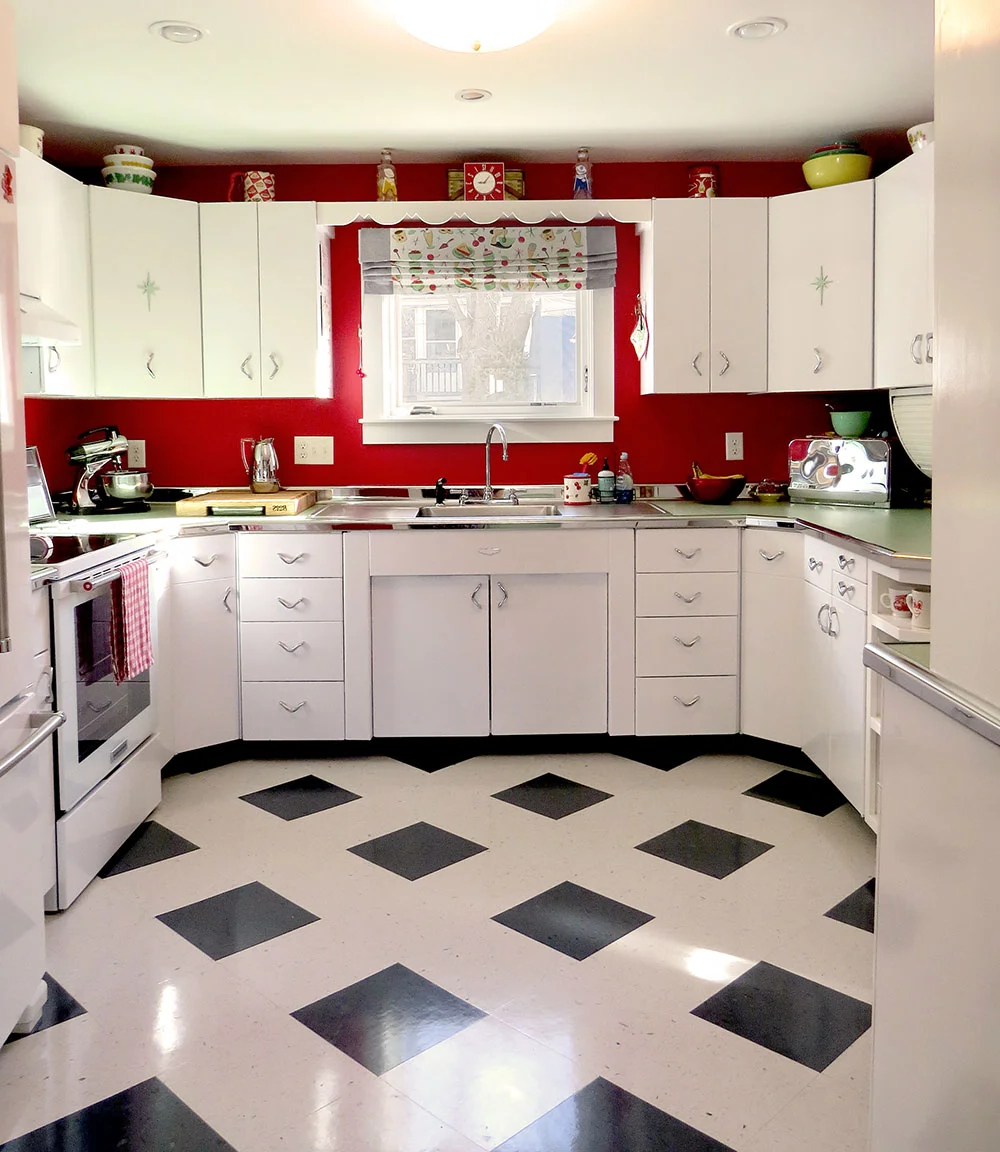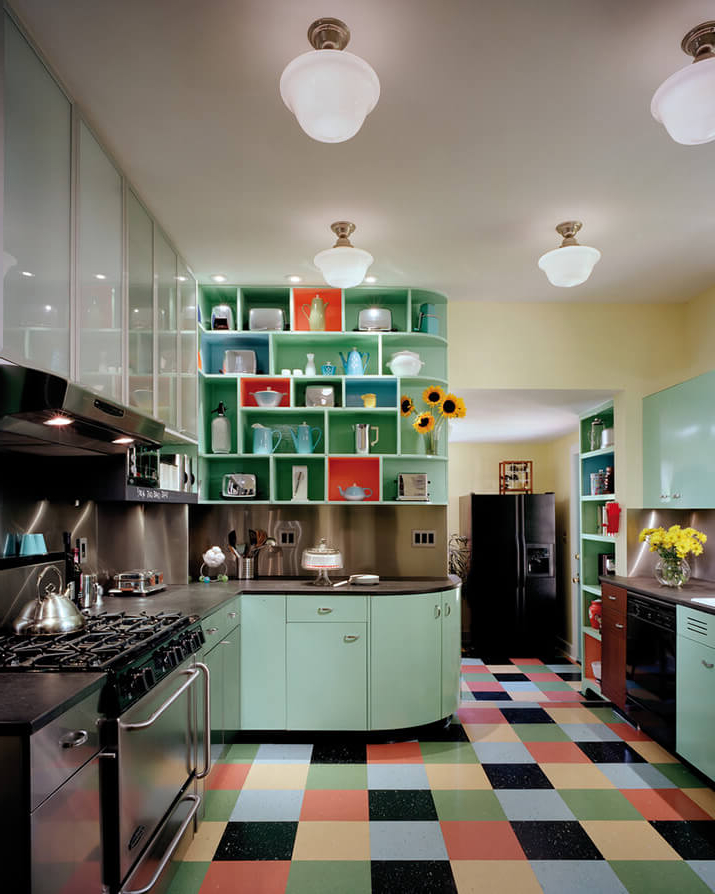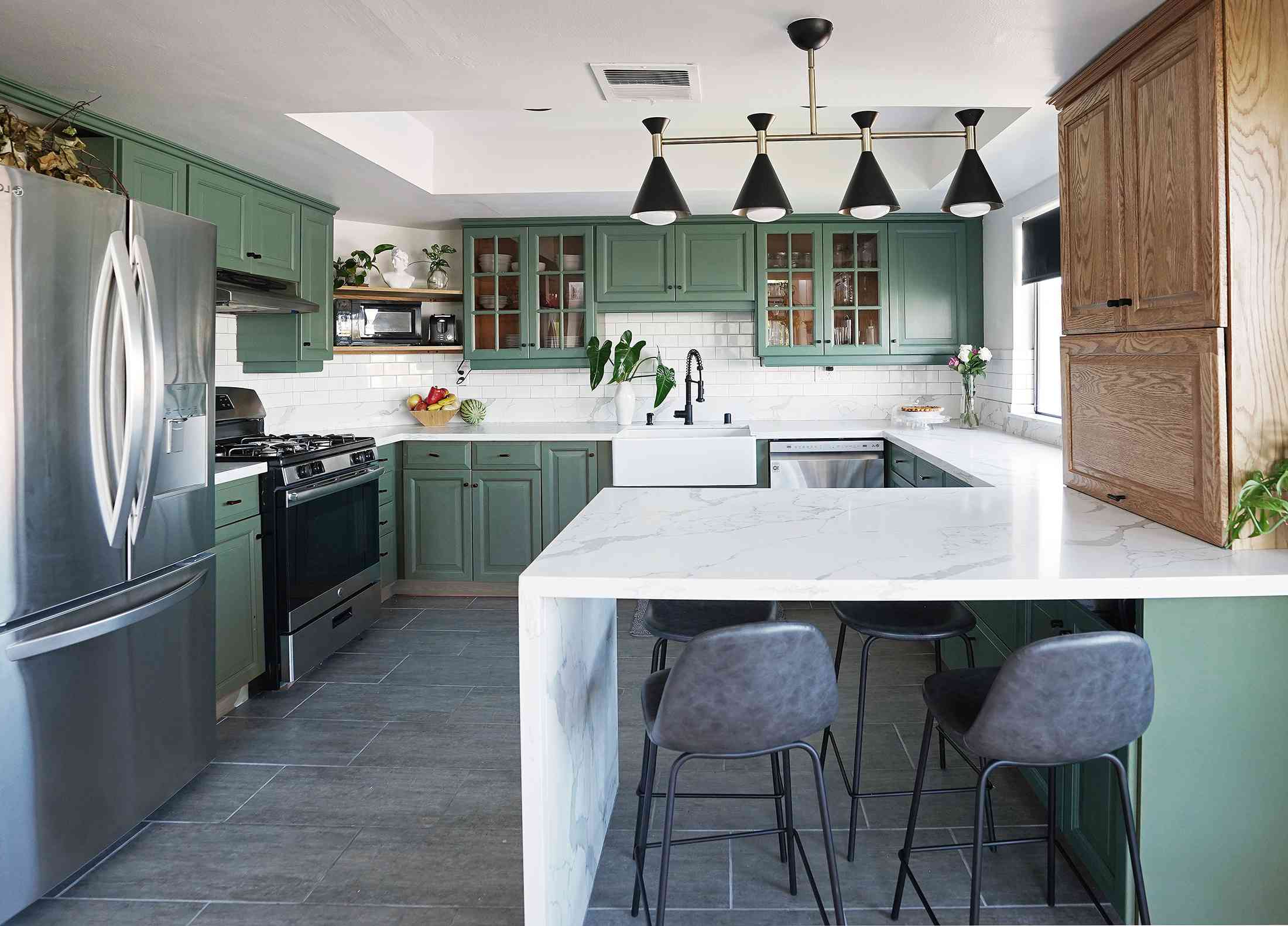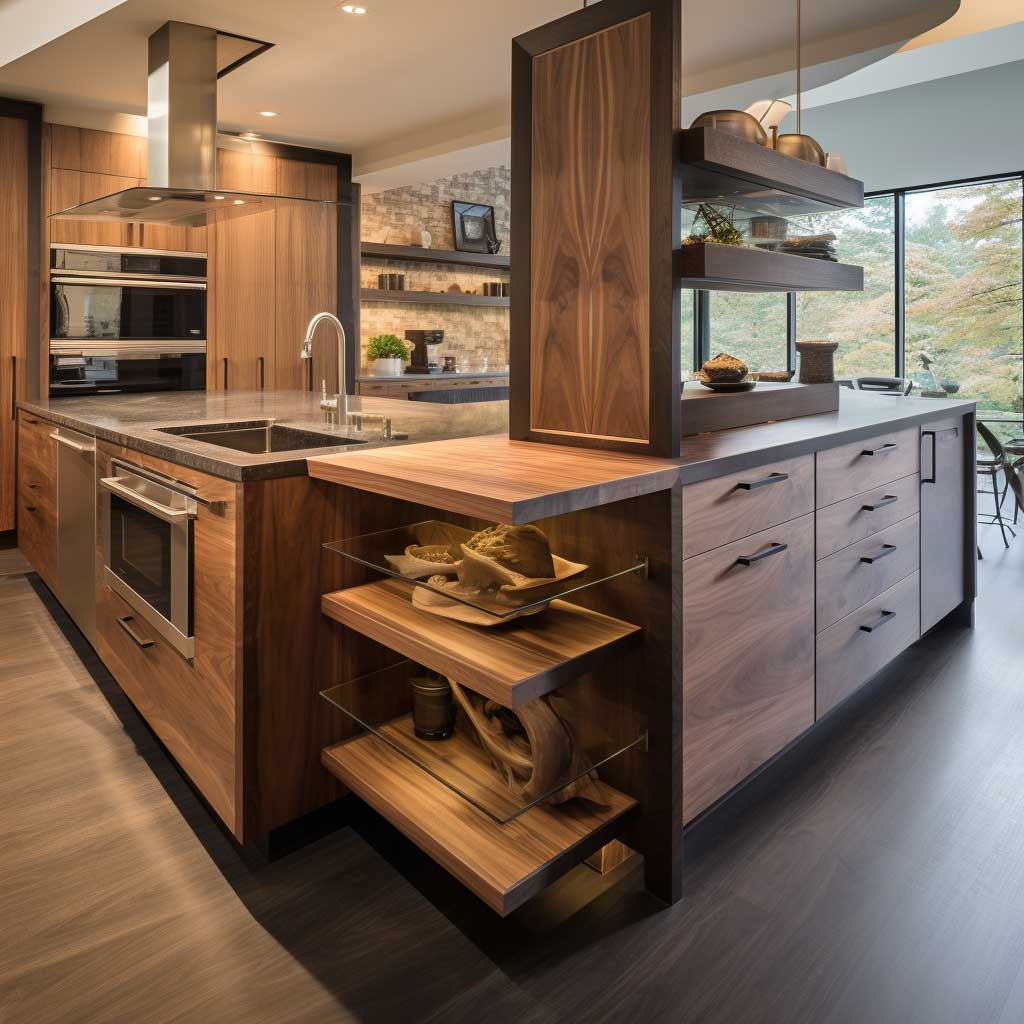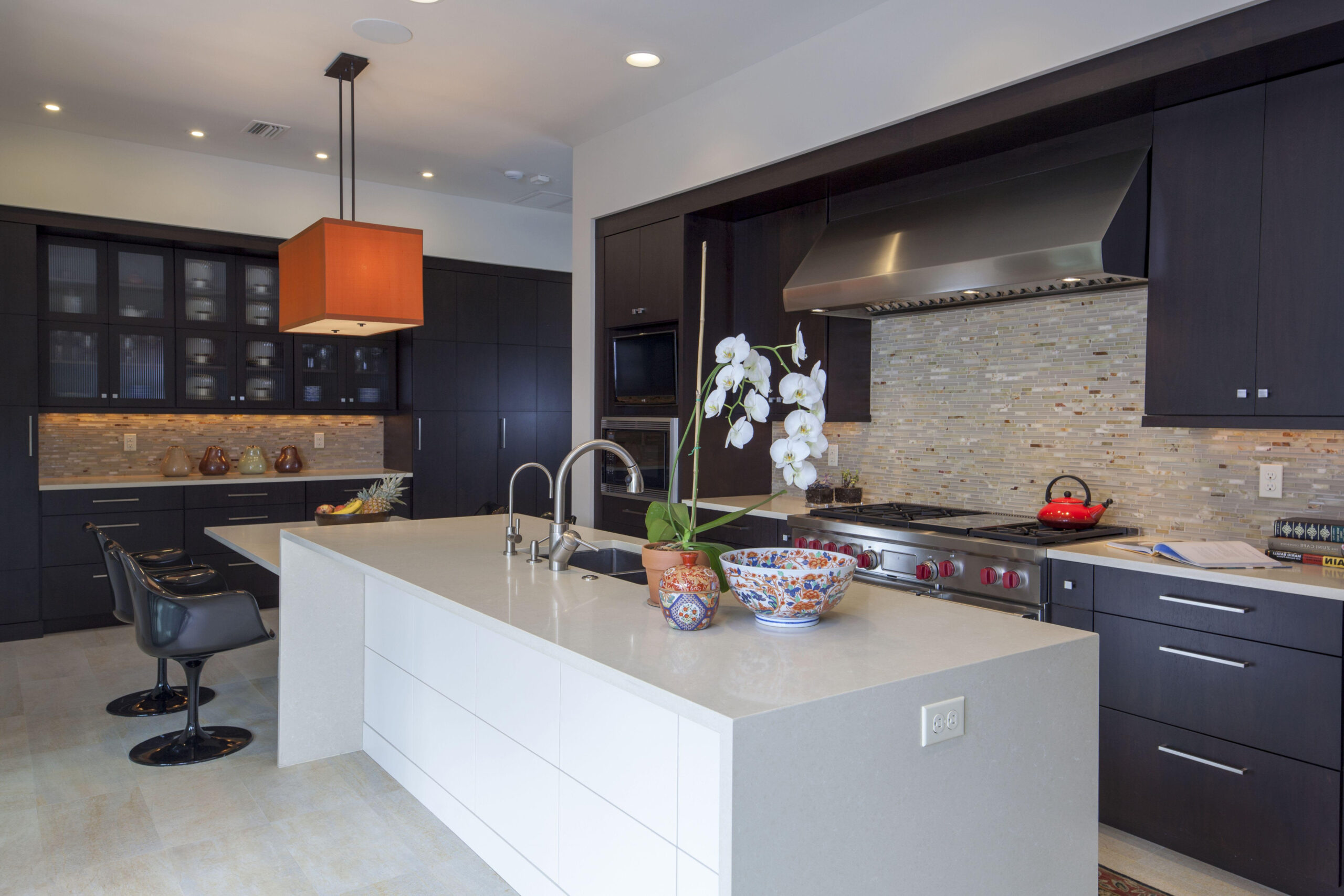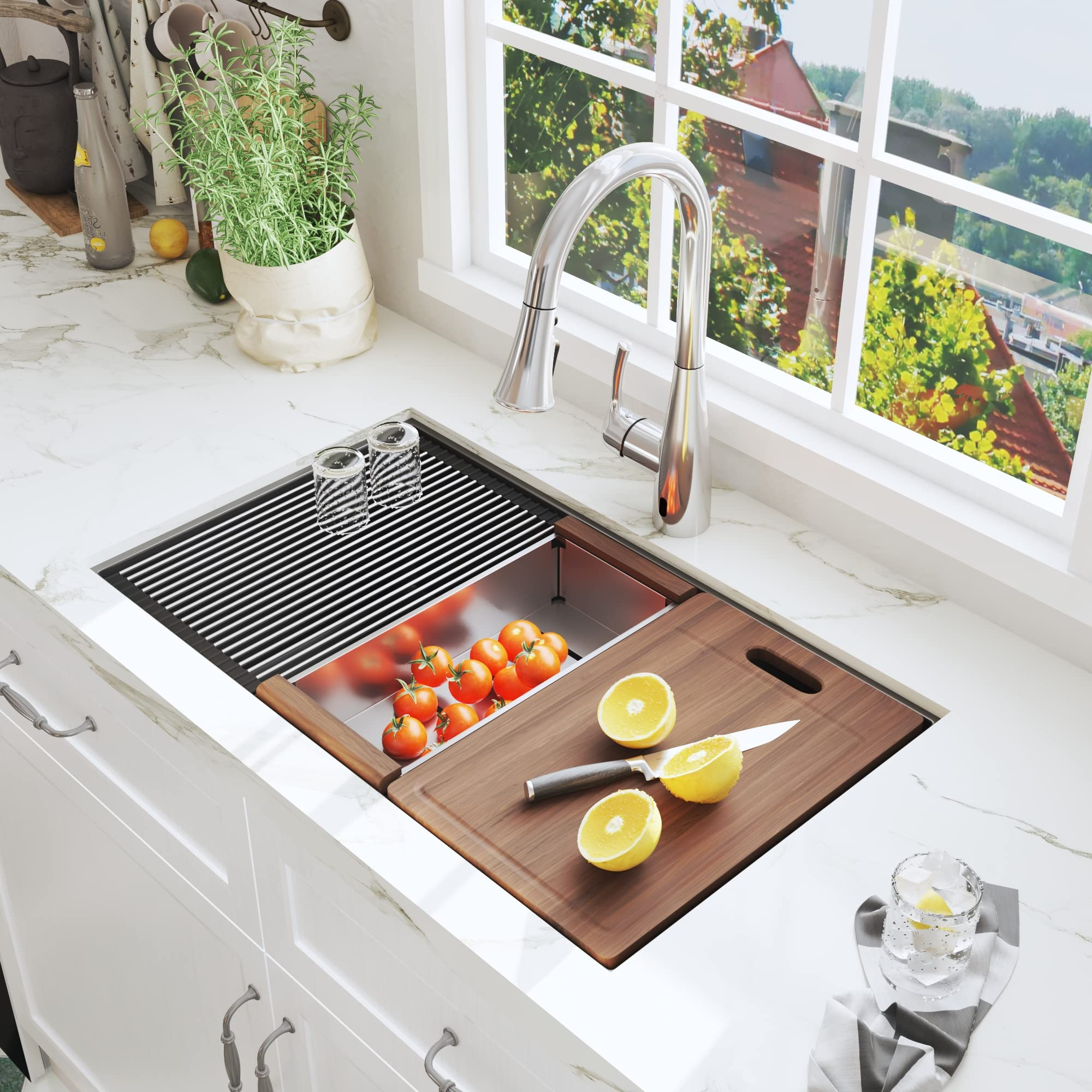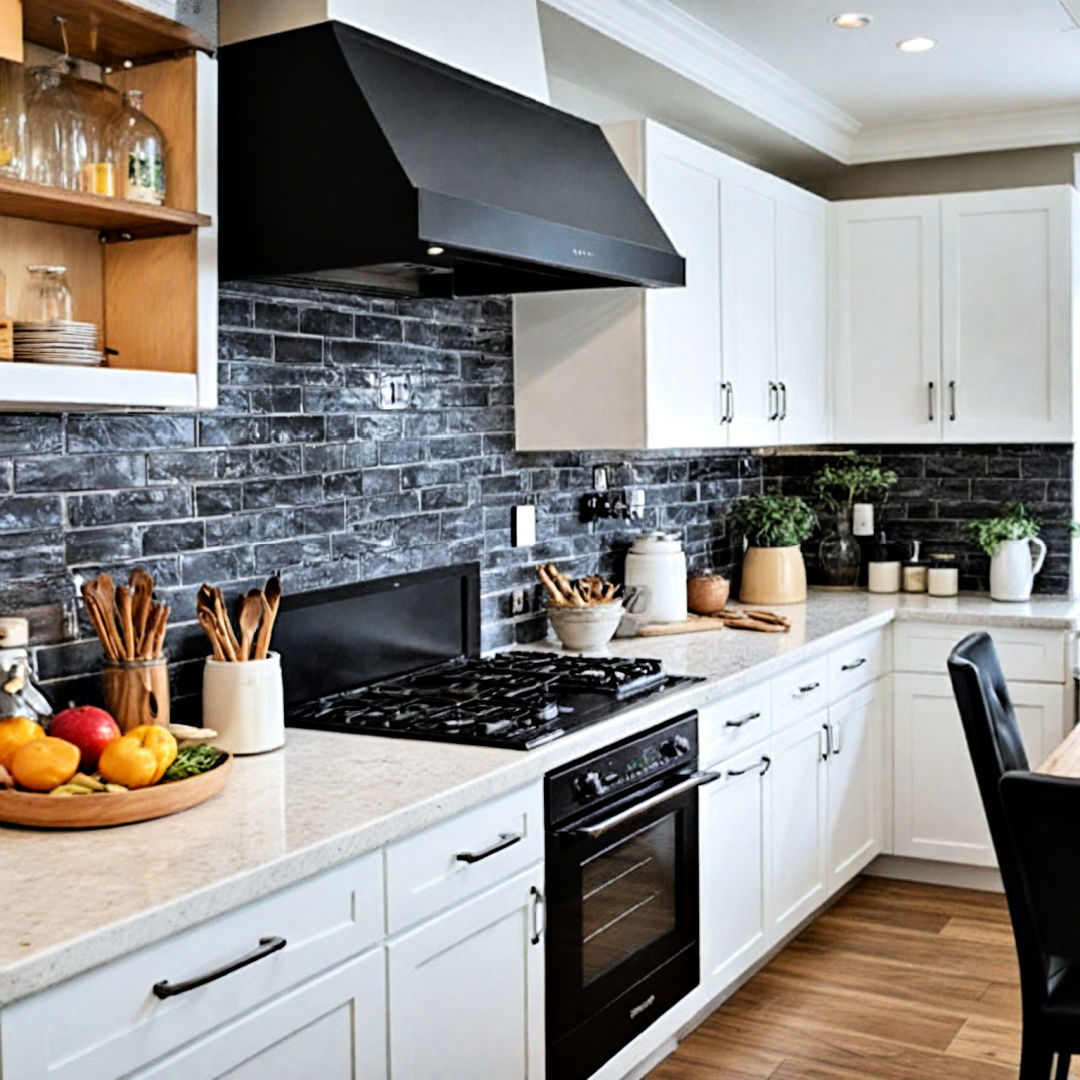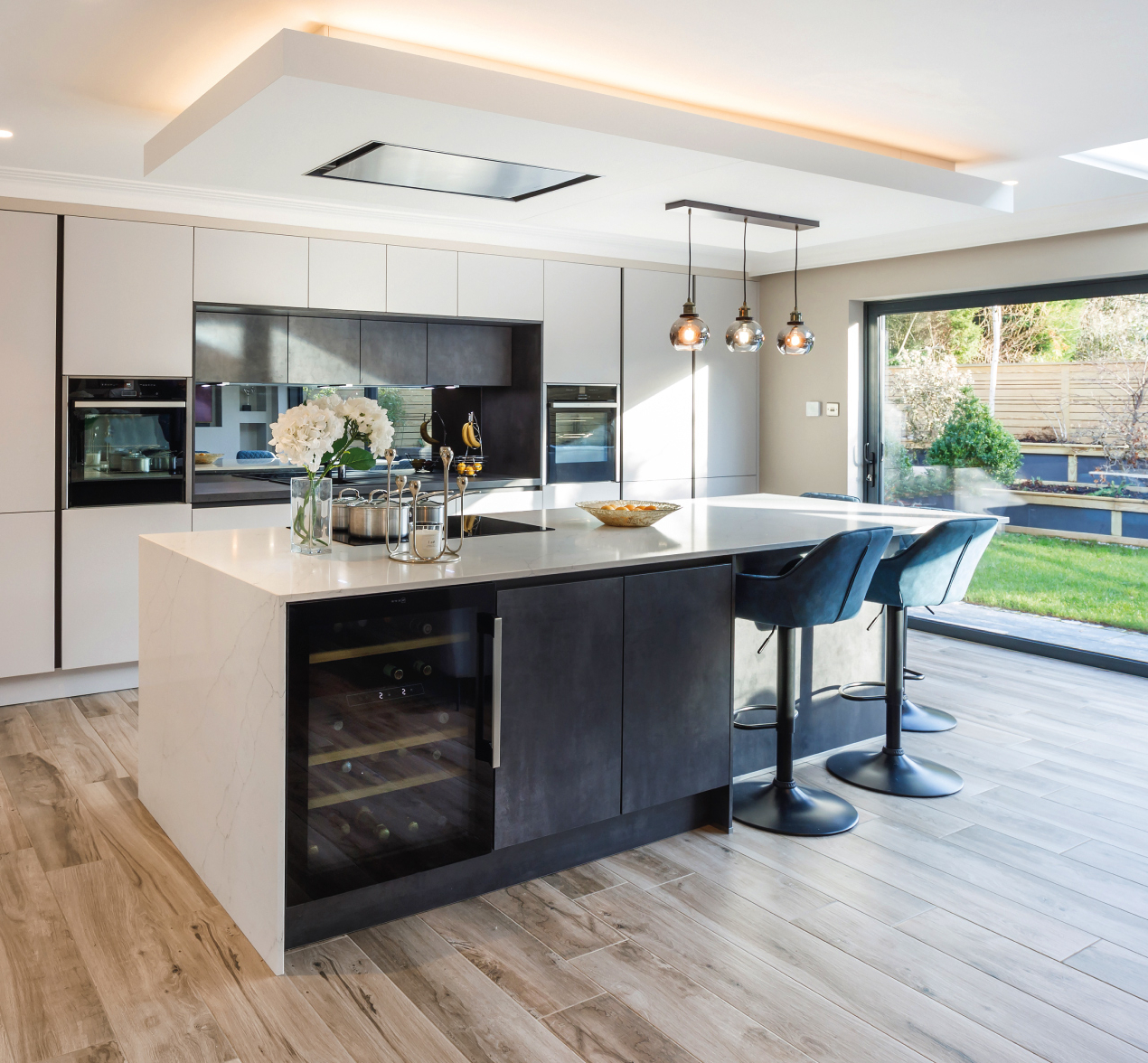
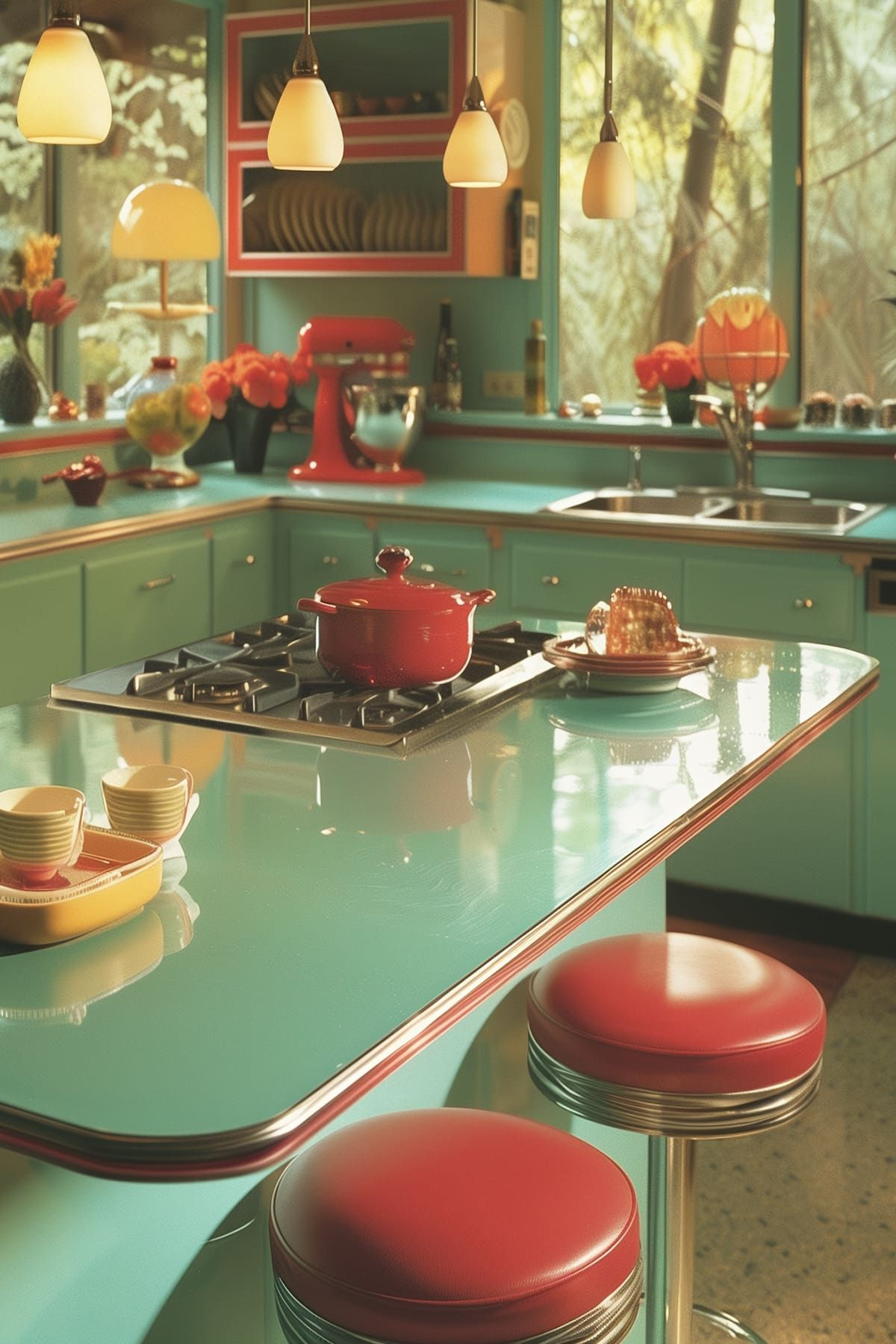
Imagine stepping into a kitchen that feels like a warm embrace from the past, yet somehow manages to keep up with today’s fast-paced lifestyle. That’s the magic of balancing retro style with contemporary needs in your kitchen space. It’s not just about nostalgia – it’s about creating a place where memories are made and meals are prepared with both heart and efficiency.
Every kitchen tells a story. Some tell stories of bustling family gatherings, others of quiet morning coffee rituals. But when you combine vintage charm with modern functionality, you create something truly special. The challenge lies in finding that sweet spot where your kitchen feels both nostalgic and practical. Whether you’re renovating from scratch or updating your existing space, this balance can transform your cooking area from merely functional to absolutely delightful. Think about it – how many of us have kitchens that feel like they belong in a magazine, but somehow lack that personal touch that makes them feel lived-in and loved?
Understanding the Foundation of Retro Style
Retro style isn’t just about picking out a few vintage pieces. It’s about understanding the essence of different eras and how they can complement modern living. The 1950s brought us bold colors and clean lines, while the 1970s offered earth tones and natural materials. These styles didn’t just happen – they reflected the social and cultural moments of their time. When we think about incorporating retro elements, we’re actually bringing pieces of history into our daily lives. The key is to look beyond the obvious – a vintage refrigerator isn’t enough. You need to consider how retro shapes, textures, and color schemes interact with modern appliances and layouts. For instance, mid-century modern pieces often feature clean geometric forms that can easily integrate with contemporary designs. But there’s more to it than just matching aesthetics. Retro style speaks to our sense of permanence and craftsmanship. In an age where everything seems disposable, vintage pieces often represent quality and durability that modern mass-produced items struggle to match. This connection to lasting value is what makes retro elements so appealing in today’s kitchen spaces.
Modern Essentials That Can’t Be Ignored
Let’s face it – modern life demands certain things from our kitchen spaces. Storage solutions that maximize every inch, efficient workflow patterns, and smart technology integration. These aren’t luxuries; they’re necessities. Consider how much time you spend preparing meals, organizing ingredients, and cleaning up afterward. A well-designed kitchen should support these activities without feeling like a chore. The question isn’t whether you can incorporate retro elements – it’s how you can make them work within modern constraints. Energy-efficient appliances save money and reduce environmental impact, while smart storage systems keep everything where you need it. Lighting plays a crucial role too – modern LED options provide better illumination for food prep while offering the flexibility to create ambiance. Even something as simple as a good trash disposal system or easy-to-clean surfaces can make a massive difference in daily usability. Sometimes the most challenging part of balancing retro and modern is realizing that some traditional approaches might actually conflict with current needs. For example, a classic farmhouse sink might look beautiful, but it could be less practical than a modern integrated design. The secret is finding elements that honor both worlds rather than choosing one over the other.
Color Palettes That Bridge Both Worlds
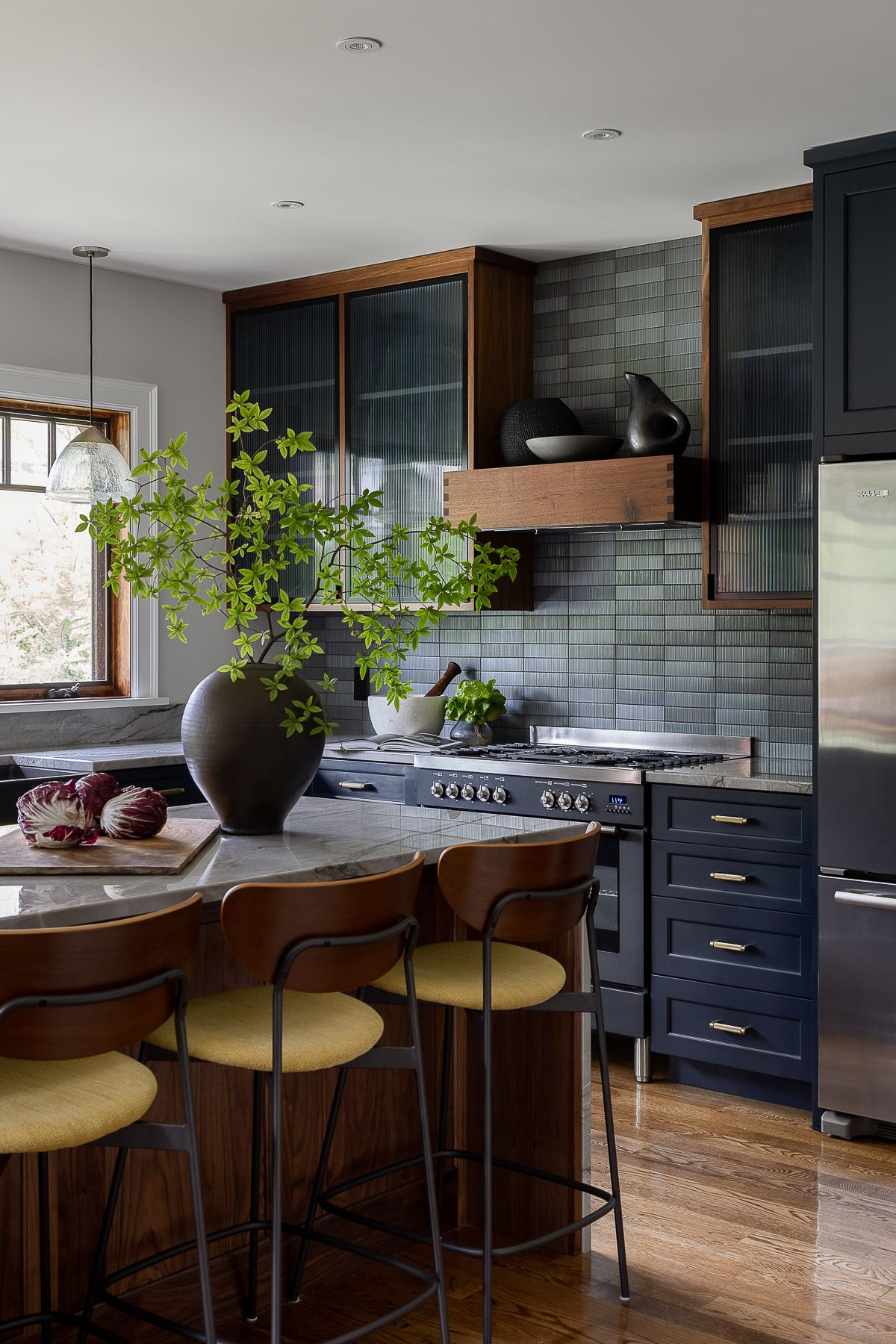
Colors set the tone for any space, and nowhere is this more evident than in kitchen design. The beauty of combining retro and contemporary styles lies in how you can use color to create harmony between old and new. Classic retro palettes often include rich jewel tones like deep blues and emerald greens, or warm earth tones such as terracotta and mustard yellow. Contemporary design tends toward neutral backgrounds with pops of bold accent colors. The trick is finding a bridge between these worlds. A deep navy blue cabinet can work beautifully with sleek stainless steel appliances, while warm beige walls provide a neutral backdrop that lets vintage hardware shine. Sometimes the most effective approach is to choose one dominant retro color and use modern neutral tones to balance it. For instance, if you’re incorporating a vintage red range hood, pair it with white or light gray cabinetry to prevent overwhelming the space. Consider using vintage-inspired patterned tiles as a backsplash – they add character without dominating the overall aesthetic. The key is to avoid trying to match every element perfectly. Instead, let some pieces speak louder than others, allowing the overall composition to breathe naturally. Sometimes a single vintage piece in a bold color can anchor an entire room, making it feel both nostalgic and fresh.
Hardware and Fixtures That Tell Stories
Hardware might seem small, but it’s one of the most powerful ways to introduce retro elements into a modern kitchen. Think about how a vintage-style handle can instantly change the feel of a cabinet door. The right hardware can make a sleek modern drawer pull look like it belongs in a 1960s diner, or give a rustic wooden cabinet a sophisticated finish. Materials matter too – brushed brass brings warmth and elegance, while matte black offers a contemporary edge. The choice of fixtures extends beyond handles and knobs. Consider vintage-style faucets that complement your overall theme, or antique-style lighting fixtures that add character to your space. These elements often become conversation starters and focal points in the room. However, it’s important to remember that not all vintage hardware will fit seamlessly into modern kitchens. You might need to compromise on exact authenticity to ensure functionality. For example, a vintage-looking drawer pull might not have the same weight capacity as a modern version. But don’t let that stop you from creating visual interest. Sometimes the contrast between old and new creates the most compelling look. The goal is to select pieces that enhance rather than distract from your kitchen’s primary function.
Storage Solutions That Work for Everyone
Practicality should never be sacrificed for aesthetics, especially when it comes to storage. Modern kitchens need to accommodate everything from daily meal prep to storing seasonal ingredients. The challenge becomes finding storage solutions that honor both retro sensibilities and contemporary needs. Open shelving can showcase vintage cookbooks and decorative items while maintaining easy access to frequently used items. Pull-out pantry systems offer modern convenience while still looking elegant. Consider how you actually use your kitchen space – do you cook frequently? Do you entertain often? Understanding your habits helps determine which storage features are most important. Some people prefer the organized look of closed cabinets, while others love the display potential of open shelving. The key is creating a system that works for your lifestyle. For those who want to incorporate vintage elements, think about how you can display items in a way that feels intentional rather than cluttered. Maybe a vintage spice rack sits on an open shelf next to modern storage containers. Or perhaps you use vintage baskets for organization, blending form with function. Remember that storage solutions don’t have to be hidden away to be effective – they can be part of the design story itself. The goal is to create a space where everything has its place and nothing feels out of order.
Technology Integration Without Losing Character
Modern kitchens are increasingly becoming tech hubs, with smart appliances and connected devices becoming standard. The challenge lies in integrating these innovations without losing the retro charm that makes your kitchen special. Smart refrigerators, programmable ovens, and automated lighting systems can enhance your daily routine dramatically. But how do you make these feel like they belong in your vintage-themed space? One approach is to hide technology where possible – built-in screens, concealed outlets, and strategic placement can make high-tech features blend seamlessly. Another option is to choose modern appliances that echo vintage design principles – for example, a sleek stove that mimics the classic form of older models. Sometimes the most effective strategy is to make the technology serve the retro aesthetic rather than dominate it. If you’re adding smart lighting, consider fixtures that mimic vintage styles but offer modern functionality. The idea isn’t to fight technology but to make it work harmoniously with your chosen design language. The result should feel like a natural evolution rather than a forced addition. After all, the best kitchen designs embrace both the past and future, creating spaces that honor tradition while meeting today’s demands.
Creating a Cohesive Visual Story
The ultimate test of any successful kitchen design is whether it tells a complete visual story. Every element should contribute to a unified narrative that feels both nostalgic and contemporary. Start by identifying the dominant era you want to reference – is it the cheerful optimism of the 1950s, or the earthy warmth of the 1970s? Once you’ve established that foundation, build around it with careful attention to proportions and scale. Large vintage pieces can overwhelm smaller spaces, while tiny retro accents might get lost in modern environments. The key is understanding how different elements relate to each other spatially. A vintage dining table might work beautifully in a modern kitchen, but it needs to be proportioned correctly and positioned thoughtfully. Consider the flow of traffic through your kitchen – where do you naturally move when cooking? How does the vintage furniture affect that movement? Sometimes the most interesting designs come from unexpected combinations. A modern island might look strange next to vintage cabinetry, but if you position it correctly and use complementary materials, it can create a striking contrast. The goal is to create a space that feels intentional and purposeful, not haphazard or forced. Your kitchen should reflect your personality and lifestyle while maintaining visual coherence throughout.
Balancing retro style with contemporary needs in your kitchen isn’t just about aesthetics – it’s about creating a space that truly works for you. When done right, you’ll find yourself spending more time in your kitchen because it feels both comfortable and functional. The journey toward this balance requires patience, creativity, and a willingness to experiment. Don’t be afraid to try different combinations until you find what feels right. Remember, the most important thing isn’t achieving perfection – it’s creating a space that reflects your unique style and meets your daily needs. Whether you lean more heavily toward vintage charm or modern functionality, the key is finding that middle ground where both elements can thrive together. Your kitchen should be a place where memories are made, meals are prepared with joy, and every day feels a little bit special. With thoughtful planning and creative execution, you can transform your cooking space into something truly extraordinary – a perfect blend of yesterday’s charm and tomorrow’s practicality. The best part? You’re not just building a kitchen; you’re creating a home.
[sps_html tag=”img” src=”https://roofdrivein.com/wp-content/uploads/2026/01/1950s-modern-kitchen-with-regard-to-modern-50s-kitchen.jpg” alt=”1950S Modern Kitchen with regard to Modern 50S Kitchen” style=”width: 100%; height: auto;”]
[sps_html tag=”img” src=”https://roofdrivein.com/wp-content/uploads/2026/01/1950-s-retro-kitchen-decor-shelly-lighting-intended-for-modern-50s-kitchen.jpg” alt=”1950 S Retro Kitchen Decor | Shelly Lighting intended for Modern 50S Kitchen” style=”width: 100%; height: auto;”]
[sps_html tag=”img” src=”https://roofdrivein.com/wp-content/uploads/2026/01/our-50s-kitchen-renovation-the-final-wrap-up-natalie-curtiss-intended-for-balancing-retro-style-and-contemporary-needs-in-your-kitchen.jpg” alt=”Our 50S Kitchen Renovation - The Final Wrap Up — Natalie Curtiss … intended for Balancing Retro Style and Contemporary Needs in Your Kitchen” style=”width: 100%; height: auto;”]
[sps_html tag=”img” src=”https://roofdrivein.com/wp-content/uploads/2026/01/mid-century-kitchen-ideas-remodr-in-2025-kitchen-decor-modern-pertaining-to-balancing-retro-style-and-contemporary-needs-in-your-kitchen.jpg” alt=”Mid-Century Kitchen Ideas - Remodr In 2025 | Kitchen Decor Modern … pertaining to Balancing Retro Style and Contemporary Needs in Your Kitchen” style=”width: 100%; height: auto;”]
[sps_html tag=”img” src=”https://roofdrivein.com/wp-content/uploads/2026/01/retro-rooms-the-1950s-kitchen-hooked-on-houses-within-modern-50s-kitchen.jpg” alt=”Retro Rooms: The 1950S Kitchen - Hooked On Houses within Modern 50S Kitchen” style=”width: 100%; height: auto;”]