What if your cramped kitchen could suddenly feel spacious, functional, and full of personality? The secret isn’t about building a bigger house—it’s about thinking differently about how you use every inch of your space.
Let’s face it—small kitchens can feel like tiny prisons where everything seems to be fighting for precious real estate. But what if we told you that with a little creativity and some strategic thinking, even the tiniest kitchen can become a haven of efficiency and style? We’re talking about transforming those frustrating corners, maximizing vertical space, and turning everyday challenges into opportunities for innovation. This isn’t just about making things look good—it’s about making every square foot work harder for you.
Vertical Storage Solutions
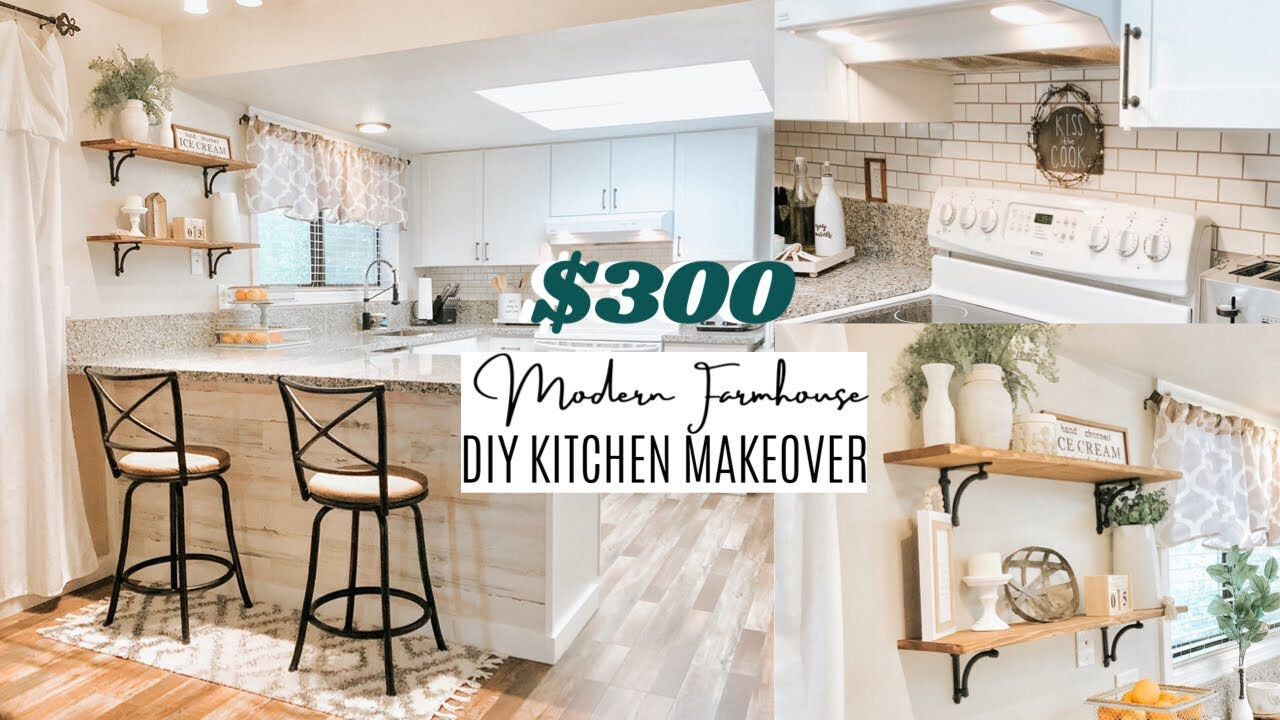
One of the most powerful tricks in the small kitchen playbook is using every inch of wall space. Think beyond the obvious and consider installing shelves that reach all the way to the ceiling. These aren’t just for displaying dishes and spices—they’re perfect for storing rarely-used items like holiday cookware or seasonal ingredients.
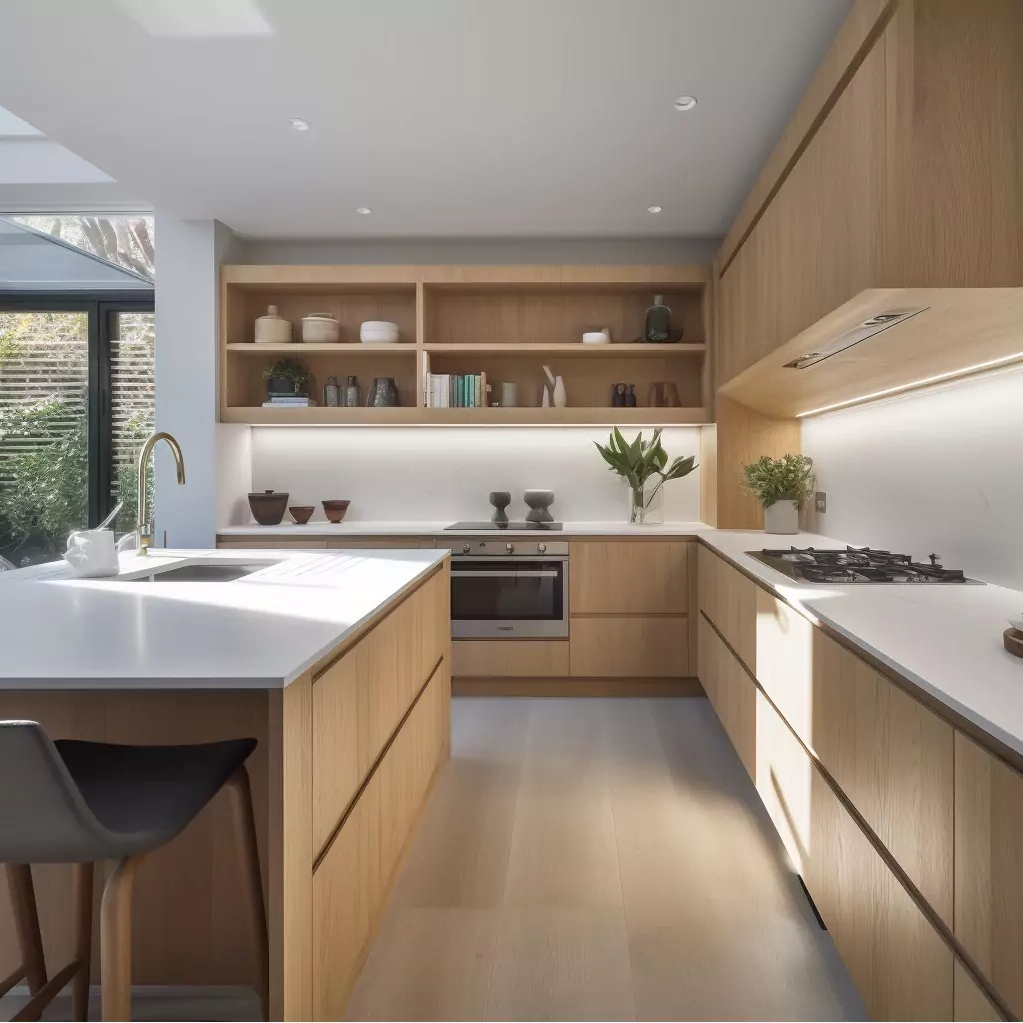
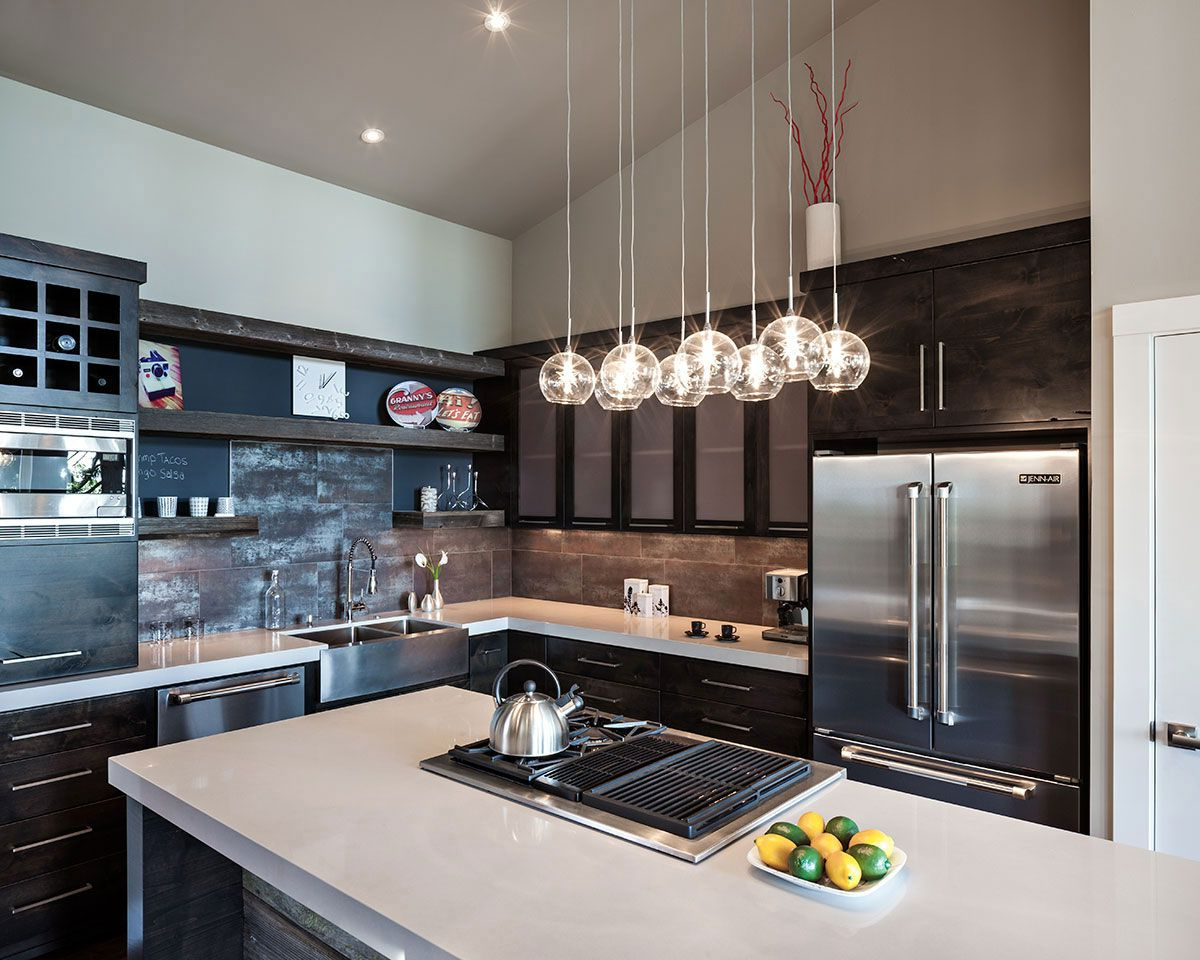
Consider multi-level shelving units that can accommodate different sized items. A clever approach is to install floating shelves at varying heights. This creates visual interest while giving you multiple storage zones. Don’t forget about the power of the back wall—install hooks or racks there for hanging pots, pans, or even your favorite utensils.
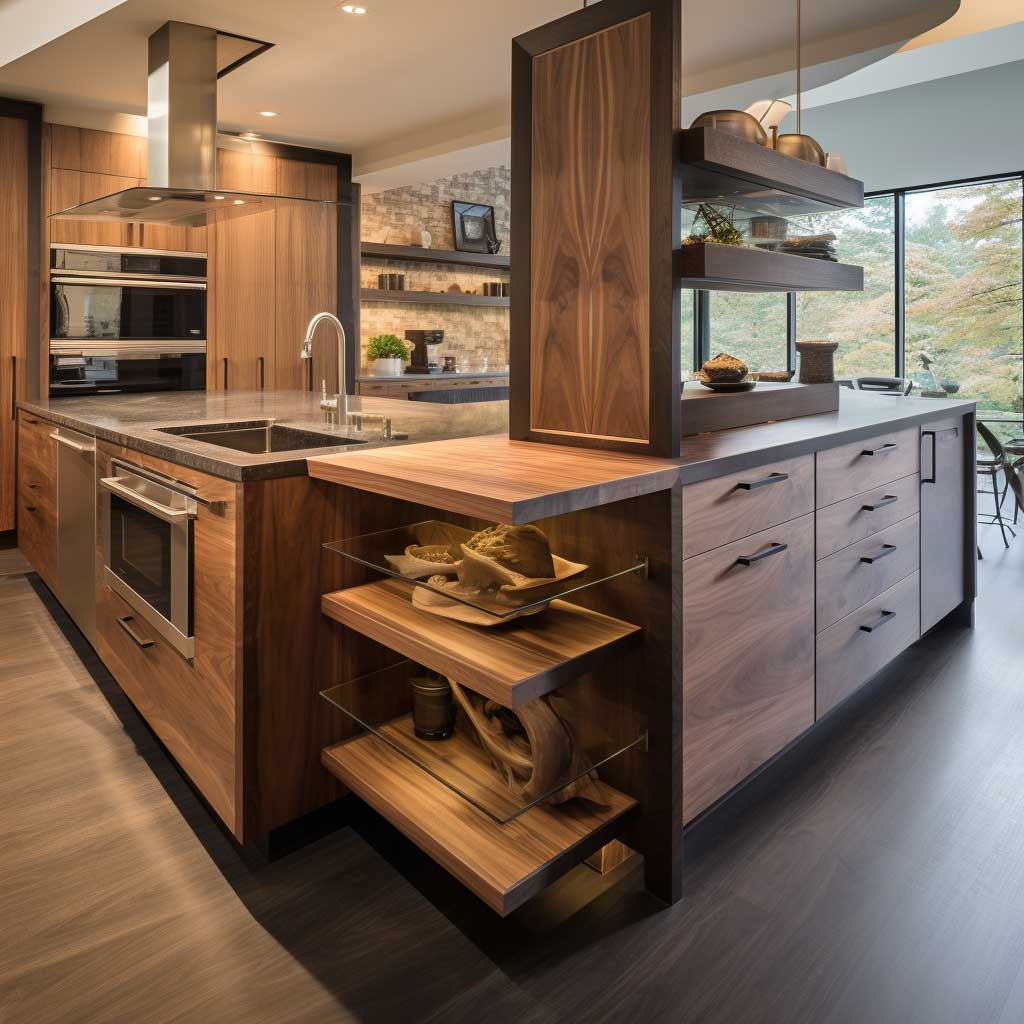
The key is choosing storage solutions that complement your kitchen’s aesthetic. For instance, if you have a rustic kitchen, consider wooden shelves that add warmth. If modern is your vibe, sleek metal or glass shelves might be more appropriate. The goal is to make storage feel intentional rather than cluttered.
Multi-Functional Furniture and Fixtures
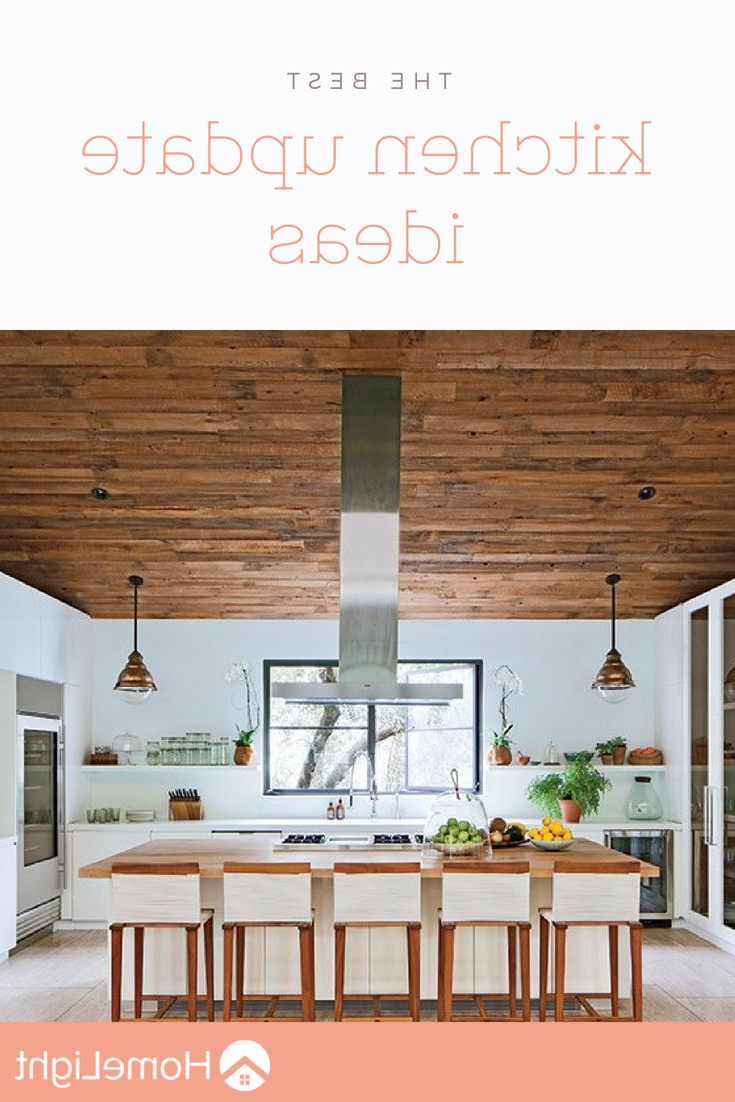
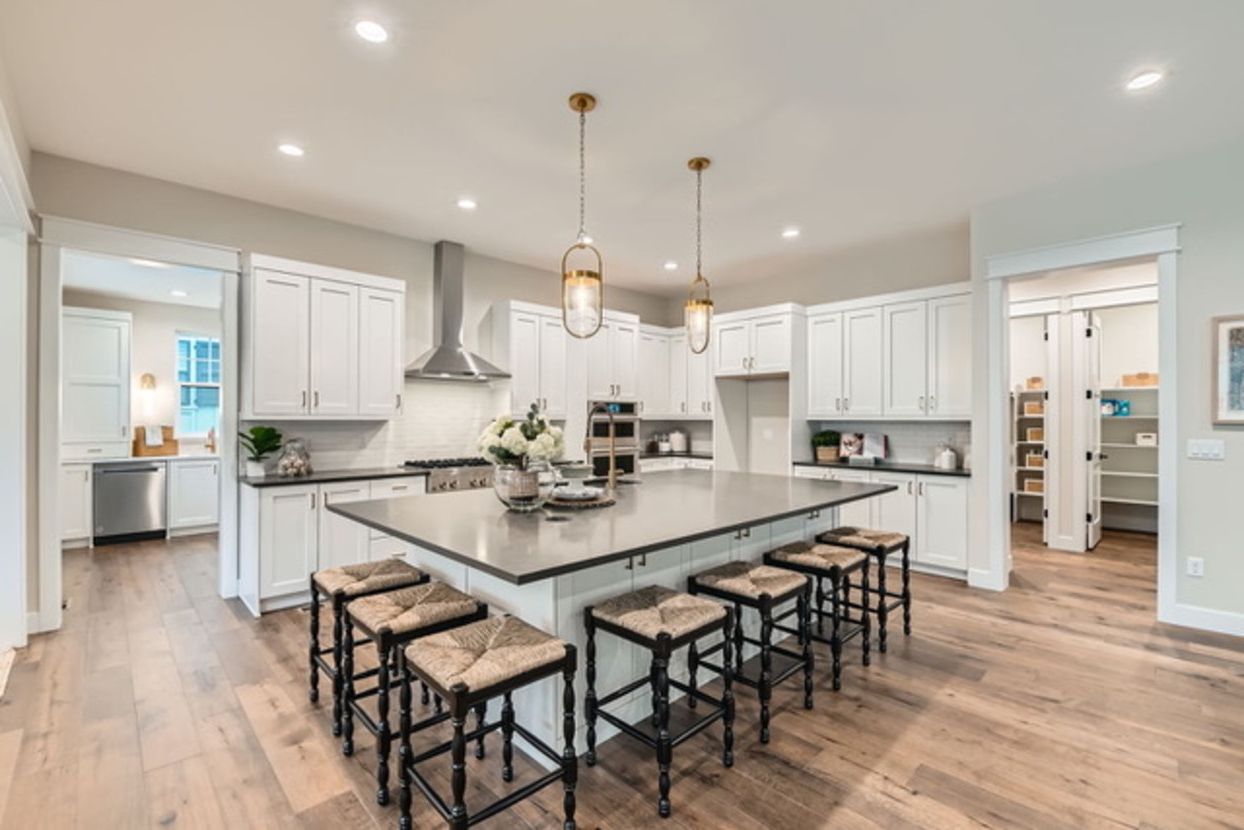
Sometimes the biggest transformation happens when you stop thinking of furniture as just furniture. Look for kitchen islands or counters that double as dining areas or workspaces. A well-designed island can serve as prep area, meal prep station, and casual dining spot—all without taking up extra floor space.
Another brilliant idea is to incorporate storage within seating areas. Think about benches with built-in storage underneath. These aren’t just comfortable seating—they’re hidden cupboards for towels, cleaning supplies, or even extra dishes. Some clever designers even incorporate pull-out drawers beneath seating areas for easy access to frequently used items.
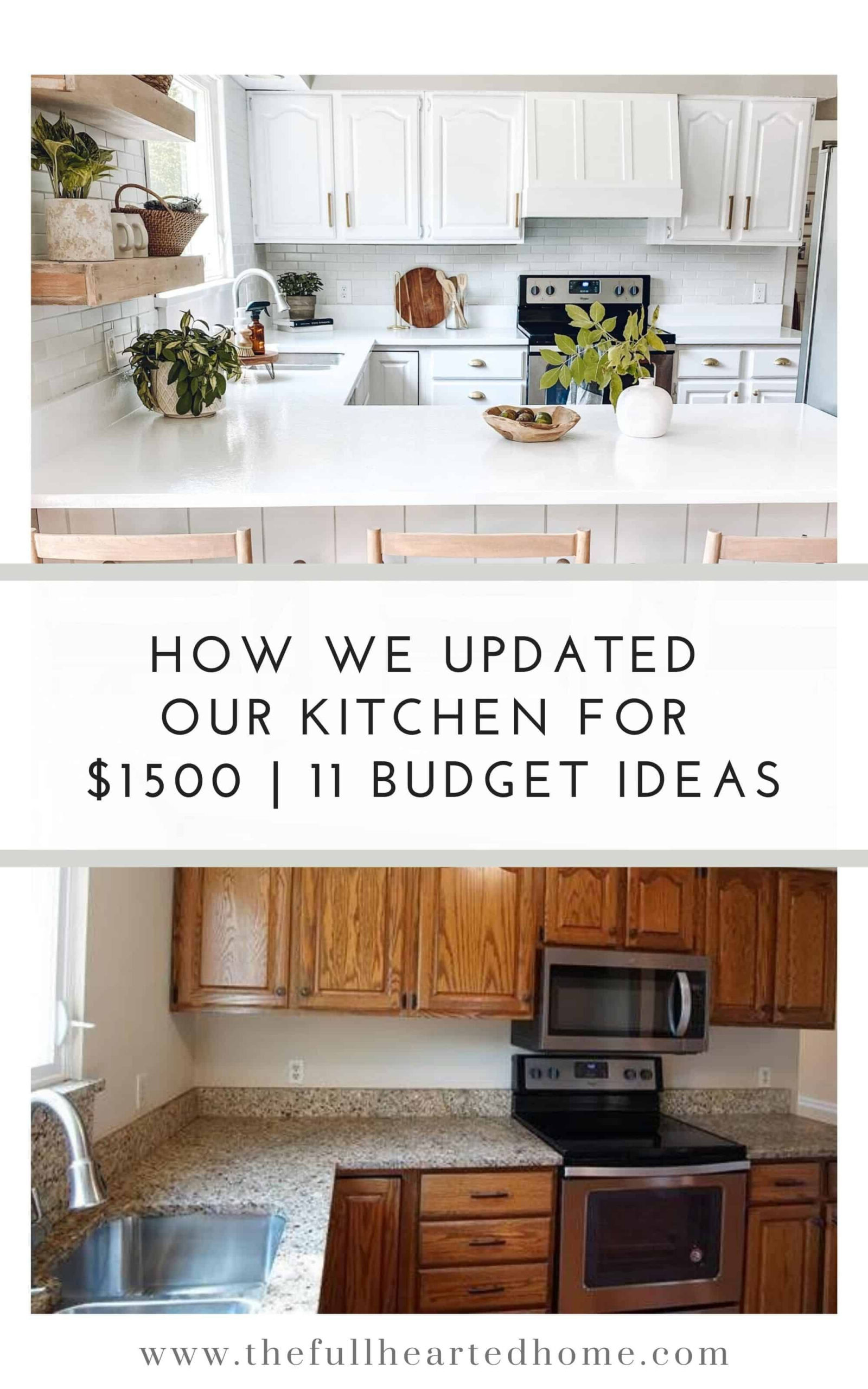
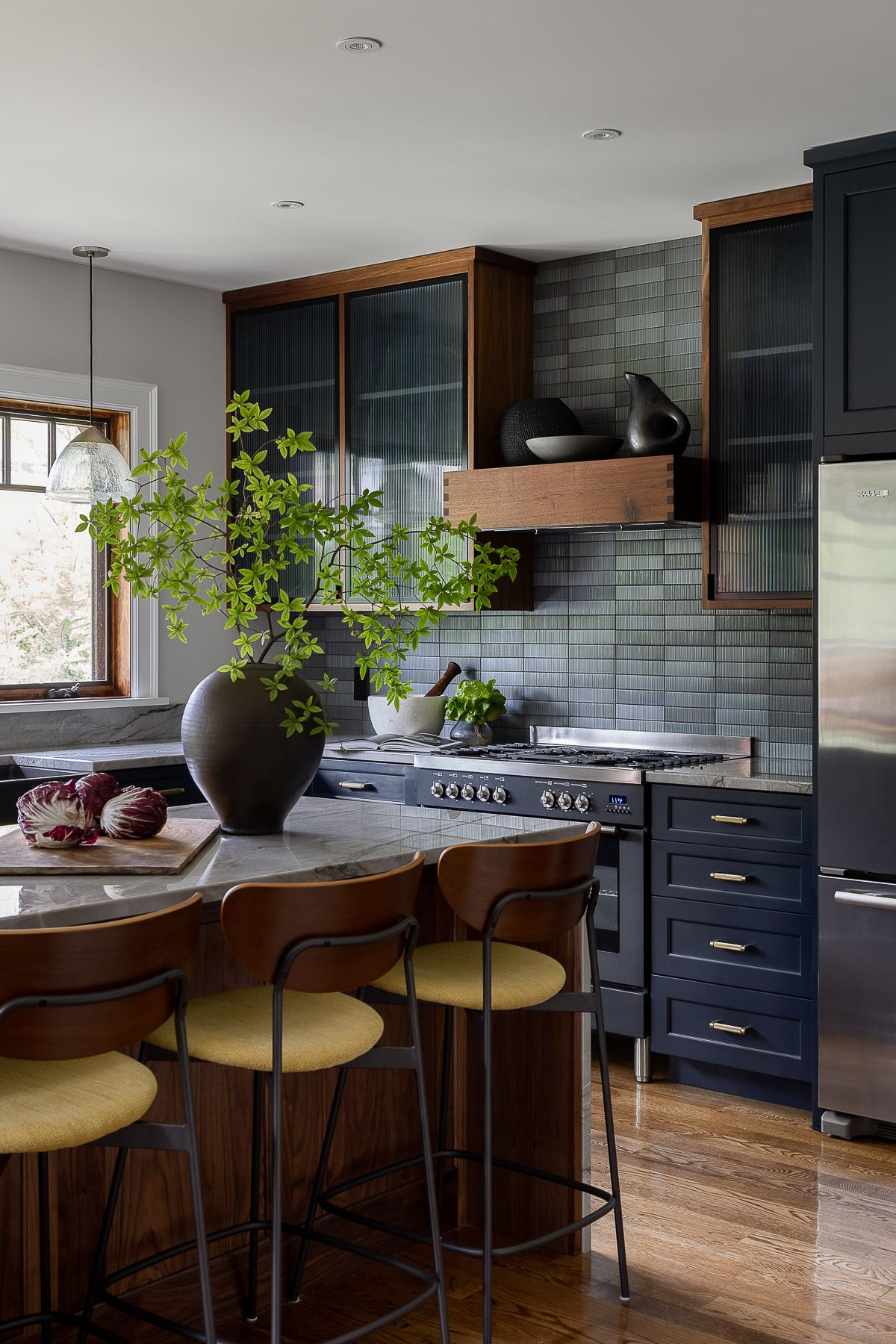
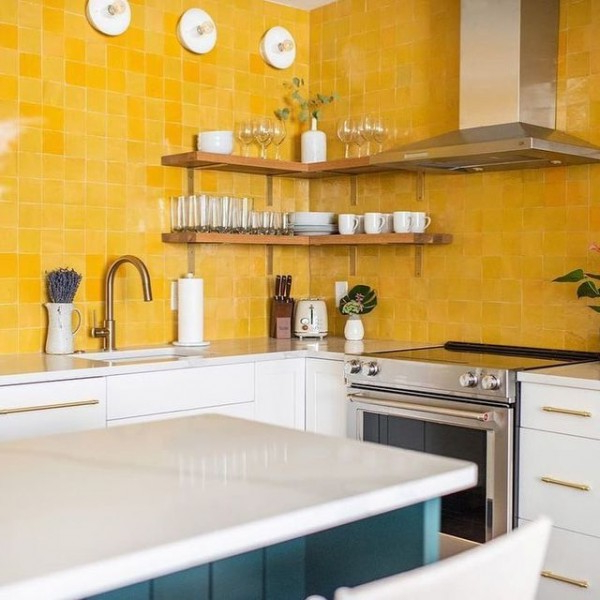
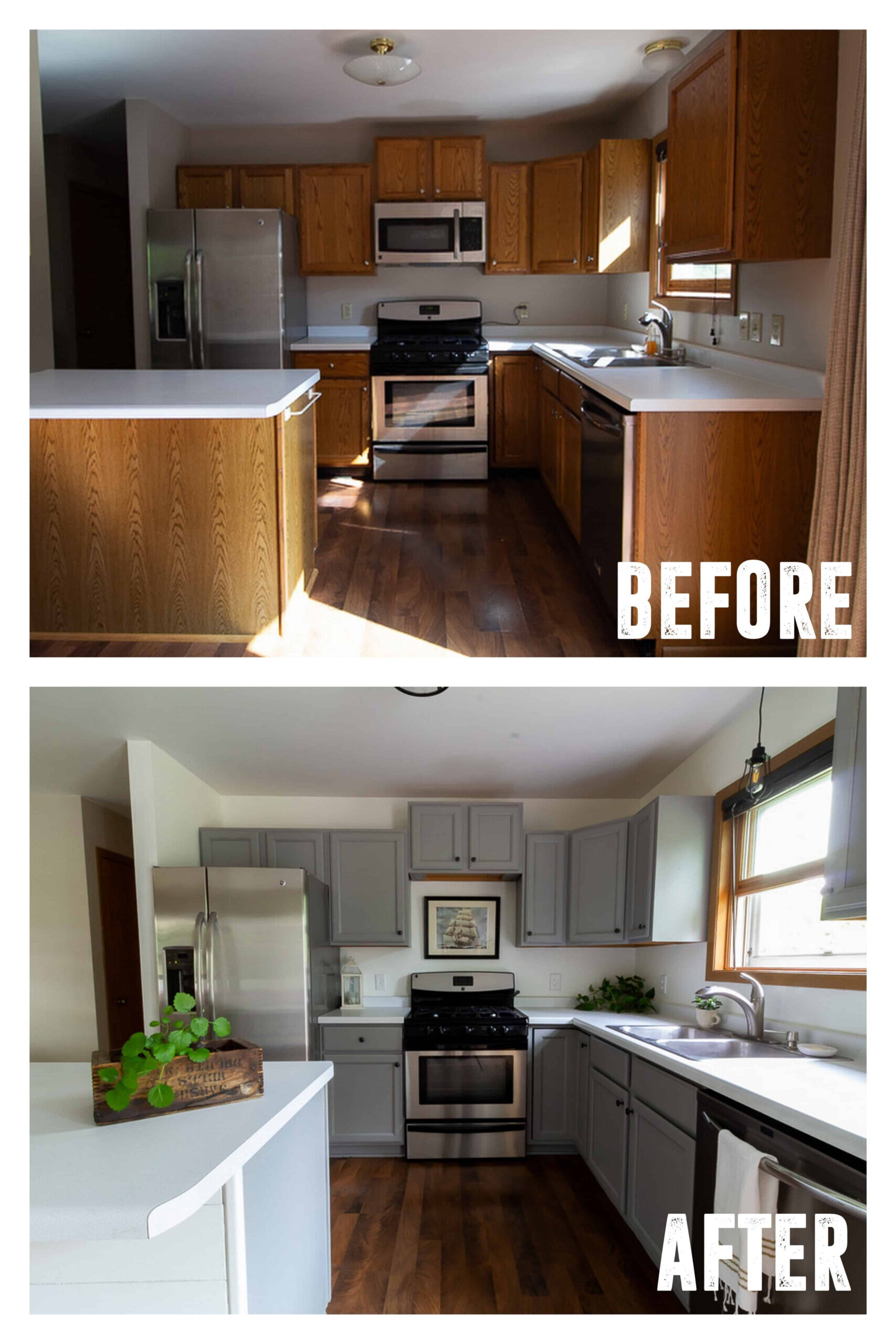
Don’t overlook the potential of your existing fixtures. Can your cabinet hardware be upgraded to something more stylish? What about adding a new backsplash that transforms the entire feel of the room? Sometimes a simple change can have a dramatic impact.
Smart Organization Systems
Organizing a small kitchen requires a different mindset than larger spaces. Instead of trying to store everything in plain sight, focus on systems that keep things accessible but unobtrusive. Consider drawer organizers that separate utensils, spices, and small appliances. These may seem small, but they can dramatically reduce the time you spend looking for things.
A popular approach is to group similar items together. Keep all your baking supplies in one designated area, and your cooking oils in another. This makes it much easier to find what you need quickly, especially during busy meal preparation times. Labeling containers helps too—especially if you have family members who might use the kitchen.
Think about using clear containers for pantry items. You can see what’s inside without opening each box. This prevents food waste from forgotten ingredients and makes meal planning easier. Some people even create a simple inventory system to track what’s running low.
Lighting That Makes a Difference
Good lighting can completely change how a small kitchen feels. Natural light is always preferable, but not every kitchen gets plenty of it. That’s where strategic artificial lighting comes in. Task lighting over the sink and stove area is essential for safe cooking. These lights should be bright enough to see what you’re doing clearly.
Under-cabinet lighting is another game changer. It provides even illumination for countertops and eliminates shadows that can make food prep difficult. LED strips installed under cabinets offer soft, ambient light that makes the space feel warmer and more inviting.
Consider layering different types of lighting. Combine overhead lighting with accent lights to create depth and dimension. A dimmer switch allows you to adjust the mood depending on whether you’re cooking, eating, or simply relaxing. The right lighting can make a tiny kitchen feel cozy and welcoming rather than stark and unwelcoming.
Color Psychology and Visual Tricks
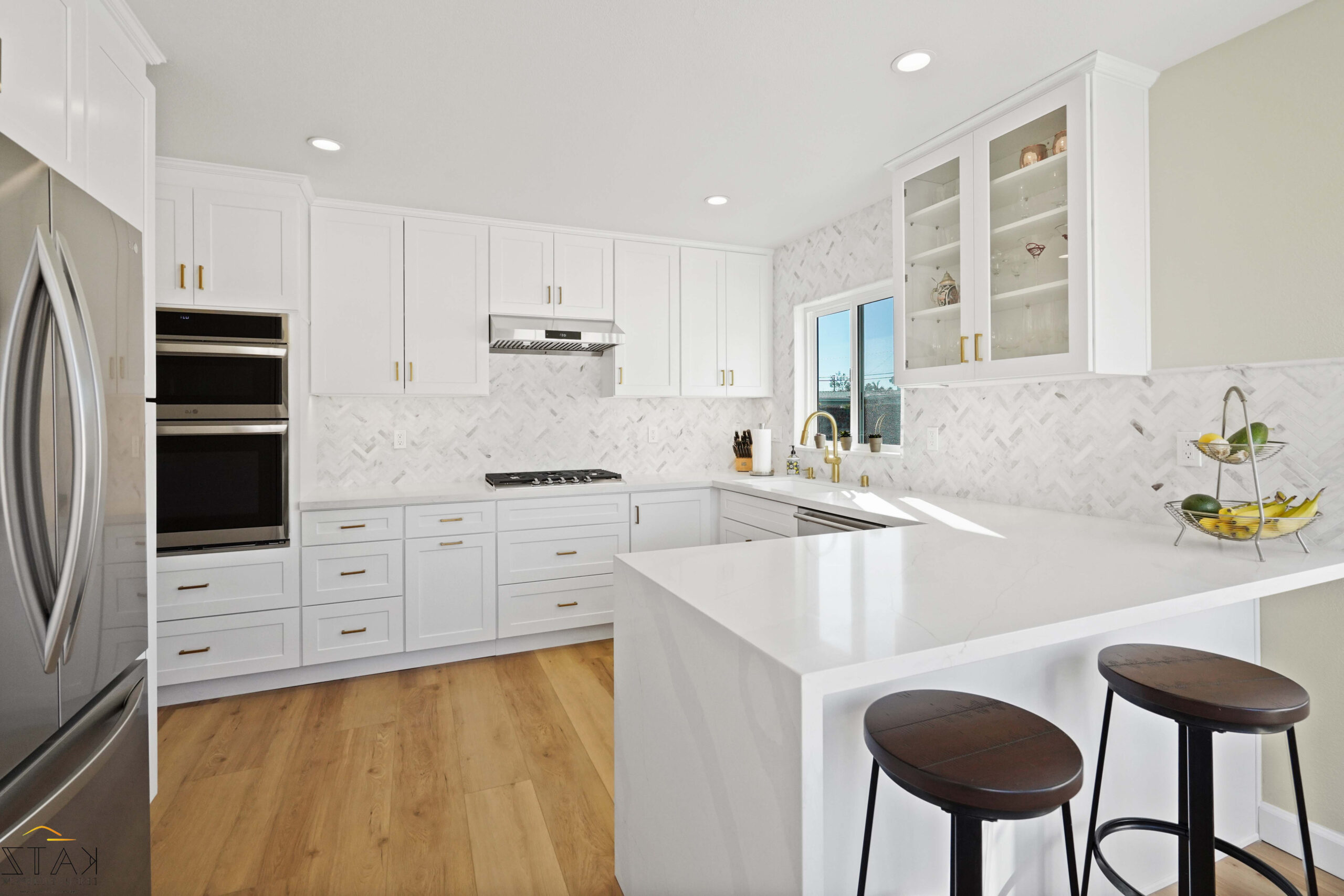
Colors have incredible power to influence how we perceive space. Light colors, particularly whites and off-whites, make small kitchens feel larger and airier. This isn’t just about painting walls—you can use white or light-colored cabinetry, appliances, and accessories to create continuity.
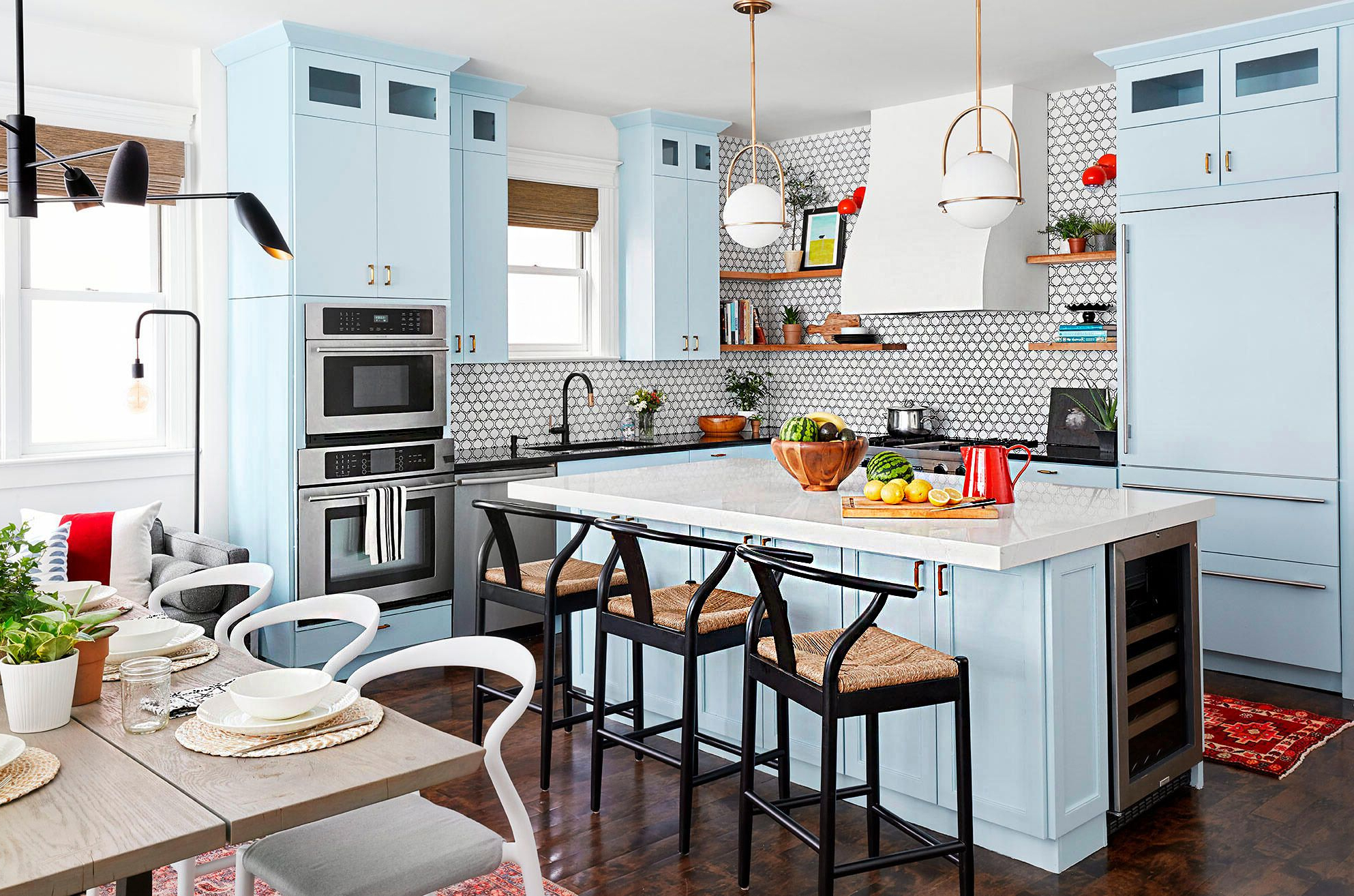
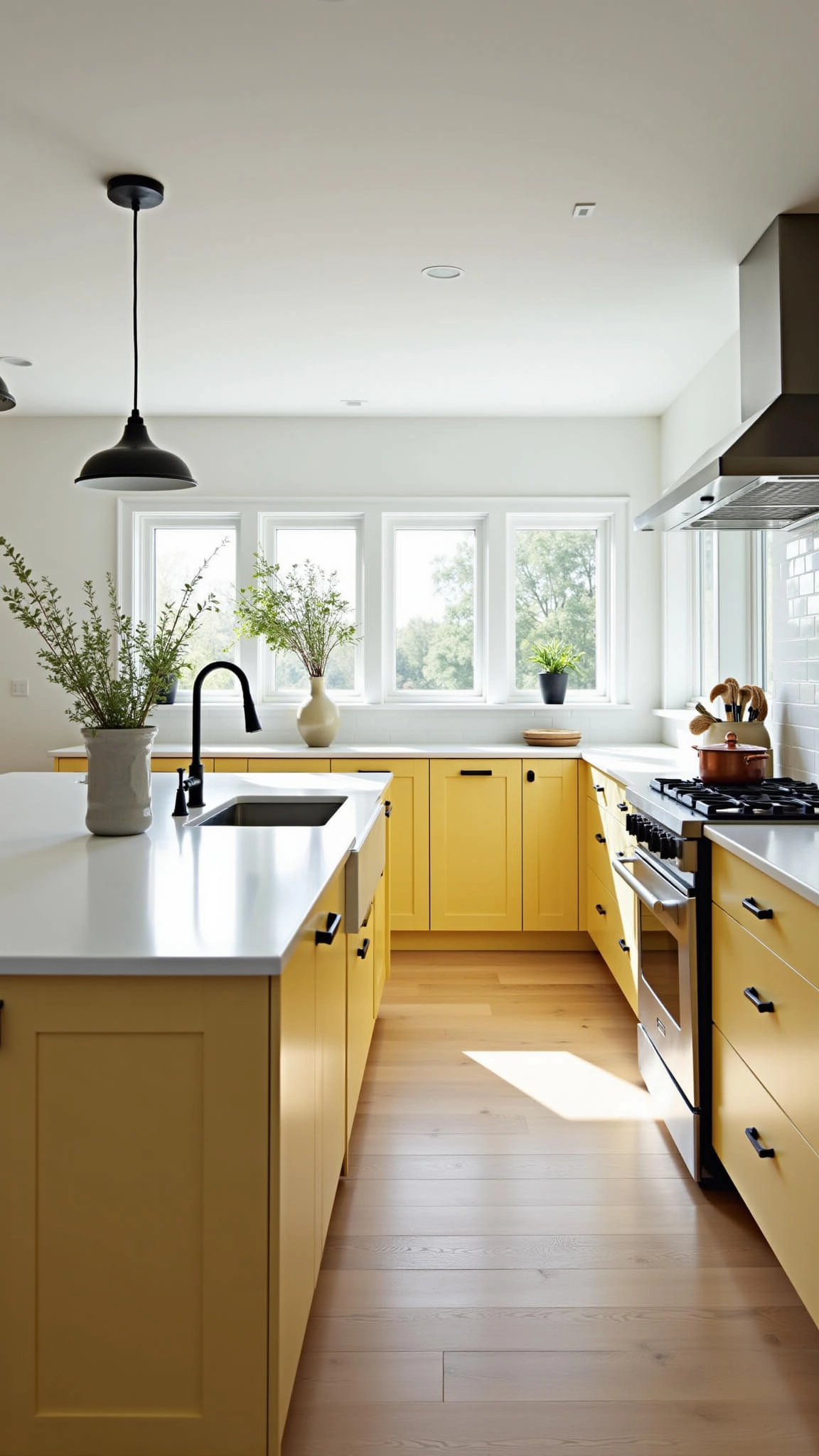
But don’t think you have to stick to boring whites. Soft blues, gentle greens, or warm yellows can add personality while still maintaining the illusion of spaciousness. The key is consistency. Choose a few colors and stick with them throughout your kitchen design.
Mirrors are surprisingly effective for small spaces. They reflect light and create the illusion of depth. Consider installing a mirror behind the sink or above a small breakfast bar. Even a single decorative mirror can make a huge difference in how the space feels.
Patterned elements should be used sparingly. A small patterned backsplash or a few colorful dish towels can add visual interest without overwhelming the eye.
Maximizing Every Inch of Space
In small kitchens, every millimeter counts. Start by identifying those often-overlooked spots that can provide additional storage or functionality. Behind doors, for example, can hide useful items like extra cutting boards, measuring cups, or even a small trash can.
Over-the-door storage is another excellent solution. Hooks, racks, or even small shelves mounted on the back of cabinet doors can hold spices, cleaning supplies, or even a small plant. These spaces are often ignored but can be incredibly useful.
Consider the space under your sink. Most people ignore this area entirely, but it’s actually a goldmine for storage. Install adjustable shelves or pull-out baskets for pots, pans, or cleaning supplies. Just make sure to choose materials that can handle moisture and humidity.
Don’t forget about the space above your cabinets. Many people never utilize this area, but it’s perfect for storing rarely-used items like seasonal decorations or special occasion dishes. A simple ladder or step stool can make accessing these items easy and safe.
Transforming a small kitchen doesn’t require demolition or major renovations. It’s about seeing potential where others see limitations. When you approach your space with creativity and intention, even the smallest kitchen can become a place where you love to cook, eat, and spend time with family and friends. Remember, the goal isn’t just to fit more things into less space—it’s to create a kitchen that works beautifully for your lifestyle. Whether you’re preparing elaborate meals or quick snacks, your transformed kitchen should make every moment enjoyable. The magic happens when you stop seeing your small kitchen as a problem and start viewing it as an opportunity to design something truly special.
[sps_html tag=”img” src=”https://roofdrivein.com/wp-content/uploads/2026/01/affordable-ways-to-update-a-kitchen-artofit-intended-for-creative-kitchen-transformation-ideas-for-small-spaces-scaled.jpg” alt=”Affordable Ways To Update A Kitchen – Artofit intended for Creative Kitchen Transformation Ideas for Small Spaces” style=”width: 100%; height: auto;”]
[sps_html tag=”img” src=”https://roofdrivein.com/wp-content/uploads/2026/01/33-before-and-after-kitchen-makeovers-to-inspire-your-own-renovation-pertaining-to-kitchen-updates-ideas.jpg” alt=”33 Before-And-After Kitchen Makeovers To Inspire Your Own Renovation pertaining to Kitchen Updates Ideas” style=”width: 100%; height: auto;”]
[sps_html tag=”img” src=”https://roofdrivein.com/wp-content/uploads/2026/01/8-diy-kitchen-update-ideas-that-low-cost-and-sure-to-increase-the-value-with-regard-to-creative-kitchen-transformation-ideas-for-small-spaces.jpg” alt=”8 Diy Kitchen Update Ideas That Low Cost And Sure To Increase The Value … with regard to Creative Kitchen Transformation Ideas for Small Spaces” style=”width: 100%; height: auto;”]
[sps_html tag=”img” src=”https://roofdrivein.com/wp-content/uploads/2026/01/300-diy-kitchen-makeover-budget-diy-kitchen-updates-youtube-pertaining-to-kitchen-updates-ideas.jpg” alt=”$300 Diy Kitchen Makeover | Budget Diy Kitchen Updates - Youtube pertaining to Kitchen Updates Ideas” style=”width: 100%; height: auto;”]
[sps_html tag=”img” src=”https://roofdrivein.com/wp-content/uploads/2026/01/affordable-kitchen-updates-in-a-weekend-diy-kitchen-remodel-diy-for-kitchen-updates-ideas-scaled.jpg” alt=”Affordable Kitchen Updates In A Weekend | Diy Kitchen Remodel, Diy … for Kitchen Updates Ideas” style=”width: 100%; height: auto;”]