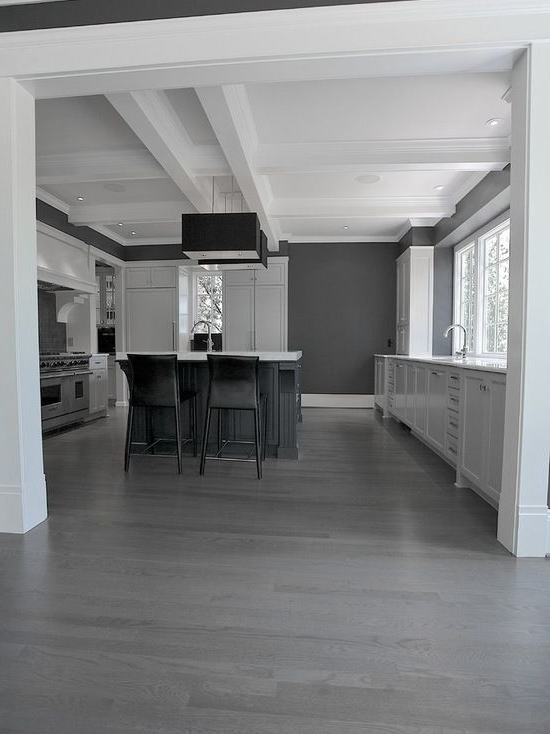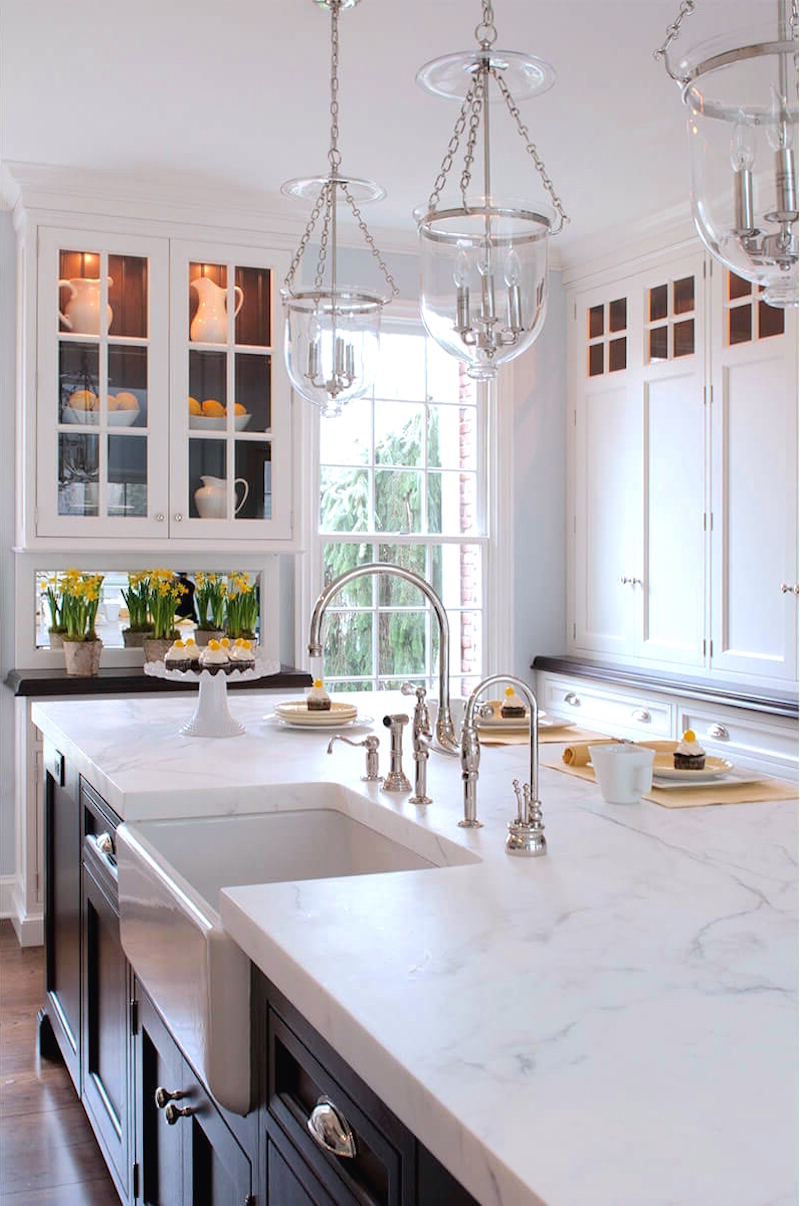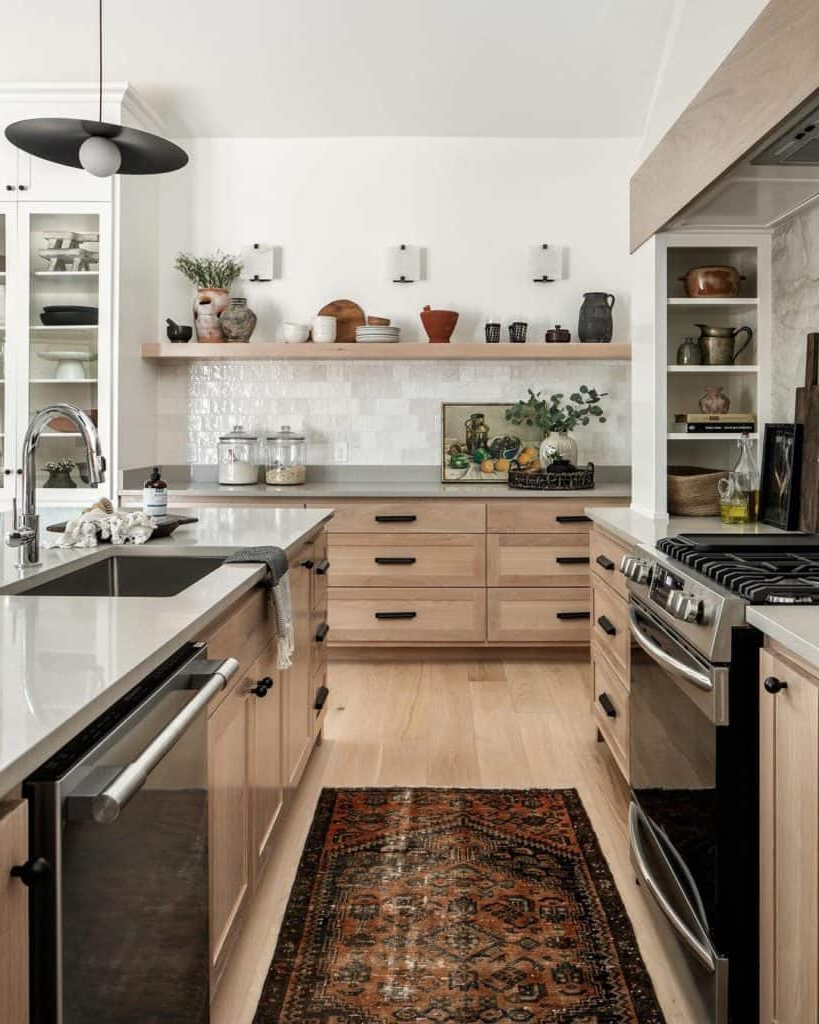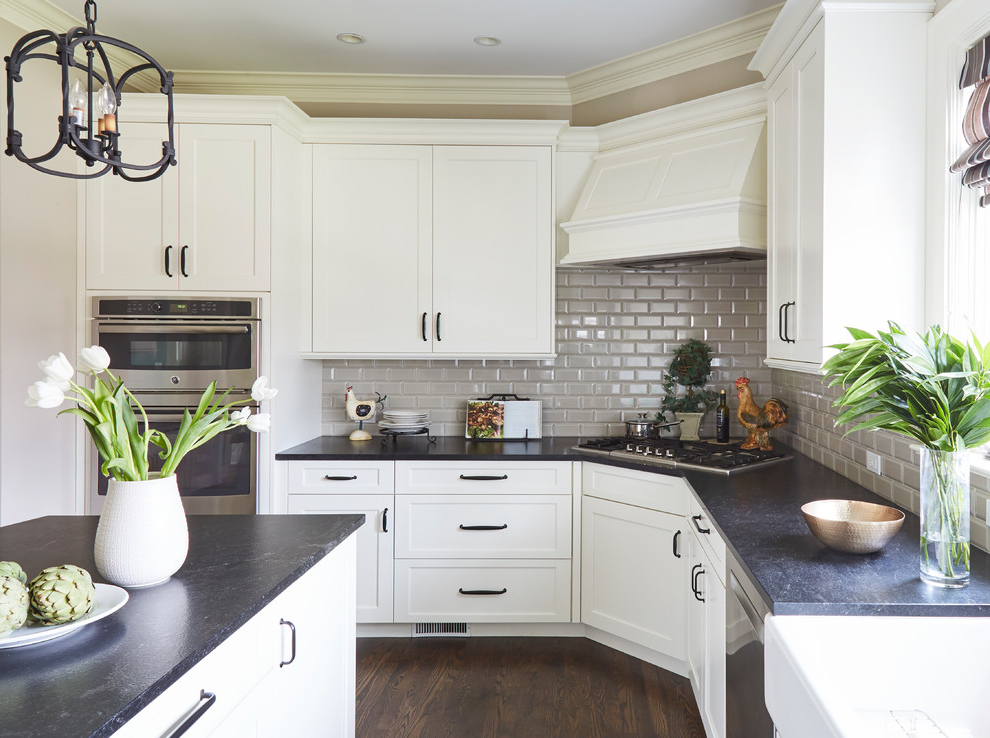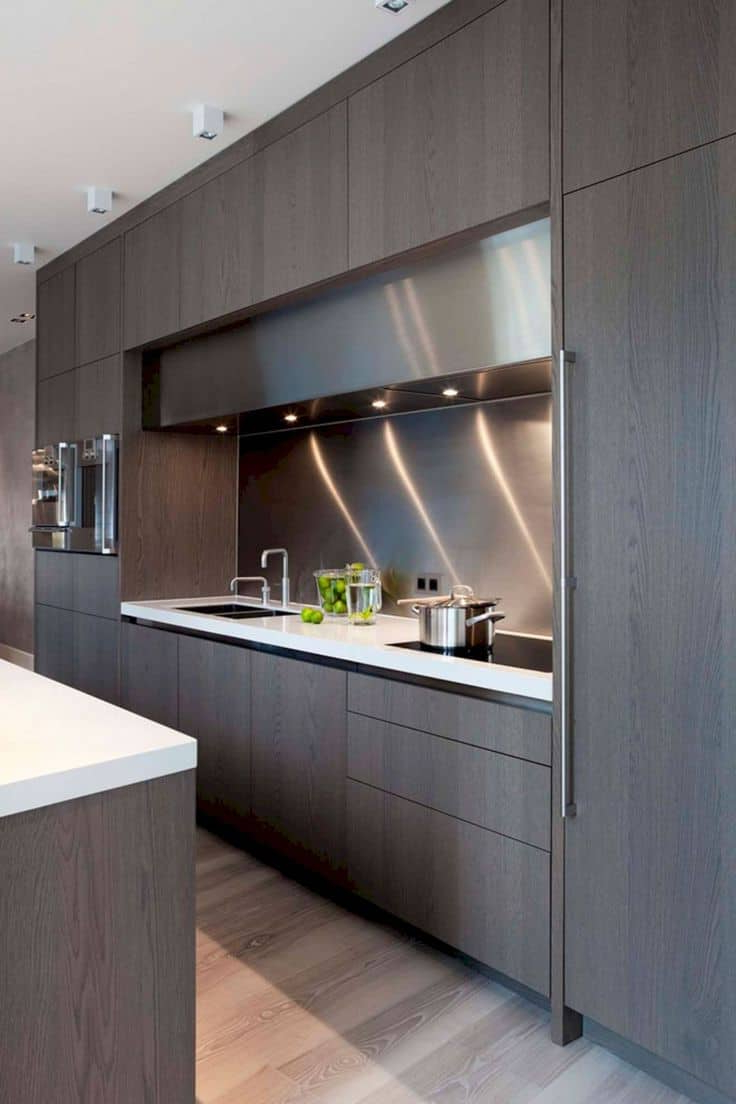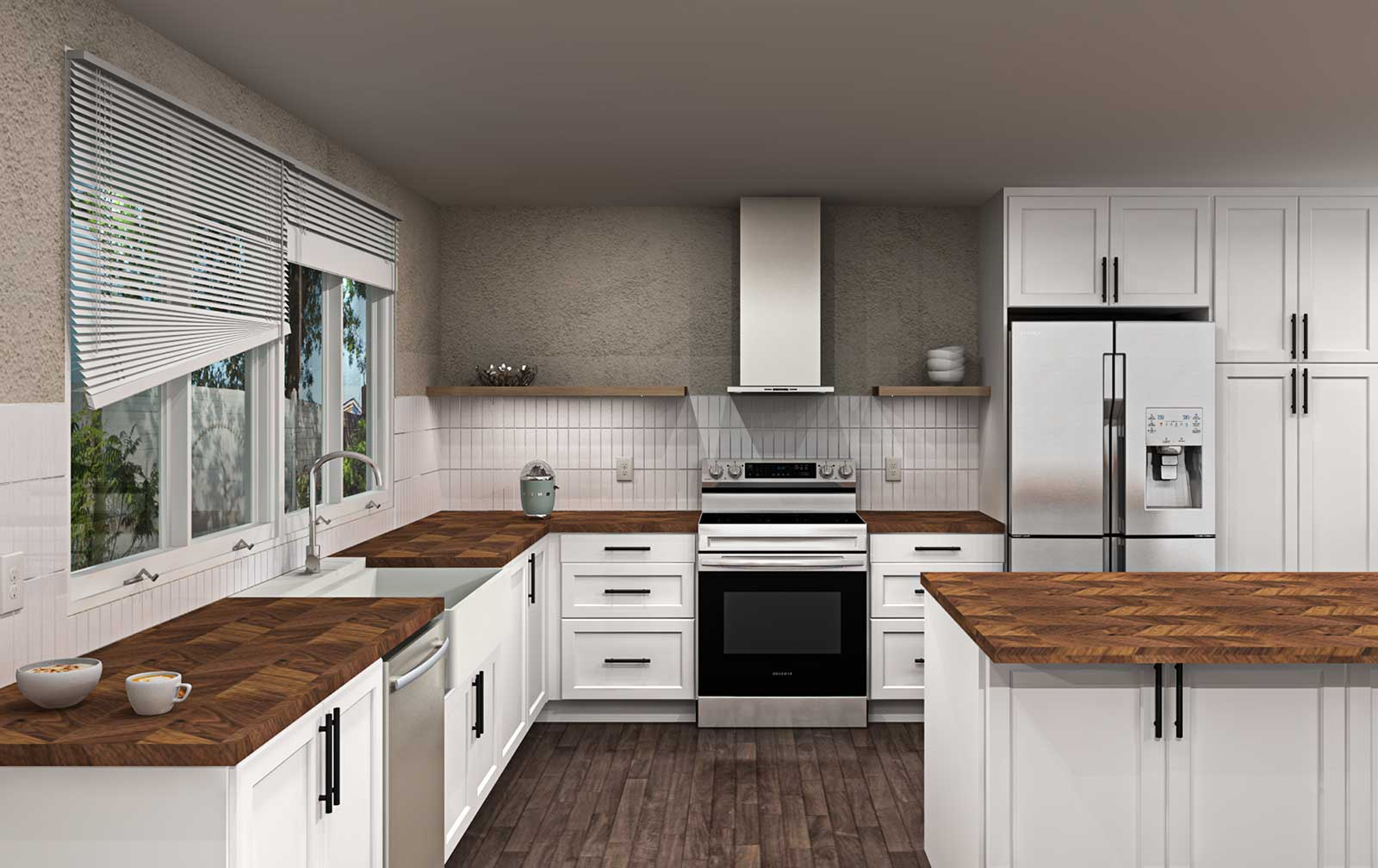
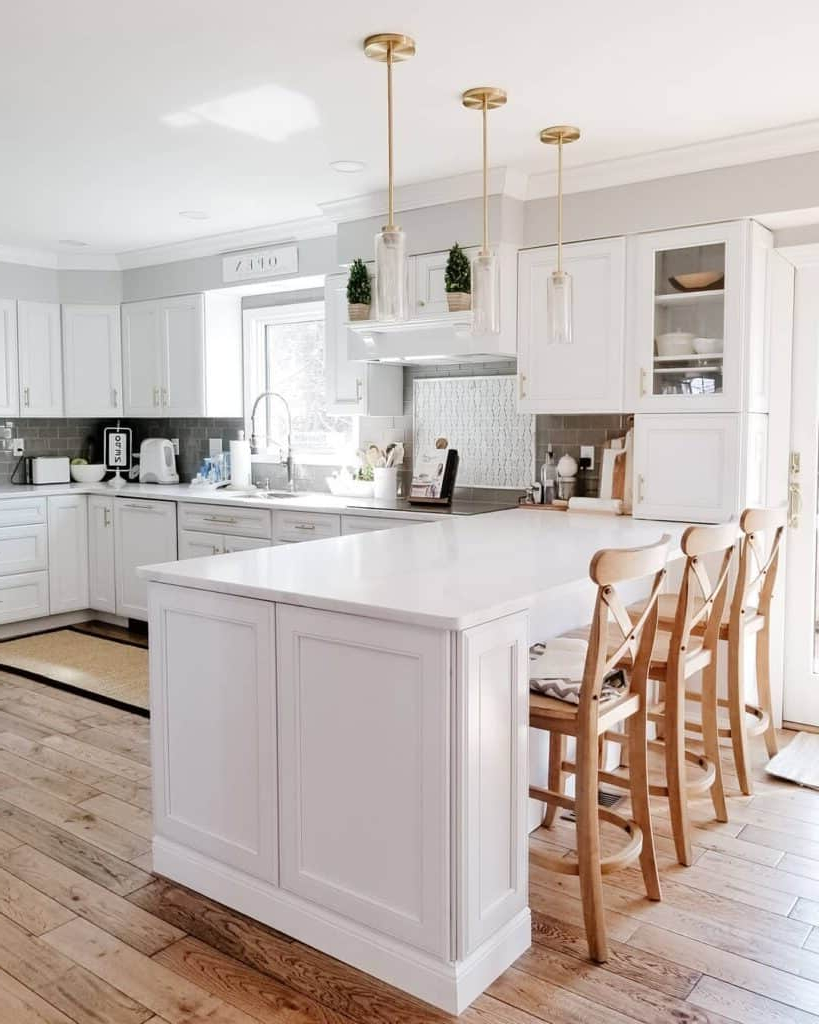
The kitchen peninsula isn’t just another counter extension – it’s a game-changer for how you cook, eat, and live in your kitchen. Whether you’re a seasoned chef or someone who just wants to make meal prep easier, the right peninsula setup can revolutionize your entire cooking experience.
Picture this: You’re standing in your kitchen, surrounded by all the tools you need, with enough space to actually enjoy preparing meals. No more cramped elbows bumping into cabinets, no more struggling to get ingredients from the back of the pantry. This is what happens when you get your peninsula right. The kitchen peninsula has evolved far beyond simple countertop extension. It’s become the heart of modern kitchens, serving as everything from prep stations to casual dining areas. The magic happens when you think beyond just adding more surface area. A well-designed peninsula can streamline your workflow, enhance your cooking efficiency, and even improve your family’s daily routine. Think about it – how many times have you found yourself wishing for more room to work? How often do you feel like you’re constantly moving around your kitchen instead of working within it? These peninsula solutions address those exact problems, creating spaces that actually feel bigger and more functional than they really are.
Understanding Peninsula Functionality
A peninsula isn’t just a fancy name for a counter extension. It’s a strategic design element that can dramatically change how you interact with your kitchen. When planning your peninsula, consider its primary purpose. Is it going to serve as a prep station? A breakfast bar? A spot for family gatherings? Each function requires different considerations.
The key is understanding that peninsulas work best when they’re designed with intention. They shouldn’t just take up space – they should solve problems. For instance, if you frequently cook large meals, you might want a peninsula with built-in storage for ingredients. If you entertain often, maybe you’ll prioritize seating and easy access to food. The versatility of a peninsula lies in its adaptability to your lifestyle and habits. Many people overlook the fact that a peninsula can also act as a visual separator between cooking and dining areas, helping to create distinct zones within your kitchen. This separation can be especially helpful if you want to keep cooking smells from overwhelming your dining area or if you simply prefer having a defined space for each activity. The most successful peninsula designs balance multiple functions while maintaining a cohesive look that fits with your overall kitchen aesthetic.
Smart Storage Solutions
One of the most important aspects of a great peninsula is smart storage. You don’t want to sacrifice functionality for looks, but you also don’t want a cluttered space that defeats the purpose of having more room. Here are some effective approaches:
• Built-in shelving that matches your cabinetry perfectly
• Pull-out drawers for easy access to spices and utensils
• Open shelves for frequently used items like cutting boards or serving dishes
• Hidden compartments for items you don’t want visible
• Adjustable shelves that can accommodate various sized items
Consider the items you use most often. Where do you keep your favorite knives? What ingredients do you pull out regularly? Planning storage around your actual usage patterns will make your peninsula much more useful. Some people find success with a combination approach – using open shelving for items they see daily and closed cabinets for things they don’t want exposed. This creates a balance between accessibility and visual appeal. Don’t forget about vertical space either – tall cabinets or shelving units can maximize storage without taking up precious floor space. The key is to make everything easy to reach and organize in a way that makes sense for your cooking style.
Seating and Social Spaces
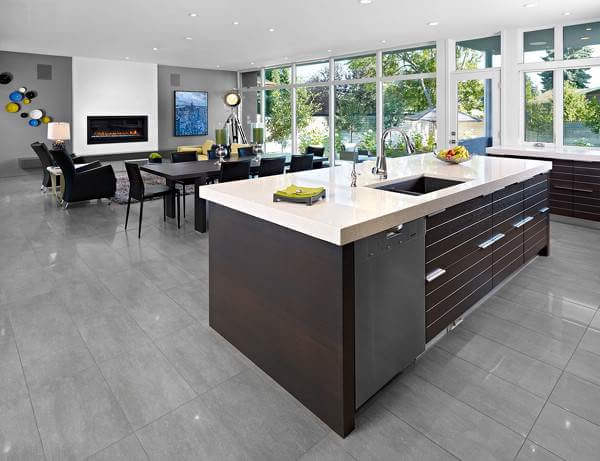
Many people don’t realize that a peninsula can serve as a social hub in their home. When you build seating into your peninsula design, you’re creating a space where conversations happen naturally. This isn’t just about adding chairs – it’s about designing a place where people want to gather.
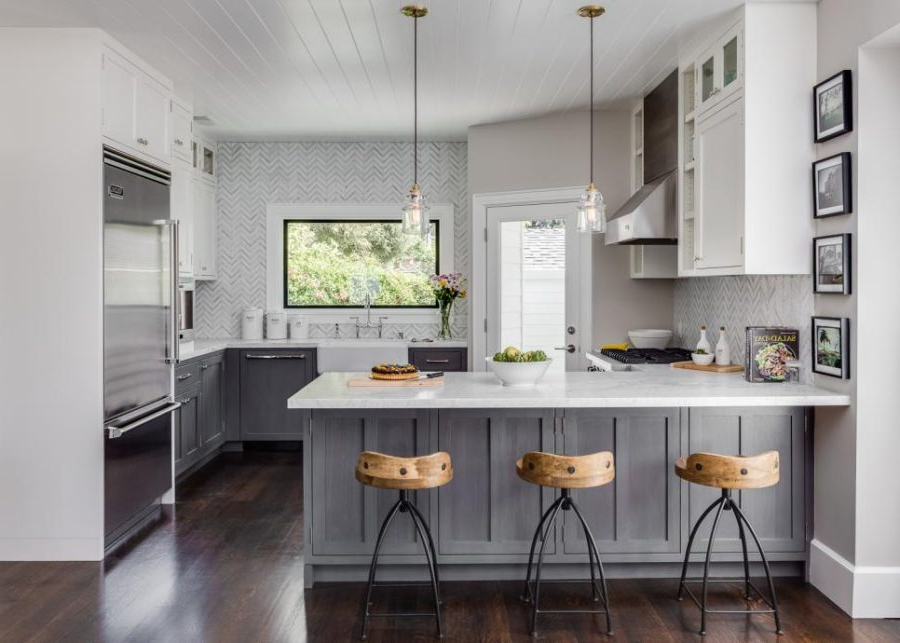
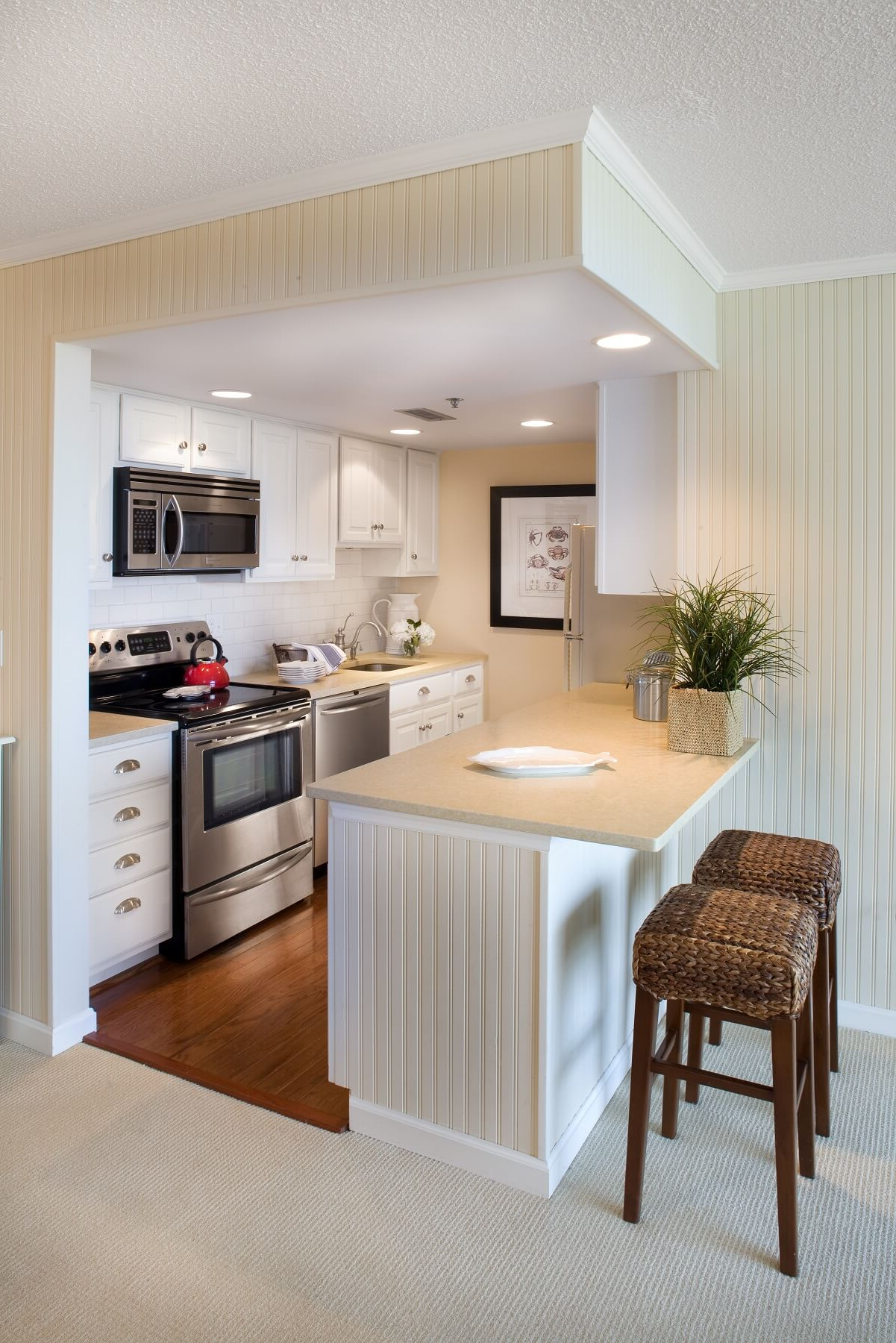
The size of your seating area matters greatly. A few stools that fit perfectly under your peninsula can provide intimate conversation space. Or you might opt for a larger bench that can accommodate more guests during busy meal times. The height of your seating should match the peninsula itself. If your peninsula is 36 inches high, your stools should be around 24 to 30 inches tall. This ensures comfortable eating and prevents awkward positioning.
Think about the flow of traffic in your kitchen. Will people need to walk past your seating area when they move between rooms? Do you want a more intimate space or one that encourages movement and interaction? These decisions will shape not just the look of your peninsula but also its function. Some designers recommend incorporating a small table or island within the peninsula itself, creating multiple eating options and additional surfaces for food preparation.
Lighting Considerations
Proper lighting can make or break your peninsula experience. You want bright, even illumination that doesn’t create shadows or glare on your food preparation surfaces. Consider layering your lighting rather than relying on just one source.
Under-cabinet lights are essential for general workspace illumination. They provide even light across your countertops and eliminate dark spots that could affect your cooking accuracy. LED strips installed beneath your peninsula can add a nice ambient glow that makes the space feel welcoming.
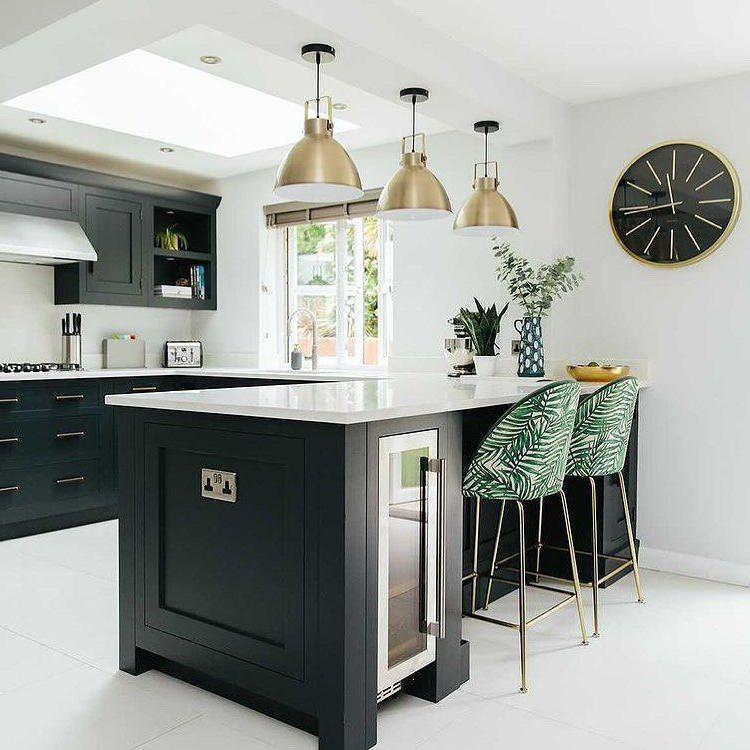
Task lighting is crucial for detailed work like chopping vegetables or reading recipes. A pendant light or track lighting focused directly on your peninsula area works well. Many people find that adding dimmer switches gives them flexibility for different activities throughout the day.
Don’t overlook the effect of natural light. Position your peninsula where it can benefit from morning sunlight, but also consider how it will look in different lighting conditions. The right lighting can transform a simple counter extension into a beautiful focal point of your kitchen. Some people even incorporate decorative lighting elements like string lights or candle holders to create a cozy atmosphere for evening meals.
Material and Design Choices
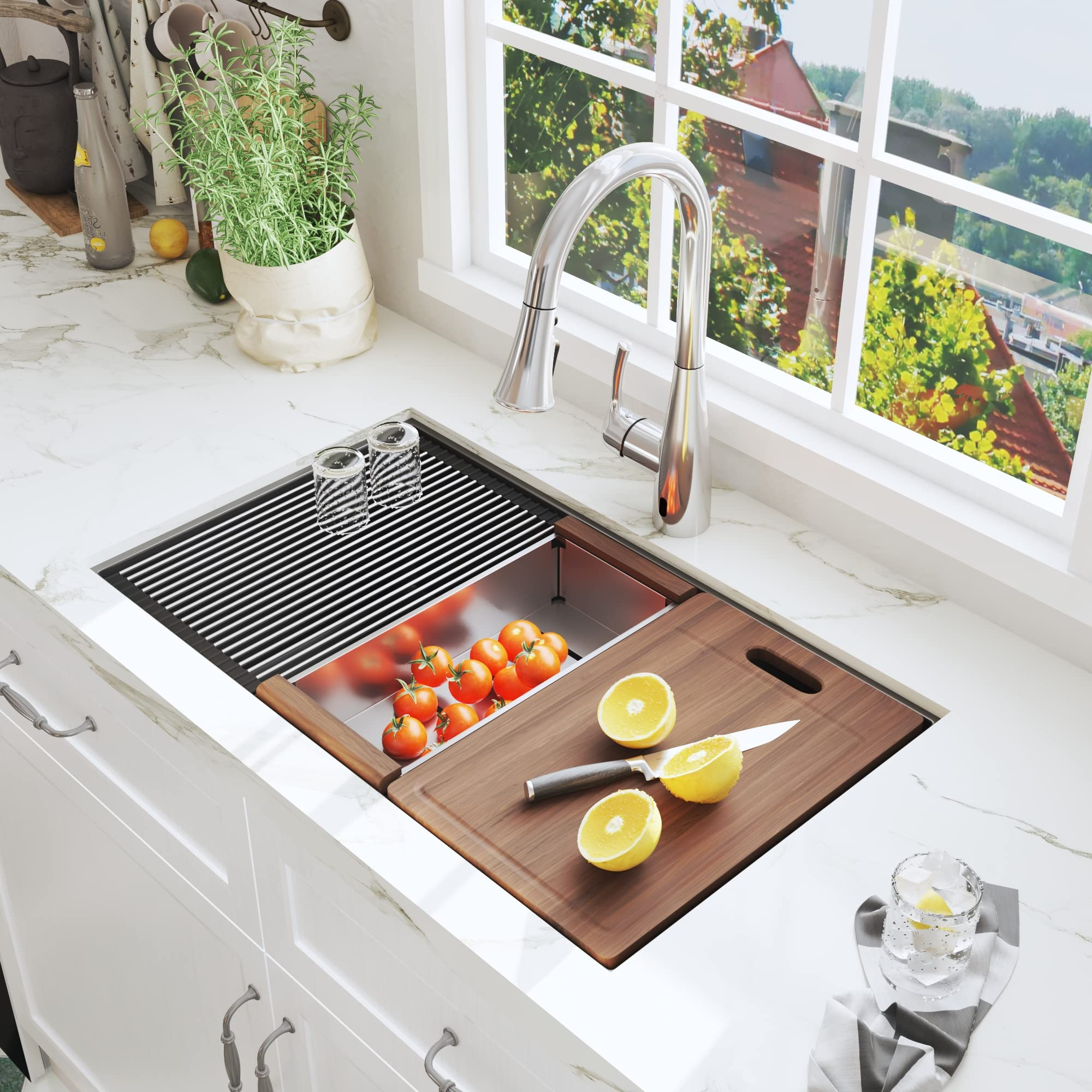
The materials you choose for your peninsula will impact both its appearance and its durability. Different materials offer unique benefits and challenges. Wood brings warmth and character to any kitchen, but it requires regular maintenance to prevent water damage. Granite and quartz countertops are incredibly durable and resistant to stains, making them excellent choices for high-traffic areas.
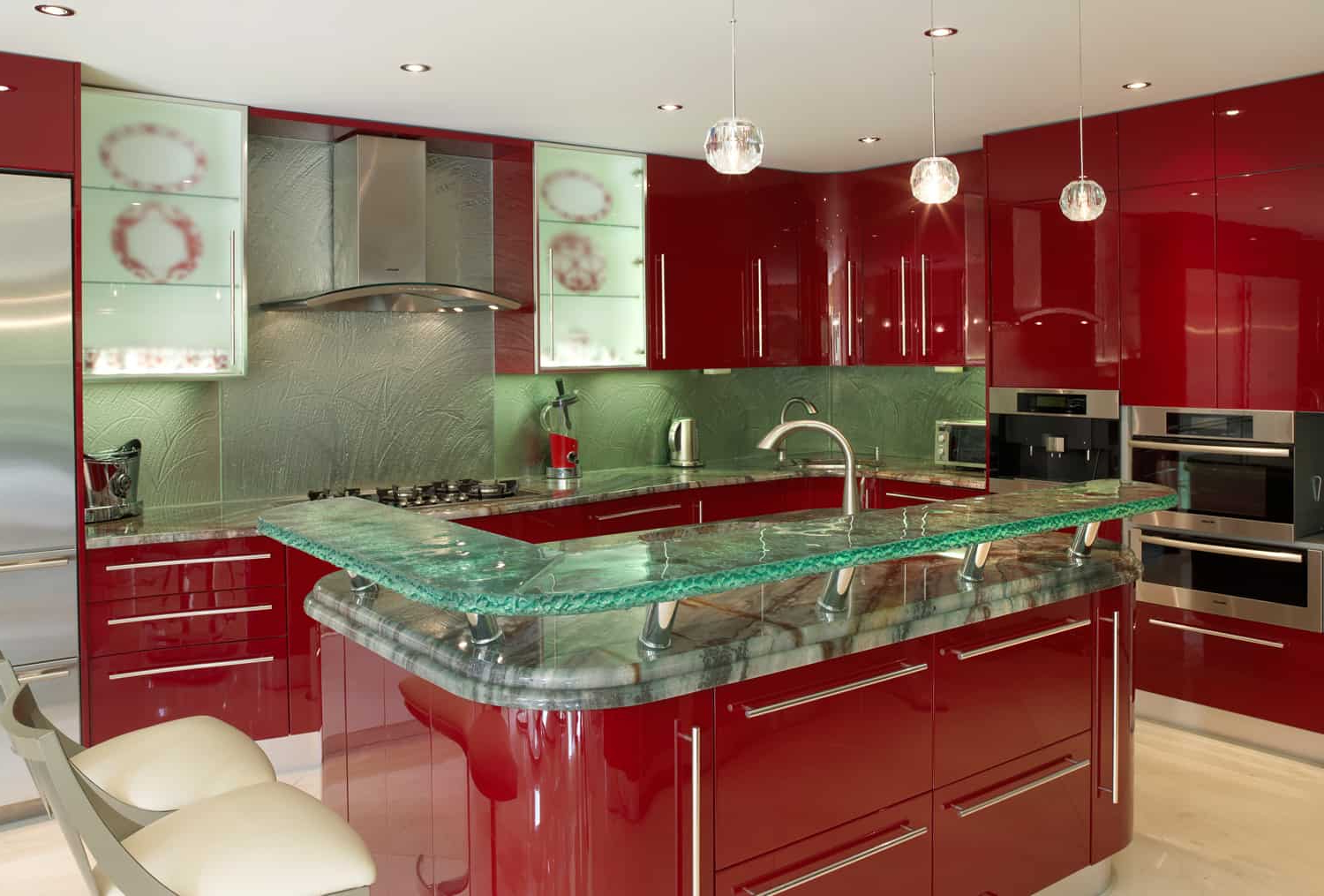
Consider the overall style of your kitchen when choosing materials. A modern kitchen might benefit from sleek stainless steel or glass elements, while a traditional kitchen might call for wood or stone finishes. The material choice should complement rather than compete with your existing kitchen features.
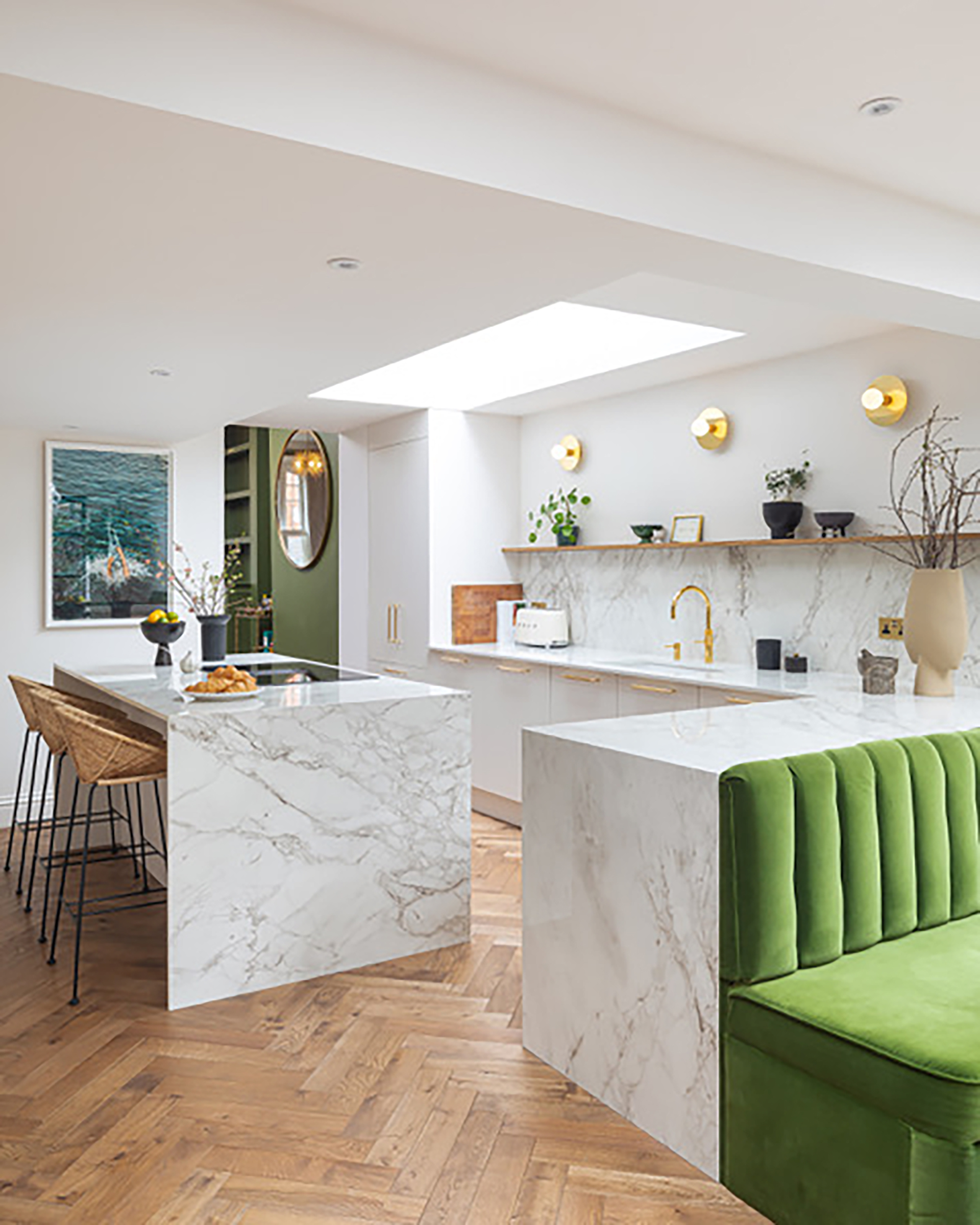
Don’t forget about texture and finish. Matte finishes hide fingerprints better than glossy ones, while textured surfaces can add visual interest without being overwhelming. Some people prefer to mix materials – perhaps a wooden top with metal accents or stone countertops with wood trim. This combination approach can create a sophisticated look that feels both contemporary and timeless.
The edge profiles matter too. Rounded edges are safer and more forgiving, especially if you have children. Sharp edges might look more elegant but require more careful consideration in terms of safety and usability.
Practical Layout Tips
Layout is everything when it comes to peninsula effectiveness. You want to avoid creating bottlenecks or awkward spaces that make cooking feel stressful. Here are some practical layout strategies:
• Place your peninsula where it won’t interfere with your main work triangle (refrigerator, sink, stove)
• Leave at least 36 inches of clearance around your peninsula for comfortable movement
• Consider the height of your peninsula in relation to your appliances and surrounding cabinetry
• Think about traffic flow – people should be able to move freely around your peninsula
• Plan for the placement of outlets and plumbing connections before installation
Some people find that positioning their peninsula near the entrance to their kitchen helps with meal prep and cleanup. Others prefer it centered in the room for maximum visibility and accessibility. The key is matching your layout to your actual usage patterns. You might want to sketch out your kitchen with measurements and note where you spend the most time. This will help you determine whether you need a longer peninsula or one that extends further into your kitchen.
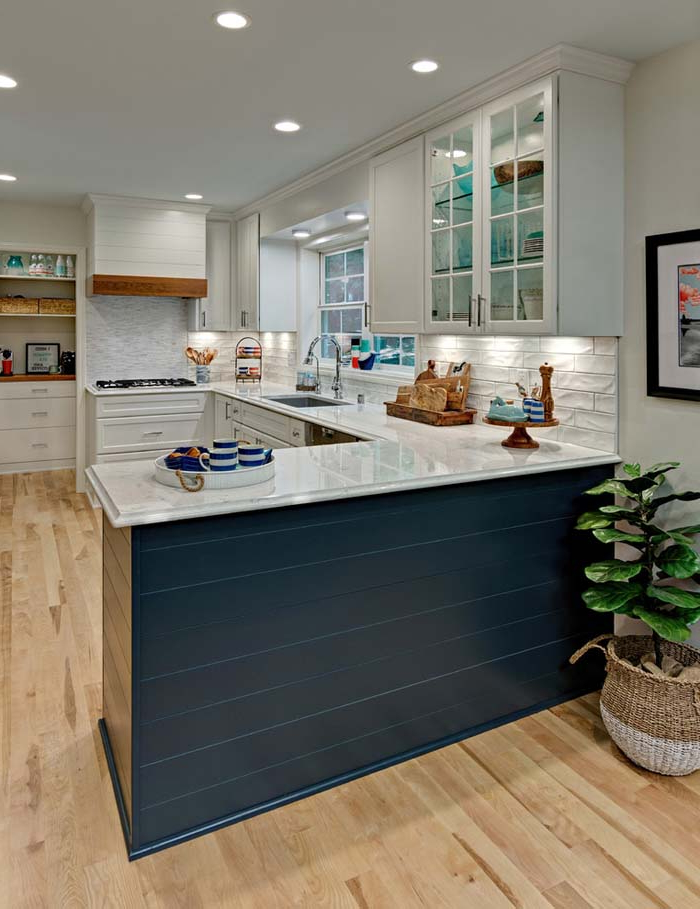
Also consider how your peninsula will work with your existing kitchen layout. If you have limited space, a compact peninsula that doubles as a prep area and seating might be ideal. In larger kitchens, you might have room for a more elaborate design with multiple functions and storage options.
The right peninsula can truly transform your cooking area from a simple workspace into a dynamic part of your home life. It’s not just about having more counter space – it’s about creating a space that supports how you actually live and cook. When you approach peninsula design thoughtfully, considering everything from storage needs to social gathering spaces, you’re investing in a feature that will serve you for years to come. The beauty of these designs is that they can adapt to your changing needs over time. Whether you’re looking to streamline your daily cooking routine or create a more inviting space for family meals, the right peninsula solution can make a real difference. Don’t let your kitchen peninsula become just another piece of furniture. Instead, let it become the foundation for better cooking experiences, more efficient meal preparation, and a space where memories are made. The investment in thoughtful peninsula design pays dividends in daily enjoyment and long-term satisfaction with your kitchen space.
[sps_html tag=”img” src=”https://roofdrivein.com/wp-content/uploads/2026/01/35-kitchen-peninsula-ideas-that-are-pretty-and-functional-in-essential-kitchen-peninsula-ideas-that-transform-your-cooking-area.jpg” alt=”35 Kitchen Peninsula Ideas That Are Pretty And Functional in Essential Kitchen Peninsula Ideas That Transform Your Cooking Area” style=”width: 100%; height: auto;”]
[sps_html tag=”img” src=”https://roofdrivein.com/wp-content/uploads/2026/01/35-functional-kitchen-peninsula-ideas-you-need-to-see-throughout-kitchen-ideas-with-peninsula.jpg” alt=”35 Functional Kitchen Peninsula Ideas You Need To See throughout Kitchen Ideas With Peninsula” style=”width: 100%; height: auto;”]
[sps_html tag=”img” src=”https://roofdrivein.com/wp-content/uploads/2026/01/kitchen-peninsula-ideas-9-compact-designs-youll-love-homes-and-gardens-within-kitchen-ideas-with-peninsula.jpg” alt=”Kitchen Peninsula Ideas: 9 Compact Designs You'll Love | Homes And Gardens within Kitchen Ideas With Peninsula” style=”width: 100%; height: auto;”]
[sps_html tag=”img” src=”https://roofdrivein.com/wp-content/uploads/2026/01/kitchen-peninsula-designs-that-make-cook-rooms-look-amazing-in-essential-kitchen-peninsula-ideas-that-transform-your-cooking-area.jpeg” alt=”Kitchen Peninsula Designs That Make Cook Rooms Look Amazing in Essential Kitchen Peninsula Ideas That Transform Your Cooking Area” style=”width: 100%; height: auto;”]
[sps_html tag=”img” src=”https://roofdrivein.com/wp-content/uploads/2026/01/29-functional-kitchen-peninsula-ideas-and-layouts-regarding-kitchen-ideas-with-peninsula.jpg” alt=”29 Functional Kitchen Peninsula Ideas And Layouts regarding Kitchen Ideas With Peninsula” style=”width: 100%; height: auto;”]