Have you ever walked into a rustic kitchen and instantly felt like you were home? That feeling isn’t just in your head. There’s something deeply rooted in our psychology that makes us respond so positively to wooden beams, stone walls, and weathered textures. What exactly happens when we’re surrounded by these elements? Let’s explore.
Picture this: you’re standing in a kitchen with exposed brick walls, worn wooden cabinets, and a large farmhouse sink. The air smells like fresh coffee and homemade bread. You feel relaxed, at ease, and completely yourself. This isn’t just about good design—it’s about how our brains actually process and react to certain visual and tactile elements. Rustic kitchens tap into fundamental aspects of human psychology that have been shaped over thousands of years. They speak to our primal need for safety, comfort, and connection to nature. But what makes these spaces work so well? It’s time to uncover the science behind why rustic kitchens feel so damn good.
The Power of Natural Materials
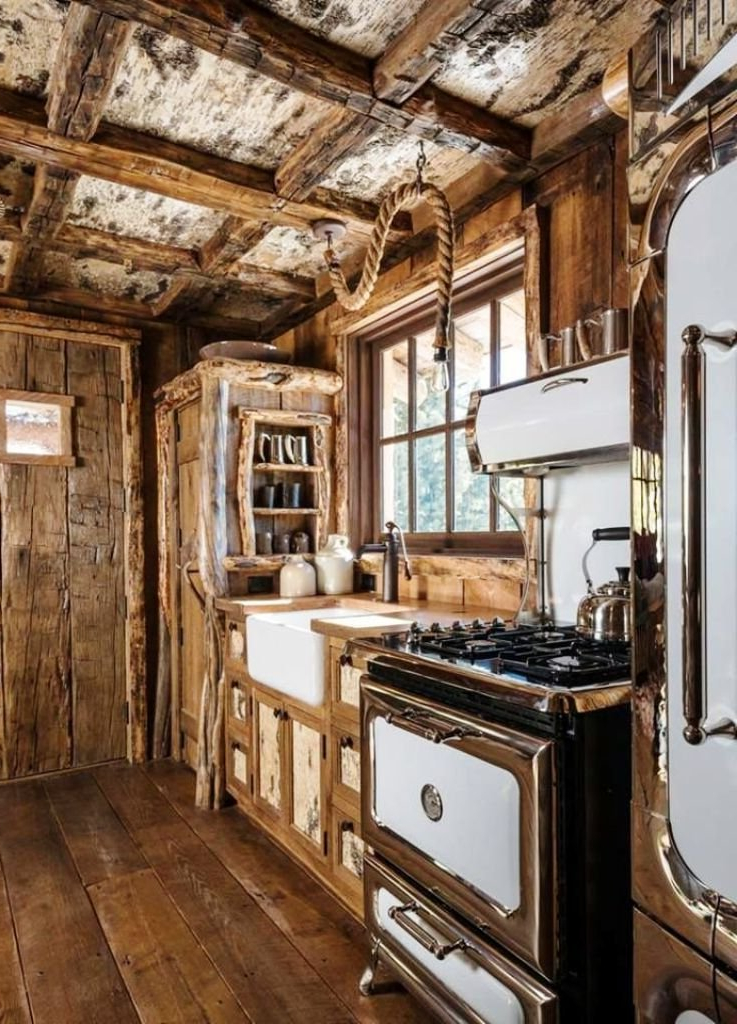
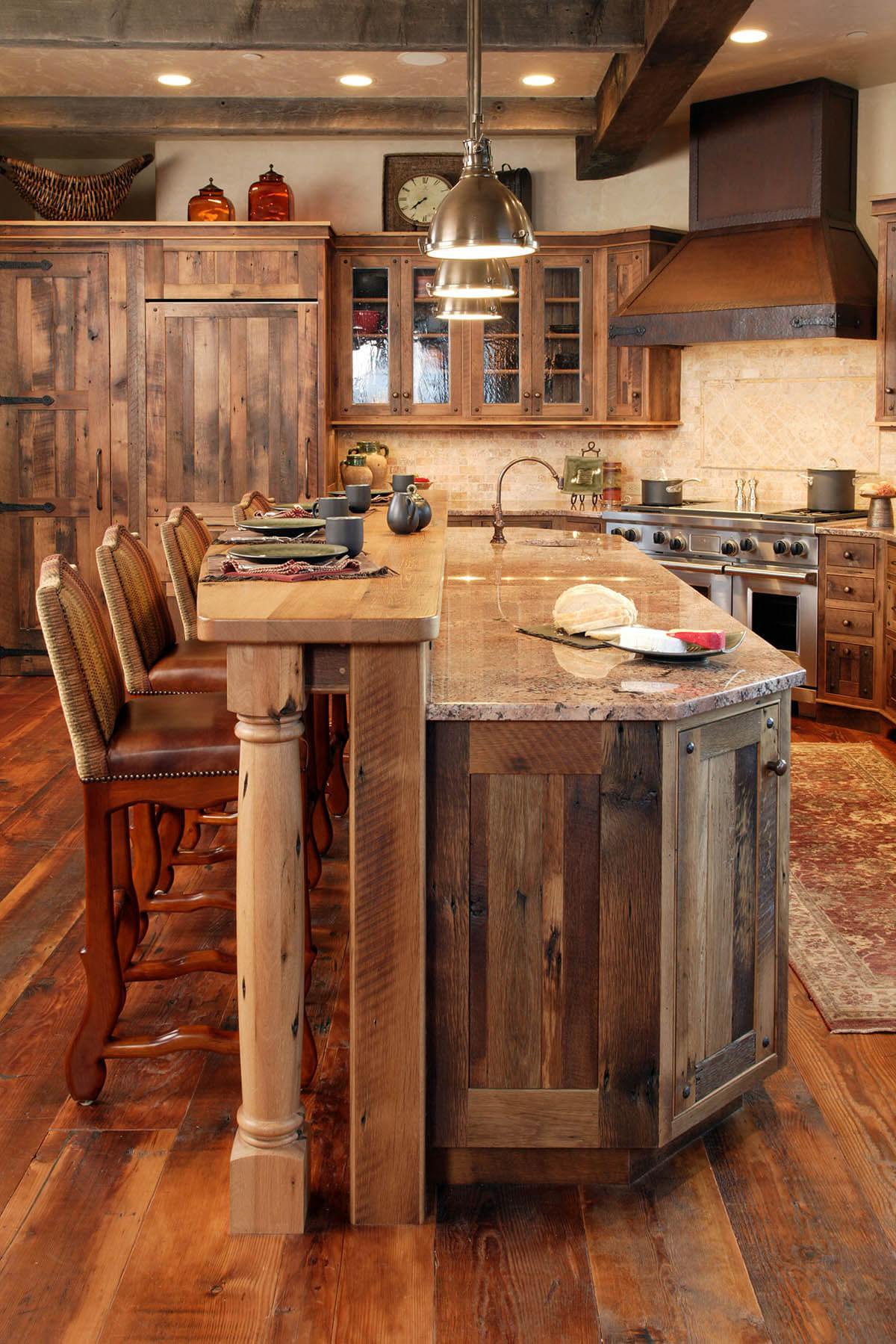
Rustic kitchens are built around natural materials that our ancestors encountered daily. Wood, stone, and metal aren’t just pretty—they’re deeply familiar to us. When we see these textures, our brains recognize them as safe, trustworthy elements. Think about it. Our forebears lived in homes made from these exact materials. The warmth of wood against our skin, the coolness of stone underfoot, the strength of metal for tools and support—all these sensations created memories that still influence us today.
Studies show that exposure to natural materials reduces stress levels and increases feelings of wellbeing. When you’re surrounded by the grain of wood or the rough texture of stone, your body responds with a sense of calm. It’s almost like being back in a place where you belong. These materials remind us of home, of security, of the simple things that make life feel grounded. That’s why a kitchen with reclaimed wood countertops or stone backsplashes feels so much more inviting than one filled with synthetic materials.
Warmth Through Color and Light
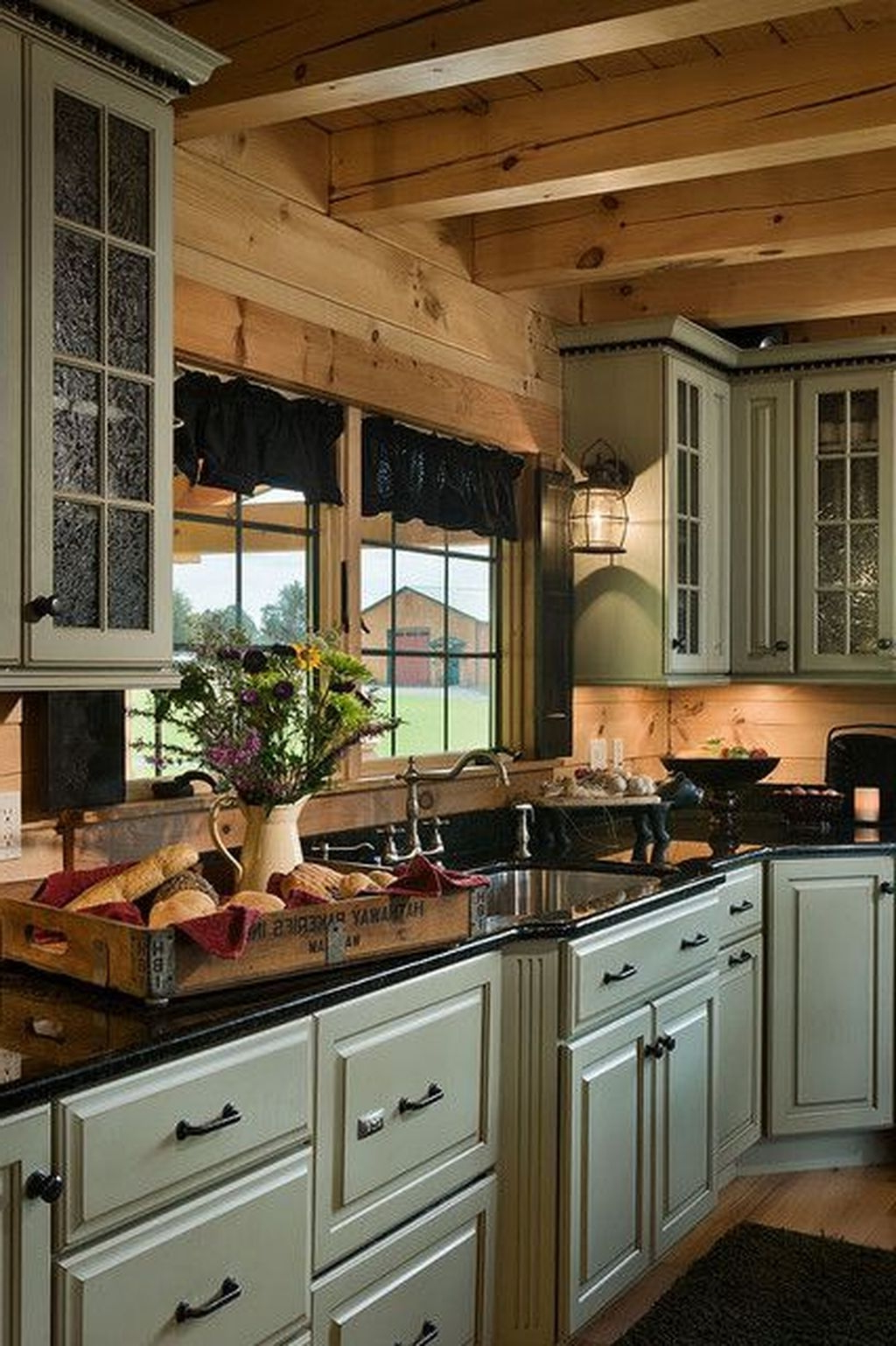
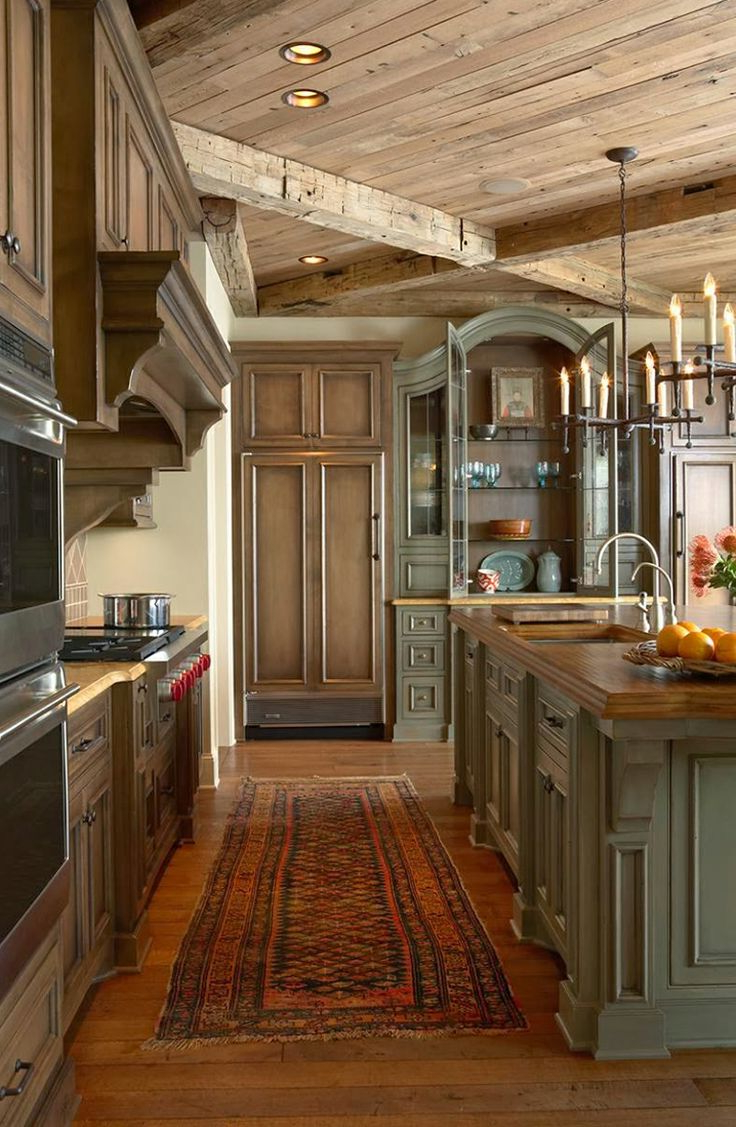
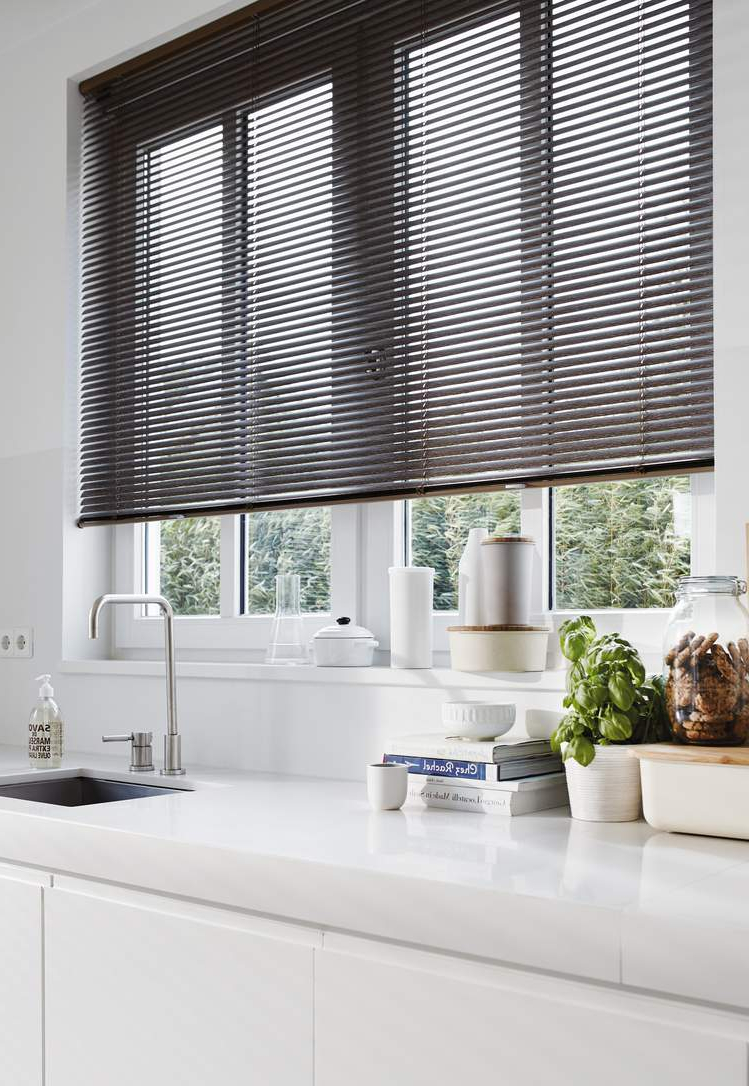
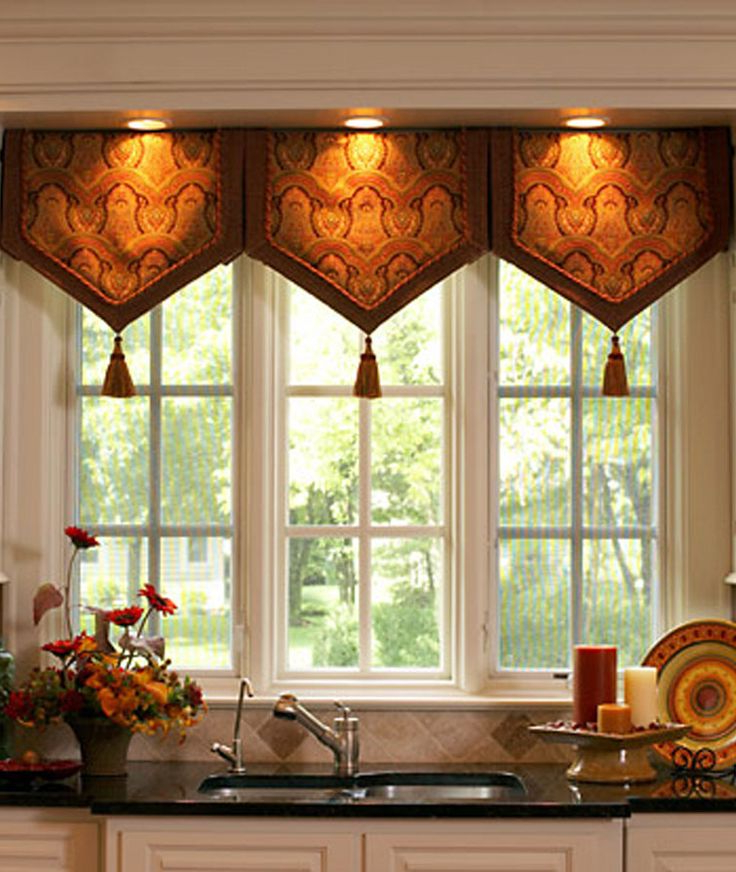
Rustic kitchens often feature earth tones and warm lighting that trigger positive emotional responses. Colors like deep browns, rich oranges, and muted yellows activate the same neural pathways that respond to sunlight and firelight. These hues make us feel cozy, protected, and ready to eat and socialize. The warm glow of Edison bulbs or the soft light filtering through wooden blinds creates a mood that’s both relaxing and appetizing.
Research suggests that warm colors can increase appetite and encourage people to spend more time in a space. In fact, restaurants that use warm color schemes often see customers stay longer and order more food. The same principle applies to home kitchens. When you walk into a rustic kitchen bathed in warm light and earthy tones, your brain automatically shifts into ‘comfort mode.’ It’s no accident that these spaces feel so welcoming—they’ve been designed to make us feel at home.
The Role of Imperfection and Authenticity
What makes rustic kitchens special isn’t their perfection—it’s their authenticity. The small scratches on wooden cabinets, the slight variations in stone tiles, the patina on metal fixtures. These imperfections tell a story. They show us that this space has been lived in, loved, and cared for over time.
Our brains are wired to appreciate authenticity. We’re drawn to objects that show signs of use because they represent real experiences and genuine care. This is part of what makes rustic design so powerful. Unlike sterile, perfectly clean modern kitchens, rustic spaces celebrate the beauty of wear and tear. They remind us that home isn’t about looking flawless—it’s about feeling real and connected. The slight unevenness of a countertop, the handcrafted look of a wooden table, these details make everything feel more human and less intimidating.
Connection to Nature and Simplicity
Rustic kitchens bring elements of the outdoors inside. Whether it’s a garden view through the window, plants growing in corner planters, or raw materials that mimic natural landscapes, these designs create a bridge between indoor and outdoor living. This connection to nature is crucial for our mental health.
Science confirms that being around natural elements reduces anxiety and improves focus. A study found that people working in offices with views of trees or water showed significantly better performance and lower stress levels. Rustic kitchens incorporate this principle by bringing natural textures and colors into our daily lives. The sight of weathered wood or stone can instantly transport us away from the chaos of modern life and back to simpler times. It’s like having a piece of the countryside in your home, even if you live in the city.
Memory and Nostalgia Triggers
Rustic kitchens often trigger childhood memories and family traditions. The smell of wood smoke, the sound of wooden floors creaking, the sight of a grandmother’s kitchen with its worn linoleum and vintage appliances—these are all cues that activate our memory centers. When we experience these familiar elements, our brains release neurotransmitters associated with comfort and happiness.
This isn’t just about nostalgia—it’s about how our brains form emotional connections with physical spaces. The brain creates associations between sensory experiences and positive emotions. A rustic kitchen becomes a place where those happy memories can be revisited and recreated. Every time you cook in a space that feels familiar and comforting, you’re reinforcing those positive neural pathways. It’s like having a memory palace for your most cherished moments.
Social Connection and Shared Spaces
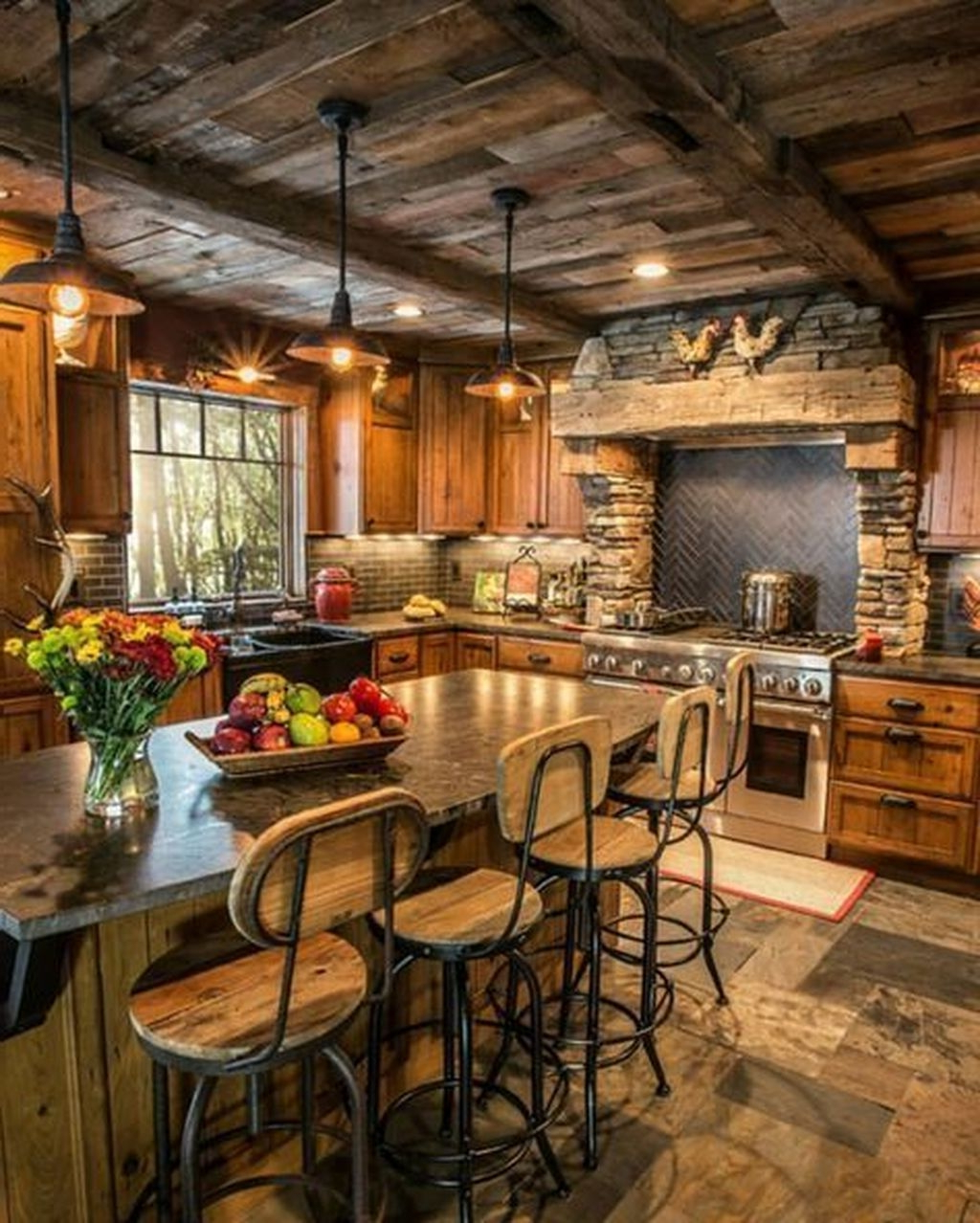
Rustic kitchens often emphasize community and gathering. They’re designed to be places where people come together, share meals, and connect with one another. The open layouts, the central island, the informal seating arrangements—all these features encourage interaction.
Psychological research shows that our brains are wired for social connection. Being in spaces that naturally promote conversation and togetherness helps reduce loneliness and improve mood. Rustic kitchens do this effortlessly. The warmth of the materials, the inviting atmosphere, and the practical design all contribute to making these spaces ideal for socializing. When you’re cooking alongside others, sharing stories over dinner, or simply enjoying quiet moments in a comfortable setting, your brain releases oxytocin—a hormone associated with bonding and trust. These kitchens become more than just functional spaces—they become emotional anchors for relationships.
Rustic kitchens work on multiple levels within our psychology. They combine natural materials, warm aesthetics, authentic imperfections, and social elements to create environments that feel genuinely comfortable. These spaces don’t just look good—they actually make us feel better. They tap into ancient human needs for security, connection, and belonging. Whether you’re designing a new kitchen or simply appreciating the ones around you, understanding these psychological principles can help you create or enjoy spaces that truly nourish the soul. The next time you step into a rustic kitchen, remember that you’re not just seeing a room—you’re experiencing the power of design that speaks directly to your deepest needs and desires. It’s not magic, it’s just good psychology at work.
[sps_html tag=”img” src=”https://roofdrivein.com/wp-content/uploads/2026/01/40-warm-cozy-rustic-kitchen-designs-for-your-cabin-besthomish-within-the-psychology-behind-why-rustic-kitchens-feel-so-comfortable.jpg” alt=”40 Warm Cozy Rustic Kitchen Designs For Your Cabin - Besthomish within The Psychology Behind Why Rustic Kitchens Feel So Comfortable” style=”width: 100%; height: auto;”]
[sps_html tag=”img” src=”https://roofdrivein.com/wp-content/uploads/2026/01/40-rustic-kitchen-designs-to-bring-country-life-designbump-with-regard-to-the-psychology-behind-why-rustic-kitchens-feel-so-comfortable.jpg” alt=”40 Rustic Kitchen Designs To Bring Country Life -Designbump with regard to The Psychology Behind Why Rustic Kitchens Feel So Comfortable” style=”width: 100%; height: auto;”]
[sps_html tag=”img” src=”https://roofdrivein.com/wp-content/uploads/2026/01/27-best-rustic-kitchen-cabinet-ideas-and-designs-for-2023-with-kitchen-ideas-rustic.jpg” alt=”27 Best Rustic Kitchen Cabinet Ideas And Designs For 2023 with Kitchen Ideas Rustic” style=”width: 100%; height: auto;”]
[sps_html tag=”img” src=”https://roofdrivein.com/wp-content/uploads/2026/01/25-amazing-rustic-kitchen-design-and-ideas-for-you-instaloverz-within-the-psychology-behind-why-rustic-kitchens-feel-so-comfortable.jpg” alt=”25 Amazing Rustic Kitchen Design And Ideas For You - Instaloverz within The Psychology Behind Why Rustic Kitchens Feel So Comfortable” style=”width: 100%; height: auto;”]
[sps_html tag=”img” src=”https://roofdrivein.com/wp-content/uploads/2026/01/40-warm-cozy-rustic-kitchen-designs-for-your-cabin-besthomish-within-kitchen-ideas-rustic.jpg” alt=”40 Warm Cozy Rustic Kitchen Designs For Your Cabin - Besthomish within Kitchen Ideas Rustic” style=”width: 100%; height: auto;”]