Everyday cooking spaces have evolved far beyond simple functionality. Today’s kitchens are culinary sanctuaries where form meets function in beautiful harmony. The right lighting can transform a mundane prep area into an inspiring workspace. Whether you’re planning a complete kitchen renovation or simply looking to refresh your current setup, creative lighting techniques can work wonders.
The kitchen has become the heart of many modern homes, serving as a place for meal preparation, family gatherings, and socializing. It’s no surprise then that homeowners increasingly focus on creating inviting and functional lighting schemes. Gone are the days when kitchen lights were just about getting enough brightness to see what you’re doing. Today’s approach considers ambiance, task efficiency, and visual appeal all at once. This shift represents more than just a trend—it’s a fundamental change in how we think about our most-used room.
Understanding Layered Lighting
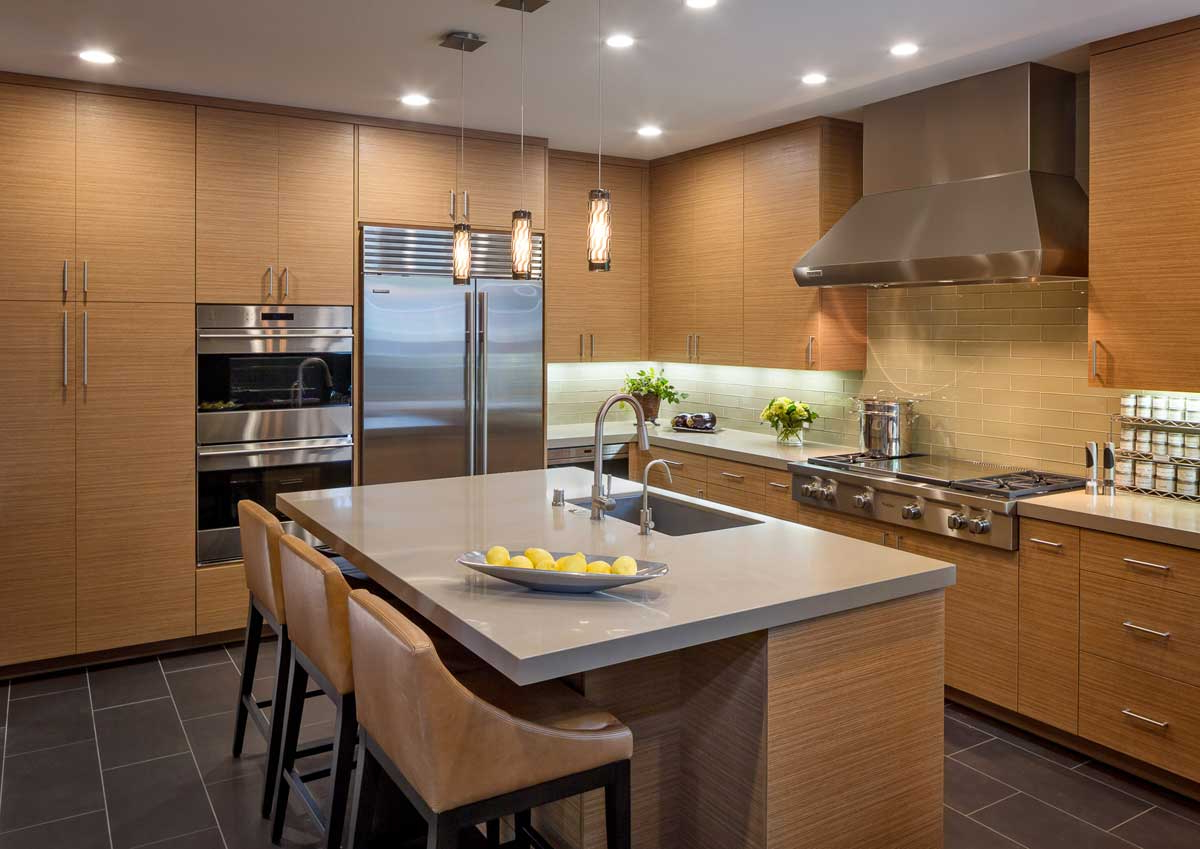
Think of layered lighting like a well-crafted symphony. You need different instruments playing together to create the full effect. In kitchens, this means combining general illumination with task-specific lighting and accent elements. General lighting provides overall brightness, task lighting focuses on work areas, and accent lighting adds personality and depth. For instance, recessed ceiling lights might handle general illumination while under-cabinet lighting ensures your countertops stay well-lit during meal prep. The key is balancing these layers so they complement rather than compete with each other. Many people overlook the importance of dimming capabilities, which allow you to adjust the mood from bright and energizing to soft and cozy. This flexibility transforms how you use your space throughout the day.
Task Lighting That Works Hard
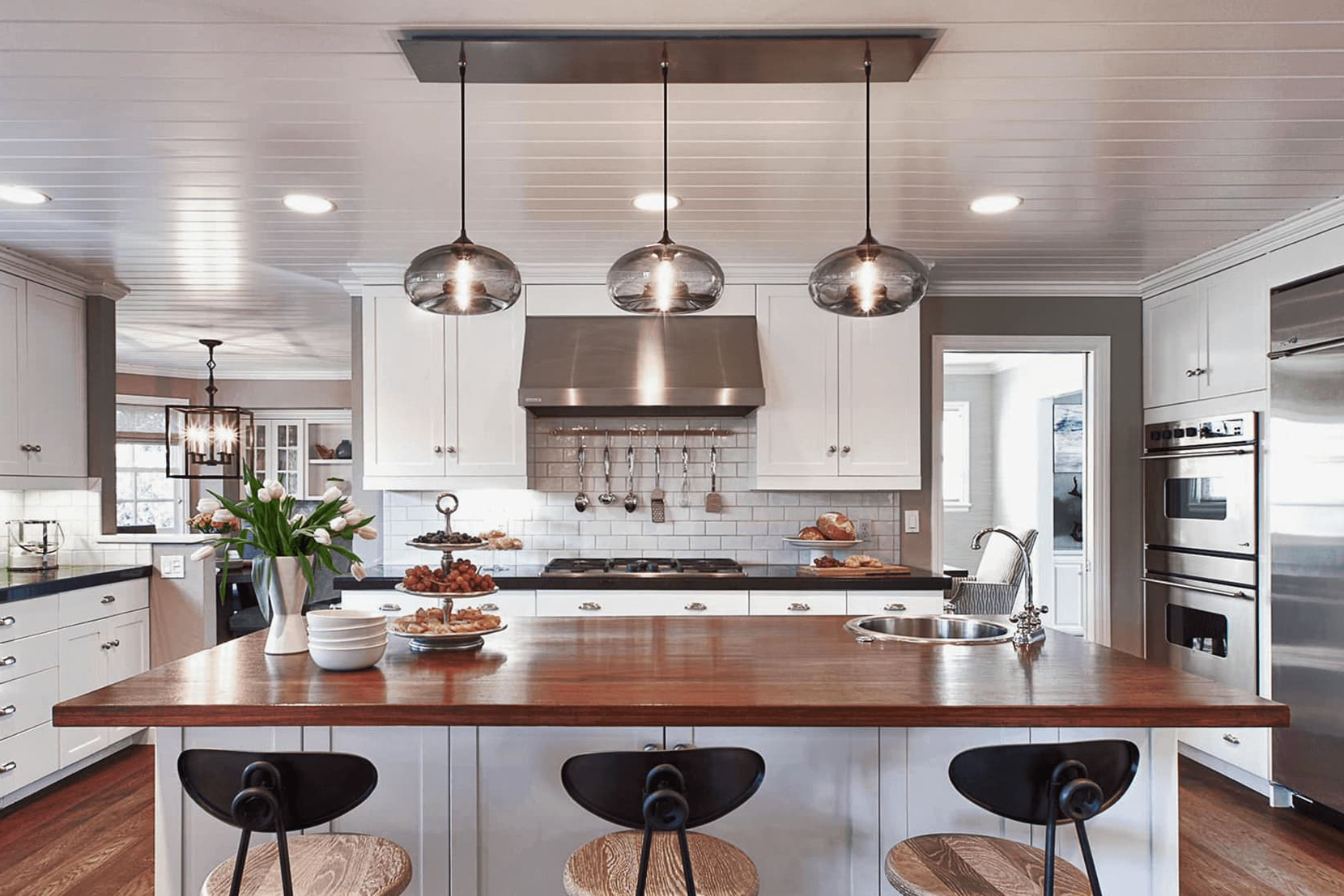
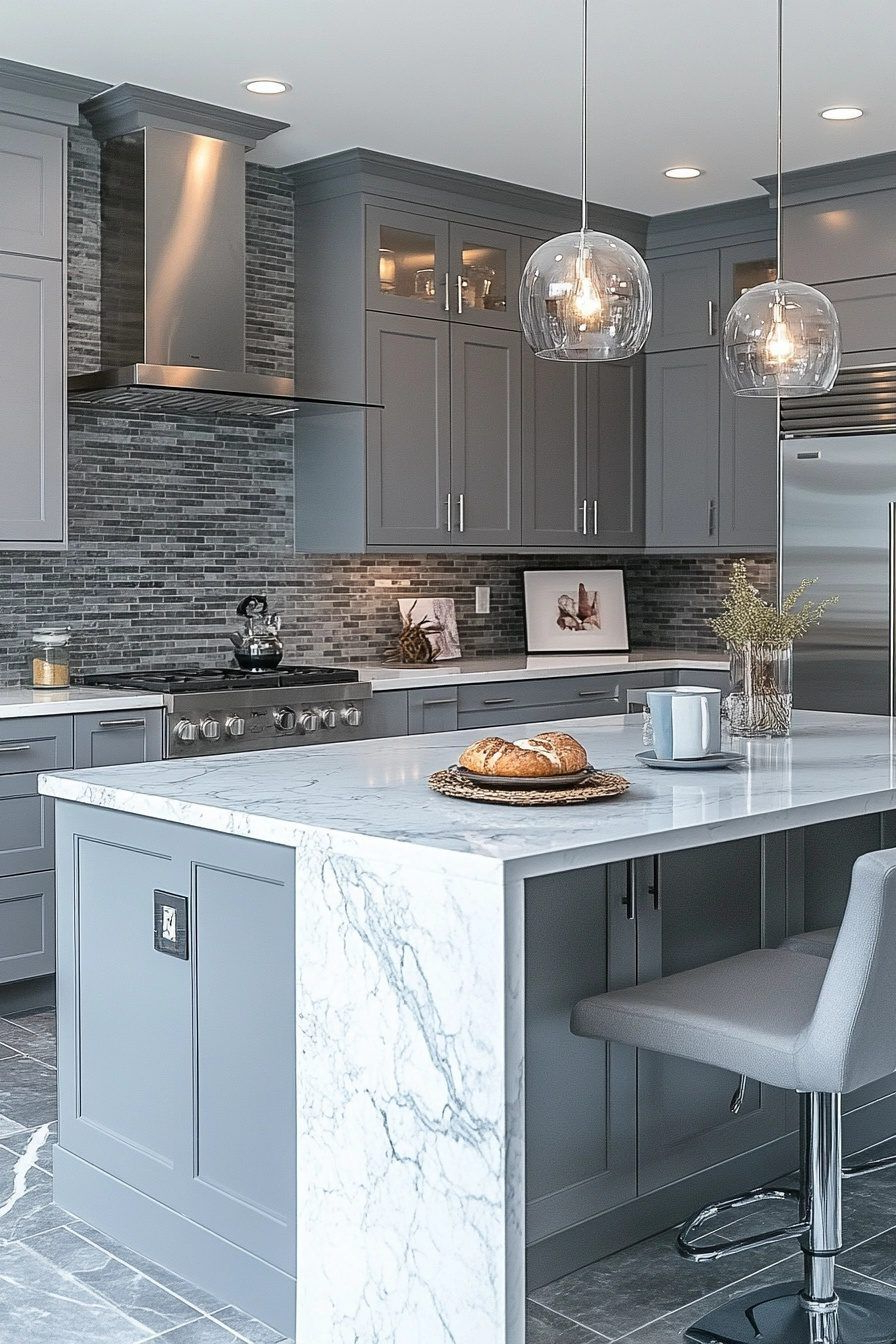
Task lighting deserves special attention because it directly impacts how efficiently you cook and clean. The best approach combines multiple light sources to eliminate shadows and provide adequate brightness. Under-cabinet lights are a staple, but consider adding a small pendant above your island or prep area. LED strip lights behind cabinets can provide subtle edge lighting that makes your space feel more open. Smart bulbs offer the ability to change color temperature based on time of day—cooler whites for morning energy and warmer tones for evening relaxation. One common mistake is using too few light sources. A typical kitchen needs at least two to three focused lighting points to avoid glare and ensure even distribution. When planning, measure your workspace carefully and test different placements before committing to installations.
Ambient Lighting for Mood and Atmosphere
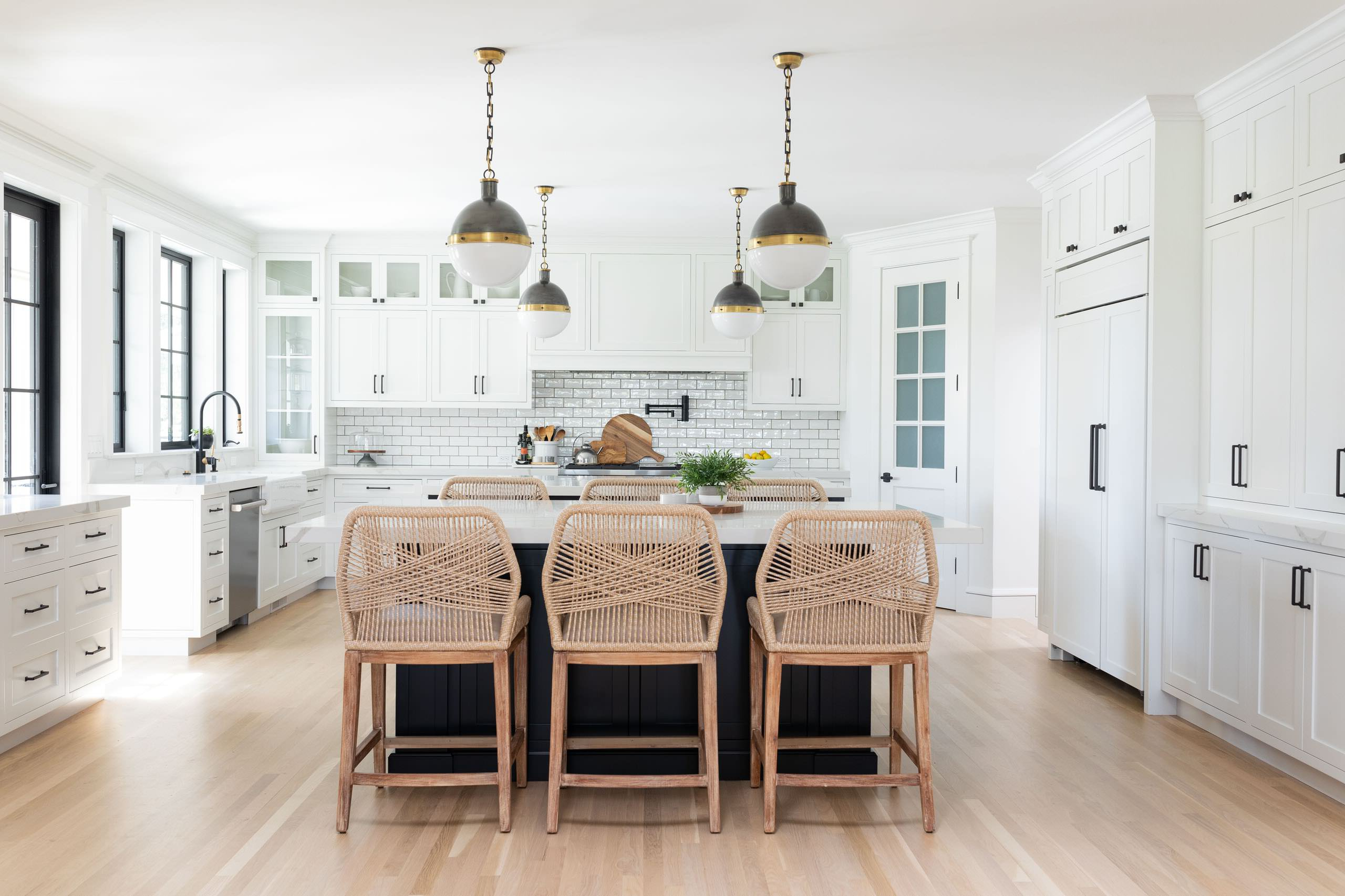
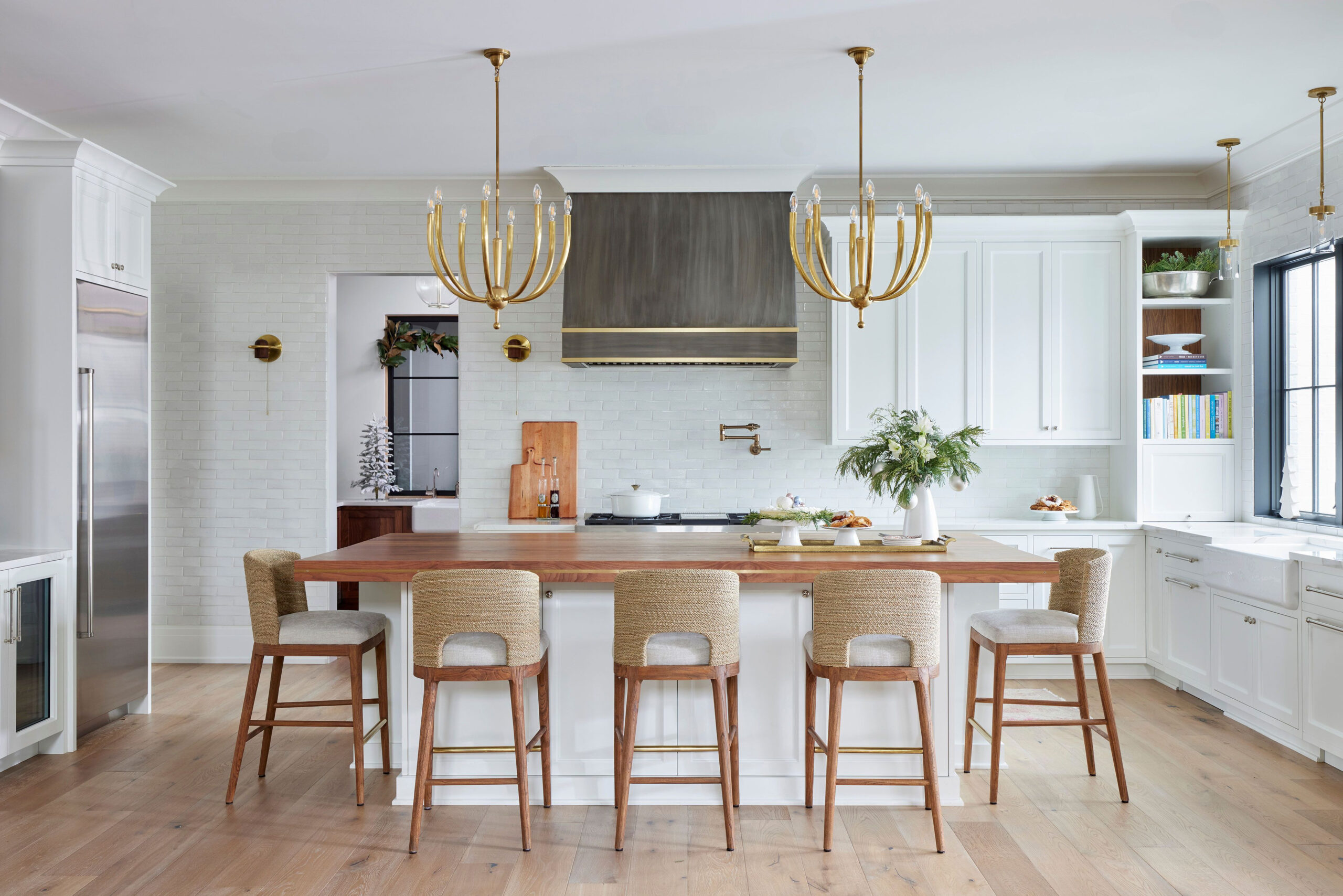
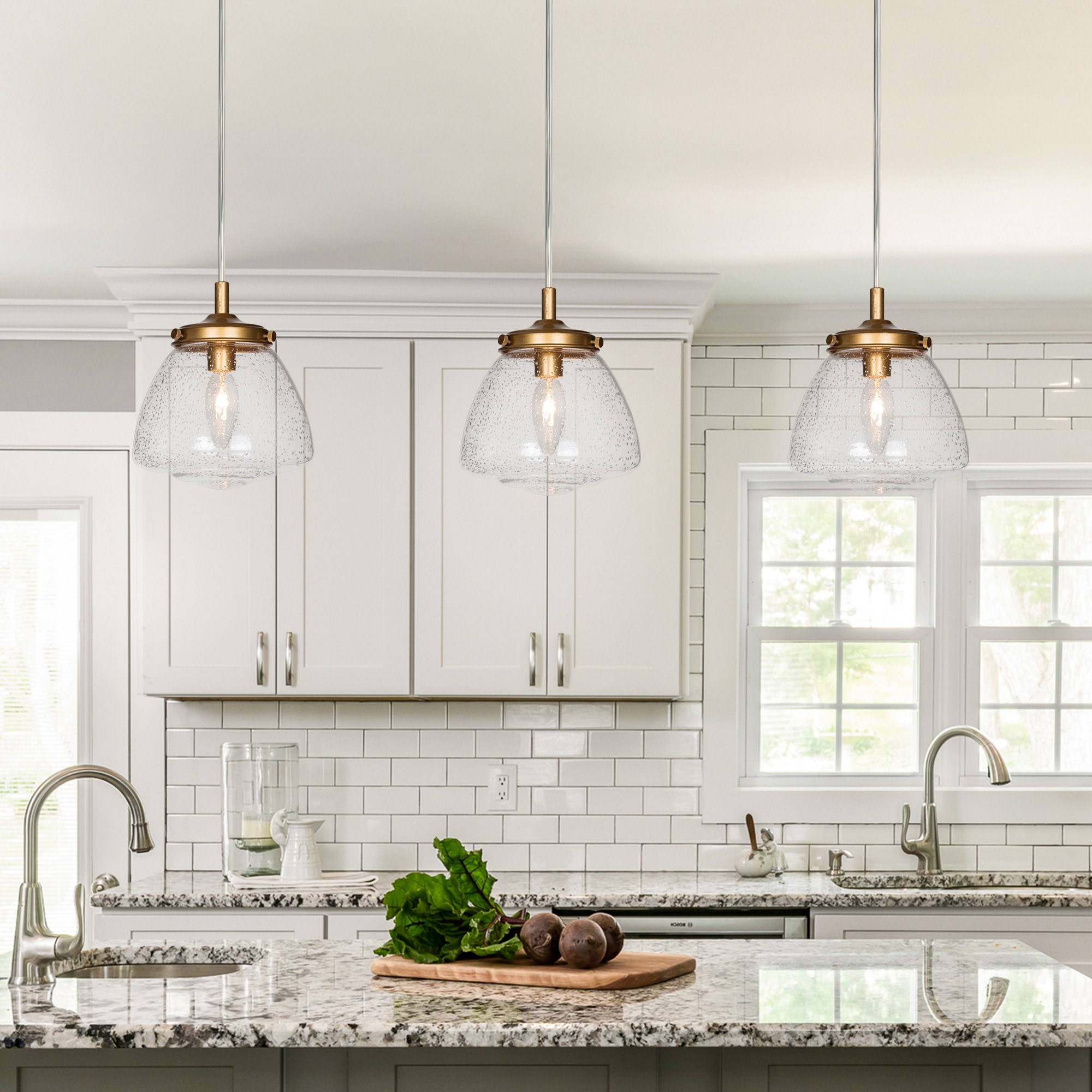
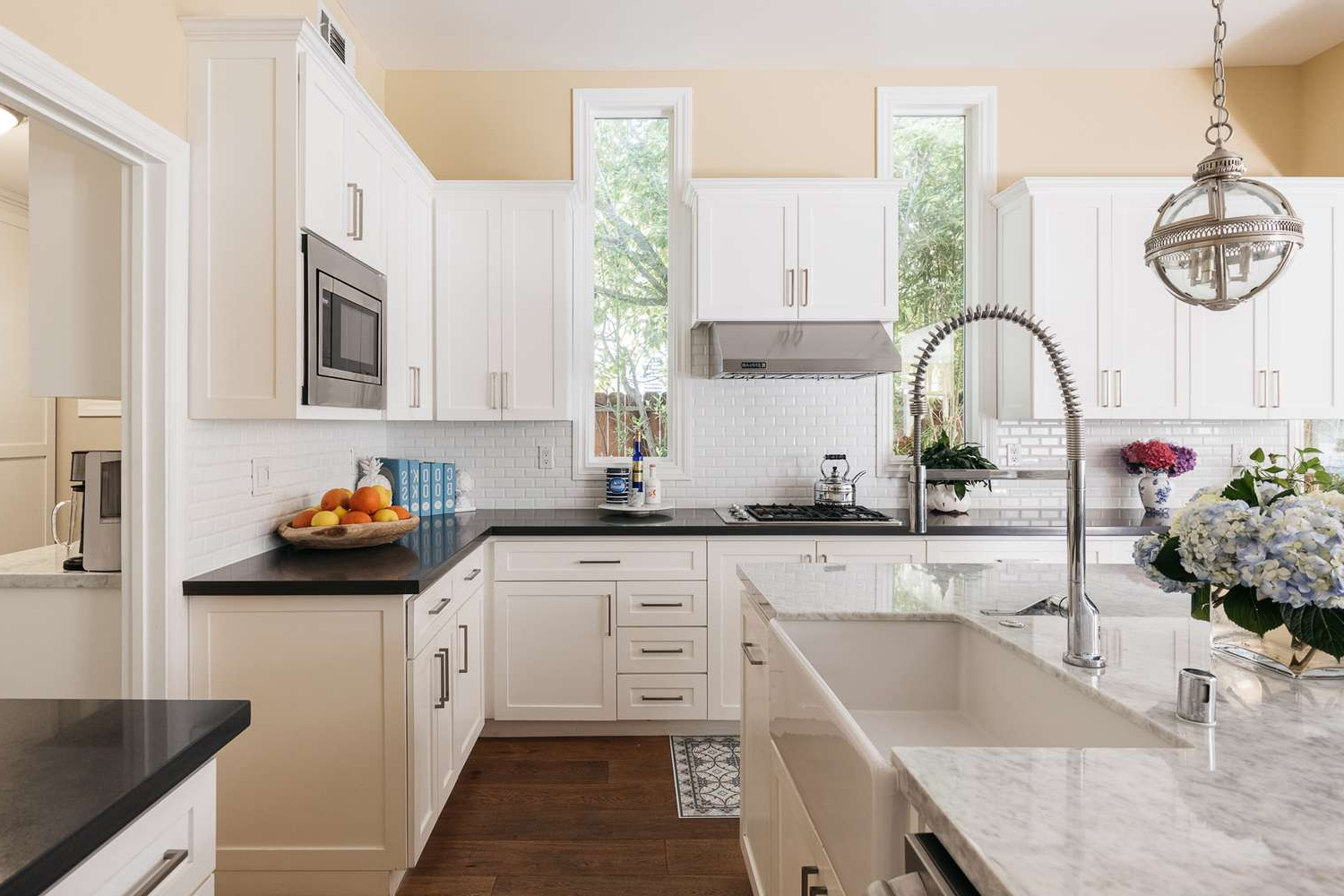
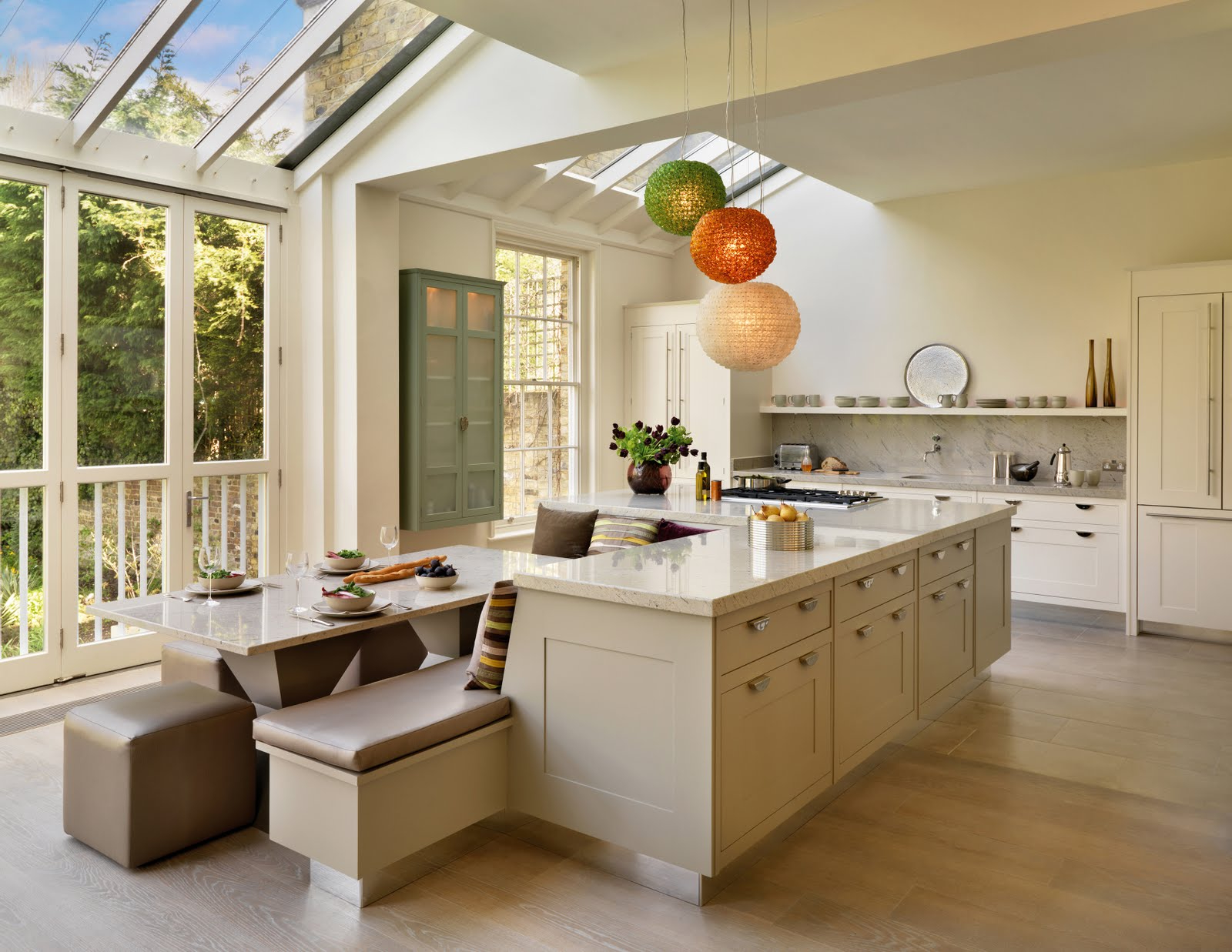
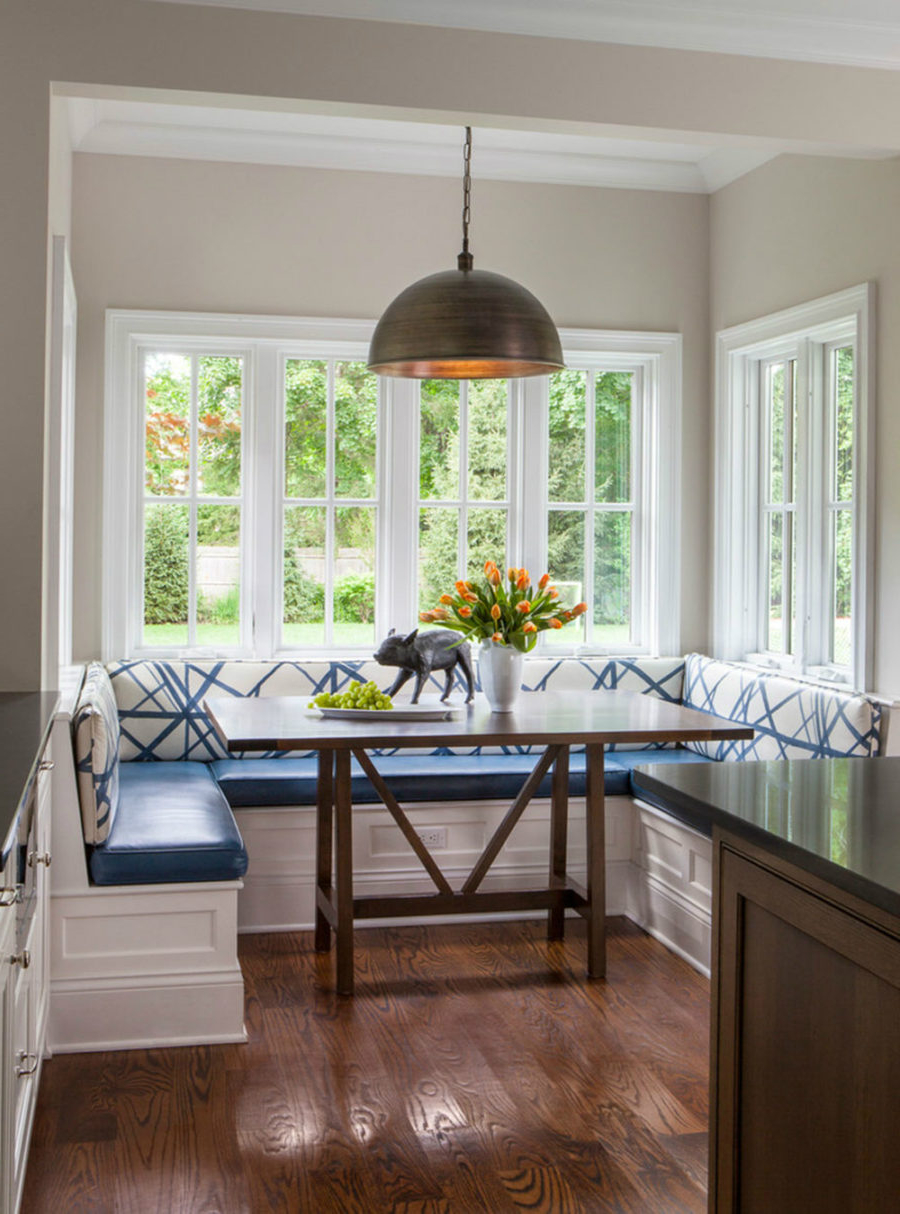
Ambient lighting sets the tone for your kitchen experience. It’s the gentle glow that makes your space feel welcoming and comfortable. Pendant lights suspended above islands or dining areas create focal points while providing excellent general illumination. Consider options like woven metal fixtures, glass pendants, or even vintage-inspired chandeliers for character. These aren’t just decorative—they serve practical purposes too. The right ambient lighting can make a small kitchen feel larger and more airy. Soft, diffused light works better than harsh overhead beams in creating that warm, lived-in feeling. Many designers recommend using dimmer switches for ambient lighting, allowing you to adjust intensity throughout the day. The trick is choosing fixtures that won’t overpower the space but instead enhance its natural beauty.
Accent Lighting to Highlight Features
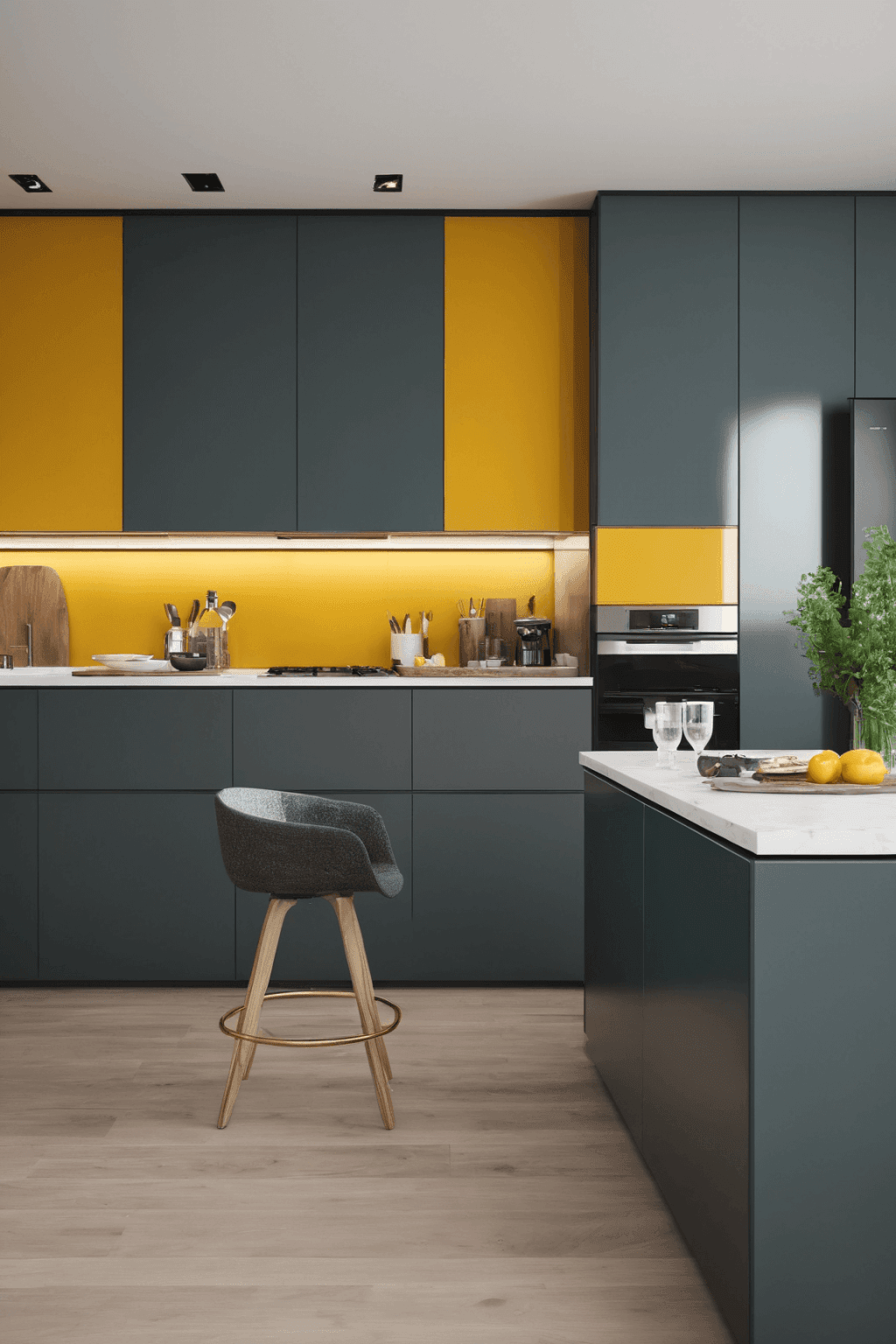
Accent lighting draws attention to specific elements in your kitchen. Think of it as the spotlight for your favorite cabinet, unique backsplash, or interesting architectural details. Track lighting systems offer versatility for highlighting moving features or changing displays. LED tape lights can create a subtle glow along the edges of shelves or countertops. For those with open shelving, consider installing small spotlights that illuminate your collection of dishes or cookware. These aren’t just eye-catching—they also add depth and dimension to your space. Some homeowners opt for smart lighting systems that allow them to control accent lighting remotely. This technology lets you customize your environment for different occasions, whether entertaining guests or enjoying quiet family meals.
Smart Technology Integration
Modern smart lighting systems bring incredible convenience to kitchen design. Voice-controlled lights mean you can adjust your kitchen’s illumination without getting your hands dirty or interrupting your cooking flow. Many systems integrate with home automation platforms, allowing you to set schedules or trigger lighting changes based on occupancy sensors. Smart bulbs can automatically adjust their brightness and color temperature throughout the day. Some advanced systems even sync with weather apps to dim automatically during cloudy days or brighten when natural light is abundant. The investment in smart technology pays off through energy savings and increased convenience. Homeowners report significant improvements in daily routines when they incorporate these systems thoughtfully. However, remember that simpler setups often provide more reliable performance.
Practical Tips for Implementation
Start with your existing layout and identify problem areas that need additional lighting. Measure carefully before purchasing fixtures to avoid costly mistakes later. Consider hiring a professional if you’re unsure about electrical work or complex installations. Energy-efficient LED options save money on electricity bills and reduce heat output. Test different light temperatures—some people prefer bright white light for cooking while others favor warmer tones for dining. Don’t forget about safety considerations like ensuring adequate lighting for stairs or hallways leading to your kitchen. Budget wisely by prioritizing essential lighting first and adding decorative elements later. Finally, remember that lighting choices affect the resale value of your home, so invest in quality fixtures that will stand the test of time.
Creative lighting techniques for modern kitchens go beyond simple illumination—they shape how we experience our most important living space. By understanding the principles of layered lighting, focusing on task efficiency, and incorporating smart technology, homeowners can create environments that truly work for their lifestyles. The key lies in thoughtful planning and selecting elements that complement your existing design rather than clash with it. Whether you’re starting fresh or updating an established kitchen, remember that good lighting enhances everything else in the room. The investment in proper lighting pays dividends in daily enjoyment, energy savings, and overall home satisfaction. Every meal prepared and every gathering hosted benefits from a well-designed lighting scheme. As you plan your next kitchen project, let these techniques guide your decisions toward a space that’s both beautiful and perfectly functional.
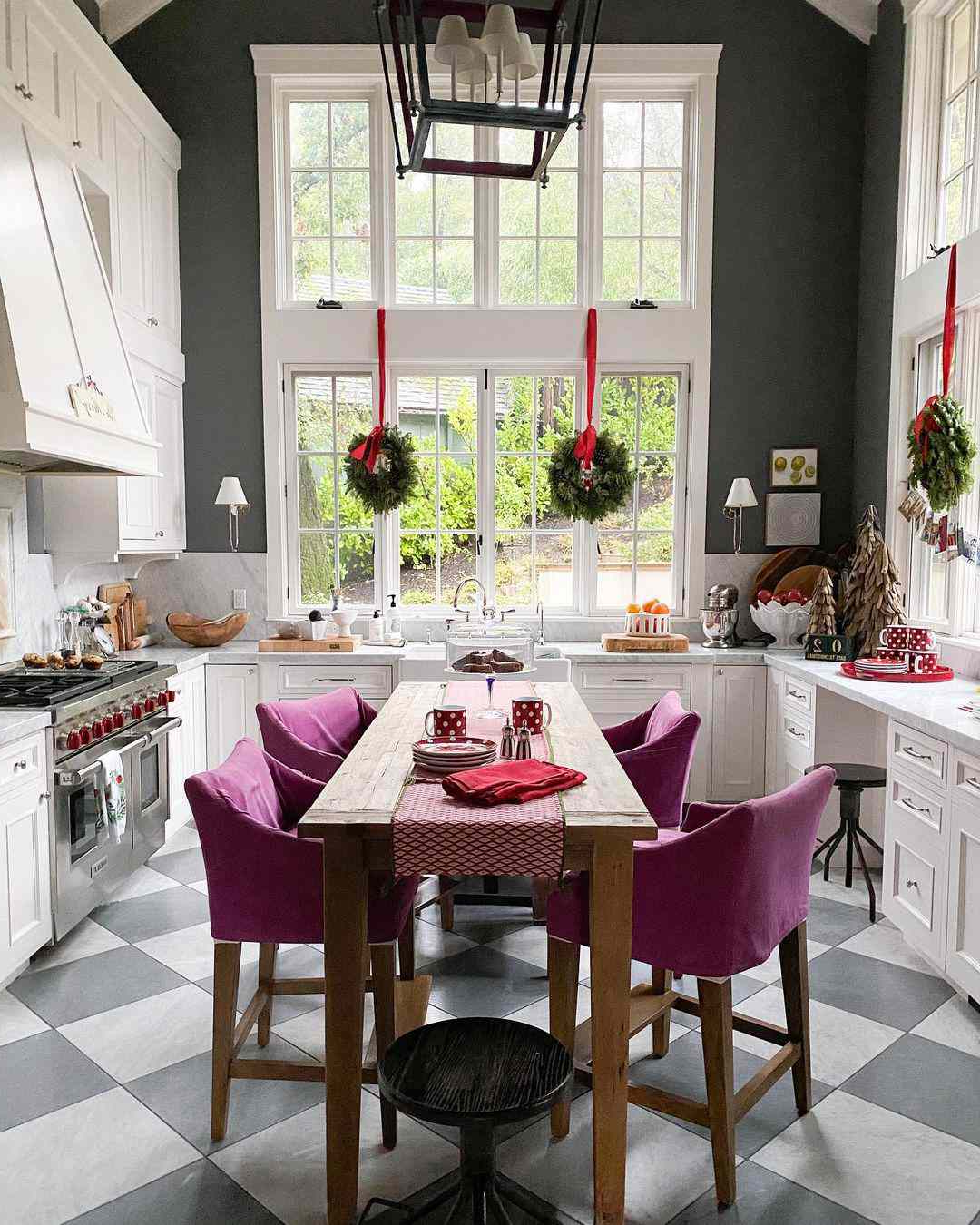
[sps_html tag=”img” src=”https://roofdrivein.com/wp-content/uploads/2026/01/light-bright-kitchen-ideas-things-in-the-kitchen-with-regard-to-creative-lighting-techniques-for-modern-kitchen-spaces.jpeg” alt=”Light Bright Kitchen Ideas – Things In The Kitchen with regard to Creative Lighting Techniques for Modern Kitchen Spaces” style=”width: 100%; height: auto;”]
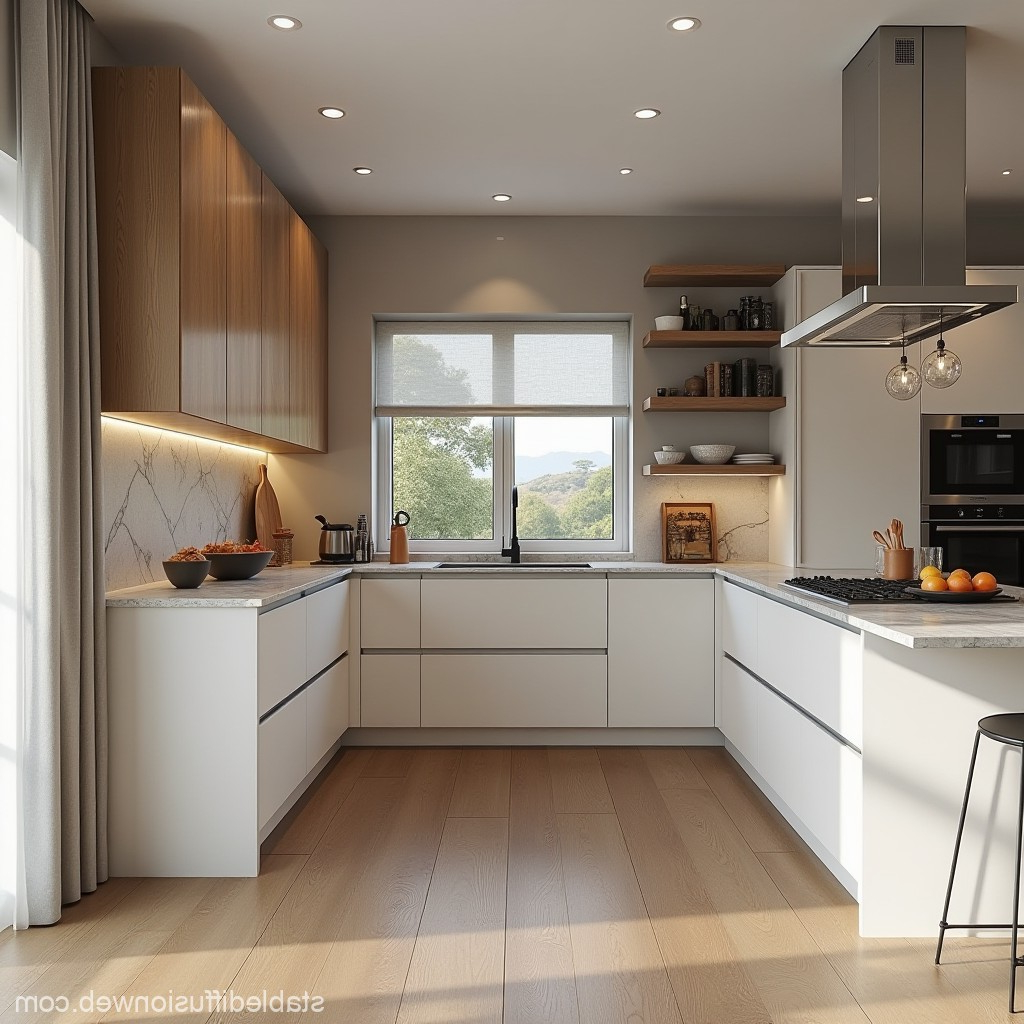
[sps_html tag=”img” src=”https://roofdrivein.com/wp-content/uploads/2026/01/30-kitchen-island-lighting-ideas-to-illuminate-the-heart-of-your-home-with-regard-to-creative-lighting-techniques-for-modern-kitchen-spaces-scaled.jpg” alt=”30 Kitchen Island Lighting Ideas To Illuminate The Heart Of Your Home with regard to Creative Lighting Techniques for Modern Kitchen Spaces” style=”width: 100%; height: auto;”]
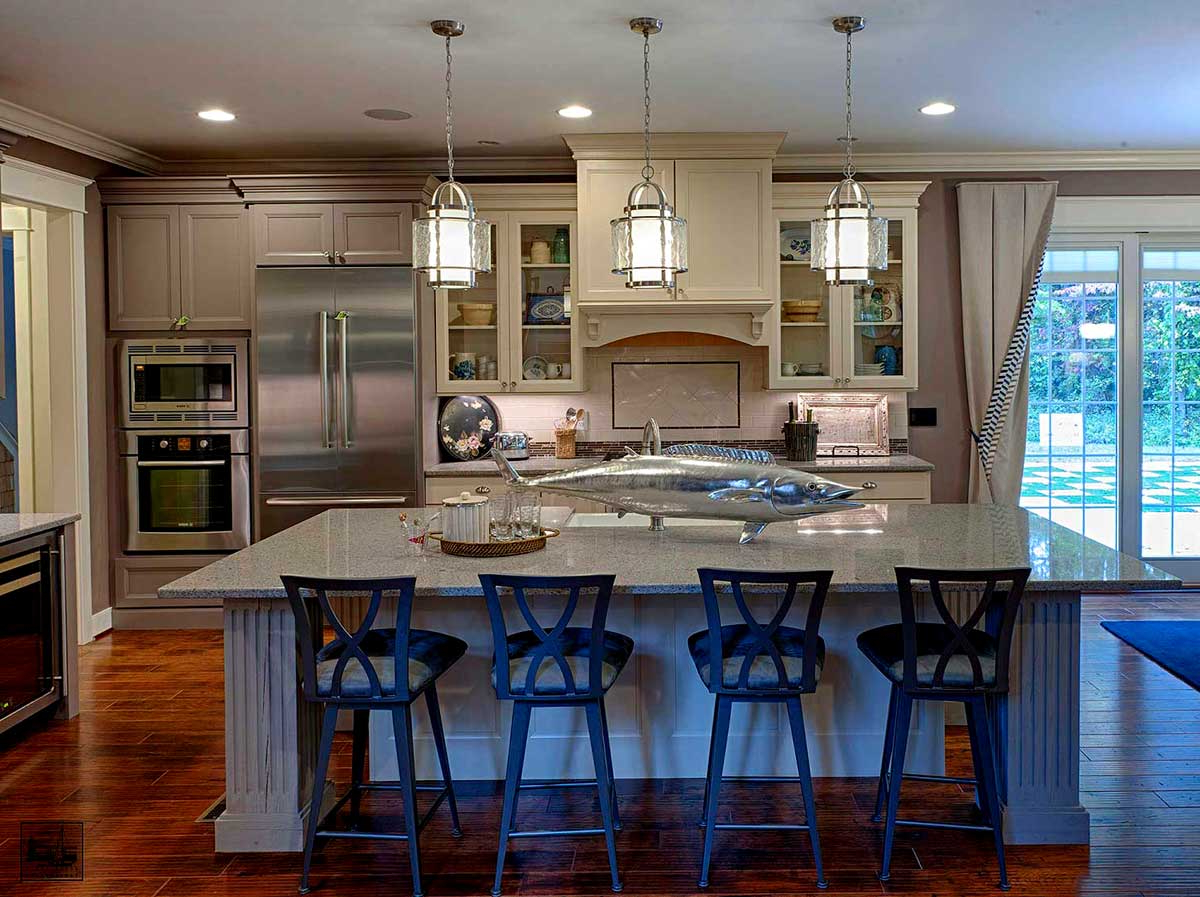
[sps_html tag=”img” src=”https://roofdrivein.com/wp-content/uploads/2026/01/designer-kitchen-light-ideas-taken-from-pinterest-the-architecture-regarding-creative-lighting-techniques-for-modern-kitchen-spaces.jpg” alt=”Designer Kitchen Light Ideas Taken From Pinterest - The Architecture … regarding Creative Lighting Techniques for Modern Kitchen Spaces” style=”width: 100%; height: auto;”]
[sps_html tag=”img” src=”https://roofdrivein.com/wp-content/uploads/2026/01/50-modern-kitchen-lighting-ideas-for-your-kitchen-island-with-regard-to-kitchen-ideas-light.jpg” alt=”50 Modern Kitchen Lighting Ideas For Your Kitchen Island with regard to Kitchen Ideas Light” style=”width: 100%; height: auto;”]
[sps_html tag=”img” src=”https://roofdrivein.com/wp-content/uploads/2026/01/50-modern-kitchen-lighting-ideas-for-your-kitchen-island-throughout-kitchen-ideas-light.jpg” alt=”50 Modern Kitchen Lighting Ideas For Your Kitchen Island throughout Kitchen Ideas Light” style=”width: 100%; height: auto;”]