Think about your kitchen walls. They’re more than just background – they’re the foundation of your cooking space. The right materials, design choices, and planning can transform them from ordinary to extraordinary. What if we told you there’s a science to creating walls that look great AND last? Let’s explore the essential building blocks that make all the difference.
Kitchen walls have a unique job to do. They must withstand daily spills, steam from cooking, and the occasional bump from a pot or pan. But they also need to look good, feel welcoming, and complement everything else in your kitchen. This balance between function and form isn’t easy to achieve. It requires understanding materials, considering lifestyle needs, and making smart choices upfront. Whether you’re renovating or starting fresh, these foundational elements will guide you toward walls that truly endure.
Material Selection Matters
The first step toward beautiful, lasting kitchen walls involves choosing the right materials. Not all surfaces are created equal when it comes to kitchen environments. Think about what you’re actually asking your walls to handle. Do you cook frequently? Do you have young children? Are you prone to accidents or spills?
Porcelain tile stands out as one of the most popular choices. Its resistance to stains, heat, and moisture makes it incredibly practical. Plus, it comes in countless designs, so you can find something that fits your style perfectly. Natural stone offers a sophisticated look but requires more maintenance.
For those seeking a more budget-friendly approach, vinyl wallcovering provides excellent durability while offering a wide range of patterns and textures. It’s particularly good for covering minor imperfections in existing walls. However, always consider how well the material handles humidity and frequent cleaning.
Another growing favorite is solid surface materials like quartz or granite. These offer the aesthetic appeal of natural stone with less upkeep and better resistance to scratches and stains.
Color Psychology and Design Harmony
Colors speak volumes in kitchen design. They influence mood, appetite, and even how large or small a space feels. Choosing the right palette for your kitchen walls means thinking beyond personal preference. Consider the overall flow of your home, the amount of natural light, and how you want to feel when you’re cooking.
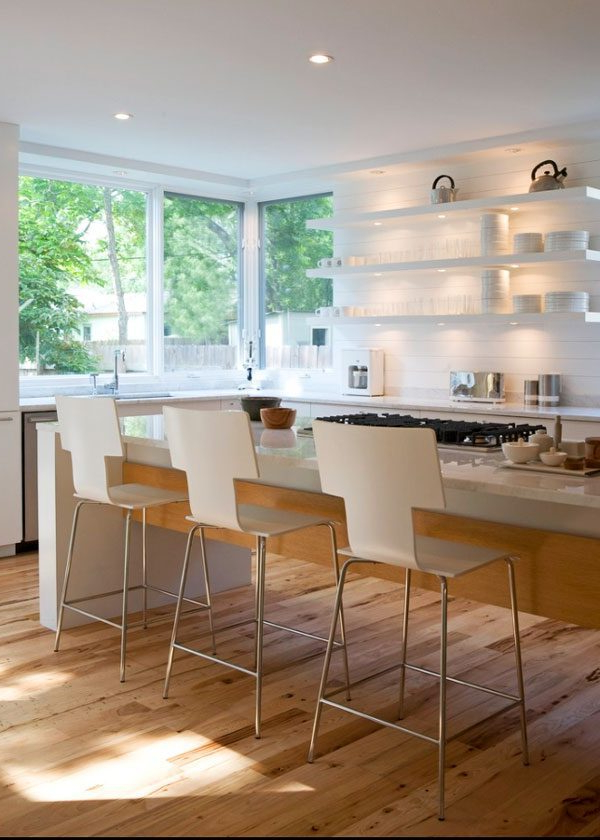
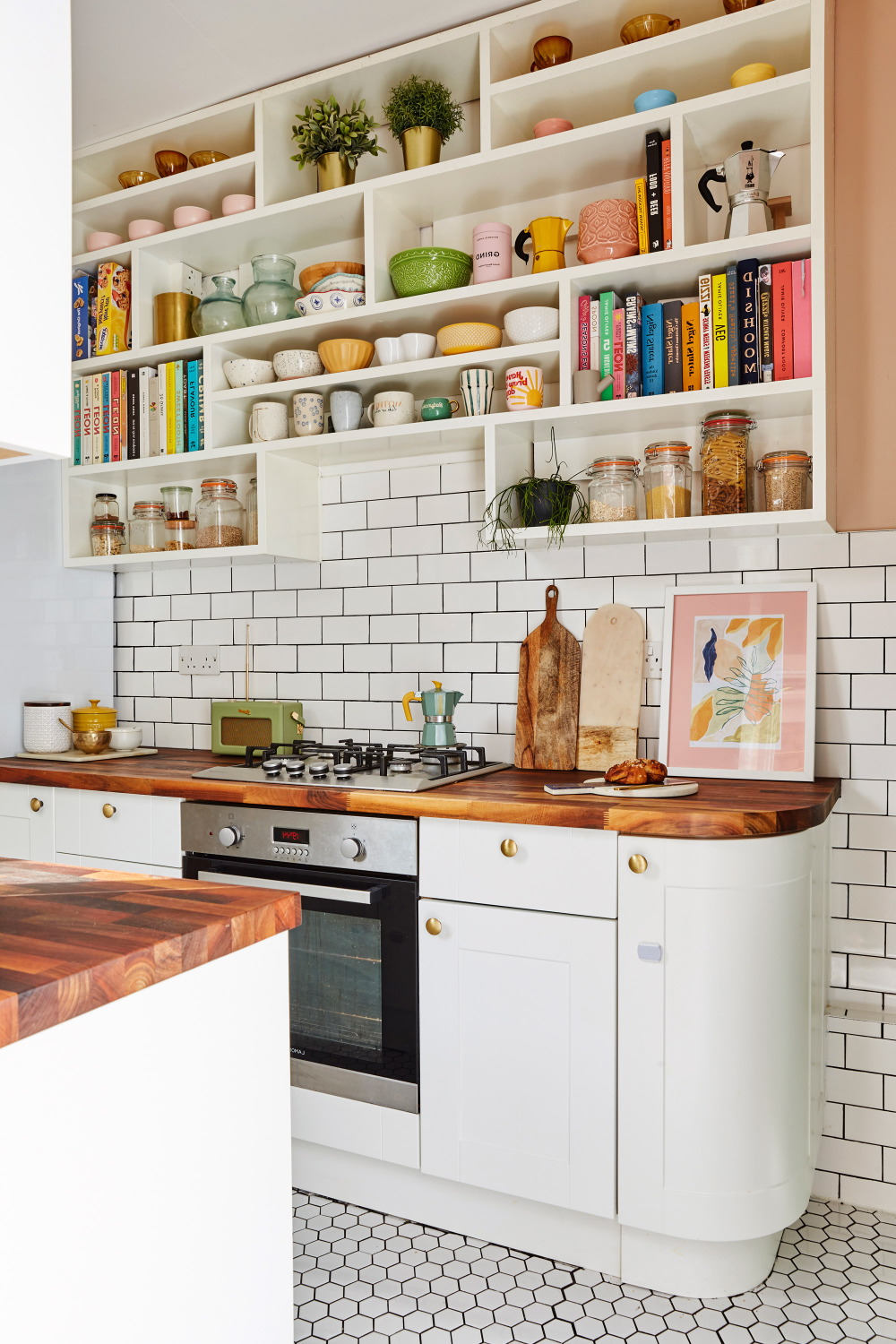
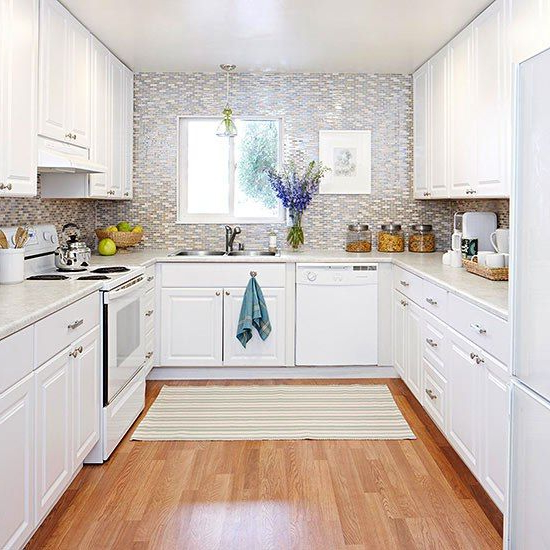
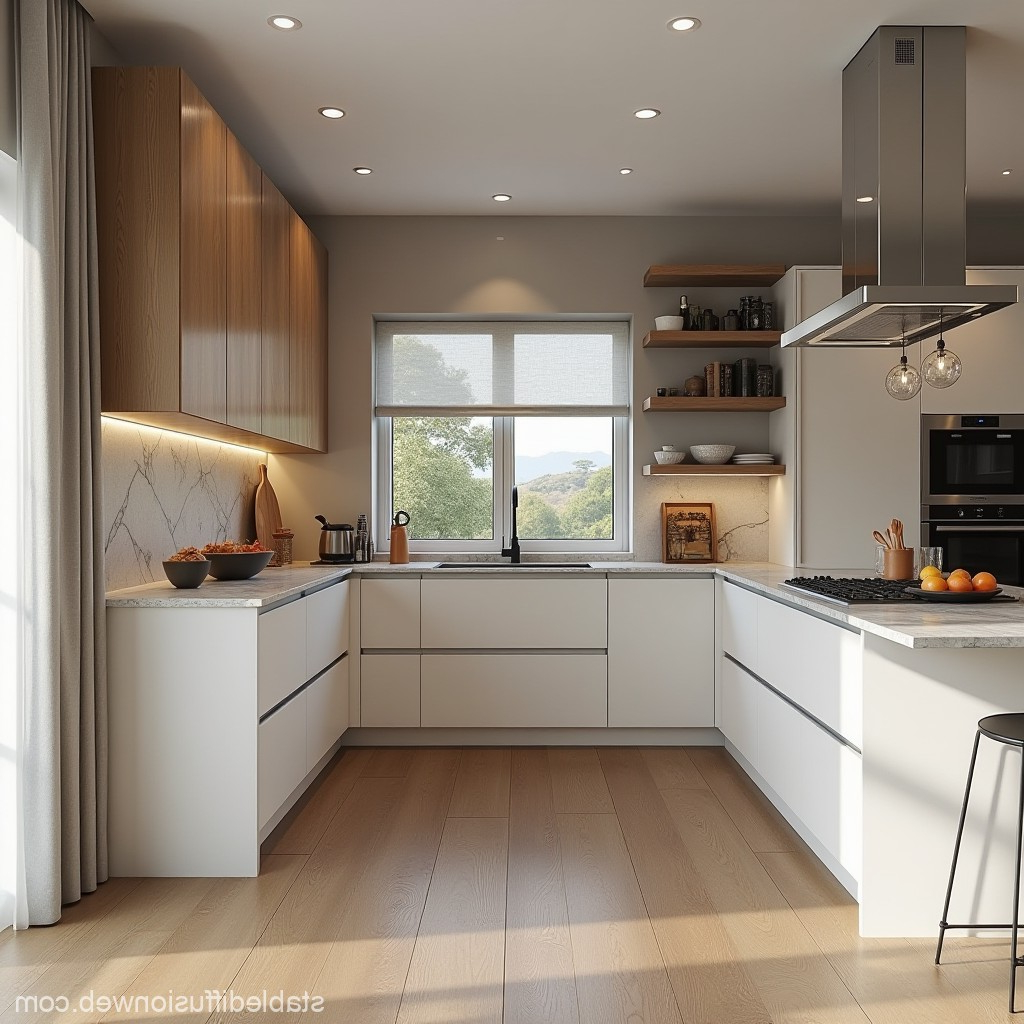
Light colors such as whites, creams, and soft grays create a sense of spaciousness and cleanliness. They’re particularly effective in smaller kitchens or spaces with limited natural light. These tones also make it easier to spot spills and stains, which is helpful in high-traffic areas.
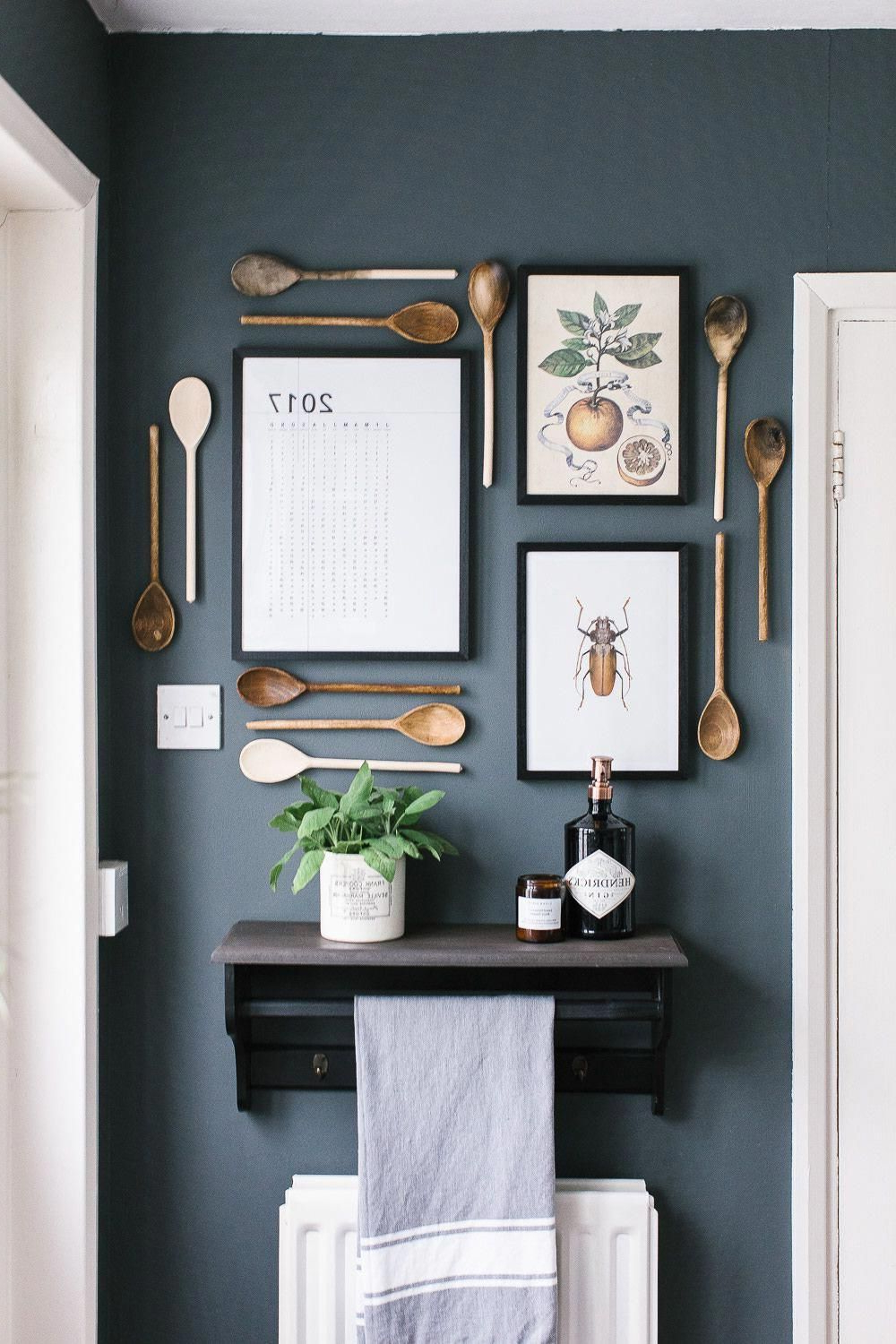
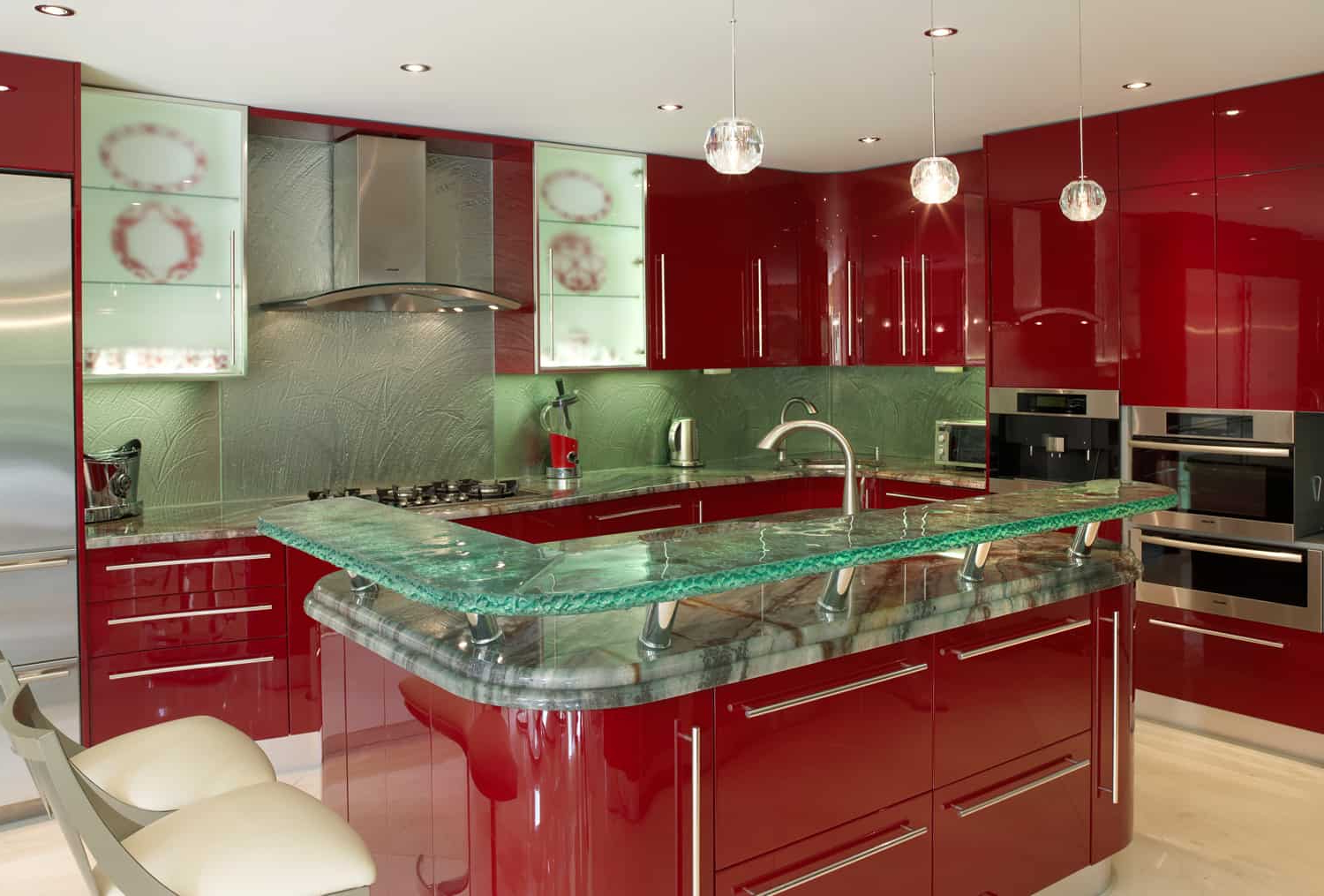
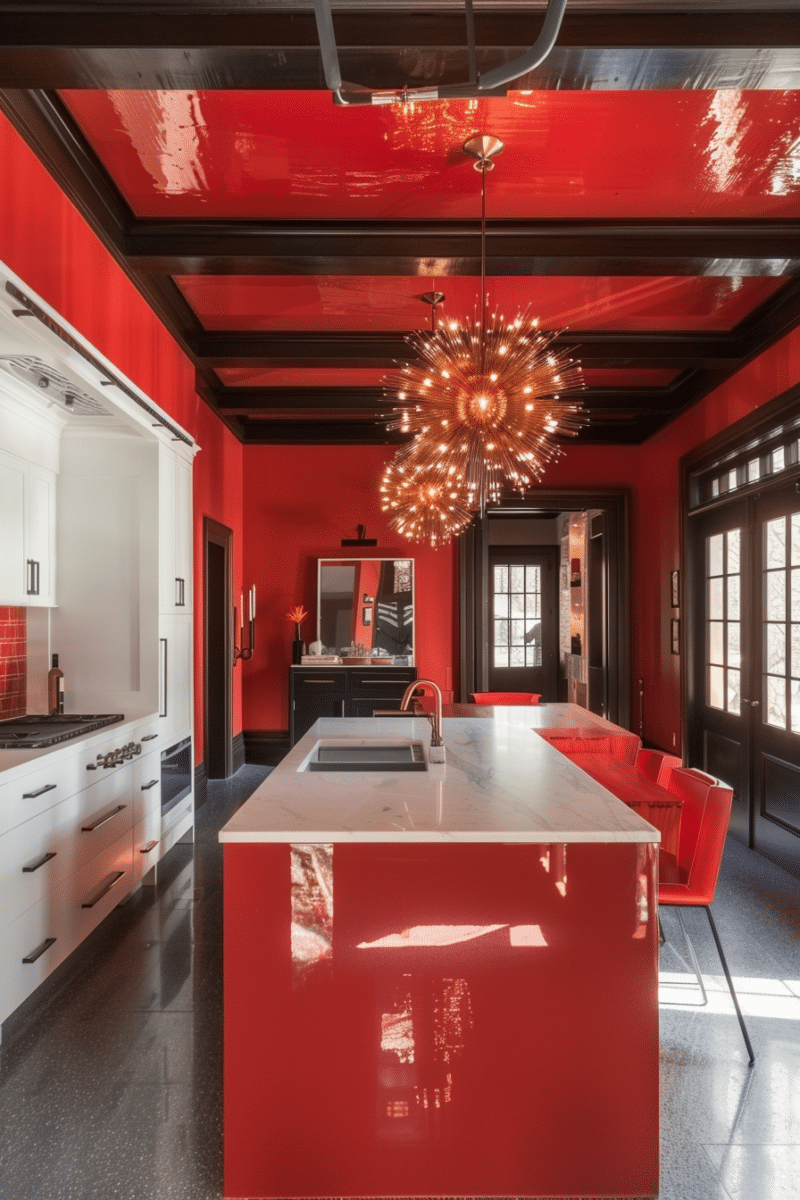
Darker shades bring drama and sophistication. They can make a statement in larger kitchens or create a cozy atmosphere. But remember, darker walls tend to show fingerprints, smudges, and wear more easily. They also absorb heat, which might affect the room’s temperature.
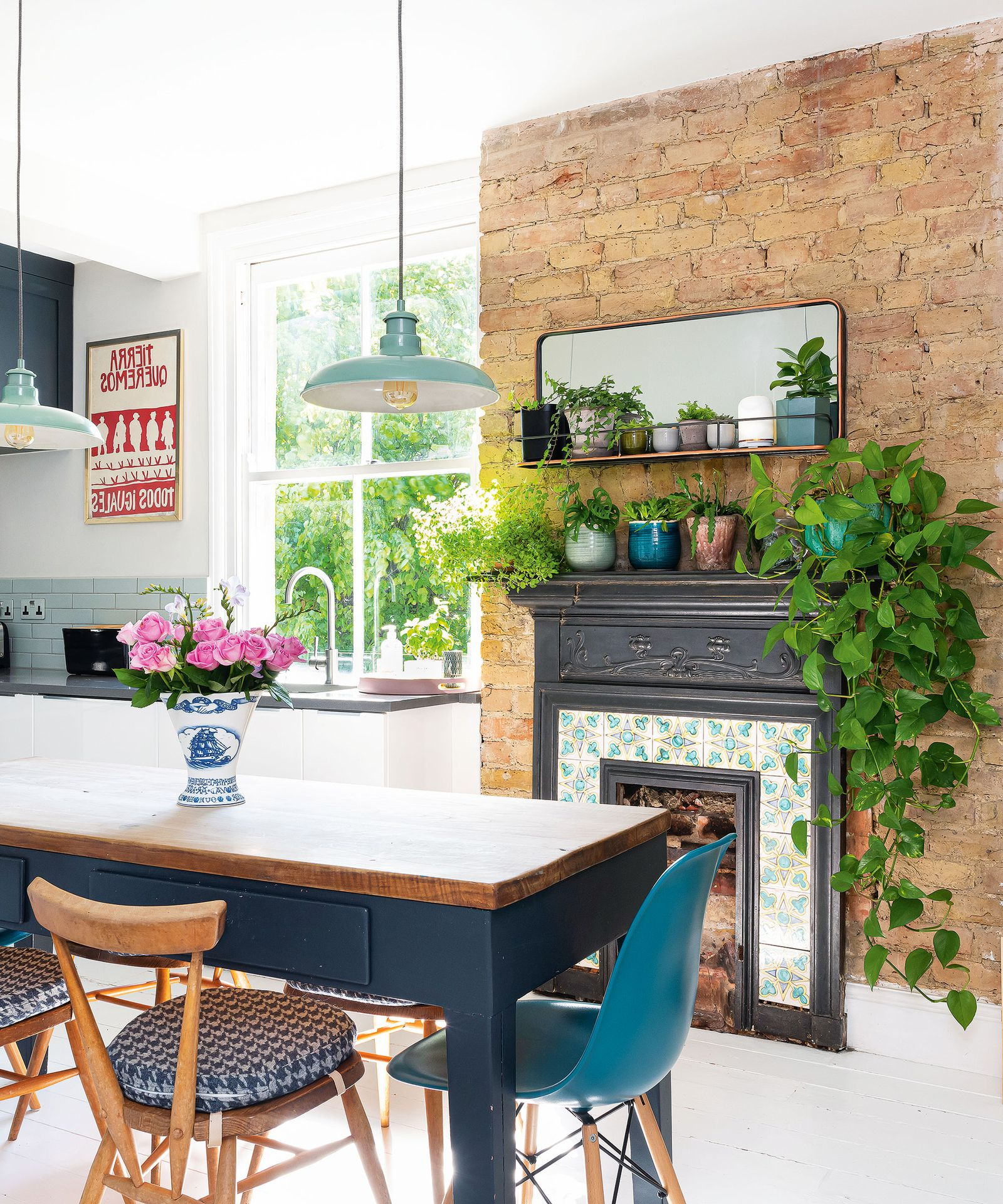
Consider using accent walls with bold colors or interesting textures to add visual interest without overwhelming the entire space. Sometimes a single feature wall can transform the whole look of your kitchen.
Practical Considerations for Daily Life
Let’s get real for a moment. Your kitchen walls aren’t just decorative elements – they’re part of your daily routine. You’ll be wiping them down, cleaning them regularly, and potentially dealing with accidents. So practicality shouldn’t be overlooked.
Smooth surfaces are generally easier to clean and maintain. They resist dirt and grime buildup, making them ideal for busy households. Textured options, while beautiful, often require more effort to keep pristine. They can trap dust and make cleaning harder.
Think about how much time you want to spend on maintenance. Some materials, like ceramic tile, can last decades with minimal care. Others, such as painted drywall, may need repainting every few years depending on usage.
Also consider your family’s habits. If you have kids or pets, you might want materials that can handle scuffs and scratches. Look for products with scratch-resistant finishes or those that can be easily touched up.
Finally, think about your kitchen’s workflow. Walls near sinks, stoves, or prep areas might benefit from materials that are particularly easy to clean or resistant to heat.
Lighting Integration and Visual Impact
Good lighting can make or break any kitchen design. When planning your walls, consider how they’ll interact with both natural and artificial light sources. Different materials reflect light differently, affecting the overall ambiance of your space.
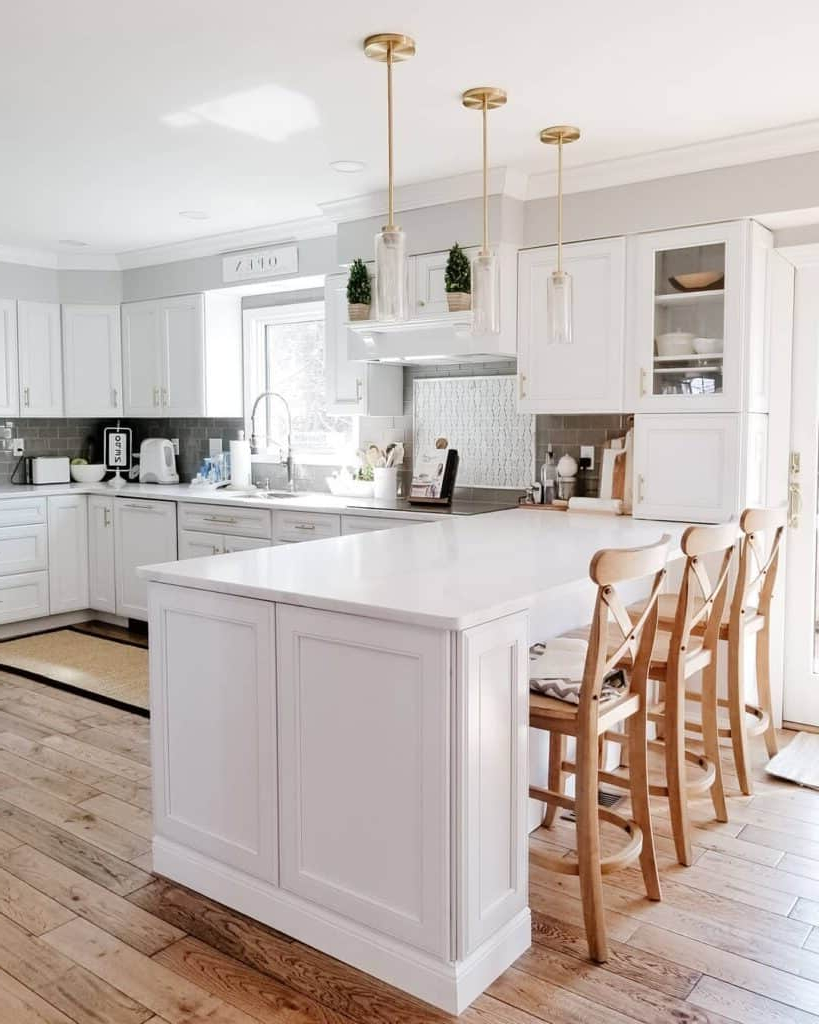
Light-colored walls naturally reflect light, brightening dark corners and making small kitchens feel more open. They work beautifully with under-cabinet lighting or pendant lights that can highlight specific areas.
Dark walls, on the other hand, absorb light and create a more intimate atmosphere. They pair well with abundant natural light or multiple layers of artificial illumination. This combination can create dramatic shadows and depth.
Consider installing LED strips behind backsplashes or integrated lighting within cabinets to enhance your wall features. These subtle additions can completely change how your kitchen looks during different times of day.
Also remember that mirrors or reflective surfaces can be used strategically to bounce light around and make walls appear more expansive. This is especially useful in kitchens with limited windows.
Maintenance and Longevity Strategies
A beautiful kitchen wall isn’t just about initial appearance – it’s about staying beautiful over time. Proper maintenance extends life significantly, saving money and reducing stress later on.
Regular cleaning routines are essential. Most kitchen walls can be maintained with simple soap and water solutions. For tougher spots, mild detergents work well without damaging finishes.
Some materials, like porcelain tile, can handle aggressive cleaning methods if needed. Others, such as wood or natural stone, require gentler approaches. Always check manufacturer guidelines before trying new cleaning techniques.
Preventive measures also matter. Installing splash guards or backsplashes can protect walls from direct contact with water and grease. These are particularly important in areas where you frequently cook or clean.
Seasonal considerations play a role too. During winter months, indoor humidity levels can affect certain materials. Monitoring and adjusting accordingly helps prevent warping or discoloration.
Keep a maintenance log to track cleaning schedules and note any issues early. This way, problems can be addressed quickly before they become bigger concerns.
Budget Planning and Value Optimization
Creating stunning kitchen walls doesn’t have to break the bank. Smart planning allows you to maximize value while achieving your desired look.
Start by setting a realistic budget and prioritizing which areas need the most attention. Sometimes it’s better to invest in high-traffic zones like the area around the sink or stove rather than spending heavily on less-used sections.
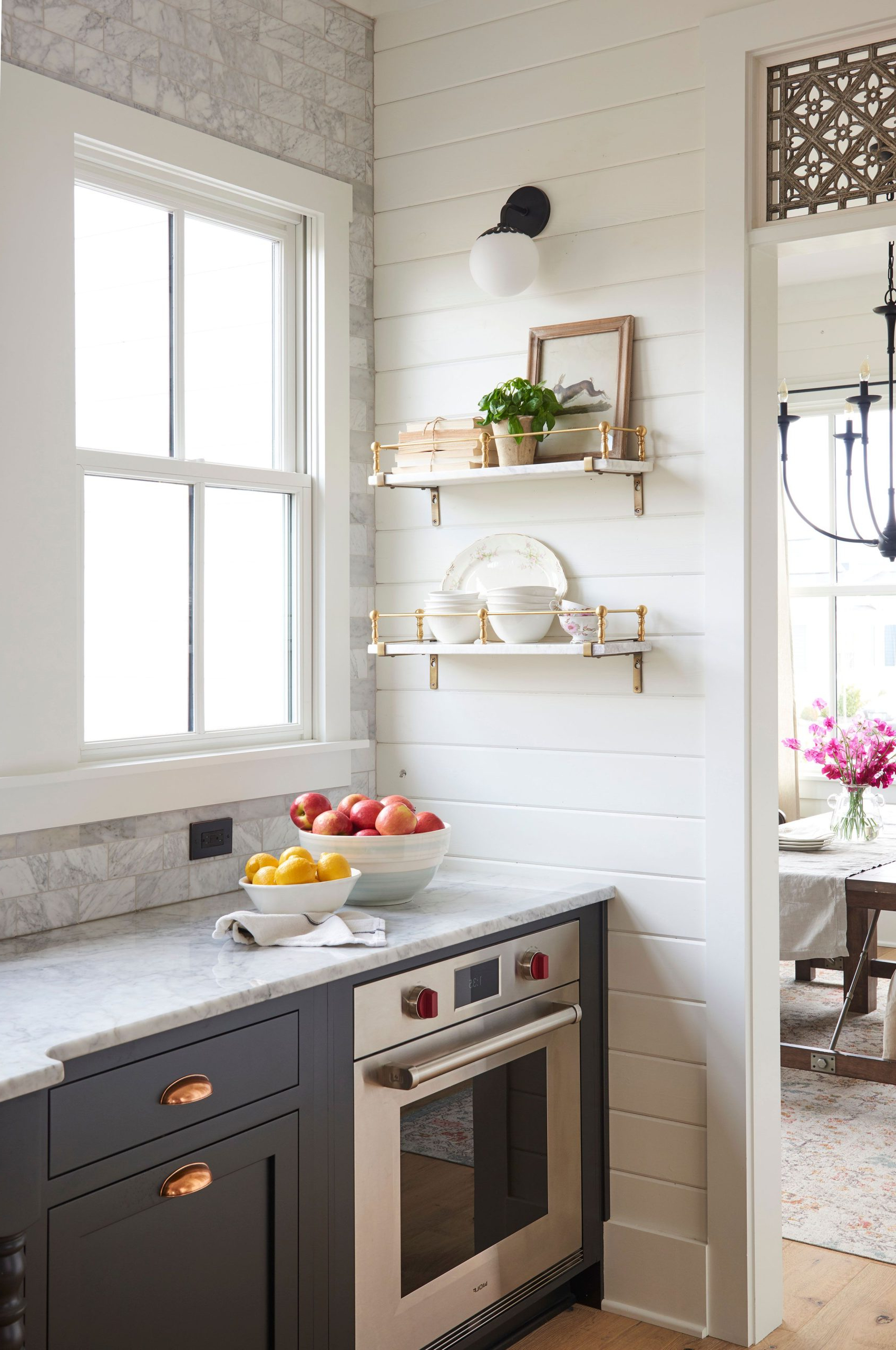
Consider mixing materials strategically. For example, you might choose expensive stone for your backsplash while using more affordable paint for the rest of the walls. This creates visual interest without overspending.
Research local suppliers and seasonal sales. Many stores offer significant discounts on tiles, paint, or other materials during certain times of year. Planning ahead gives you more opportunities to save money.
Don’t forget about DIY options. Simple painting projects or installing peel-and-stick wallpaper can provide impressive results at a fraction of professional installation costs. Just make sure you have the necessary skills and tools before attempting complex installations.
Remember that quality materials often pay off in the long run. While they might cost more initially, their durability and low maintenance requirements usually justify the investment.
Creating beautiful, lasting kitchen walls is about making informed decisions based on your lifestyle, preferences, and practical needs. It’s not just about picking pretty colors or trendy materials – it’s about understanding how everything works together. From selecting the right materials that can handle your daily kitchen activities to considering how lighting affects your space, every choice matters.
The key is balancing aesthetics with functionality. You want walls that look amazing but also stand up to the demands of modern living. With careful planning, smart material choices, and proper maintenance, your kitchen walls can be both visually striking and built to last. Whether you’re tackling a full renovation or just updating a few sections, keeping these fundamentals in mind will help you create a space that feels both beautiful and practical for years to come.
[sps_html tag=”img” src=”https://roofdrivein.com/wp-content/uploads/2026/01/25-kitchen-wall-ideas-to-decorate-the-heart-of-your-home-ideal-home-within-kitchen-ideas-for-walls.jpg” alt=”25 Kitchen Wall Ideas To Decorate The Heart Of Your Home | Ideal Home within Kitchen Ideas For Walls” style=”width: 100%; height: auto;”]
[sps_html tag=”img” src=”https://roofdrivein.com/wp-content/uploads/2026/01/20-modern-kitchen-wall-decor-ideas-to-upgrade-your-space-pertaining-to-building-blocks-of-beautiful-kitchen-walls-that-last.jpg” alt=”20 Modern Kitchen Wall Decor Ideas To Upgrade Your Space pertaining to Building Blocks of Beautiful Kitchen Walls That Last” style=”width: 100%; height: auto;”]
[sps_html tag=”img” src=”https://roofdrivein.com/wp-content/uploads/2026/01/28-kitchen-wall-ideas-transform-your-space-with-unique-styles-intended-for-kitchen-ideas-for-walls.jpg” alt=”28 Kitchen Wall Ideas: Transform Your Space With Unique Styles … intended for Kitchen Ideas For Walls” style=”width: 100%; height: auto;”]
[sps_html tag=”img” src=”https://roofdrivein.com/wp-content/uploads/2026/01/35-gorgeous-decorated-kitchen-walls-home-decoration-and-inspiration-ideas-throughout-kitchen-ideas-for-walls.jpg” alt=”35 Gorgeous Decorated Kitchen Walls - Home Decoration And Inspiration Ideas throughout Kitchen Ideas For Walls” style=”width: 100%; height: auto;”]
[sps_html tag=”img” src=”https://roofdrivein.com/wp-content/uploads/2026/01/decorating-kitchen-walls-ideas-for-kitchen-walls-eatwell101-with-kitchen-ideas-for-walls.jpg” alt=”Decorating Kitchen Walls — Ideas For Kitchen Walls — Eatwell101 with Kitchen Ideas For Walls” style=”width: 100%; height: auto;”]