Every home has its own rhythm, its own chaos, and its own way of working. But too often we settle for storage solutions that don’t quite fit our lives. What if you could have spaces that actually work with how you live? We’ll explore how to design storage systems that truly match your family’s needs.
Let’s face it – storage problems aren’t just about having too much stuff. They’re about having the right places for the things you need when you need them. Think about it: how many times have you looked for something and discovered it was hiding somewhere you’d never think to look? Or worse, you’ve found yourself standing in front of a closet full of clothes, completely overwhelmed by choices? This isn’t just frustrating – it’s a daily barrier to living well. The truth is, every family has different needs, different habits, and different ways of organizing their world. The best storage systems aren’t one-size-fits-all solutions. They’re carefully thought out arrangements that reflect how your family actually moves through life.
Understanding Your Family’s Daily Rhythms
Before you even start thinking about shelves or bins, you need to know what makes your family tick. Consider your morning routine. Do you all grab things from the same spots? How about bedtime? Do you need easy access to pajamas, books, or toys?
Look at your typical week. When do you cook? What do you usually store in your kitchen? Do you prep meals together or do everyone have their own approach? Understanding these patterns helps you design storage that supports your lifestyle rather than fights against it.
Key questions to ask:
• What items do you use most often?
• Where do you typically lose things?
• When do you need quick access to specific items?
• What activities happen in each room?
For example, a family with busy mornings might benefit from a designated spot for keys, coats, and backpacks near the entrance. A family that cooks together might need multiple prep areas with easy access to ingredients and utensils. The goal is to reduce friction in your daily activities.
Assessing Your Current Storage Challenges
Take a honest look at what’s already in place. Not everything needs to go, but understanding what’s failing you is crucial. Are you constantly searching for things? Is your storage too cramped or too open? Do you have the right number of storage options for your family size?
The first step is to inventory what you have. List all storage spaces – cabinets, drawers, shelves, bins, and even hidden spots. Then rate each one based on how well it works for you. You might be surprised to find that some storage works perfectly while others are barely functional.
Common issues include:
• Overcrowded spaces that are hard to navigate
• Too much open space that leads to clutter
• Storage that’s too high or too low for regular use
• Items stored in locations that don’t make sense for your routine
A simple exercise: spend ten minutes walking around your home and write down three things you struggle to find or access. These will become your primary focus for redesigning storage solutions.
Creating Zones Within Your Home
Think of your home like a city. Different areas serve different purposes. In the same way, your storage system should create zones that support specific activities. A kitchen zone might include quick-access ingredients, while a bedroom zone focuses on clothing and personal items.
Start by identifying the main activity areas in each room. Then decide what storage needs to support those activities. You might want:
• A morning zone with everything you need to get ready
• A workspace zone with supplies for projects
• A play zone with easy access to toys and games
• A meal prep zone with ingredients and tools
Each zone should have:
• Clear visual boundaries
• Items easily accessed during the activities
• Enough space for current needs
• Room to grow with changing requirements
For families with children, consider creating zones that are child-friendly. Low shelves with clearly labeled containers can give kids ownership over their storage while keeping things organized.
Choosing the Right Storage Solutions
Not all storage is created equal. The key is matching solutions to your specific needs. Think about the types of items you’re storing and how often you’ll need to access them.
Consider these categories:
• Frequent-use items – These need easy, visible access
• Seasonal items – These might need more compact storage
• Specialized items – Tools, books, or equipment that require specific handling
• Items that accumulate quickly – Things that come in regularly
Flexible options like stackable bins, adjustable shelving, and modular systems can adapt as your family grows and changes.
Some practical tips:
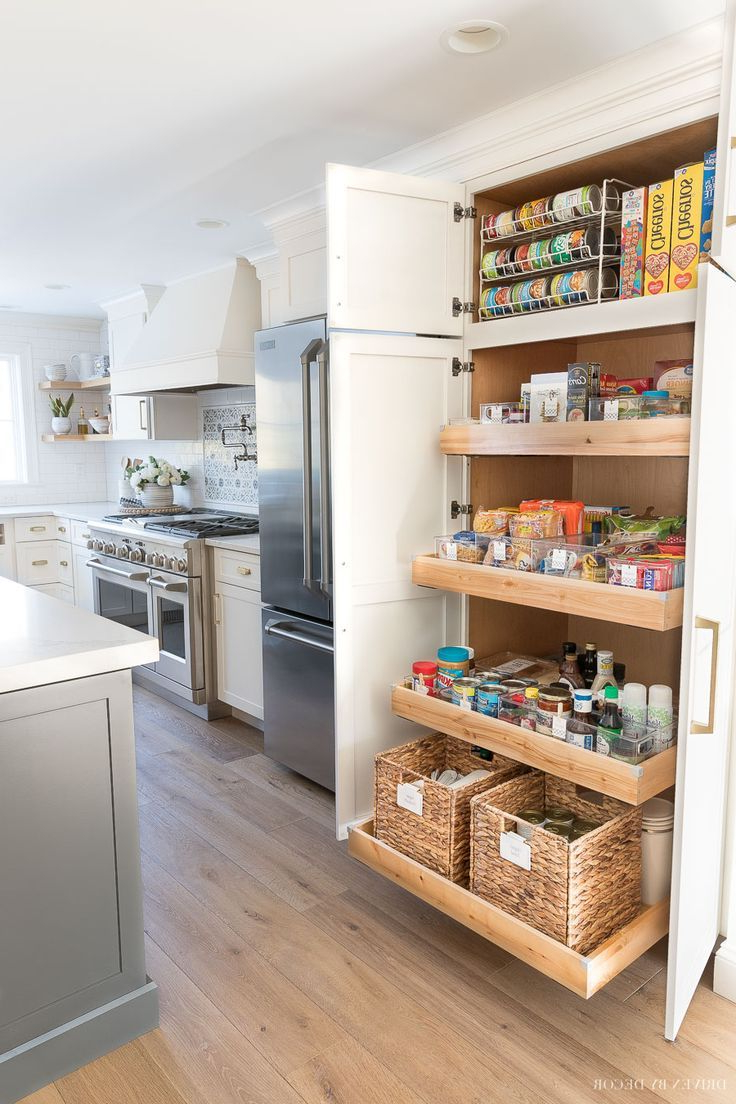
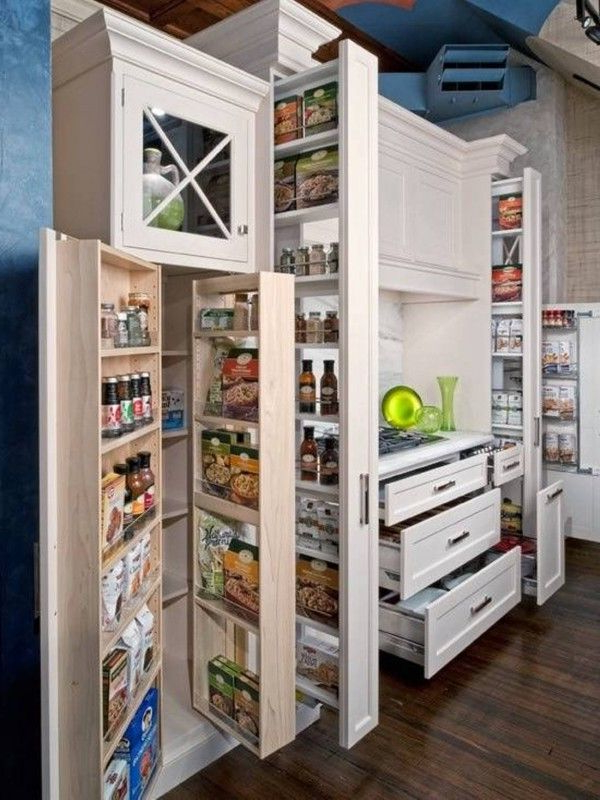
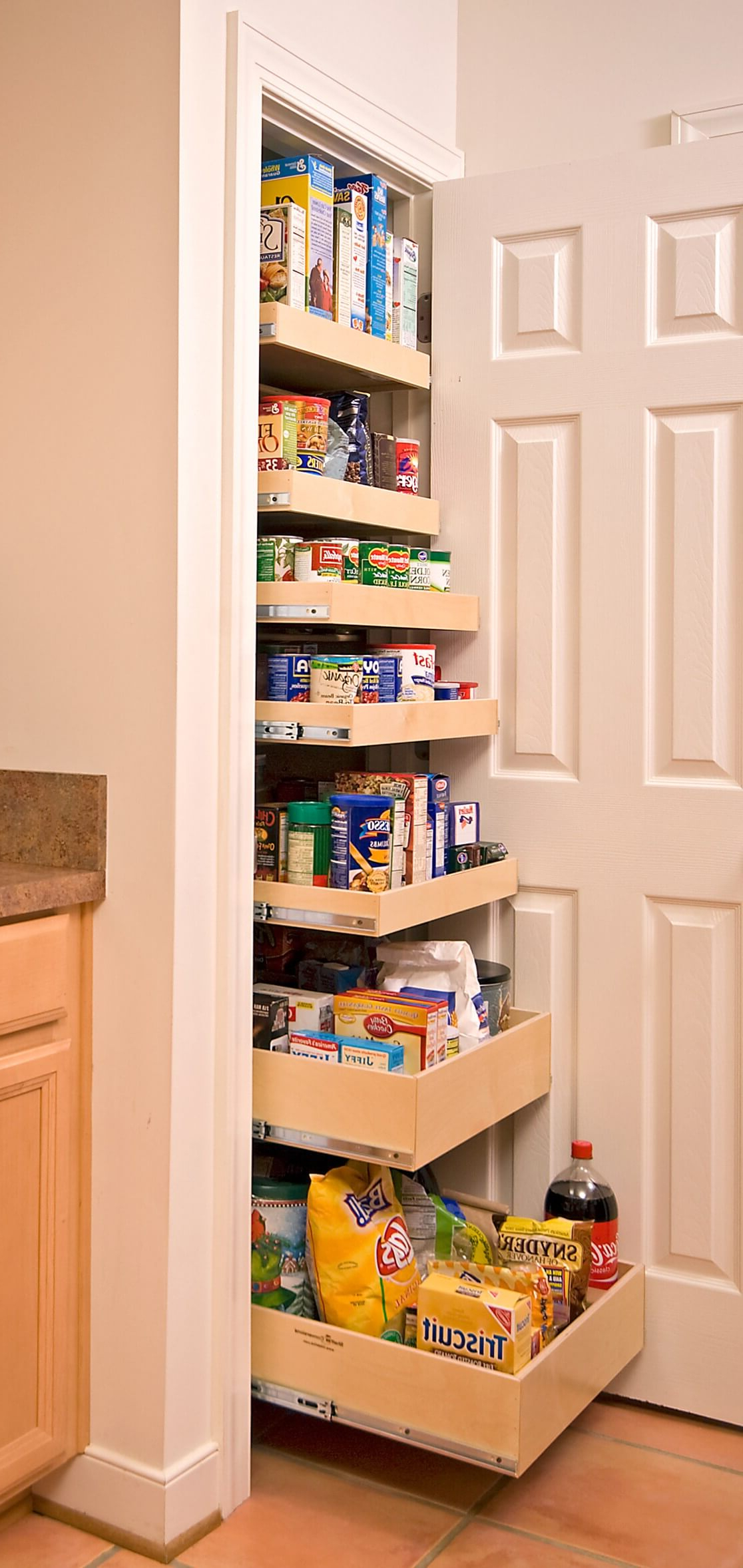
• Use vertical space effectively with tall shelving
• Choose containers that match your lifestyle (clear bins for quick identification)
• Invest in good labels
• Consider pull-out drawers for hard-to-reach items
For example, a family with growing children might invest in modular shelving that can be reconfigured as kids get older. A home office might benefit from drawer organizers that separate papers, pens, and electronics.
Maximizing Small Spaces Effectively
We’ve all been there – you look around and realize you have no space left, but somehow there are still things to store. Small spaces can be surprisingly effective with smart planning.
The secret is using every inch wisely. Look at walls, under beds, and behind doors. These often-overlooked areas can provide surprising storage capacity.
Creative solutions include:
• Wall-mounted shelves for books, supplies, or decorative items
• Under-bed storage boxes for seasonal clothing or bedding
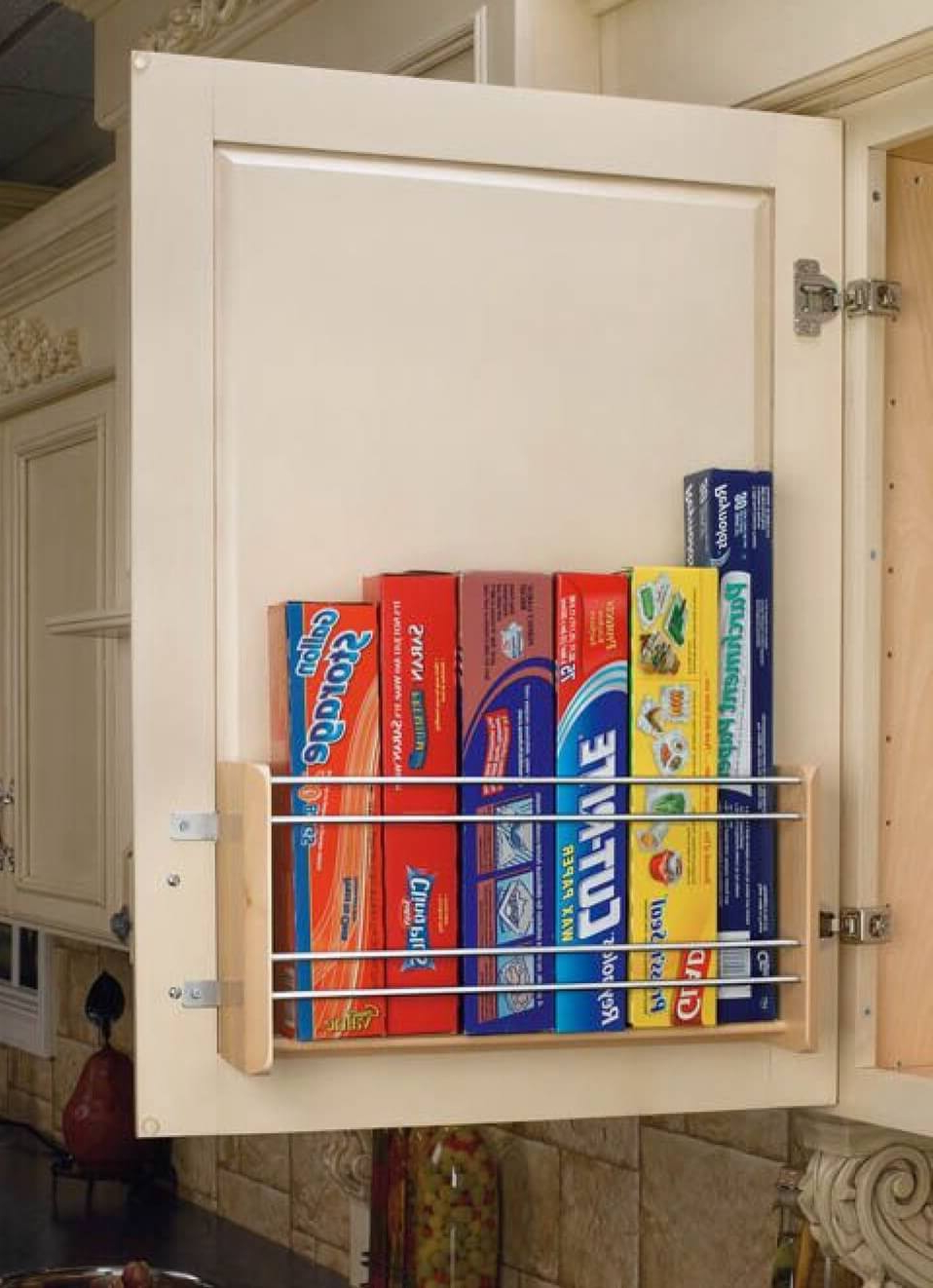
• Door-back storage for small items
• Corner solutions that utilize unused angles
• Multi-purpose furniture with built-in storage
Remember that sometimes less is more. Rather than filling every available space, focus on what truly matters. A few well-placed storage solutions often work better than a dozen poorly chosen ones.
Think about the "80/20 rule" – 80% of your daily items probably come from 20% of your storage spaces. Focus your efforts there.
Maintaining Your Storage System Long-term
A great storage system isn’t just about initial setup – it’s about ongoing maintenance and adaptation. Your family’s needs change, and so should your storage solutions.
Create simple rules for maintaining your system. Establish routines for putting things away, checking what’s running low, and reorganizing as needed.
Some essential practices:
• Regular reviews of what’s working and what’s not
• Simple weekly checks for clutter
• Seasonal adjustments for changing needs
• Involving family members in maintenance
• Keeping a "one in, one out" policy for new items
It’s also helpful to set up a system for dealing with items that don’t belong in your current storage plan. Maybe you need to donate, repurpose, or relocate some things.
The key is to keep your storage system fresh and functional. What worked last year might not work today. Stay flexible, stay observant, and don’t be afraid to make changes.
Designing storage systems that truly work for your family is both an art and a science. It requires understanding your lifestyle, being honest about current challenges, and making thoughtful decisions about what goes where. The best storage solutions don’t just hold things – they support how you live, work, and move through your day.
Remember, this isn’t a one-time project. It’s an ongoing process that evolves with your family. What feels perfect today might need adjustment tomorrow. But with careful attention to how your family actually functions, you can create spaces that feel calm, organized, and perfectly suited to your life.
The end goal isn’t just to have less clutter – it’s to have more freedom in your daily routine. When you know exactly where everything is, when you can quickly access what you need, and when your storage system adapts to your changing needs, you’ve created something truly valuable. It’s not about perfection – it’s about practicality, convenience, and peace of mind. And that’s worth investing in.
[sps_html tag=”img” src=”https://roofdrivein.com/wp-content/uploads/2026/01/56-useful-kitchen-storage-ideas-digsdigs-regarding-kitchen-ideas-for-storage.jpg” alt=”56 Useful Kitchen Storage Ideas | Digsdigs regarding Kitchen Ideas For Storage” style=”width: 100%; height: auto;”]
[sps_html tag=”img” src=”https://roofdrivein.com/wp-content/uploads/2026/01/10-small-kitchen-storage-idea-with-regard-to-kitchen-ideas-for-storage.jpg” alt=”10+ Small Kitchen Storage Idea with regard to Kitchen Ideas For Storage” style=”width: 100%; height: auto;”]
[sps_html tag=”img” src=”https://roofdrivein.com/wp-content/uploads/2026/01/35-best-small-kitchen-storage-organization-ideas-and-designs-for-2020-inside-kitchen-ideas-for-storage-scaled.jpg” alt=”35 Best Small Kitchen Storage Organization Ideas And Designs For 2020 inside Kitchen Ideas For Storage” style=”width: 100%; height: auto;”]
[sps_html tag=”img” src=”https://roofdrivein.com/wp-content/uploads/2026/01/35-best-small-kitchen-storage-organization-ideas-and-designs-for-2017-within-kitchen-ideas-for-storage.jpg” alt=”35 Best Small Kitchen Storage Organization Ideas And Designs For 2017 within Kitchen Ideas For Storage” style=”width: 100%; height: auto;”]
[sps_html tag=”img” src=”https://roofdrivein.com/wp-content/uploads/2026/01/45-best-small-kitchen-storage-organization-ideas-and-designs-for-2021-with-kitchen-ideas-for-storage.jpg” alt=”45+ Best Small Kitchen Storage Organization Ideas And Designs For 2021 with Kitchen Ideas For Storage” style=”width: 100%; height: auto;”]