Every homeowner knows the frustration of falling in love with a kitchen color only to see it look dated within a few years. The good news? With the right approach, you can select colors that will keep your kitchen feeling fresh and inviting for decades. This isn’t just about following trends – it’s about understanding how colors work in your space and what makes them truly lasting.
Choosing the right kitchen colors feels like a small decision, but it impacts your daily life in huge ways. You spend countless hours in this room, cooking, eating, and entertaining. So when you’re picking paint colors, you want something that works with your lifestyle and stands the test of time. Let’s talk about what makes a kitchen color choice truly enduring, and how you can avoid the common pitfalls that lead to color regret.
The Psychology of Color in Kitchen Spaces
Colors don’t just look pretty – they affect how we feel and behave. In a kitchen, where energy and activity are high, choosing the right hues can make all the difference. Warm tones like beige, cream, and soft yellows tend to make spaces feel cozy and welcoming. Cool blues and greens can bring a sense of calm and freshness to busy cooking areas. But here’s the thing – what looks great on a sample swatch might behave completely differently in your actual kitchen lighting and space. Think about how you use your kitchen daily. If you cook a lot, you might want colors that don’t make the space feel too warm or too cool. If you entertain frequently, consider neutral tones that let your guests focus on conversation rather than being distracted by bold color choices. The best kitchen colors are those that support your daily rhythm while making you happy to spend time there.
Understanding How Lighting Affects Kitchen Colors
This one trips up even experienced homeowners. A color that looks amazing under showroom lights can appear completely different in your home’s natural light. Morning light tends to make colors look brighter and more vibrant, while afternoon sun can cast a golden glow that changes everything. Evening lighting, especially if you have incandescent bulbs, will make colors appear warmer. Your kitchen’s orientation matters too – north-facing kitchens get cooler light, while south-facing ones get more direct sunlight. Consider testing paint samples on your actual walls at different times of day. You’ll be amazed at how much a color shifts. For lasting appeal, choose colors that look good across all lighting conditions. This means avoiding extremes – very dark or very bright colors that can become overwhelming in certain lights. Instead, opt for moderate tones that shift gracefully rather than jarringly.
Classic Color Choices That Never Go Out of Style
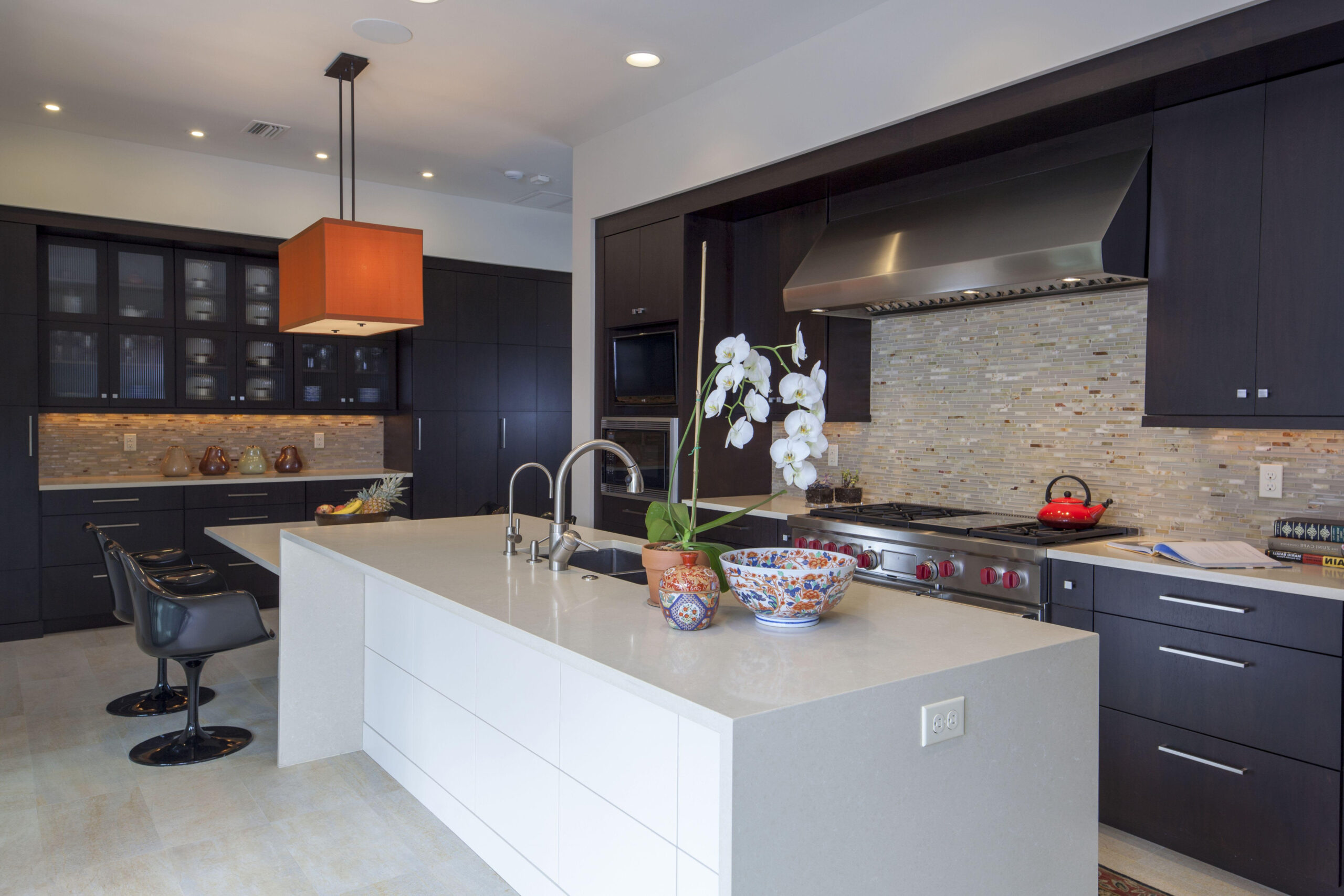
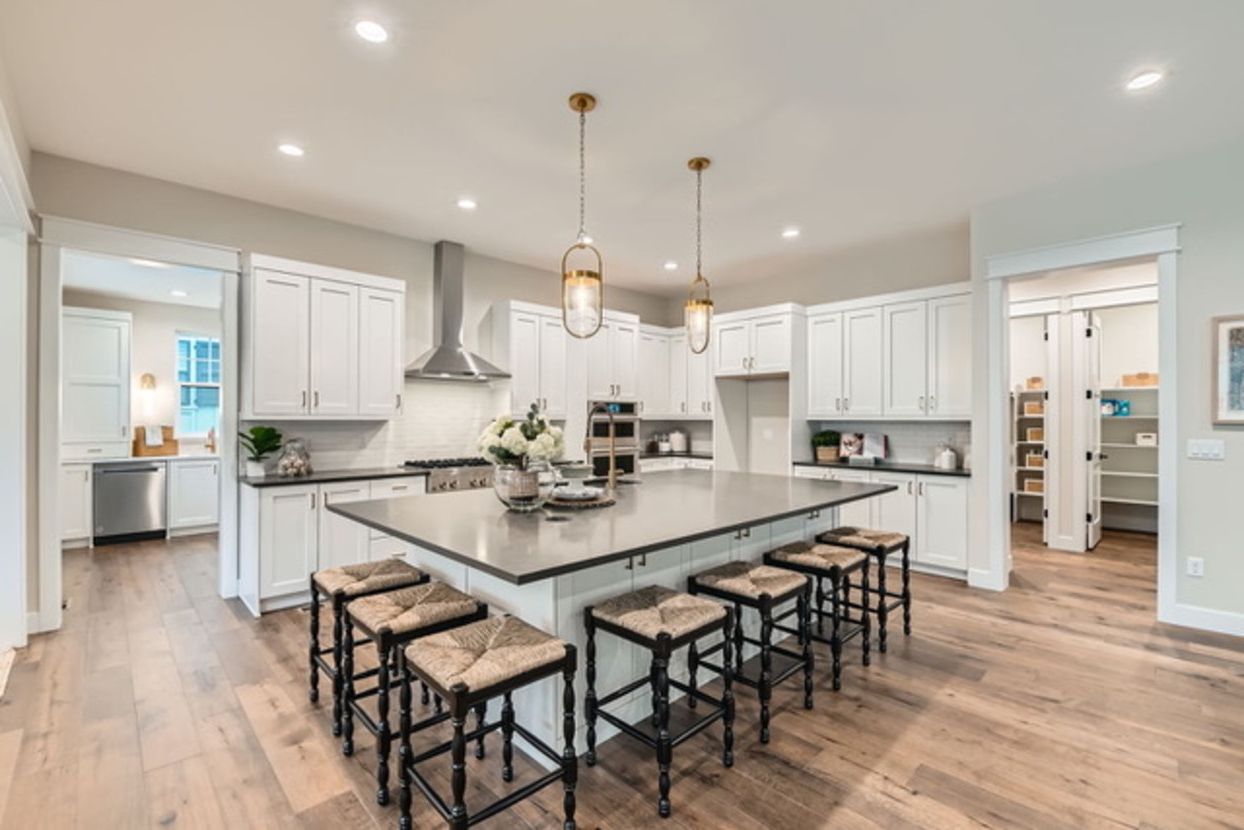
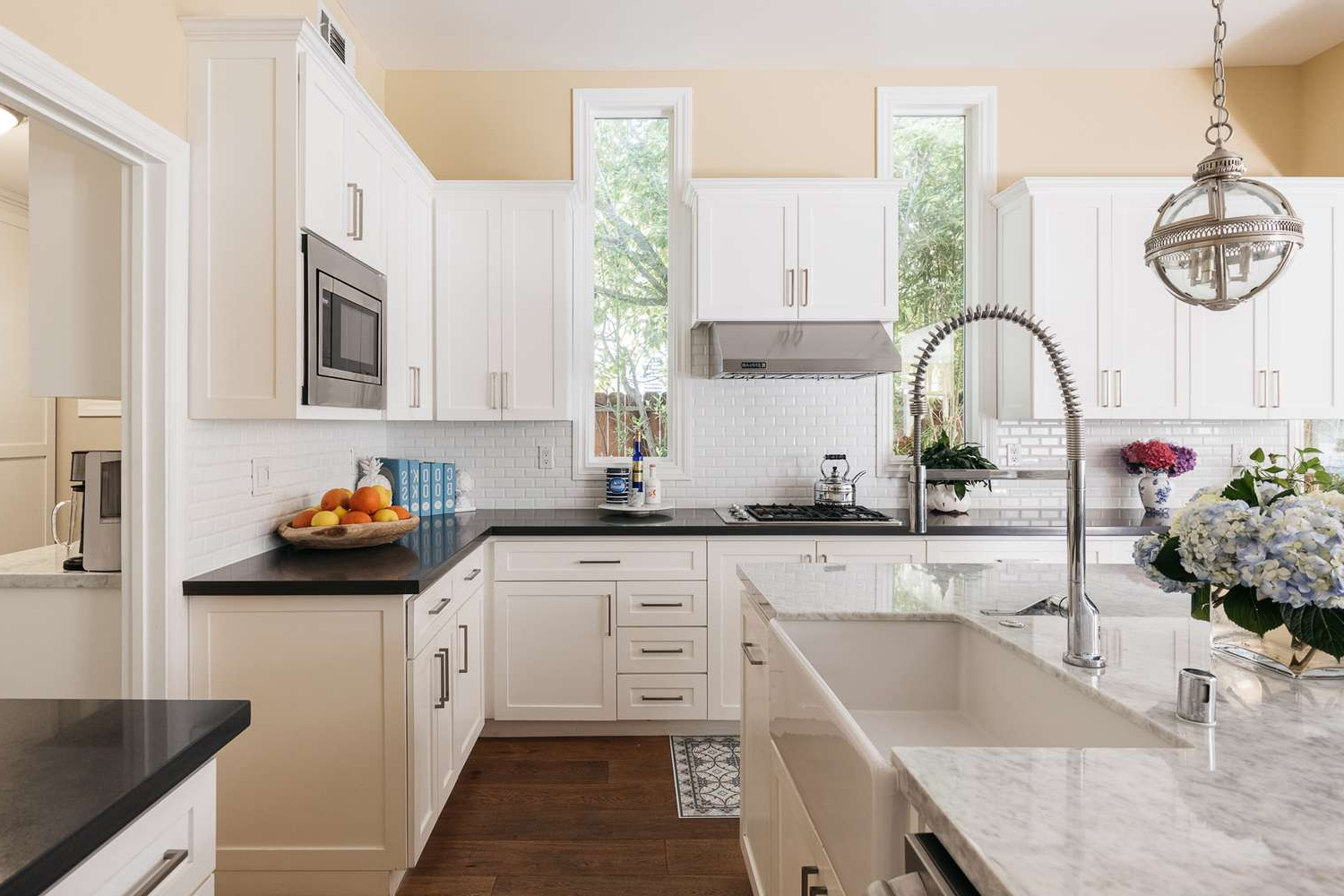
Some colors simply never go out of fashion. Cream and white are timeless because they create a clean, fresh environment that feels both sophisticated and comfortable. They reflect light well, making small kitchens feel larger and more open. Beige and soft gray offer similar benefits with a touch more character. These neutral tones work beautifully with both traditional and modern fixtures. When you’re thinking about classic choices, remember that they’re often the most versatile. They pair easily with accessories, appliances, and decor that you might change over time. Navy blue and forest green also stand the test of time, offering rich depth without being overly dramatic. These deeper colors can anchor a space and provide visual interest while remaining elegant. The key is choosing them in moderation – perhaps as an accent wall or for cabinetry rather than painting entire walls. This way, you get the timeless quality without overwhelming the space.
Avoiding Common Color Mistakes
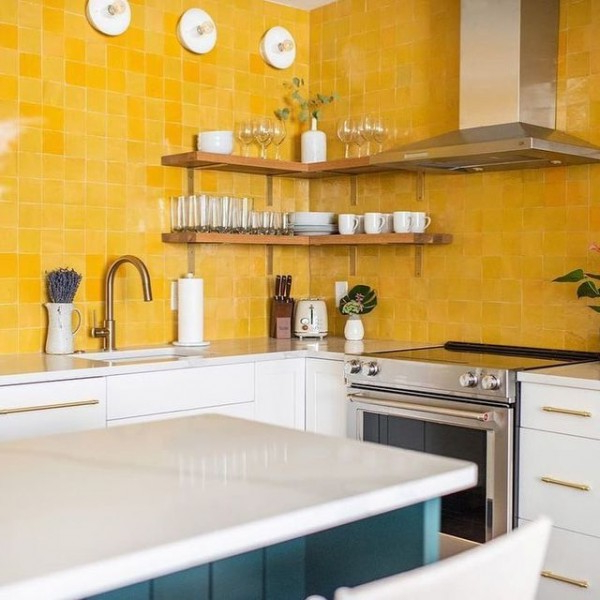
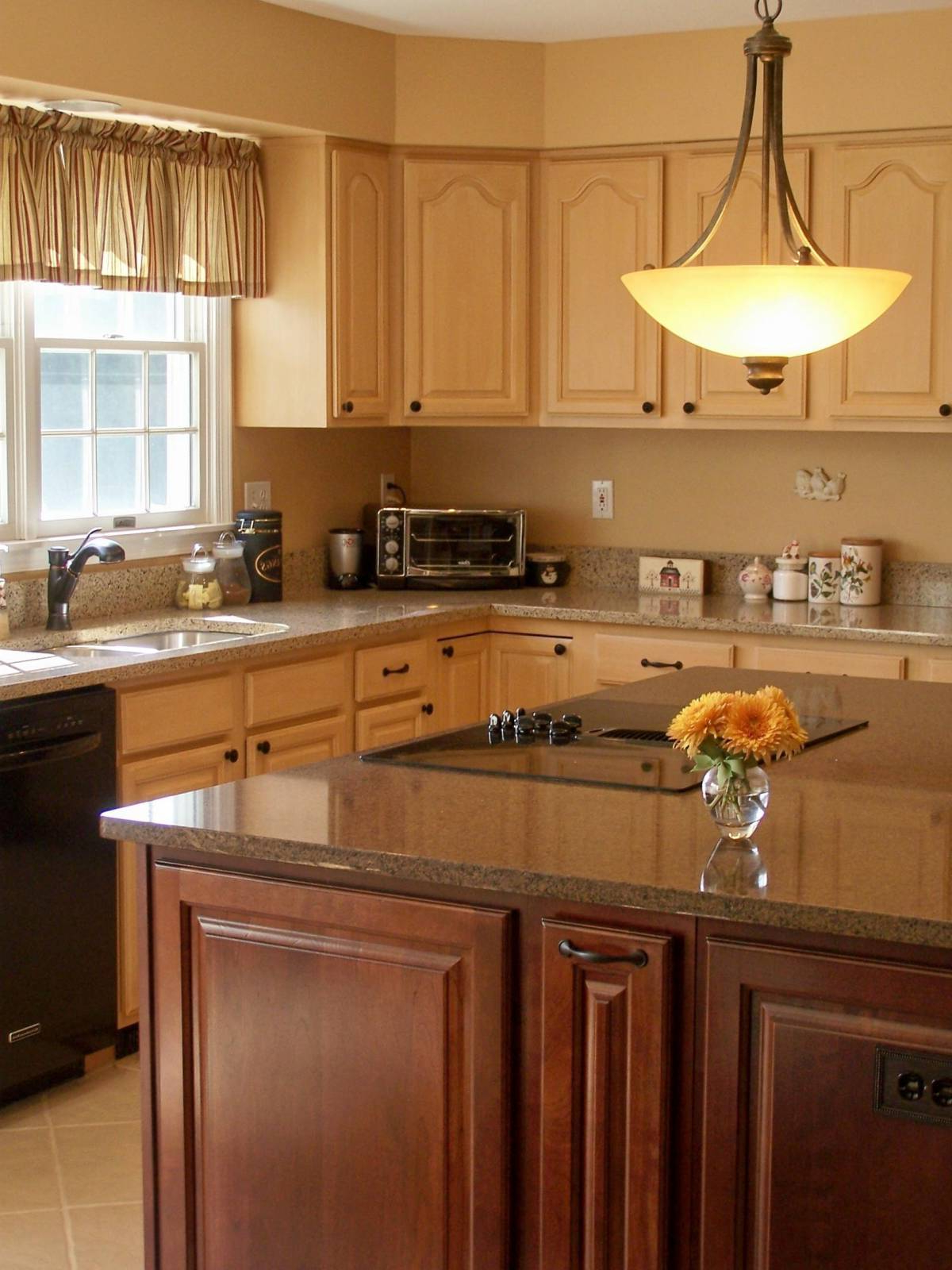
Many people make the mistake of choosing colors based solely on what they think looks good in a photo. But real life is different. One of the biggest errors is going too bold too soon. Bright reds, electric blues, or vivid yellows might look exciting in a catalog, but they can become tiresome quickly in a space you live with daily. Another frequent mistake is ignoring the size and shape of your kitchen. Dark colors can make a small space feel smaller, while light colors can sometimes make it feel cold and uninviting. Also, many people overlook how colors interact with their existing features – cabinets, flooring, countertops, and appliances. If you have dark wood cabinets, lighter walls might not give enough contrast to make the space feel balanced. Similarly, if you have a lot of natural wood in your kitchen, you might want to choose colors that complement rather than compete with those warm tones. Remember, the goal isn’t to create a color scheme that looks perfect on paper – it’s to find colors that work harmoniously with your actual space and lifestyle.
Testing Strategies for Long-Term Success
Before committing to a color, do some serious testing. Start by painting small sections of your walls – at least a foot square – and observe them throughout the day. This helps you see how they look in different lighting conditions. Some experts recommend using a large piece of paper or fabric to test colors on a wall, then moving it around to see how it looks from different angles. Try painting a few sample boards in various sizes and positions in your kitchen. This way, you can see how the color behaves in relation to your cabinets, appliances, and other elements. It’s also helpful to consider what happens when your kitchen gets dirty – will the color show stains or marks? Lighter colors may hide dirt better than darker ones, but they can also show wear more clearly. Don’t forget to consider how your chosen colors will look with your family’s lifestyle. If you have young children or pets, you might want to think about colors that are easy to maintain and forgiving of accidents.
Making Color Choices Work with Your Lifestyle
Every household is different, and your kitchen color choices should reflect that uniqueness. Families with kids might prefer colors that are easy to clean and don’t show food stains. If you’re someone who loves to entertain, you might want colors that create a welcoming atmosphere. Consider how much time you actually spend in your kitchen versus how often you’re entertaining. If you’re a frequent host, you might want to choose colors that make your space feel grander. If you’re more of a homebody, you might prefer colors that create a cozy retreat. The key is matching your color choices to your priorities. For instance, if you love to cook, you might want to avoid colors that make the kitchen feel sterile or clinical. If you’re not into baking, you might not mind a color that makes the space feel more professional. Take time to really think about how you want to use your kitchen, and choose colors that support that vision. Sometimes the most lasting colors are the ones that align perfectly with your daily habits and long-term goals.
Selecting kitchen colors that last forever isn’t about following rigid rules – it’s about making thoughtful choices that honor both your aesthetic preferences and your lifestyle needs. The key lies in understanding how colors behave in real-world conditions, testing your options thoroughly, and choosing hues that support your daily activities. Remember, your kitchen is more than just a place to cook – it’s a space where memories are made. So take your time with this decision, trust your instincts, and don’t be afraid to ask for help. The right colors will transform your kitchen into a space you’ll love for years to come, not just until the next trend hits. After all, the most lasting beauty comes from choices that feel right for you, today and tomorrow.
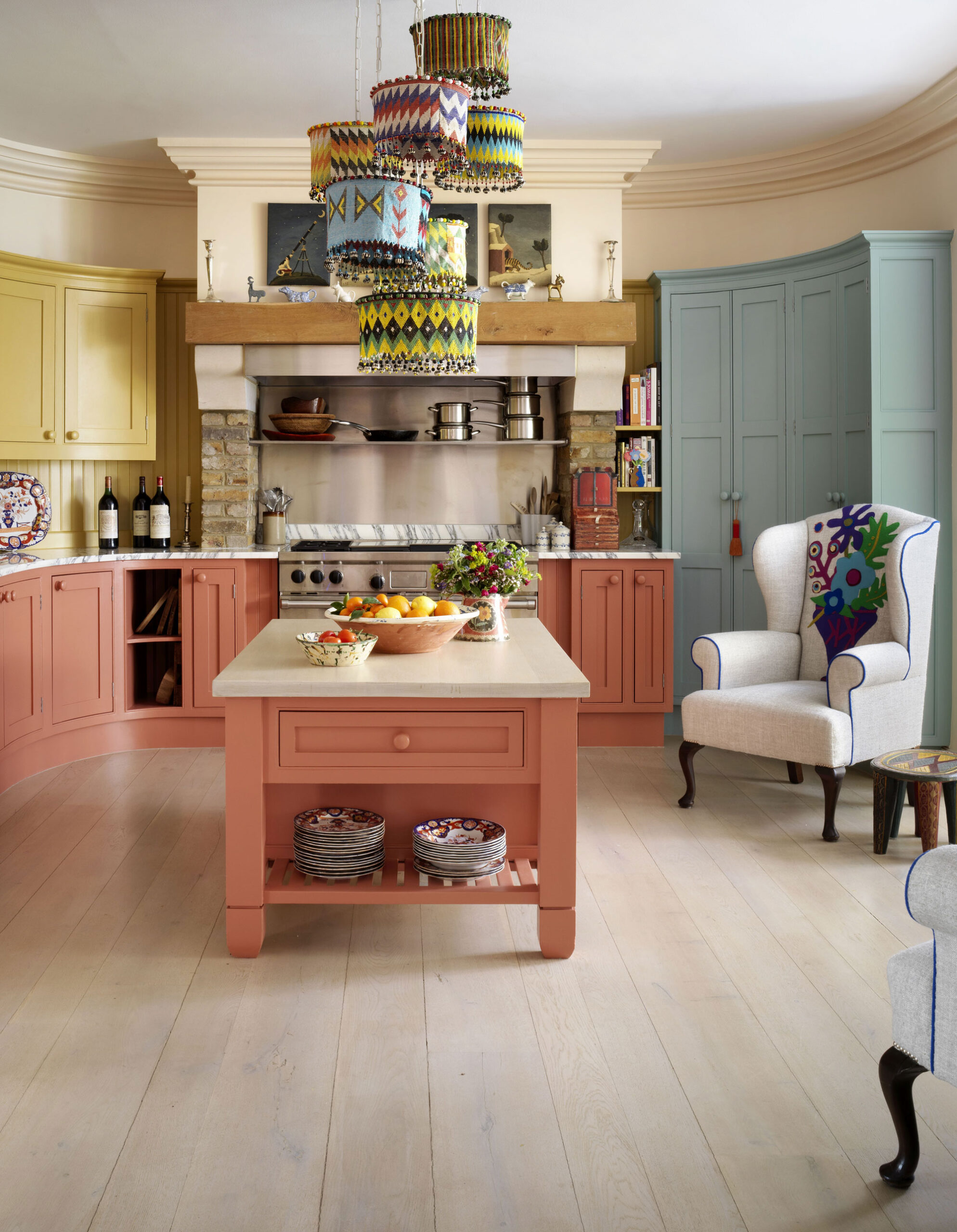
[sps_html tag=”img” src=”https://roofdrivein.com/wp-content/uploads/2026/01/colorful-kitchen-ideas-9-ways-to-add-character-to-kitchens-livingetc-within-expert-tips-for-selecting-kitchen-colors-that-last-forever-scaled.jpg” alt=”Colorful Kitchen Ideas – 9 Ways To Add Character To Kitchens | Livingetc within Expert tips for selecting kitchen colors that last forever” style=”width: 100%; height: auto;”]
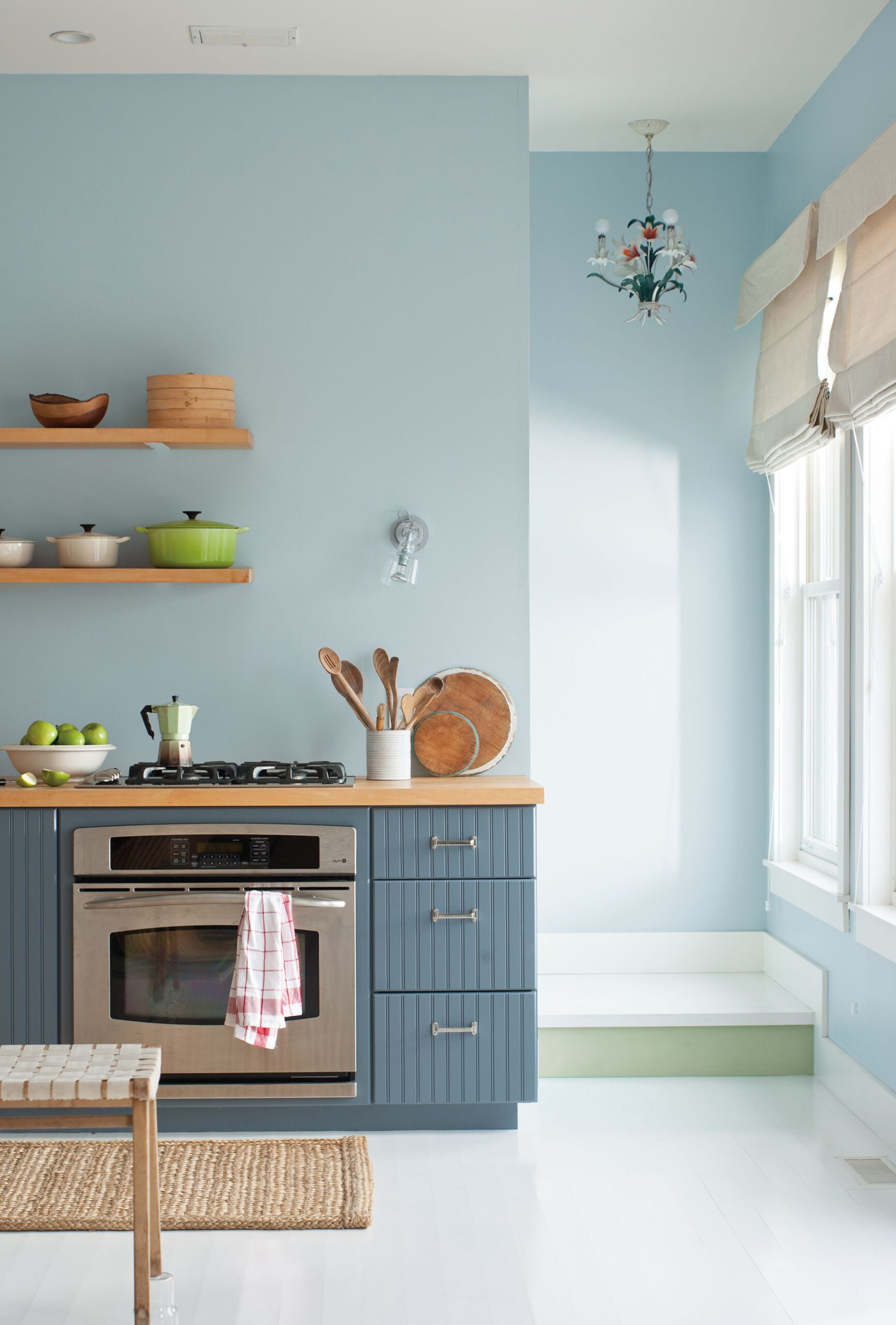
[sps_html tag=”img” src=”https://roofdrivein.com/wp-content/uploads/2026/01/31-best-kitchen-color-schemes-for-every-style-regarding-kitchen-ideas-colors.jpg” alt=”31 Best Kitchen Color Schemes For Every Style regarding Kitchen Ideas Colors” style=”width: 100%; height: auto;”]
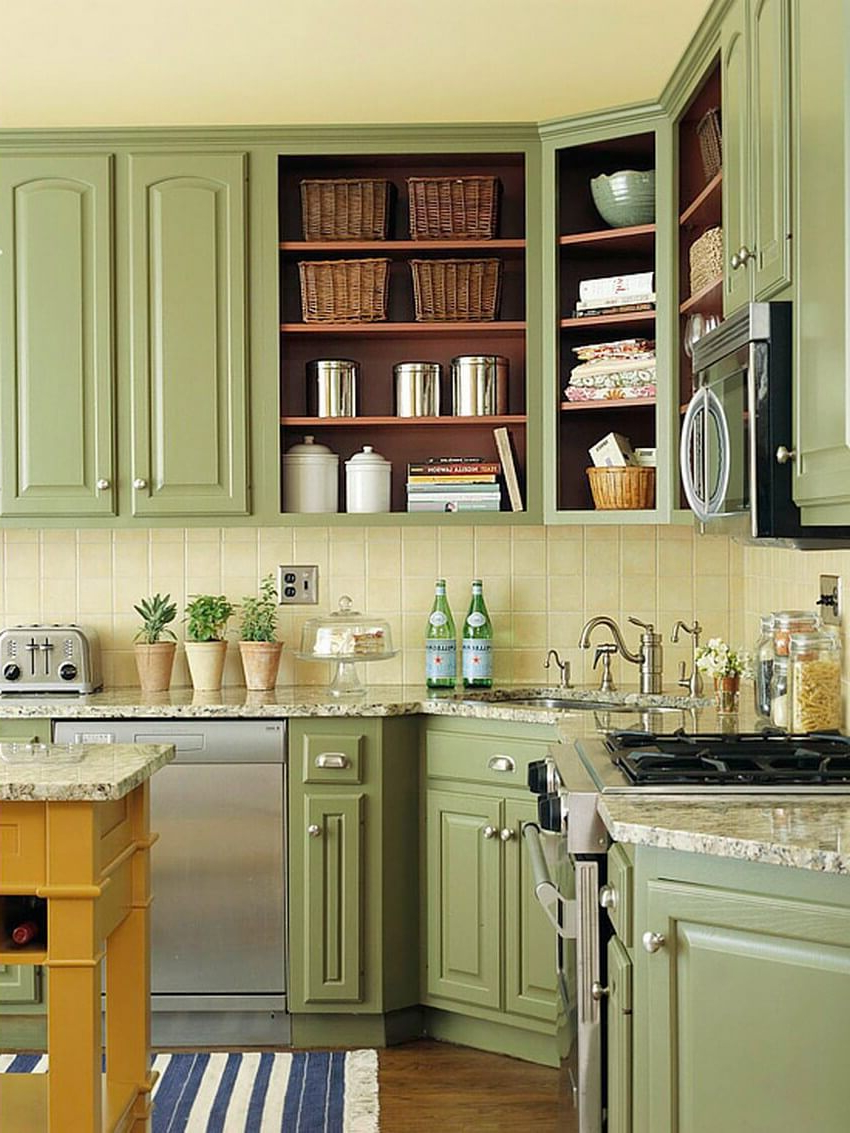
[sps_html tag=”img” src=”https://roofdrivein.com/wp-content/uploads/2026/01/28-kitchen-color-ideas-for-the-look-youll-love-pertaining-to-expert-tips-for-selecting-kitchen-colors-that-last-forever.jpg” alt=”28 Kitchen Color Ideas For The Look You'll Love pertaining to Expert tips for selecting kitchen colors that last forever” style=”width: 100%; height: auto;”]
[sps_html tag=”img” src=”https://roofdrivein.com/wp-content/uploads/2026/01/28-kitchen-color-ideas-that-will-elevate-your-cooking-space-real-homes-with-kitchen-ideas-colors-scaled.jpeg” alt=”28 Kitchen Color Ideas That Will Elevate Your Cooking Space | Real Homes with Kitchen Ideas Colors” style=”width: 100%; height: auto;”]
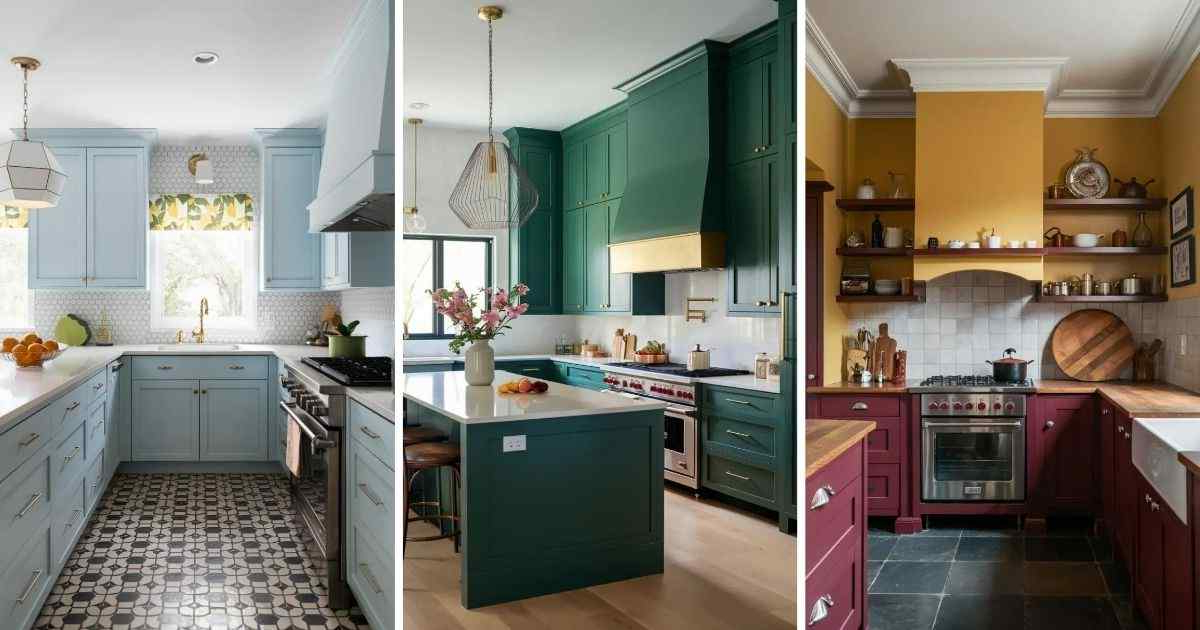
[sps_html tag=”img” src=”https://roofdrivein.com/wp-content/uploads/2026/01/23-best-kitchen-cabinets-painting-color-ideas-and-designs-for-2023-for-kitchen-ideas-colors.jpg” alt=”23 Best Kitchen Cabinets Painting Color Ideas And Designs For 2023 for Kitchen Ideas Colors” style=”width: 100%; height: auto;”]