Imagine walking into a kitchen where the walls and cabinets seem to whisper calm. The color blue has been quietly transforming home spaces for decades, but its power runs deeper than simple aesthetics. What if we told you that the hue of your kitchen cabinets could influence how you feel each day? It’s true, and it’s all connected to something called color psychology.
When you’re planning your dream kitchen, you probably think about materials, layout, and functionality. But there’s one element that might surprise you: the color of your cabinets. Blue cabinets aren’t just trendy – they carry psychological weight that affects your mood, energy levels, and even your appetite. Think about it. How many times have you felt instantly relaxed when entering a blue room? That’s not just coincidence. Blue has a unique relationship with our minds and bodies that makes it incredibly powerful in home design. Whether you’re drawn to soft baby blues or deep navy tones, the right shade can turn your kitchen from a mundane space into a sanctuary of tranquility.
The Science Behind Blue’s Calming Effect
Blue isn’t just another color choice – it’s scientifically proven to reduce stress and anxiety. Research shows that blue wavelengths actually slow our heart rate and lower blood pressure. When you walk into a kitchen with blue cabinets, your body naturally responds with a sense of peace. This happens because blue is associated with water and sky, elements that humans have evolved to find soothing. The ancient Egyptians believed blue represented the heavens and the divine, while many cultures see it as a symbol of trust and stability. In modern psychology, blue is linked to feelings of security and reliability. Consider how a blue kitchen can help you start your morning with less stress, or how it might help you unwind after a long day. These are not just feelings – they’re measurable physiological responses.
Blue Varieties and Their Unique Psychological Impacts
Not all blues are created equal, and each shade brings different benefits:
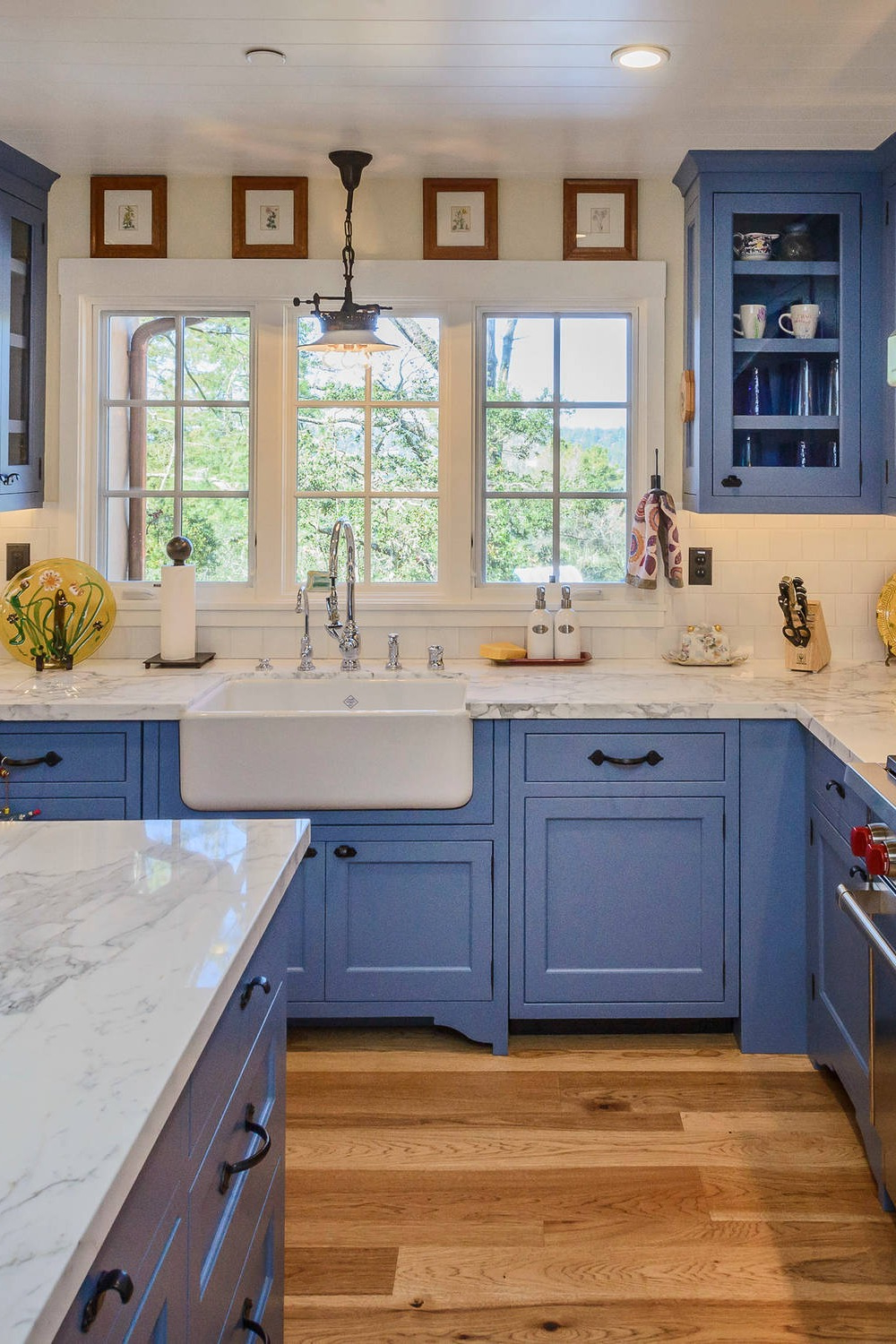
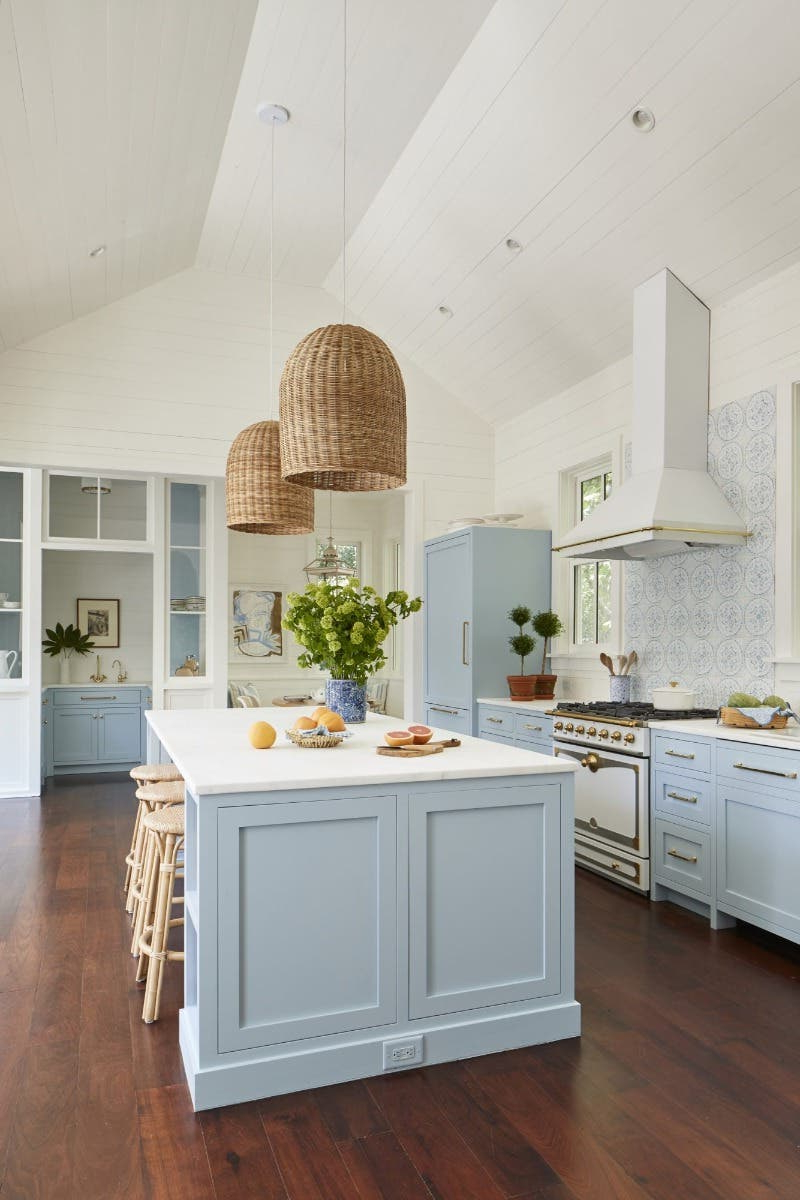
• Soft baby blues: These gentle hues promote relaxation and creativity. They’re perfect for kitchens where you want to encourage a peaceful cooking environment.
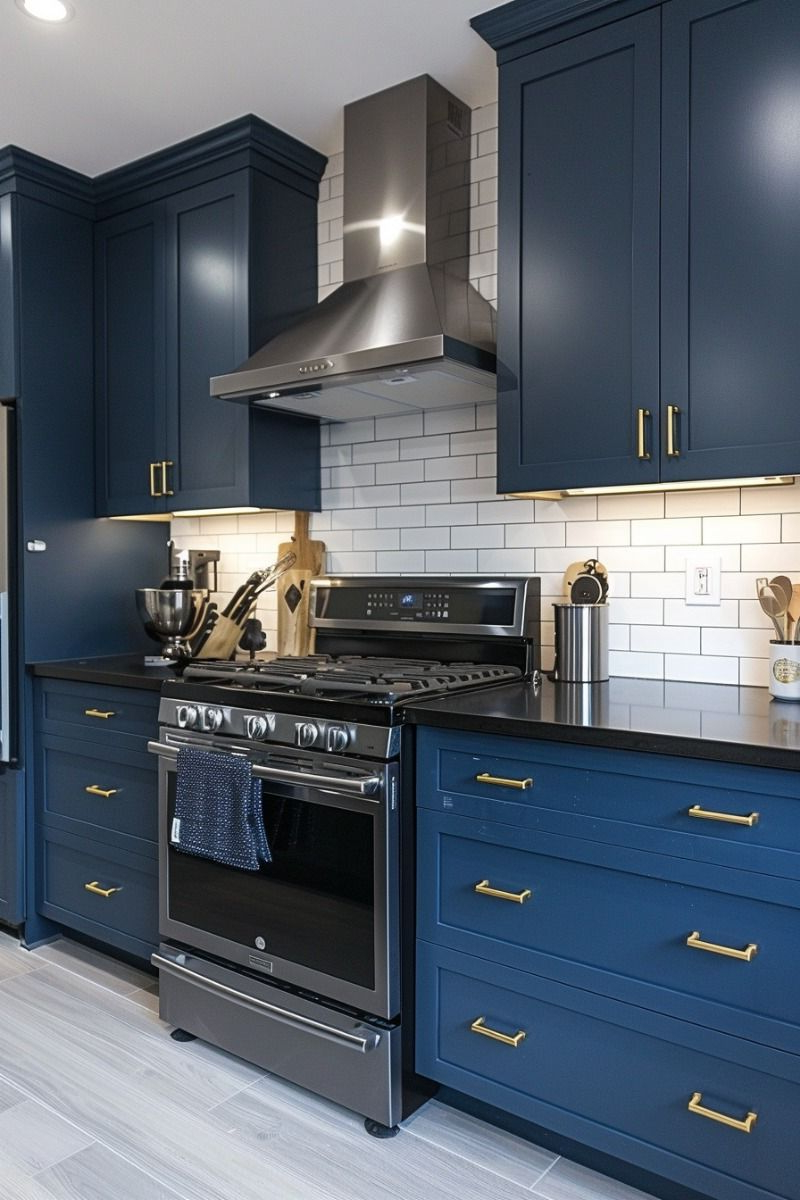
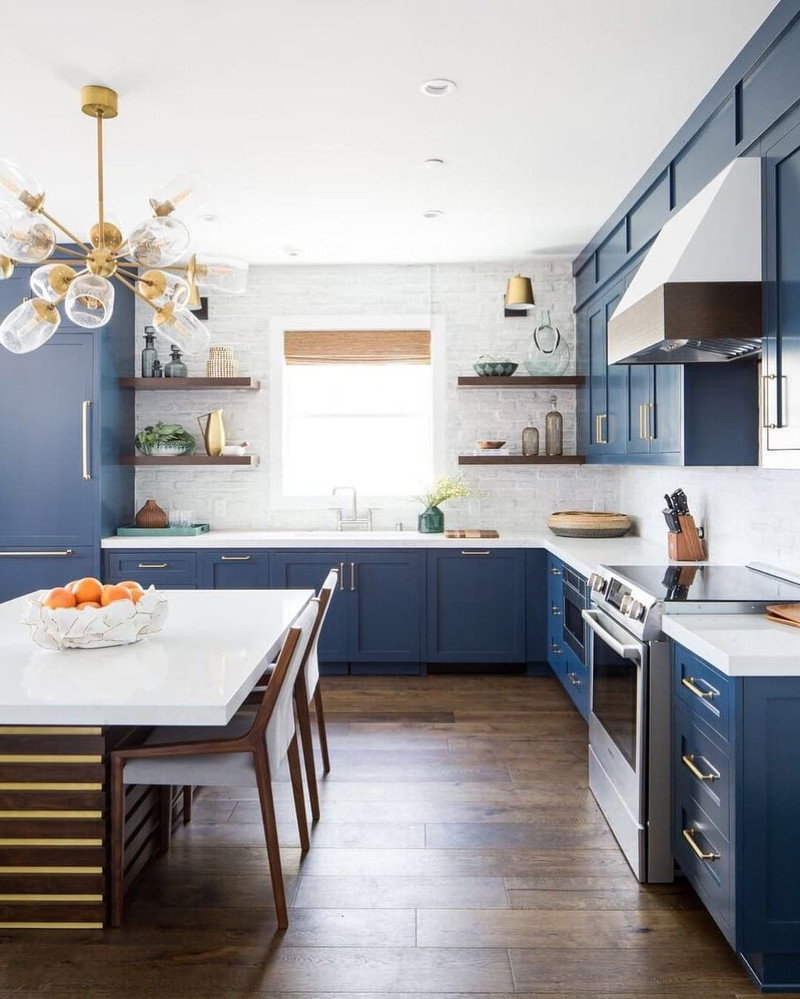
• Navy blues: These deep tones convey confidence and sophistication. They work beautifully in larger kitchens and can make smaller spaces feel more substantial.
• Teal and turquoise: These vibrant blues bring energy and vibrancy to your space. They’re great for homes wanting to add personality while maintaining calmness.
Each variation taps into different aspects of our psychology. Baby blues are like a gentle hug from nature, while navy blues feel more like a secure embrace. Teal and turquoise add a splash of excitement without overwhelming the senses. The key is matching the shade to your lifestyle and the energy you want to create in your kitchen.
The Impact on Daily Kitchen Activities
Think about your kitchen routine. Do you cook every day? Do you often entertain guests? The color of your cabinets affects these activities in surprising ways. Blue cabinets can actually improve focus during meal preparation. Studies suggest that blue environments help people concentrate better on tasks requiring attention to detail. If you’re someone who enjoys baking or cooking intricate dishes, this could be a game-changer. Blue also affects appetite and eating habits. Research indicates that blue surroundings can decrease appetite, which might be helpful if you’re trying to eat healthier. However, this effect varies from person to person, so it’s worth testing out different shades to see what works for you. The color also influences how long people stay in a room, with blue spaces encouraging longer visits and more comfortable conversations.
Blue Cabinets in Different Kitchen Styles
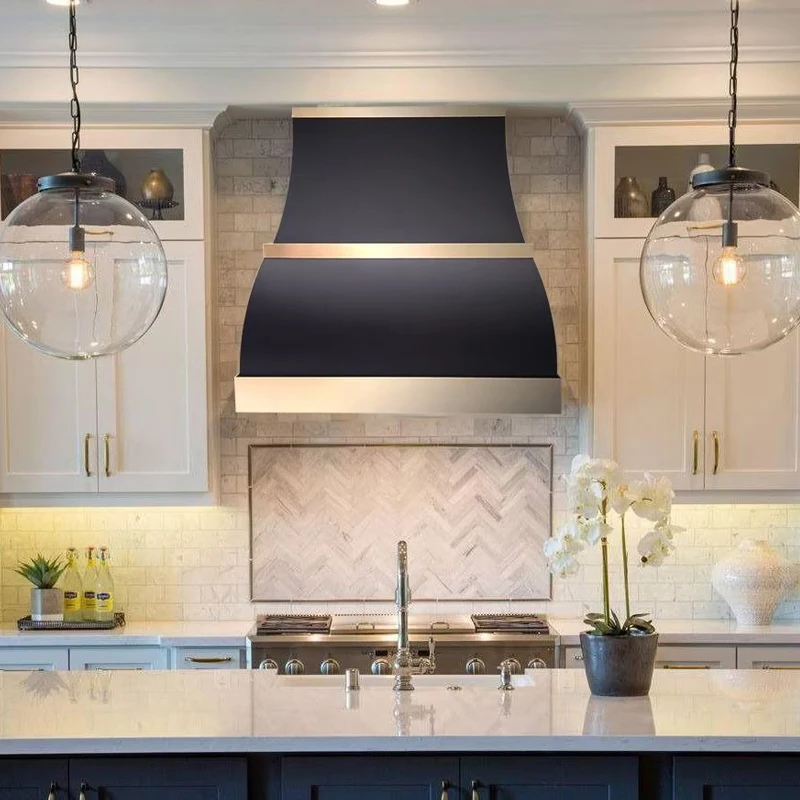
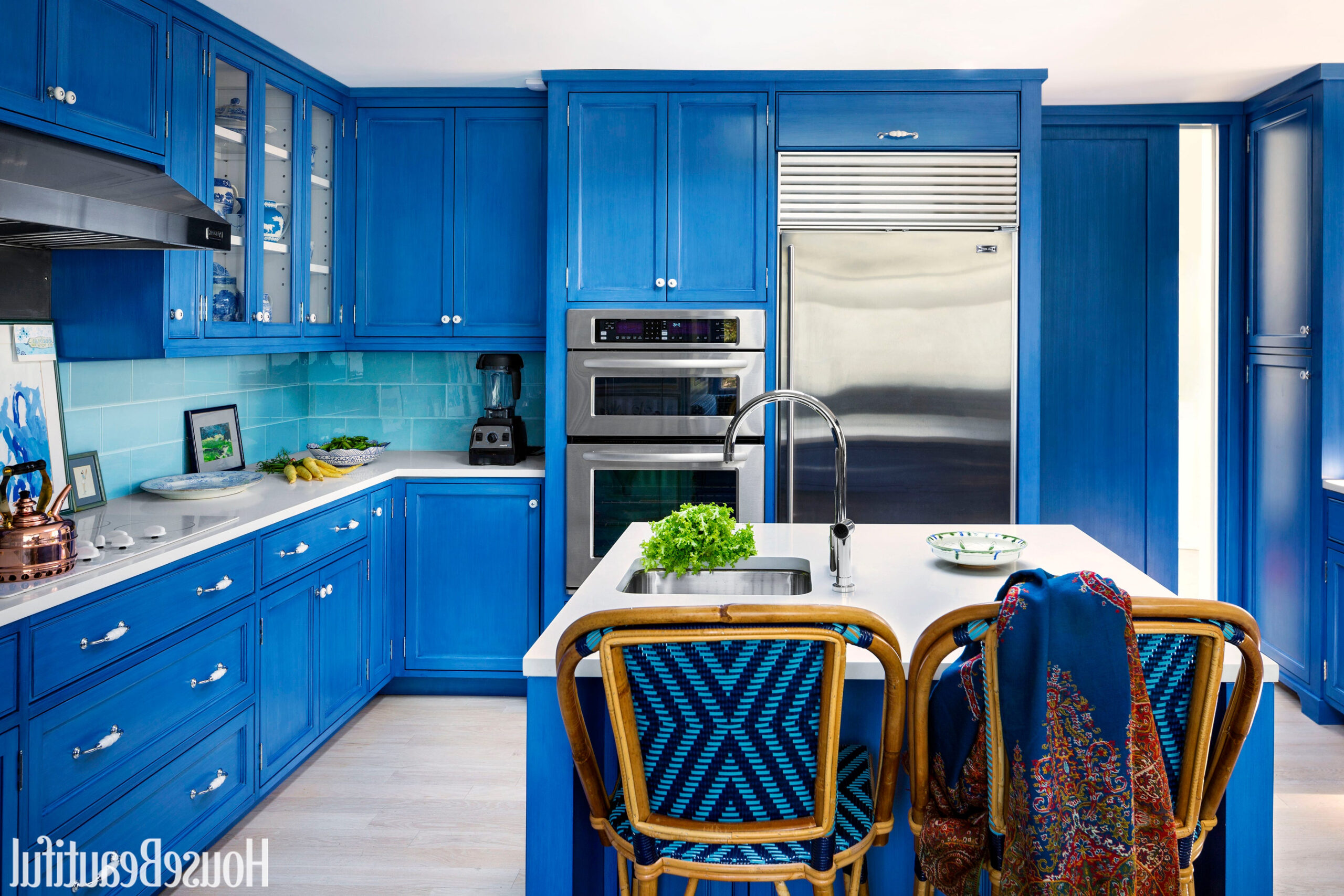
One of the most appealing aspects of blue cabinets is their versatility across various design styles. In traditional kitchens, navy blue cabinets can add a touch of elegance and timeless appeal. They pair beautifully with brass fixtures and wooden accents. Modern kitchens benefit from lighter blue tones that create a clean, fresh atmosphere. The contrast between blue and white surfaces is particularly striking in contemporary settings. Farmhouse kitchens can incorporate blue cabinets with a rustic twist, especially when paired with natural wood textures. Scandinavian designs embrace soft blue tones that complement minimalist aesthetics perfectly. Even industrial kitchens can benefit from blue accents, especially when combined with metal elements and concrete surfaces. The key is understanding how blue interacts with your existing design elements to create harmony rather than clash.
Practical Considerations for Blue Cabinet Selection
Choosing blue cabinets involves more than just picking your favorite shade. Here are important factors to consider:
• Lighting conditions in your kitchen play a huge role. Natural light can make blue appear brighter and more vibrant, while artificial lighting might mute the color. Test samples in different times of day before committing.
• Consider the size of your kitchen. Lighter blues can make small spaces feel bigger, while darker blues can create a cozy atmosphere in large kitchens.
• Think about maintenance. Some blue finishes are more prone to showing fingerprints or water marks than others.
• Factor in your personal style. Do you prefer subtle, understated looks or bold, statement-making colors?
It’s also worth noting that blue cabinets tend to pair well with neutral colors like white, cream, and gray, but they can also work with warmer tones like wood and brass. The most important thing is ensuring the overall color scheme feels cohesive and reflects your personality.
Real-Life Stories and Case Studies
Let’s hear from some homeowners who’ve made the blue cabinet switch. Sarah from Portland discovered that her new navy blue cabinets helped her family eat more mindfully together. She noticed everyone seemed calmer during dinner time, which she attributes to the color’s soothing properties. Tom in Austin found that his teal kitchen cabinets gave his space a fun, energetic vibe that encouraged him to cook more often. His friends always comment on how inviting his kitchen feels. Maria in Denver switched from white to soft blue cabinets and reported feeling less stressed during meal prep. She says the change was subtle but noticeable – like having a quiet friend in her kitchen. These stories show that blue cabinets aren’t just about looks – they genuinely impact how people experience their daily lives. The transformation goes beyond the visual and touches on emotional well-being and daily habits.
Blue kitchen cabinets represent more than just a design choice – they’re a thoughtful investment in your home’s atmosphere and your wellbeing. The color’s calming effects, its adaptability across different styles, and its ability to influence daily behaviors make it a smart selection for anyone looking to create a more harmonious kitchen environment. Whether you choose a soft baby blue for a gentle retreat or a bold navy for sophisticated elegance, remember that the right shade can transform your kitchen from simply functional to truly inspiring. The next time you’re planning your kitchen renovation, consider the profound impact that color can have on your daily life. Sometimes the smallest changes – like choosing blue cabinets – can create the biggest shifts in how you feel about your home. After all, your kitchen should be a place where you want to spend time, not just complete chores. Blue cabinets might just be the key to making that happen.
[sps_html tag=”img” src=”https://roofdrivein.com/wp-content/uploads/2026/01/21-amazing-blue-kitchen-cabinet-ideas-in-2022-houszed-in-kitchen-ideas-blue-cabinets.jpg” alt=”21+ Amazing Blue Kitchen Cabinet Ideas In 2022 | Houszed in Kitchen Ideas Blue Cabinets” style=”width: 100%; height: auto;”]
[sps_html tag=”img” src=”https://roofdrivein.com/wp-content/uploads/2026/01/19-kitchen-design-ideas-for-blue-kitchen-cabinets-intended-for-kitchen-ideas-blue-cabinets.jpeg” alt=”19 Kitchen Design Ideas For Blue Kitchen Cabinets intended for Kitchen Ideas Blue Cabinets” style=”width: 100%; height: auto;”]
[sps_html tag=”img” src=”https://roofdrivein.com/wp-content/uploads/2026/01/39-trendy-blue-kitchen-cabinet-ideas-with-cool-sophisticated-vibes-regarding-color-psychology-behind-choosing-blue-kitchen-cabinets.jpg” alt=”39 Trendy Blue Kitchen Cabinet Ideas With Cool Sophisticated Vibes … regarding Color psychology behind choosing blue kitchen cabinets” style=”width: 100%; height: auto;”]
[sps_html tag=”img” src=”https://roofdrivein.com/wp-content/uploads/2026/01/blue-kitchen-cabinets-with-white-countertops-design-ideas-with-regard-to-kitchen-ideas-blue-cabinets.jpg” alt=”Blue Kitchen Cabinets With White Countertops Design Ideas with regard to Kitchen Ideas Blue Cabinets” style=”width: 100%; height: auto;”]
[sps_html tag=”img” src=”https://roofdrivein.com/wp-content/uploads/2026/01/14-best-blue-kitchen-cabinets-ideas-of-2023-f09d9081f09d909ef09d90acf09d90adf09d90abf09d909af09d90adf09d909ef09d909df09d90a1f09d90a8f09d90a6-scaled.jpg” alt=”14 Best Blue Kitchen Cabinets Ideas Of 2023 - 𝐁𝐞𝐬𝐭𝐫𝐚𝐭𝐞𝐝𝐡𝐨𝐦𝐞 with Kitchen Ideas Blue Cabinets” style=”width: 100%; height: auto;”]