Think about your last visit to a kitchen. Was it cozy? Calming? Maybe even inspiring? The color of that space matters more than you might think. Blue, in particular, has become one of the most popular choices for kitchen walls and accents. But why? What’s really going on in our minds when we see blue? Let’s explore the fascinating science behind this color choice.
We all know that colors affect our moods and behaviors, but how many of us truly understand WHY certain colors work better in different spaces? When it comes to kitchens, we want a place that feels welcoming, energizing, and perhaps even soothing. Blue happens to be one of those colors that can do all three. It’s not just about aesthetics anymore. We’re diving deep into the psychological reasons why blue kitchens feel so right. From ancient civilizations to modern research, blue has held a special place in human consciousness. The question isn’t whether blue works in kitchens—it’s why it works so well.
The Calming Power of Blue
Blue is often called the color of tranquility. It naturally slows our heart rate and lowers blood pressure. In a kitchen—a space where we cook, eat, and often stress about meal prep—this calming effect can be incredibly beneficial. Think about it: you’re standing in front of a stove, dealing with hot pans and busy schedules, and suddenly you look up to see blue walls. It’s like taking a breath. Research shows that blue environments reduce anxiety levels and promote a sense of peace. This makes blue kitchens particularly appealing for families with young children or anyone who finds cooking stressful. The color seems to create a buffer between the chaos of daily life and the focused moment of preparing food.
Blue and Productivity in the Kitchen
Here’s something interesting: blue can actually improve focus and productivity. That’s right—when you’re working in a blue kitchen, you might find yourself more efficient at meal preparation. Studies have found that blue environments enhance concentration and attention to detail. This makes blue especially useful for tasks that require precision, like chopping vegetables or measuring ingredients. The color doesn’t distract you; instead, it helps you stay present and mindful. Imagine working on a complex recipe while surrounded by soft blue tones. You’re less likely to rush or make mistakes because your mind stays calm and alert. Blue creates a professional atmosphere even in a home setting.
Historical Roots of Blue in Design
Blue hasn’t always been trendy in kitchens. Our ancestors used blue for practical reasons long before modern psychology understood its effects. Ancient Egyptians painted their homes blue because they believed it protected against evil spirits. In medieval times, blue was associated with wealth and status—only the rich could afford the expensive blue pigments. During the Victorian era, blue became popular in domestic spaces due to its connection with cleanliness and order. Fast forward to today, and we see blue kitchens everywhere. But the historical significance remains: blue has consistently represented safety, stability, and harmony across cultures. This deep-rooted association helps explain why we instinctively feel comfortable in blue environments.
The Different Shades of Blue
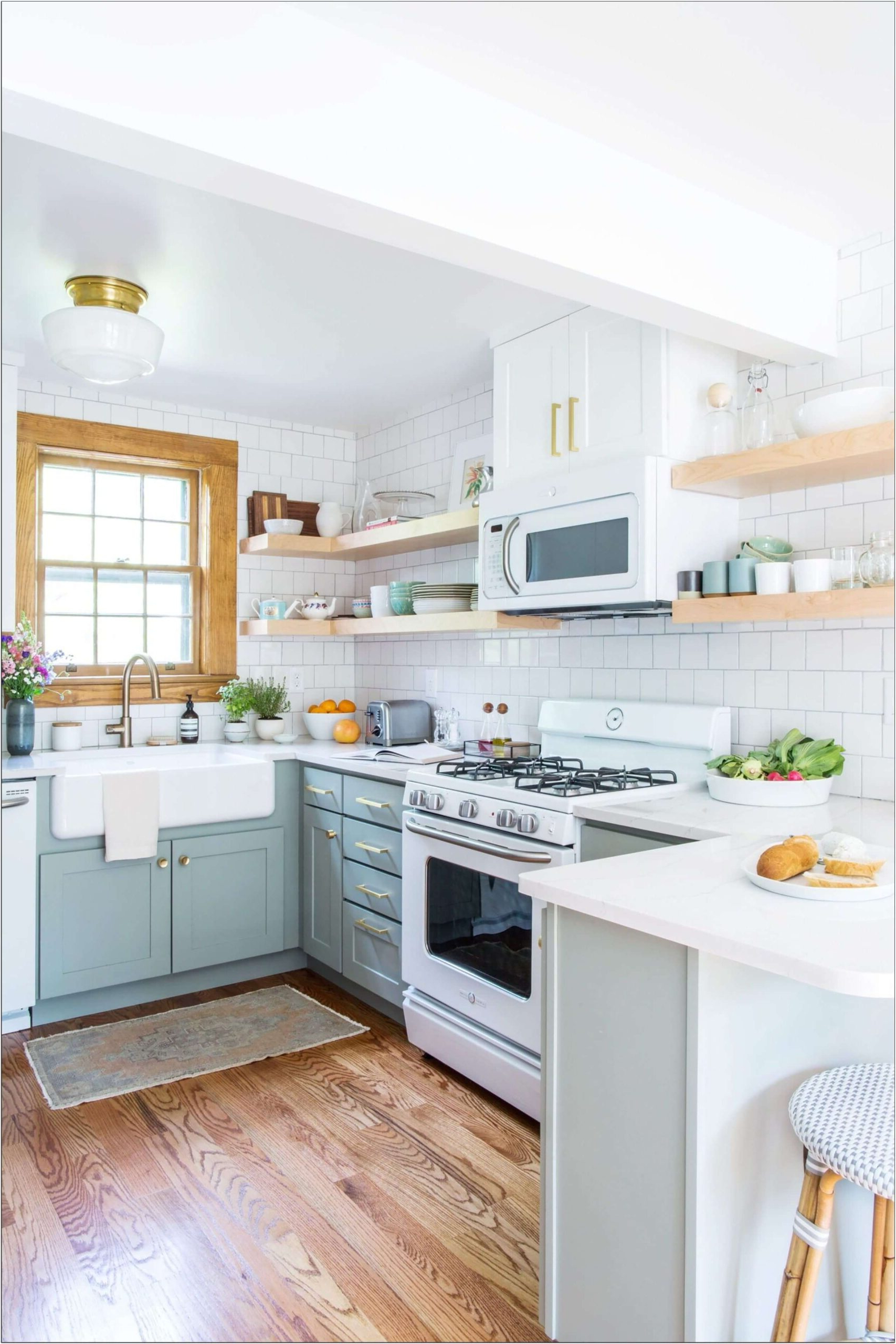
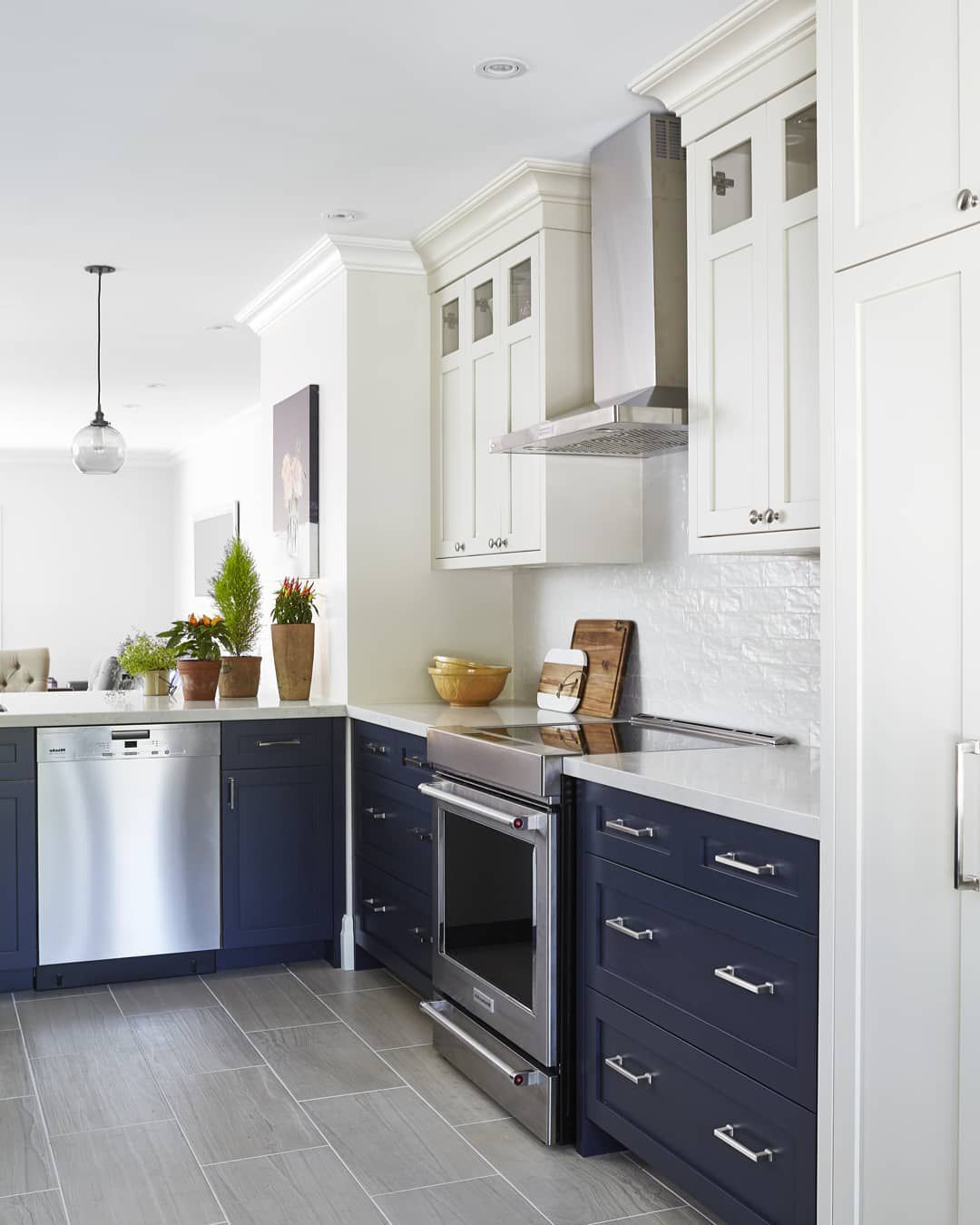
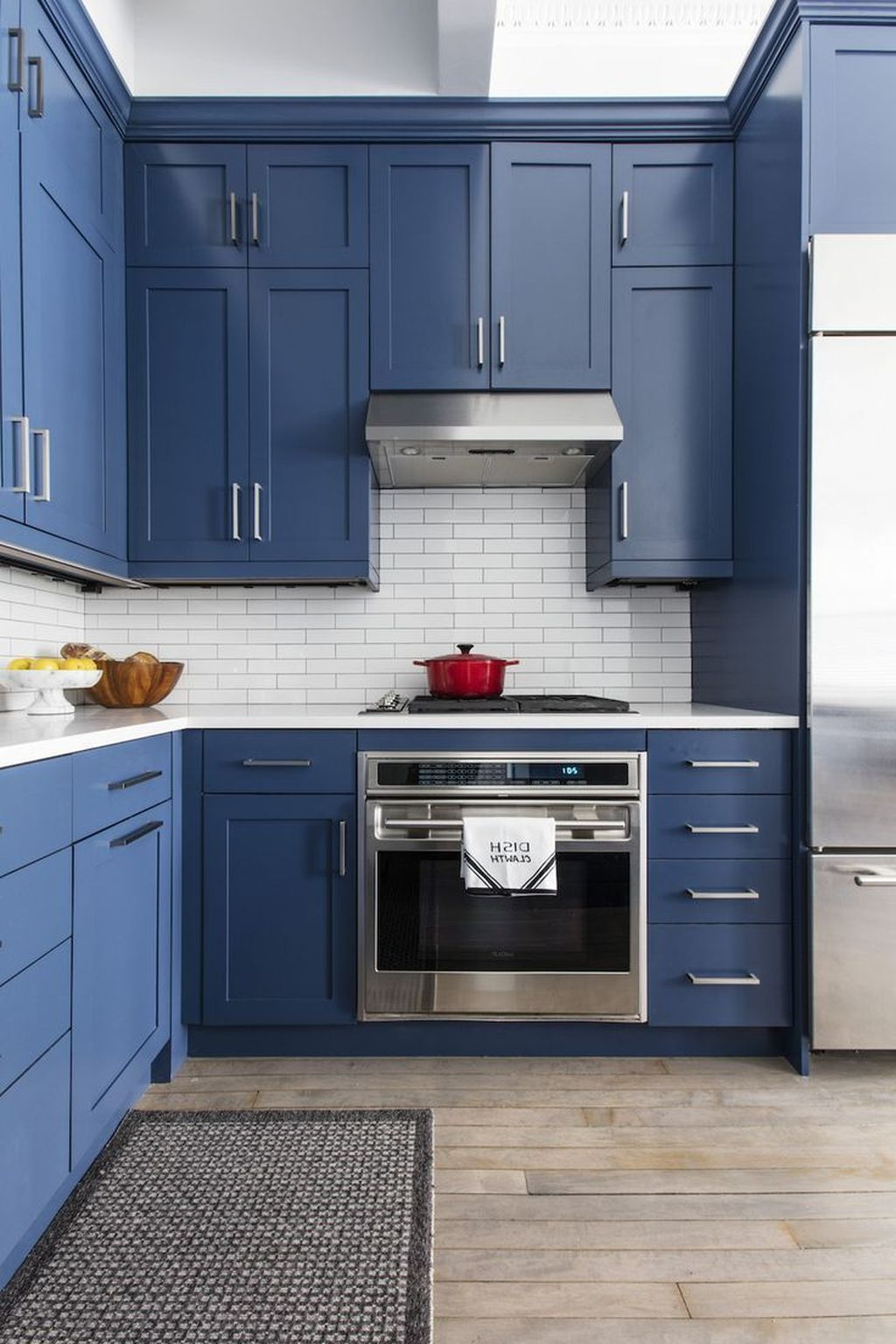
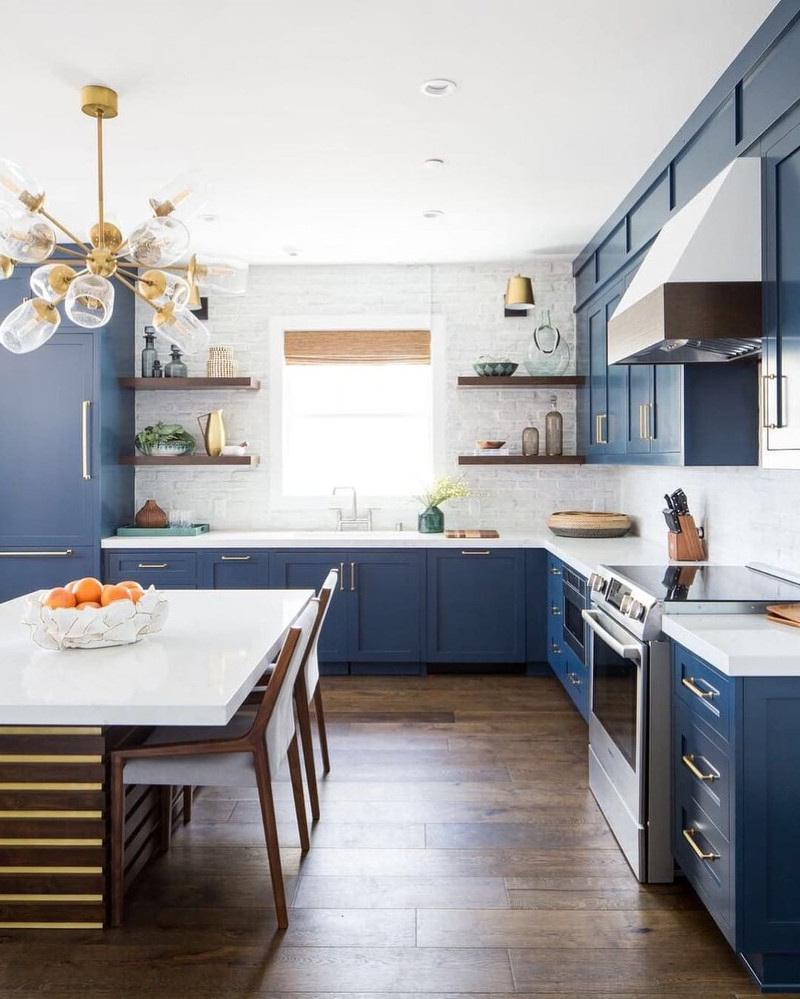
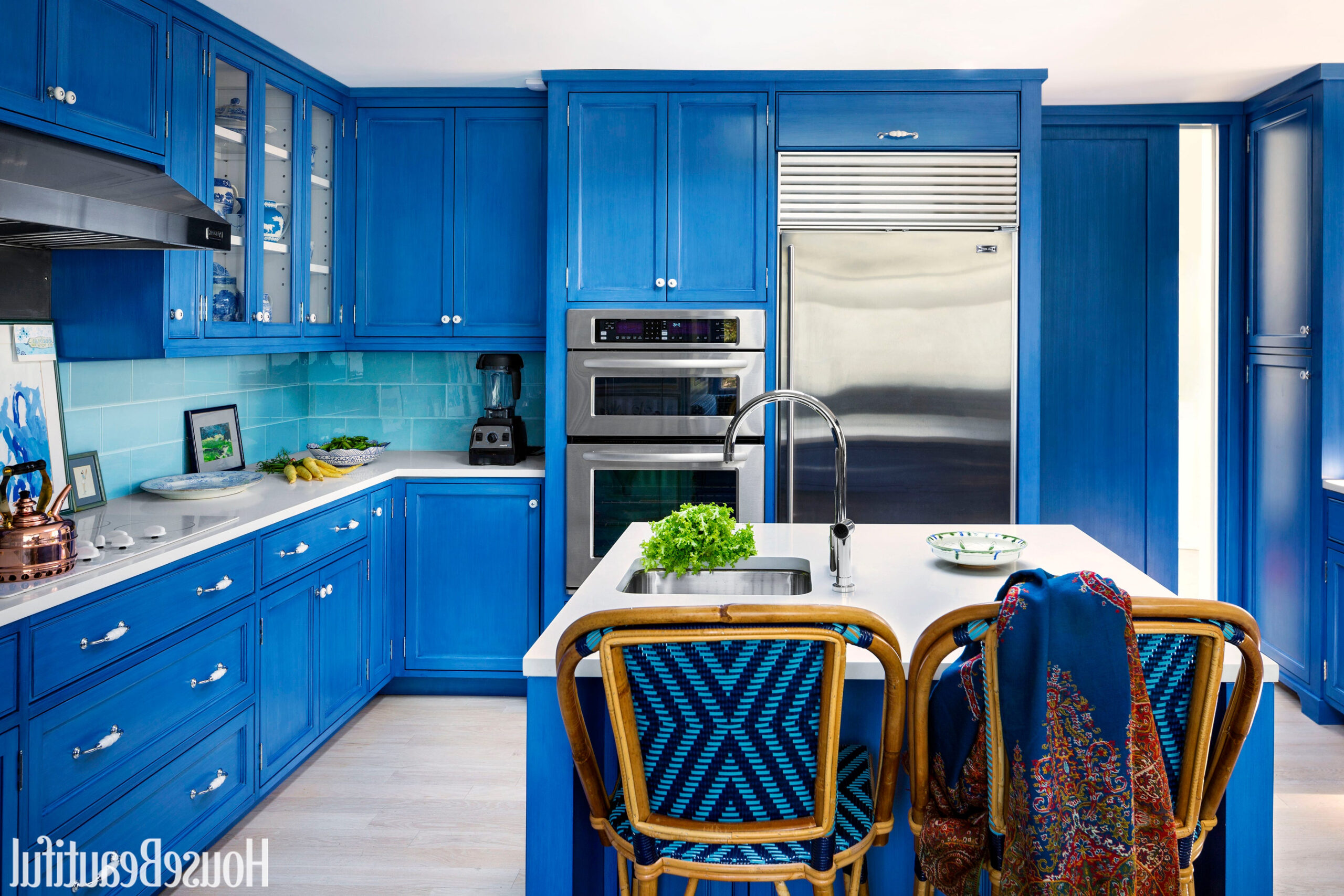
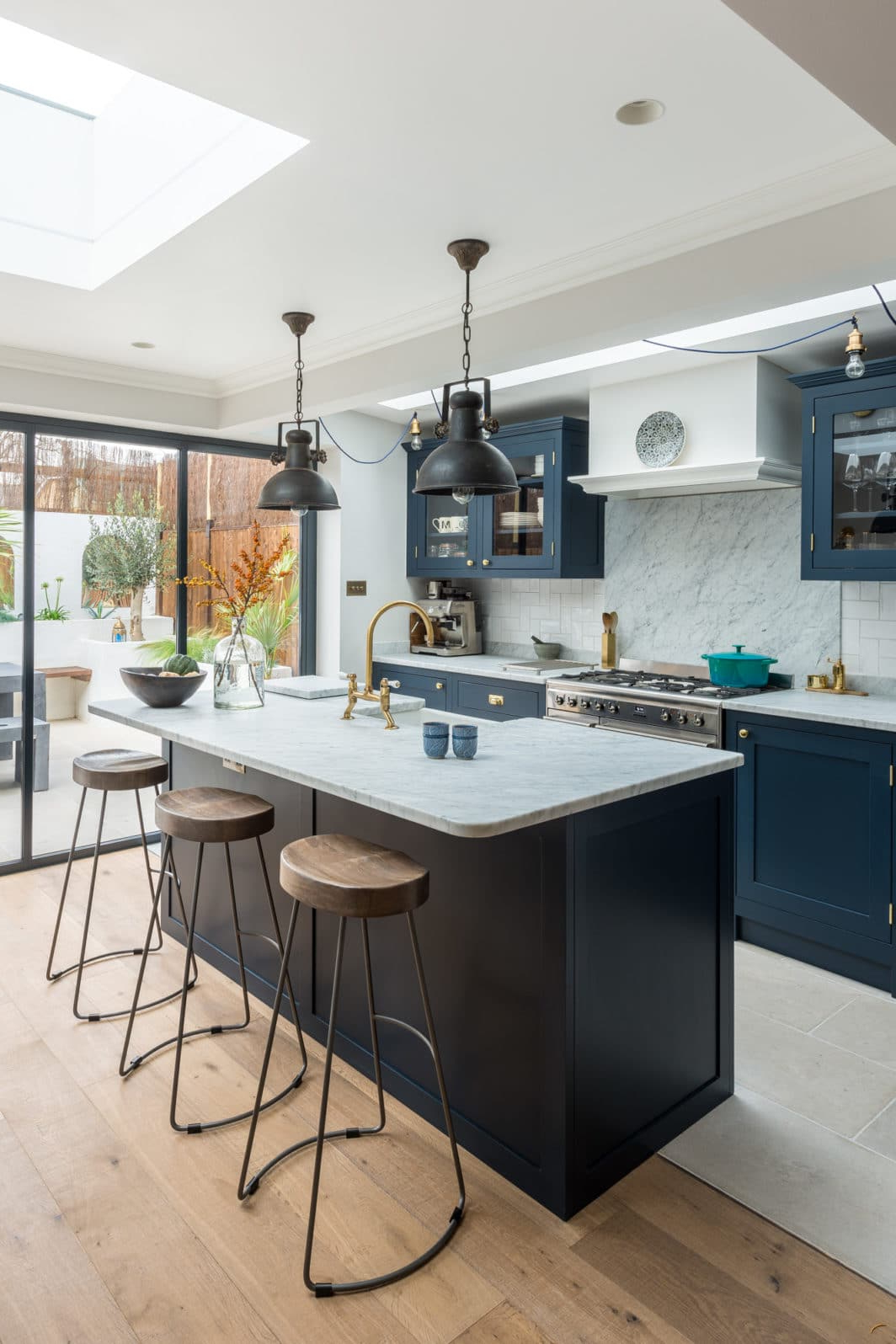
Not all blues are created equal. Light blues tend to feel airy and fresh, perfect for small kitchens or spaces that need to appear larger. They reflect light well and create an open, clean feeling. Navy blues add depth and sophistication, making them ideal for larger kitchens or those wanting a more dramatic statement. Teal and turquoise blues offer a pop of personality while still maintaining the calming qualities. When selecting blue for your kitchen, consider the size of your space, the amount of natural light, and the overall vibe you want to create. A pale blue might make a tiny kitchen feel spacious, while a deep navy could anchor a large open-plan kitchen. The key is matching the shade to your specific needs.
Combining Blue with Other Colors
One of the secrets to successful blue kitchens is knowing how to pair the color with others. Blue works beautifully with whites, creating a classic, clean look that feels both fresh and timeless. Warm woods like oak or maple complement blue beautifully, adding warmth and texture to the space. For a modern twist, try pairing blue with grays or even soft yellows for contrast. Green is another fantastic companion, especially in kitchens with plants or natural elements. Red accents can provide a bold contrast that makes the blue pop even more. The trick is balance. Too much of any one color can overwhelm, but thoughtful combinations create visual harmony and depth. Consider using blue as an accent wall or cabinet color rather than overwhelming the entire space.
Practical Tips for Blue Kitchen Success
Ready to bring blue into your kitchen? Here are some practical pointers:
• Start with small touches like blue dishware, a blue backsplash, or a few blue accessories
• Test paint samples on your kitchen walls at different times of day to see how they look
• Consider the undertones in your blue paint—some blues lean toward green, others toward purple
• If you’re nervous about going all-in, try blue cabinets or a blue island instead of full walls
• Don’t forget lighting—the same blue looks different under natural vs. artificial light
Remember, the goal is to create a space that feels good to you. Blue kitchens aren’t just trendy—they’re designed to support your well-being and make cooking a more enjoyable experience.
Real-Life Blue Kitchen Examples
Let’s look at some real-world examples that show how blue kitchens work in practice. One family in Portland transformed their small galley kitchen with light blue cabinets and white countertops. The result? A space that felt twice as big and always looked fresh. Another couple in Austin went bold with navy blue walls and brass fixtures, creating a sophisticated dining kitchen that everyone loves. A third example features a modern kitchen with teal accents and white appliances, giving it a vibrant yet calming feel. These examples prove that blue kitchens can fit any style—from traditional to contemporary—and can be tailored to suit personal taste and lifestyle needs.
Addressing Common Concerns
Some people worry that blue kitchens might feel too cold or clinical. This concern is understandable, but it’s easily addressed. Adding warm wood tones, textured materials, or soft lighting can counterbalance any coolness. Blue also pairs wonderfully with natural textures like stone or wood, bringing warmth back into the space. Another common fear is that blue will make a kitchen look dated. However, with proper planning and modern styling, blue kitchens remain fresh and contemporary. The key is choosing quality shades and avoiding overly bright or neon blues that might seem out of place. With thoughtful selection, blue kitchens age beautifully.
The Future of Blue in Kitchen Design
Looking ahead, blue kitchens are showing no signs of fading from favor. As more people recognize the mental health benefits of color psychology, blue’s popularity in home design continues to grow. Modern trends suggest that personalized blue choices will become even more common, with homeowners opting for unique shades that reflect their personalities. Sustainability and wellness-focused design also support blue’s ongoing relevance. The color’s calming properties align perfectly with today’s emphasis on creating healthier living spaces. Whether you’re designing a new kitchen or updating an existing one, blue remains a smart, evidence-based choice.
Choosing blue for your kitchen isn’t just about following trends—it’s about making a conscious decision to create a space that supports your well-being. From its calming effects to its ability to boost focus, blue offers tangible benefits that go beyond simple decoration. Whether you opt for a subtle hint of blue or go all-in with a stunning blue kitchen, you’re tapping into centuries of human understanding about color’s power to shape our experiences. The next time you walk into a blue kitchen, take a moment to notice how it makes you feel. That’s the real magic of color psychology at work. Blue kitchens aren’t just beautiful—they’re built to make you feel good, every single day.
[sps_html tag=”img” src=”https://roofdrivein.com/wp-content/uploads/2026/01/39-inspiring-kitchen-design-ideas-that-you-can-try-on-your-dream-home-for-kitchen-ideas-blue.jpg” alt=”39 Inspiring Kitchen Design Ideas That You Can Try On Your Dream Home … for Kitchen Ideas Blue” style=”width: 100%; height: auto;”]
[sps_html tag=”img” src=”https://roofdrivein.com/wp-content/uploads/2026/01/15-gorgeous-dark-blue-kitchens-inspiration-ideas-pertaining-to-kitchen-ideas-blue.jpg” alt=”15 Gorgeous Dark Blue Kitchens – Inspiration & Ideas pertaining to Kitchen Ideas Blue” style=”width: 100%; height: auto;”]
[sps_html tag=”img” src=”https://roofdrivein.com/wp-content/uploads/2026/01/21-best-light-blue-kitchen-design-and-decor-ideas-for-2020-pertaining-to-kitchen-ideas-blue.jpg” alt=”21 Best Light Blue Kitchen Design And Decor Ideas For 2020 pertaining to Kitchen Ideas Blue” style=”width: 100%; height: auto;”]
[sps_html tag=”img” src=”https://roofdrivein.com/wp-content/uploads/2026/01/21-amazing-blue-kitchen-cabinet-ideas-in-2022-houszed-in-color-psychology-behind-choosing-blue-for-kitchens.jpg” alt=”21+ Amazing Blue Kitchen Cabinet Ideas In 2022 | Houszed in Color psychology behind choosing blue for kitchens” style=”width: 100%; height: auto;”]
[sps_html tag=”img” src=”https://roofdrivein.com/wp-content/uploads/2026/01/20-blue-kitchen-cabinet-ideas-to-inspire-your-remodel-pertaining-to-kitchen-ideas-blue.jpg” alt=”20 Blue Kitchen Cabinet Ideas To Inspire Your Remodel pertaining to Kitchen Ideas Blue” style=”width: 100%; height: auto;”]