
When you settle into your favorite sofa bed for a cozy evening, have you ever wondered what’s really keeping it all together? Beyond the soft fabric and comfortable cushions lies a complex web of materials that shape not just your sleep experience, but also our planet’s health. From the wood that frames it to the foam that supports your body weight, each component tells a story of manufacturing choices that ripple far beyond your living room.
Sofa beds are more than just furniture—they’re daily companions that blend comfort with functionality. But how much do we really know about what goes into making them? The materials used in their construction often remain hidden from view, tucked away behind stylish covers and marketing claims. What happens when you look closer at the actual building blocks of these versatile pieces? The truth might surprise you. These seemingly simple items carry significant environmental and social costs that aren’t immediately obvious. Let’s take a deeper dive into the world of sofa bed materials and uncover what lies beneath the surface.
The Wood Foundation: Strength and Sustainability
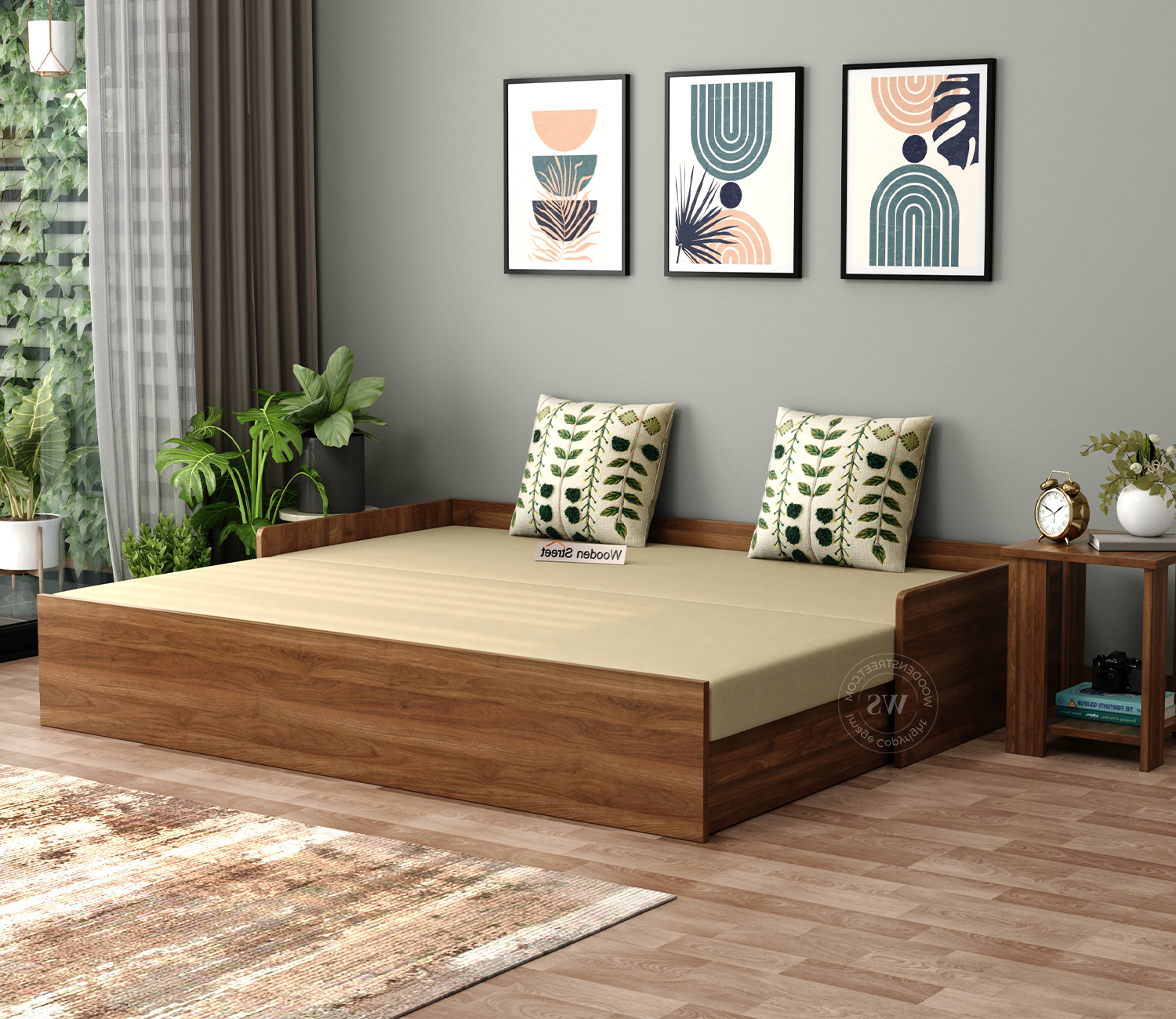
Most sofa beds rely on wooden frames for structural integrity. The type of wood chosen matters more than you might think. Solid hardwoods like oak or maple offer durability but come at a premium cost and environmental price. These trees take decades to mature, and harvesting them can impact forests and local ecosystems. On the flip side, plywood and particle board provide affordable alternatives but often contain formaldehyde, a chemical that can off-gas and affect indoor air quality. Many manufacturers use engineered woods that compress wood fibers with adhesives, creating a composite material that’s strong yet potentially problematic. When buying a sofa bed, consider the source of the wood. Look for certifications like FSC (Forest Stewardship Council) that ensure sustainable forestry practices. Some brands now use reclaimed wood, which adds character while reducing demand for new timber. But even reclaimed wood isn’t always guilt-free—what’s the story behind those previous uses?
Foam and Cushioning: Comfort vs. Chemical Concerns
The foam inside your sofa bed is where comfort lives. Memory foam, polyurethane foam, and latex represent the main players in this space. Memory foam, popular for its pressure-relieving properties, often contains chemicals like formaldehyde and flame retardants. These substances can linger in the foam and potentially affect indoor air quality over time. Polyurethane foam, while generally less toxic, still requires petroleum-based materials and energy-intensive manufacturing processes. Latex offers a natural alternative, but sourcing it ethically can be challenging. Many latex suppliers operate in regions with poor labor conditions and limited environmental oversight. The production process itself consumes significant water and energy resources. Even the packaging of these foams contributes to waste. Consider choosing soy-based or plant-derived foams when available—they offer similar comfort with reduced environmental impact. But remember, comfort isn’t just about the materials—it’s also about how long they last. High-quality foam can make or break a sofa bed’s lifespan.
Fabric Choices: Aesthetic Appeal and Environmental Impact
The outer fabric is where your sofa bed makes its first impression. Cotton, polyester, linen, and synthetic blends dominate the market. Cotton, while breathable and comfortable, requires enormous amounts of water to grow. It’s one of the most pesticide-heavy crops globally, affecting farmers’ health and soil quality. Polyester, derived from petroleum, offers durability and easy care but contributes to microplastic pollution during washing. Linen, made from flax plants, is naturally strong and biodegradable, though it requires intensive processing. Synthetic blends try to combine benefits but often end up being difficult to recycle. Many fabrics today are treated with chemicals to resist stains, wrinkles, or fading. These treatments can include heavy metals and other harmful substances. The dyeing process alone uses vast quantities of water and produces wastewater that can contaminate local water sources. Some manufacturers now use organic cotton or recycled materials, offering better environmental choices. But what does ‘organic’ actually mean in practice?
Metal Components: Strength and Corrosion Challenges
Hardware components like springs, metal brackets, and support bars are essential for maintaining your sofa bed’s structure. Steel is the most common choice due to its strength and relatively low cost. However, steel production involves significant energy consumption and carbon emissions. The mining of iron ore and other metals creates environmental damage through habitat destruction and water contamination. Galvanized steel offers rust resistance but contains zinc coatings that can leach into the environment over time. Springs themselves often contain alloys that require rare earth elements, adding another layer of complexity. Quality varies dramatically between brands—the difference between a well-made spring and a cheap one can mean years of reliable use versus frequent repairs. Some companies are exploring recycled steel options, but these are still less common in the furniture industry. The longevity of metal parts directly affects how often you’ll need to replace or repair your sofa bed.
Adhesives and Chemical Treatments: Invisible but Impactful
What holds everything together? Adhesives play a crucial role in sofa bed construction, bonding layers of foam, fabric, and wood. Many of these glues contain volatile organic compounds (VOCs) that can cause headaches, respiratory issues, and contribute to indoor air pollution. Formaldehyde, often found in wood adhesives, is particularly concerning. It’s a known carcinogen that can off-gas for months or even years after purchase. Some manufacturers use low-VOC or formaldehyde-free alternatives, but these can be more expensive and harder to find. Chemical treatments for fire resistance, stain protection, and wrinkle prevention add additional layers of concern. These substances often contain heavy metals and persistent organic pollutants. The application process itself generates waste and can expose workers to hazardous materials. Consider buying products that are certified as low-emission or free from harmful chemicals. Reading labels carefully can reveal important information about what’s actually in your furniture.
Transportation and Packaging: The Hidden Logistics Cost
Even before you bring your sofa bed home, there’s a complex supply chain involved. Materials often travel thousands of miles to reach manufacturing facilities, consuming fuel and generating emissions. Packaging materials like plastic wrap, cardboard boxes, and Styrofoam peanuts create significant waste. Many sofa beds arrive in oversized boxes that generate excess packaging material. The shipping process itself requires energy-intensive logistics. Once assembled, the sofa bed’s final destination may involve multiple transport modes—truck, train, ship—all contributing to its carbon footprint. Some manufacturers now use recyclable packaging or minimize box sizes to reduce waste. But this isn’t universal across the industry. The transportation costs and packaging waste often go unnoticed until someone decides to dispose of the item. What happens to all those materials once your sofa bed reaches the end of its life?
The next time you settle into your sofa bed, take a moment to appreciate not just the comfort it provides, but also the complex journey of materials that brought it to you. Every component—from the wood frame to the final fabric treatment—carries hidden costs that extend far beyond the price tag. Understanding these materials helps us make more informed decisions about what we bring into our homes. While no sofa bed is completely free of environmental impact, some choices are better than others. Whether it’s selecting sustainably sourced wood, opting for low-VOC materials, or supporting companies with transparent supply chains, every decision counts. As consumers become more aware of these hidden costs, we’re seeing positive changes in the industry. The future of sofa bed construction may lie in more sustainable materials, better recycling programs, and greater transparency. Until then, knowing what’s really inside your sofa bed gives you power to choose more responsibly. Your living room deserves furniture that doesn’t compromise your health or the planet’s future.
[sps_html tag=”img” src=”https://roofdrivein.com/wp-content/uploads/2026/01/tayyaba-enterprises-wooden-sofa-cum-bed-for-living-room-upholstered-within-sofa-come-bed-design-with-price.jpg” alt=”Tayyaba Enterprises Wooden Sofa Cum Bed For Living Room & Upholstered … within Sofa Come Bed Design With Price” style=”width: 100%; height: auto;”]
[sps_html tag=”img” src=”https://roofdrivein.com/wp-content/uploads/2026/01/designer-wooden-sofa-cum-bed-size-multisize-at-best-price-in-within-the-hidden-costs-of-sofa-bed-construction-materials.jpg” alt=”Designer Wooden Sofa Cum Bed, Size : Multisize At Best Price In … within The hidden costs of sofa bed construction materials” style=”width: 100%; height: auto;”]
[sps_html tag=”img” src=”https://roofdrivein.com/wp-content/uploads/2026/01/3-step-folding-sofa-cum-bed-multi-option-sofa-bed-pertaining-to-sofa-come-bed-design-with-price.jpg” alt=”3 Step Folding Sofa Cum Bed Multi Option Sofa Bed pertaining to Sofa Come Bed Design With Price” style=”width: 100%; height: auto;”]
[sps_html tag=”img” src=”https://roofdrivein.com/wp-content/uploads/2026/01/buy-walder-sheesham-wood-3-seater-sofa-cum-bed-with-cane-king-size-intended-for-sofa-come-bed-design-with-price.jpg” alt=”Buy Walder Sheesham Wood 3 Seater Sofa Cum Bed With Cane (King Size … intended for Sofa Come Bed Design With Price” style=”width: 100%; height: auto;”]
[sps_html tag=”img” src=”https://roofdrivein.com/wp-content/uploads/2026/01/sofa-come-bed-photo-baci-living-room-regarding-sofa-come-bed-design-with-price.jpg” alt=”Sofa Come Bed Photo | Baci Living Room regarding Sofa Come Bed Design With Price” style=”width: 100%; height: auto;”]