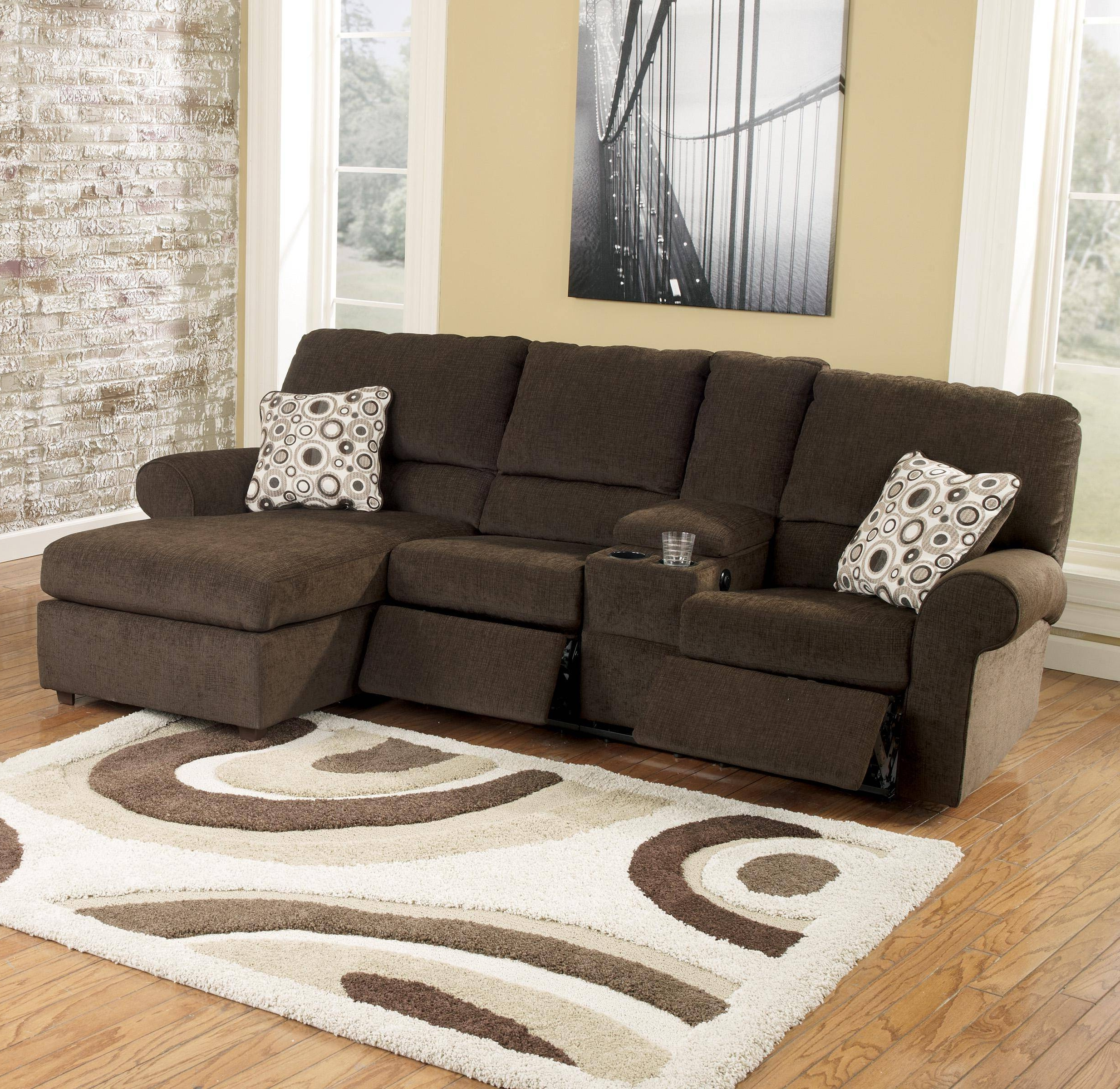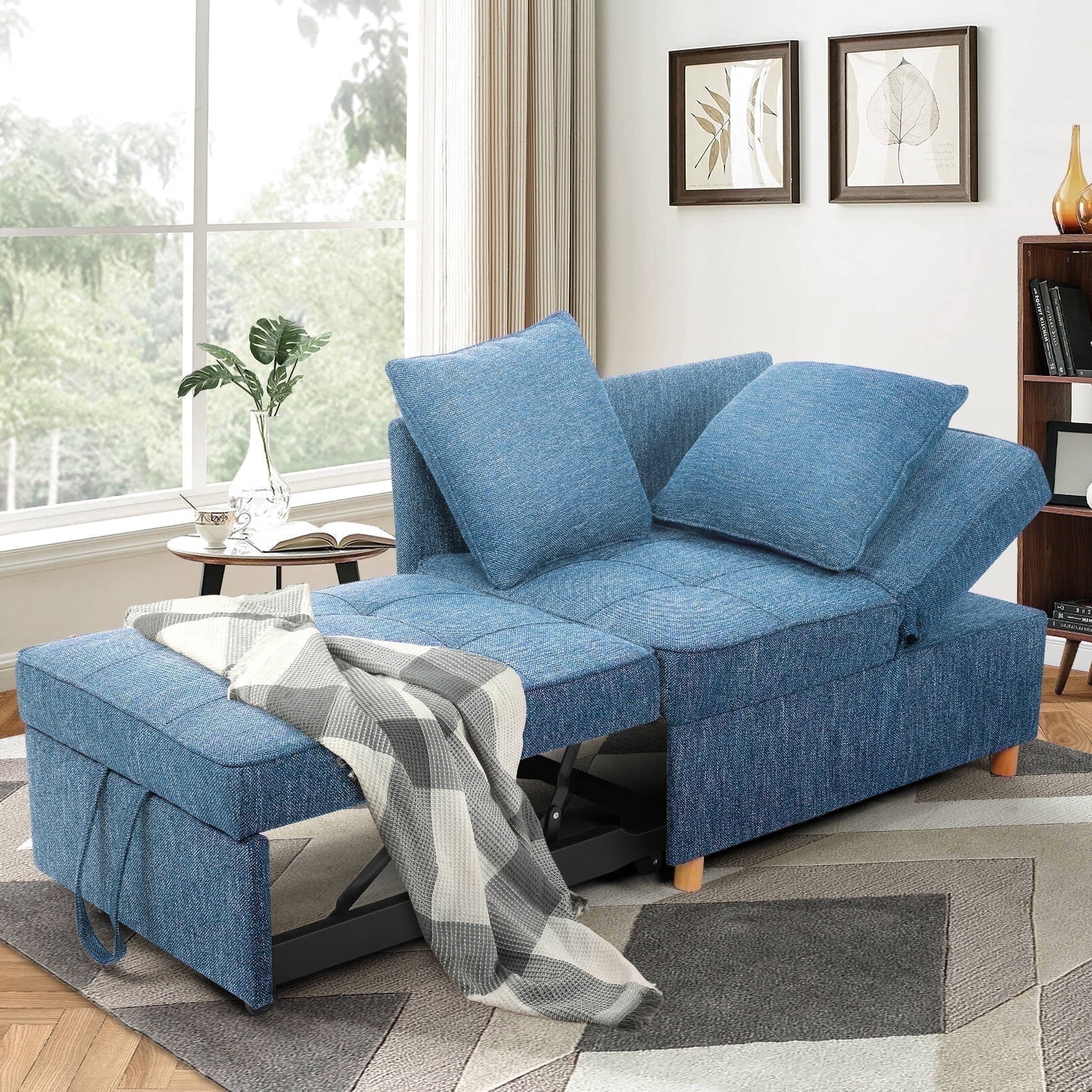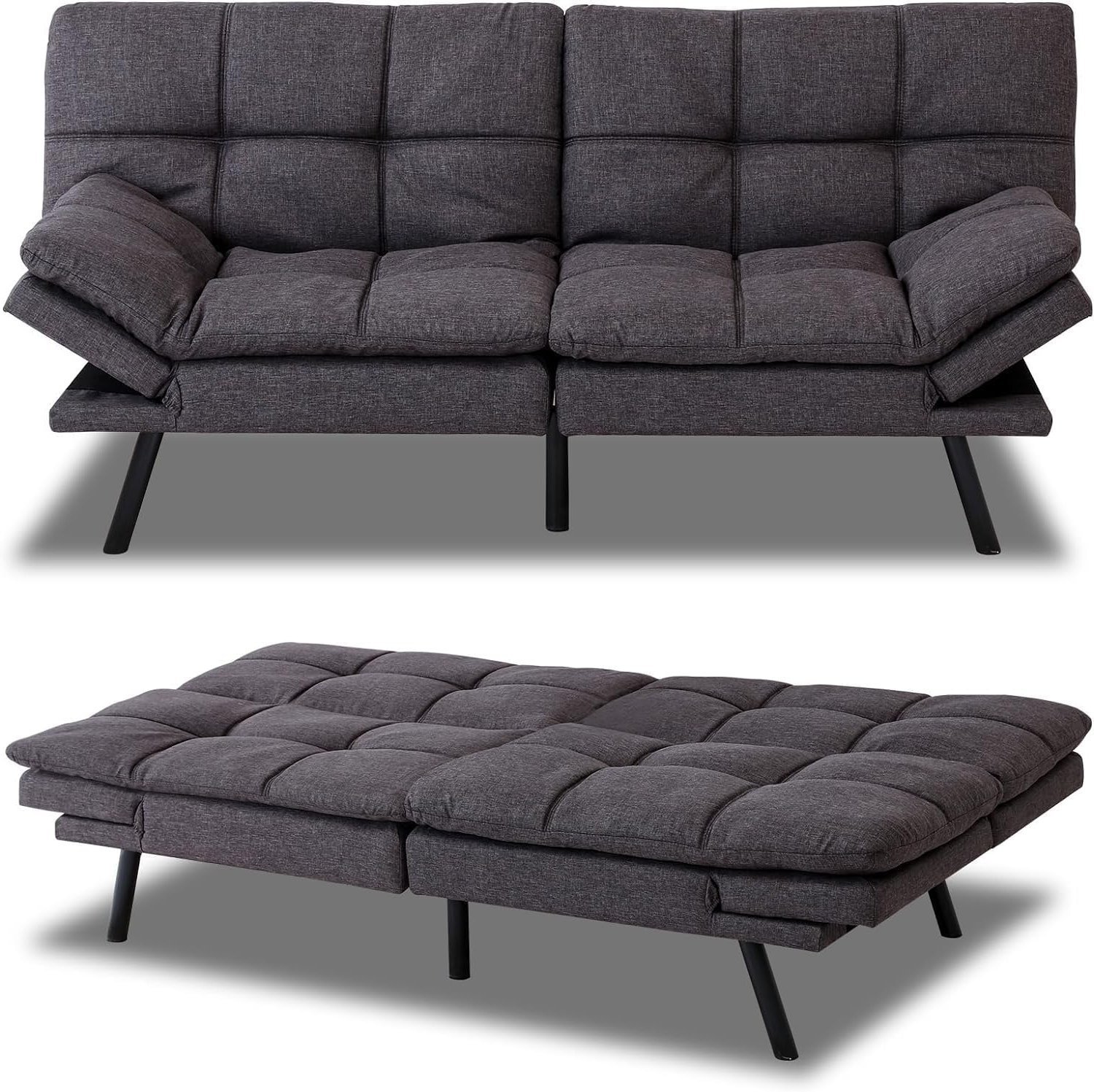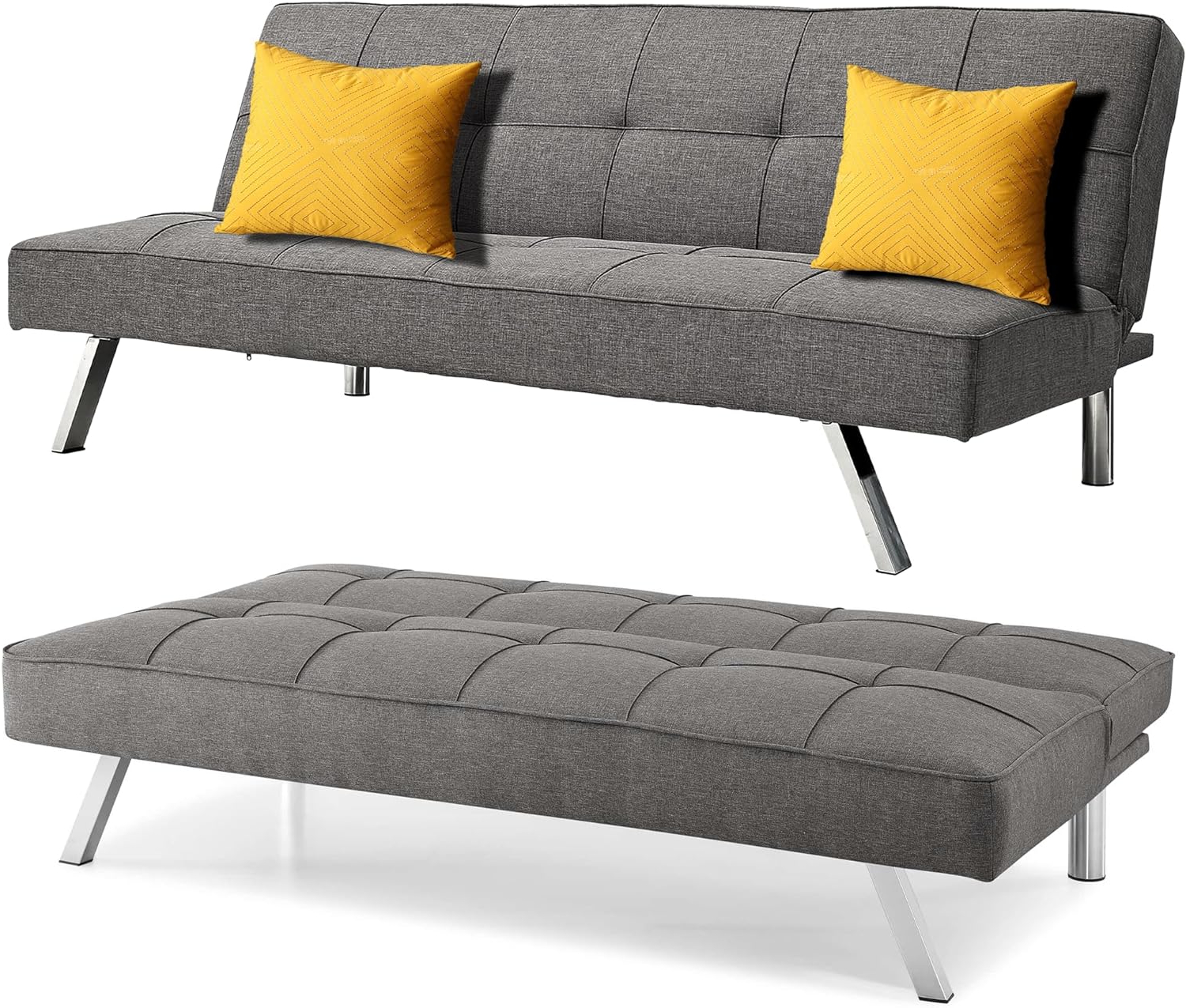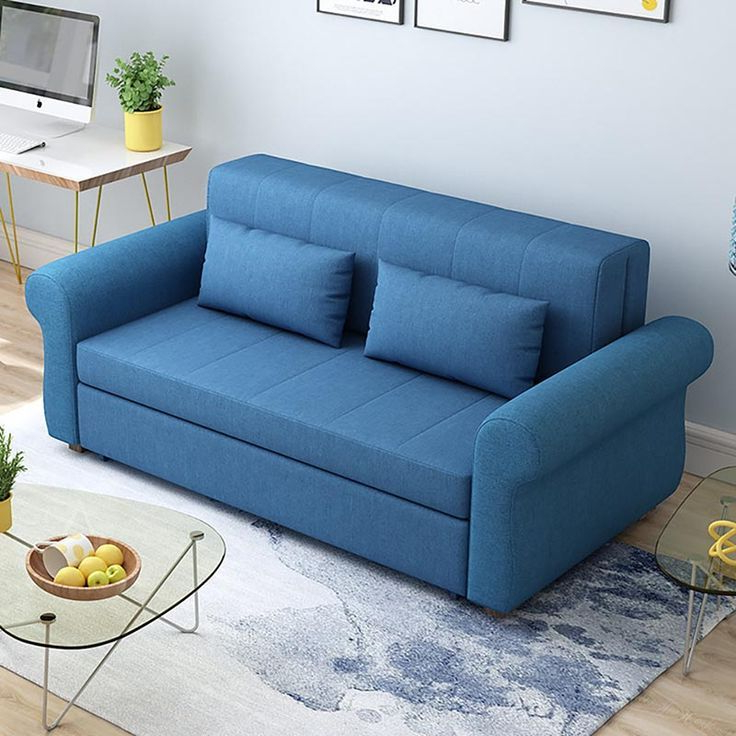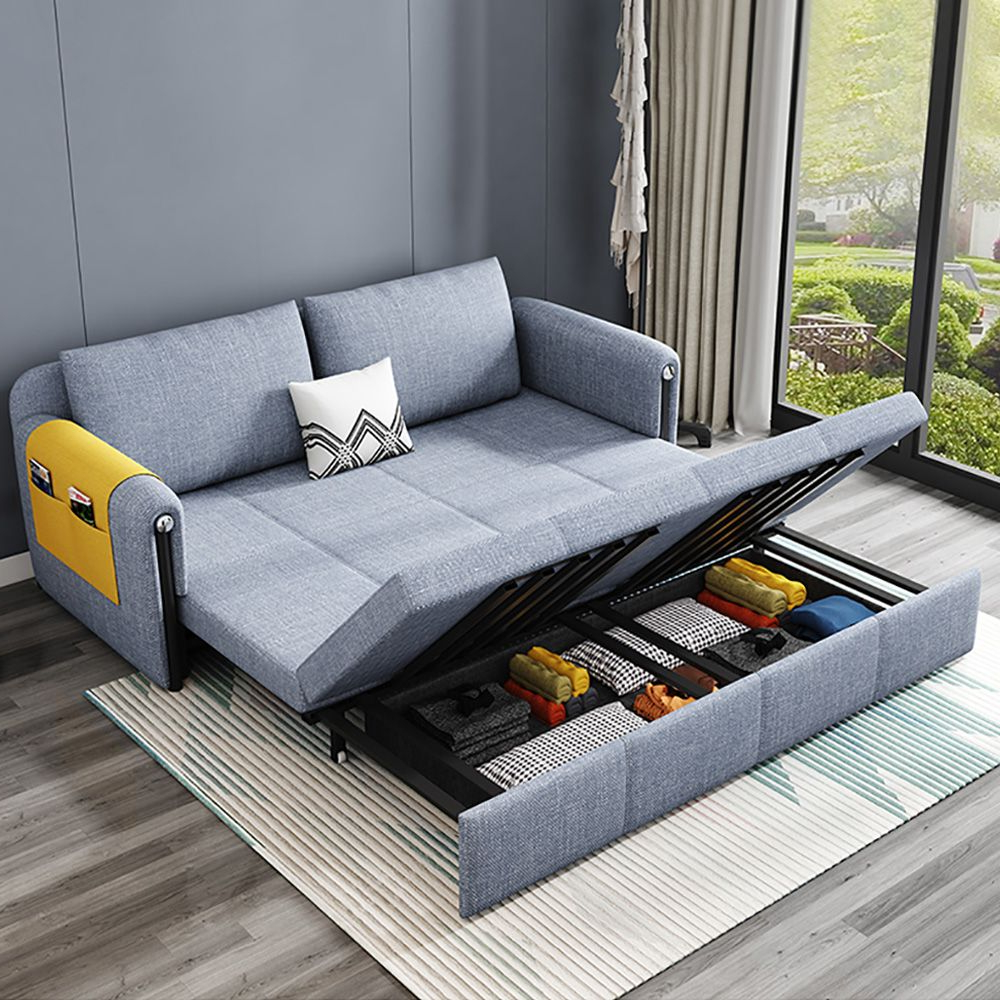
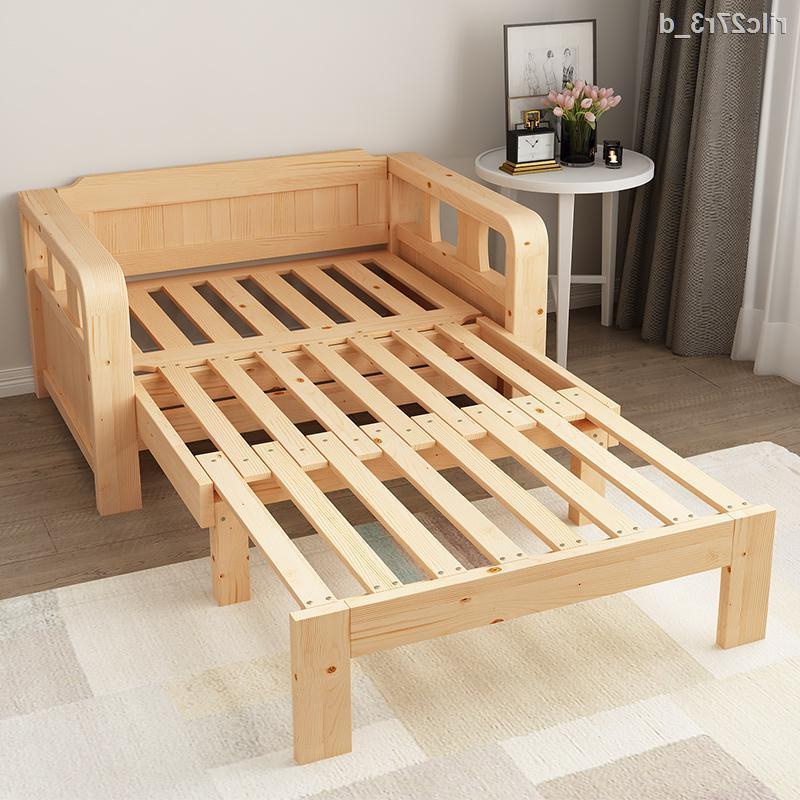
Imagine having a piece of furniture that seamlessly transitions from cozy seating to a comfortable sleeping area. This isn’t just a dream – it’s achievable with the right wood sofa bed construction techniques. Whether you’re renting, living in a small space, or simply want versatile furniture, building your own wood sofa bed can be both rewarding and practical. Let’s explore how to create something that looks great and functions perfectly.
In today’s world of compact living spaces and multi-functional furniture, the wood sofa bed stands out as a practical solution. These clever pieces serve double duty as seating areas during the day and sleeping arrangements at night. But what makes a good wood sofa bed? It’s not just about the materials – it’s about smart construction techniques that prioritize comfort, strength, and style. The beauty of building your own lies in the ability to customize dimensions, select quality woods, and ensure everything fits perfectly in your space. This guide will walk you through the essential steps and considerations for creating a wood sofa bed that meets your daily needs.
Understanding the Basic Design Principles
Before diving into construction, it helps to understand how a wood sofa bed actually works. Think of it like a puzzle where each piece must fit together perfectly. The main components include the frame, cushioning system, and the folding mechanism. Most successful designs use a solid wooden frame that can support weight while allowing smooth folding. The key is balancing aesthetics with functionality. You don’t want something that looks good but falls apart after a few uses. Start by sketching out your dimensions – consider the room size, doorways, and how you’ll use it. A typical sofa bed might be 70 inches wide and 36 inches deep, though these numbers vary based on your specific needs. Think about the mattress thickness too – a standard 8-inch mattress requires about 12 inches of total height for proper support.
Selecting the Right Wood Materials
The wood choice significantly impacts both appearance and durability. For everyday use, hardwoods like oak, maple, or ash provide excellent strength and longevity. Softwoods such as pine work well too, especially when properly treated. Consider your budget and aesthetic preferences. Oak offers a classic look with strong grain patterns, while maple provides a smoother surface that’s easier to maintain. Pine has a rustic charm but may show wear more easily. Plywood is often used for the seat base since it’s stable and affordable. Always choose wood that’s properly dried to prevent warping over time. If you’re working with reclaimed wood, clean it thoroughly and check for any structural issues. Quality wood means less maintenance later and better performance. For the visible parts, consider staining or finishing options that complement your existing decor. A simple sanding and oil finish can bring out natural wood characteristics beautifully.
Essential Tools and Equipment
Having the right tools makes all the difference in creating a professional-looking sofa bed. You’ll need basic woodworking tools like a circular saw, drill, measuring tape, square, and chisel set. A table saw is helpful but not required if you’re doing the work in a garage or workshop. A miter saw helps with precise angled cuts, which are common in sofa bed frames. Clamps are crucial for holding pieces together during assembly. A router can add decorative edges, though it’s optional. Don’t forget safety gear – goggles, dust masks, and ear protection are essential. Measuring twice and cutting once becomes even more important when working with wood. A good quality drill bit set ensures clean holes for screws. For finishing touches, a sander helps smooth surfaces before applying stain or paint. If you’re new to woodworking, start with borrowed tools or rent equipment rather than buying everything upfront. The investment in quality tools pays off quickly in terms of accuracy and ease of construction.
Frame Construction Methods
The frame forms the backbone of your sofa bed and deserves careful attention. Begin with the main support structure using 2×4 or 2×6 lumber depending on desired thickness. The frame should be sturdy enough to handle regular use and weight distribution. Most people find that 2×6 lumber gives a better balance of strength and material efficiency. Connect pieces with pocket screws or dowels for extra stability. Avoid relying solely on glue – mechanical fasteners provide better long-term reliability. The frame typically includes side panels, a back panel, and a bottom panel. When building the frame, ensure all corners are square using a carpenter’s square. Pre-drill holes to prevent splitting wood during assembly. For added durability, reinforce joints with corner brackets or metal plates. The frame must be level and properly aligned before adding other components. Consider adding cross-bracing between vertical supports for additional stability. Test-fit pieces before final assembly to catch any alignment issues early.
Cushioning and Comfort Systems
Comfort matters more than you might think when it comes to daily use. The cushioning system determines how well your sofa bed performs as both seating and sleeping space. Start with a firm base layer – foam or fiberfill works well for this. Many builders prefer high-density foam because it maintains shape over time. The top layer should be softer for sitting comfort. Memory foam or thick polyester batting creates that plush feeling. Don’t forget to account for the mattress thickness when designing the overall height. A 10-inch thick mattress requires about 15 inches of total depth including the frame. The cushion covers need to be removable for cleaning – zippered covers are ideal. Consider using a combination of different materials for optimal comfort. Some people prefer a firmer bottom with a softer top layer. Testing your cushion setup before final construction helps avoid disappointment later. Remember that comfort is personal, so don’t hesitate to adjust thicknesses based on your preferences.
Folding Mechanism and Safety Features
This is where the magic happens – making sure your sofa bed folds smoothly and stays secure. The hinge system is critical for reliable operation. You can build a custom pivot system or purchase pre-made hinges designed for furniture applications. The key is ensuring the folding action feels smooth and controlled. Add safety stops to prevent accidental opening during use. Consider installing soft-close mechanisms for a quieter operation. Test the fold-unfold cycle multiple times before finalizing. Make sure there’s adequate clearance for the folded position – you don’t want it hitting walls or furniture. The mattress should sit flat when unfolded and stay securely in place. Add locking features if needed – some designs include catches or latches. Check that the entire unit remains stable when open and closed. Weight distribution affects how smoothly it operates, so ensure the frame supports the full load evenly. If you’re unsure about the mechanics, consult with experienced builders or look at existing designs online for inspiration.
Building your own wood sofa bed is more than just a DIY project – it’s an opportunity to create something uniquely suited to your lifestyle and space. The techniques outlined here provide a solid foundation for constructing a functional piece that will serve you well for years. From selecting appropriate wood to designing a reliable folding mechanism, every step contributes to the final result. Remember that patience and attention to detail make all the difference. Take time to plan your design, gather quality materials, and follow the construction process carefully. The end result will be a piece of furniture that not only looks great but also meets your practical needs. Whether you’re maximizing a small apartment or creating a guest room solution, a well-built wood sofa bed offers versatility and comfort that’s hard to match with store-bought alternatives. With practice and experience, you’ll develop your own preferred methods and improvements for future projects.
[sps_html tag=”img” src=”https://roofdrivein.com/wp-content/uploads/2026/01/wooden-sofa-bed-cabinets-matttroy-with-regard-to-modern-simple-wood-sofa-bed-construction-techniques-for-everyday-use.jpg” alt=”Wooden Sofa Bed | Cabinets Matttroy with regard to Modern simple wood sofa bed construction techniques for everyday use” style=”width: 100%; height: auto;”]
[sps_html tag=”img” src=”https://roofdrivein.com/wp-content/uploads/2026/01/simple-sofa-design-in-nepal-baci-living-room-intended-for-modern-simple-wood-sofa-bed-construction-techniques-for-everyday-use.jpg” alt=”Simple Sofa Design In Nepal | Baci Living Room intended for Modern simple wood sofa bed construction techniques for everyday use” style=”width: 100%; height: auto;”]
[sps_html tag=”img” src=”https://roofdrivein.com/wp-content/uploads/2026/01/wooden-sofa-bed-design-buy-the-softline-madison-wood-sofa-bed-at-regarding-modern-simple-wood-sofa-bed-construction-techniques-for-everyday-use.jpeg” alt=”Wooden Sofa Bed Design Buy The Softline Madison Wood Sofa Bed At regarding Modern simple wood sofa bed construction techniques for everyday use” style=”width: 100%; height: auto;”]
[sps_html tag=”img” src=”https://roofdrivein.com/wp-content/uploads/2026/01/sofa-bed-design-made-of-wood-baci-living-room-in-modern-simple-wood-sofa-bed-construction-techniques-for-everyday-use.jpg” alt=”Sofa Bed Design Made Of Wood | Baci Living Room in Modern simple wood sofa bed construction techniques for everyday use” style=”width: 100%; height: auto;”]
[sps_html tag=”img” src=”https://roofdrivein.com/wp-content/uploads/2026/01/maximizing-your-space-with-a-wooden-sofa-bed-with-storage-home-in-sofa-bed-wood-design-simple.jpg” alt=”Maximizing Your Space With A Wooden Sofa Bed With Storage - Home … in Sofa Bed Wood Design Simple” style=”width: 100%; height: auto;”]