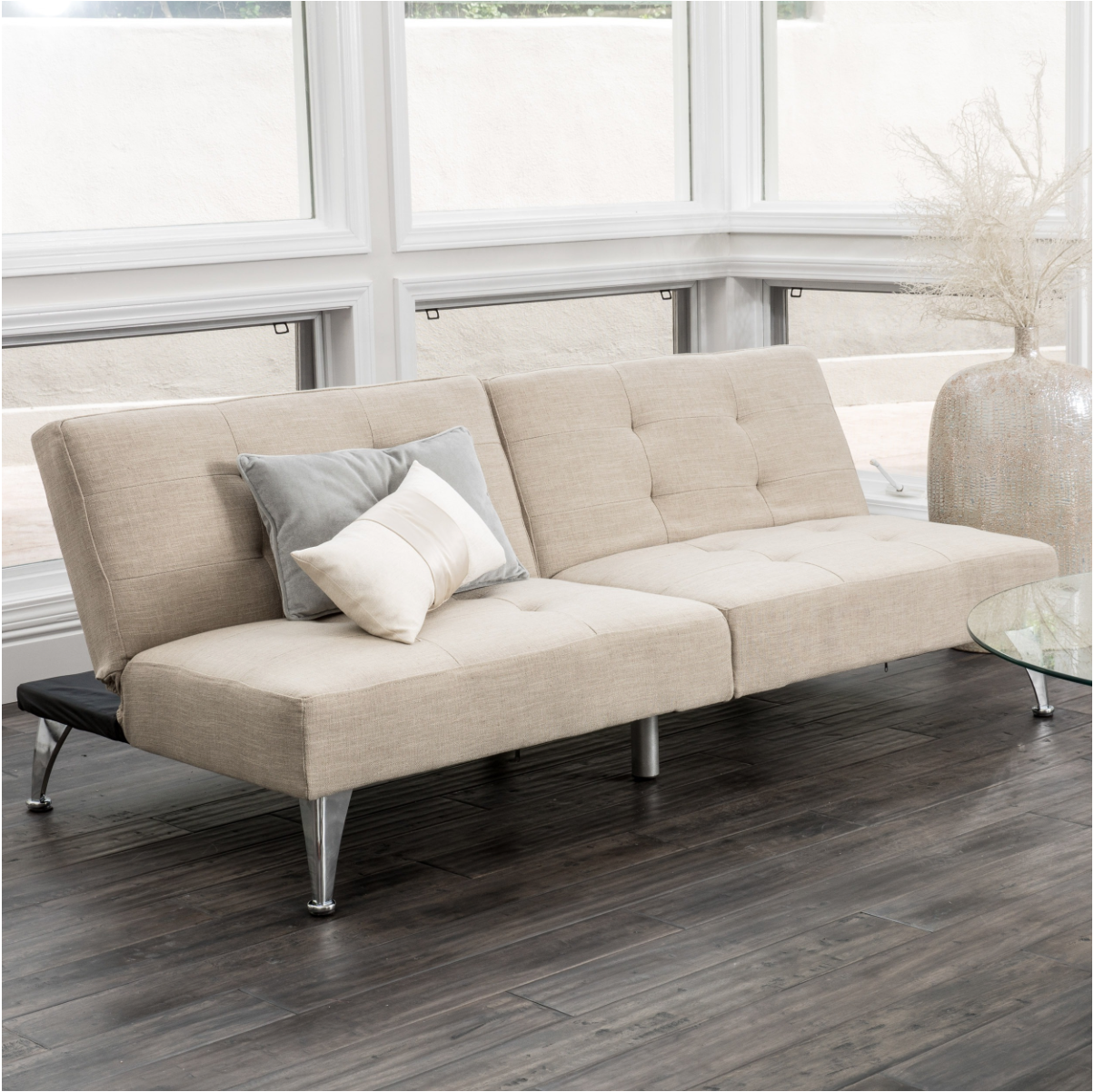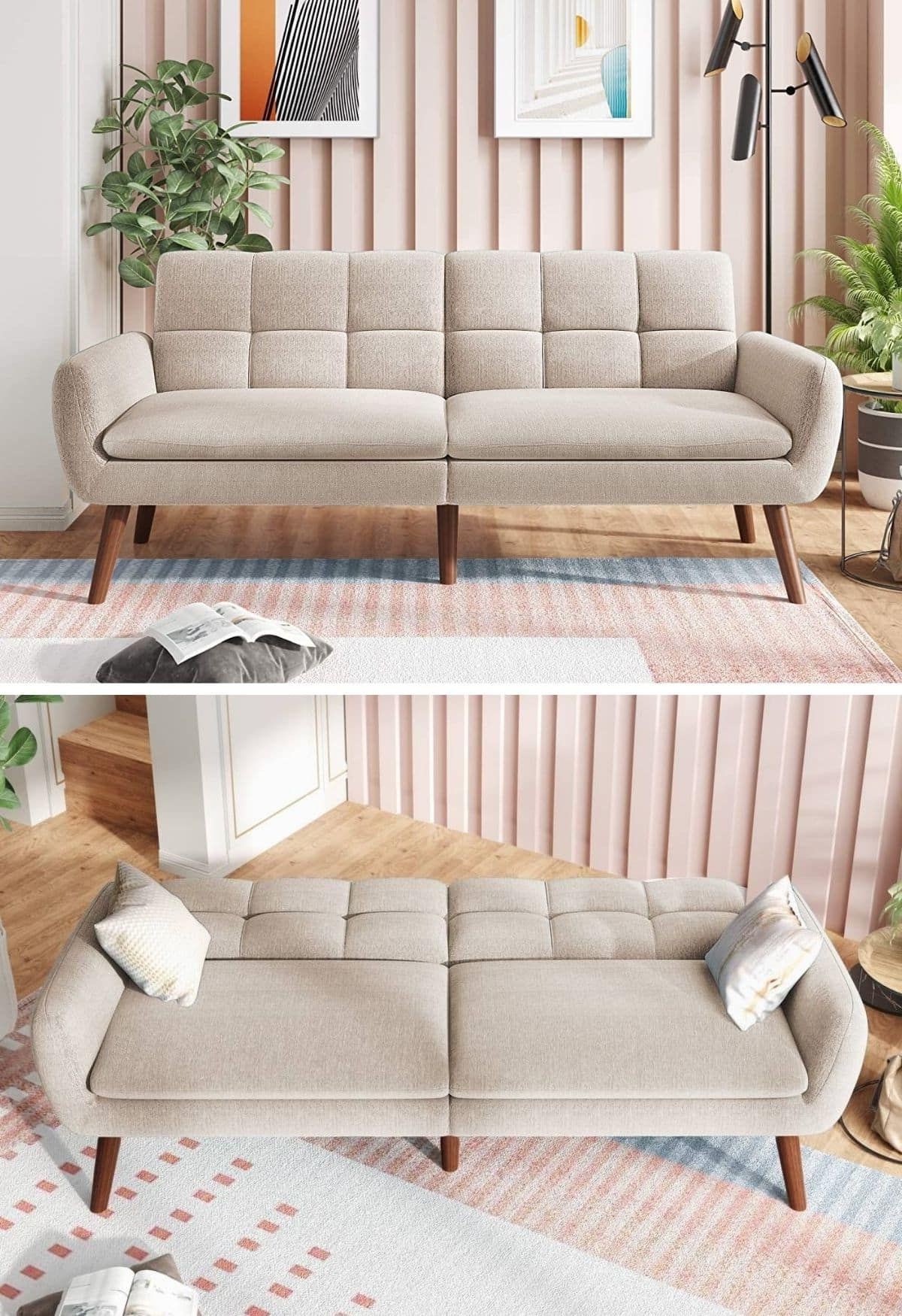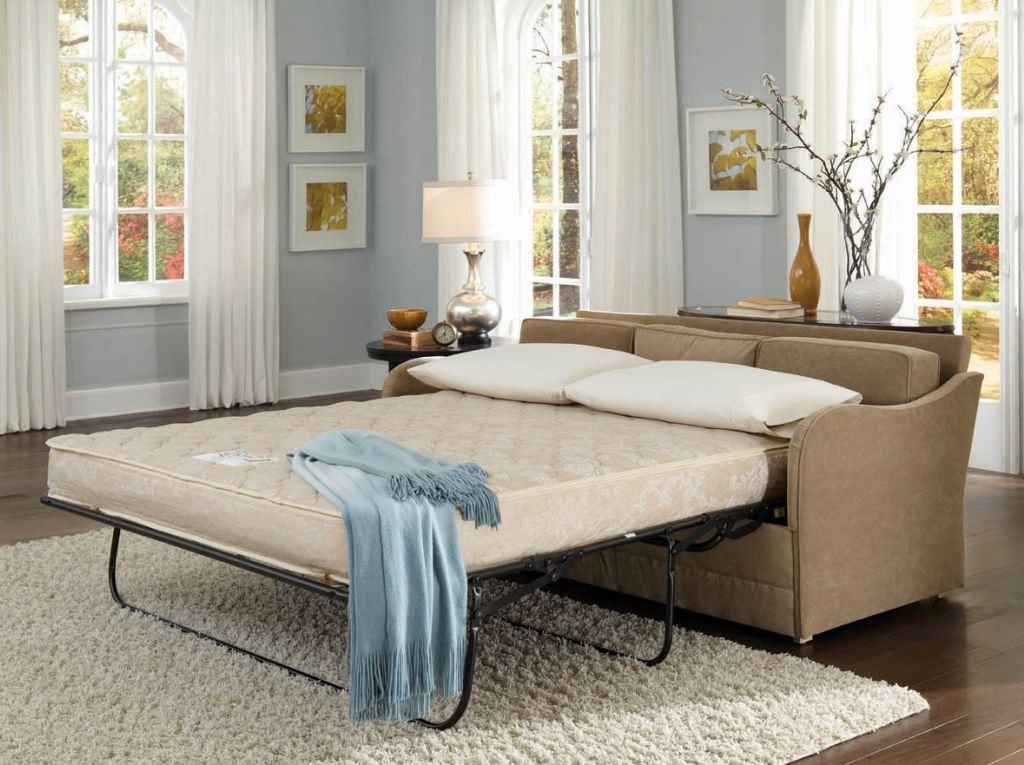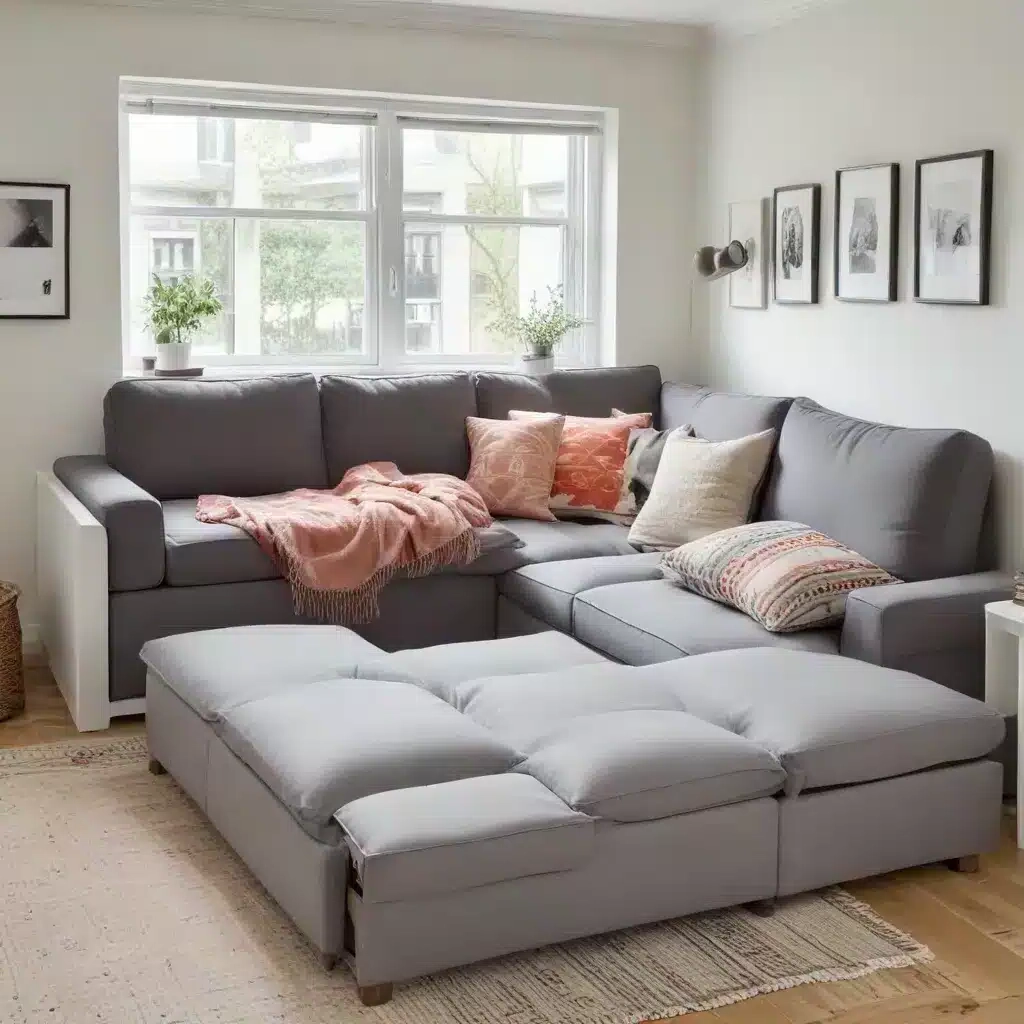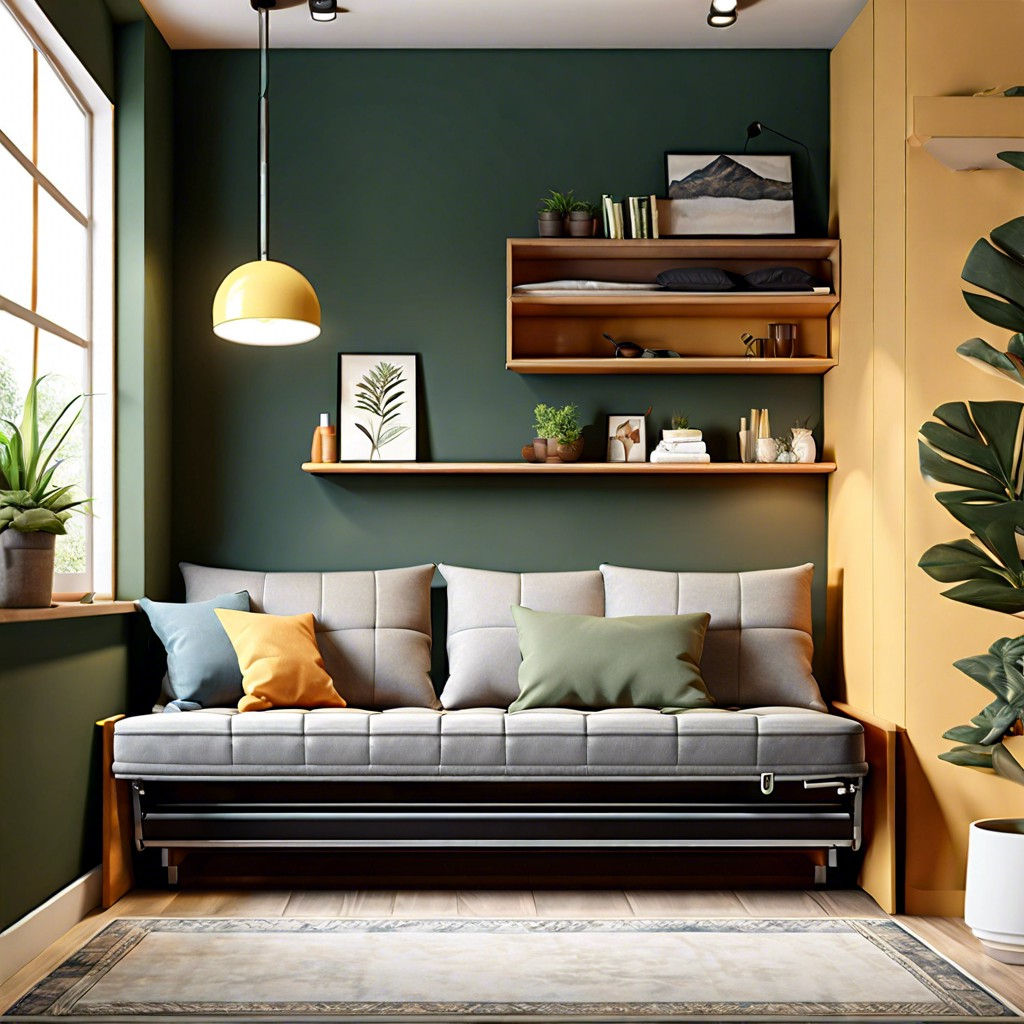
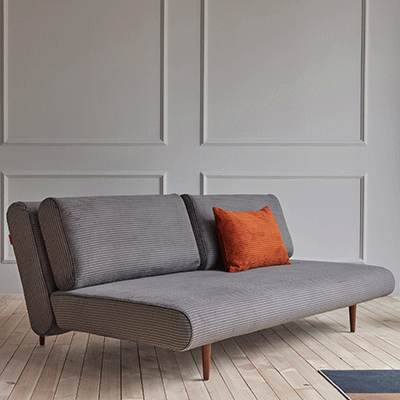
In the bustling world of urban living, where square footage often feels like a luxury, finding furniture that does double duty becomes a necessity. A sofa bed isn’t just a piece of furniture – it’s a lifestyle choice that can transform how you live in your compact space. Think about it: you’re not just buying a couch and a mattress separately. You’re investing in a solution that adapts to your changing needs, offering comfort during the day and sleep at night. This simple shift in perspective changes everything.
Small apartments present unique challenges that demand creative solutions. When every inch matters, choosing the right furniture becomes crucial. A sofa bed stands out as one of the most practical investments for those living in tight quarters. It’s not just about saving space; it’s about maximizing functionality while maintaining style. Imagine having a place to relax during the day, then seamlessly transforming that same piece into a comfortable sleeping area when guests arrive. This transformation requires careful consideration of several factors that go beyond simple aesthetics.
Size Matters More Than You Think
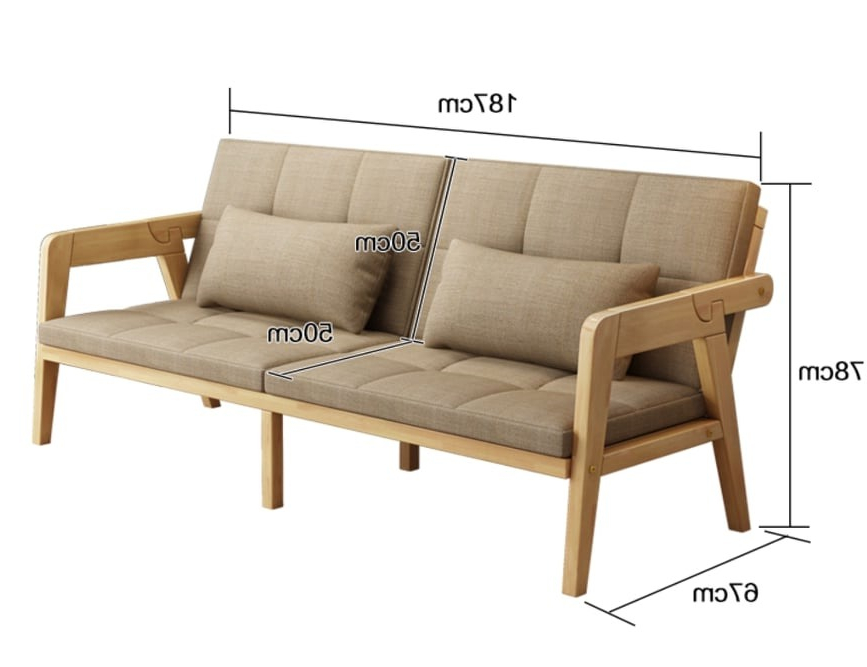
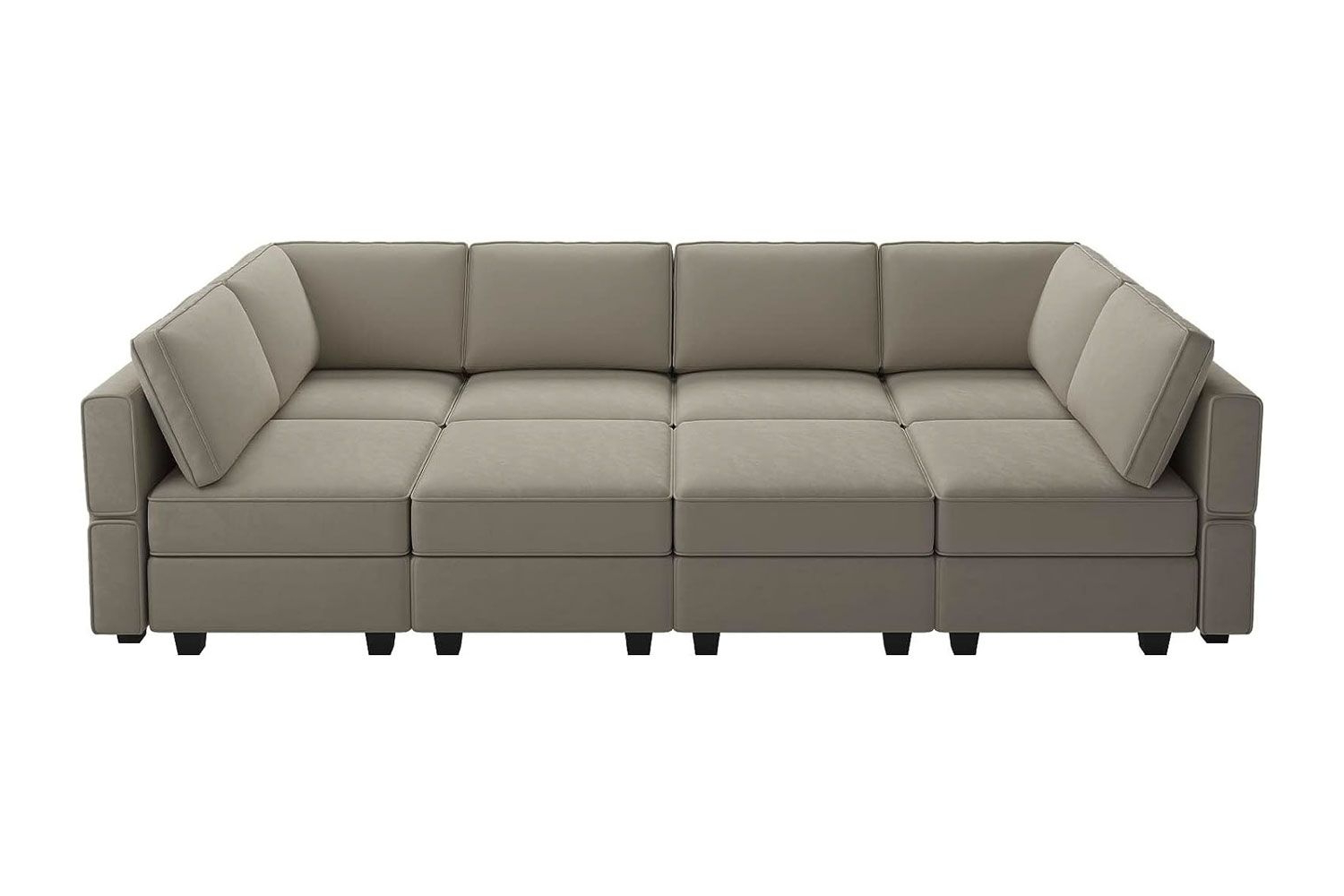
Choosing the right dimensions for your sofa bed starts with measuring your space carefully. Most small apartments range from 300 to 600 square feet, leaving precious little room for furniture that takes up unnecessary space. Before you even think about style, consider how much room you actually have. A standard sofa bed measures around 70 to 80 inches wide, which might seem spacious but can quickly overwhelm a tiny living area.
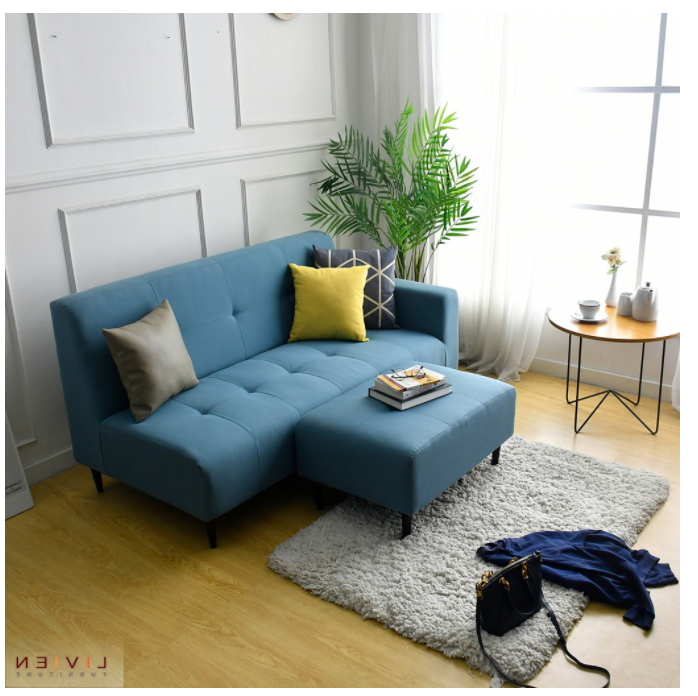
Consider a compact option if you’re working with less than 300 square feet. These smaller versions typically measure 60 to 72 inches wide, offering enough space for two people to sit comfortably during the day. They’re perfect for studio apartments or guest rooms where space is at a premium.
When measuring, remember to account for clearance around the piece. You’ll want at least 18 inches of walking space between furniture pieces and walls. This ensures easy movement and prevents that cramped feeling that makes small spaces feel even smaller.
Material Selection: Comfort Meets Durability
The material you choose affects both comfort and longevity, especially when you’re using the same piece for multiple purposes. Fabric options offer softness and warmth, making them ideal for casual living spaces. Look for materials like microfiber or performance fabrics that resist stains and are easy to clean. These are particularly important if you have children or pets who might accidentally spill something on the furniture.
Leather, while elegant, requires more maintenance and can be expensive. It also tends to show wear more easily than fabric options. However, high-quality leather can last decades with proper care, making it a worthwhile investment for those who appreciate its sophisticated look.
Memory foam mattresses provide excellent pressure relief and support, especially for side sleepers. They conform to your body shape, reducing motion transfer and creating a more restful sleep environment. On the other hand, innerspring mattresses offer better airflow and are generally more affordable. Consider the climate in your area too – memory foam can get hot in warmer weather, while innersprings tend to stay cooler.
The frame material also plays a role in durability. Solid wood frames offer strength and longevity, while metal frames are lighter and often more affordable. Both have their place in small apartment settings, depending on your priorities and budget.
Mechanism Types: How It Works Matters
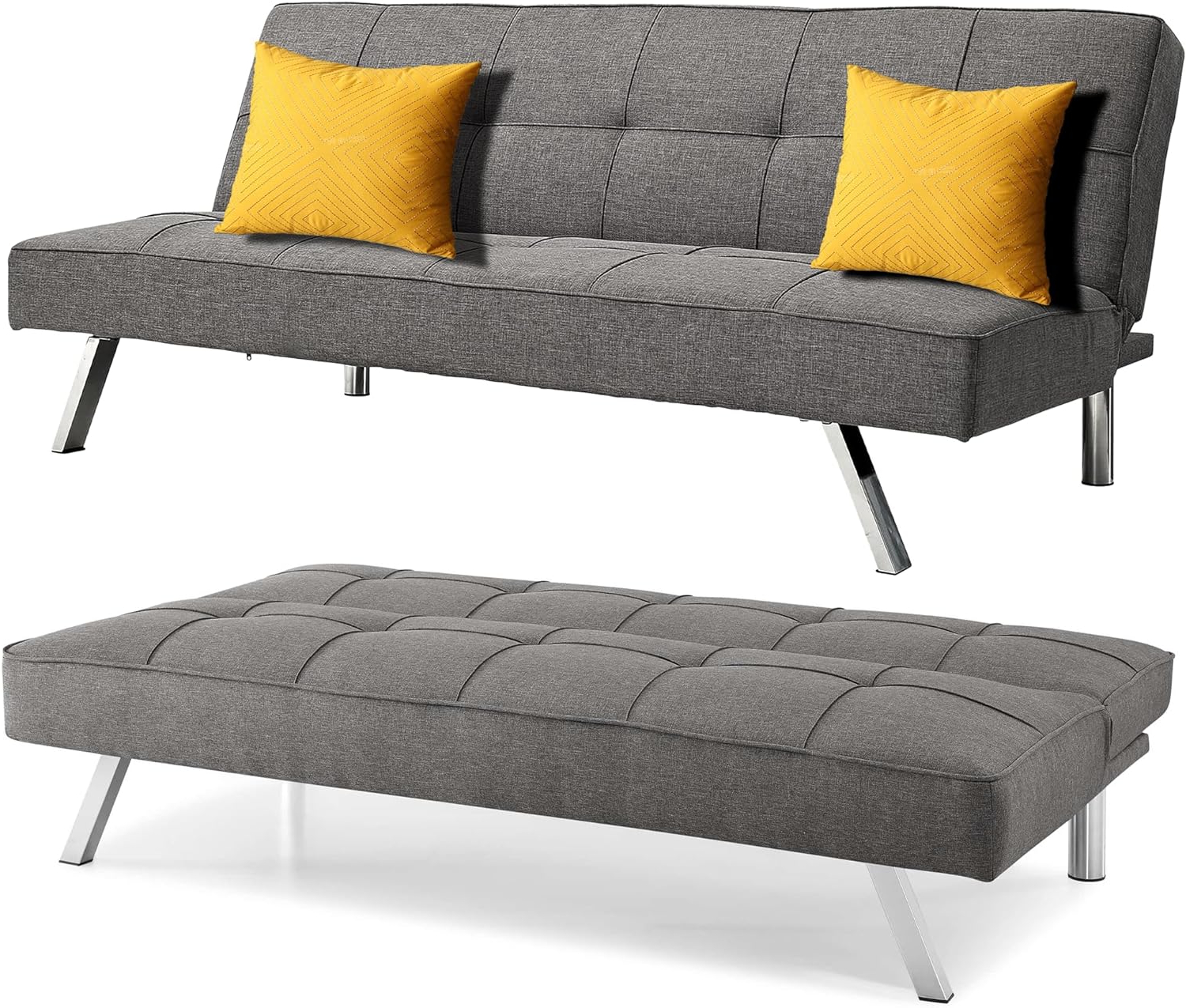
Not all sofa beds function the same way, and understanding the mechanisms can save you from disappointment later. The most common types include pull-out, drop-down, and convertible designs. Each has its advantages and disadvantages that become apparent after extended use.
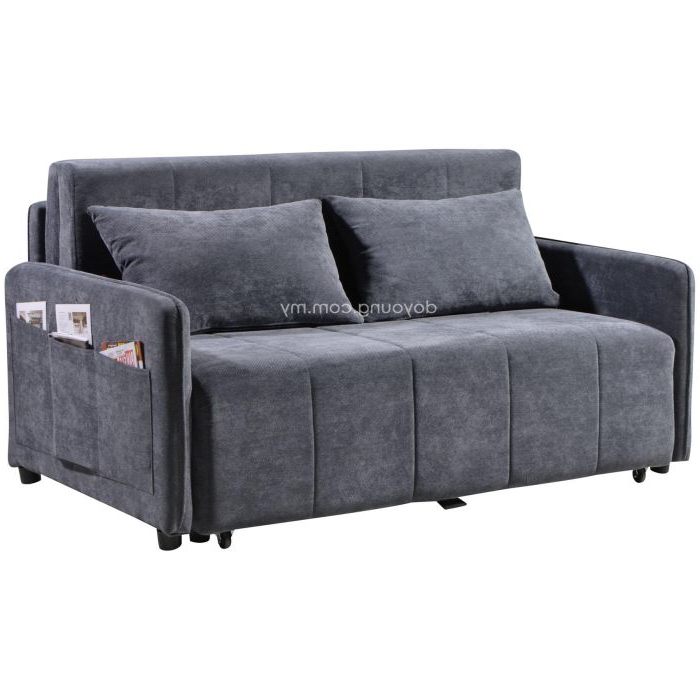
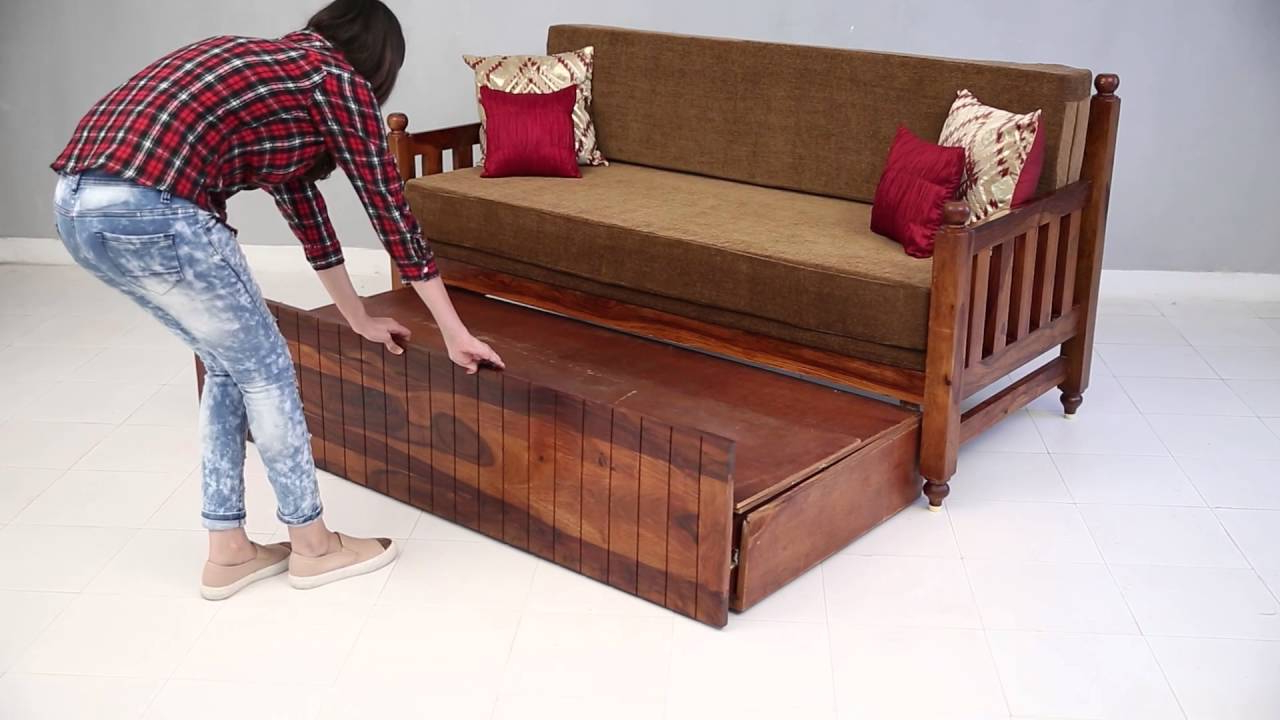
Pull-out sofa beds are popular because they’re relatively easy to operate. The mattress slides out from underneath the couch, creating a full-size bed. However, these often require some effort to open and close, especially when fully loaded with someone sleeping on them. Some models feature spring-assisted mechanisms that make operation smoother, though these tend to cost more.
Drop-down systems involve a hinged mechanism that allows the mattress to drop down from the back of the sofa. These are often easier to use and more stable when in bed mode. They’re also quieter when opening and closing compared to pull-out models. However, they may take up more vertical space when folded down.
Convertible designs combine elements of both systems, sometimes offering additional features like storage compartments or built-in side tables. These are often more complex and can be pricier, but they provide maximum versatility in small spaces. When shopping, ask about the number of times you’ll need to open and close the sofa bed each month. This helps determine whether a simpler mechanism will meet your needs.
Storage Solutions: Hidden Space, Maximum Functionality
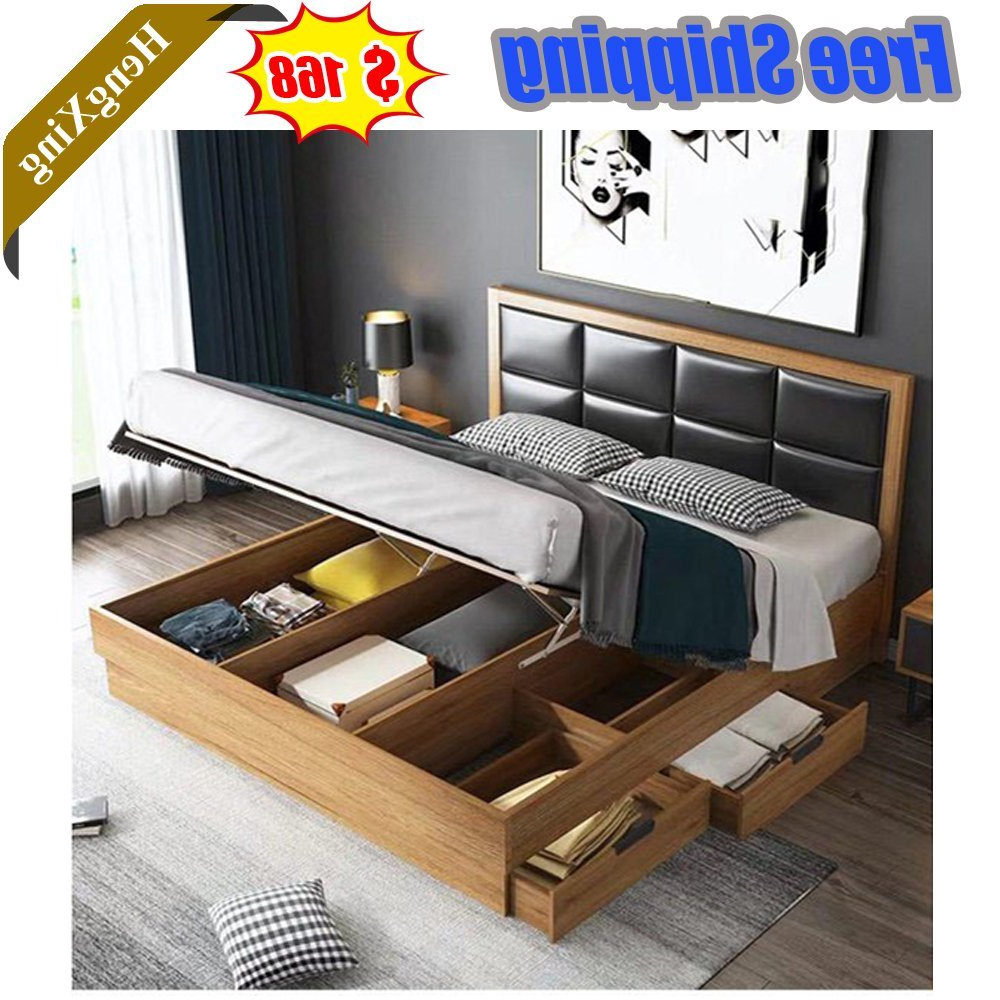
Smart storage integration turns a simple sofa bed into a powerful organizational tool. Many modern designs incorporate hidden storage compartments that can hold everything from bedding to seasonal clothing. This feature alone can justify the higher price tag of certain models.
Look for pieces with under-seat storage, which is often overlooked but incredibly useful. These spaces can accommodate extra pillows, blankets, or even shoes. Some models even include built-in shelving or cubbies that add visual interest while providing practical storage.
Consider the type of items you’ll store regularly. If you frequently entertain guests, having storage for extra linens and towels is invaluable. For those who work from home, storage for office supplies or books can keep your space organized. The key is matching storage capacity to your lifestyle rather than just choosing the largest compartment available.
Some sofa beds come with storage that’s easily accessible from both sides, making it convenient for couples to reach their belongings. Others might have a single access point that requires moving the entire piece to retrieve items. Think about how you’ll use the storage daily and choose accordingly.
Style and Design: Making It Fit Your Personality
While functionality is crucial, the aesthetic appeal of your sofa bed shouldn’t be overlooked. After all, this piece will be the focal point of your living space, so it deserves attention to design details. The color palette should complement your existing decor while providing visual balance. Neutral tones like beige, gray, or navy work well in most situations, offering flexibility for future updates.
Patterned fabrics can add personality and texture without overwhelming the space. Geometric prints, subtle stripes, or abstract designs can create visual interest while maintaining a cohesive look. However, avoid overly busy patterns that might make a small room feel cluttered. Sometimes, simplicity speaks volumes.
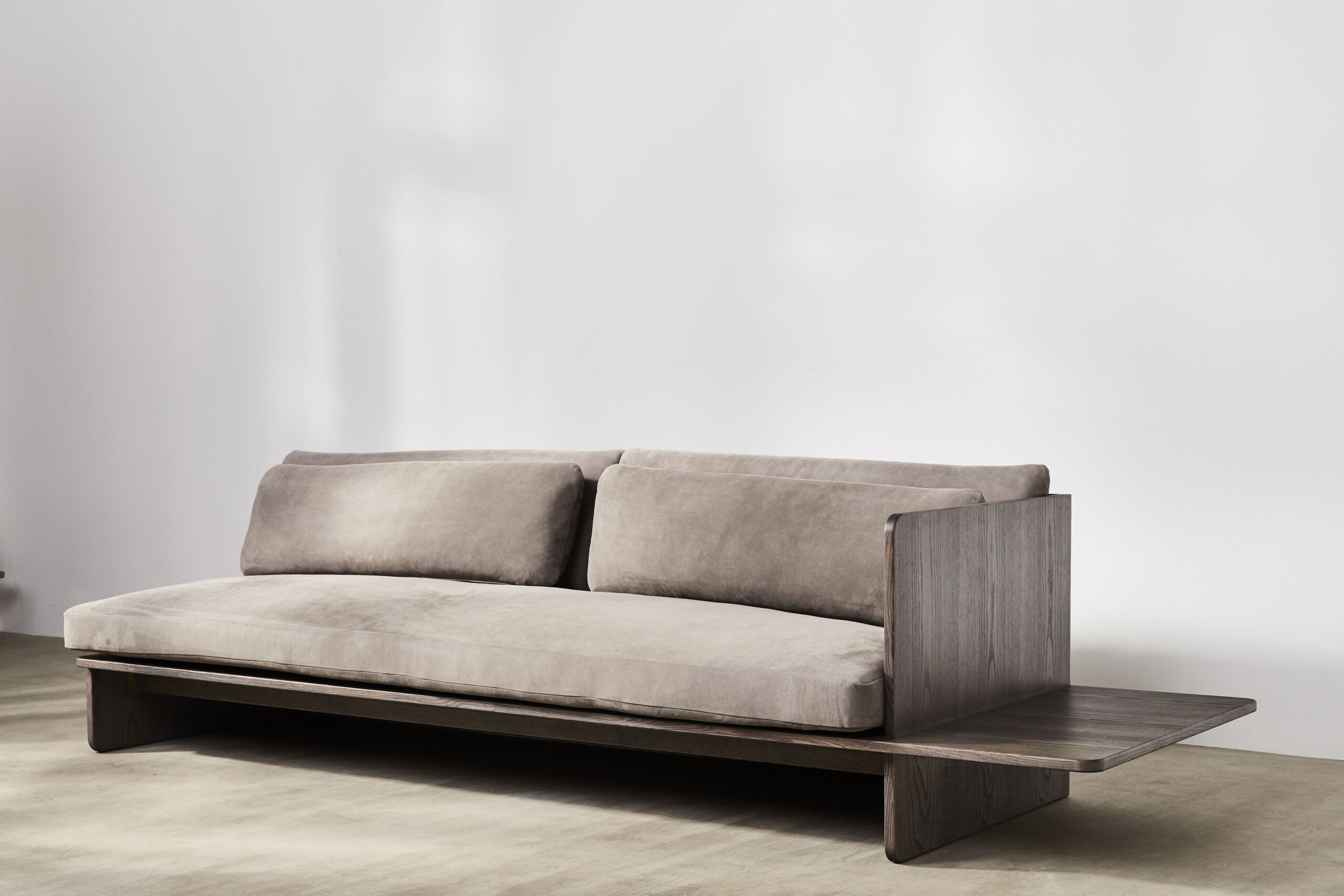
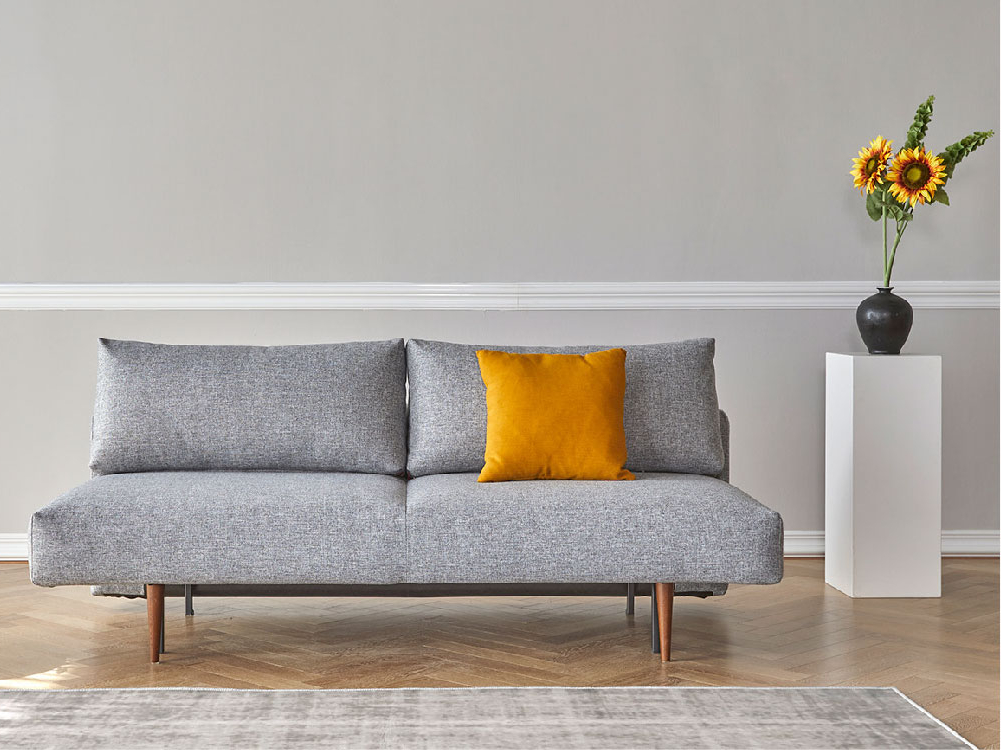
The overall silhouette matters too. A low-profile sofa bed can make ceilings appear higher, while a taller version adds presence and formality to the space. Choose based on the mood you want to create. A sleek, minimalist design works well in contemporary apartments, while traditional styles might suit older buildings or more formal living areas.
Don’t forget about hardware and finishing touches. The handles, buttons, and trim can make or break the final look. Quality hardware reflects well on the entire piece and indicates craftsmanship. These details often get overlooked but contribute significantly to the overall impression.
Budget Considerations: Smart Spending for Big Benefits
Sofa beds range widely in price, from affordable options that might last a few years to premium pieces that could serve you for decades. Setting a realistic budget helps narrow choices and ensures you’re getting good value for money.
Basic models start around $200 to $400, offering decent quality for occasional use. These often feature simple mechanisms and basic materials that meet fundamental needs. They’re suitable for renters or those testing the waters with sofa bed ownership.
Mid-range options between $400 and $800 provide better materials and more robust construction. These usually include improved mechanisms, better fabrics, and enhanced durability. They’re ideal for regular use and can handle more frequent transitions between sitting and sleeping modes.
Premium models costing $800 and above often feature luxury materials, advanced mechanisms, and superior craftsmanship. They might include features like adjustable firmness, temperature control, or smart technology integration. These are worth considering if you plan to keep the piece for many years and value the convenience of high-end features.
Consider the total cost of ownership over time. Factor in potential repairs, replacement parts, and how often you’ll use the piece. Sometimes spending a bit more upfront saves money on replacements later. Also, check warranty coverage before purchasing. A solid warranty protects against manufacturing defects and gives peace of mind.
Selecting the perfect sofa bed for small apartment living involves balancing practicality with personal taste. It’s not just about finding furniture that fits in your space – it’s about choosing a piece that enhances your daily life. Whether you’re a student in a dorm room, a young professional in a studio, or someone who simply values multifunctional furniture, the right sofa bed can transform your living experience. The key lies in understanding your specific needs, measuring carefully, and making informed decisions about materials, mechanisms, and design. Remember, this purchase represents a long-term commitment to your living space. Take time to research, compare options, and trust your instincts. The payoff comes in the form of increased comfort, better organization, and more efficient use of precious square footage. After all, the best sofa bed isn’t just one that looks good – it’s one that works perfectly with your lifestyle and makes every day a little easier.
[sps_html tag=”img” src=”https://roofdrivein.com/wp-content/uploads/2026/01/minimalist-sofa-bed-baci-living-room-in-the-art-of-choosing-the-perfect-sofa-bed-for-small-apartment-living.jpg” alt=”Minimalist Sofa Bed | Baci Living Room in The art of choosing the perfect sofa bed for small apartment living” style=”width: 100%; height: auto;”]
[sps_html tag=”img” src=”https://roofdrivein.com/wp-content/uploads/2026/01/minimalist-furniture-sofa-bed-at-therese-arnold-blog-pertaining-to-the-art-of-choosing-the-perfect-sofa-bed-for-small-apartment-living-scaled.jpg” alt=”Minimalist Furniture Sofa Bed At Therese Arnold Blog pertaining to The art of choosing the perfect sofa bed for small apartment living” style=”width: 100%; height: auto;”]
[sps_html tag=”img” src=”https://roofdrivein.com/wp-content/uploads/2026/01/minimalist-sofa-bed-cabinets-matttroy-throughout-sofa-bed-minimalist.png” alt=”Minimalist Sofa Bed | Cabinets Matttroy throughout Sofa Bed Minimalist” style=”width: 100%; height: auto;”]
[sps_html tag=”img” src=”https://roofdrivein.com/wp-content/uploads/2026/01/12-of-the-best-minimalist-sofa-beds-for-small-spaces-artofit-with-regard-to-sofa-bed-minimalist.gif” alt=”12 Of The Best Minimalist Sofa Beds For Small Spaces – Artofit with regard to Sofa Bed Minimalist” style=”width: 100%; height: auto;”]
[sps_html tag=”img” src=”https://roofdrivein.com/wp-content/uploads/2026/01/minimalist-sofa-bed-cabinets-matttroy-within-the-art-of-choosing-the-perfect-sofa-bed-for-small-apartment-living.jpg” alt=”Minimalist Sofa Bed | Cabinets Matttroy within The art of choosing the perfect sofa bed for small apartment living” style=”width: 100%; height: auto;”]