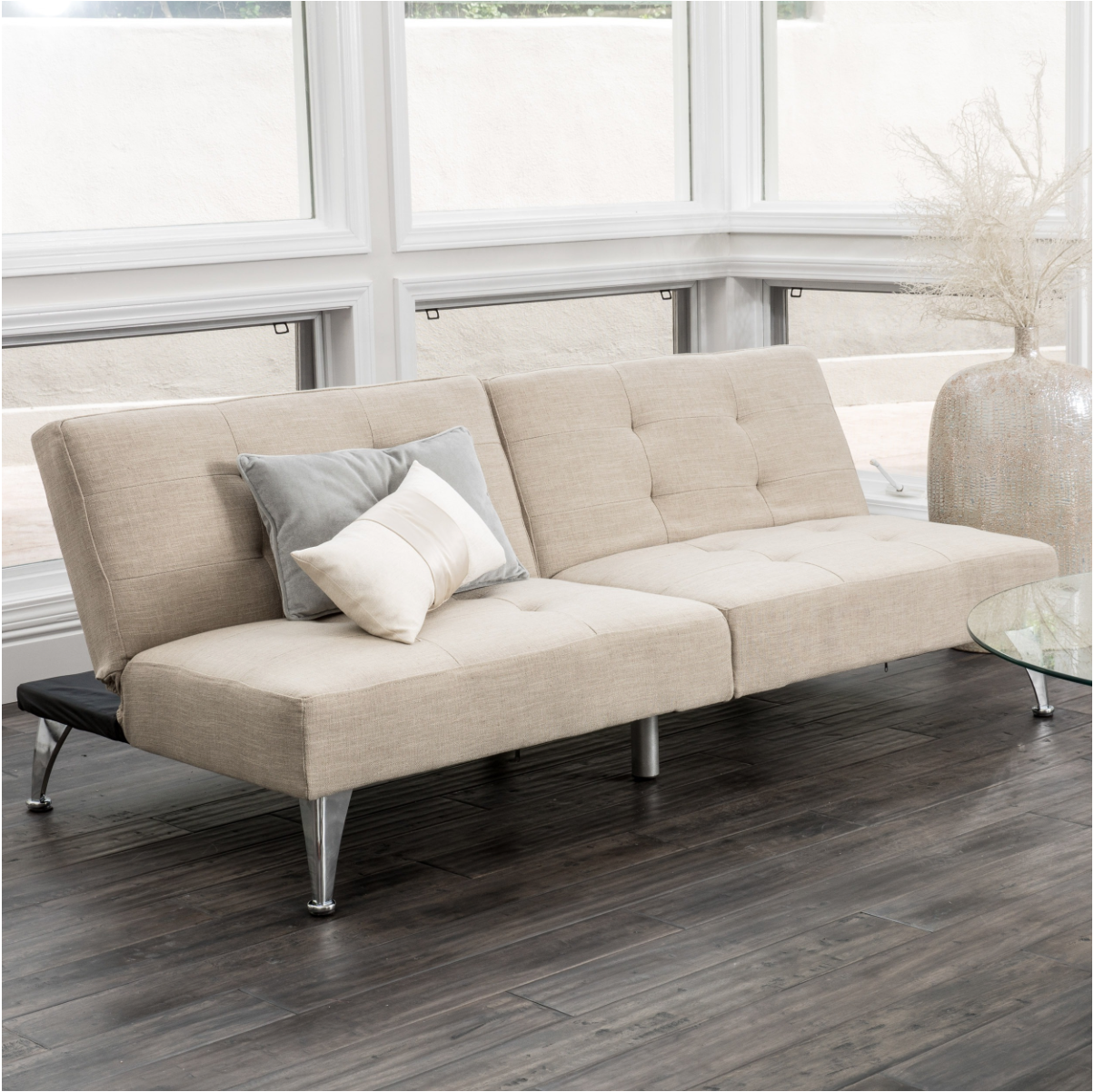
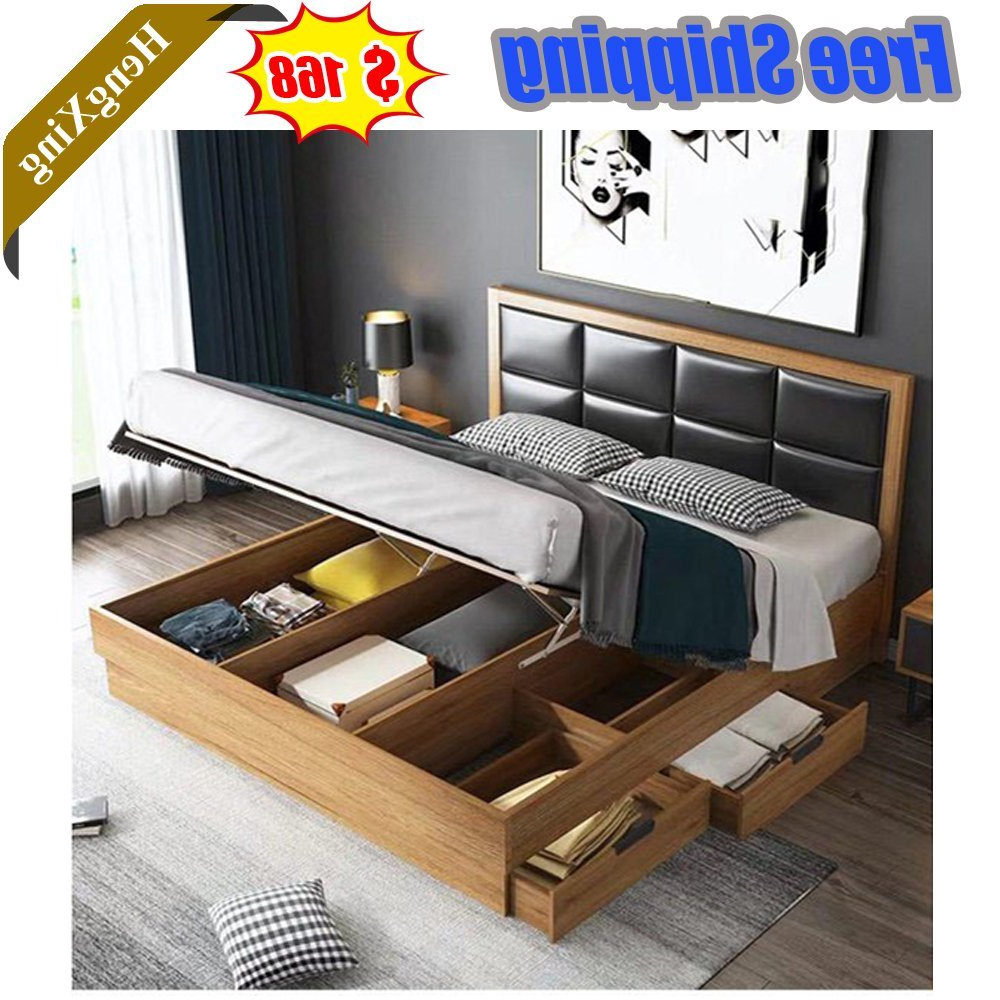
When you’re shopping for a sofa bed, you might think the price tag reflects simple factors like fabric choice or frame material. But there’s a whole web of hidden elements that actually shape how much these versatile pieces cost. From manufacturing location to brand reputation, many factors work together to set those final prices. Let’s peel back the layers and explore what really drives sofa bed pricing.
Sofa beds are more than just furniture—they’re investments in comfort, space-saving solutions, and lifestyle choices. But when you walk into a store or browse online, the price differences between seemingly similar models can leave you scratching your head. Why does one sofa bed cost $800 while another costs $2,500? The answer isn’t always obvious. There are several subtle yet significant factors at play that most people never consider. These hidden elements create a complex pricing puzzle that goes far beyond basic materials and construction quality.
The Manufacturing Mystery
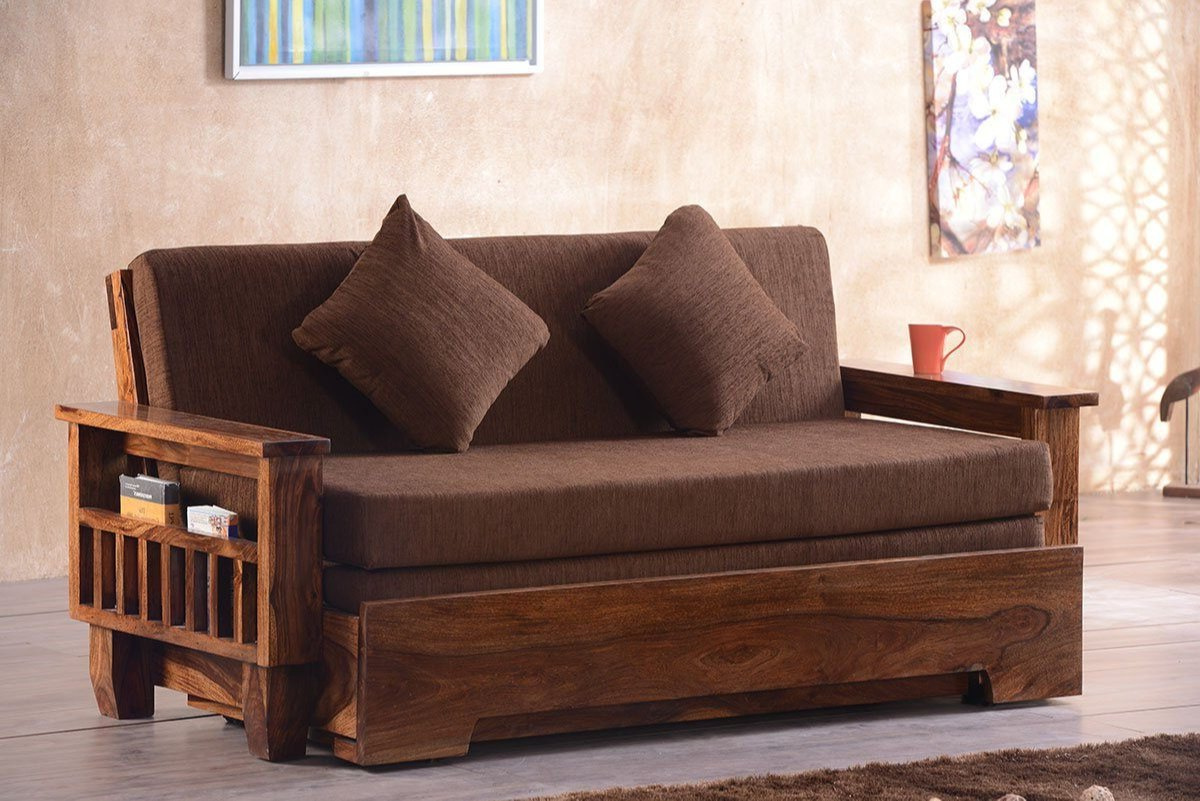
Where your sofa bed is made has a massive impact on its price. Factories in countries like China, India, and Mexico often produce at lower costs due to labor and material expenses. However, products made in Europe or North America typically carry higher price tags due to stricter safety standards, better working conditions, and premium manufacturing processes. Some manufacturers even claim "Made in USA" or "European craftsmanship" to justify premium pricing, even when the actual production may be outsourced. This geographic factor alone can explain why identical-looking sofa beds cost vastly different amounts. Think about it—when you buy a product labeled as "handcrafted," you’re paying for the story behind it, even if that story is somewhat manufactured.
Quality Components You Can’t See
The internal structure of a sofa bed plays a huge role in pricing. Springs, foam density, and frame materials aren’t always obvious to buyers. Higher-end models often feature memory foam padding that lasts longer and provides better support. The type of springs used—whether coil springs, pocket springs, or hybrid systems—can dramatically affect both comfort and durability. Frame materials also matter: solid wood versus particle board makes a significant difference in longevity. Many budget models use cheaper materials that might look good initially but wear out quickly. When you’re looking at a sofa bed, pay attention to what’s underneath—it’s often the silent factor that determines whether you’ll regret your purchase in six months or ten years.
Brand Reputation and Marketing Magic
Brands have learned that perception equals price. A well-known furniture company with decades of history can charge more simply because of their established reputation. They’ve invested heavily in marketing, customer service, and brand loyalty. Meanwhile, lesser-known brands might offer the exact same features at a fraction of the cost. Consider the difference between a sofa bed from IKEA and one from a luxury brand like West Elm. Both might serve the same purpose, but the brand equity and marketing spend behind the latter justifies a much higher price point. Sometimes the most expensive sofa bed isn’t necessarily the best one—it might just be the one with the most polished marketing message.
Design Complexity and Customization Options
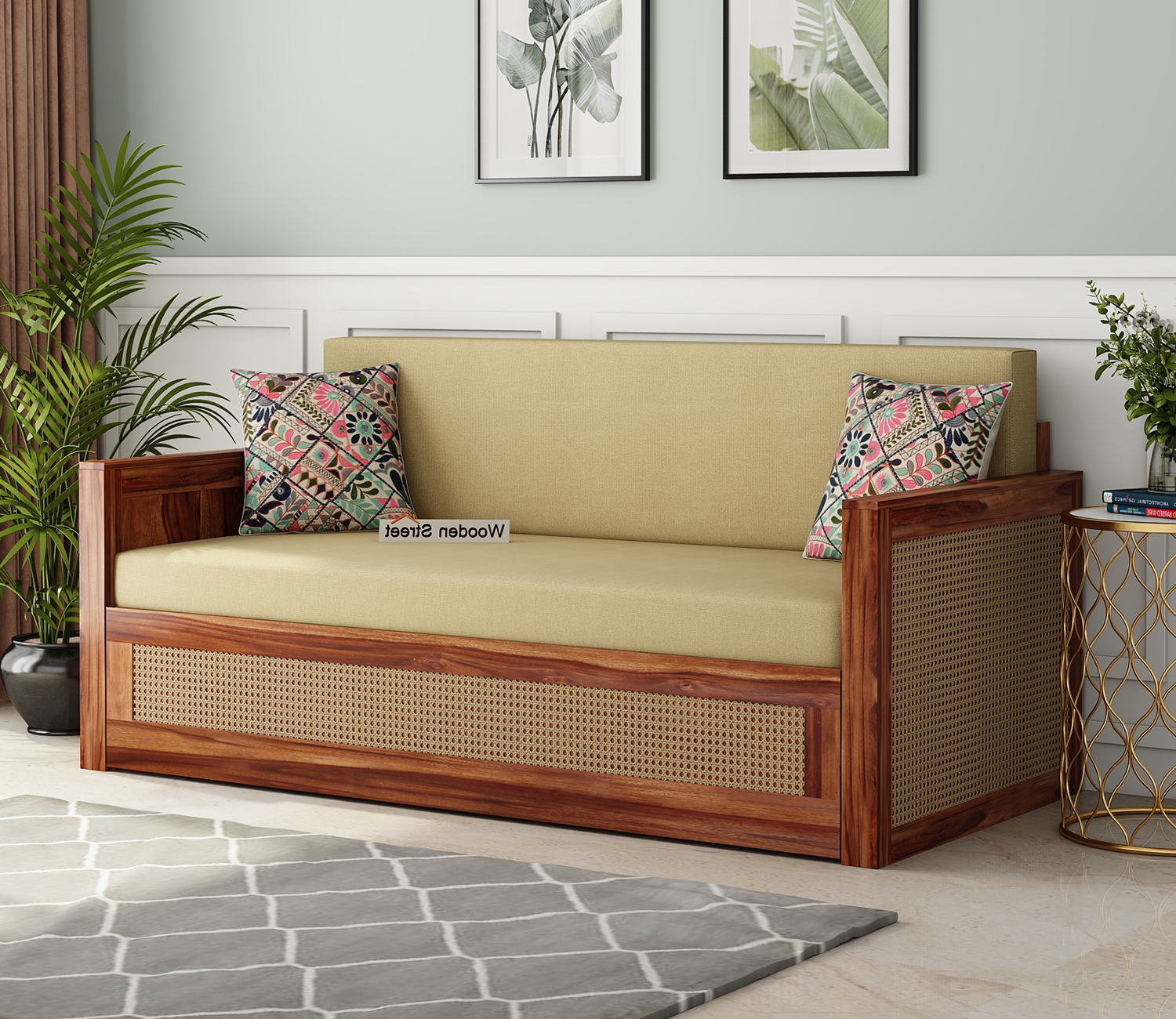
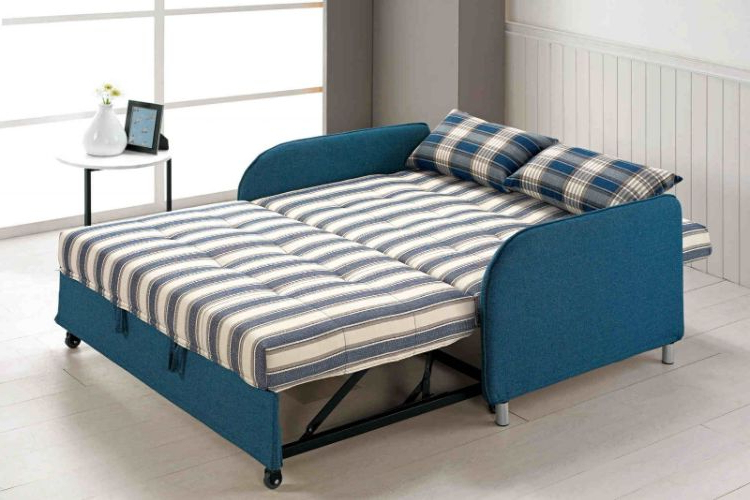
Sofa beds that require intricate design work or customization options come with a premium. Features like adjustable headrests, hidden storage compartments, or convertible mechanisms that are easy to operate all add complexity to production. Custom colors, unique fabric patterns, or special finishes also increase costs. Even something as simple as the number of buttons or zippers used can influence the final price. Designers and manufacturers spend time and money creating innovative features that make their products stand out. If you want a sofa bed that looks like it belongs in a high-end hotel lobby, expect to pay for that aesthetic appeal. The more complex the design, the more expensive the manufacturing process becomes.
Market Demand and Seasonal Factors
Like any product, sofa beds are affected by supply and demand cycles. During certain seasons, particularly spring and fall, demand for new furniture increases, allowing retailers to raise prices. In contrast, off-season sales might see deep discounts. Retailers also adjust pricing based on competition in their area. A sofa bed in a high-end furniture district will likely cost more than one in a discount chain store. Economic conditions also play a part—when the economy is strong, consumers are willing to pay more for quality and style. When times are tough, budget-conscious shoppers look for deals, driving down prices. It’s not just about the product itself, but about when and where you’re buying it.
Additional Features and Technology Integration
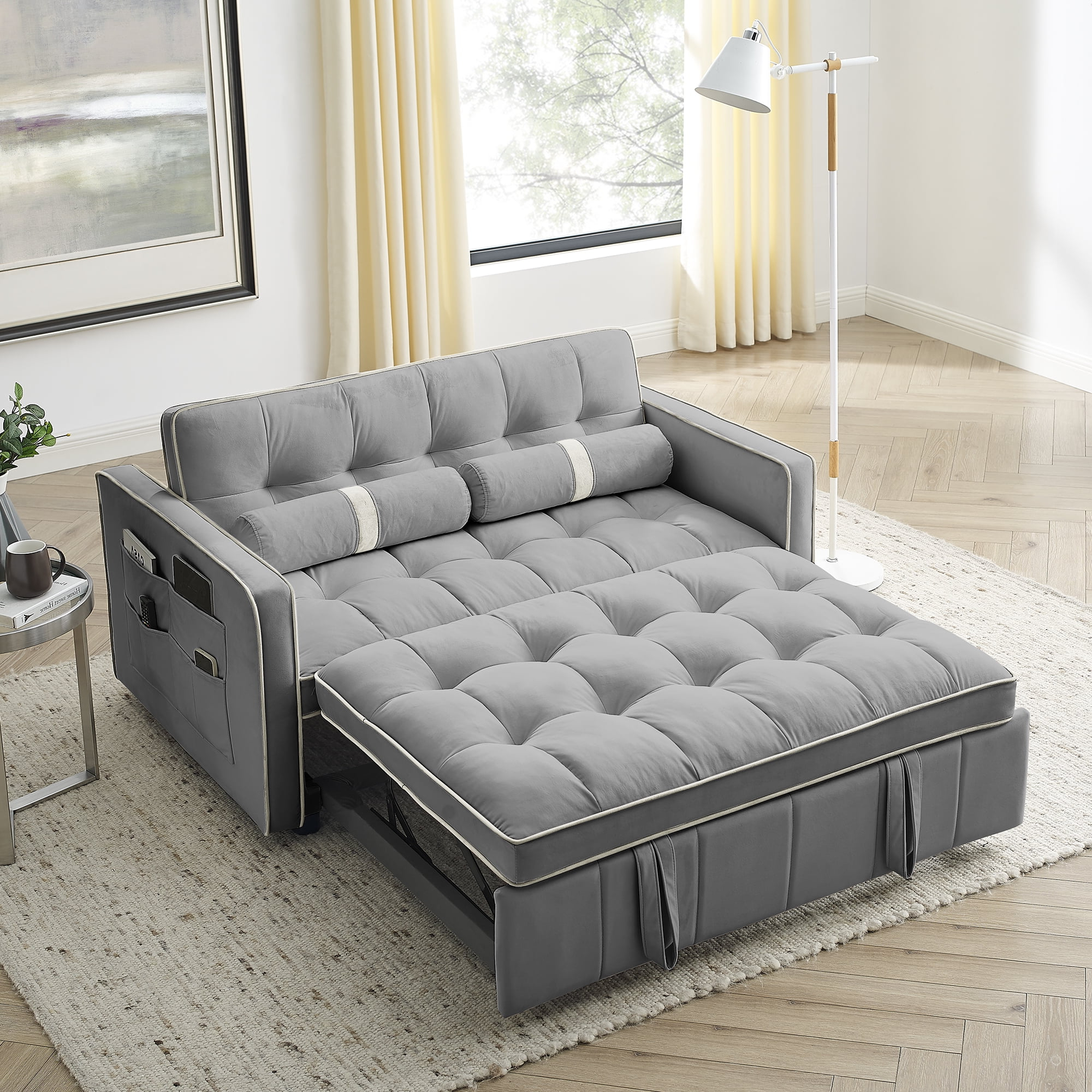
Modern sofa beds are increasingly incorporating technology and convenience features. Some models now include USB ports, built-in charging stations, or even LED lighting. Memory foam that adjusts to body temperature, or mattresses with cooling properties, all add to the cost. Smart features like remote-controlled mechanisms or automated opening/closing systems can make a significant difference in pricing. These additions might seem minor, but they represent additional engineering, research, and development costs. When you’re paying extra for a sofa bed with a built-in nightstand or storage drawer, you’re essentially paying for convenience and modern living expectations. The more bells and whistles, the higher the price tag.
Understanding the hidden factors that influence sofa bed prices gives you power as a consumer. You’re no longer just comparing aesthetics—you’re analyzing the full package of what goes into each product. Whether it’s the manufacturing location, internal components, brand reputation, or technological features, every element contributes to the final cost. The next time you’re considering a sofa bed purchase, remember that the price tag tells a story beyond just materials and labor. It reflects a complex interplay of market forces, design decisions, and strategic business choices. Armed with this knowledge, you’ll be better equipped to find the right balance between quality, features, and value for your specific needs and budget.
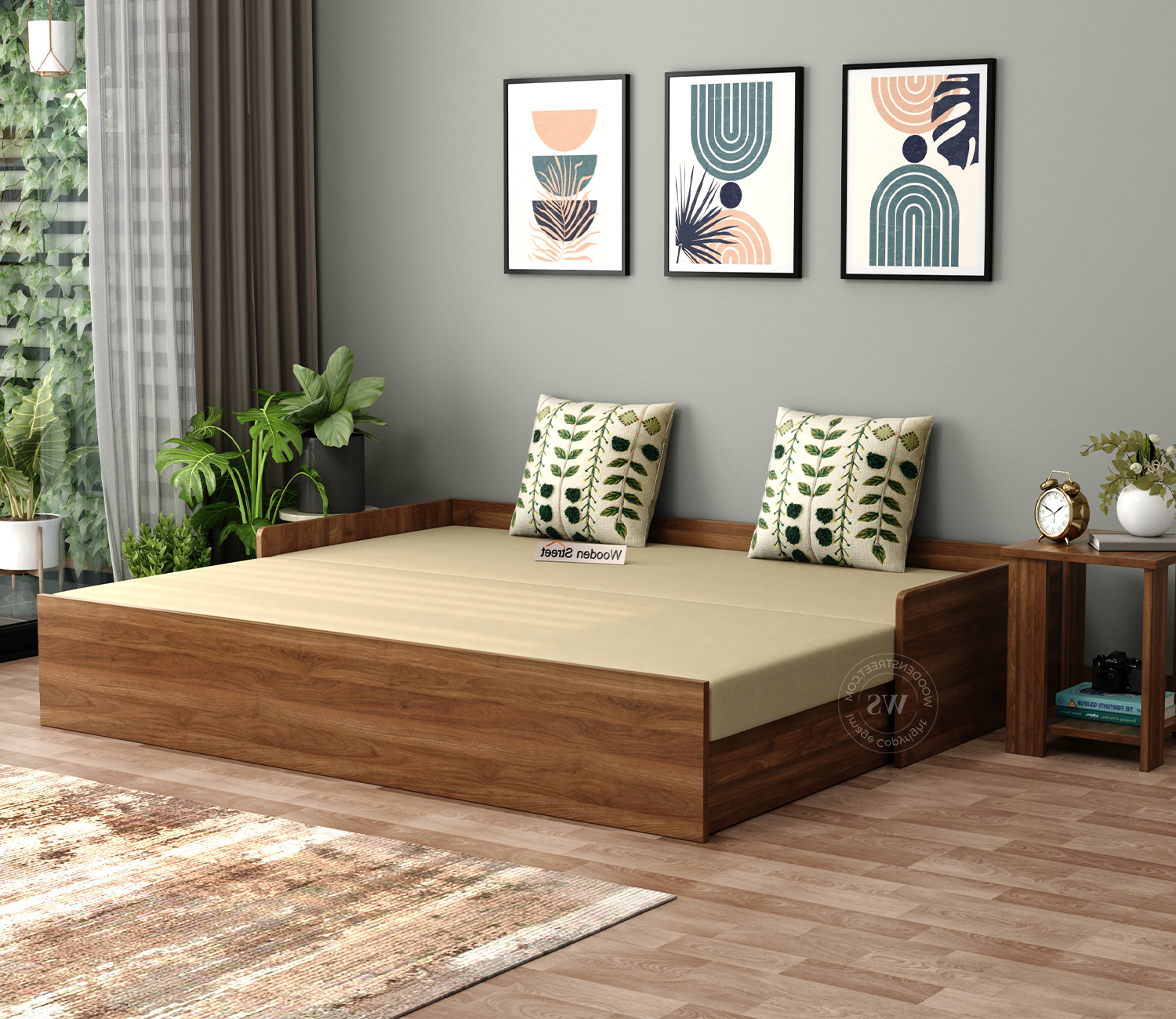
[sps_html tag=”img” src=”https://roofdrivein.com/wp-content/uploads/2026/01/wooden-sofa-bed-design-baci-living-room-inside-the-hidden-elements-that-influence-sofa-bed-price.jpg” alt=”Wooden Sofa Bed Design | Baci Living Room inside The Hidden Elements That Influence Sofa Bed Price” style=”width: 100%; height: auto;”]
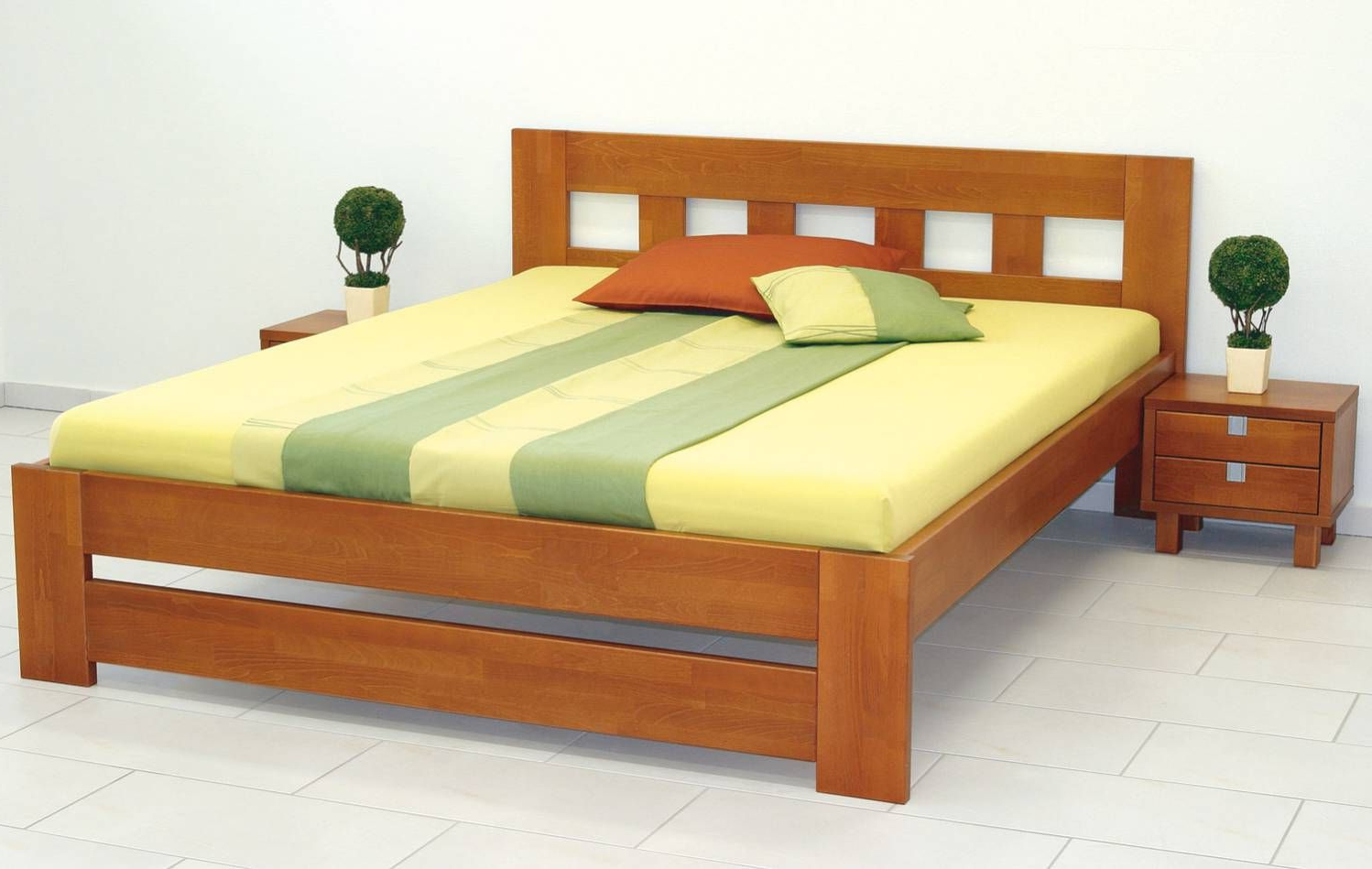
[sps_html tag=”img” src=”https://roofdrivein.com/wp-content/uploads/2026/01/wholesale-factory-price-wooden-sofa-bed-designs-royal-bedroom-set-intended-for-sofa-bed-design-price.jpg” alt=”Wholesale Factory Price Wooden Sofa Bed Designs Royal Bedroom Set … intended for Sofa Bed Design Price” style=”width: 100%; height: auto;”]
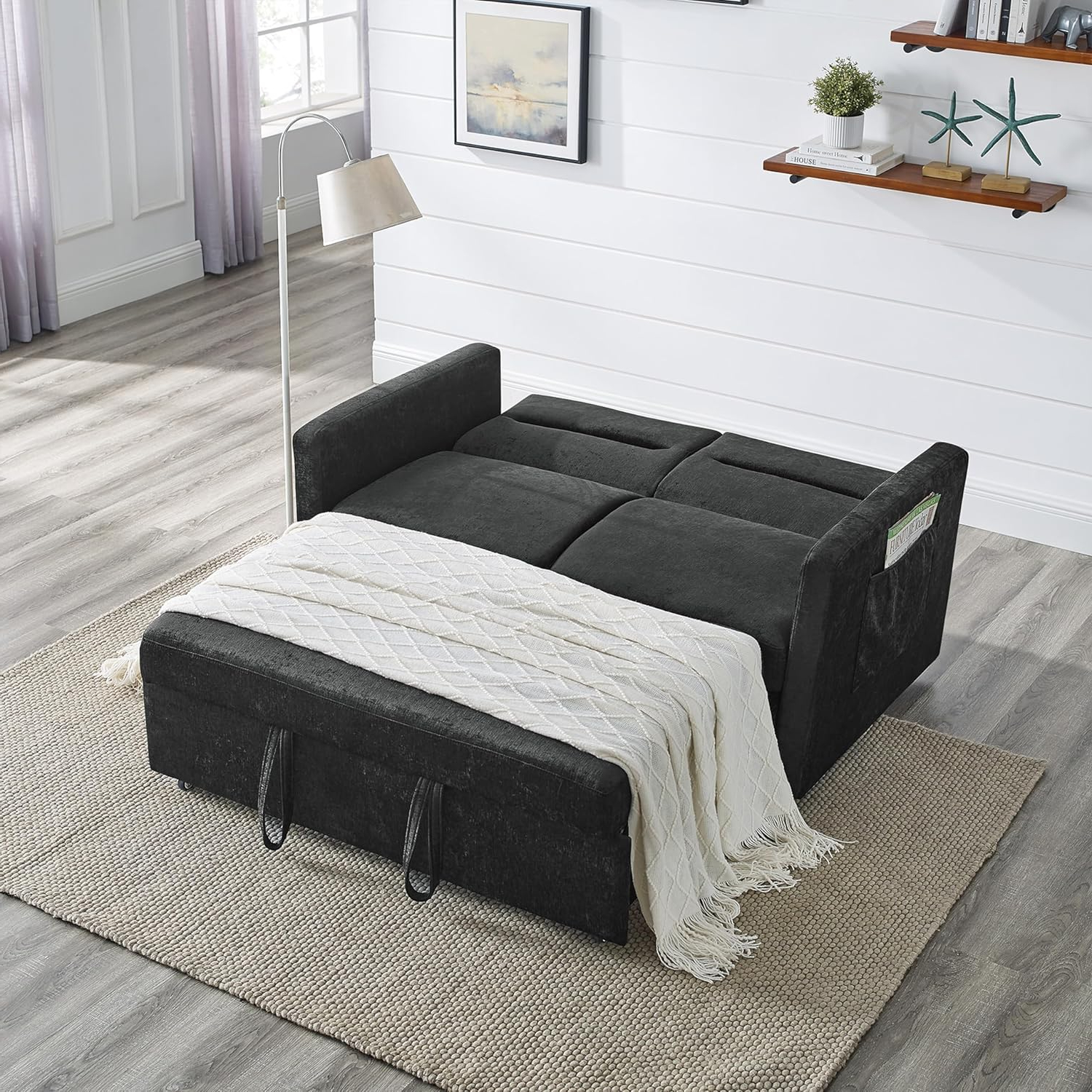
[sps_html tag=”img” src=”https://roofdrivein.com/wp-content/uploads/2026/01/holaki-modern-convertible-loveseat-sleeper-sofa-bed-55-5-with-side-pertaining-to-sofa-bed-design-price.jpeg” alt=”"Holaki Modern Convertible Loveseat Sleeper Sofa Bed, 55.5"", With Side … pertaining to Sofa Bed Design Price” style=”width: 100%; height: auto;”]
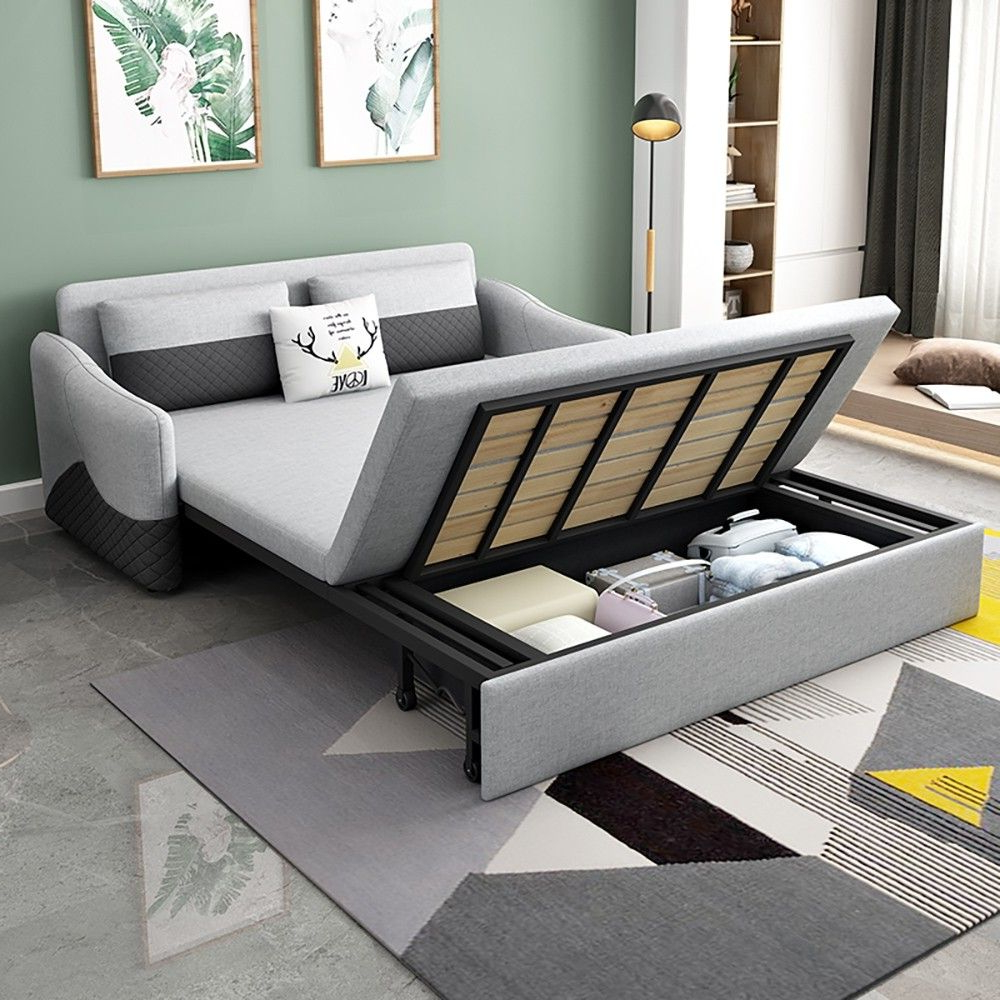
[sps_html tag=”img” src=”https://roofdrivein.com/wp-content/uploads/2026/01/buy-sofa-bed-dubai-custom-design-size-fast-delivery-with-regard-to-the-hidden-elements-that-influence-sofa-bed-price.jpg” alt=”Buy Sofa Bed Dubai | Custom Design & Size | Fast Delivery with regard to The Hidden Elements That Influence Sofa Bed Price” style=”width: 100%; height: auto;”]
[sps_html tag=”img” src=”https://roofdrivein.com/wp-content/uploads/2026/01/wooden-sofa-bed-designs-india-baci-living-room-for-the-hidden-elements-that-influence-sofa-bed-price.jpg” alt=”Wooden Sofa Bed Designs India | Baci Living Room for The Hidden Elements That Influence Sofa Bed Price” style=”width: 100%; height: auto;”]