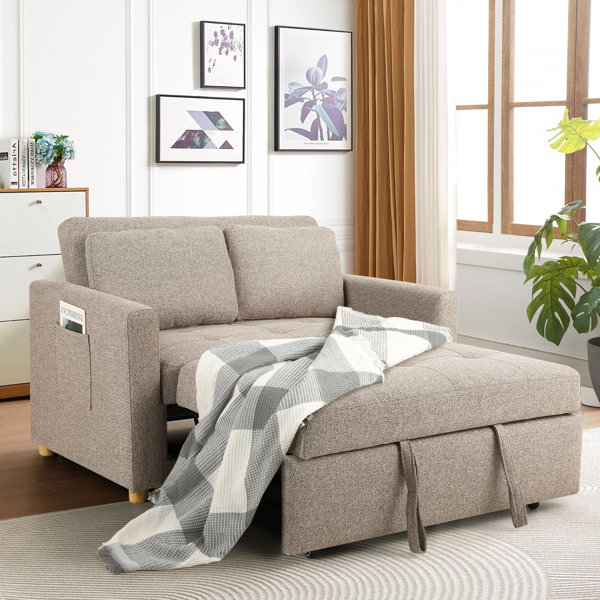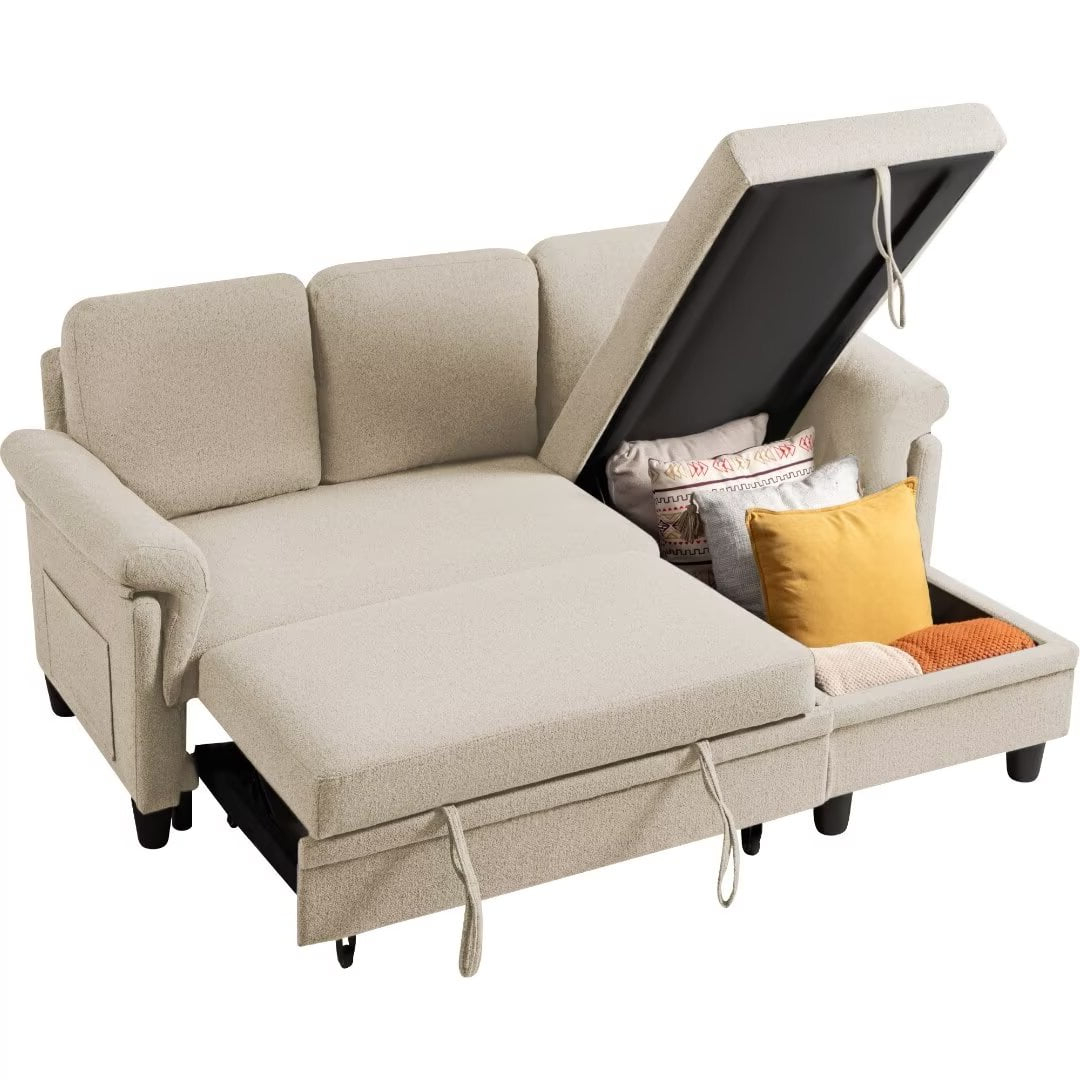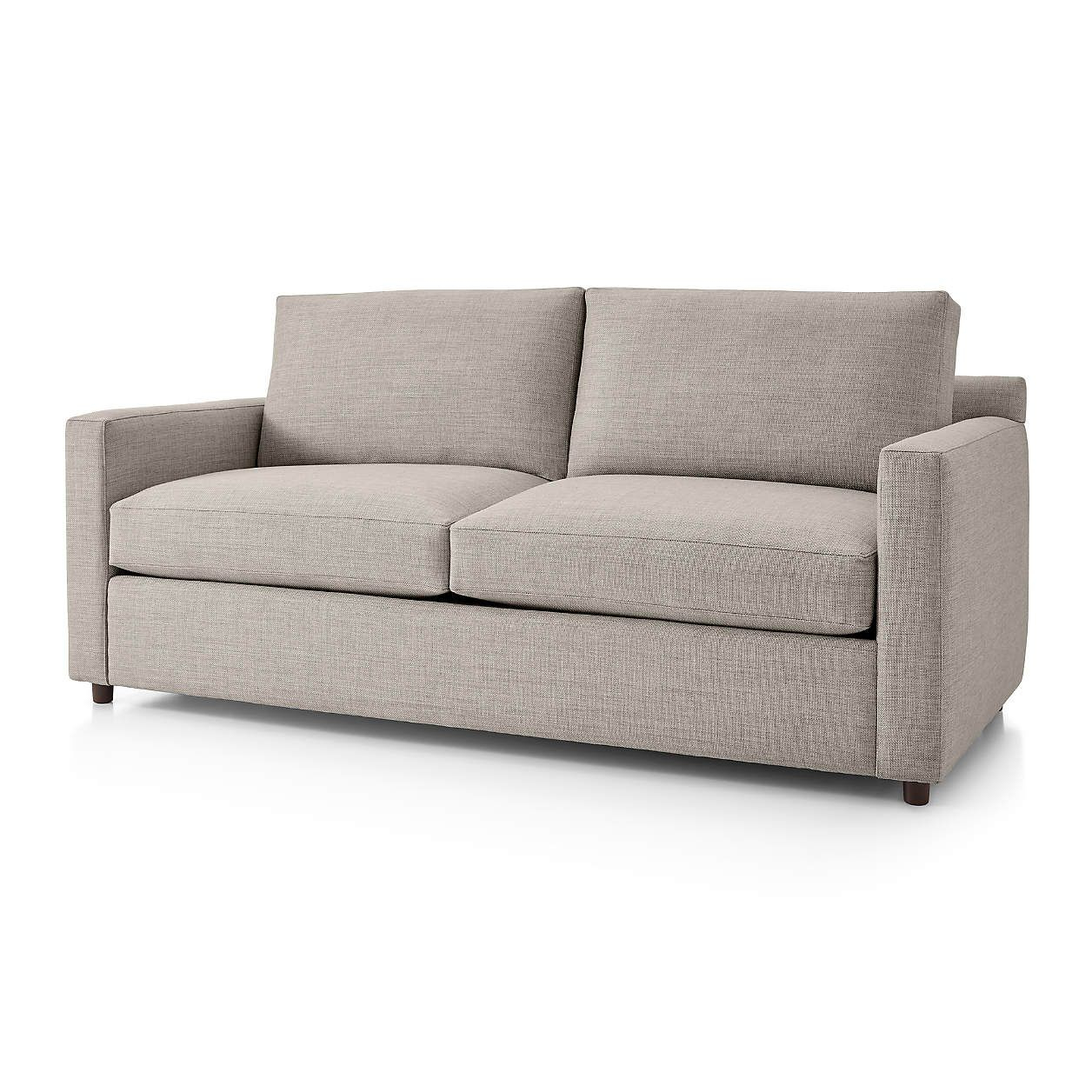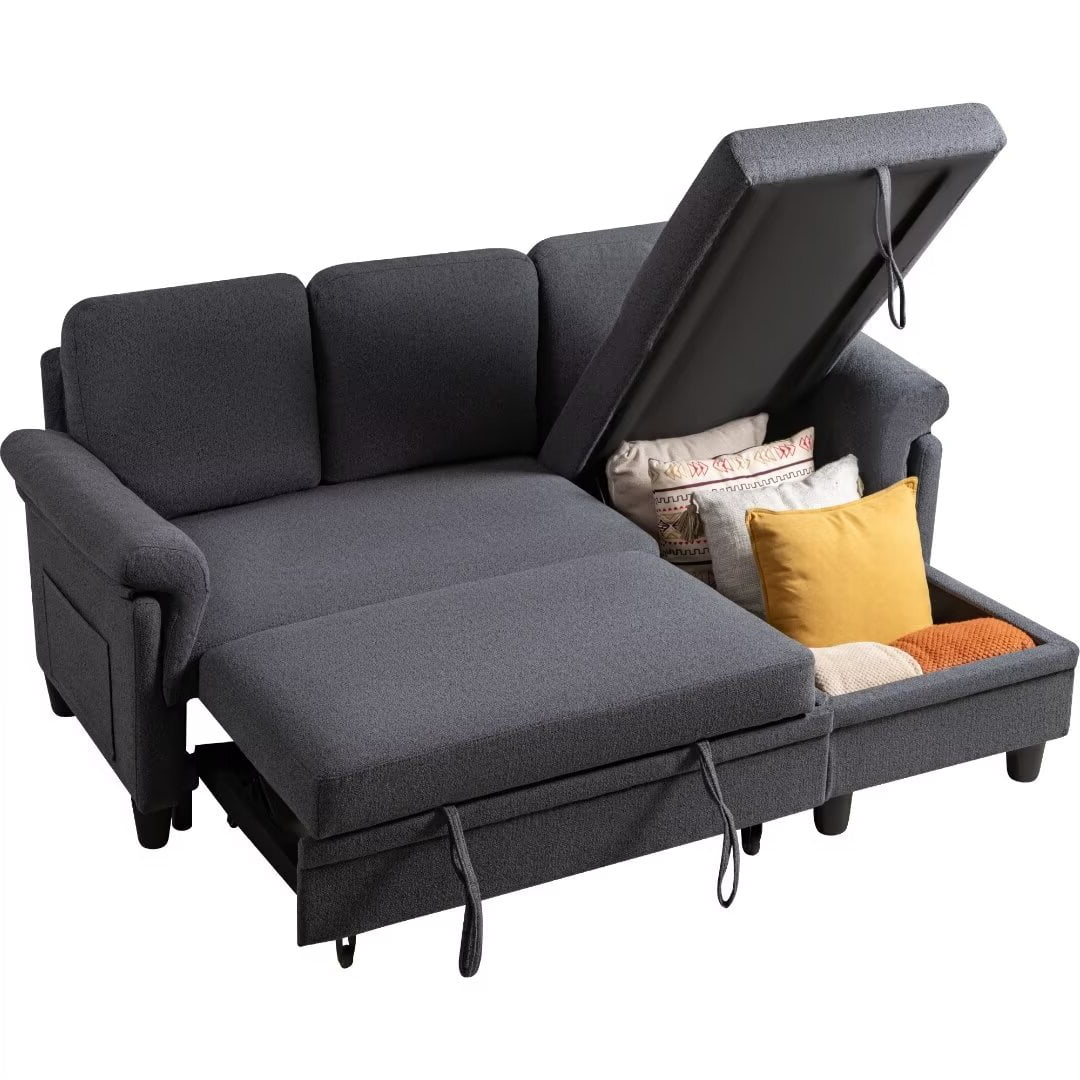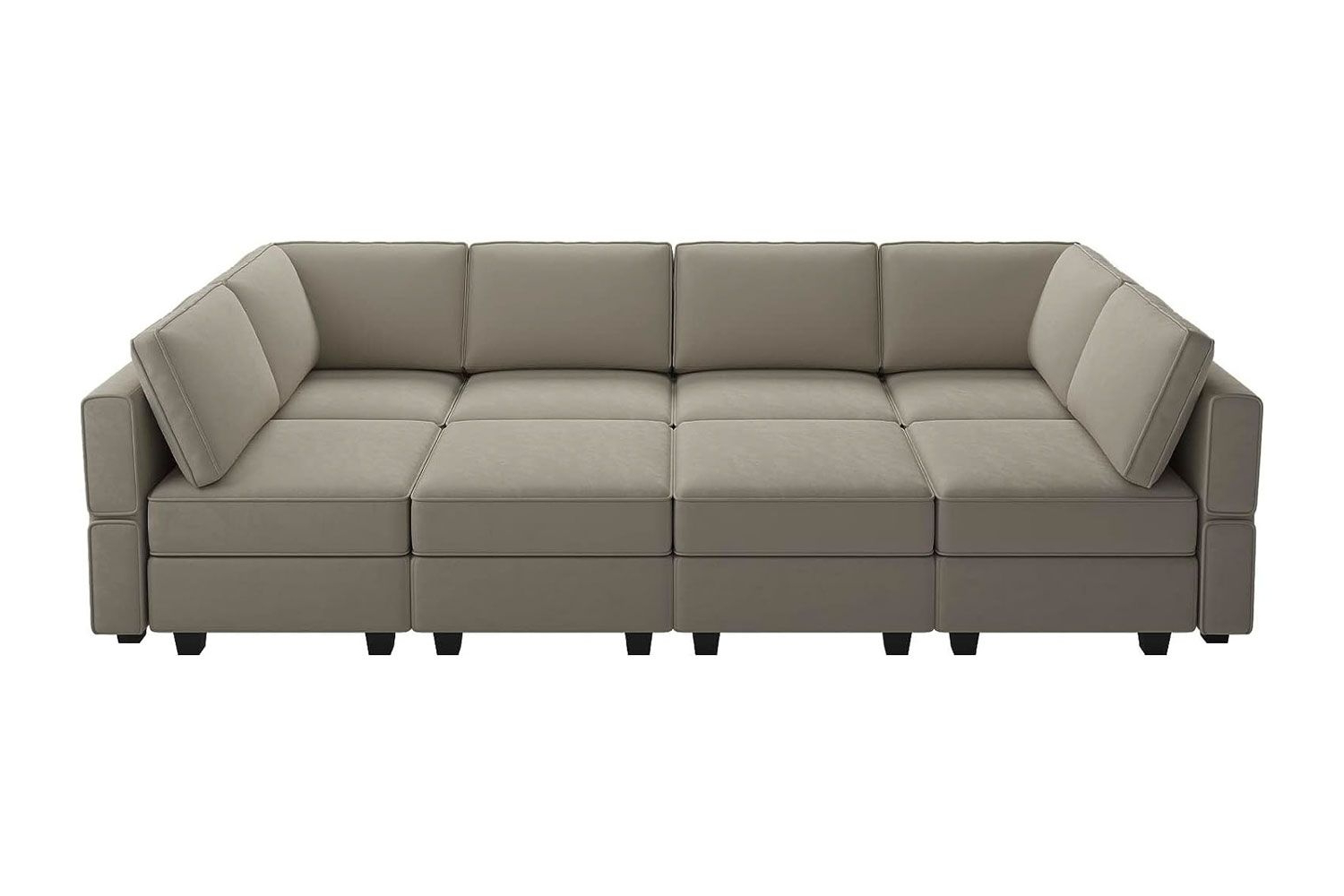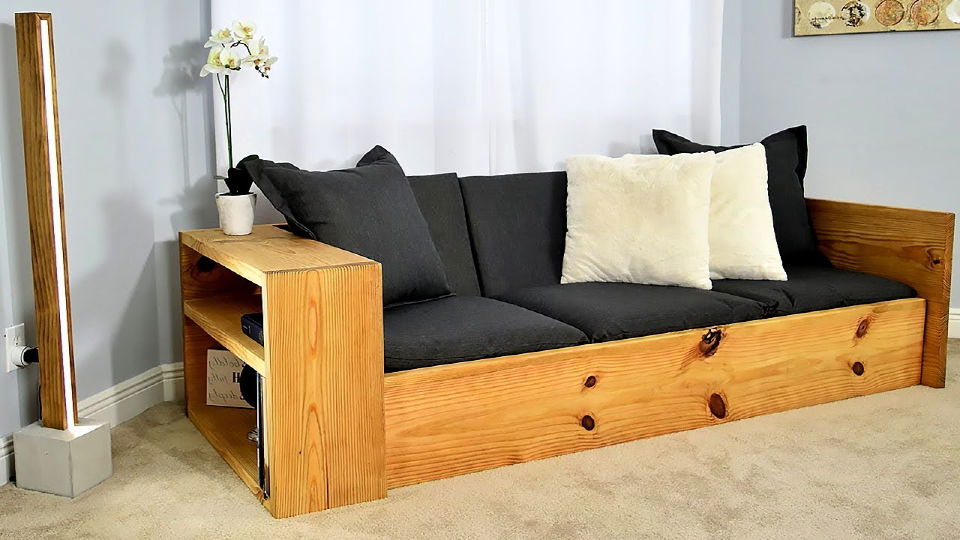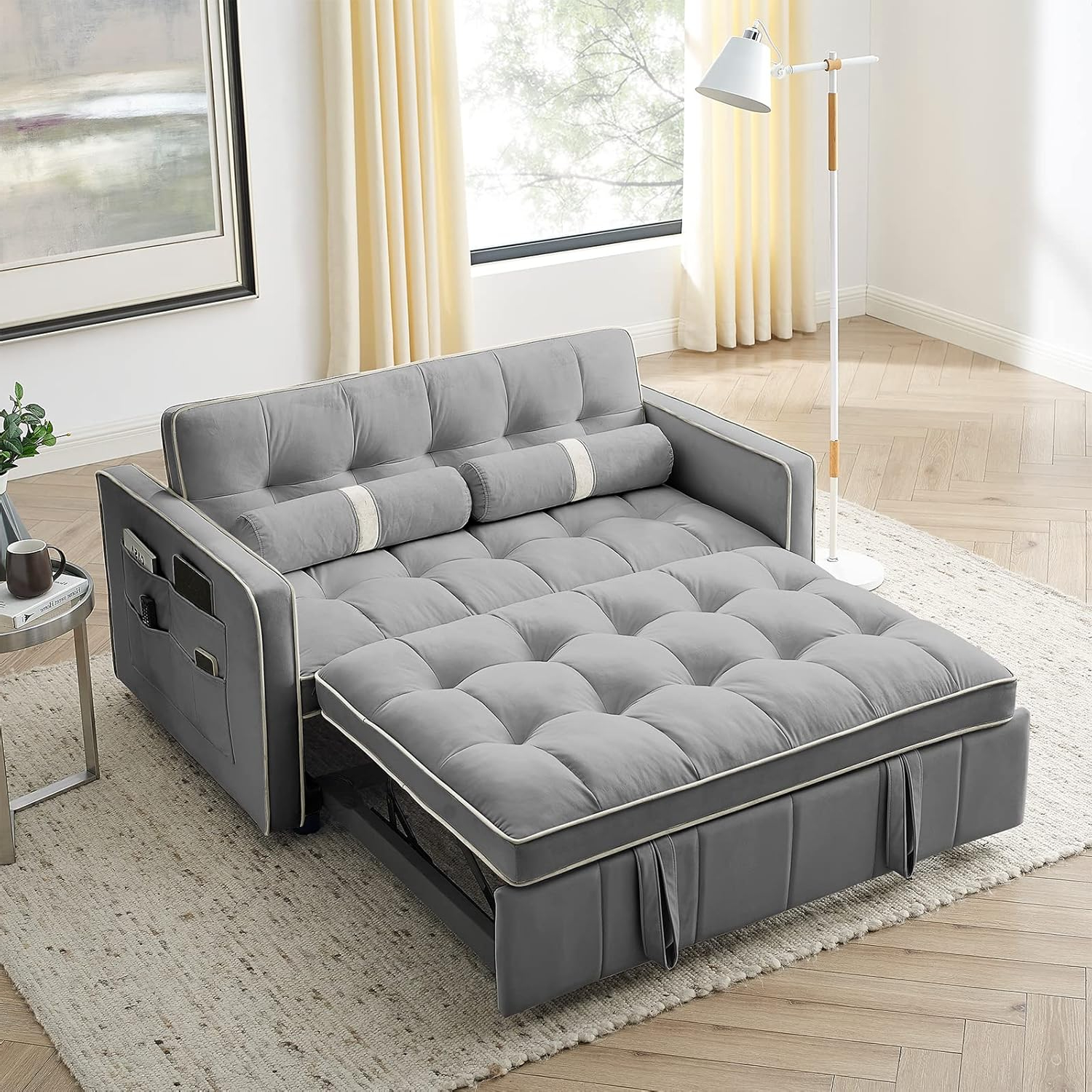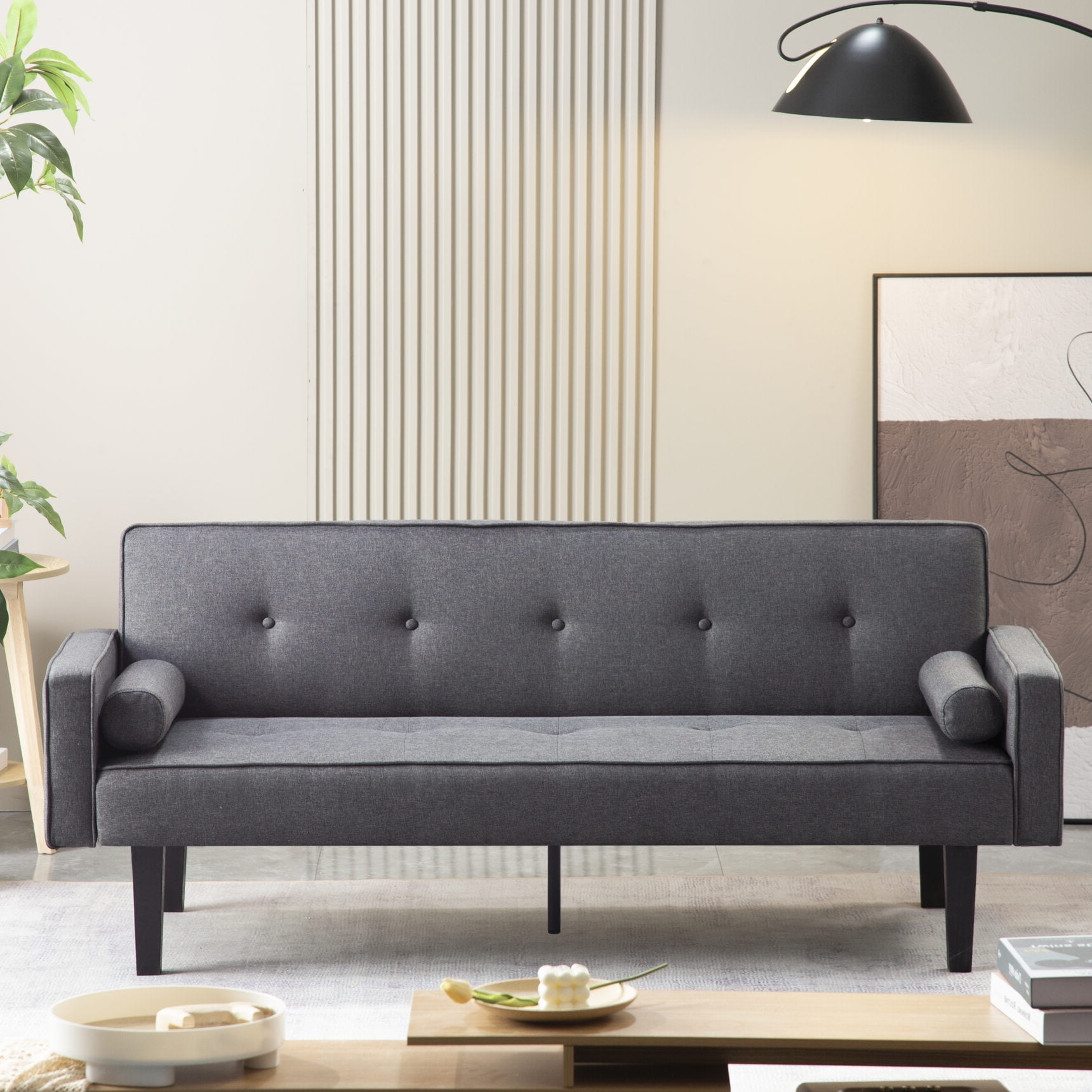
Whether you’re working with a tiny apartment, a cramped bedroom, or simply want to create a special spot for rest, corner sleeping areas offer endless possibilities. These intimate spaces can become your most cherished retreat, filled with warmth, comfort, and tranquility.
Let’s face it – not everyone has a spacious bedroom or even a dedicated sleep area. But that shouldn’t mean sacrificing comfort or peace. Corner sleeping areas are gaining popularity because they offer something special: intimacy and coziness in a compact space. Imagine waking up in a snug nook with soft lighting, gentle textures, and just enough room to stretch out comfortably. That’s exactly what we’re going to explore together. We’ll cover everything from choosing the right corner to creating the perfect atmosphere for restful sleep.
Why Choose a Corner for Sleeping?
There’s something magical about corners. They naturally create a sense of enclosure and security that makes us feel safe. This psychological comfort translates directly into better sleep quality. Think about it – when you’re tucked into a corner, you’re surrounded by walls that offer protection. No one can sneak up on you from behind, and there’s a natural boundary that helps your mind relax.
Many people find that sleeping in corners provides better support for their body. The slight curve of the corner can cradle your form, offering gentle pressure points that promote relaxation. It’s like having a built-in pillow that adapts to your shape.
Additionally, corners are often overlooked spaces in homes. They’re perfect for maximizing small areas. If you have limited square footage, a corner sleeping area can provide a dedicated spot for rest without taking over entire rooms.
Selecting the Perfect Corner
Not all corners are created equal when it comes to sleeping. Here’s how to pick the best spot:
• Avoid high-traffic areas – You don’t want to be constantly disturbed by movement or noise
• Look for stability – Make sure the corner has solid walls and isn’t wobbly
• Consider light levels – A corner that gets some natural light during the day but can be darkened easily works well
• Check for privacy – You want to feel secluded rather than exposed
• Think about airflow – Good ventilation helps keep the space comfortable
The ideal corner should feel like a secret hideaway. It’s not just about finding a spot that fits furniture, but one that feels right for your soul. Sometimes it takes a few tries to find that perfect location. Pay attention to how the space makes you feel.
Essential Furniture and Layout
Setting up your corner sleeping area requires careful consideration of what you actually need. You don’t need a full bed frame and dresser – just the essentials that will make your space functional and comfortable.
Key items to consider:
• A comfortable mattress – This is the foundation of your corner sleep area
• A supportive headboard – Even a simple board against the wall can provide comfort
• Storage solutions – Under-bed storage or a small side table for essentials
• Lighting – Soft, warm lights that can be dimmed
• Seating – A small chair or bench to add comfort and functionality
The beauty of corner setups is that they can be as minimalist or as elaborate as you want. Some people prefer the clean lines of a simple setup, while others enjoy adding layers of texture and color. What matters most is that everything serves a purpose and contributes to your overall sense of calm.
Creating the Right Atmosphere
The mood of your sleeping corner can make or break your rest. Lighting plays a crucial role. Natural light during the day helps regulate your circadian rhythm, but you’ll want to control artificial lighting when it’s time to sleep. Consider installing dimmer switches or using soft LED bulbs that can be adjusted to different levels.
Temperature also matters. A cool, slightly damp environment often promotes better sleep, but not so cold that you shiver. Aim for a temperature between 65-68°F if possible.
Sound is another important factor. White noise machines or soft music can mask disruptive sounds. Some people prefer complete silence, while others find gentle background noise comforting. Experiment to see what works for you.
Adding plants can bring life to your corner and improve air quality. Even a small succulent or air plant can make a difference in how your space feels.
Comfort Items That Make a Difference
Comfort isn’t just about the mattress – it’s about every element that touches your body. Here are some key items that enhance the cozy feeling:
• Quality bedding – Invest in good sheets, blankets, and pillows that suit your preferences
• Throw pillows – These add both comfort and visual interest
• Soft rugs – They provide warmth underfoot and create a sense of groundedness
• Curtains or room dividers – These can create a sense of separation from the rest of the room
• Personal touches – Photos, books, or decorative objects that make the space uniquely yours
Don’t underestimate the power of texture. Soft fabrics, natural materials, and varying weights all contribute to a sense of comfort. Some people swear by weighted blankets, while others prefer traditional quilts. The key is finding what feels right for your body and sleep preferences.
Maximizing Space and Functionality
One of the biggest advantages of corner sleeping areas is how efficiently they use space. Here are some smart ways to maximize what you have:
• Use vertical space – Install shelves above your sleeping area for books or decorations
• Multi-functional furniture – Look for items that serve multiple purposes
• Under-bed storage – Utilize the space beneath your bed for clothing or linens
• Fold-down or wall-mounted options – These save floor space when not in use
• Floating furniture – Items that appear to float can make tight spaces feel less cramped
The trick is to avoid clutter. Every item in your corner should either serve a purpose or bring joy. If you’re unsure, ask yourself: does this belong here? If the answer is no, consider moving it elsewhere. Cleanliness and simplicity go hand in hand with comfort.
Maintaining Your Sleeping Corner
Like any special place in your home, your corner sleeping area needs care to stay inviting and functional. Regular maintenance keeps everything looking fresh and feeling comfortable.
Weekly tasks include:
• Making the bed – This simple act creates a sense of order
• Dusting and vacuuming – Keep the space clean and free of allergens
• Checking bedding – Look for wear or stains that might affect comfort
• Adjusting lighting – Make sure your lights are working properly
Monthly checks might include:
• Deep cleaning – Wash bedding and clean upholstery
• Inspecting furniture – Check for loose screws or damaged pieces
• Refreshing decor – Swap out seasonal items or rearrange for variety
Remember, your sleeping corner should evolve with your needs. As seasons change, your preferences may shift. Don’t be afraid to experiment with new arrangements or additions.
Troubleshooting Common Issues
Even with the best intentions, problems can arise. Here are some common challenges and solutions:
• Too much noise – Add sound-absorbing materials like thick curtains or a white noise machine
• Poor lighting – Install additional lighting fixtures or use portable lamps
• Uncomfortable temperature – Adjust your heating or cooling system, or use fans
• Cluttered appearance – Implement a system for organizing items
• Lack of privacy – Use room dividers or curtains to create boundaries
Sometimes the solution is simpler than you think. A quick rearrangement or addition of one small item can completely transform your experience. Don’t get discouraged if your first attempt isn’t perfect. Creating the ideal sleeping corner is a process of trial and error.
Final Thoughts on Your Sleeping Haven
Your corner sleeping area is more than just a place to lie down. It’s a personal sanctuary where you can recharge, reflect, and prepare for whatever comes next. Whether you’re squeezing into a tiny apartment corner or creating a peaceful retreat in your main bedroom, the principles remain the same.
The most important thing is to approach this project with patience and self-compassion. Building the perfect sleeping nook takes time. Don’t rush the process. Let your space develop organically based on what makes you feel most comfortable.
Remember, this is your space. It should feel like a hug from your own home. When you’re ready to rest, you should be able to step into this corner and immediately feel calm and ready for sleep. That’s the magic of a well-designed sleeping corner.
Creating a cozy corner sleeping area is both an art and a science. It combines practical considerations with emotional needs, resulting in a space that supports both your physical and mental wellbeing. By carefully selecting your corner, choosing the right furniture, and paying attention to lighting, temperature, and comfort elements, you can transform any unused space into a haven for rest.
The key takeaway is that your sleeping corner should reflect your personality and needs. It’s not about following trends or meeting someone else’s expectations. It’s about crafting a place where you truly feel at ease. Whether you’re a minimalist or someone who loves to decorate, there’s a way to make your corner work for you. The journey toward your perfect sleeping nook is worth every step of the way.
[sps_html tag=”img” src=”https://roofdrivein.com/wp-content/uploads/2026/01/vineego-versatile-sectional-sofa-couch-small-sleeper-sofa-with-storage-regarding-ultimate-guide-to-cozy-corner-sleeping-areas.jpeg” alt=”Vineego Versatile Sectional Sofa Couch, Small Sleeper Sofa With Storage … regarding Ultimate guide to cozy corner sleeping areas” style=”width: 100%; height: auto;”]
[sps_html tag=”img” src=”https://roofdrivein.com/wp-content/uploads/2026/01/best-small-sleeper-sofa-2019-at-pearline-beard-blog-for-ultimate-guide-to-cozy-corner-sleeping-areas.jpg” alt=”Best Small Sleeper Sofa 2019 At Pearline Beard Blog for Ultimate guide to cozy corner sleeping areas” style=”width: 100%; height: auto;”]
[sps_html tag=”img” src=”https://roofdrivein.com/wp-content/uploads/2026/01/small-office-sleeper-sofa-wayfair-within-ultimate-guide-to-cozy-corner-sleeping-areas.jpg” alt=”Small Office Sleeper Sofa | Wayfair within Ultimate guide to cozy corner sleeping areas” style=”width: 100%; height: auto;”]
[sps_html tag=”img” src=”https://roofdrivein.com/wp-content/uploads/2026/01/12-affordable-and-chic-small-sleeper-sofas-for-tight-spaces-pertaining-to-smallest-sleeper-sofa.png” alt=”12 Affordable (And Chic) Small Sleeper Sofas For Tight Spaces pertaining to Smallest Sleeper Sofa” style=”width: 100%; height: auto;”]
[sps_html tag=”img” src=”https://roofdrivein.com/wp-content/uploads/2026/01/vineego-versatile-sectional-sofa-couch-small-sleeper-sofa-with-storage-inside-ultimate-guide-to-cozy-corner-sleeping-areas.jpeg” alt=”Vineego Versatile Sectional Sofa Couch, Small Sleeper Sofa With Storage … inside Ultimate guide to cozy corner sleeping areas” style=”width: 100%; height: auto;”]