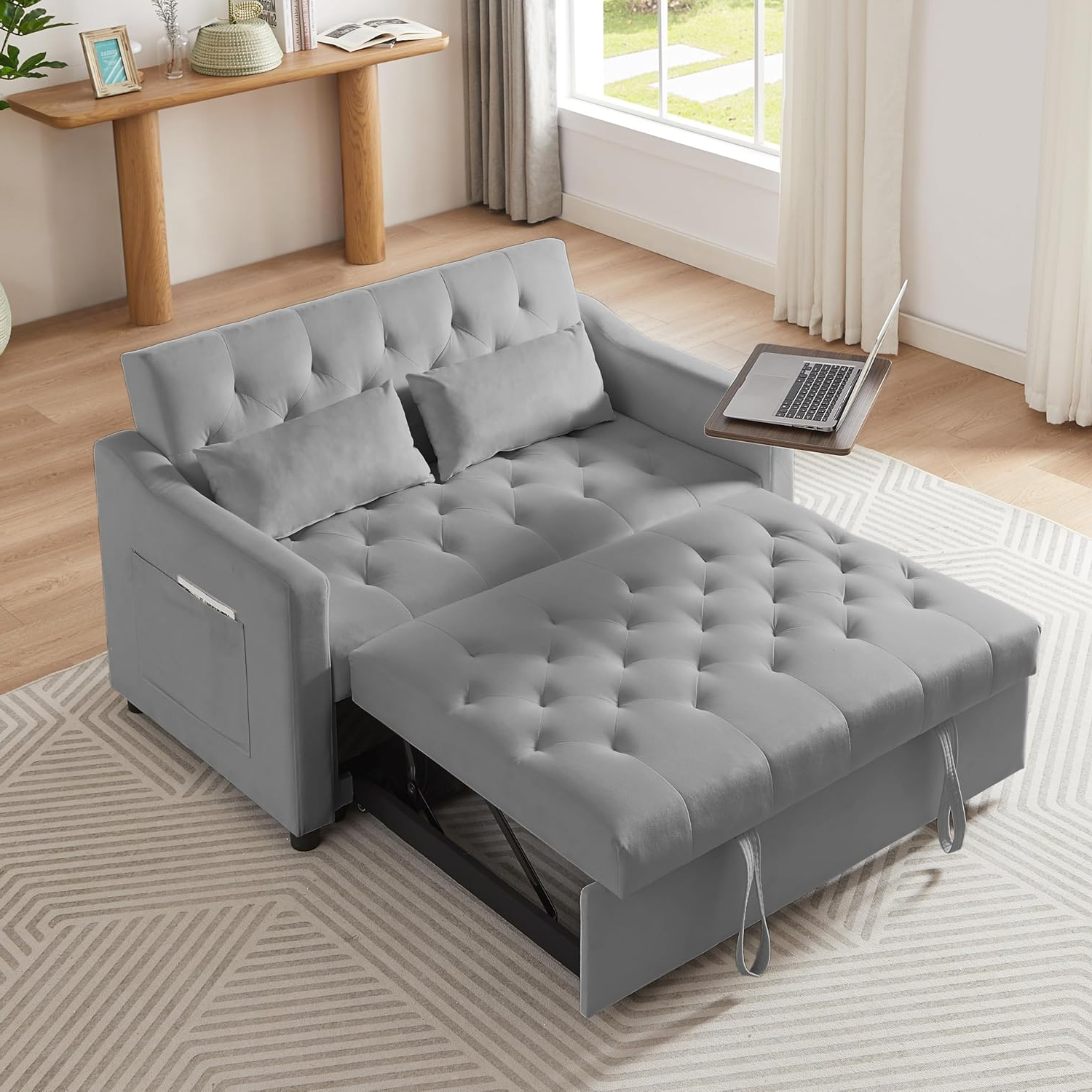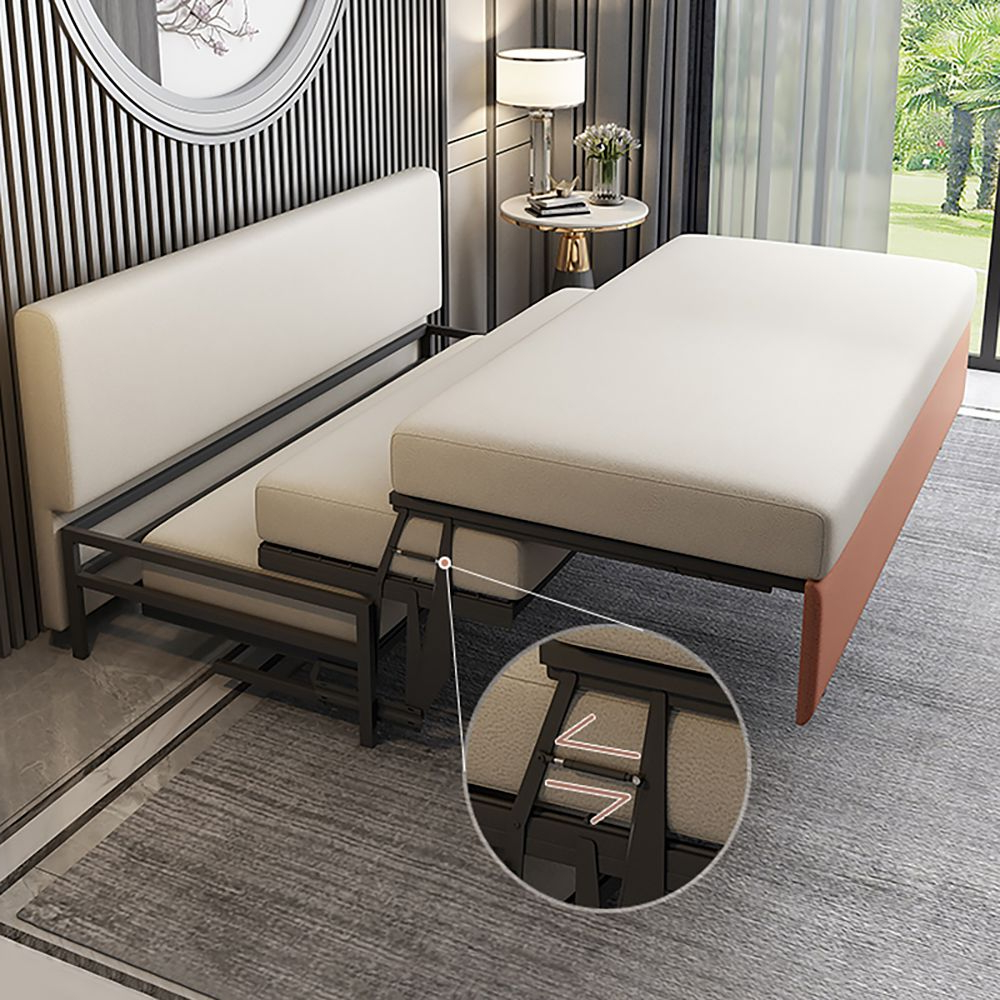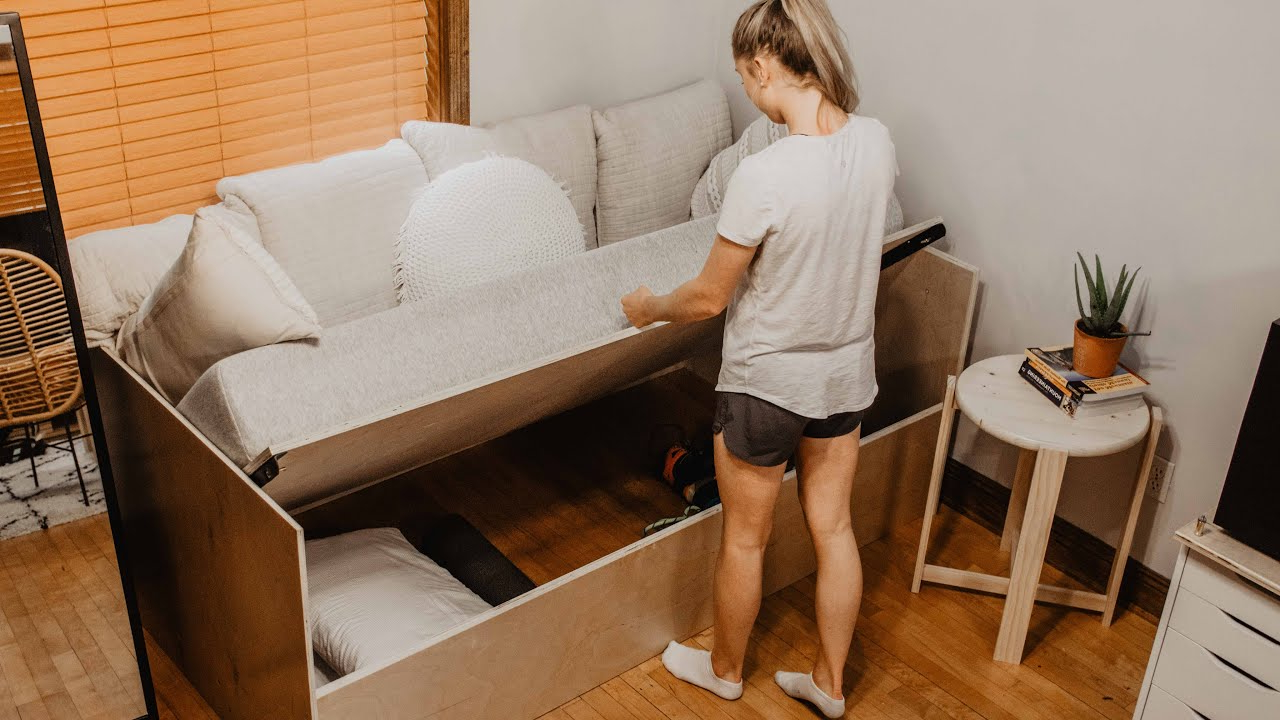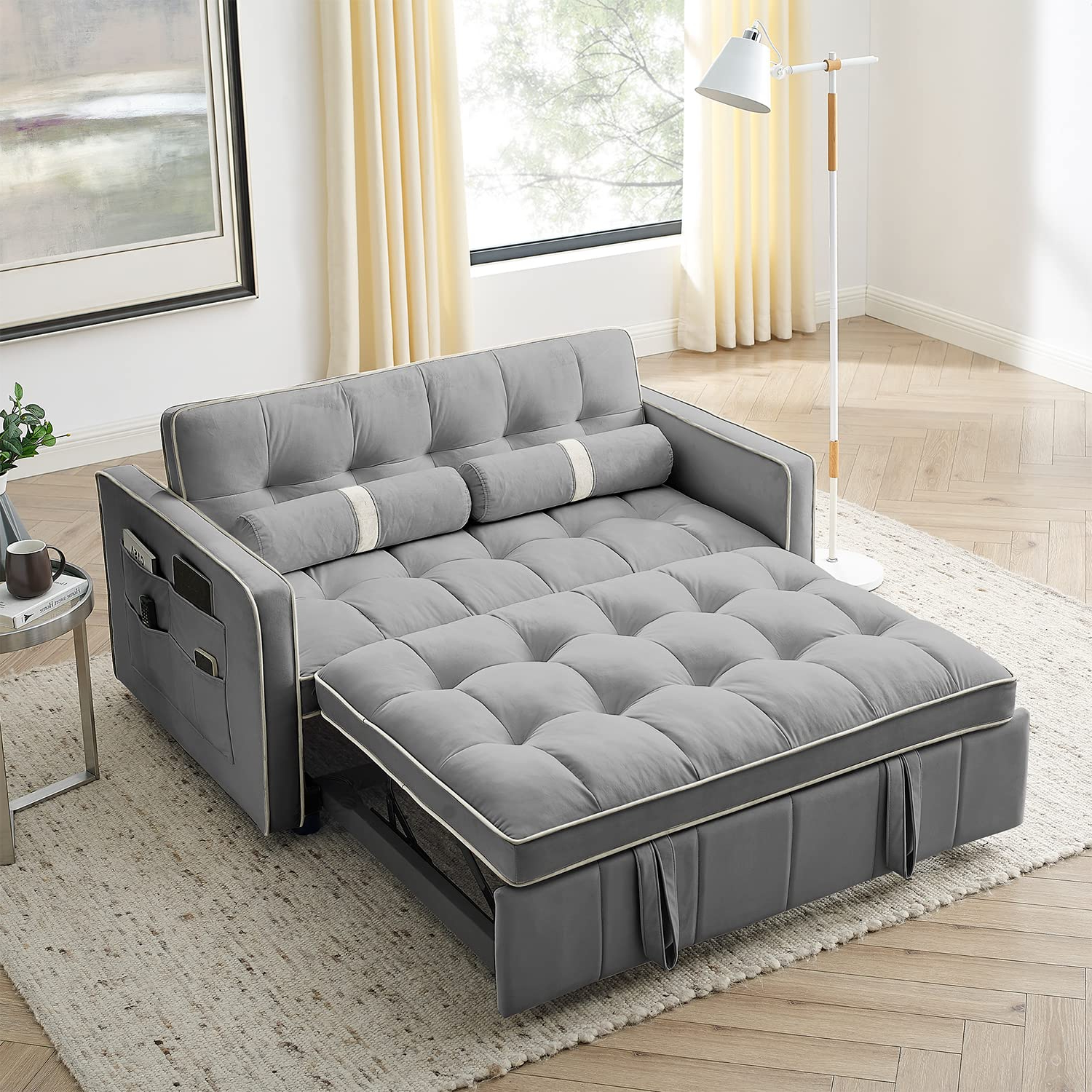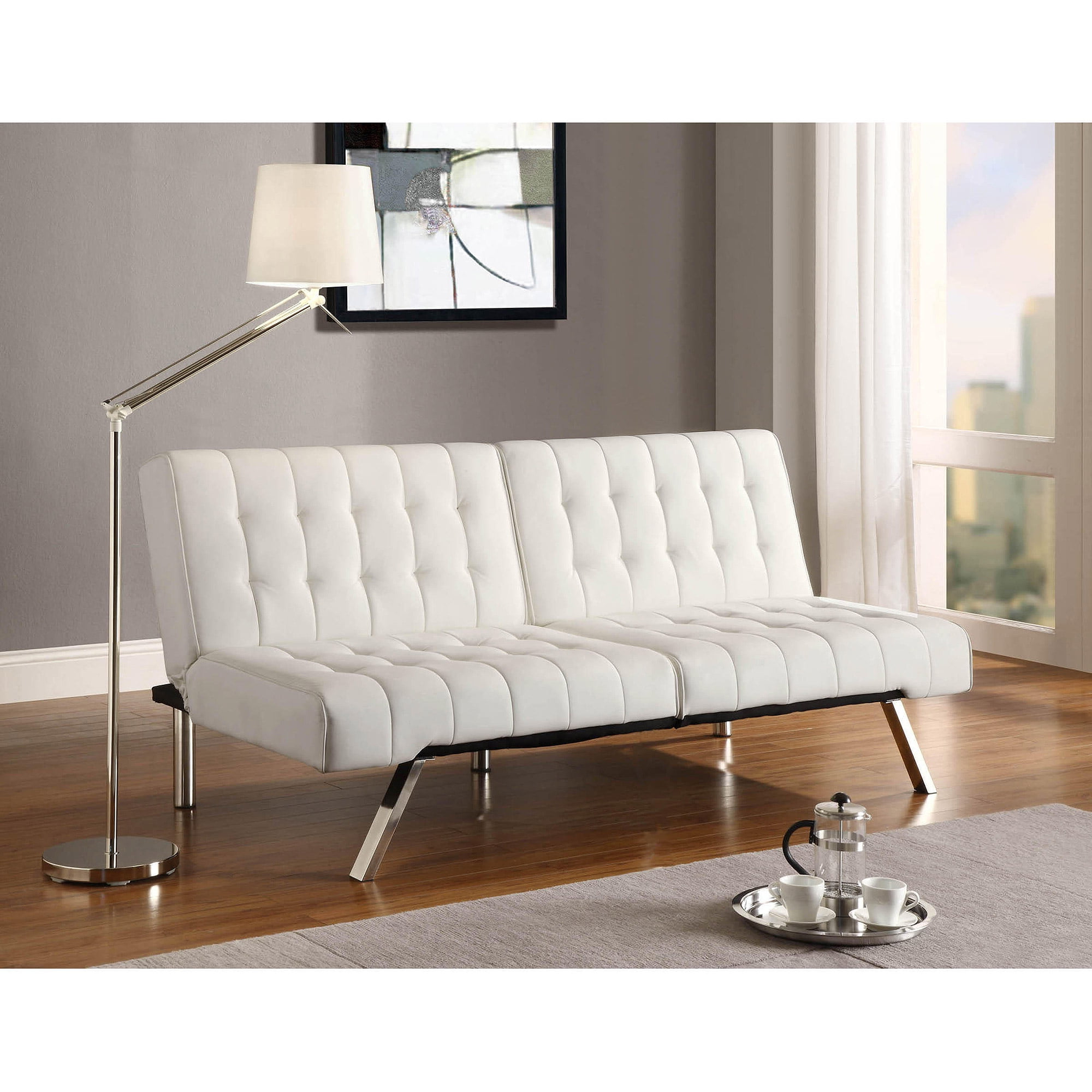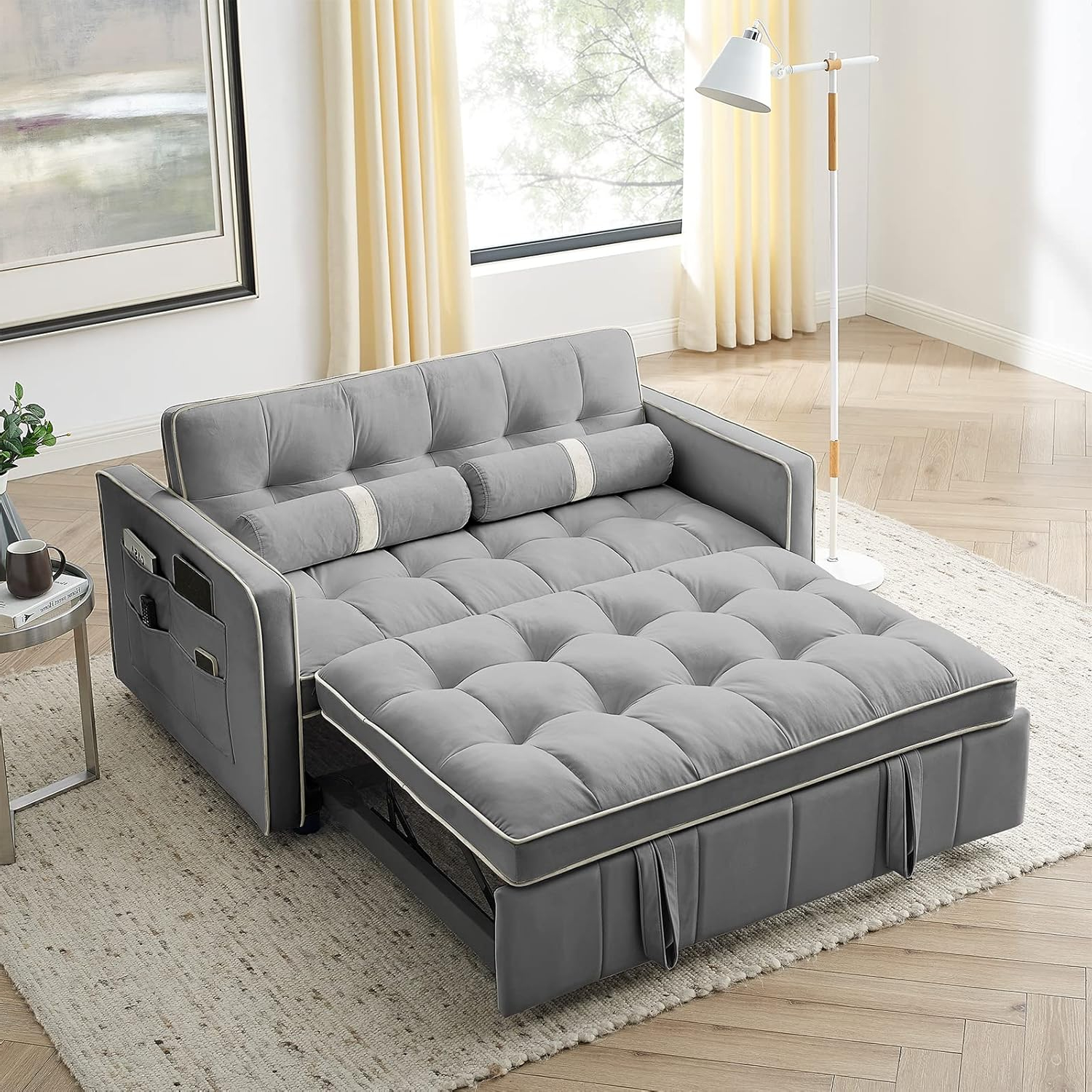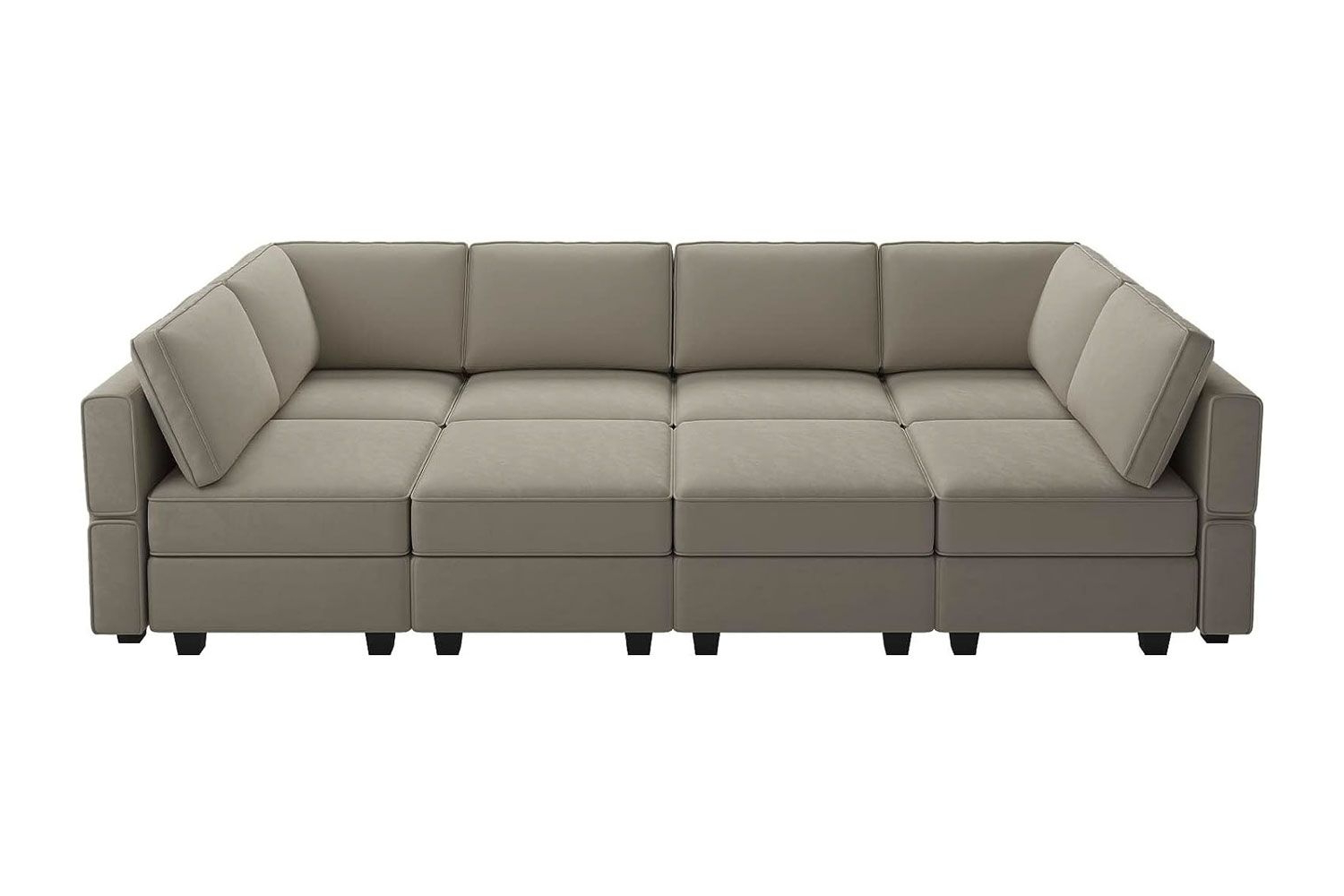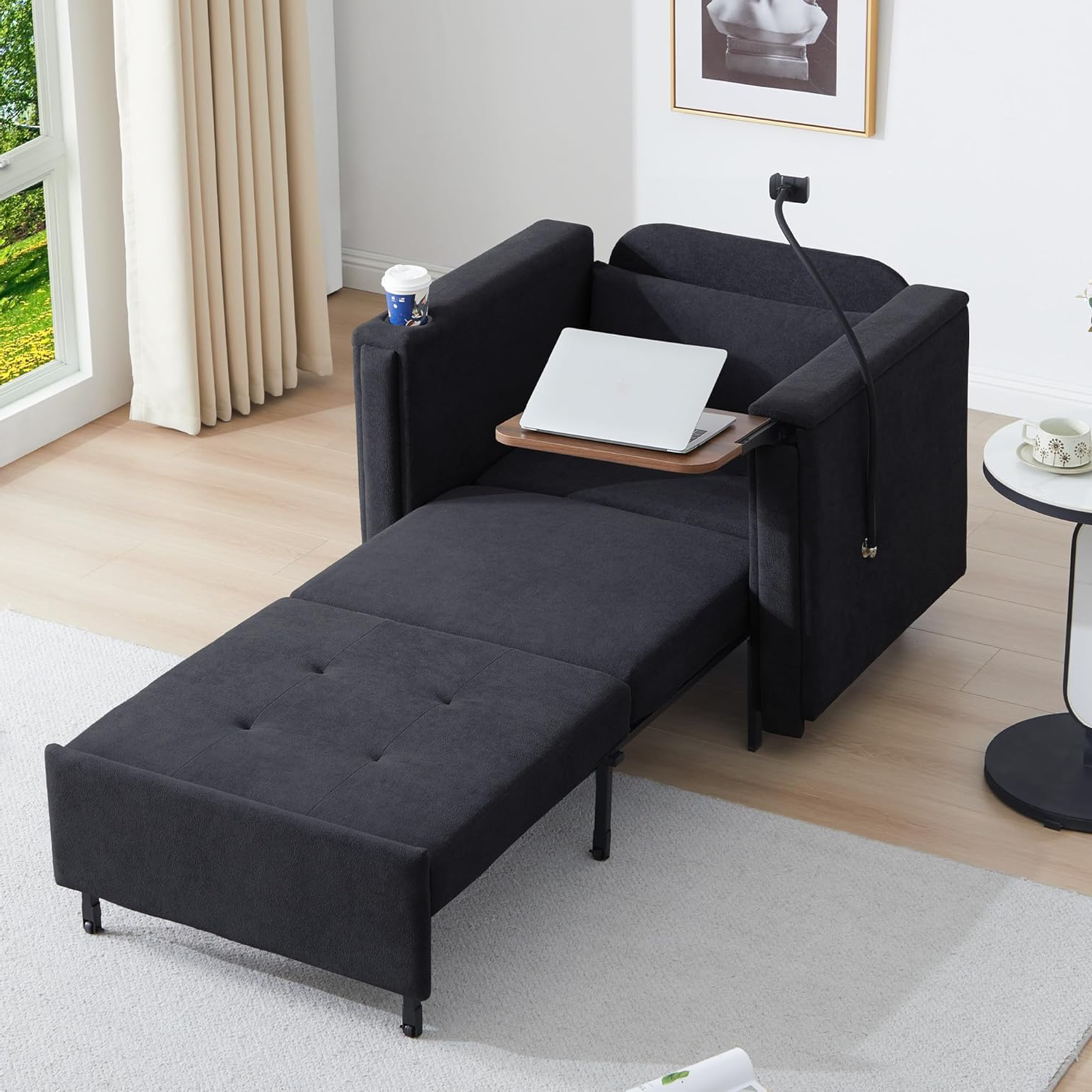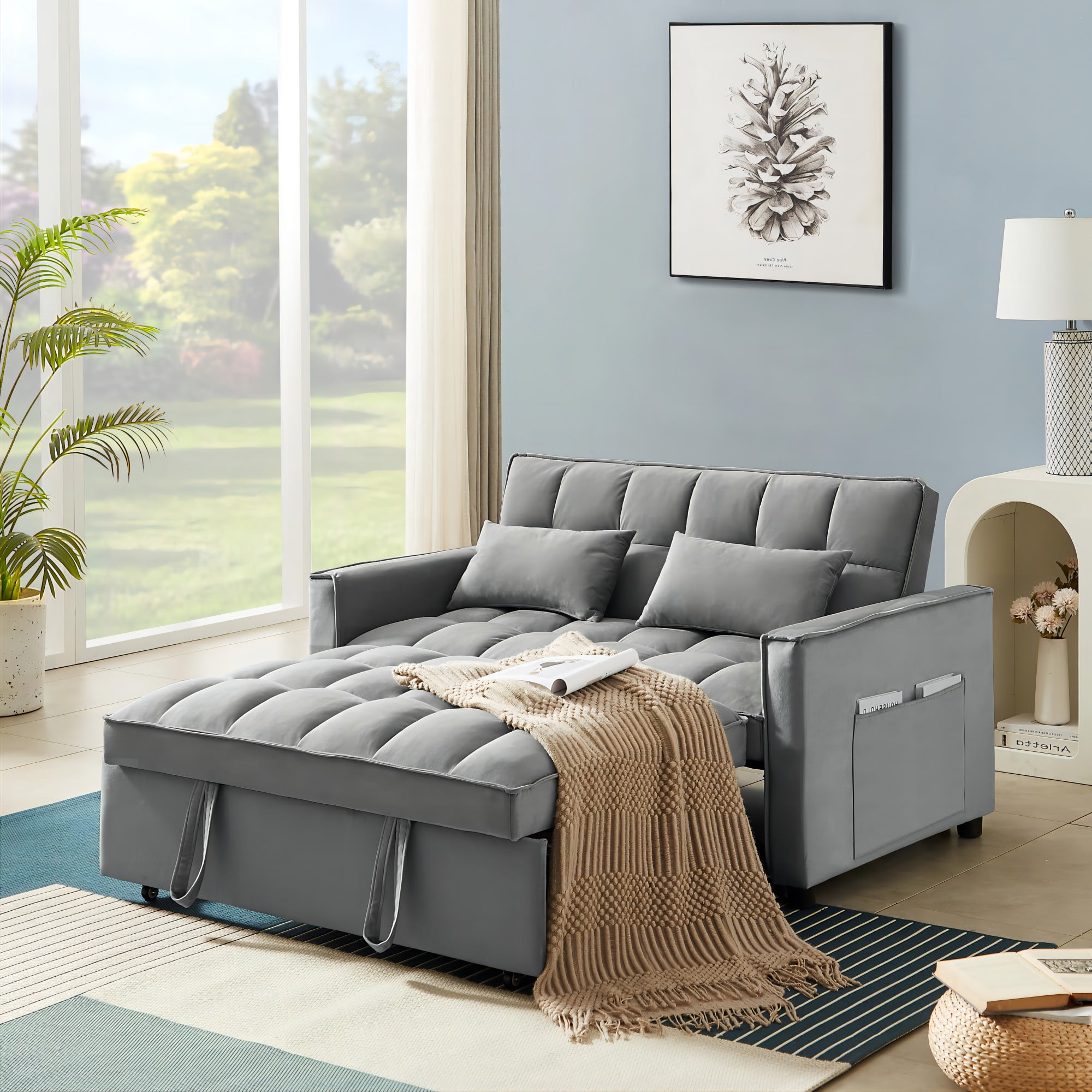
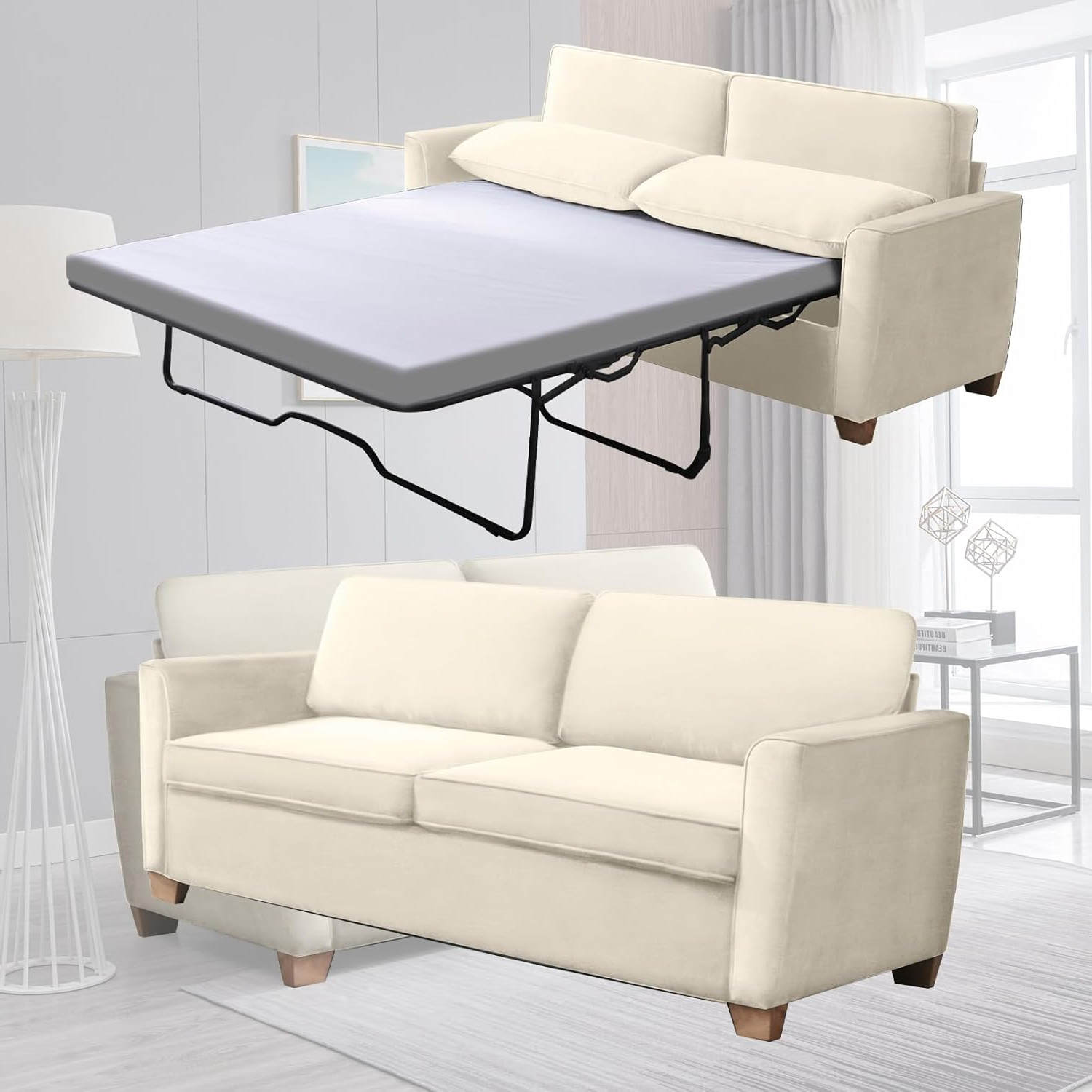
Who knew that transforming your living space could be so straightforward? When you’ve got a sleeper sofa sitting in your living room, the excitement of having extra sleeping space for guests can quickly turn into frustration when it comes to assembly. But what if we told you there are smart ways to make this process easier than ever before? It’s time to turn those daunting instructions into a manageable project.
Picture this: You’ve just bought yourself a new sleeper sofa, excited about the possibilities it brings. The dream of having a comfortable guest bed right in your living room seems so close. But then you look at the instruction manual and realize you’re about to embark on a journey that might feel like solving a puzzle without the pieces. Don’t worry, we’ve all been there. What if we could tell you that with some clever strategies, even the trickiest sleeper sofa can become your new best friend? These smart hacks will transform your assembly experience from headache to hassle-free.
Preparation is Key
Before you even think about pulling out those screws, proper preparation can save you hours of frustration. Start by clearing the area where you’ll be working. Make sure you have enough space to lay out all components and tools. This isn’t just about convenience – it’s about safety too. A cluttered workspace can lead to accidents and misplacement of parts. Think of it like setting up camp for a weekend adventure – you want everything within reach and organized. Check your manual thoroughly, and make sure you have all necessary tools before beginning. Some models require specific screwdrivers or wrenches that might not be standard household items. Having these ready means you won’t find yourself running to the hardware store mid-assembly. Consider laying out your pieces on a clean, flat surface like a large table or the floor. This way, you can see everything clearly and avoid any confusion about where parts belong.
Understanding Your Manual
Every sleeper sofa manual is different, but they often share common elements. Spend a few minutes understanding the layout before diving in. Look for diagrams showing how parts connect, and note any special instructions for your model. Some manuals include color-coding or numbered steps that make assembly much easier to follow. If you’re unsure about something, don’t skip it. It’s better to take a moment to understand than risk making a mistake that requires disassembly later. Many people rush through this step, thinking it’s unnecessary. But taking the time to read through the manual carefully can prevent costly errors. Sometimes, the manual will highlight which pieces go together first, or warn about potential pitfalls. These details matter more than you might think. If your manual is confusing, consider looking up video tutorials online. Visual guides often make complex steps clearer than text alone. Some manufacturers provide digital versions of their manuals that are searchable and easier to navigate.
Smart Tool Usage
Having the right tools makes all the difference in the world. While many sleeper sofas come with basic hardware, sometimes you need to supplement with common household items. A good quality adjustable wrench works wonders for tightening bolts that seem stubborn. For those tricky screws that won’t turn easily, try using a rubber glove or grip aid to get better leverage. Sometimes, a gentle tap with a hammer and wood block can help align parts that are slightly off. But be careful not to overdo it – you don’t want to damage the furniture. If you’re dealing with a particularly difficult bolt, a lubricant like WD-40 can help loosen rusted or stuck parts. Just remember to clean off any excess after assembly. Always keep your tools handy in a small container or pouch. This prevents losing small parts and keeps everything organized during the process. Having a helper can also make tool usage more efficient, especially when one person holds pieces while another tightens bolts.
Assembly Sequence Tips
Following the correct order can make or break your assembly success. Most sleeper sofas follow a logical progression: start with the frame, then move to the backrest, and finally add the mattress support system. This sequence helps build stability gradually, preventing pieces from falling or becoming misaligned. Some people try to put everything together at once, but that rarely works well. Take it step by step, and don’t rush. If you’re working alone, consider breaking the process into two sessions if it’s too big a job for one day. Sometimes, it’s helpful to set aside a few minutes each day to work on the sofa. This approach reduces stress and gives you time to think through problems that arise. Keep track of your progress by marking completed steps on your manual or using a checklist. This helps prevent confusion and ensures you don’t miss anything important. Also, pay attention to weight limits and structural requirements mentioned in the manual. Proper assembly ensures your sleeper sofa will function correctly and safely for years to come.
Common Assembly Mistakes to Avoid
Even experienced DIYers can fall into traps that cause unnecessary complications. One of the most frequent issues is overtightening bolts. This might seem like a good idea to ensure everything stays secure, but it can actually damage the furniture or make future adjustments impossible. Another common mistake is ignoring the alignment of pieces. When parts aren’t properly aligned, it creates stress on joints and can lead to instability. Many people also forget to double-check that all screws are fully tightened. A loose screw might seem insignificant, but it can cause creaking noises or wobbling over time. Don’t assume that all pieces are identical – some may have specific orientations or features that are easy to overlook. Also, be careful not to apply too much force when connecting parts. This can bend metal frames or crack wooden components. Finally, always refer back to your manual if you’re unsure about any step. Trust the manufacturer’s guidance – they know their products best.
Final Touches and Troubleshooting
Once you’ve completed the main assembly, it’s time to fine-tune everything. Check that all hinges operate smoothly and that the mattress support moves freely. Test the sleeper mechanism several times to ensure it functions correctly. If something feels stiff or doesn’t move as expected, don’t ignore it. Address these issues now rather than waiting for later problems. Sometimes, a quick adjustment or lubrication fixes minor issues. If your sleeper sofa still feels unstable, check that all bolts are properly tightened and that no pieces are loose. A few extra minutes spent on final checks can save you from future headaches. If you encounter persistent problems, don’t hesitate to contact the manufacturer’s customer service. They often have solutions for specific model issues. Consider keeping a small toolkit in your home for future maintenance or adjustments. This investment pays off when you need to make minor tweaks or repairs down the road. Remember, a well-assembled sleeper sofa should feel solid and operate smoothly.
Assembling your sleeper sofa doesn’t have to be a nightmare scenario. With these smart approaches, you’ll find yourself confidently tackling furniture projects that once seemed intimidating. The key lies in preparation, patience, and following proven methods. You’ve learned that understanding your manual, using appropriate tools, and avoiding common pitfalls can transform a frustrating experience into a satisfying accomplishment. Now, instead of dreading the assembly process, you can look forward to enjoying your new sleeper sofa sooner. Whether you’re a seasoned DIYer or someone who prefers to stick with simpler projects, these strategies offer practical benefits for everyone. The satisfaction of successfully completing your sleeper sofa assembly is worth every minute invested in learning these techniques. So next time you bring home a new sleeper sofa, remember these tips and approach the task with confidence. You’ll be amazed at how much easier the whole process becomes when you’re armed with the right knowledge and mindset.
[sps_html tag=”img” src=”https://roofdrivein.com/wp-content/uploads/2026/01/59-white-orange-sleeper-sofa-convertible-sofa-leath-aire-upholstery-with-regard-to-making-the-most-of-your-sleeper-sofa-easy-to-assemble-with-these-smart-hacks.jpg” alt=”59" White & Orange Sleeper Sofa Convertible Sofa Leath-Aire Upholstery … with regard to Making the most of your sleeper sofa easy to assemble with these smart hacks” style=”width: 100%; height: auto;”]
[sps_html tag=”img” src=”https://roofdrivein.com/wp-content/uploads/2026/01/diy-sofa-bed-with-storage-you-throughout-making-the-most-of-your-sleeper-sofa-easy-to-assemble-with-these-smart-hacks.jpg” alt=”Diy Sofa Bed With Storage You throughout Making the most of your sleeper sofa easy to assemble with these smart hacks” style=”width: 100%; height: auto;”]
[sps_html tag=”img” src=”https://roofdrivein.com/wp-content/uploads/2026/01/amazon-com-3-in-1-sleeper-sofa-couch-bed-small-tufted-velvet-inside-sleeper-sofa-easy-to-assemble.jpg” alt=”Amazon.com: 3 In 1 Sleeper Sofa Couch Bed, Small Tufted Velvet … inside Sleeper Sofa Easy To Assemble” style=”width: 100%; height: auto;”]
[sps_html tag=”img” src=”https://roofdrivein.com/wp-content/uploads/2026/01/amazon-com-hansones-3-in-1-convertible-sleeper-sofa-bed-pullout-couch-within-sleeper-sofa-easy-to-assemble.jpg” alt=”Amazon.com: Hansones 3-In-1 Convertible Sleeper Sofa Bed, Pullout Couch … within Sleeper Sofa Easy To Assemble” style=”width: 100%; height: auto;”]
[sps_html tag=”img” src=”https://roofdrivein.com/wp-content/uploads/2026/01/amazon-com-zafly-70-pull-out-sofa-bed-convertible-sleeper-sofa-with-regarding-sleeper-sofa-easy-to-assemble.jpg” alt=”Amazon.com: Zafly 70" Pull Out Sofa Bed, Convertible Sleeper Sofa With … regarding Sleeper Sofa Easy To Assemble” style=”width: 100%; height: auto;”]