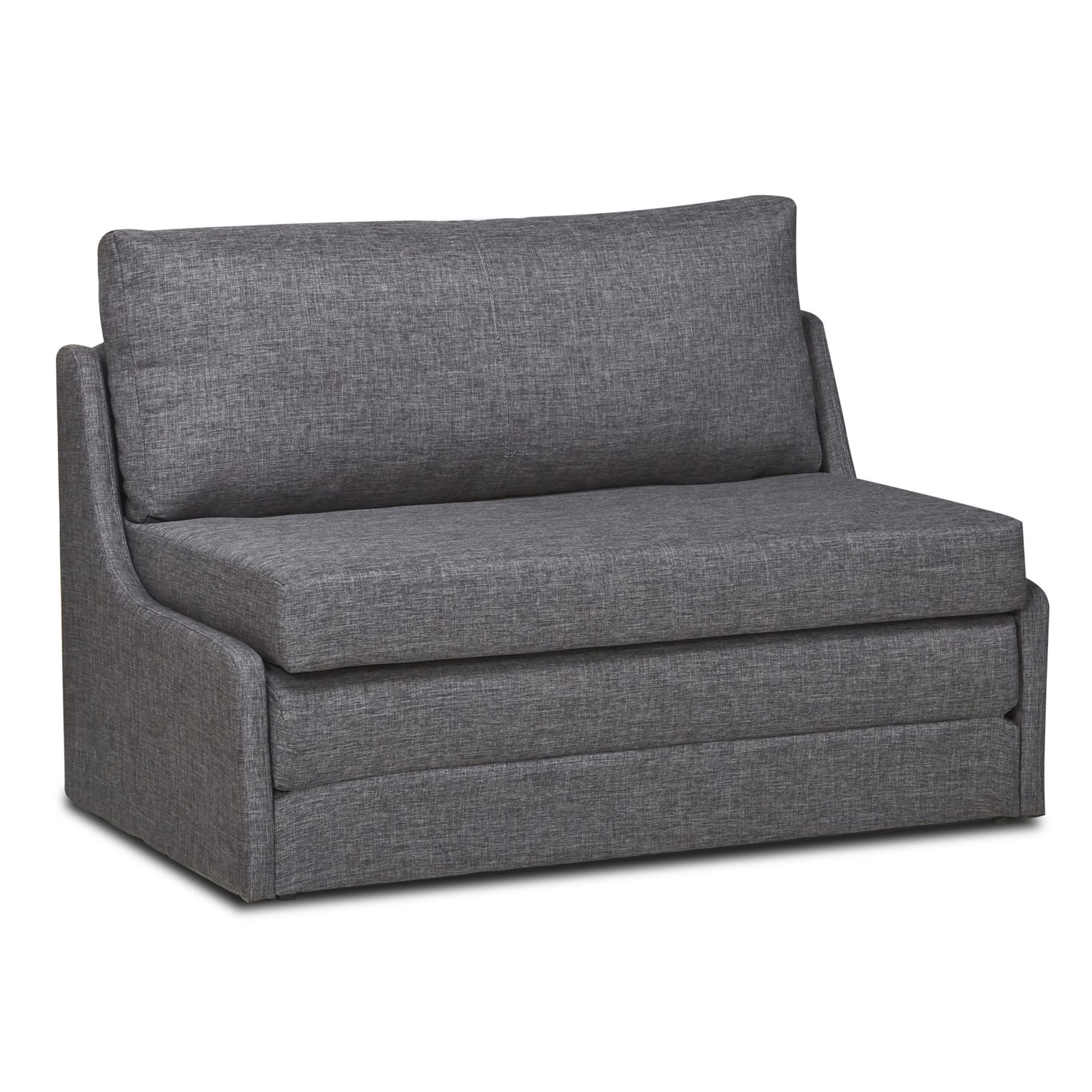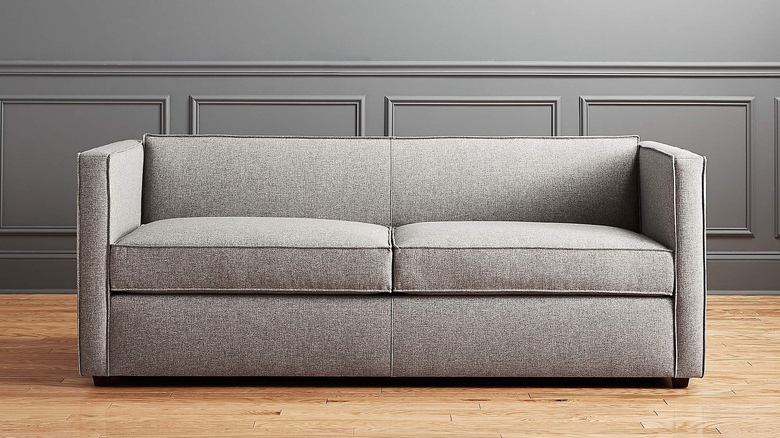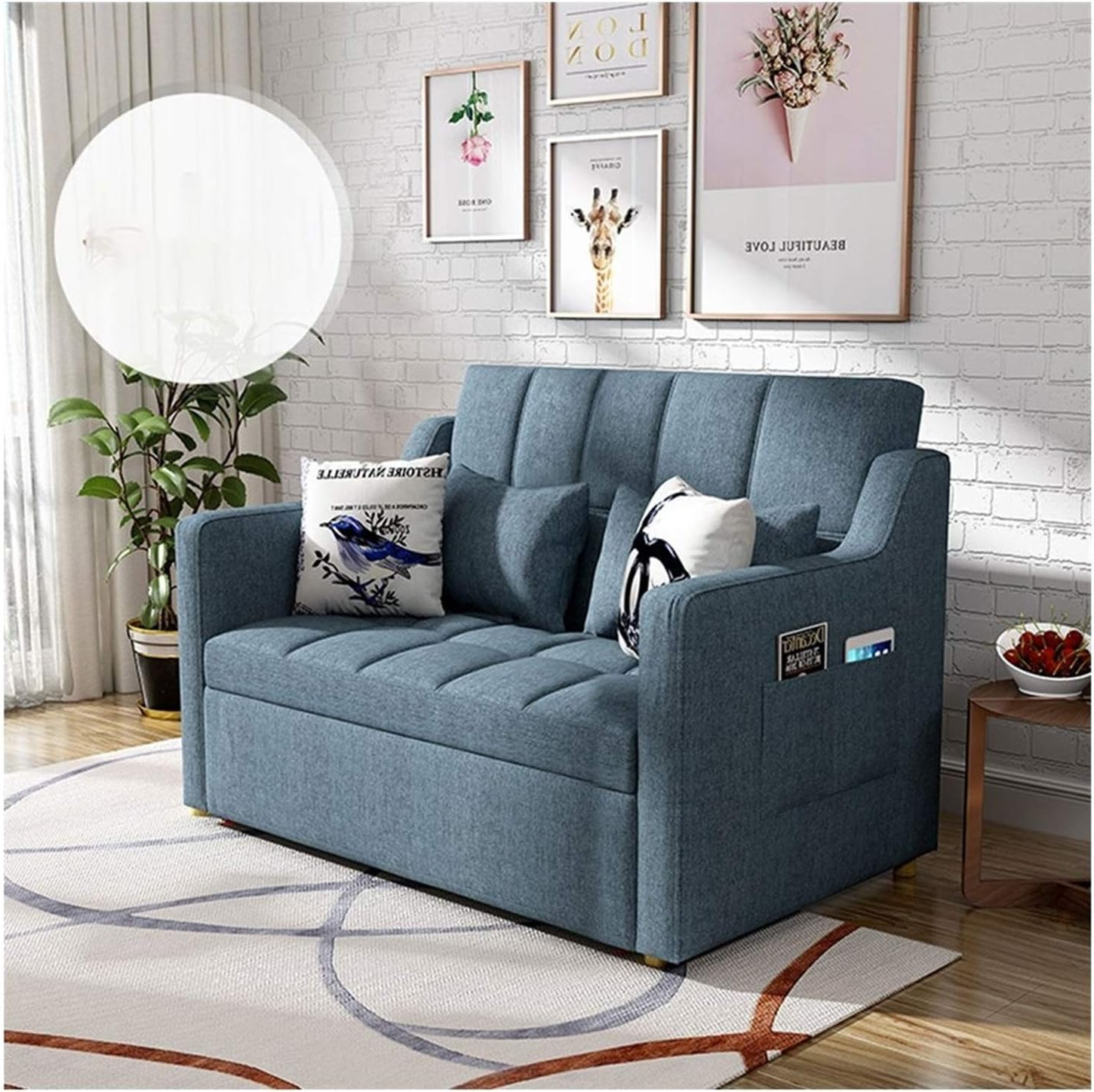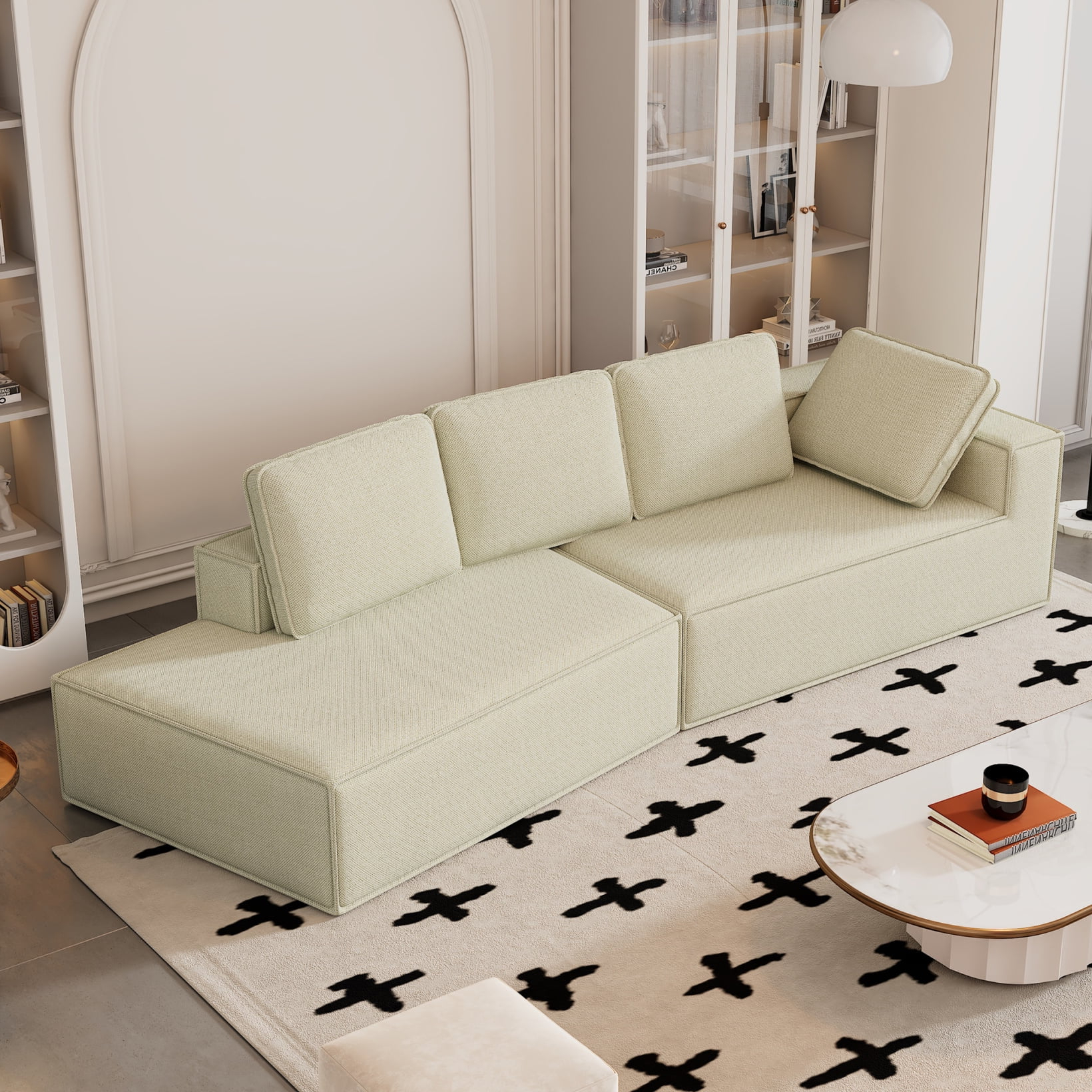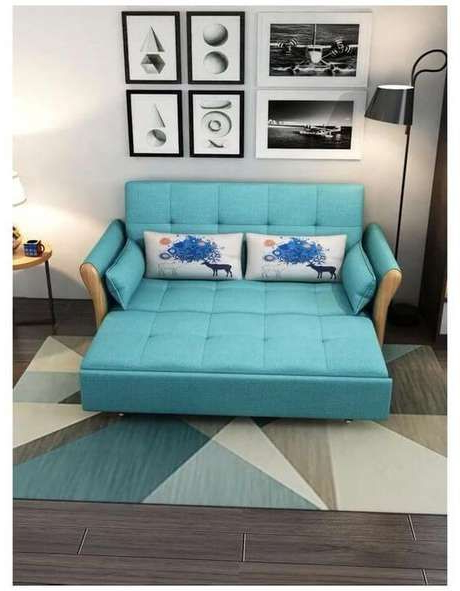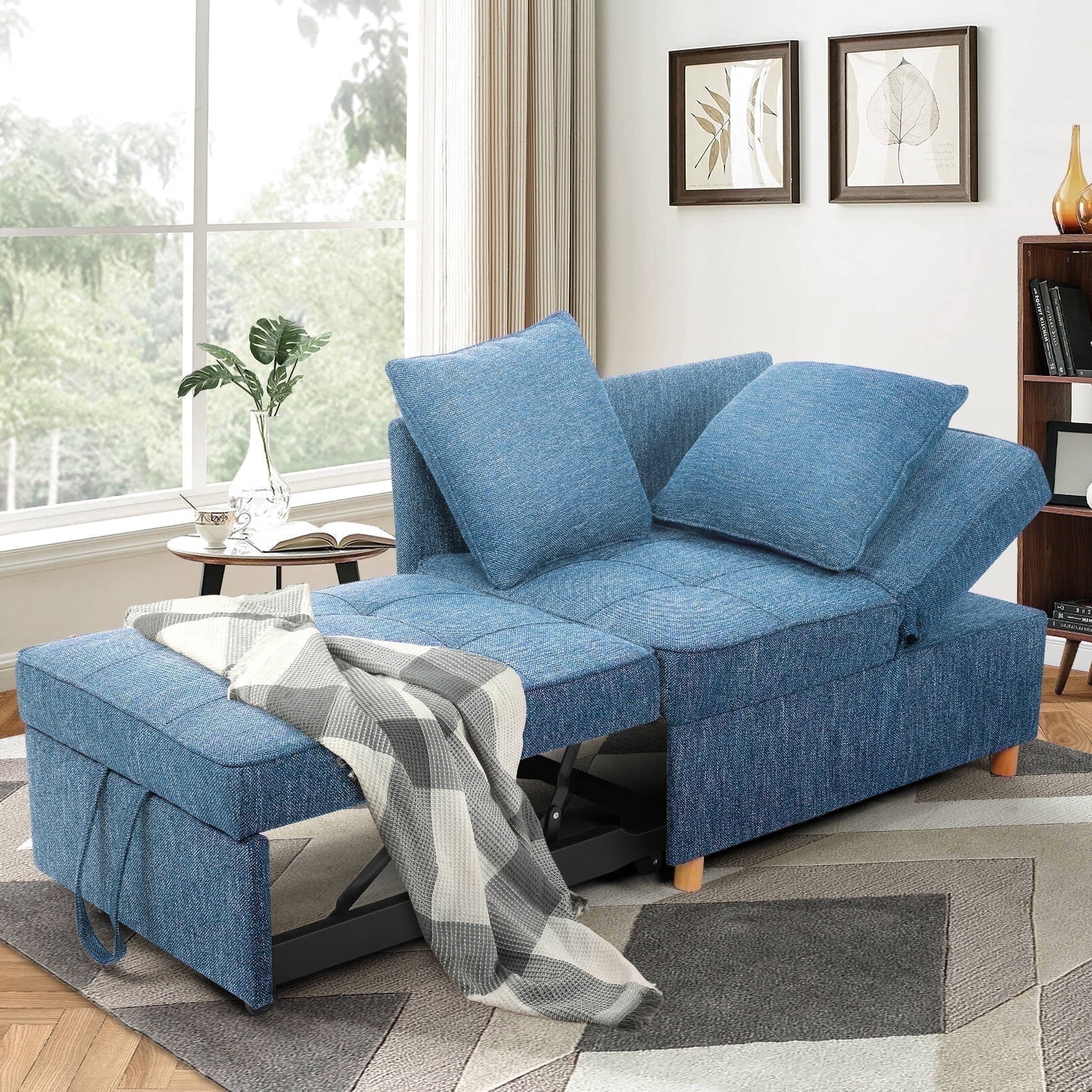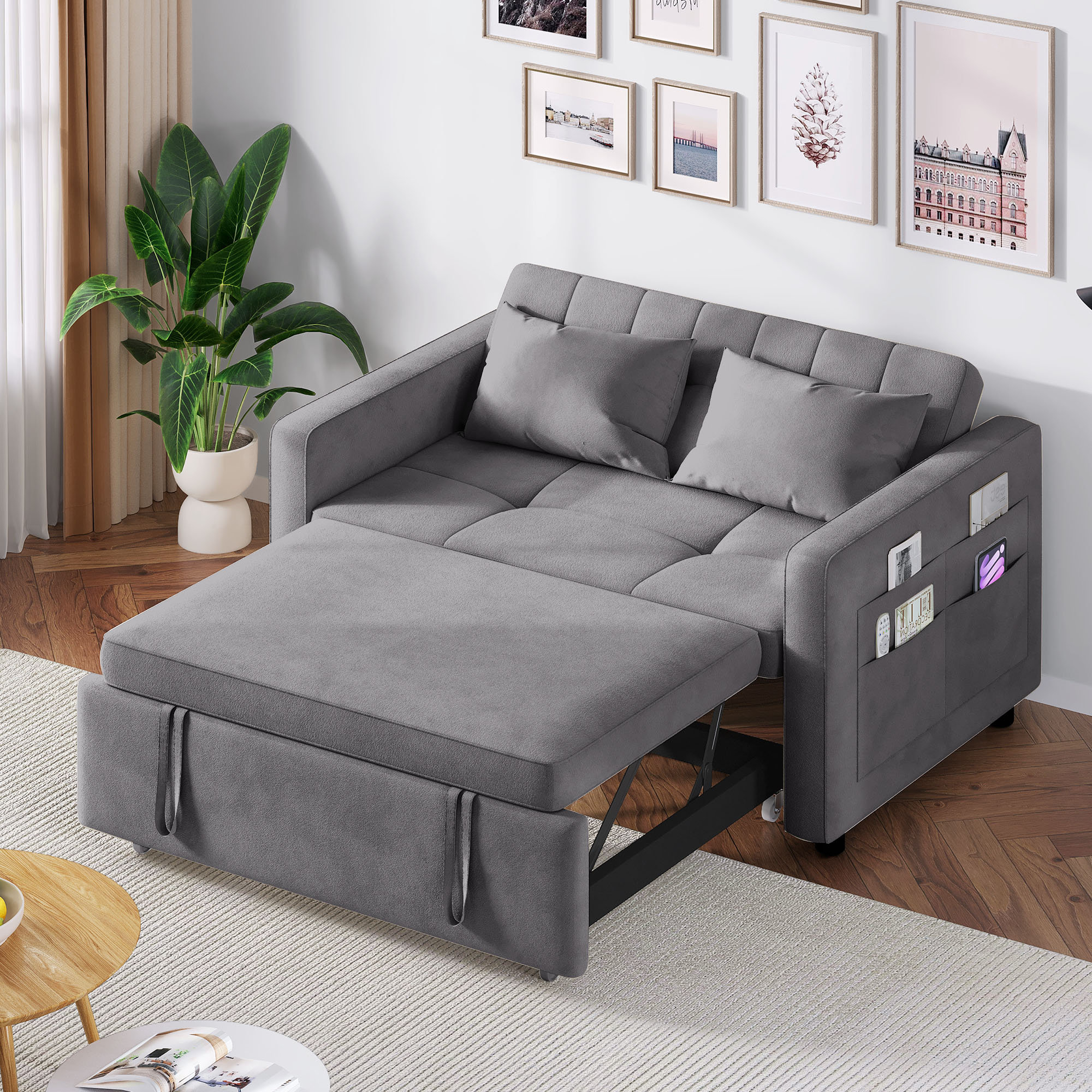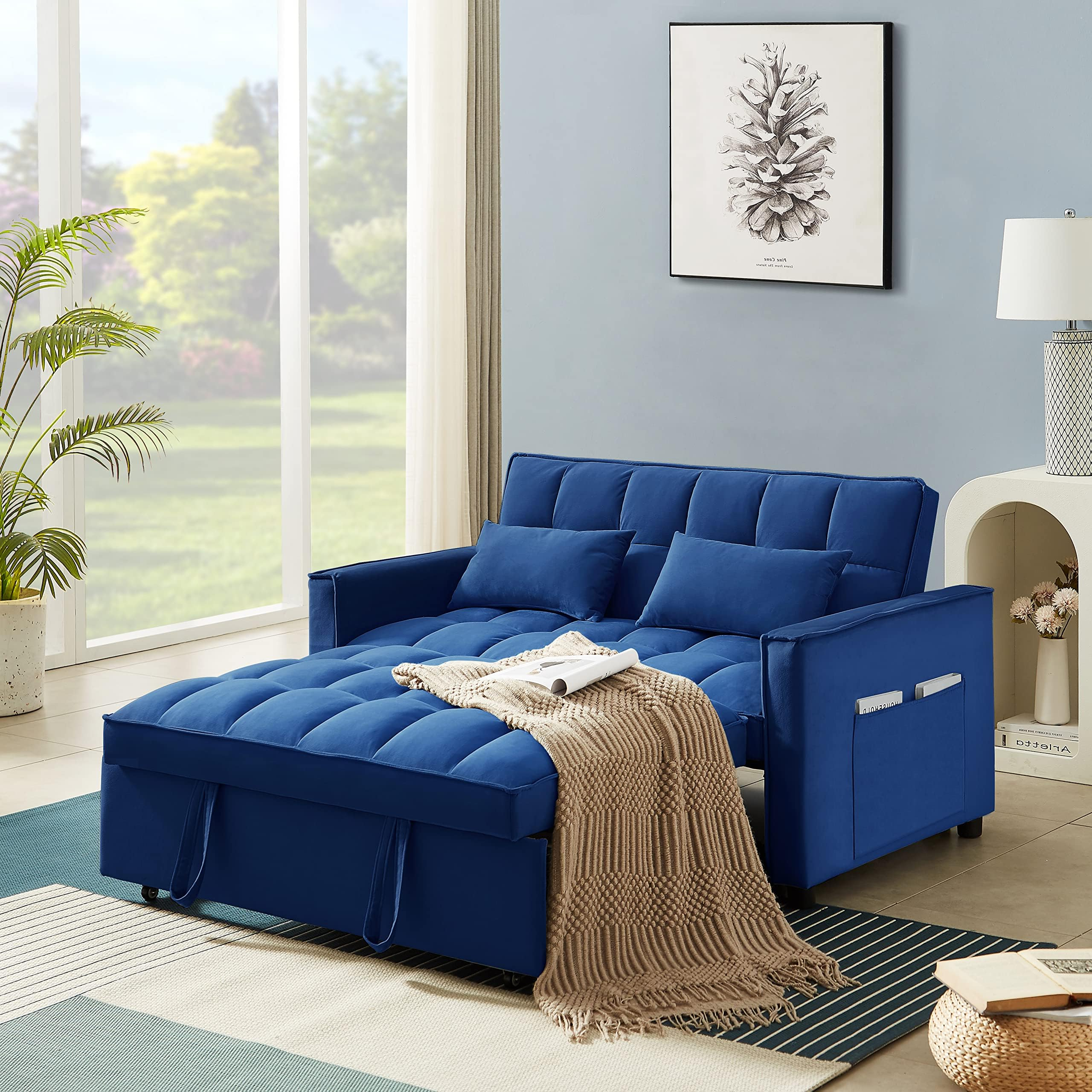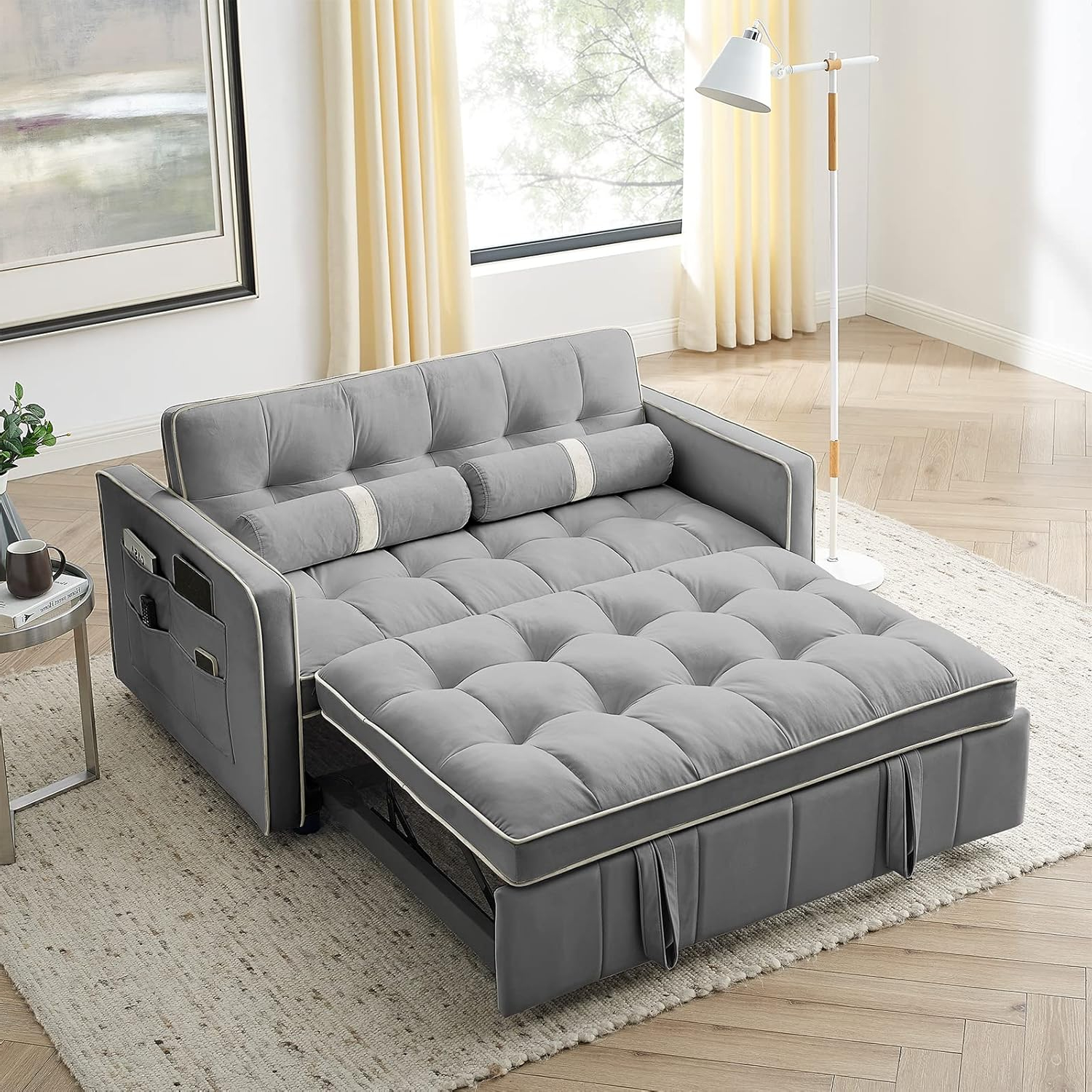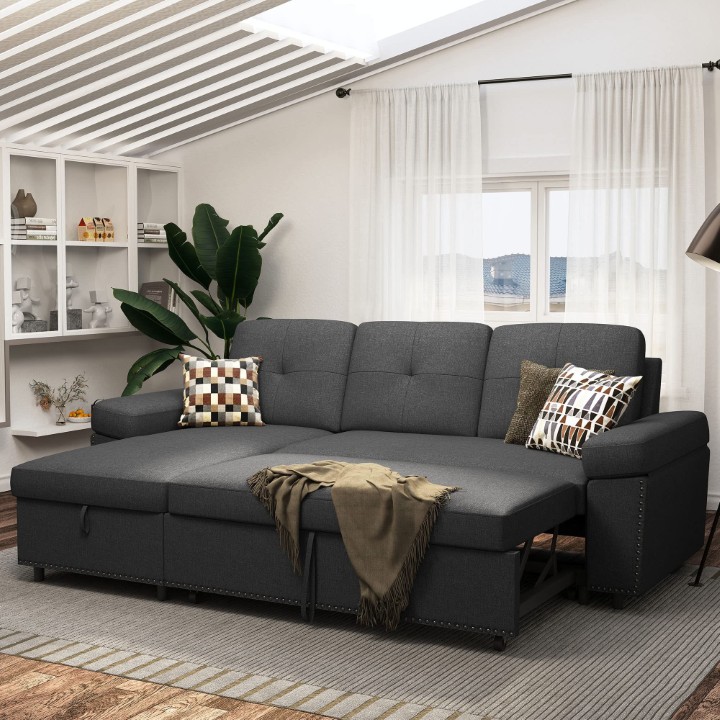
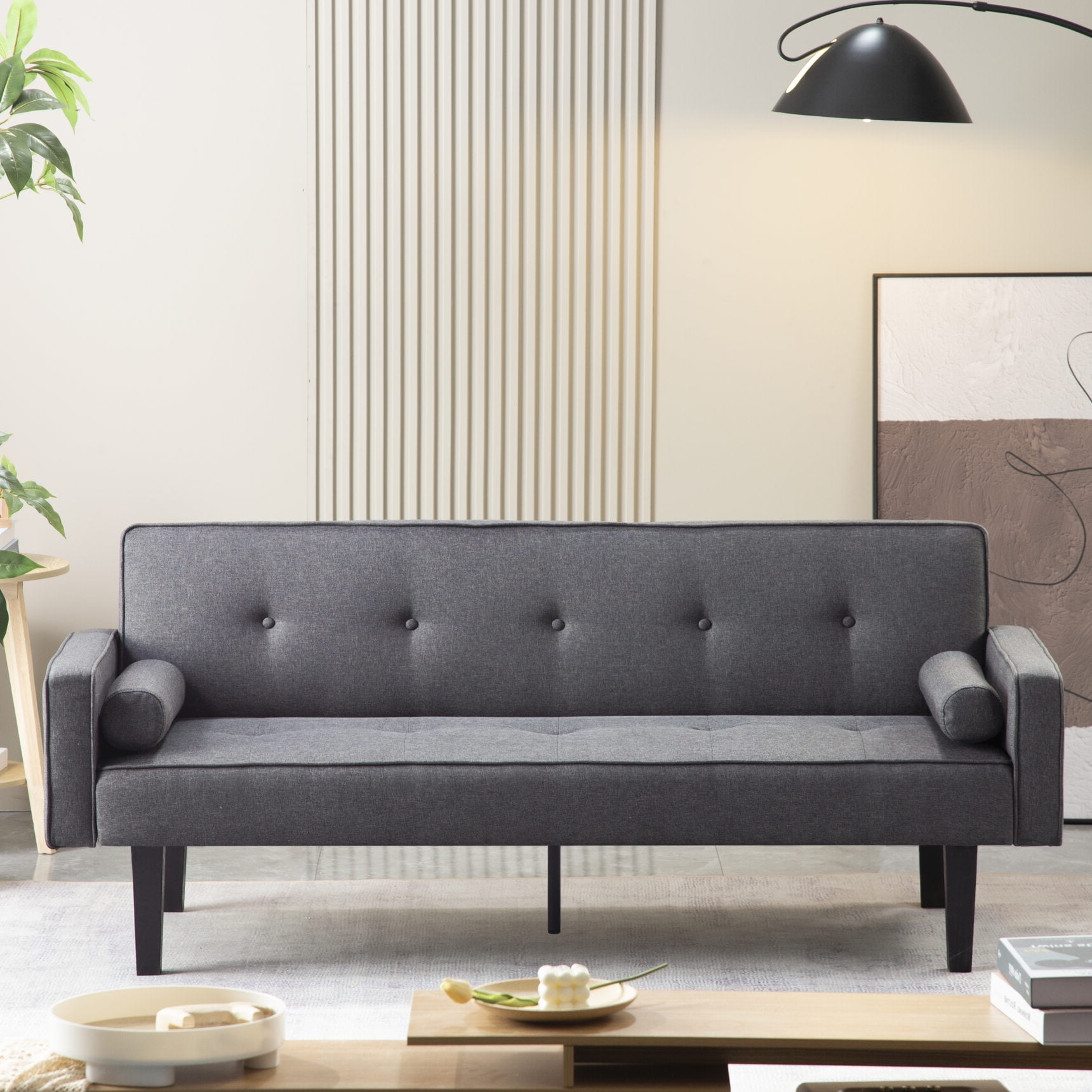
Have you ever wondered how those seemingly ordinary couches transform into comfortable beds overnight? The secret lies in their clever mechanical design. These ingenious pieces of furniture have been revolutionizing small spaces and guest rooms for decades. What makes them so special isn’t just their dual purpose, but how they manage to do it so seamlessly.
Sleeper sofas are more than just couches that double as beds. They represent a thoughtful marriage between comfort and space-saving ingenuity. Whether you’re furnishing a studio apartment, hosting guests regularly, or simply want a versatile seating solution, understanding how these amazing pieces function can help you make better choices. These aren’t just furniture items – they’re lifestyle solutions that have transformed how we think about home organization and comfort. The mechanics behind their operation might seem simple, but there’s actually quite a bit of engineering involved.
How Sleeper Sofas Work
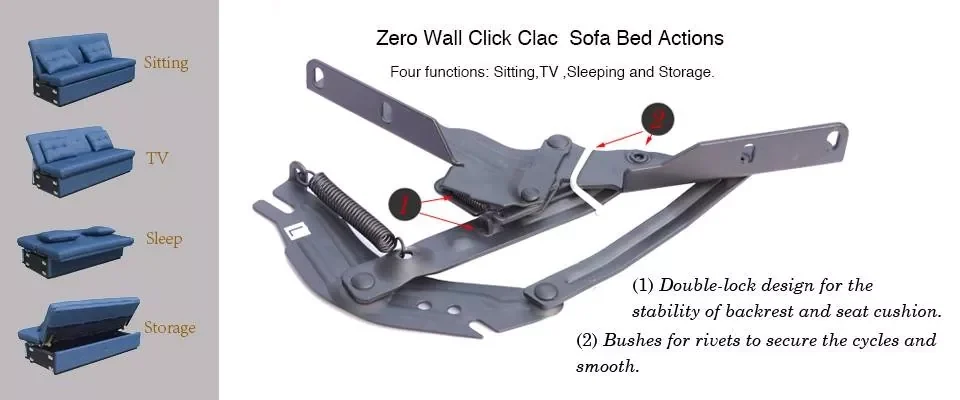
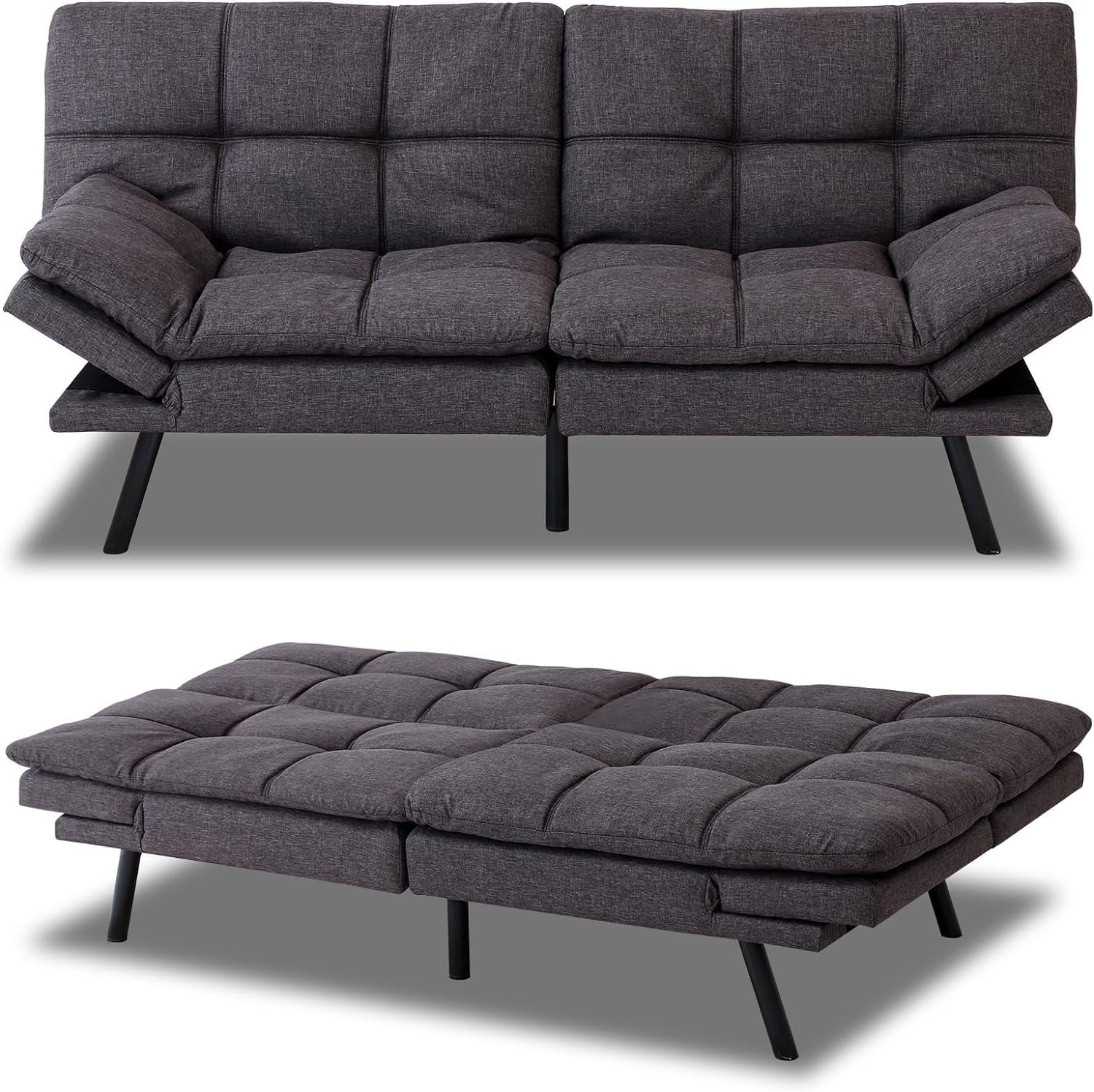
At their core, sleeper sofas operate through a series of carefully designed mechanical components. The basic principle involves a hidden mechanism that allows the seat cushion to fold down, revealing a sleeping surface underneath. Think of it like a cleverly disguised storage compartment that opens up when needed. Most modern designs use either spring mechanisms or hydraulic systems to make this transition smooth and effortless. When you pull or lift the seat, these internal components work together to create a flat sleeping area. The key is in the engineering – every part has to work in harmony for the transformation to happen properly.
Different Types of Mechanisms
There are several ways manufacturers achieve that seamless transformation:
• Spring-based systems – These use coiled springs to support the weight of the sleeper and provide a comfortable sleeping surface. They tend to be more affordable and simpler to maintain.
• Hydraulic systems – These offer smoother operation and often feel more premium. They’re commonly found in higher-end models and require less physical effort to operate.
• Pneumatic mechanisms – Similar to hydraulic but using air pressure instead of fluid. They’re less common but provide excellent performance.
• Manual lever systems – Some budget-friendly options rely on manual levers or handles to control the folding action. While functional, they may require more effort to operate.
Key Components You Should Know About
Every sleeper sofa contains several essential elements that make its functionality possible:
• The frame – This is the backbone of the entire system, providing structural integrity for both sitting and sleeping modes.
• The mattress support system – Often overlooked, this component ensures the sleeping surface remains flat and comfortable.
• The folding mechanism – This is what transforms your couch into a bed, typically located beneath the seat cushion.
• The safety features – Many modern versions include locks and stabilizers to prevent accidental collapse during use.
• The upholstery – While not directly related to function, the covering material affects both comfort and durability of the overall piece.
Size and Space Considerations
One of the biggest advantages of sleeper sofas is their ability to maximize space. But there are important things to consider:
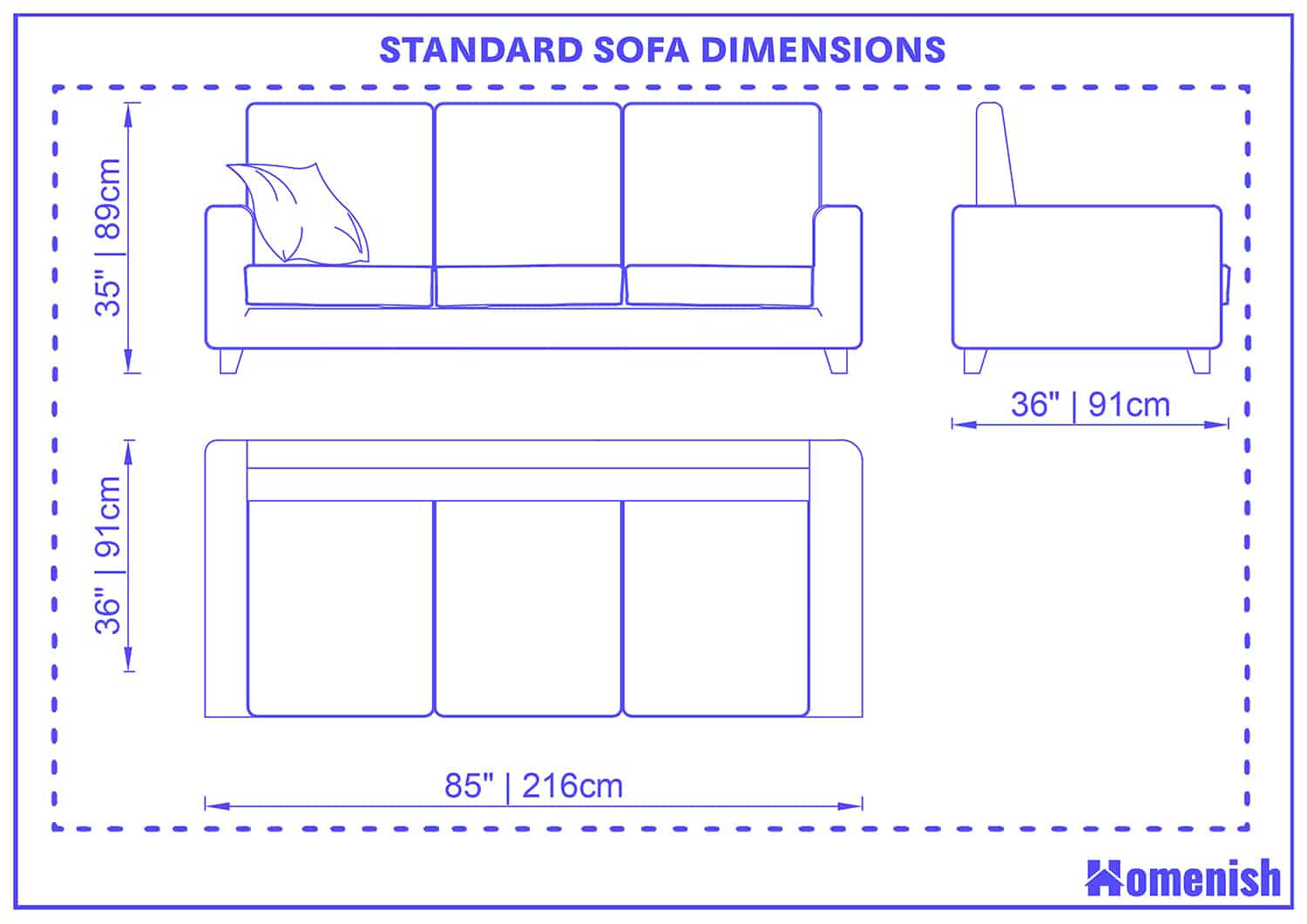
• Room dimensions matter – A standard full-size sleeper sofa measures around 75-80 inches wide and 35-40 inches deep. That’s roughly the size of a twin bed, but with the added benefit of being a regular sofa when folded up.
• Clearance requirements – You’ll need enough room to open the sofa fully, usually requiring at least 2 feet of clearance on each side.
• Weight capacity – Most sleeper sofas can support 300-400 pounds per person, though some high-end models exceed this.
• Storage implications – Consider how the folded-up version will fit in your space when not in use.
Maintenance and Longevity Tips
Like any piece of furniture, sleeper sofas require proper care to maintain their functionality over time:
• Regular cleaning – Vacuum the crevices where dust accumulates, especially around the folding mechanism.
• Lubrication – Some mechanisms benefit from periodic lubrication to keep moving parts smooth.
• Check hardware – Inspect bolts, screws, and hinges periodically for signs of wear or loosening.
• Avoid overuse – Frequent folding and unfolding can wear out the mechanism faster than normal use.
• Professional maintenance – For complex issues, it’s worth investing in professional servicing rather than attempting repairs yourself.
Choosing the Right Sleeper Sofa for Your Needs
Selecting the perfect sleeper sofa depends on several factors:
• Usage frequency – If you host guests regularly, prioritize durability and ease of operation. For occasional use, you might opt for a more budget-friendly option.
• Available space – Measure your room carefully before purchasing. Remember that the unfolded version will take up significant floor space.
• Budget considerations – Prices range widely, from $300 for basic models to $2000+ for premium options with advanced features.
• Style preferences – Modern designs often feature sleek lines, while traditional styles may include ornate details.
• Comfort expectations – Test the sleeping surface before buying, as some models feel more like a couch than a true bed.
Sleeper sofas represent more than just furniture – they embody smart design thinking that addresses real-world challenges. Whether you’re looking to optimize a small living space, entertain guests frequently, or simply want flexible seating, understanding how these mechanisms work gives you the confidence to make informed decisions. The technology behind them continues to evolve, making these pieces even more reliable and user-friendly. So next time you see one of these versatile pieces, remember that there’s a whole engineering world hidden beneath the surface. It’s not just about having a couch that turns into a bed – it’s about creating smarter, more efficient living spaces for modern life.
[sps_html tag=”img” src=”https://roofdrivein.com/wp-content/uploads/2026/01/convertible-futon-sofa-bed-with-solid-wood-legs-modern-simple-velvet-pertaining-to-simple-sleeper-sofa.jpeg” alt=”Convertible Futon Sofa Bed With Solid Wood Legs, Modern Simple Velvet … pertaining to Simple Sleeper Sofa” style=”width: 100%; height: auto;”]
[sps_html tag=”img” src=”https://roofdrivein.com/wp-content/uploads/2026/01/amazon-com-wfyw-futon-sofa-bed-convertible-sleeper-couch-daybed-for-simple-sleeper-sofa.jpg” alt=”Amazon.com: Wfyw Futon Sofa Bed, Convertible Sleeper Couch Daybed … for Simple Sleeper Sofa” style=”width: 100%; height: auto;”]
[sps_html tag=”img” src=”https://roofdrivein.com/wp-content/uploads/2026/01/125-modern-chenille-sleeper-sofa-with-removable-pillows-chaise-lounge-for-simple-sleeper-sofa.jpeg” alt=”125" Modern Chenille Sleeper Sofa With Removable Pillows, Chaise Lounge … for Simple Sleeper Sofa” style=”width: 100%; height: auto;”]
[sps_html tag=”img” src=”https://roofdrivein.com/wp-content/uploads/2026/01/the-best-sleeper-sofas-for-small-spaces-apartment-therapy-intended-for-simple-sleeper-sofa-scaled.jpg” alt=”The Best Sleeper Sofas For Small Spaces | Apartment Therapy intended for Simple Sleeper Sofa” style=”width: 100%; height: auto;”]
[sps_html tag=”img” src=”https://roofdrivein.com/wp-content/uploads/2026/01/the-5-best-sleeper-sofas-for-your-small-living-room-inside-everything-you-need-to-know-about-simple-sleeper-sofa-functionality.jpg” alt=”The 5 Best Sleeper Sofas For Your Small Living Room inside Everything You Need to Know About Simple Sleeper Sofa Functionality” style=”width: 100%; height: auto;”]