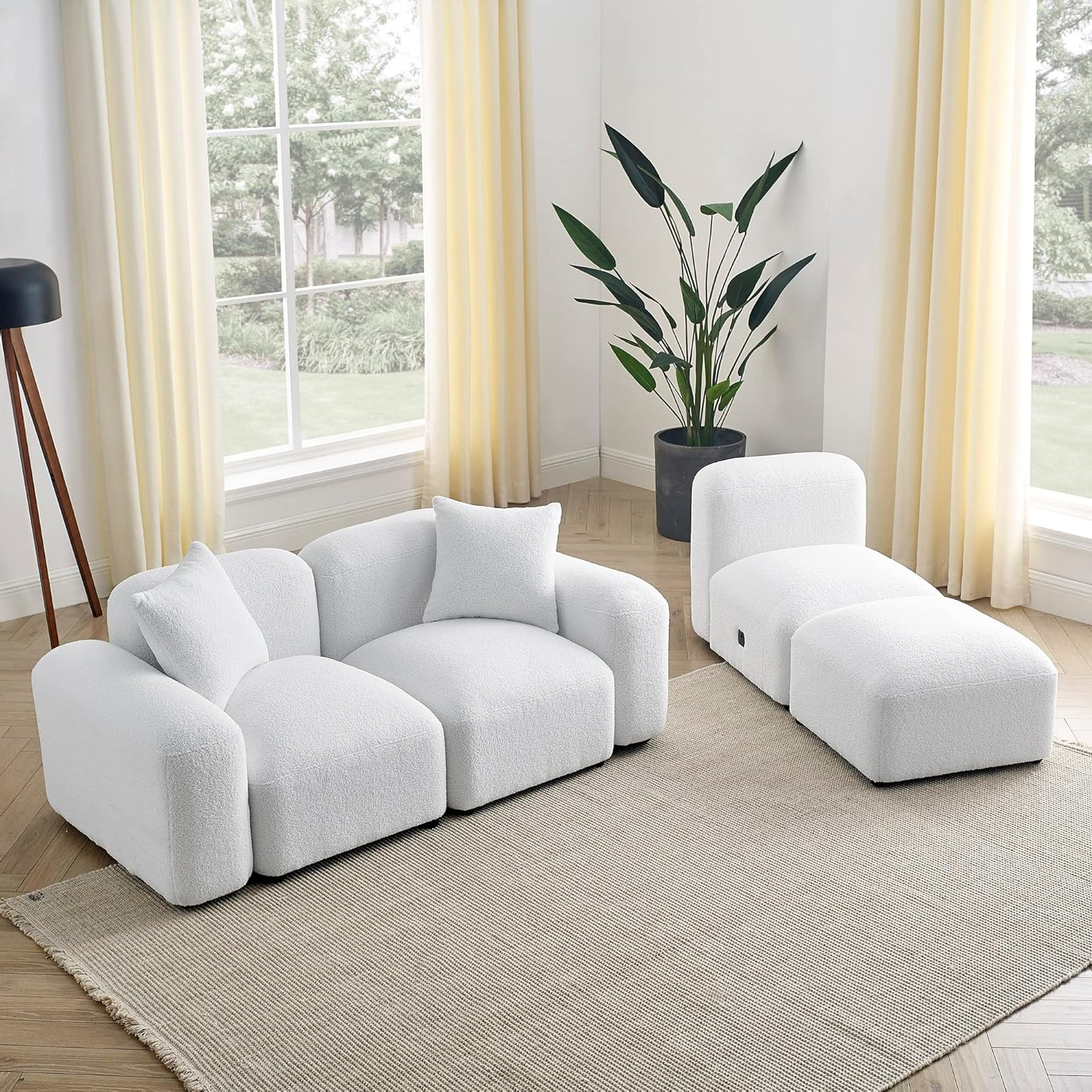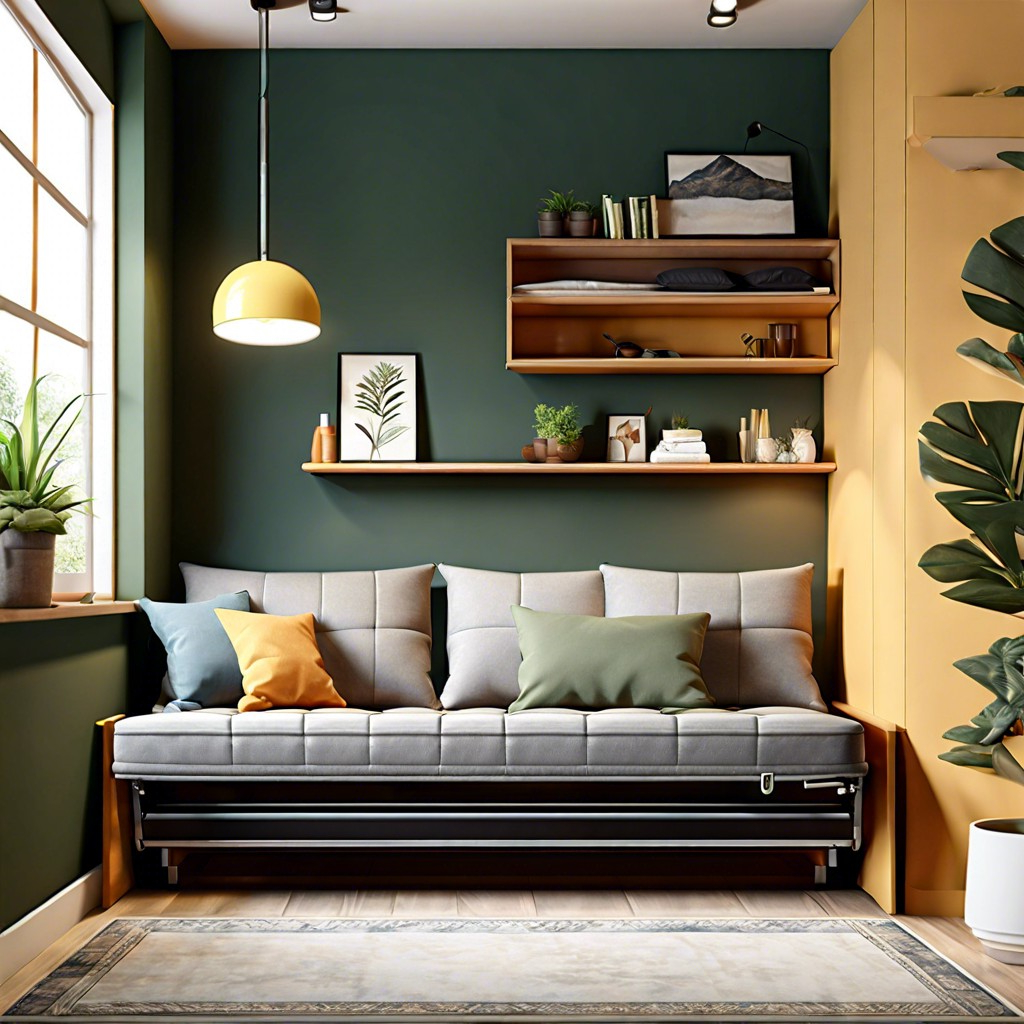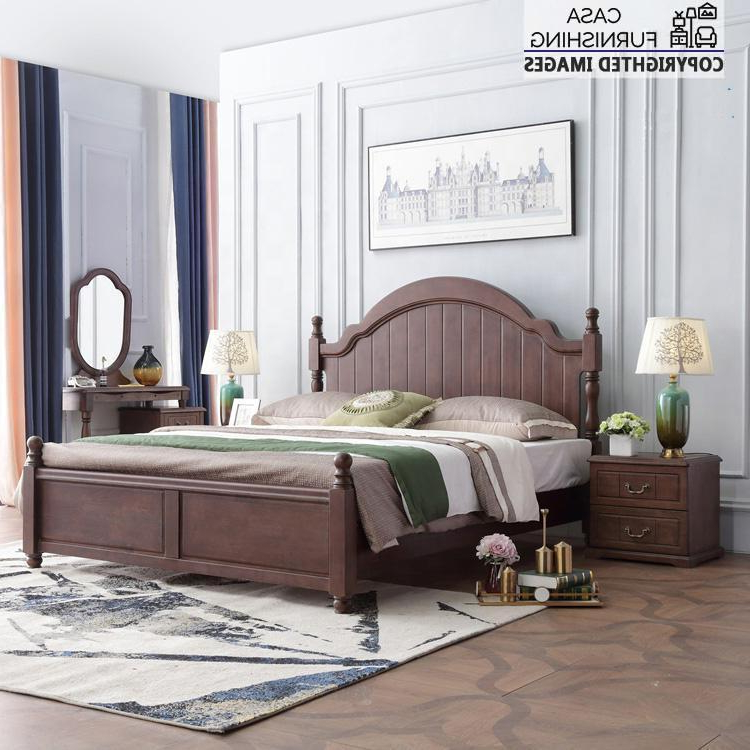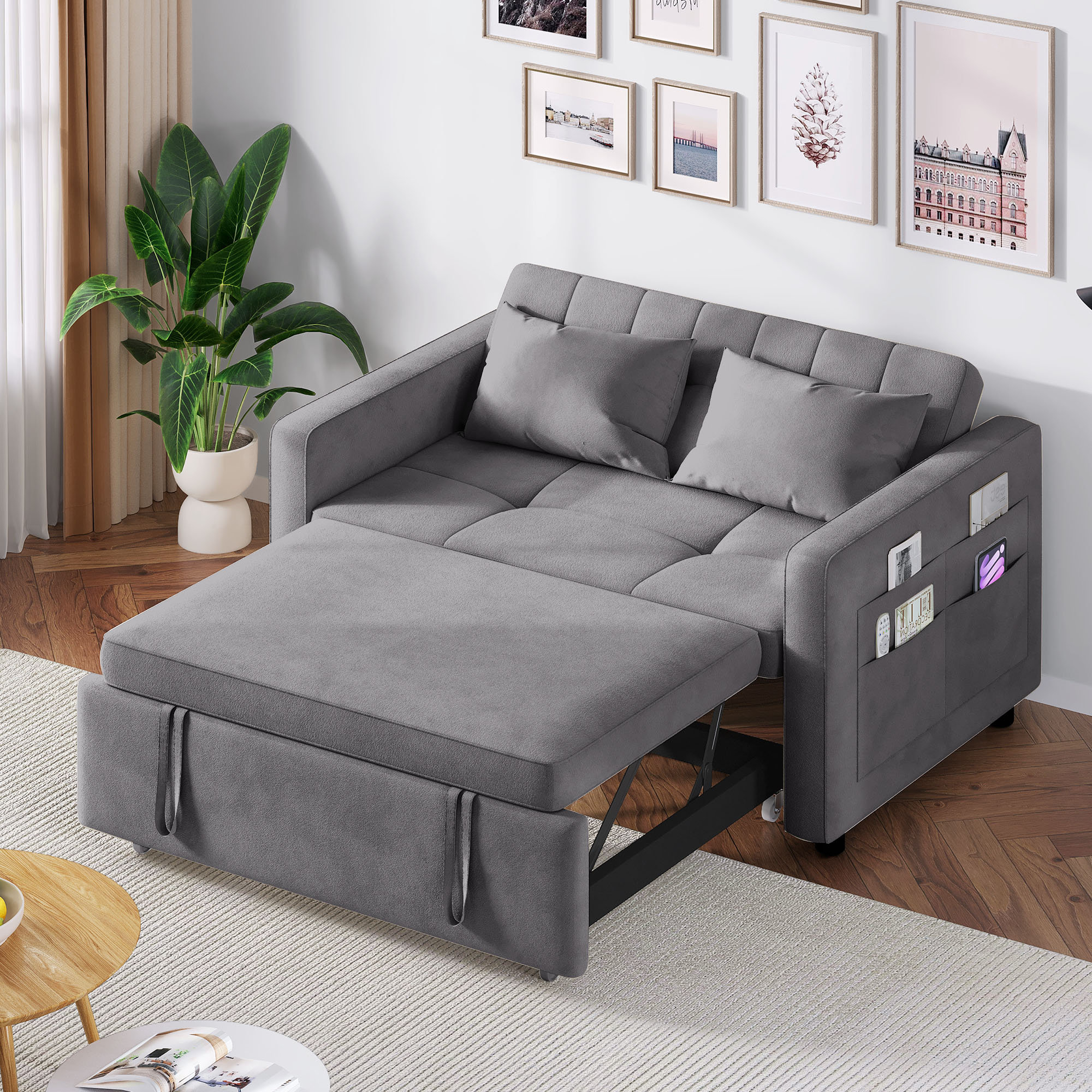
Imagine walking into a room where everything feels just right. The furniture is cozy enough to relax on, yet practical enough to handle daily life. The lighting sets the mood, the colors calm the mind, and every corner serves a purpose. This isn’t just a dream – it’s achievable when you master the art of balancing comfort and functionality in your living space.
Every home tells a story. Not just about its owner, but about their lifestyle, values, and what they prioritize in daily life. Some people want their space to feel like a sanctuary, others need every inch to serve a purpose. But what happens when you want both? When you want a place that’s warm and inviting AND practical enough to handle the chaos of family life? It’s a challenge that many homeowners face, but it’s one that can be solved with thoughtful planning and intentional choices. The secret lies not in choosing one over the other, but in finding harmony between them. You don’t have to sacrifice comfort for function, or vice versa. You can have both, and it starts with understanding how these two elements work together.
Understanding the Core Elements
Comfort and functionality might seem like opposing forces, but they’re actually partners in crime when it comes to creating a great living space. Comfort is about how a space makes you feel emotionally and physically. It’s the warmth of a well-placed throw, the softness of a favorite chair, or the way natural light filters through a window. Functionality, on the other hand, is about purpose and practicality. It’s about having storage solutions, clear pathways, and furniture that does what it’s supposed to do. The magic happens when these elements complement each other rather than compete. Think about your favorite spots in your current home. What makes them special? Chances are, they combine both elements in some way. A comfortable reading nook that also has good lighting and storage for books, or a kitchen island that serves as both a prep area and a casual dining spot. These spaces work because they meet you where you are, both physically and emotionally.
The Psychology Behind Comfortable Spaces
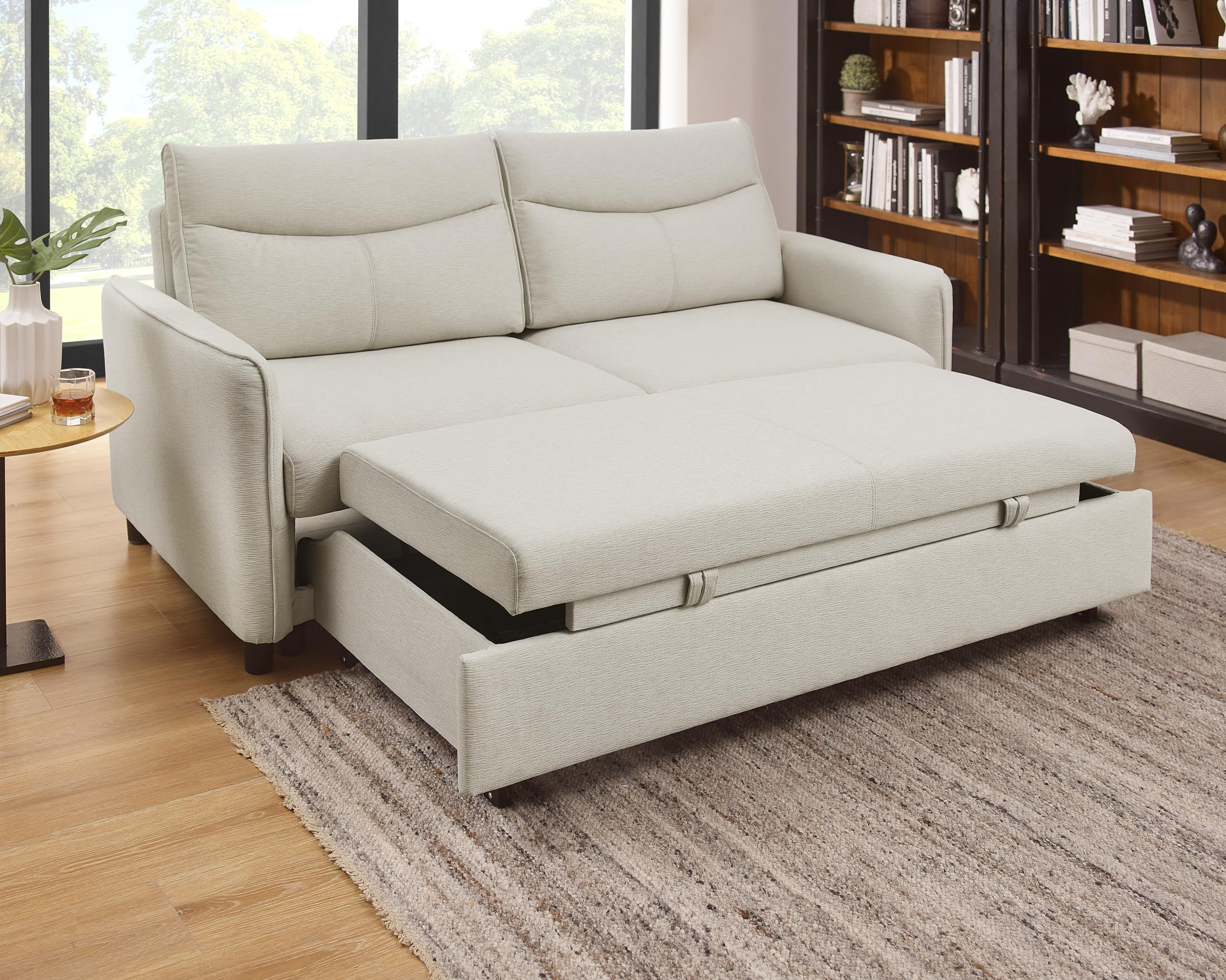
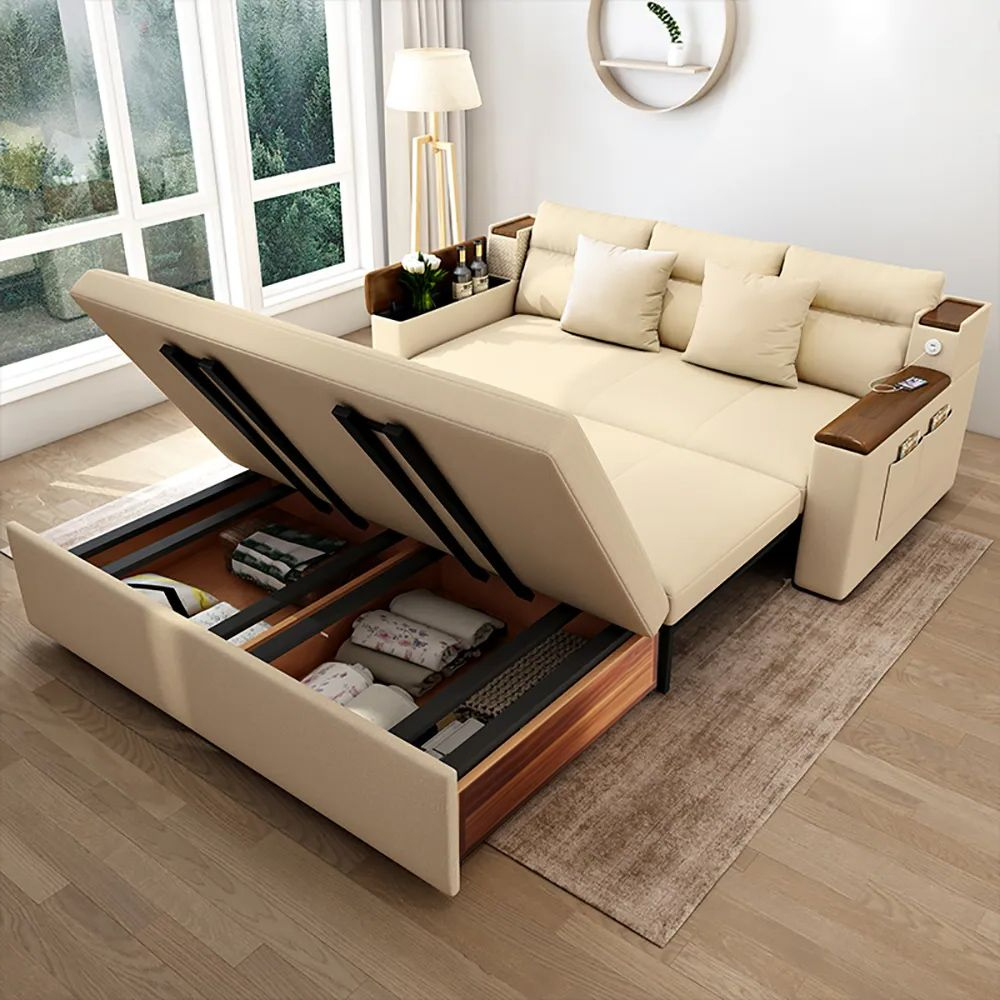
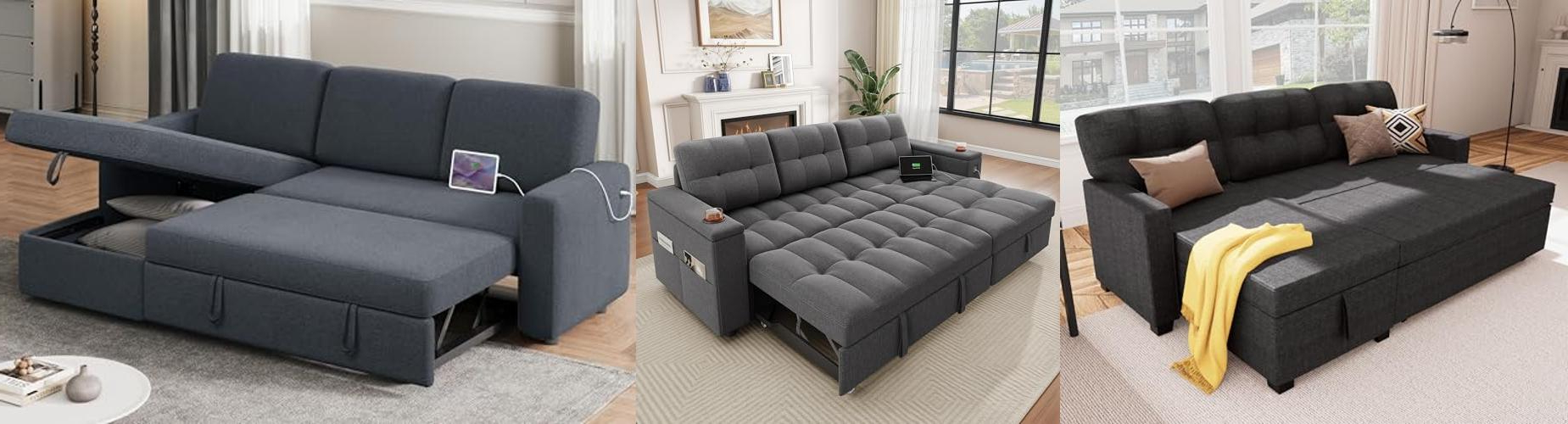
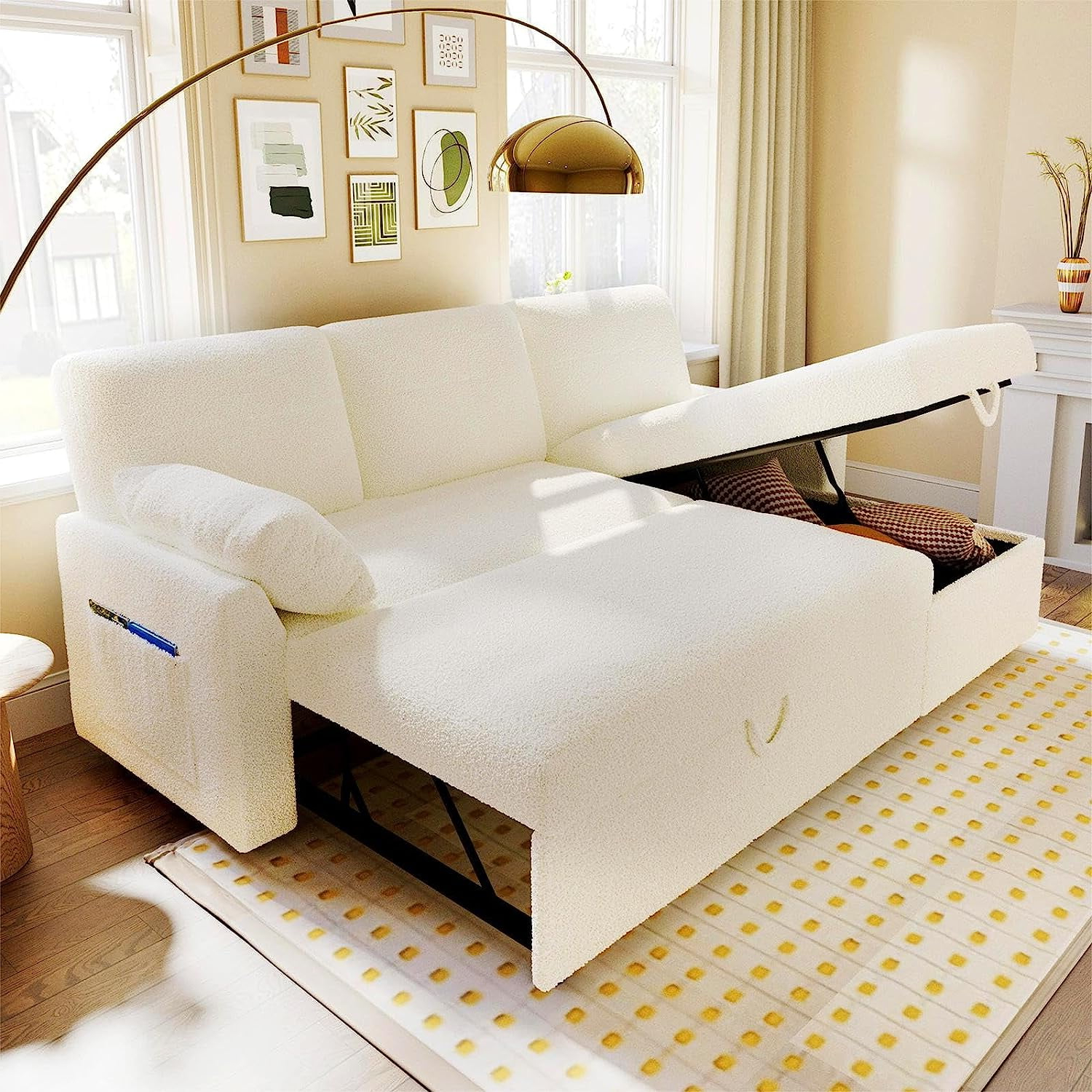
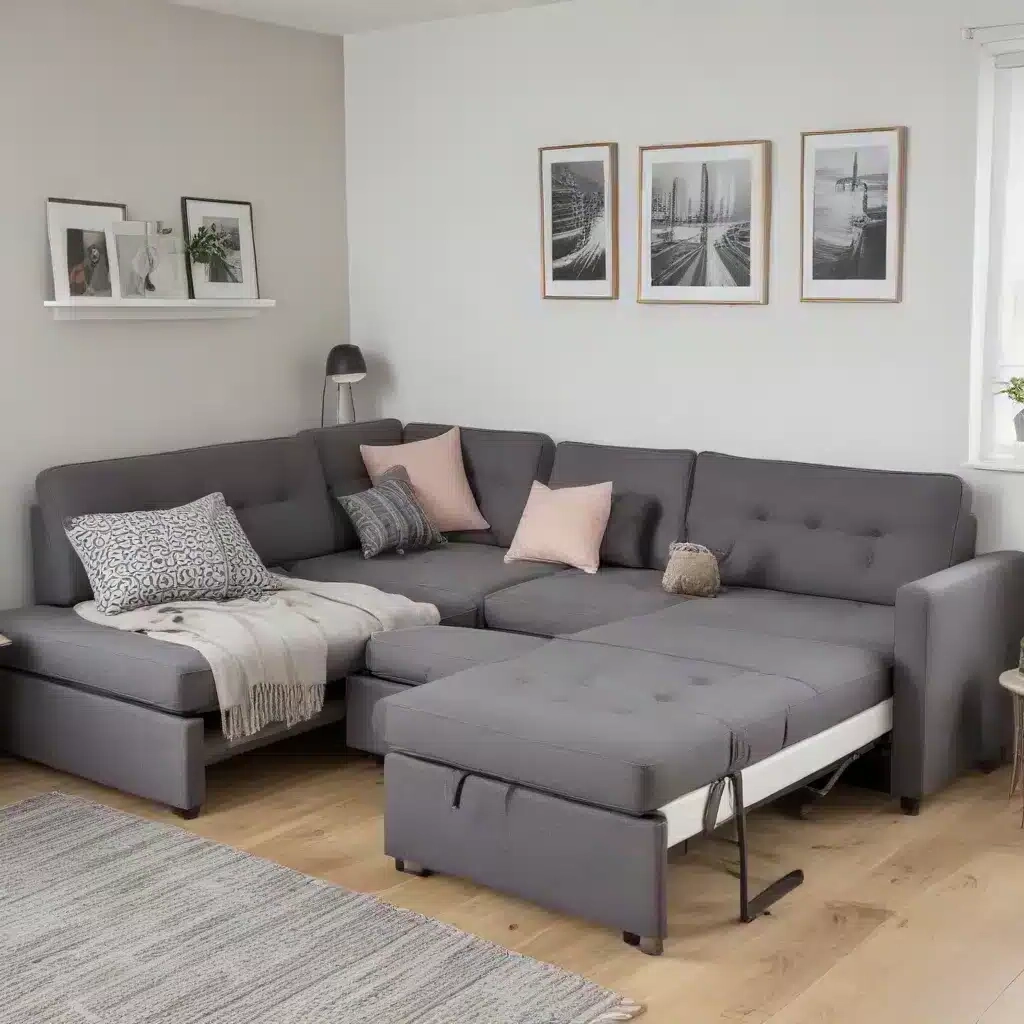
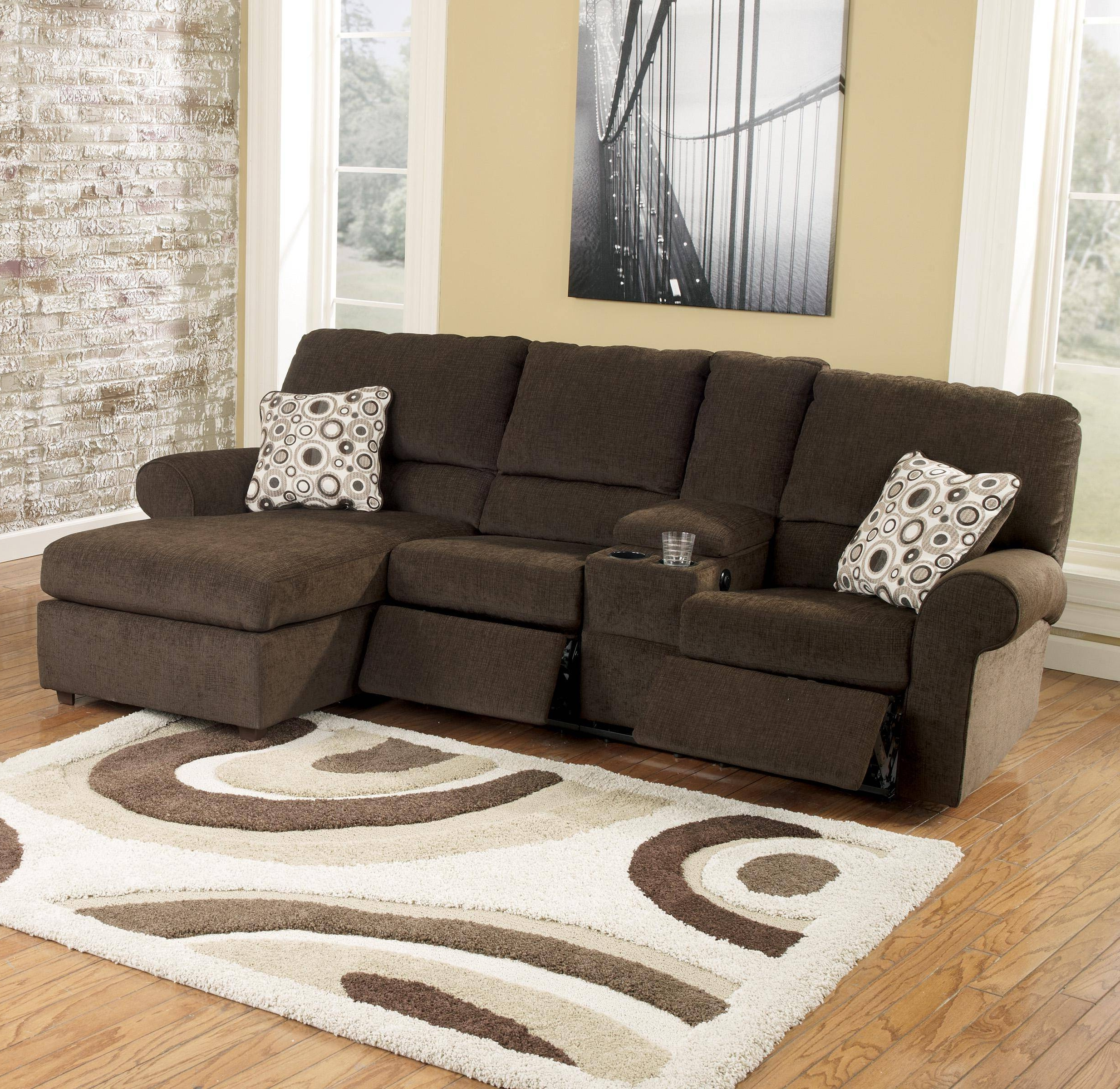
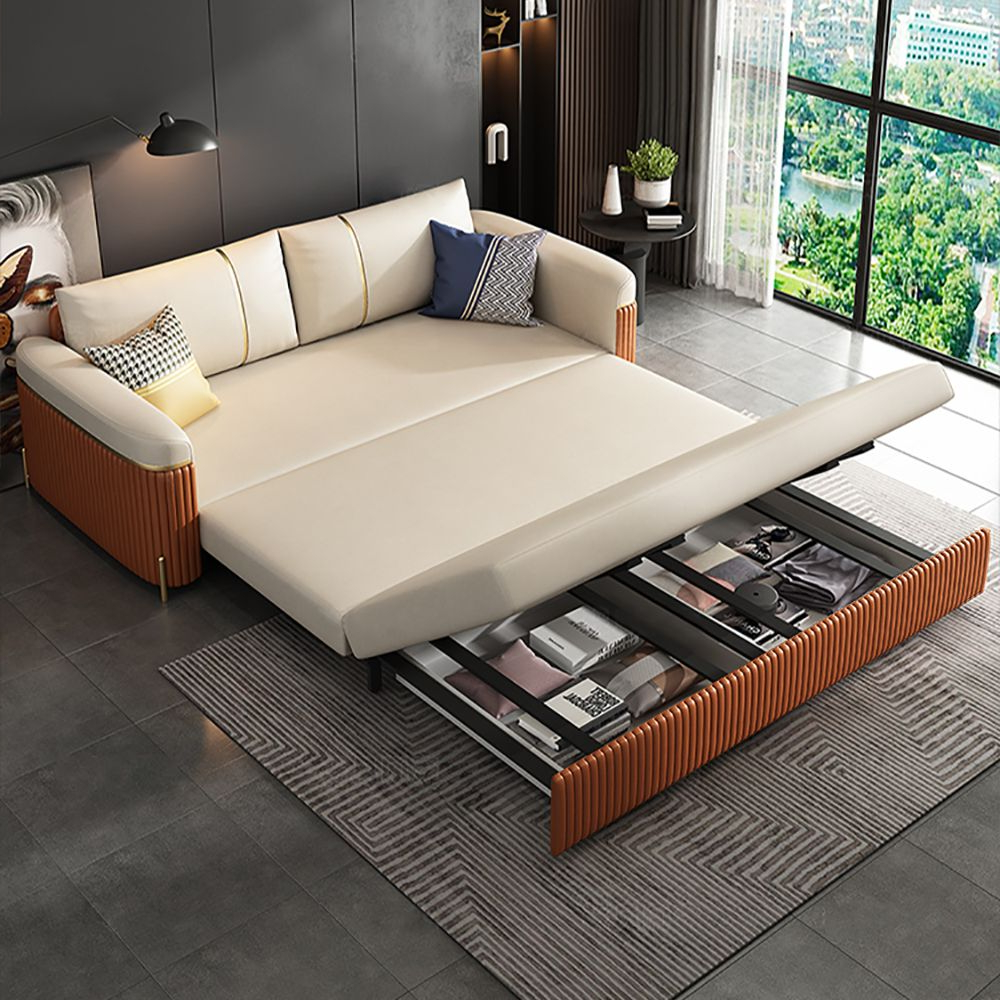
What really makes a space feel comfortable goes beyond just soft textures and pretty colors. It’s about how our brains process the environment around us. Research shows that we feel more relaxed in spaces with natural materials, soft lighting, and familiar shapes. This is why a wooden coffee table feels more welcoming than a glass one, even if the glass version is more functional. The human brain is wired to respond positively to organic textures and warm tones. But here’s the kicker – comfort alone isn’t enough. If your living room is too comfortable and lacks function, you’ll find yourself constantly tripping over misplaced items or struggling to find things. The key is to layer comfort with practicality. For instance, choose a cozy sectional sofa that also has built-in storage compartments. Or pick a dining table that’s beautiful but also has a pull-out leaf for guests. These decisions create spaces that feel right while doing their job.
Practical Storage Solutions
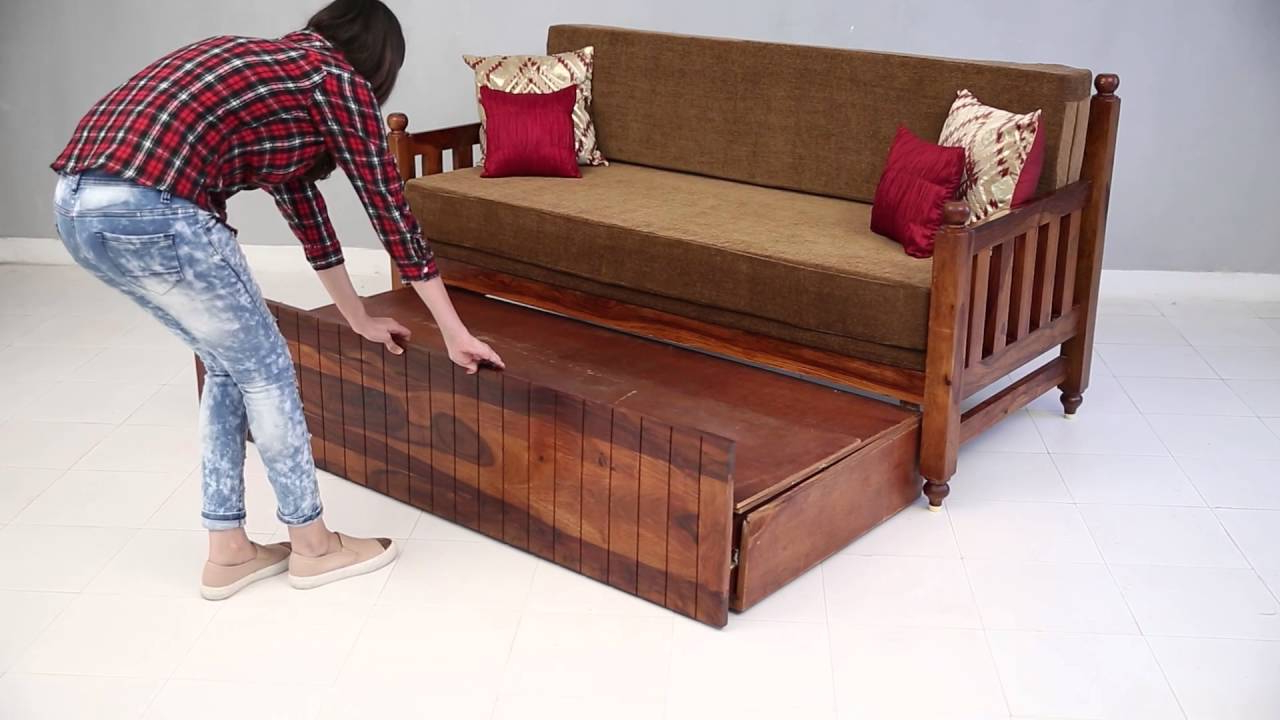
One of the biggest challenges in balancing comfort and function is storage. You want your space to look neat and organized, but also feel lived-in and comfortable. The answer lies in smart storage solutions that blend seamlessly with your design aesthetic. Consider furniture pieces that double as storage units. A coffee table with hidden compartments, a bench with storage underneath, or a console table that holds books and decorative items. These pieces keep your space tidy without sacrificing style. Another approach is to use vertical space effectively. Tall bookshelves, wall-mounted shelves, and hanging organizers can store items while adding visual interest. The goal isn’t to hide everything away, but to organize so that everything has its place and is easy to access. Think about your daily routines – where do you typically put things? What do you reach for most often? Design your storage solutions around these habits. A home office desk with built-in drawers for pens and papers, or a bedroom with a nightstand that keeps your phone and glasses within arm’s reach. These small changes make a big difference in how comfortable and functional your space feels.
Lighting as a Comfort-Focused Tool
Lighting can make or break a space. It affects mood, visibility, and how comfortable you feel in a room. Good lighting design considers multiple layers – ambient, task, and accent lighting. Ambient lighting provides overall illumination, task lighting focuses on specific activities, and accent lighting adds drama and personality. For comfort, choose warm, soft lighting that mimics natural daylight. This means avoiding harsh fluorescent lights and instead opting for dimmable fixtures or layered lighting options. A living room might benefit from a combination of overhead lighting, table lamps, and floor lamps. This setup allows you to adjust the atmosphere based on the time of day or activity. During the evening, you might want softer, warmer light for relaxation. In the morning, brighter light helps with alertness. Smart lighting systems can automate this process, but even simple dimmer switches can make a huge difference. The key is to avoid relying on a single light source, as this creates stark shadows and can make a space feel cold or unwelcoming.
Choosing Furniture That Works Both Ways
Furniture is where comfort and function intersect most obviously. The best pieces are those that serve multiple purposes while still feeling comfortable. A dining table that doubles as a work surface, a sofa that can be rearranged for different activities, or a coffee table that can be used as extra seating. Consider the flow of your space when selecting furniture. How will people move through the room? Where will they sit, eat, and work? A modular sofa system allows you to reconfigure seating arrangements based on needs. An entertainment center that can also hold books and media equipment. The goal is to choose pieces that enhance rather than hinder your daily life. Don’t overlook the importance of scale and proportion either. A large, heavy-looking chair might be comfortable, but if it overwhelms a small room, it becomes a functional problem. Conversely, a tiny chair might be perfectly functional but lack the comfort needed for extended sitting. Finding the right size and style for your space is crucial to achieving that balance.
Color and Texture Strategies
Colors and textures play a vital role in creating comfortable yet functional spaces. Warm colors like beige, cream, and soft browns create a welcoming atmosphere while being versatile enough to accommodate various styles. Cool colors such as blue and green can provide a calming effect, but they might feel too clinical if used exclusively. The trick is to use color strategically – perhaps in accent walls or smaller pieces, leaving larger areas neutral for flexibility. Texture adds depth and comfort without sacrificing practicality. A wool rug softens hard floors while providing traction, a linen curtain lets in natural light while offering privacy, and a leather chair brings luxury without requiring constant maintenance. Mix textures carefully though – too many different materials can make a space feel chaotic. Start with one dominant texture and add complementary ones. For example, a smooth wooden coffee table paired with a rough-textured area rug and soft velvet throw pillows. This creates visual interest while maintaining a cohesive feel that supports both comfort and function.
Real-Life Examples and Case Studies
Let’s look at some real-world examples that show how comfort and function can work together beautifully. One popular approach is the open-concept living space that serves multiple purposes. A kitchen island that functions as a prep area during the day and a dining spot in the evening. This design choice maximizes space efficiency while maintaining a social atmosphere. Another common solution is the multi-purpose bedroom. A space that includes sleeping, working, and relaxing areas all in one room. This might involve a Murphy bed that folds up during the day, or a desk that can be tucked away when not in use. Even smaller changes can make a difference. A bathroom that incorporates storage within the vanity, or a home office that uses a dining table as a workspace during the week. These examples show that the key isn’t to create something completely new, but to think creatively about existing spaces and how they can serve more than one function. Every home has potential for improvement, regardless of size or budget.
Making It Work for Your Lifestyle
The perfect balance depends heavily on your personal lifestyle and routine. A busy parent needs different solutions than someone who works from home full-time. A student might prioritize flexibility over permanence. The first step is to assess your daily habits and priorities. How much time do you spend in each room? What activities happen there regularly? What problems do you encounter most often? Once you know these answers, you can start designing solutions. If you entertain frequently, invest in comfortable seating that can accommodate guests. If you work from home, ensure your workspace is both functional and comfortable. If you’re a cook, make sure your kitchen layout supports efficient meal preparation. The key is to make adjustments gradually rather than trying to overhaul everything at once. Small changes can lead to significant improvements in comfort and function. Maybe it’s adding a small side table next to your reading chair, or rearranging furniture to improve traffic flow. These subtle shifts can transform how you experience your space daily.
Budget-Conscious Approaches
You don’t need to spend a fortune to create a balanced space. The most important factor is intentionality in your choices. Start by identifying your core needs – what must be functional, what would be nice to have, and what you can live without. Prioritize spending on items that will see the most use and impact your daily life. A quality sofa that gets used every day might cost more upfront but will pay off in comfort and durability. Meanwhile, decorative elements like artwork or accent pieces can be added later when budget allows. Consider secondhand options, especially for larger pieces. Thrift stores, estate sales, and online marketplaces often offer excellent finds that are both affordable and unique. Repurposing existing furniture is another money-saving strategy. A dresser can become a TV stand, or a vintage trunk can serve as a coffee table. These creative solutions not only save money but also add character and personality to your space. The goal is to make thoughtful investments that serve you well over time, rather than buying lots of things that won’t be used.
Maintaining the Balance Over Time
Creating the perfect balance is just the beginning. Like anything worthwhile, it requires ongoing attention and adjustment. As your needs change, so should your space. A young couple might prioritize entertainment and socializing, while parents may focus more on practicality and safety. Seasonal changes also affect how you use your space. Summer might call for lighter fabrics and more natural light, while winter could mean adding warmth and cozy elements. Regular check-ins with your space can reveal what’s working and what isn’t. Do you find yourself constantly reaching for items that aren’t easily accessible? Is there clutter building up in places you thought were organized? These signs indicate it’s time to reassess and make adjustments. Don’t be afraid to experiment with new layouts or rearrange furniture. Sometimes a simple shift can breathe new life into a space and restore that perfect balance. The key is to stay flexible and willing to evolve your approach as circumstances change.
Finding the perfect balance between comfort and functionality isn’t about choosing sides or compromising. It’s about creating a space that honors both your emotional needs and practical requirements. When you approach your home design with intentionality, you can have a place that feels like a true sanctuary while also serving you efficiently. The journey toward this balance isn’t always straightforward, and that’s okay. It’s a process of experimentation, adjustment, and learning what works for your specific situation. Whether you’re redesigning a whole room or simply rearranging a few pieces, remember that small changes can lead to big improvements. The most successful homes are those where comfort and function coexist naturally, creating spaces that support your life rather than interfere with it. So take a moment to look around your current space. What’s working well? What could use some adjustment? Start with one small change today, and watch how it affects your daily experience. The perfect balance isn’t a destination – it’s a continuous process of refinement and growth.
[sps_html tag=”img” src=”https://roofdrivein.com/wp-content/uploads/2026/01/top-5-sofa-beds-with-storage-reviews-smart-space-solutions-inside-most-comfortable-sofa-bed-with-storage.jpg” alt=”Top 5 Sofa Beds With Storage: Reviews & Smart Space Solutions inside Most Comfortable Sofa Bed With Storage” style=”width: 100%; height: auto;”]
[sps_html tag=”img” src=”https://roofdrivein.com/wp-content/uploads/2026/01/best-queen-sofa-bed-top-picks-for-comfortable-and-stylish-in-finding-the-perfect-balance-between-comfort-and-functionality-in-your-living-space.jpg” alt=”Best Queen Sofa Bed: Top Picks For Comfortable And Stylish in Finding the perfect balance between comfort and functionality in your living space” style=”width: 100%; height: auto;”]
[sps_html tag=”img” src=”https://roofdrivein.com/wp-content/uploads/2026/01/papajet-sofa-bed-sleeper-sofa-2-in-1-pull-out-couch-bed-with-storage-within-finding-the-perfect-balance-between-comfort-and-functionality-in-your-living-space.jpeg” alt=”Papajet Sofa Bed, Sleeper Sofa- 2 In 1 Pull Out Couch Bed With Storage … within Finding the perfect balance between comfort and functionality in your living space” style=”width: 100%; height: auto;”]
[sps_html tag=”img” src=”https://roofdrivein.com/wp-content/uploads/2026/01/most-comfortable-large-sofa-bed-at-jenny-collier-blog-regarding-most-comfortable-sofa-bed-with-storage.jpg” alt=”Most Comfortable Large Sofa Bed At Jenny Collier Blog regarding Most Comfortable Sofa Bed With Storage” style=”width: 100%; height: auto;”]
[sps_html tag=”img” src=”https://roofdrivein.com/wp-content/uploads/2026/01/83-linen-convertible-sofa-bed-beige-full-sleeper-sofa-with-storage-and-intended-for-most-comfortable-sofa-bed-with-storage.jpg” alt=”83" Linen Convertible Sofa Bed Beige Full Sleeper Sofa With Storage And … intended for Most Comfortable Sofa Bed With Storage” style=”width: 100%; height: auto;”]