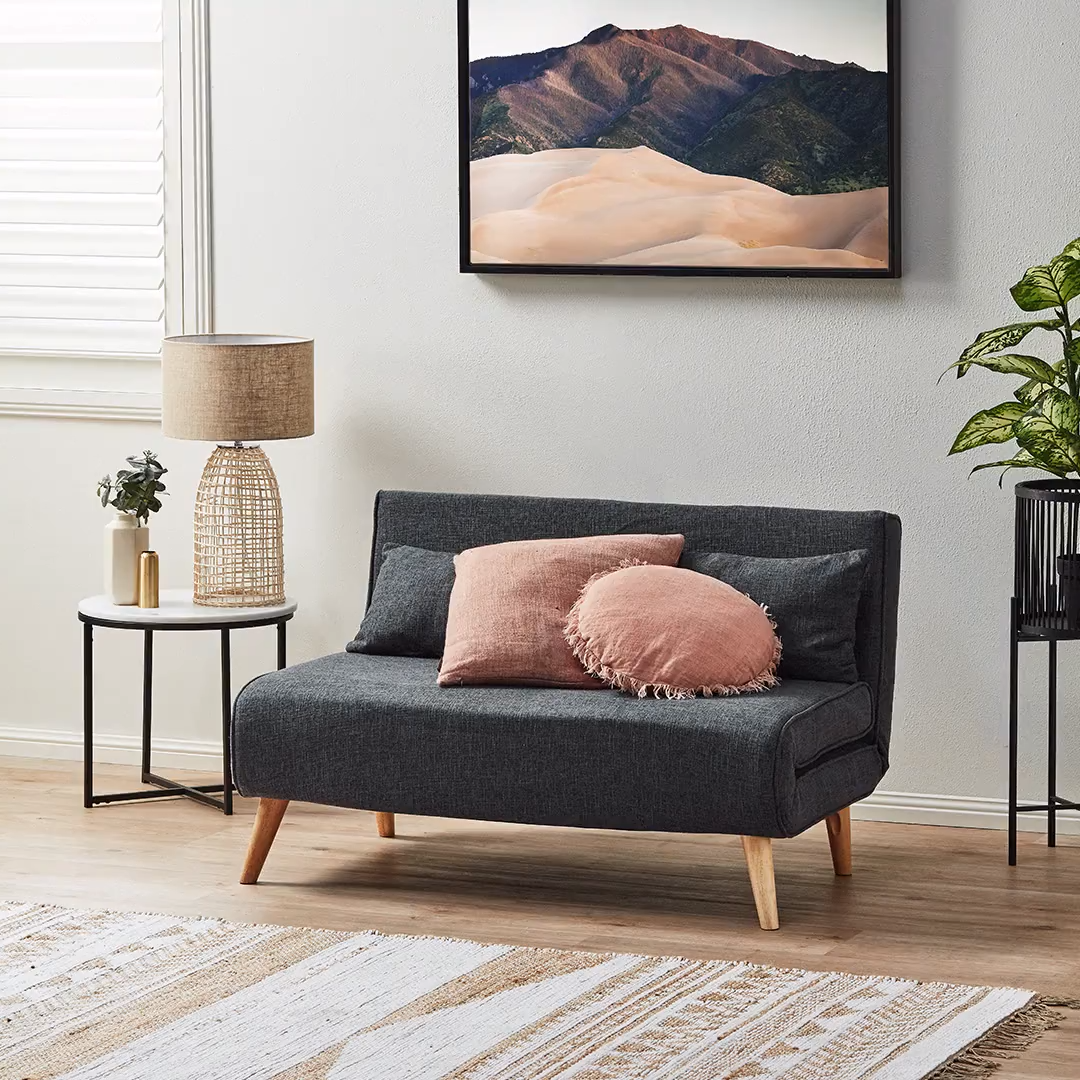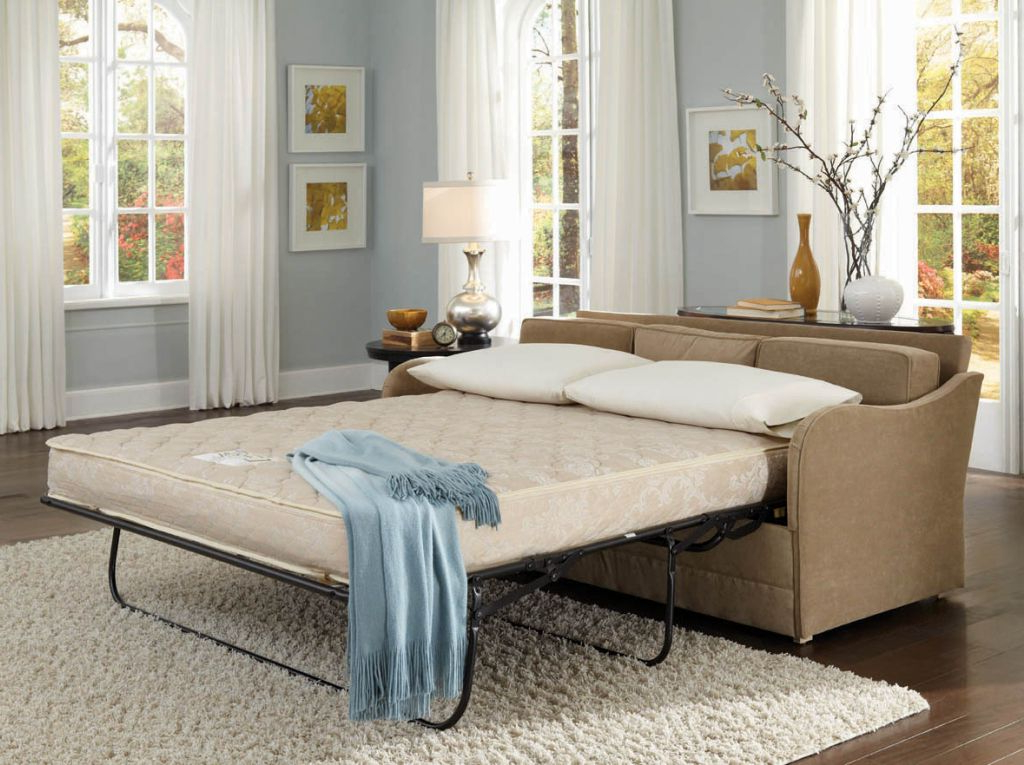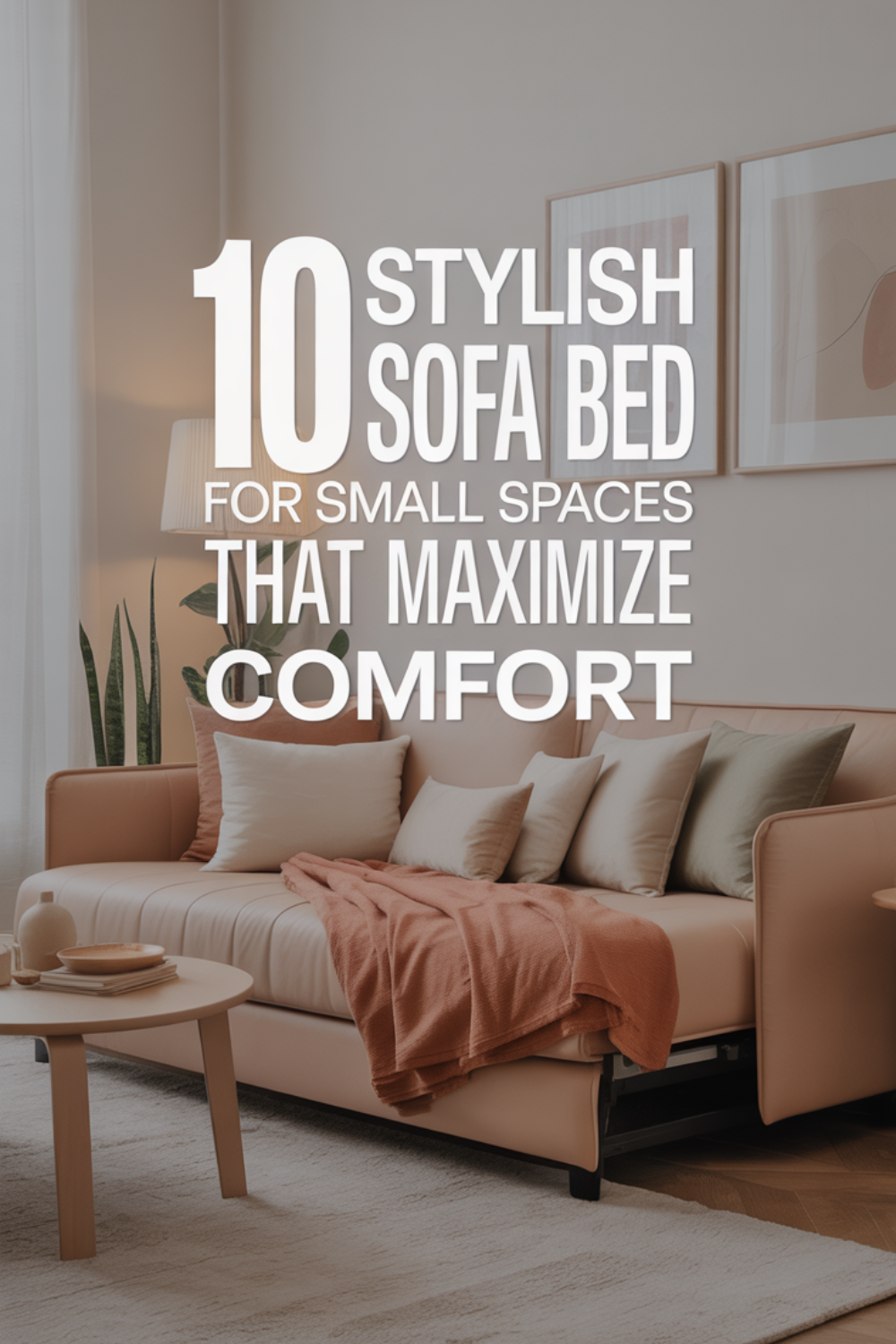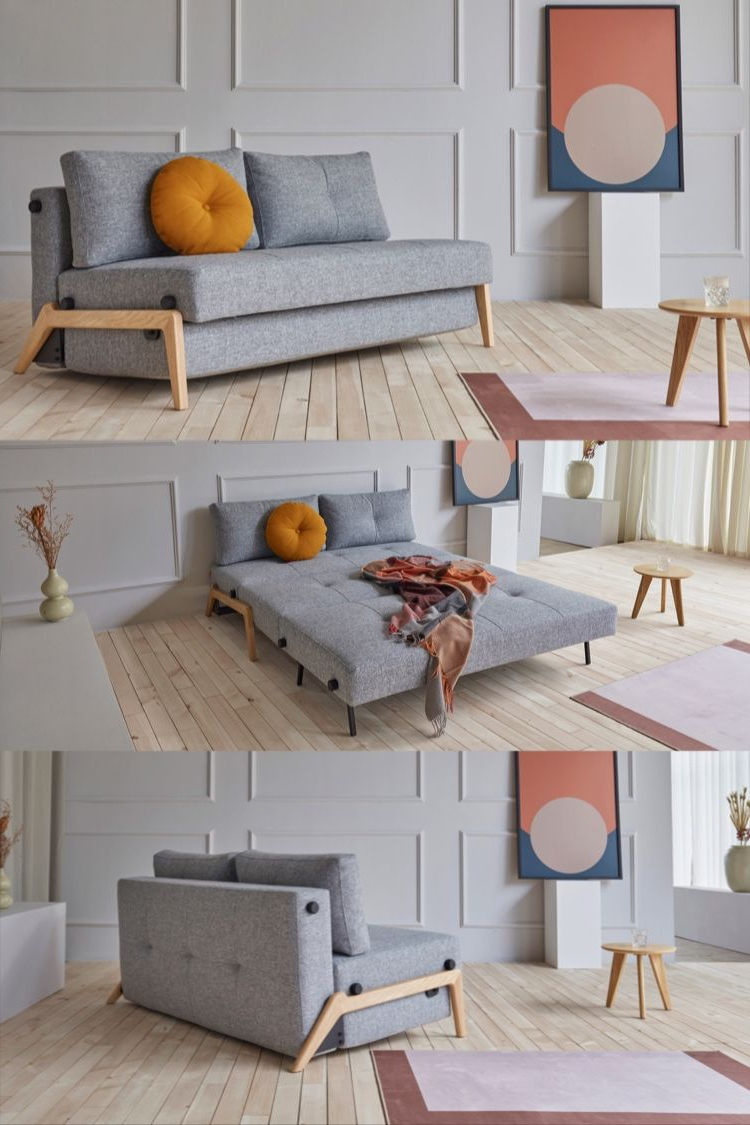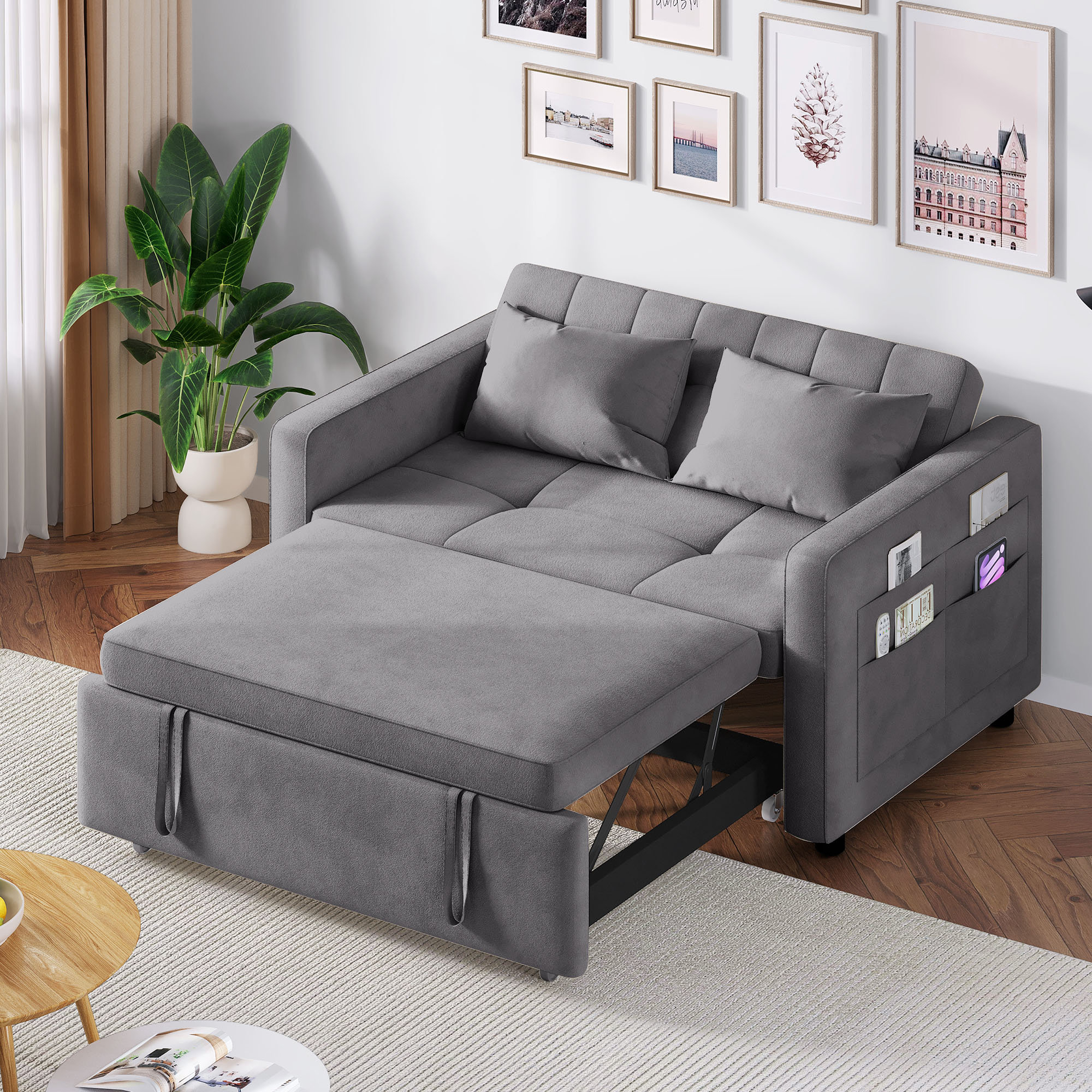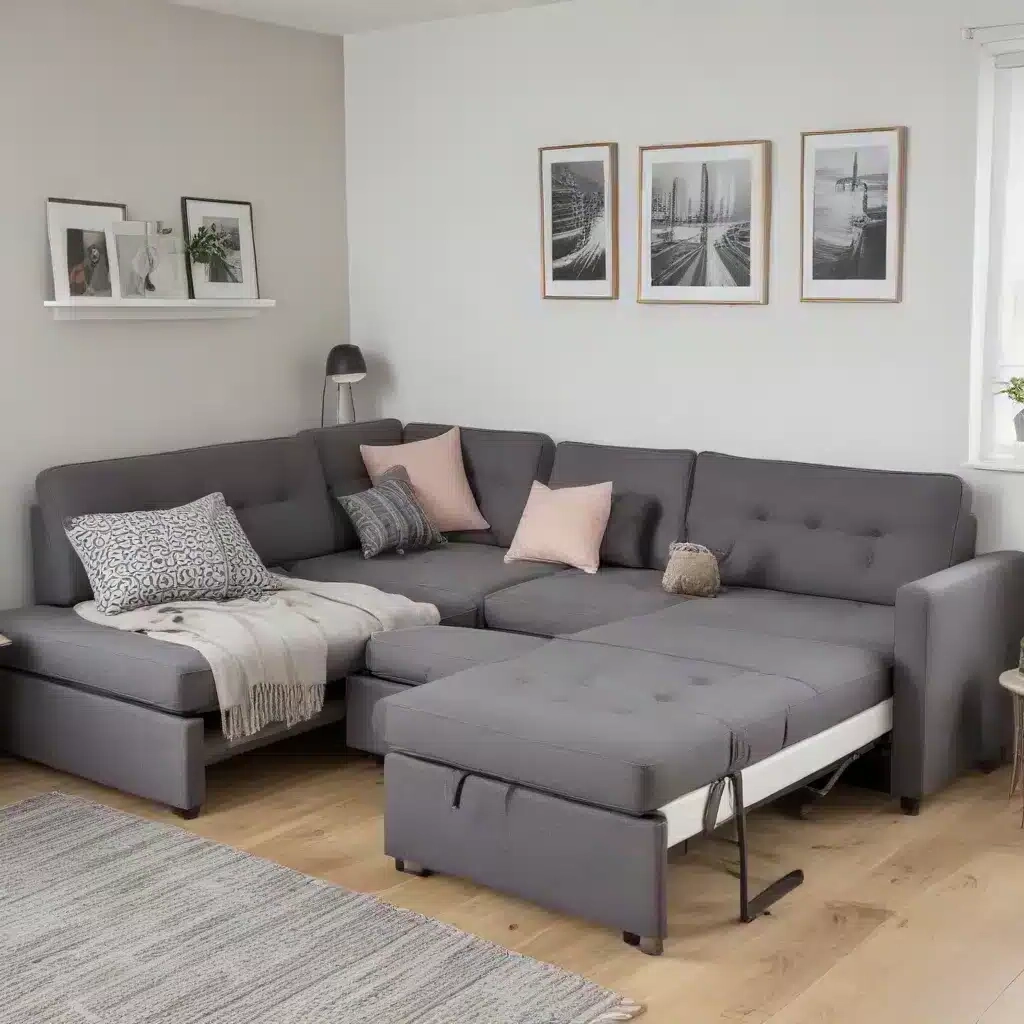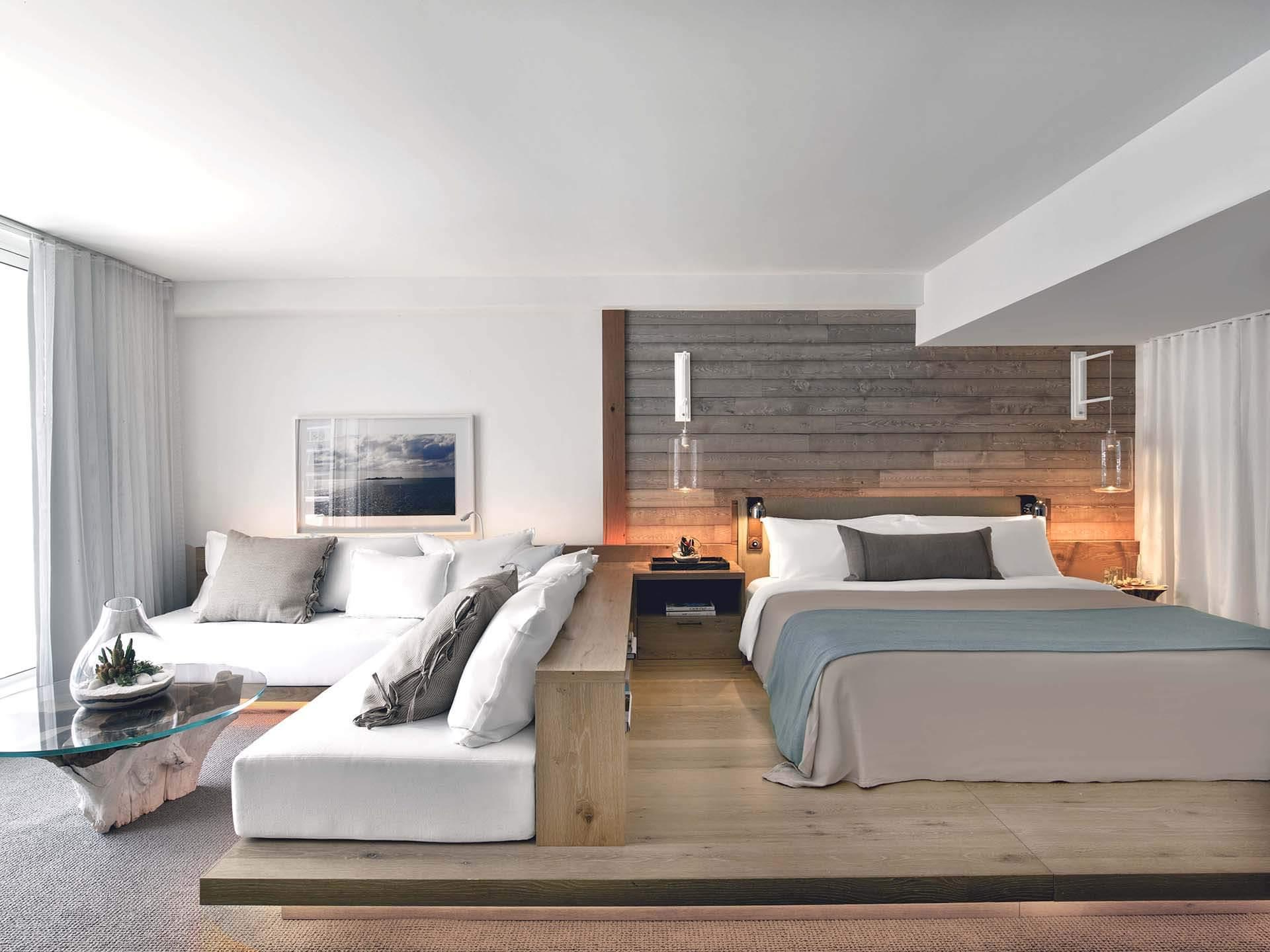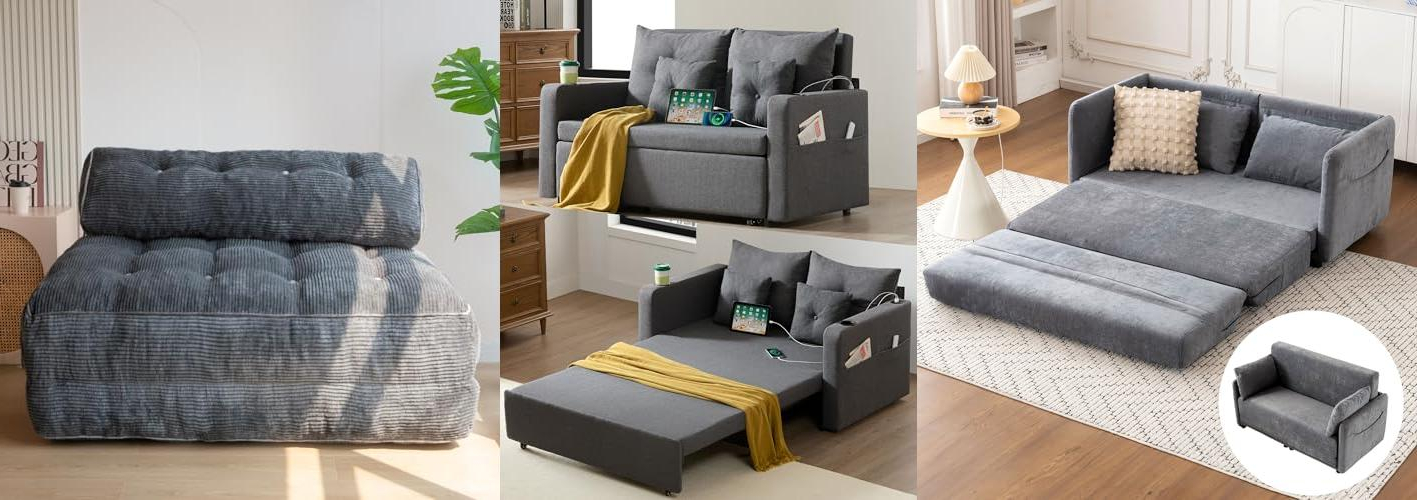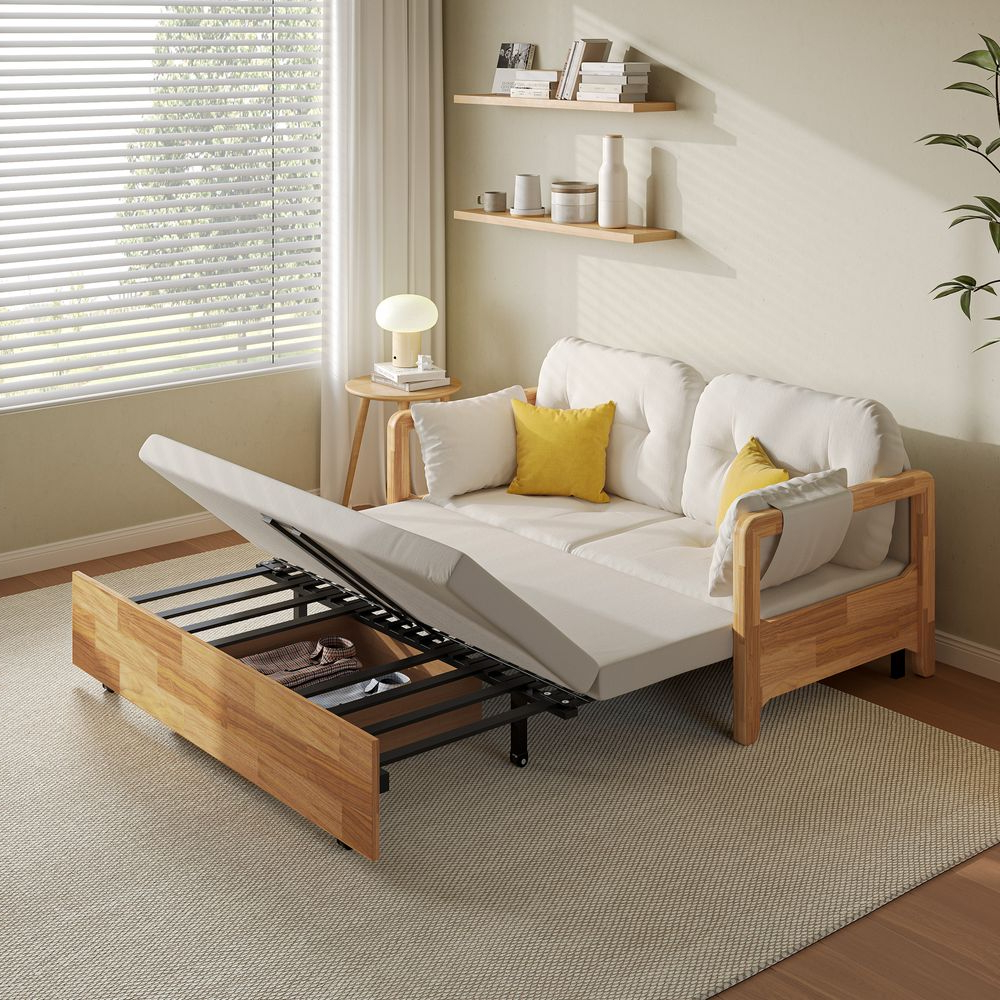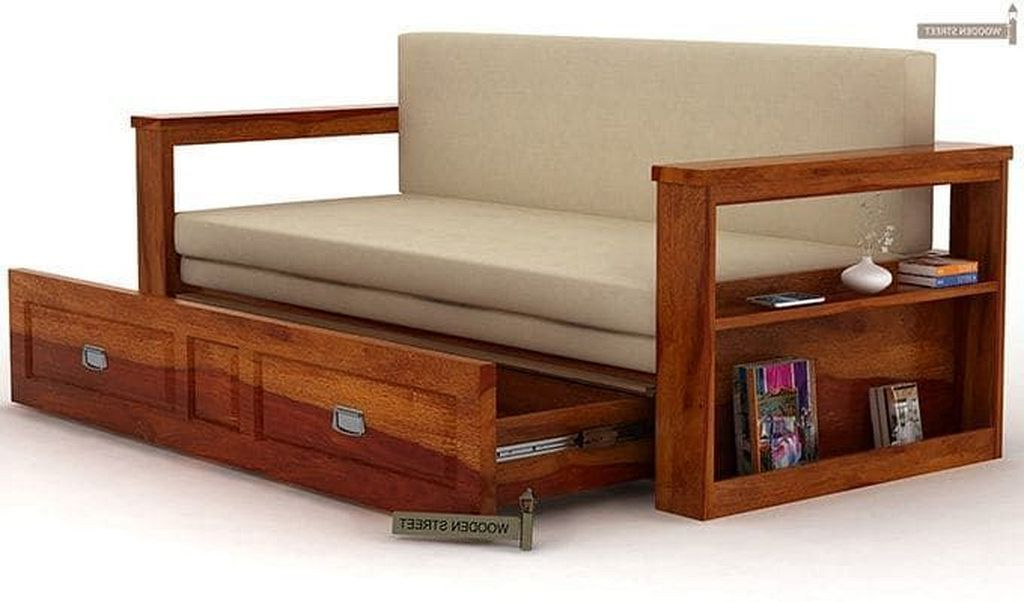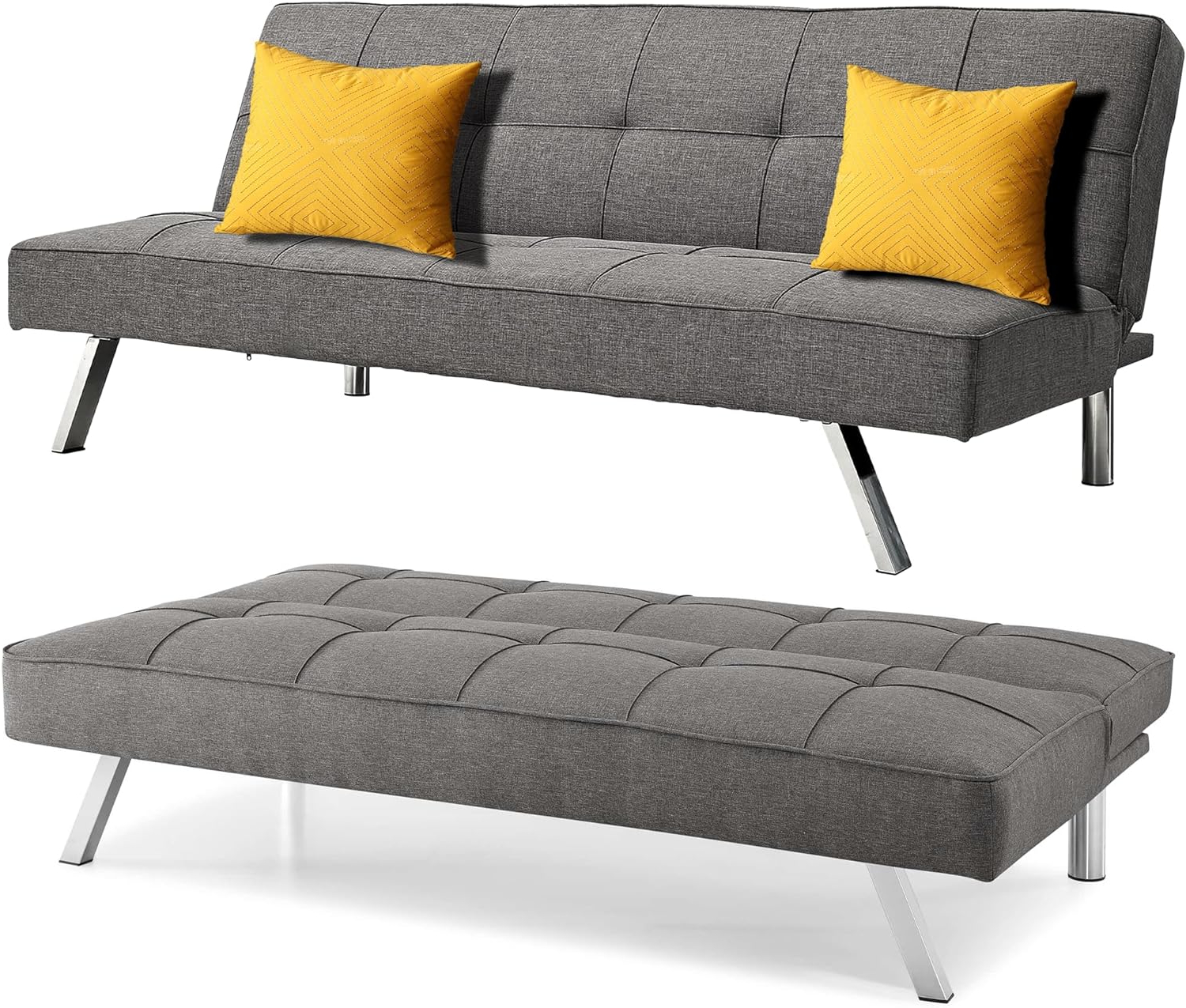
When you’re working with limited square footage, every piece of furniture needs to earn its keep. A sofa bed isn’t just a couch that folds up – it’s a strategic investment in your home’s functionality. Think about it: you’re getting seating for guests, a place to relax during the day, and a sleeping space at night, all in one clever piece of furniture.
Living in smaller spaces doesn’t mean sacrificing comfort or style. In fact, smart furniture choices can make your compact area feel more spacious and functional than ever before. The sofa bed stands out as one of the most versatile pieces you can add to your home. It’s not just about having a place to sleep when visitors come over – it’s about creating a seamless flow between different areas of your living space. Whether you’re dealing with a studio apartment, a small bedroom, or a cozy living room that doubles as a guest room, the right sofa bed can transform your daily routine and your space itself.
Understanding the Sofa Bed’s Dual Purpose
The beauty of a quality sofa bed lies in its ability to serve two distinct roles without compromising either. During the day, it functions as a comfortable seating area where you can watch TV, read a book, or have conversations with friends and family. At night, it transforms into a proper sleeping surface that can accommodate guests or provide extra sleeping space for your family. This dual functionality means you’re not just furnishing a space – you’re investing in maximizing every inch of your home. Many people overlook this aspect, but it’s crucial for small spaces where every square foot counts. When you consider that a traditional sofa takes up space for sitting and a separate bed takes up space for sleeping, a sofa bed essentially saves you both areas. It’s like having two pieces of furniture in one, but it’s more than that – it’s about optimizing your lifestyle within the constraints of your living situation.
Measuring Your Space Before You Buy
Before you even think about choosing a sofa bed, you must take precise measurements of your available space. This step is non-negotiable if you want to avoid disappointment later. Start by measuring the length and width of your intended placement area. Consider the clearance needed around the furniture – typically at least 18 inches on all sides for easy access. Don’t forget to account for doorways, hallways, and any obstacles that might block the path to your chosen spot. The dimensions of the sofa bed itself matter greatly. For instance, a standard sofa bed measures about 75 inches long and 35 inches deep, but there’s considerable variation among brands and styles. Some models are designed specifically for tight spaces, featuring narrower profiles or unique folding mechanisms. You should also measure the height of the ceiling and the clearance above the furniture. If you have low ceilings, a bulky sofa bed might make the space feel cramped. Take note of any windows or doors nearby, as these can affect both the aesthetic appeal and practicality of your choice. A few simple measurements could save you from buying something that doesn’t fit perfectly or worse, doesn’t work with your existing layout.
Choosing the Right Size and Style
Size matters more than you might expect when selecting a sofa bed. Too big and it overwhelms the space; too small and it feels cramped and impractical. Consider your typical usage patterns. Do you frequently host guests? Then a larger sofa bed might be worth it for comfort. Are you looking for a compact solution for a studio apartment? A smaller model will better suit your needs. There are several common sizes available, from compact 60-inch models to full-size 84-inch versions. The style you choose depends on your existing décor and how much you want the piece to blend in or stand out. Modern minimalist designs often feature clean lines and neutral colors that complement most interiors. Traditional styles may offer more ornate details and richer fabrics. Contemporary options tend to focus on functionality while maintaining visual appeal. Look for features like storage compartments underneath, built-in side tables, or even integrated lighting. These additions can significantly enhance the utility of your sofa bed beyond its basic function. Remember that some styles are more adaptable to different environments than others. A sleek, modern sofa bed might not fit well in a rustic setting, and vice versa. Your decision should reflect both practicality and aesthetics.
Material Selection for Durability and Comfort
The materials used in a sofa bed directly impact both its longevity and your comfort levels. Fabric choices range from cotton and linen blends to synthetic materials and leather alternatives. Each has its advantages and drawbacks. Cotton and linen offer breathability and comfort, but they may require more careful maintenance. Synthetic fabrics are often more stain-resistant and easier to clean, though they might not feel as luxurious. Leather provides a premium look and feel, but requires regular conditioning and can be expensive. The frame material also plays a significant role. Wood frames offer strength and durability, while metal frames are lighter and often more affordable. Some manufacturers combine materials for optimal performance. Pay attention to the cushioning quality too. Memory foam or high-density polyurethane cushions provide better support and last longer than basic padding. Check reviews and warranty information to ensure you’re getting good value for your investment. A poorly constructed sofa bed might break down after just a few months of regular use, leaving you frustrated and spending more money on replacement. Invest in quality materials that will stand up to daily use and still look good after years of service.
Strategic Placement for Maximum Effectiveness
Where you place your sofa bed can make or break its effectiveness in maximizing your space. Consider traffic flow and how people move through the room. Position it away from high-traffic areas to prevent accidental damage and ensure easy access. If possible, place it against a wall to create a sense of stability and reduce the feeling of open space. But don’t let this limit your creativity entirely – sometimes placing it in the center of the room can create a focal point that enhances the entire area. Think about the room’s natural light sources. Avoid positioning it directly in front of windows where sunlight might cause fading over time. Consider privacy factors as well – especially if it doubles as a guest room. You might want to use curtains or screens to create a more private sleeping area. The surrounding environment matters too. If you have a small living room, consider how the sofa bed will interact with other furniture. Will it create a natural dividing line between spaces? Does it complement your existing seating arrangements? Sometimes the best placement isn’t obvious at first glance. Try different positions before settling on one, and always test the functionality of opening and closing the bed mechanism in your chosen spot.
Maintaining Your Investment Over Time
A well-chosen sofa bed becomes a long-term investment in your home’s functionality. Regular maintenance ensures it continues to serve you properly for years. This includes simple tasks like vacuuming the fabric regularly to remove dust and debris. Rotate cushions periodically to ensure even wear and extend their lifespan. Follow manufacturer instructions for cleaning specific materials – some fabrics require professional cleaning while others can handle home care. Check hardware regularly for loose screws or worn components that might affect the bed’s operation. Lubricate moving parts as recommended to keep the folding mechanism smooth. Protect the sofa bed from direct sunlight and extreme temperatures, which can cause fading or warping. Store seasonal items appropriately to avoid unnecessary weight on the furniture. Address small issues promptly rather than waiting until they become major problems. A small tear in the fabric might seem insignificant, but it can quickly deteriorate into a larger problem. Taking care of your sofa bed now prevents costly repairs or replacements later. Think of it as an ongoing relationship – the more you nurture it, the longer it will serve you well.
Choosing the right sofa bed for your living space is more than just finding something that fits physically. It’s about understanding how to make the most of every square inch while maintaining comfort and style. The key lies in thoughtful planning, careful measurement, and selecting a piece that matches your lifestyle and aesthetic preferences. Whether you’re renovating a small apartment or simply trying to create more flexibility in your current home, a thoughtfully chosen sofa bed can be a game-changer. Remember that the process involves more than just shopping – it’s about integrating a piece of furniture that will enhance your daily routine. By considering size, style, materials, placement, and maintenance, you’re not just buying furniture; you’re making a smart investment in your living environment. The right sofa bed doesn’t just fill a space – it defines how you use that space. So take your time, do your research, and choose wisely. Your future self will thank you for making this important decision with care and consideration.
[sps_html tag=”img” src=”https://roofdrivein.com/wp-content/uploads/2026/01/minimalist-sofa-sofa-bed-ideas-for-small-spaces-traumhaus-design-within-minimalist-sofa-bed-for-small-spaces.jpg” alt=”Minimalist Sofa Sofa Bed Ideas For Small Spaces - Traumhaus-Design within Minimalist Sofa Bed For Small Spaces” style=”width: 100%; height: auto;”]
[sps_html tag=”img” src=”https://roofdrivein.com/wp-content/uploads/2026/01/10-stylish-sofa-bed-for-small-spaces-that-maximize-comfort-in-2025-pertaining-to-minimalist-sofa-bed-for-small-spaces.png” alt=”10 Stylish Sofa Bed For Small Spaces That Maximize Comfort In 2025 … pertaining to Minimalist Sofa Bed For Small Spaces” style=”width: 100%; height: auto;”]
[sps_html tag=”img” src=”https://roofdrivein.com/wp-content/uploads/2026/01/10-sofa-bed-ideas-for-small-spaces-in-how-to-maximize-your-living-area-with-a-thoughtfully-chosen-sofa-bed.jpg” alt=”10+ Sofa Bed Ideas For Small Spaces in How to Maximize Your Living Area with a Thoughtfully Chosen Sofa Bed” style=”width: 100%; height: auto;”]
[sps_html tag=”img” src=”https://roofdrivein.com/wp-content/uploads/2026/01/sofa-bed-options-for-small-spaces-at-tamara-hall-blog-regarding-minimalist-sofa-bed-for-small-spaces.png” alt=”Sofa Bed Options For Small Spaces At Tamara Hall Blog regarding Minimalist Sofa Bed For Small Spaces” style=”width: 100%; height: auto;”]
[sps_html tag=”img” src=”https://roofdrivein.com/wp-content/uploads/2026/01/12-of-the-best-minimalist-sofa-beds-for-small-spaces-artofit-throughout-minimalist-sofa-bed-for-small-spaces.jpg” alt=”12 Of The Best Minimalist Sofa Beds For Small Spaces – Artofit throughout Minimalist Sofa Bed For Small Spaces” style=”width: 100%; height: auto;”]