Think about the last time you had a truly engaging conversation. Was there something special about where you were sitting? Maybe it was a cozy corner chair, or perhaps a dining table that allowed everyone to face each other. What if I told you that the way we sit together can actually influence how well we connect with one another?
We’ve all been in situations where a conversation felt stilted or forced. Sometimes it’s not the topic that’s the problem—it’s the physical setup. Think about those meetings where people are scattered across a room, or family dinners where everyone faces away from each other. The simple act of how we position ourselves can either open up dialogue or shut it down. This is where convertible seating comes into play, offering more than just comfort—it creates space for connection.
What Makes Seating More Than Just a Place to Sit
Convertible seating isn’t just about having furniture that changes shape. It’s about understanding how physical comfort affects our ability to engage with others. When people feel comfortable, they’re more likely to open up, share ideas, and listen actively. Picture this: someone sits in a chair that allows them to lean forward naturally, their body language inviting conversation rather than shutting it down. That’s the power of thoughtful design.
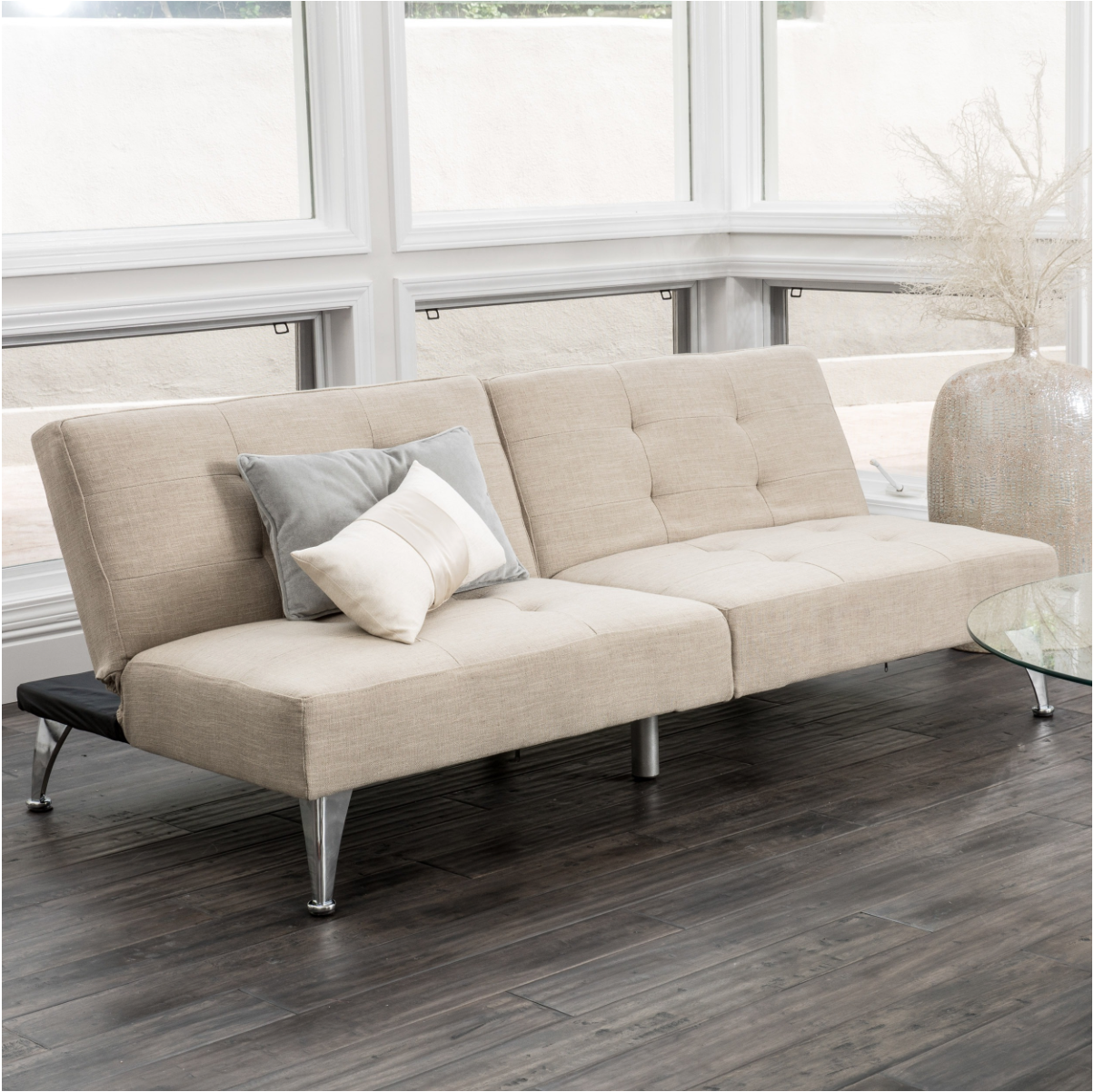
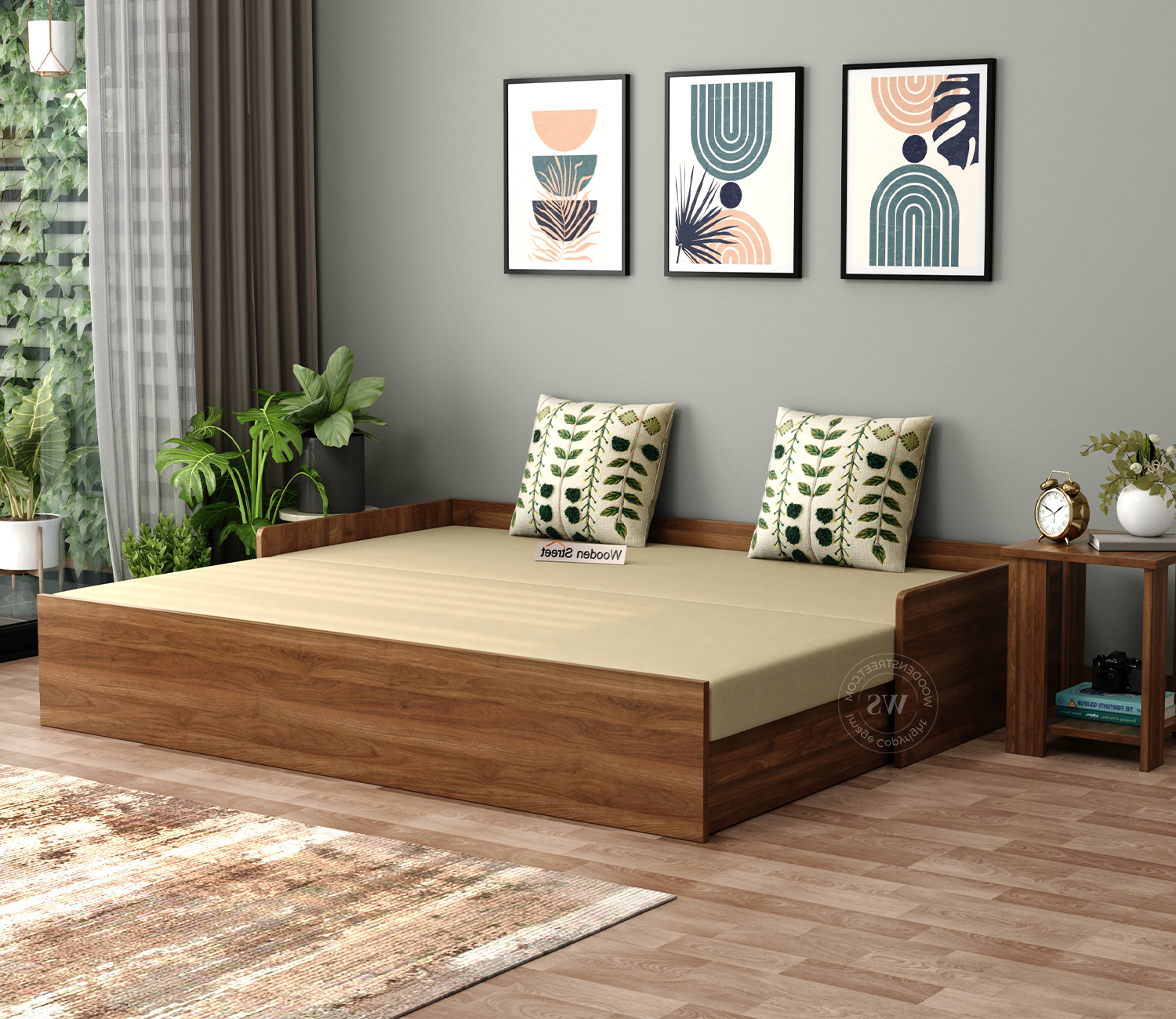
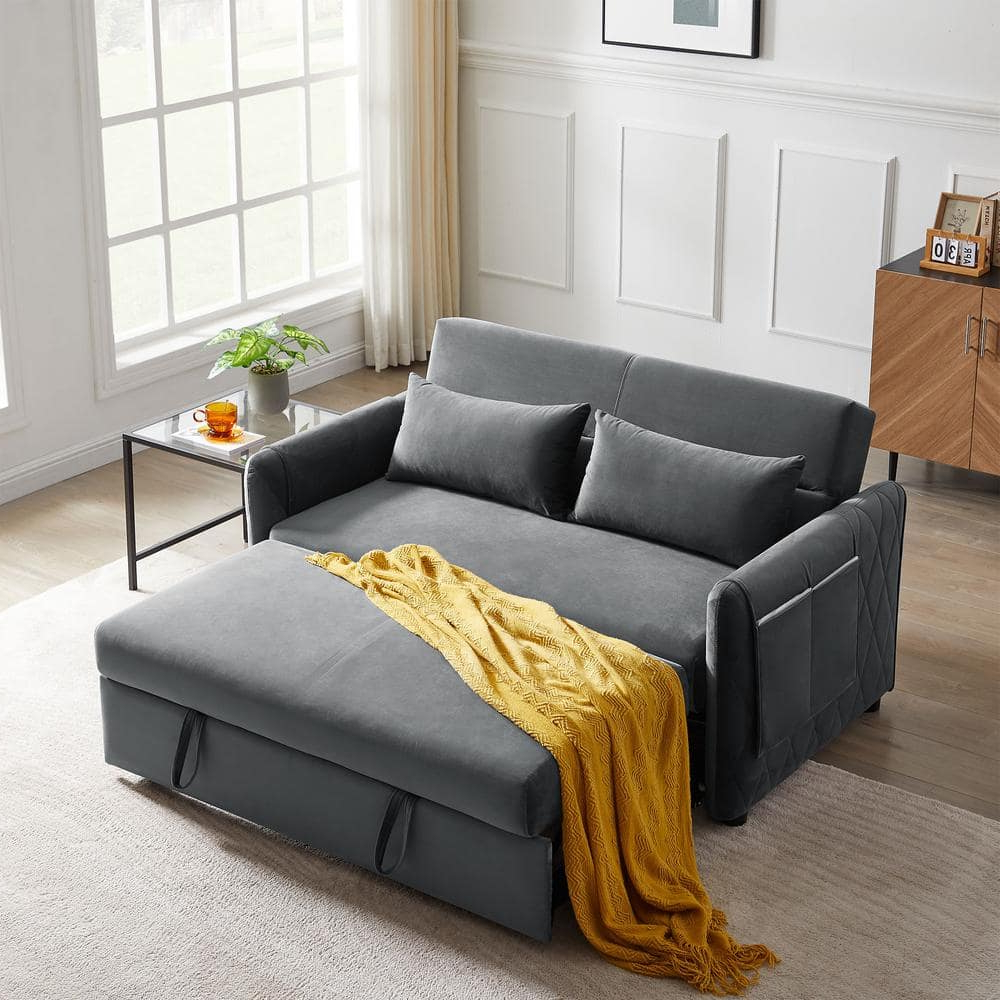
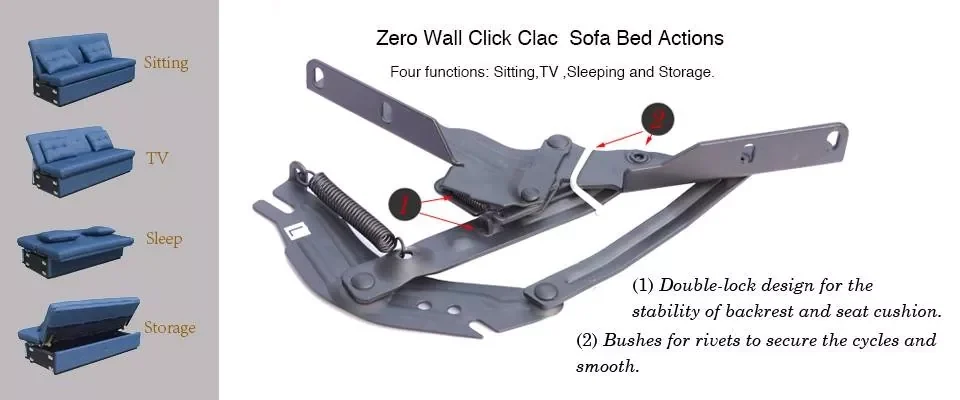
Modern convertible seating often features:
• Adjustable angles that support different postures
• Smooth transitions between seating positions
• Materials that respond to temperature and touch
• Flexible configurations for various group sizes
These features might seem small, but they create an environment where people want to stay and talk.
The Psychology Behind Seating Choices
Have you ever noticed how certain seating arrangements make you feel more relaxed? The psychology behind this is fascinating. When we’re physically comfortable, our brains shift from survival mode to social mode. We’re more open to new ideas and better able to read body language.
Research shows that:
• People feel safer when they can see eye-level with others
• Seating that allows for slight leaning encourages trust
• Flexible arrangements reduce anxiety in group settings
• Natural materials like wood and soft fabrics promote calmness
This isn’t just about aesthetics. It’s about creating conditions where genuine human interaction can flourish. The right chair can make someone feel less like they’re being interviewed and more like they’re part of a conversation.
Design Elements That Encourage Dialogue
Good convertible seating doesn’t just happen by accident. Designers consider multiple factors when creating spaces for conversation:
• Angle and positioning: Seats that allow people to face each other naturally
• Height matching: Ensuring no one feels elevated or diminished
• Surface texture: Soft materials that invite touch and connection
• Space allowance: Enough room for movement without feeling cramped
• Visual flow: Arrangements that guide attention toward the speaker
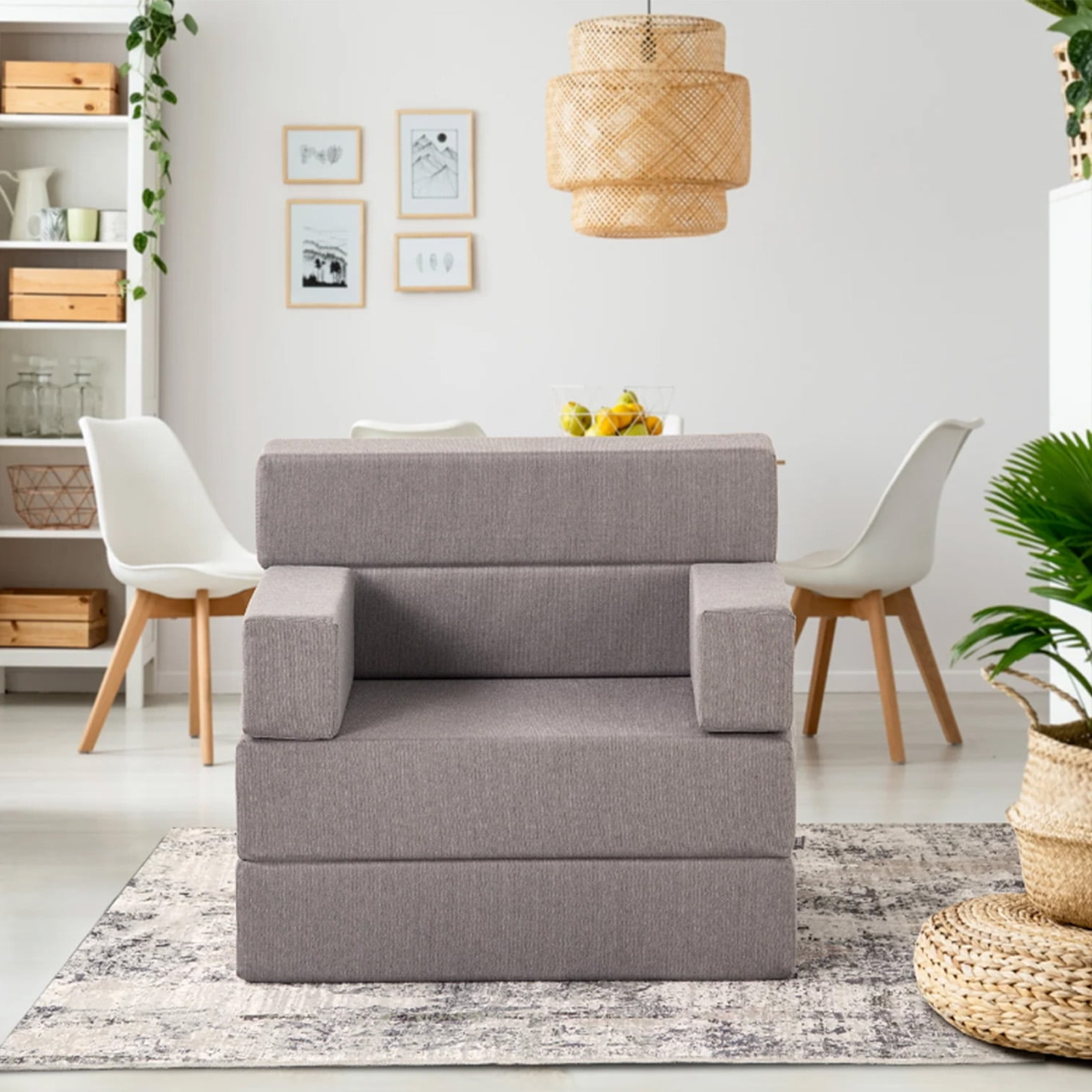
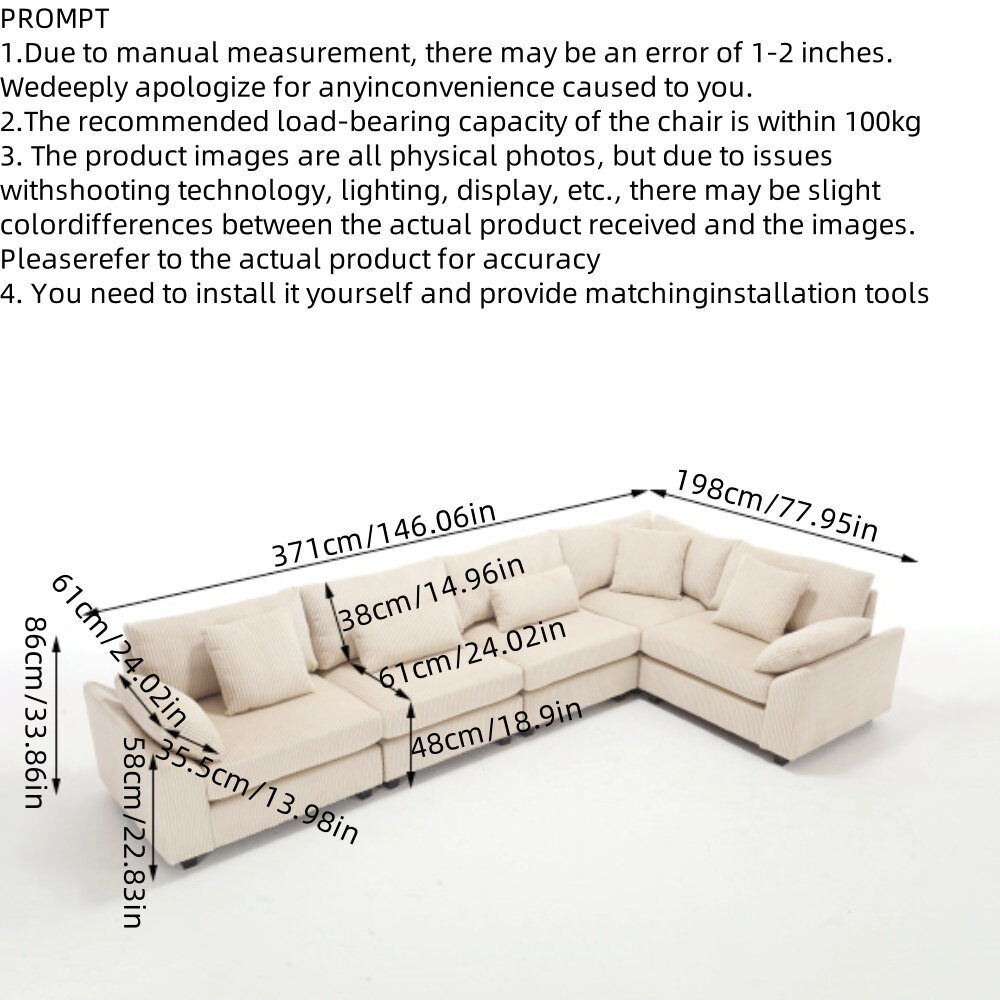
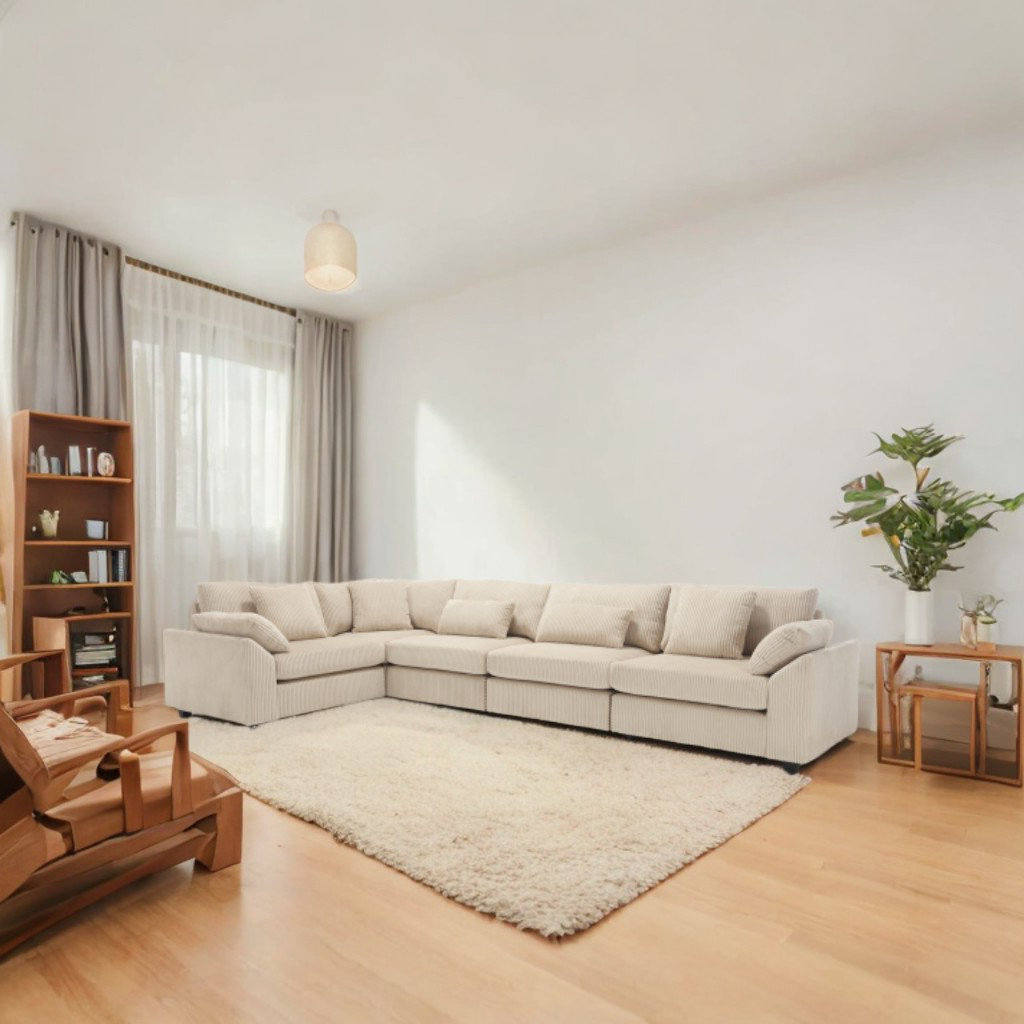
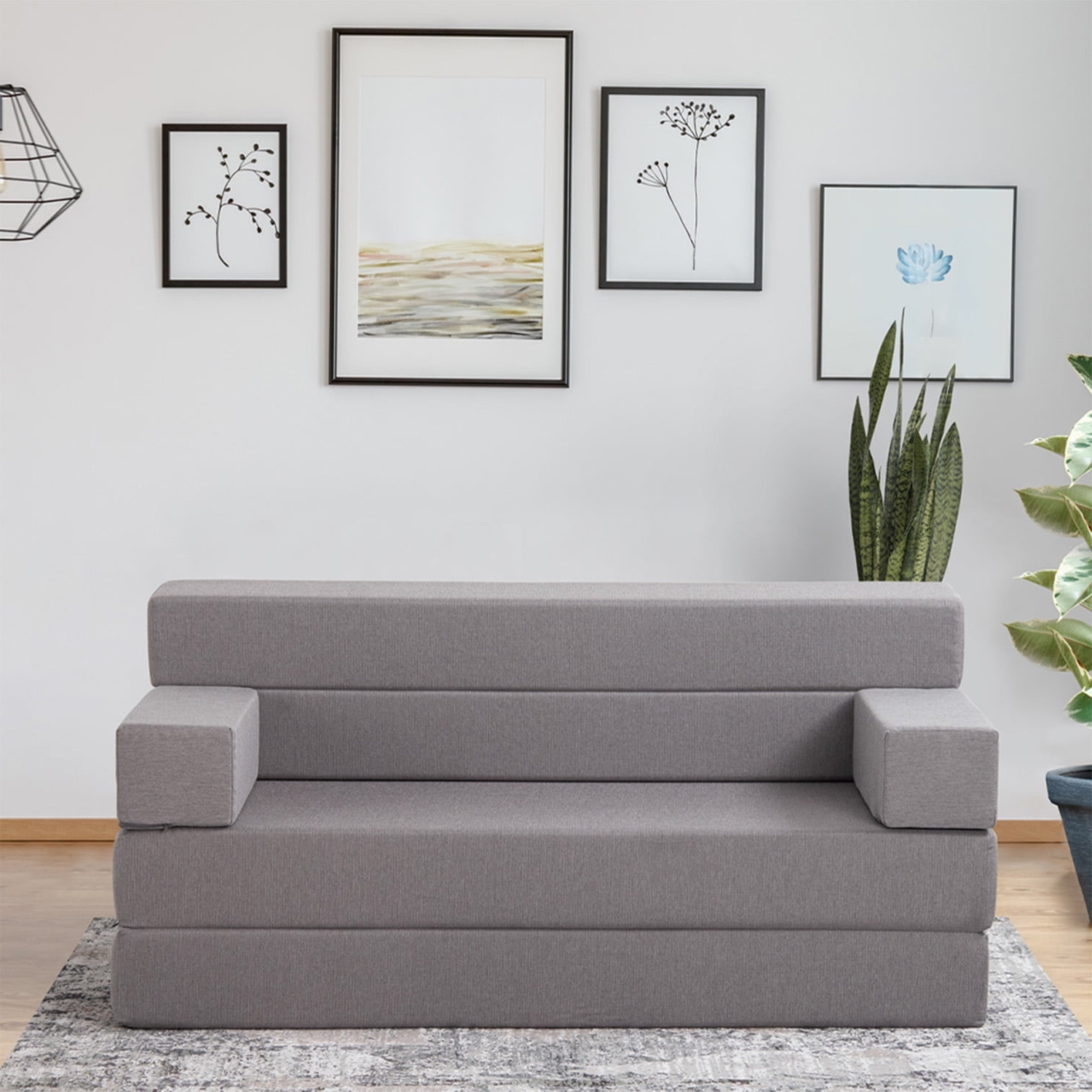
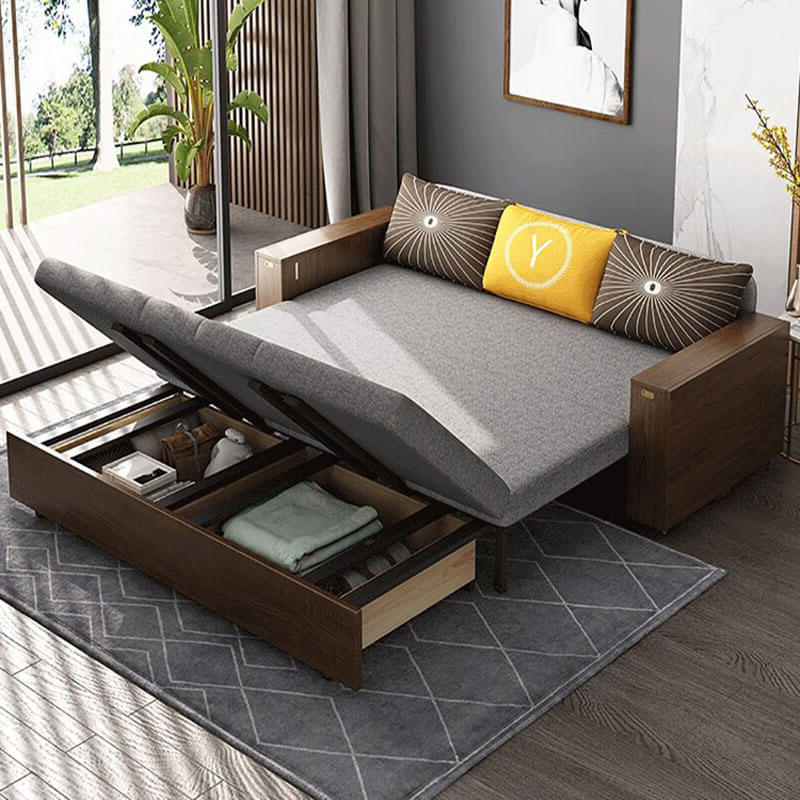
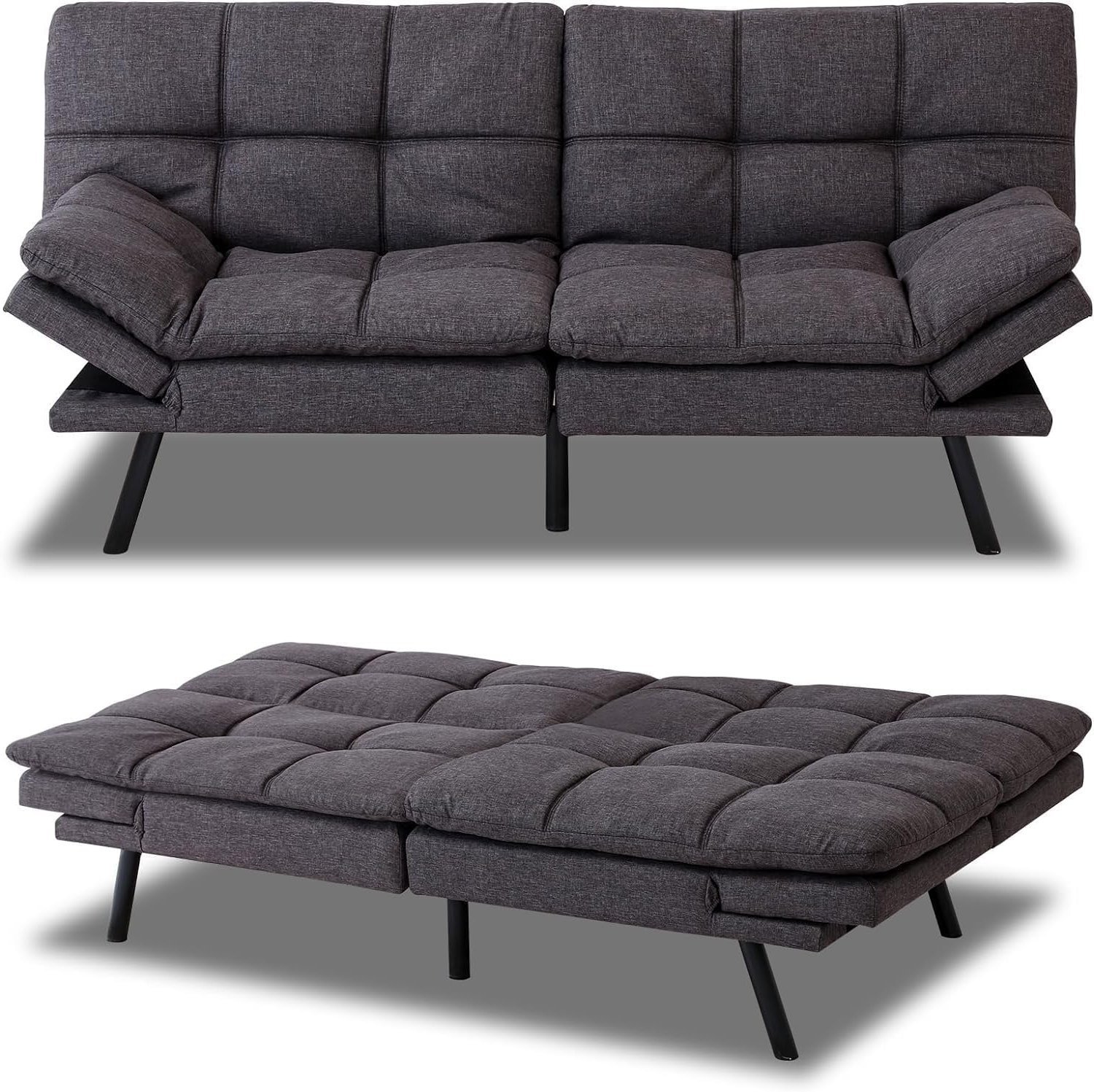
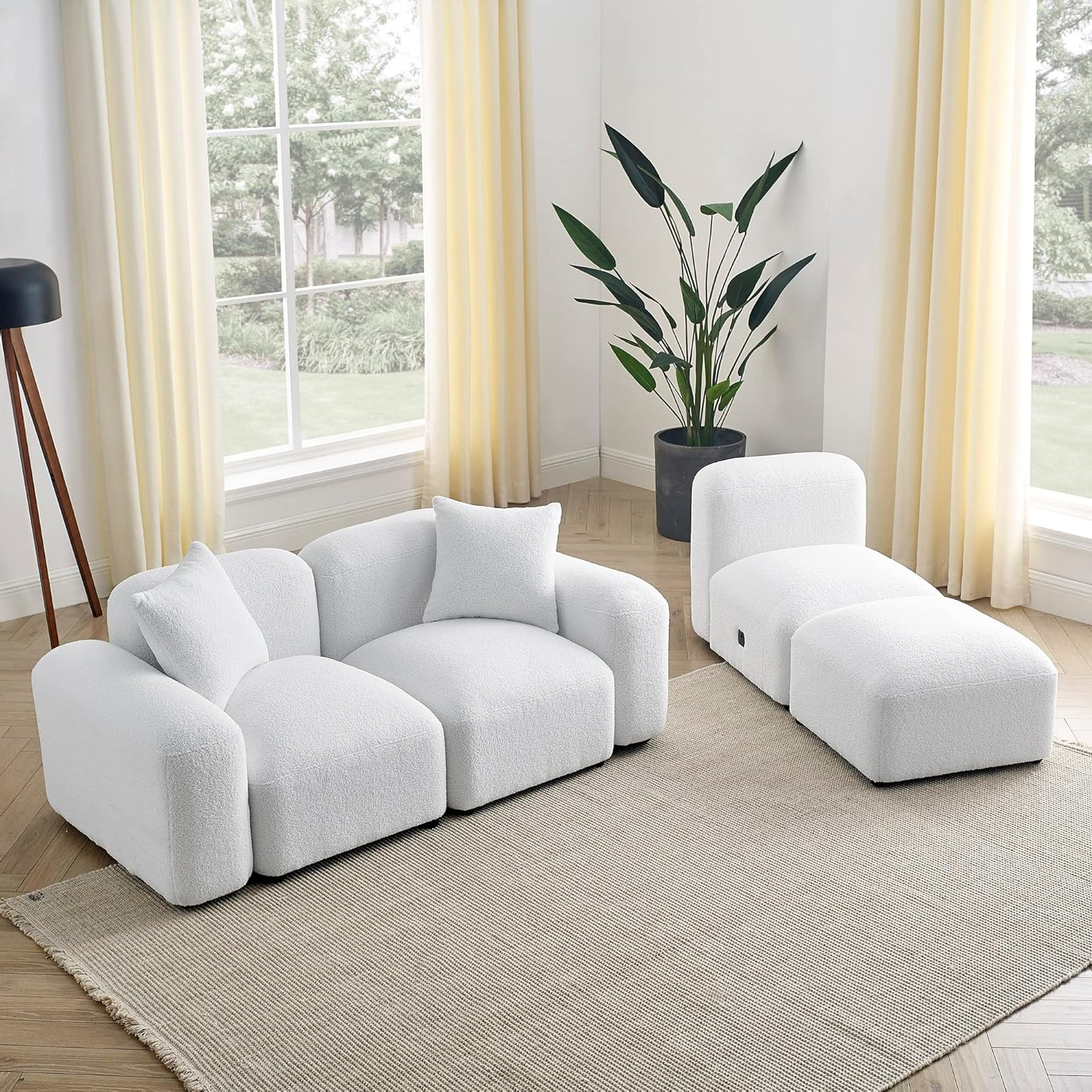
Consider a living room setup where a loveseat can transform into a conversation circle. The same piece of furniture can become a place for quiet reading or an intimate gathering. This adaptability mirrors how relationships evolve—sometimes you need space, sometimes you need closeness.
A practical example: In community centers, convertible seating often features modular designs that can be rearranged for different activities. During workshops, chairs might form a circle; during quiet reflection, they could be arranged in rows. This flexibility keeps people engaged and reduces the mental barriers that come with static environments.
Real-World Applications in Daily Life
The benefits of convertible seating extend far beyond luxury homes or high-end offices. Here’s how it works in everyday situations:
Home Settings
• A dining area with convertible chairs that can adjust for different meal styles
• Living rooms where seating can shift from individual reading to group discussions
• Bedrooms where a chair can become a guest bed during visits
Workplaces
• Meeting rooms with seating that adapts to brainstorming vs. presentation needs
• Open office areas that allow for both solo work and collaboration
• Conference rooms that can quickly reconfigure for different meeting types
Community Spaces
• Libraries where seating transforms from individual study to group projects
• Cafeterias that accommodate casual dining and formal events
• Schools where desks can become collaborative learning stations
These aren’t just fancy features—they’re solutions to real problems. People spend hours in these spaces, and the right seating can make the difference between feeling energized or drained.
Building Trust Through Physical Comfort
When people feel physically secure, they’re more likely to trust others. This happens on a subconscious level. A chair that supports good posture makes someone appear more confident. A sofa that invites hunching might signal discomfort or defensiveness.
Key aspects of trust-building seating:
• Comfort zones: Seating that lets people relax without feeling judged
• Personal space management: Configurations that respect boundaries while encouraging openness
• Movement freedom: Options that let people shift positions naturally
• Inclusive design: Spaces that work for people of all sizes and abilities
In therapy sessions, for instance, the seating arrangement can significantly impact how much a person shares. A therapist’s chair positioned slightly lower than the client’s can create a sense of equality and safety. Similarly, in family settings, seating that allows children to feel included rather than overlooked builds stronger bonds.
The subtle cues that seating provides are powerful. They communicate acceptance, openness, and care—qualities that are essential for meaningful conversations.
Making the Most of Convertible Seating
Choosing and using convertible seating wisely means thinking beyond the initial purchase. Consider how the piece will serve different purposes over time:
Before Buying
• Identify how many people typically interact in the space
• Determine what types of conversations happen regularly
• Think about how the seating will age with your lifestyle
• Consider maintenance requirements and durability
During Use
• Experiment with different configurations for different situations
• Pay attention to how people naturally position themselves
• Notice which setups encourage the most engagement
• Allow flexibility for spontaneous changes in group dynamics
Long-Term Benefits
• Reduced stress from uncomfortable seating arrangements
• Increased participation in group activities
• Better retention of important conversations
• Enhanced overall satisfaction with shared spaces
Remember, the best seating isn’t necessarily the most expensive—it’s the one that fits your life and helps you connect with others. Sometimes, a simple change in how we sit together can transform the way we relate to each other.
The relationship between seating and conversation goes deeper than most people realize. Thoughtfully designed convertible seating doesn’t just provide comfort—it creates opportunities for genuine connection. Whether you’re planning a home renovation, setting up a workplace, or designing a public space, remember that the way people sit together shapes how they talk, think, and relate to each other.
The next time you find yourself in a situation where conversation feels difficult, pause and consider the physical elements around you. Sometimes the solution isn’t in changing the topic—it’s in changing how people are seated. That small adjustment might just be what opens the door to the kind of conversation that matters.
[sps_html tag=”img” src=”https://roofdrivein.com/wp-content/uploads/2026/01/mercer41-nordic-minimalist-convertible-sofa-combination-modern-with-regard-to-creating-comfortable-conversations-with-thoughtfully-designed-convertible-seating.jpg” alt=”Mercer41 Nordic Minimalist Convertible Sofa Combination Modern … with regard to Creating Comfortable Conversations with Thoughtfully Designed Convertible Seating” style=”width: 100%; height: auto;”]
[sps_html tag=”img” src=”https://roofdrivein.com/wp-content/uploads/2026/01/modern-minimalist-convertible-modular-sectional-sofa-l-shaped-intended-for-minimalist-convertible-sofa.jpg” alt=”Modern Minimalist Convertible Modular Sectional Sofa, L-Shaped … intended for Minimalist Convertible Sofa” style=”width: 100%; height: auto;”]
[sps_html tag=”img” src=”https://roofdrivein.com/wp-content/uploads/2026/01/melisa-foldable-sofa-bed-space-saving-single-bed-for-small-rooms-with-minimalist-convertible-sofa.jpeg” alt=”Melisa Foldable Sofa Bed – Space-Saving Single Bed For Small Rooms … with Minimalist Convertible Sofa” style=”width: 100%; height: auto;”]
[sps_html tag=”img” src=”https://roofdrivein.com/wp-content/uploads/2026/01/mercer41-nordic-minimalist-convertible-sofa-combination-modern-with-regard-to-minimalist-convertible-sofa.jpg” alt=”Mercer41 Nordic Minimalist Convertible Sofa Combination Modern … with regard to Minimalist Convertible Sofa” style=”width: 100%; height: auto;”]
[sps_html tag=”img” src=”https://roofdrivein.com/wp-content/uploads/2026/01/homedius-melisa-foldable-sofa-bed-space-saving-single-bed-for-small-throughout-minimalist-convertible-sofa.jpeg” alt=”Homedius Melisa Foldable Sofa Bed – Space-Saving Single Bed For Small … throughout Minimalist Convertible Sofa” style=”width: 100%; height: auto;”]