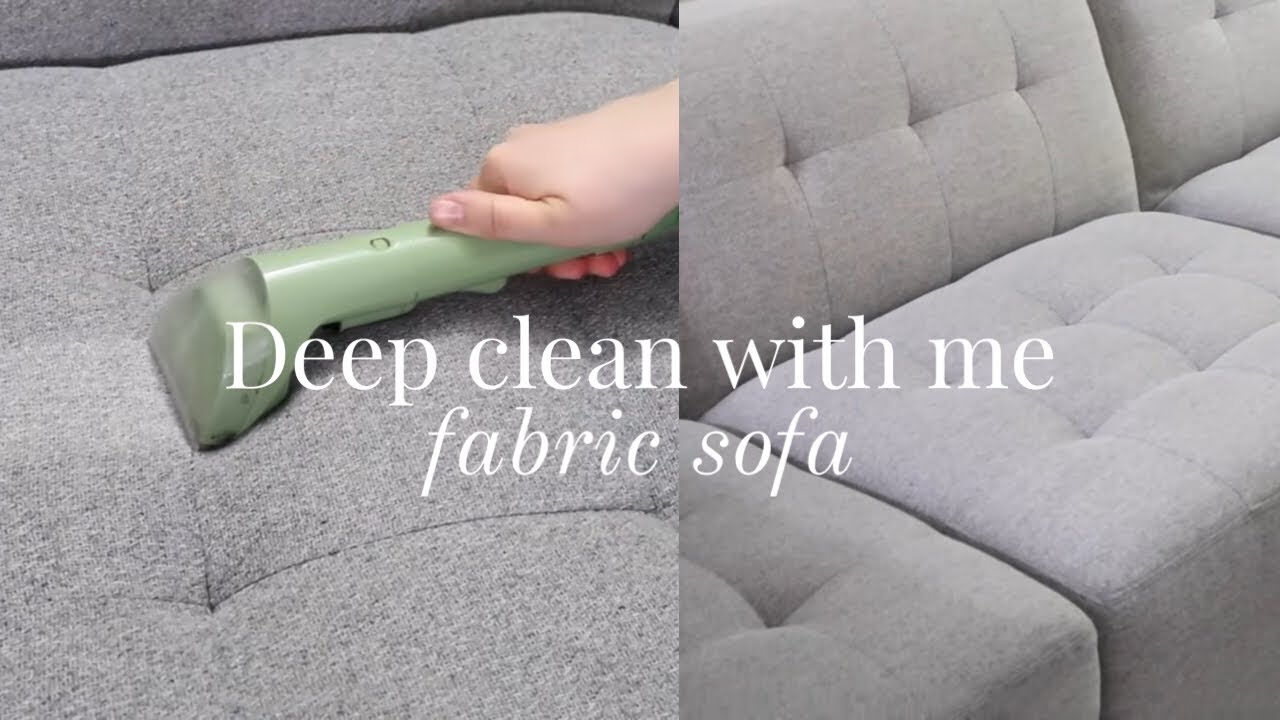
There’s something special about a comfortable sofa bed that makes it a must-have in many homes. Whether it’s for guests or daily use, these versatile pieces require proper care to maintain their appearance and comfort. But cleaning them can feel like a challenge when you’re unsure how to handle different fabric types without causing damage. Let’s explore the best practices for maintaining your sofa bed’s cleanliness while preserving its integrity.
Sofa beds are more than just furniture – they’re the heart of hospitality and everyday relaxation in many households. The softness of the fabric, the comfort of the mattress, and the convenience of having both seating and sleeping in one piece make them incredibly popular. However, these multi-functional pieces also demand special attention when it comes to maintenance. Cleaning a sofa bed isn’t as simple as tossing it in the washing machine or using any old cleaning product. The fabric needs careful consideration, and the right approach can mean the difference between a pristine piece and one that looks worn out after just a few months. Understanding how to properly clean your sofa bed without causing harm is crucial for anyone who wants to keep their investment looking great for years to come.
Understanding Your Sofa Bed Fabric
Before diving into cleaning techniques, it’s essential to know what your sofa bed is made of. Different fabrics require different treatments, and a little research can save you from costly mistakes. Most sofa beds feature either cotton, polyester, or microfiber materials. Cotton is breathable and soft, but it can shrink or fade if not handled correctly. Polyester offers durability and color retention, though it might trap odors more easily. Microfiber is often used for its plush texture and stain resistance, but it requires gentle handling. Some modern sofa beds even have special coatings or blends that add extra protection. Take a moment to check the manufacturer’s label or instructions – it might say ‘dry clean only’ or recommend specific cleaning products. If there’s no label, gently rub a small hidden area with water to see how the fabric reacts. This simple test can prevent major issues later on. Remember, when in doubt, always opt for gentler cleaning methods rather than risking damage to the material.
Pre-Cleaning Preparation Steps
Proper preparation sets the stage for successful cleaning. Start by removing all cushions, blankets, and pillows from the sofa bed. This gives you full access to the fabric surface and prevents any accidental damage during the process. Next, vacuum the entire surface thoroughly. Pay special attention to crevices and seams where dust, pet hair, and debris tend to accumulate. A good vacuum cleaner with a brush attachment works wonders for lifting embedded particles. After vacuuming, check for any visible stains or spots that need targeted treatment. Remove loose items like coins, keys, or pet toys that might interfere with cleaning. It’s also wise to open windows or turn on fans to ensure good ventilation. Working in a well-ventilated area helps with drying time and reduces the risk of moisture buildup that could lead to mold or mildew. If you’re dealing with a particularly stubborn mess, consider laying down a towel or plastic sheet to protect the floor beneath. These small steps might seem minor, but they significantly improve the effectiveness of your cleaning efforts and protect your investment.
Safe Cleaning Solutions for Various Fabrics
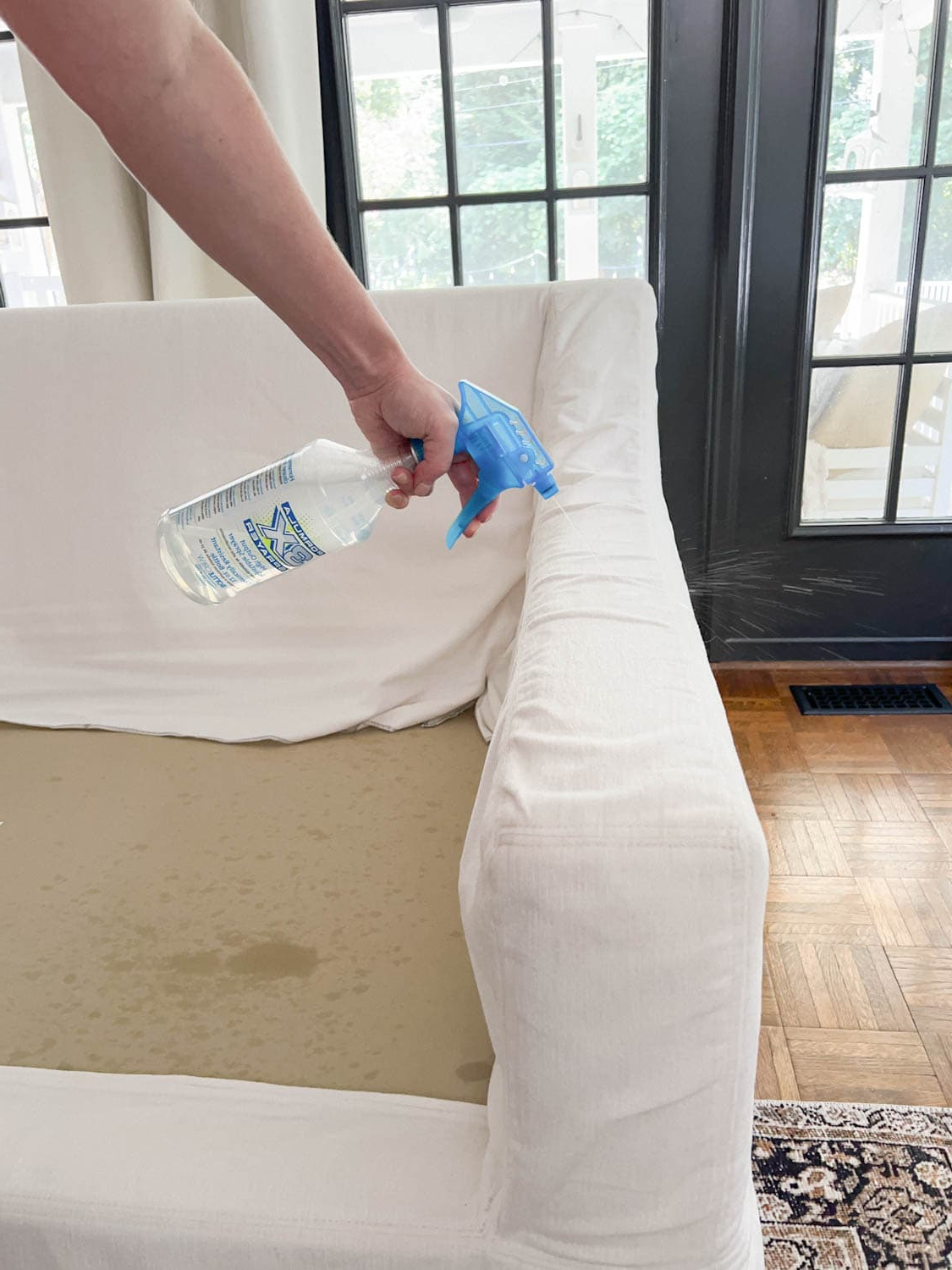
Choosing the right cleaning solution is like choosing the right tool for a job – it matters a lot. For most standard fabrics, a mixture of mild detergent and warm water works surprisingly well. You can use a gentle dish soap or specialized upholstery cleaners that are designed specifically for home furnishings. Always test any new solution on a hidden area first to ensure it won’t discolor or damage the fabric. When working with delicate materials like silk or wool blends, stick to professional dry cleaning services or very gentle hand-washing methods. For synthetic fabrics such as polyester or microfiber, you can usually get away with a slightly stronger solution, but still avoid harsh chemicals or bleach. Some people swear by white vinegar diluted in water for removing odors and light stains. Others prefer baking soda mixed with water to create a paste for tackling tougher spots. The key is to work in small sections and always blot rather than rub. Rubbing can damage fibers or push dirt deeper into the material. And remember, when dealing with leather or faux leather sections, use only specialized leather cleaners and avoid getting any liquid on the fabric portion.
Step-by-Step Cleaning Process
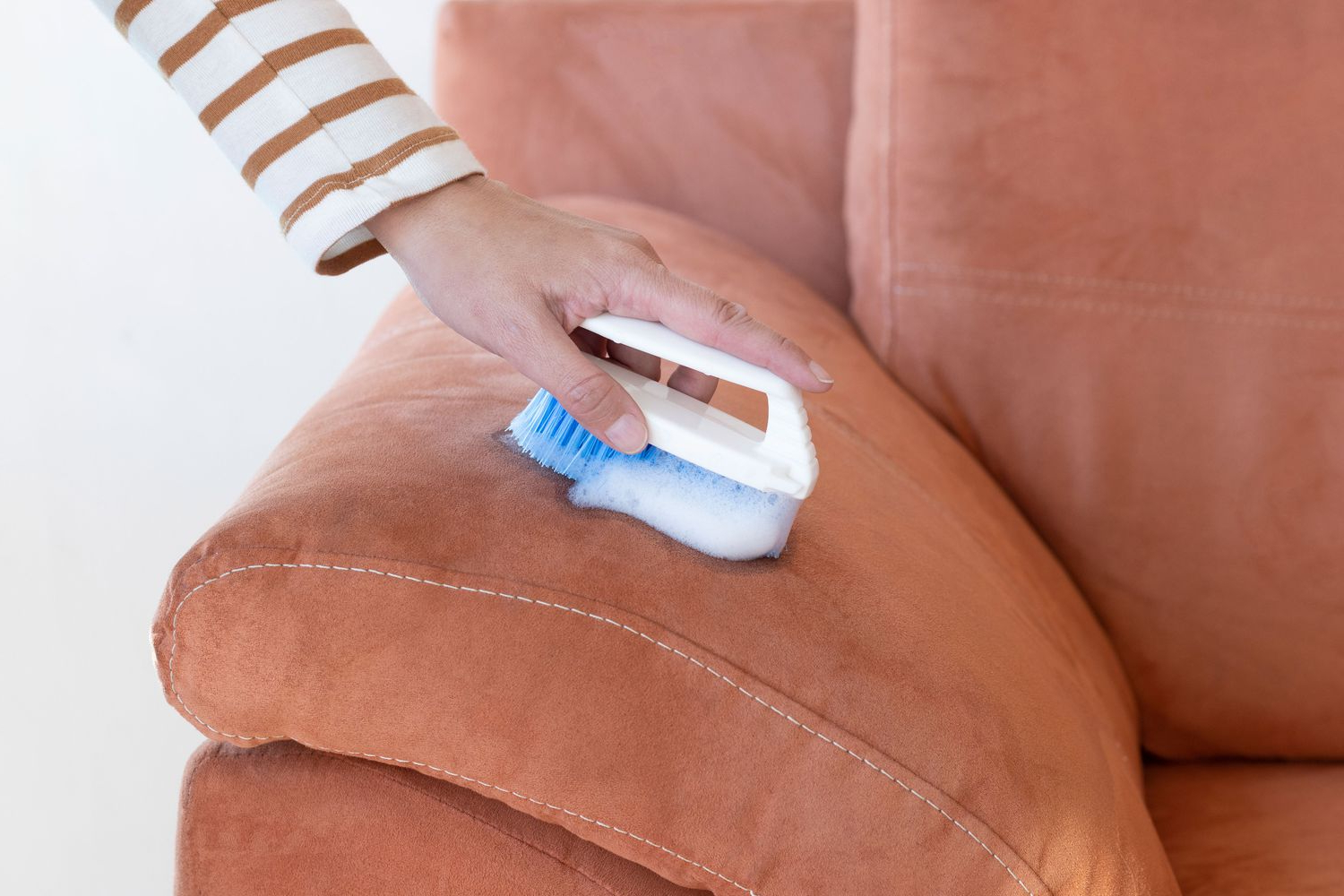
Now comes the actual cleaning phase, which should be approached methodically. Begin by applying your chosen cleaning solution to a clean cloth or sponge. Work in gentle circular motions, focusing on stained areas first. For deep-set stains, allow the solution to sit for a few minutes before blotting again. Never use excessive water – too much moisture can cause shrinking, warping, or even structural damage. Once you’ve treated the stains, use a clean, damp cloth to remove any remaining residue. Wring out the cloth well so it’s barely damp, not soaking wet. Then, dry the area thoroughly with a clean towel. If possible, let it air dry completely in a well-ventilated space. You can speed up the drying process by using a fan or placing it in direct sunlight, but avoid prolonged exposure to heat sources that might cause fading. Finally, brush the fabric lightly with a soft brush to restore its natural texture and appearance. This step helps fluff up fibers that may have been compressed during cleaning.
Dealing with Stubborn Stains
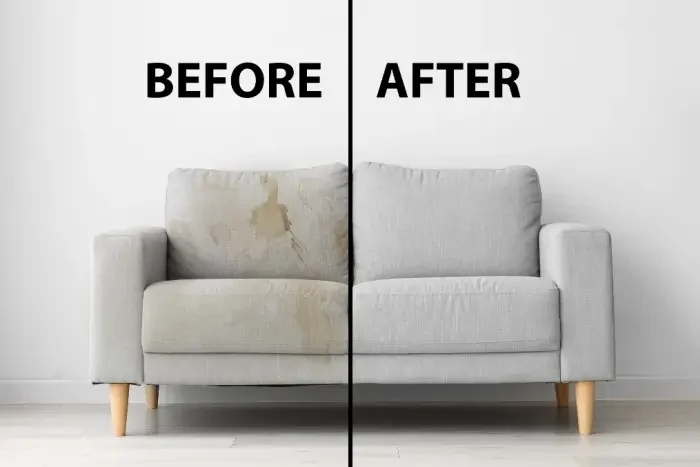
Sometimes life happens, and stains appear that refuse to budge. Blood, wine, pet accidents, or food spills can be particularly challenging. For blood stains, act quickly and use cold water combined with a small amount of enzyme-based cleaner. Enzymes break down proteins found in blood, making them easier to remove. Wine stains often respond well to a mixture of equal parts white vinegar and water, applied immediately before the stain sets. Pet accidents require immediate attention with enzymatic cleaners designed specifically for pet odors. These products break down the organic compounds that cause persistent smells. For grease or oil stains, sprinkle cornstarch or talcum powder on the spot to absorb excess oils. Let it sit for several hours before brushing off. If the stain persists, try using a small amount of dish soap mixed with warm water. Apply gently and blot repeatedly until the stain disappears. Remember, patience is crucial – rushing the process often leads to incomplete removal or fabric damage. Sometimes, multiple attempts are necessary, but each time you’re closer to success.
Maintenance Tips to Preserve Fabric Longevity
Regular upkeep is far easier than dealing with major cleaning jobs later on. Rotate your cushions every few weeks to ensure even wear and prevent permanent indentations. Vacuum regularly, ideally once a week, to prevent buildup of dirt and allergens. Address small spills immediately with a clean cloth to prevent them from setting in. Consider investing in a fabric protector spray that creates a barrier against stains and makes future cleaning easier. These sprays are available at most home goods stores and typically last several months before needing reapplication. Keep pets and children away from the sofa bed when possible, or provide designated areas for them to rest. This simple precaution prevents scratches and tears that can compromise the fabric. Additionally, avoid placing sharp objects directly on the surface, and never use the sofa bed as a jumping surface. These preventive measures not only extend the life of your sofa bed but also maintain its appearance and value over time. Think of it as treating your furniture like a cherished friend – consistent care leads to lasting relationships.
Cleaning a sofa bed properly is an art that combines knowledge, patience, and respect for the materials you’re working with. By understanding your fabric type, preparing thoroughly, using appropriate solutions, and following a systematic approach, you can keep your sofa bed looking fresh and feeling comfortable for years. Don’t overlook the importance of regular maintenance – it’s much easier to handle small issues before they become major problems. Whether you’re dealing with a simple weekly vacuum or a stubborn stain that requires special attention, taking the time to do it right will pay off in the long run. Your sofa bed deserves the care it gets, and with these tips, you’re equipped to give it exactly that. Remember, the goal isn’t just to clean it – it’s to preserve its beauty and functionality so it continues serving you well.
[sps_html tag=”img” src=”https://roofdrivein.com/wp-content/uploads/2026/01/how-to-clean-sofa-cabinets-matttroy-for-how-to-clean-sofa-bed.webp” alt=”How To Clean Sofa | Cabinets Matttroy for How To Clean Sofa Bed” style=”width: 100%; height: auto;”]
[sps_html tag=”img” src=”https://roofdrivein.com/wp-content/uploads/2026/01/how-to-clean-a-fabric-couch-design-it-style-it-pertaining-to-how-to-clean-sofa-bed.jpg” alt=”How To Clean A Fabric Couch - Design It. Style It. pertaining to How To Clean Sofa Bed” style=”width: 100%; height: auto;”]
[sps_html tag=”img” src=”https://roofdrivein.com/wp-content/uploads/2026/01/how-to-clean-a-fabric-couch-design-it-style-it-in-how-to-clean-a-sofa-bed-without-damaging-the-fabric.png” alt=”How To Clean A Fabric Couch - Design It. Style It. in How to Clean a Sofa Bed Without Damaging the Fabric” style=”width: 100%; height: auto;”]
[sps_html tag=”img” src=”https://roofdrivein.com/wp-content/uploads/2026/01/how-to-deep-clean-fabric-sofa-at-home-youtube-inside-how-to-clean-sofa-bed.jpg” alt=”How To Deep Clean Fabric Sofa At Home - Youtube inside How To Clean Sofa Bed” style=”width: 100%; height: auto;”]
[sps_html tag=”img” src=”https://roofdrivein.com/wp-content/uploads/2026/01/how-to-clean-a-suede-like-couch-at-nina-pierson-blog-throughout-how-to-clean-a-sofa-bed-without-damaging-the-fabric.jpg” alt=”How To Clean A Suede Like Couch At Nina Pierson Blog throughout How to Clean a Sofa Bed Without Damaging the Fabric” style=”width: 100%; height: auto;”]