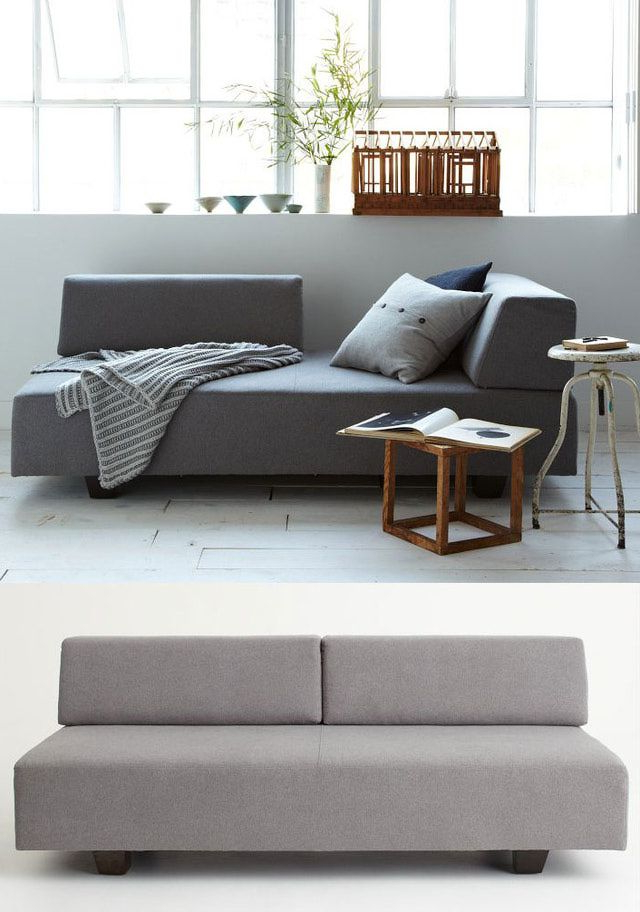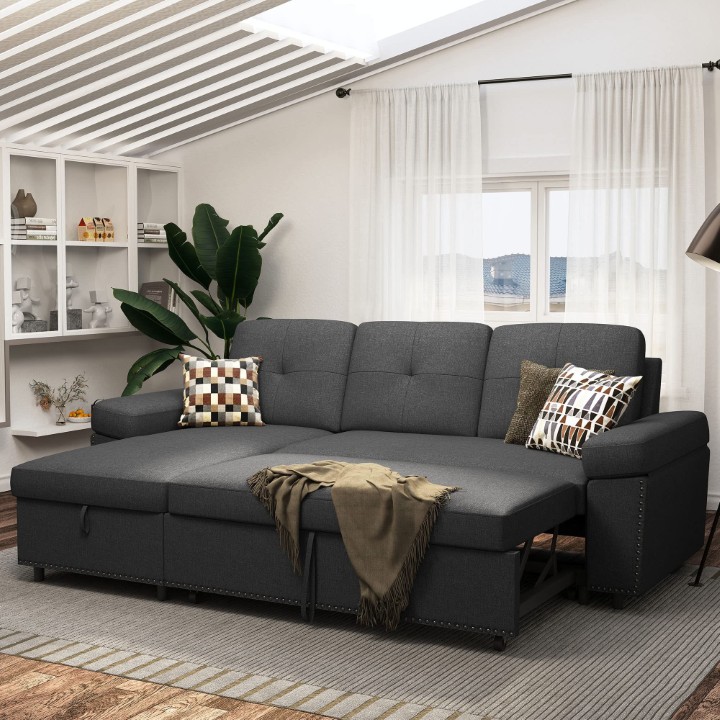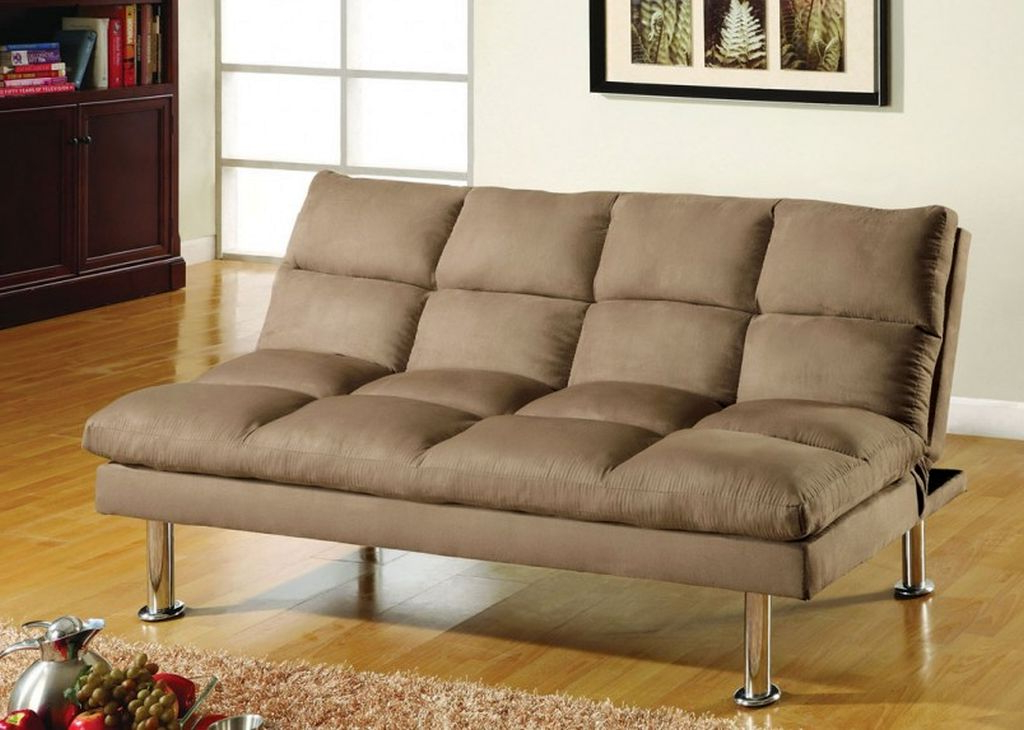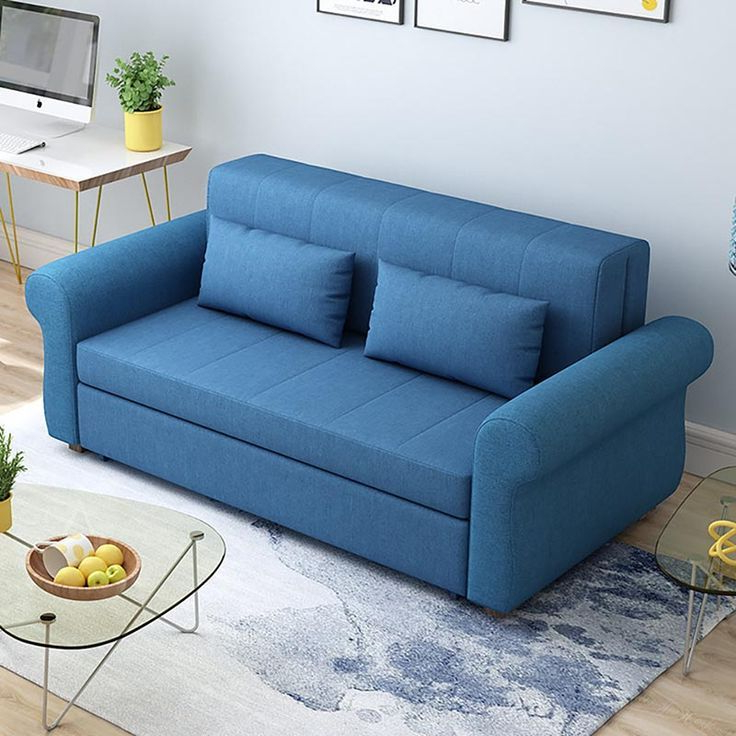
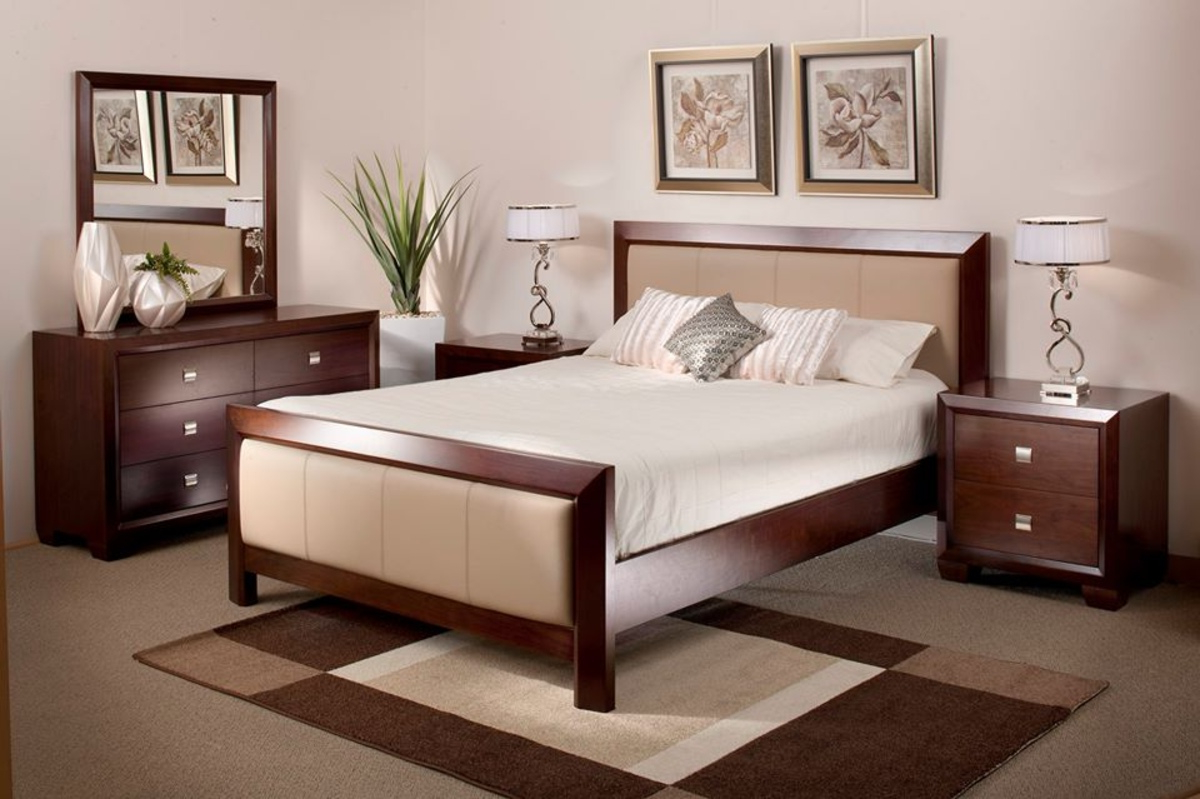
Imagine walking into a bedroom where every piece tells a story of thoughtful design. The kind of space that feels like a gentle hug after a long day. That’s what happens when you master the principles of timeless simplicity in bedroom furniture design. It’s not just about having fewer things – it’s about choosing the right things that stand the test of time.
There’s something deeply satisfying about a bedroom that feels both comfortable and elegant. It’s the kind of space where you can truly relax, where each piece serves a purpose, and where the overall feeling is one of calm. This isn’t about following fleeting trends or buying the latest flashy pieces. Instead, it’s about understanding fundamental design principles that create lasting beauty and functionality.
Think about your favorite sleeping spaces. They probably share common elements – clean lines, quality materials, thoughtful proportions, and a sense of harmony. These aren’t accidents. They’re the result of applying timeless design principles that have been tested through decades of human experience. Whether you’re starting fresh or updating an existing space, understanding these core concepts will guide you toward creating a bedroom that feels right, today and tomorrow.
Understanding Timeless Design Elements
Timeless design isn’t about avoiding change – it’s about choosing elements that won’t date you quickly. Think of it like selecting clothes that work for multiple seasons rather than chasing seasonal trends. The best bedroom designs incorporate elements that remain appealing across generations.
Consider the classic appeal of solid wood over synthetic materials. A well-made wooden bed frame isn’t just durable; it develops character over time. The grain patterns become more pronounced, and the piece takes on a warm glow that makes it feel more personal. This isn’t just about aesthetics – it’s about creating furniture that ages gracefully.
Another crucial element is proportion. A bedroom with carefully considered scale feels more harmonious than one where furniture seems either too big or too small. When you’re choosing pieces, think about how they relate to each other and to the room’s dimensions. A large headboard might overwhelm a small space, while a tiny nightstand could get lost in a large room.
Color Palette Fundamentals
The colors you choose for your bedroom set the mood for the entire space. This is where many people get it wrong – they try to make everything perfectly coordinated instead of focusing on creating a cohesive palette that works together.
Neutral tones like whites, creams, soft grays, and warm beiges form the foundation of most successful bedroom designs. These colors reflect light beautifully and create a sense of spaciousness. They also provide excellent canvases for adding pops of color through accessories.
But neutral doesn’t mean boring. Consider the subtle differences between different whites – some lean toward cool, others toward warm. A warm white bedding might pair beautifully with a cream-colored dresser, while a cool white might complement a gray upholstered chair better.
When introducing accent colors, limit yourself to two or three maximum. Choose one that complements your primary neutral and another that either contrasts or harmonizes with it. For example, if your walls are a soft sage green, consider adding touches of warm terracotta or deep navy blue.
Remember that color temperature matters more than hue alone. A bright yellow lampshade might look cheerful in a room with warm tones, but it could feel jarring in a space dominated by cool grays and blues.
Proportion and Scale Balance
This is perhaps the most challenging aspect of bedroom design because it requires looking beyond individual pieces to see how they work together. Good proportions create visual harmony, while poor proportions can make even beautiful furniture feel awkward.
Start with the bed as your anchor point. This is usually the largest piece in the room, so it needs to be proportionate to the space. A king-size bed in a large room might feel appropriately sized, but in a small bedroom, it could dominate everything else. Consider the room’s proportions and choose accordingly.
Think about how furniture relates to the ceiling height. In rooms with high ceilings, you might want taller pieces to maintain visual balance. Low ceilings benefit from lower-profile furniture that doesn’t make the space feel cramped.
The rule of thirds can help guide your placement decisions. Rather than centering everything, place major pieces along imaginary lines that divide the room into thirds. This creates more dynamic and interesting arrangements.
Don’t forget that furniture isn’t just about size – it’s about relationship. A tall dresser next to a low bed creates a pleasing contrast, but a very tall dresser next to a very short nightstand can feel unbalanced.
Quality Over Quantity Philosophy
This principle often gets overlooked in our fast-paced world, but it’s absolutely essential for achieving timeless simplicity. It’s not about spending more money – it’s about investing wisely in pieces that will serve you well over many years.
When you buy furniture that’s built to last, you’re actually saving money in the long run. Yes, quality pieces cost more initially, but they rarely need replacement. A well-made dresser might last 30 years or more, while a cheap alternative might need replacing in five.
Look for craftsmanship details that indicate quality. Check the joints – they should be tight and secure. Examine the finish – it should be applied evenly without drips or streaks. Test drawers and doors to ensure they open and close smoothly.
Consider the materials carefully. Solid wood is generally superior to particle board or veneer for bedroom furniture. It’s stronger, more durable, and ages better. Even if you’re working within a budget, prioritize the pieces that see the most use – like your bed frame and dresser.
This approach also means being selective about accessories. One beautiful statement piece often works better than several mediocre items. A single, well-chosen lamp can be more impactful than three poorly chosen ones.
Functionality Meets Aesthetics
The best bedroom furniture solves problems while looking good doing it. This balance is what separates truly great design from mere decoration.
Every piece should have a clear purpose. A nightstand isn’t just a surface for a lamp – it’s a place for books, glasses, and perhaps a small plant. Plan ahead for how you’ll use each item. Will you need to store clothing? Then consider a dresser with adequate drawer space. Do you need extra seating? A small bench at the foot of the bed might solve both storage and seating needs.
Storage solutions are particularly important in bedroom design. People often underestimate how much stuff they accumulate. A well-designed bedroom should accommodate your current needs and allow for future growth. This means thinking about drawer depths, shelf heights, and cabinet configurations.
Consider how furniture affects movement in the room. You should be able to walk around easily without bumping into furniture. Leave enough space for a comfortable path from the door to your bed, and ensure there’s room to get dressed and move around comfortably.
Sometimes the most elegant solution is the simplest. A clean-lined dresser with minimal hardware often looks more sophisticated than one with ornate details that might show wear over time.
Creating Visual Flow and Balance
A bedroom that feels balanced visually is more relaxing than one that feels chaotic or uneven. This concept goes beyond just placing furniture in the right spots – it’s about creating a sense of rhythm and continuity throughout the space.
Start by establishing a focal point. This might be a beautiful headboard, a stunning piece of artwork, or a window with nice views. Everything else in the room should relate to this central element. If you have a large, beautiful mirror, arrange other pieces to complement its presence rather than compete with it.
Pay attention to symmetry, but don’t make it too rigid. Perfect symmetry can feel cold and artificial. Instead, aim for visual balance – where the eye naturally moves around the room and finds rest. This often means creating pairs of similar elements rather than exact duplicates.
Consider the direction of visual movement. Light travels from left to right in most cultures, so arrange furniture to follow this natural flow. Place the most important pieces in positions that draw the eye naturally through the room.
Don’t forget about textures and materials. A bedroom with all smooth surfaces can feel flat, while one with too many different textures can feel chaotic. Find a few complementary textures that work together – maybe the smoothness of wood against the softness of fabric, or the warmth of metal against the coolness of stone.
Practical Implementation Tips
Now that we’ve covered the theory, let’s talk about putting these principles into practice. Here are some actionable steps to help you start creating your timeless bedroom:
• Start with a plan. Before buying anything, sketch out your room layout and decide on the main pieces you need. This prevents impulse purchases that might not fit.
• Choose your foundation pieces first. Your bed and dresser are typically the biggest investments, so spend more time and money on these.
• Test pieces before buying. If possible, sit on a chair or lie on a bed to see if it’s comfortable. You can’t judge comfort from photos alone.
• Think about maintenance. Some materials require more care than others. Consider how much time you want to spend cleaning and maintaining your furniture.
• Leave room for personalization. A timeless space still allows room for your personality to show through. Add personal items that reflect your interests and lifestyle.
• Consider the future. Will your needs change? Plan for flexibility in your design so it can adapt to different life stages.
Remember that achieving timeless simplicity is a process, not a destination. Start small, add pieces gradually, and always ask yourself whether each item contributes to the overall feeling of calm and beauty you’re seeking.
Creating a bedroom that embodies timeless simplicity isn’t about following rigid rules or buying expensive pieces. It’s about understanding what makes a space feel right and then making thoughtful choices that support that feeling. When you focus on quality, proportion, and function, you’re building a foundation that will serve you for years to come.
The beauty of this approach is that it works regardless of your budget or style preferences. Whether you prefer modern minimalist or traditional elegant looks, the underlying principles remain the same. You’re essentially creating a sanctuary that supports your wellbeing while reflecting your personal taste.
Most importantly, remember that simplicity doesn’t mean sterility. A timeless bedroom should feel welcoming and comfortable, not cold and impersonal. It’s about finding the right balance between clean design and personal warmth. The result is a space that feels both peaceful and perfectly suited to your life.
Your bedroom deserves to be more than just a place to sleep. It should be a retreat that enhances your daily life and provides a sense of calm that carries through your whole day. By applying these fundamental design principles, you’re not just decorating a room – you’re creating a foundation for better rest and renewed energy each morning.
[sps_html tag=”img” src=”https://roofdrivein.com/wp-content/uploads/2026/01/master-bedroom-interior-decor-ideas-simple-tips-hunar-online-in-timeless-simplicity-bedroom-furniture-design-principles.jpg” alt=”Master Bedroom Interior Decor Ideas ( Simple Tips) - Hunar Online in Timeless simplicity bedroom furniture design principles” style=”width: 100%; height: auto;”]
[sps_html tag=”img” src=”https://roofdrivein.com/wp-content/uploads/2026/01/simple-bed-frame-design-within-bedroom-furniture-design-simple-latest.jpg” alt=”Simple Bed Frame Design within Bedroom Furniture Design Simple Latest” style=”width: 100%; height: auto;”]
[sps_html tag=”img” src=”https://roofdrivein.com/wp-content/uploads/2026/01/simple-bedroom-ideas-10-best-easy-bedroom-designs-storables-regarding-bedroom-furniture-design-simple-latest.jpg” alt=”Simple Bedroom Ideas: 10 Best Easy Bedroom Designs | Storables regarding Bedroom Furniture Design Simple Latest” style=”width: 100%; height: auto;”]
[sps_html tag=”img” src=”https://roofdrivein.com/wp-content/uploads/2026/01/simple-bedroom-furniture-designs-11-contemporary-modern-bedroom-regarding-bedroom-furniture-design-simple-latest.jpg” alt=”Simple Bedroom Furniture Designs 11+ Contemporary Modern Bedroom regarding Bedroom Furniture Design Simple Latest” style=”width: 100%; height: auto;”]
[sps_html tag=”img” src=”https://roofdrivein.com/wp-content/uploads/2026/01/simple-bedroom-furniture-designs-premium-vector-simple-bed-furniture-regarding-timeless-simplicity-bedroom-furniture-design-principles.jpg” alt=”Simple Bedroom Furniture Designs Premium Vector | Simple Bed Furniture regarding Timeless simplicity bedroom furniture design principles” style=”width: 100%; height: auto;”]