Every night, we spend one-third of our lives in bed, so why not make that space work for us? The way we arrange furniture in our sleeping areas can either promote deep rest or create subtle stress that keeps us tossing and turning. It’s not just about having a comfortable mattress and soft pillows. The entire environment matters, especially how we position our furniture. What if I told you that moving your nightstand just a few inches could dramatically improve your sleep quality? Or that placing your dresser in a certain spot might reduce your stress levels before bedtime?
Think about the last time you had trouble falling asleep. Was it because of too much light, noise, or maybe just feeling overwhelmed by your surroundings? Often, the issue isn’t with the obvious factors like screens or caffeine. Sometimes it’s the quiet chaos of our bedroom setup that’s keeping us awake. We tend to overlook how our furniture arrangements impact our mental state and physical comfort during those precious hours of rest. But what if we could design our sleeping spaces with intention, using furniture placement as a tool for better sleep? This approach combines practicality with psychology, creating environments that naturally encourage relaxation and rest.
The Psychology Behind Sleep-Friendly Room Layouts
Our brains process visual information constantly, even while we sleep. When we enter a room, our minds immediately start assessing its layout for safety and comfort. A well-planned arrangement sends signals to our nervous system that everything is calm and secure. Consider the concept of ‘feng shui’ for a moment – not because it’s mystical, but because it recognizes that our physical environment directly affects our emotional state. The way furniture faces each other, the amount of open space, and even the height of your bed frame all play roles in how relaxed we feel when we lie down.
What happens when we have furniture positioned in ways that make us feel exposed or cramped? Our bodies often respond by releasing stress hormones, making it harder to drift off. Research shows that people who sleep in rooms with clean, organized layouts report better sleep quality and fewer nighttime awakenings. It’s not just about aesthetics; it’s about creating pathways for our minds to transition from the day’s activities to a state of peaceful rest.
Strategic Bed Placement for Maximum Comfort
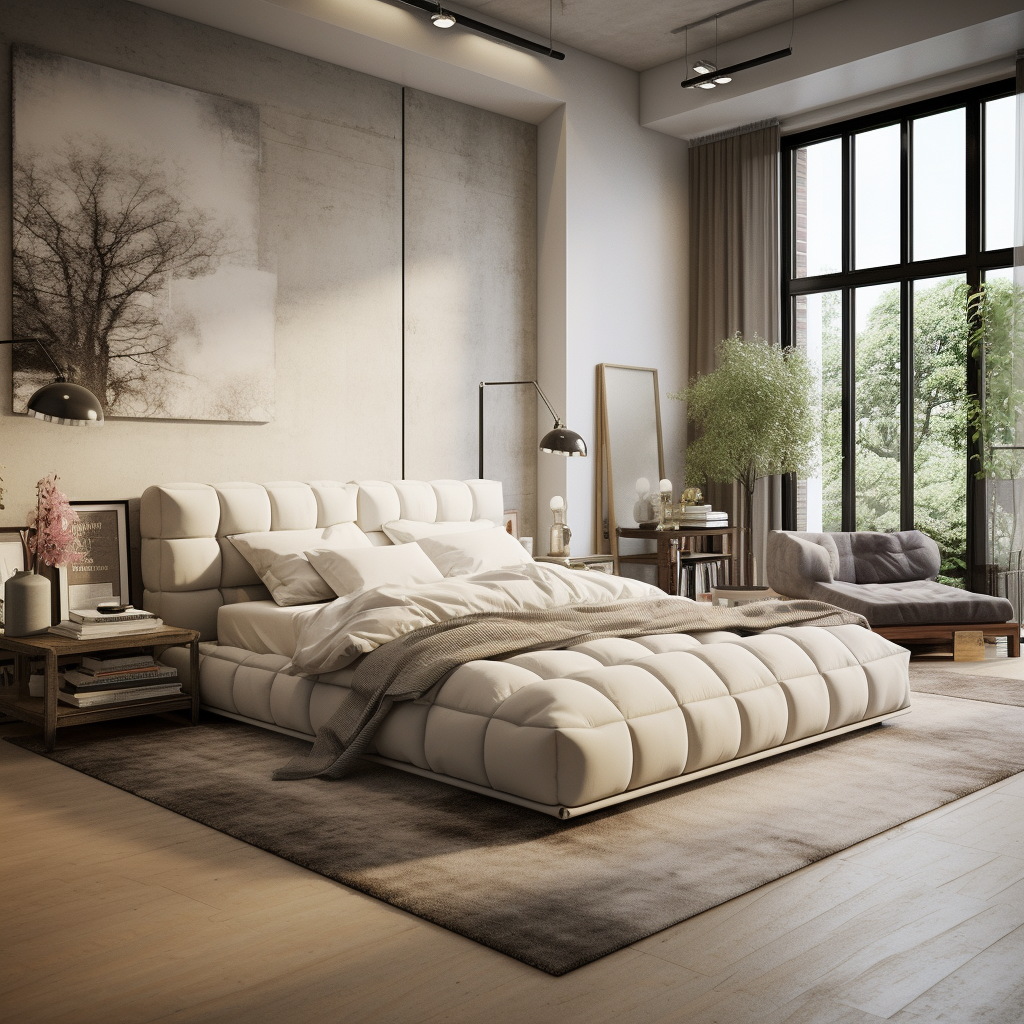
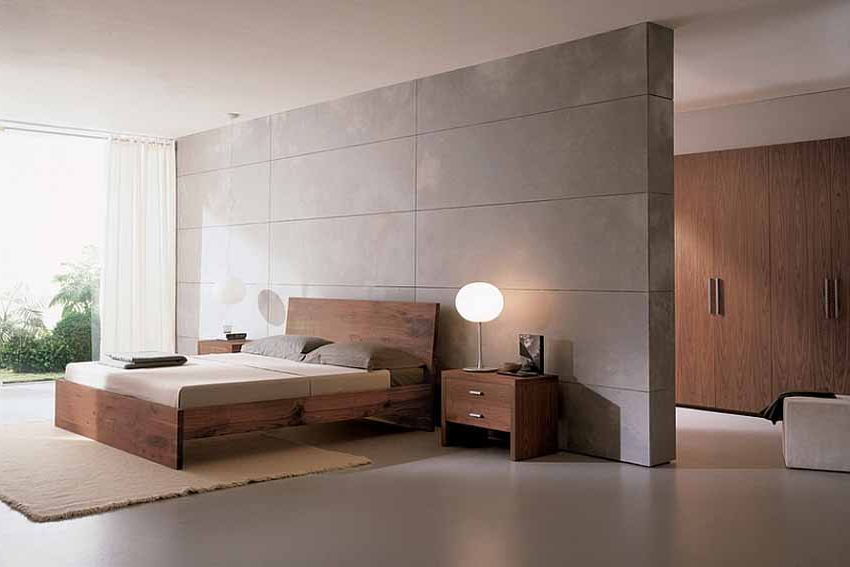
Where you place your bed is arguably the most important decision in your bedroom setup. The ideal location should offer both privacy and a sense of security. Experts recommend positioning your bed away from the door, but not directly in line with it. This creates a feeling of being able to see who enters the room while still maintaining your sense of safety. If possible, place your bed against a solid wall – not just for stability, but because it provides psychological support.
Consider the view from your bed. Does it look toward a window with street lights or busy activity? That constant visual stimulation can keep your brain alert. Instead, aim for a view of something peaceful – perhaps a garden, a blank wall, or a soft corner of your room. The direction your head faces also matters to some degree. While ancient traditions suggest specific orientations, modern research focuses more on personal comfort and the absence of electromagnetic interference from devices.
A common mistake people make is placing their bed too close to windows or doors. This can create anxiety because it feels like you’re always visible or vulnerable. When you’re lying down, your body is most defenseless, so having a sense of control over your immediate environment is crucial for good sleep.
Optimizing Nightstand and Side Table Arrangements
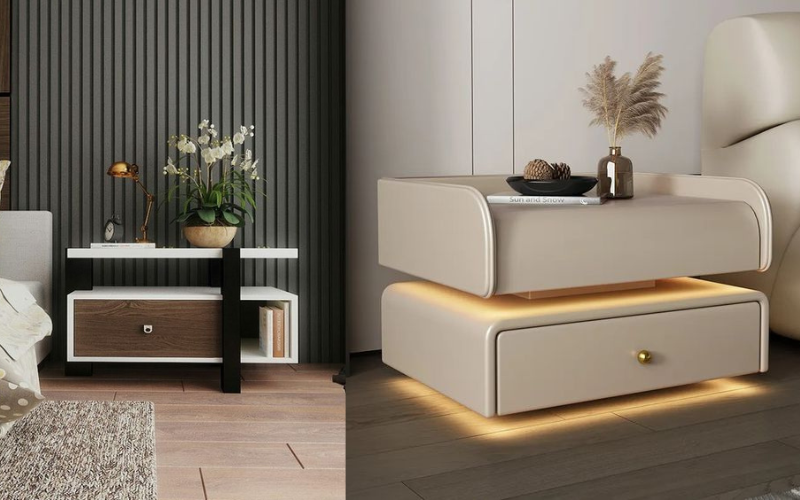
Nightstands serve more than just holding a lamp and alarm clock. They’re entry points to our bedtime routines and can either support or disrupt our ability to wind down. The best placement involves keeping everything within easy reach but avoiding clutter. Think about how many times you’ve reached across your bed for your phone only to end up fumbling around in the dark.
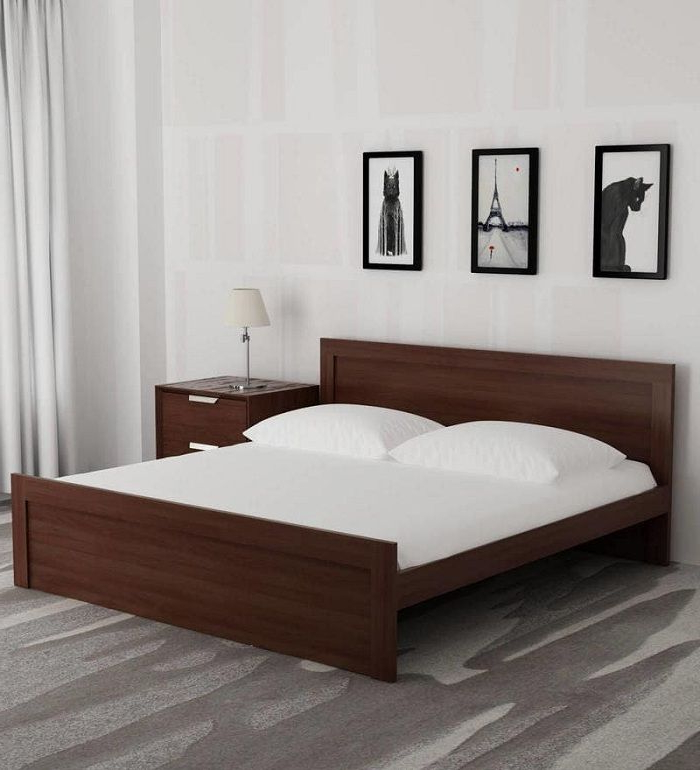
Position your nightstand on the side where you typically fall asleep – not necessarily the same side you sleep on. For instance, if you prefer sleeping on your right side, put your nightstand on the left. This makes it easier to access items without disturbing your partner or yourself. The height should match your mattress – ideally, it should be about the same height as your bed frame. If it’s too high, you’ll strain your neck reaching for things.
Many people make the error of putting too much on their nightstands. Remember, less is often more when it comes to sleep preparation. Keep only essential items: your reading glasses, a water glass, a small book, and perhaps a candle or diffuser. Everything else should be stored elsewhere in the room. This helps reduce visual distractions and prevents the temptation to check your phone or get distracted by other activities.
Smart Dresser and Storage Solutions
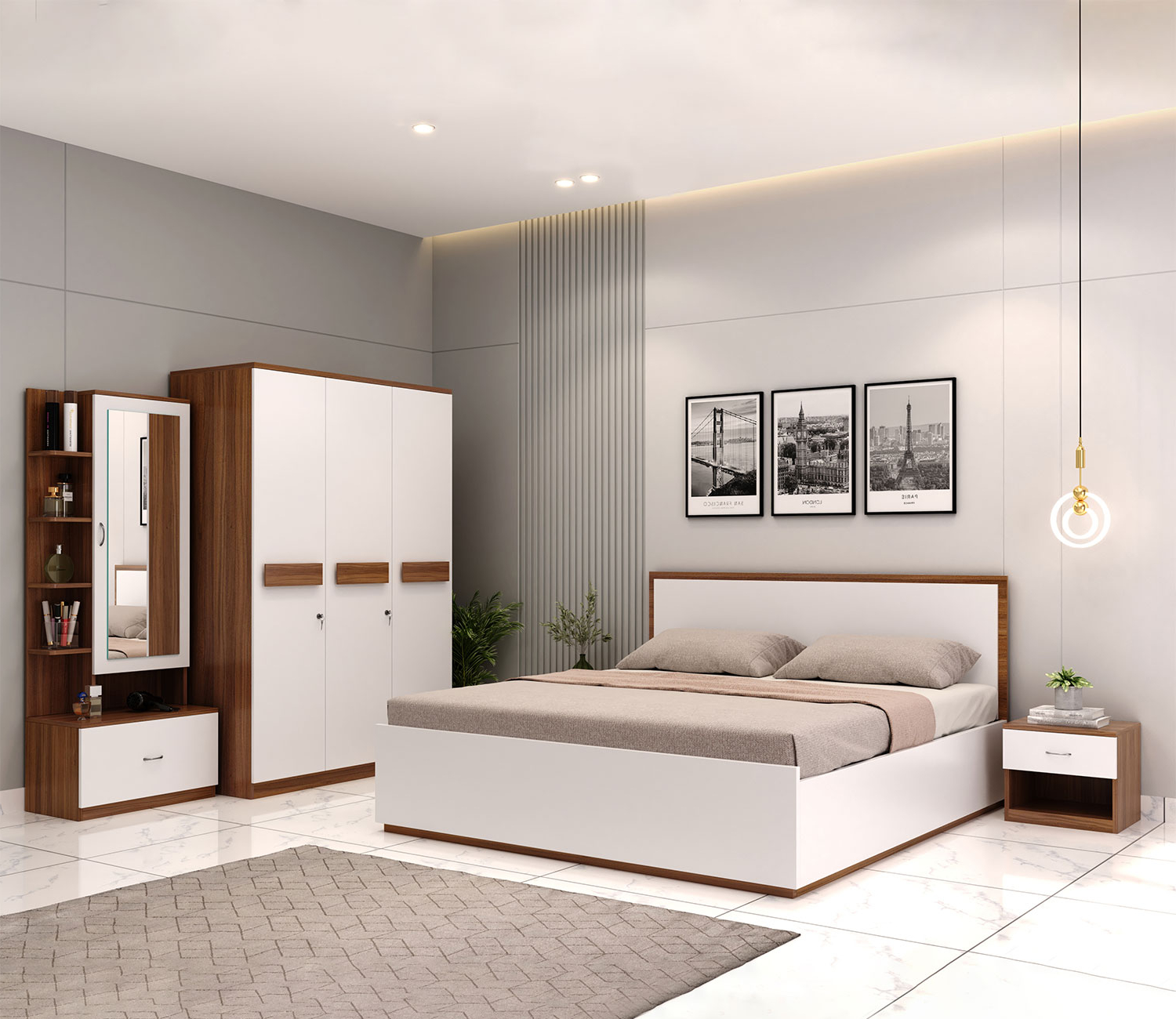
Dressers and storage units in bedrooms should enhance rather than compete with your sleep experience. The key is choosing pieces that complement your overall aesthetic while providing practical organization. When selecting a dresser, consider not just its style but also its function. How will it affect the flow of your room?
If you have a large dresser, position it so it doesn’t block natural light or create shadows that make the room feel darker. A tall dresser near a window can cast unwanted shadows that might make you feel uneasy. Also, avoid placing dressers directly opposite your bed. This creates a sense of being watched or scrutinized, which can increase stress levels.
Another consideration is accessibility. You want to be able to open drawers easily without straining or making noise that might disturb others. If you’re a light sleeper, this becomes even more important. Consider the weight distribution of your dresser – it should be sturdy enough to hold clothing and linens without wobbling or creaking.
The color and texture of your dresser also matter. Lighter colors reflect more light and make the room feel larger and airier. Darker tones can absorb light and make spaces feel smaller, which may not be ideal for a restful environment. Choose finishes that match your bedroom’s overall theme and create a cohesive look that supports your desire for calmness.
Creating Visual Balance With Furniture Placement
Visual balance in a bedroom is crucial for promoting peaceful sleep. Uneven arrangements can create tension in our subconscious minds, leading to restlessness. Imagine entering a room where furniture seems to lean in one direction or where there’s a noticeable gap on one side of the bed. These imbalances can trigger feelings of unease even if we don’t consciously notice them.
One effective technique is to mirror elements on both sides of your bed. If you have a nightstand on the left, consider matching it with a similar piece on the right. This symmetry helps create a sense of order and predictability that our brains find comforting. However, don’t overdo it – too much symmetry can feel rigid and uninviting.
Another helpful principle is the rule of thirds. Divide your bedroom space into three sections horizontally and vertically. Place your largest furniture item (like your bed) along one of these dividing lines. This creates natural focal points that draw the eye in a pleasing way. It also helps ensure that no area of your room feels empty or overwhelming.
Don’t forget about the floor space between furniture. Too much open space can feel cold and sterile. Too little can feel cramped and chaotic. Aim for a balanced ratio that allows for easy movement while maintaining a sense of calm. The goal is to create a space that invites relaxation rather than one that makes you feel like you’re constantly navigating around obstacles.
Lighting and Electronics Integration
Modern bedrooms often struggle with conflicting lighting needs. We want bright light for tasks like getting ready in the morning, but dim lighting for sleep. The challenge lies in managing electronics and their associated light sources. Many people place their television or computer monitor too close to their bed, creating blue light exposure that disrupts melatonin production.
Strategic placement of electronics means keeping them out of direct sight from your bed. If you must have a bedside lamp, choose one with adjustable brightness and warm color temperature. These mimic natural sunset conditions and help signal to your brain that it’s time to wind down. Some people benefit from using smart bulbs that automatically dim and change color temperature as evening approaches.
For charging stations, consider placing your phone charger and tablet somewhere that requires you to get up and walk to retrieve them. This prevents the habit of checking your phone while lying in bed, which can significantly interfere with sleep quality. Even a simple reminder to charge devices outside the bedroom can make a difference.
Avoid placing mirrors directly facing your bed. While they might seem like a good idea for getting ready in the morning, mirrors can create visual confusion during sleep. The reflection might make you feel like you’re being watched or cause subconscious awareness of your appearance. This can keep your mind active instead of allowing it to relax.
Creating a peaceful sleep environment isn’t just about buying expensive bedding or investing in fancy mattresses. It’s about understanding how every element in your bedroom works together to support your natural rhythms. The careful arrangement of furniture can be one of the most powerful tools in your sleep toolkit. When we pay attention to where our beds sit, how we organize our nightstands, and where we place our storage solutions, we’re essentially designing our personal sanctuary for rest.
It’s easy to think that sleep is purely biological, but it’s actually deeply influenced by our environment. The furniture choices we make daily – even small adjustments – can compound into significant improvements in how we feel when we wake up. Whether you’re dealing with occasional sleep issues or simply want to optimize your rest, remember that your bedroom layout plays a fundamental role in your success. Start with small changes and observe how they affect your sleep quality. You might be surprised by how much difference thoughtful furniture placement can make in your nightly routine.
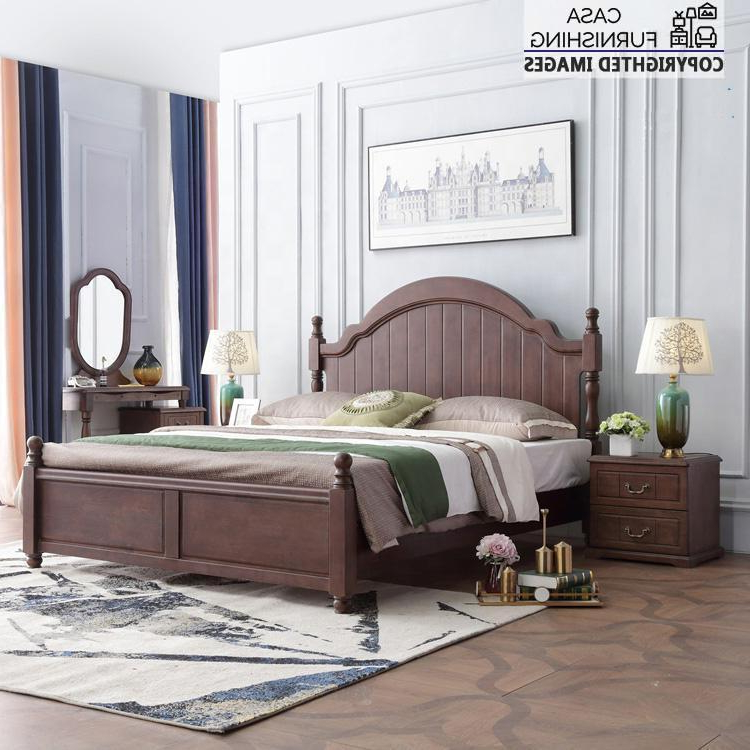
[sps_html tag=”img” src=”https://roofdrivein.com/wp-content/uploads/2026/01/simple-bedroom-furniture-designs-11-contemporary-modern-bedroom-intended-for-creating-peaceful-sleep-environments-through-thoughtful-furniture-placement.jpg” alt=”Simple Bedroom Furniture Designs 11+ Contemporary Modern Bedroom intended for Creating peaceful sleep environments through thoughtful furniture placement” style=”width: 100%; height: auto;”]
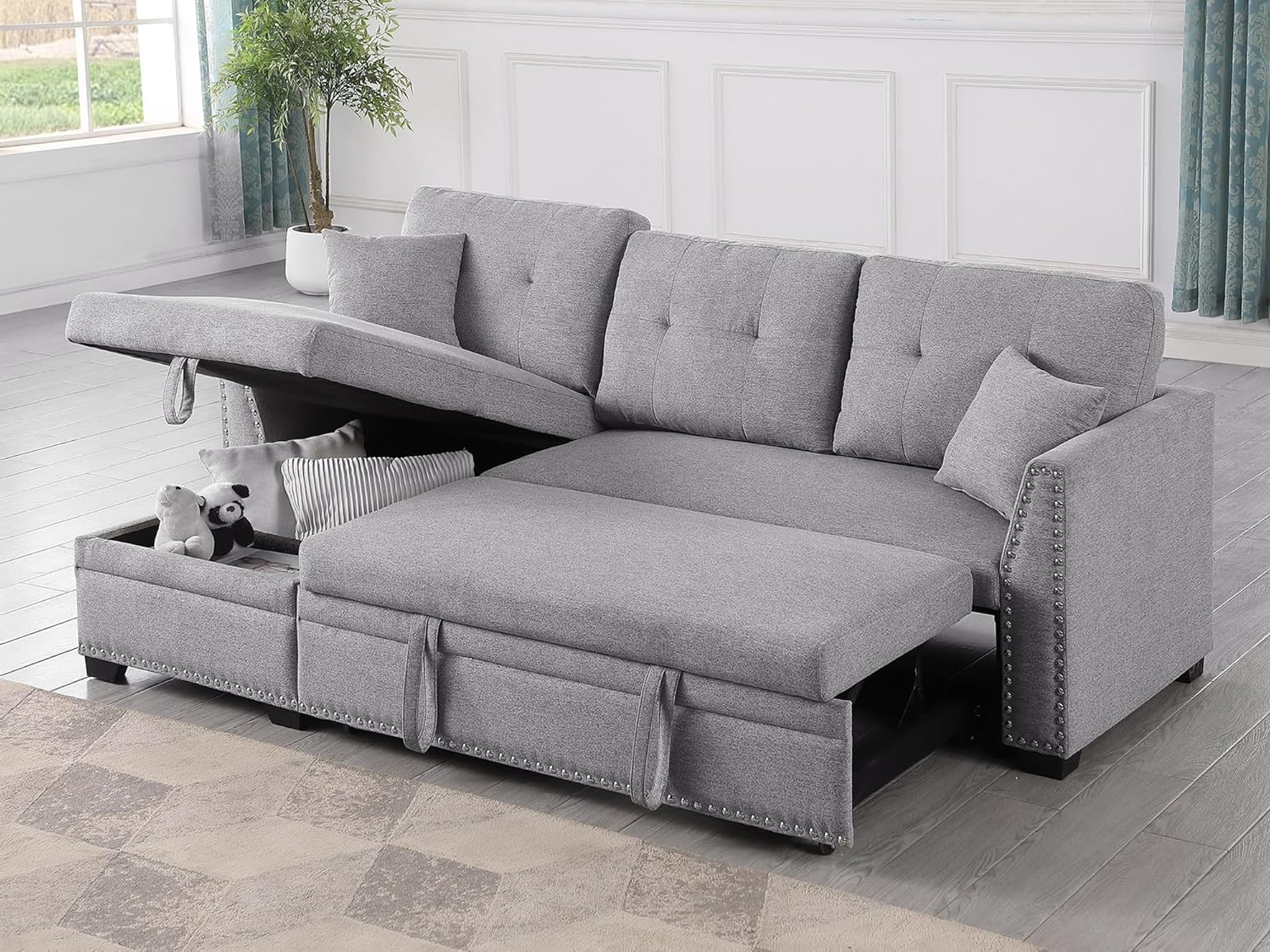
[sps_html tag=”img” src=”https://roofdrivein.com/wp-content/uploads/2026/01/top-10-simple-bedroom-furniture-design-ideas-for-your-home-ryan-within-creating-peaceful-sleep-environments-through-thoughtful-furniture-placement.png” alt=”Top 10 Simple Bedroom Furniture Design Ideas For Your Home - Ryan … within Creating peaceful sleep environments through thoughtful furniture placement” style=”width: 100%; height: auto;”]
[sps_html tag=”img” src=”https://roofdrivein.com/wp-content/uploads/2026/01/top-999-simple-bed-design-images-amazing-collection-simple-bed-with-creating-peaceful-sleep-environments-through-thoughtful-furniture-placement.jpg” alt=”Top 999+ Simple Bed Design Images – Amazing Collection Simple Bed … with Creating peaceful sleep environments through thoughtful furniture placement” style=”width: 100%; height: auto;”]
[sps_html tag=”img” src=”https://roofdrivein.com/wp-content/uploads/2026/01/simple-bedroom-furniture-designs-premium-vector-simple-bed-furniture-inside-creating-peaceful-sleep-environments-through-thoughtful-furniture-placement.png” alt=”Simple Bedroom Furniture Designs Premium Vector | Simple Bed Furniture inside Creating peaceful sleep environments through thoughtful furniture placement” style=”width: 100%; height: auto;”]
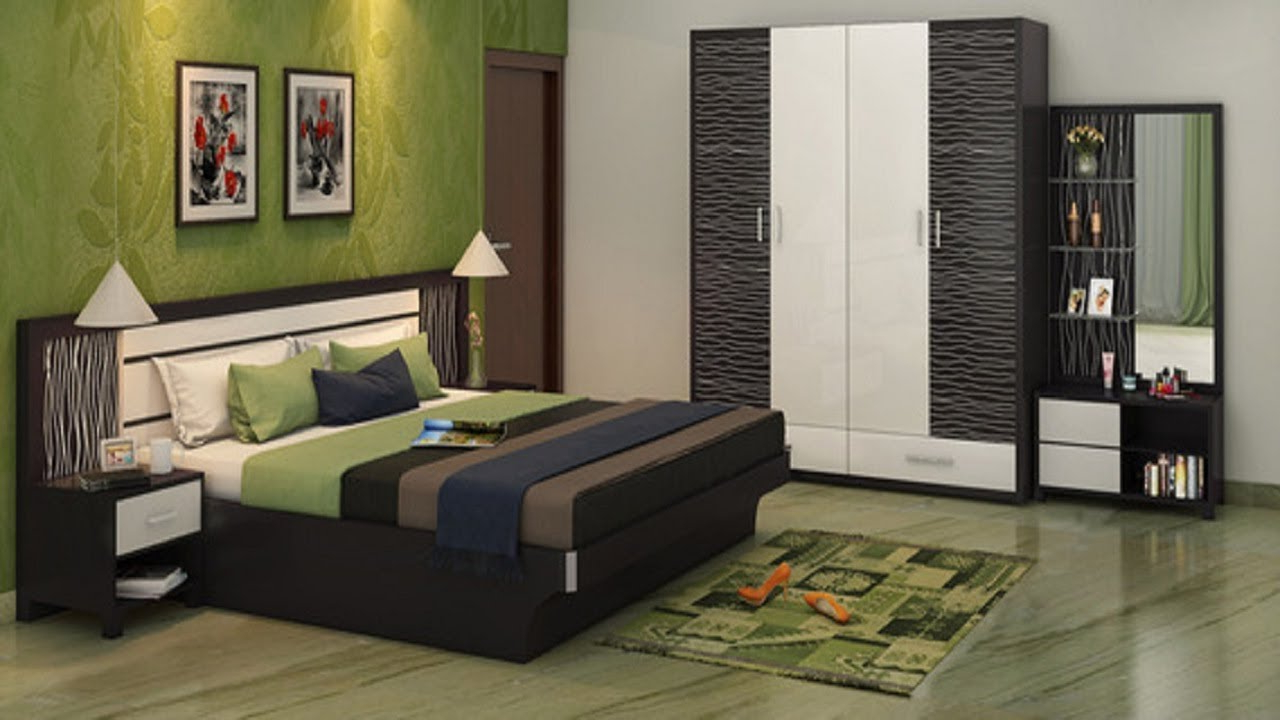
[sps_html tag=”img” src=”https://roofdrivein.com/wp-content/uploads/2026/01/top-15-simple-bedroom-design-2025-for-bedroom-furniture-design-simple.jpg” alt=”Top 15 Simple Bedroom Design 2025 for Bedroom Furniture Design Simple” style=”width: 100%; height: auto;”]