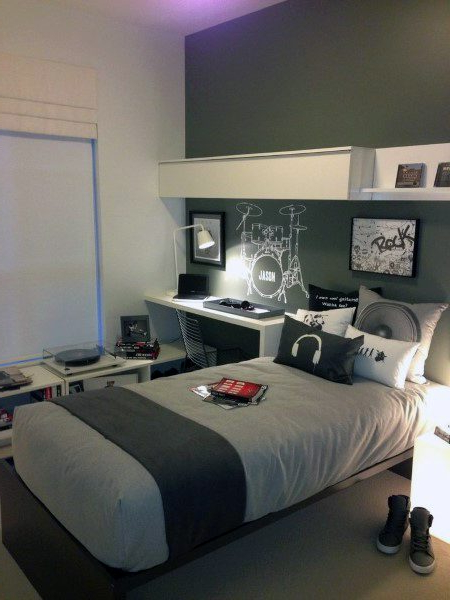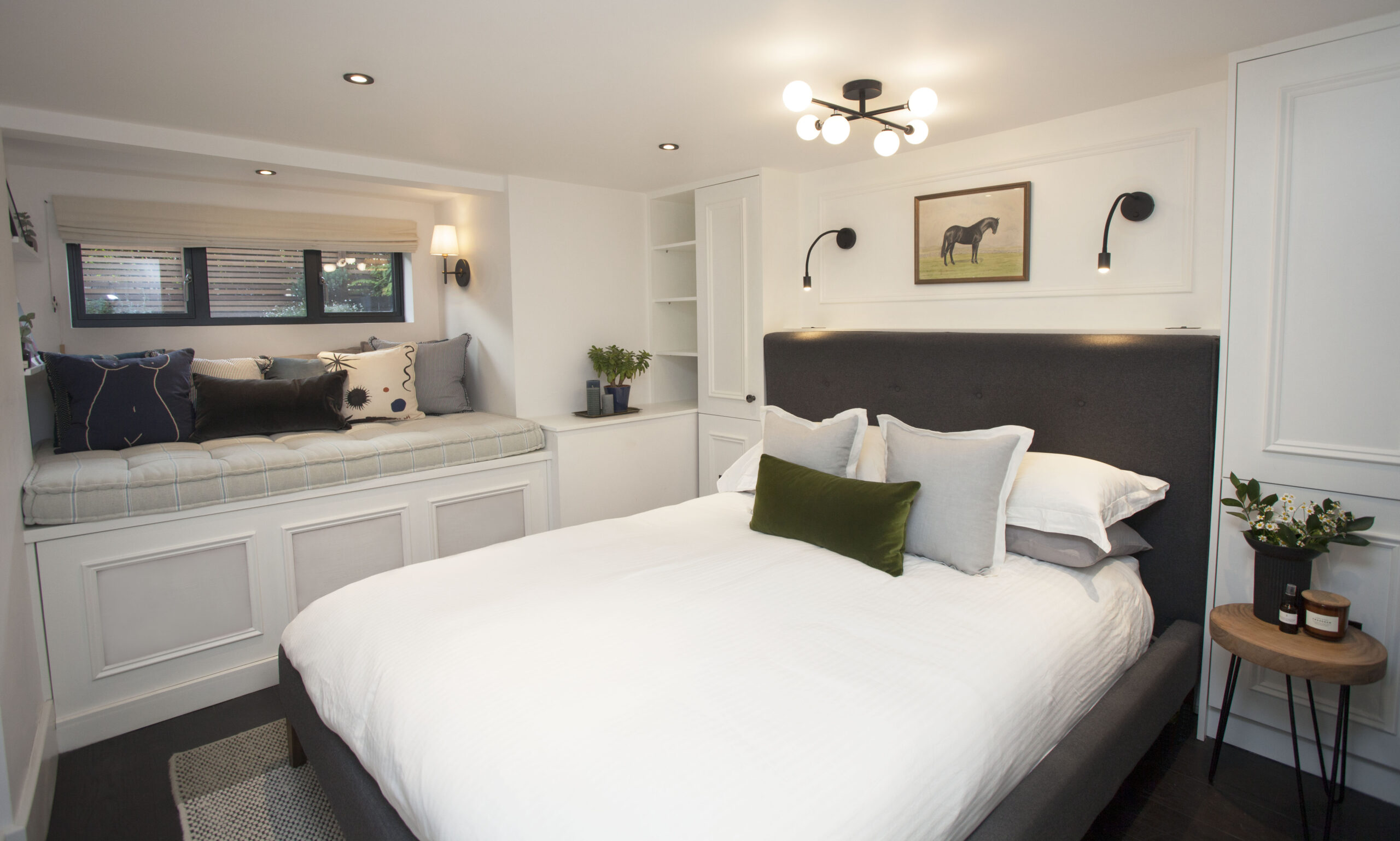
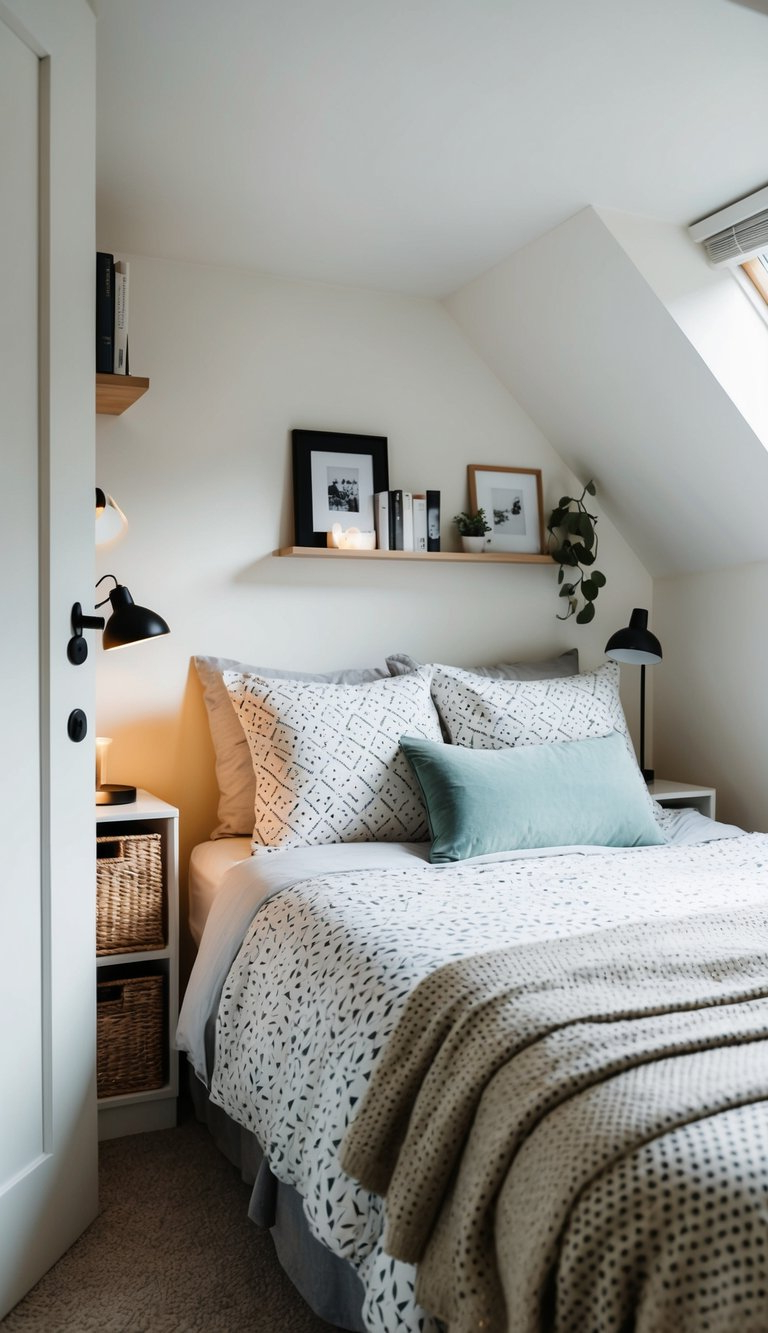
Imagine walking into a room where every inch matters, where clothes, books, and personal items have their designated spots, and where the clutter that once felt overwhelming suddenly disappears. That’s the magic of smart storage strategies in tiny bedrooms. These aren’t just about cramming more stuff into less space – they’re about creating harmony between functionality and comfort.
Tiny bedrooms present a unique challenge that many of us face daily. Whether it’s a studio apartment, a converted attic, or simply a room that’s smaller than ideal, the struggle to find storage solutions while maintaining a clean, peaceful environment is real. But what if we told you that small spaces don’t have to mean sacrificing organization? The secret lies in thinking differently about how we approach storage. It’s not just about having more shelves or bigger boxes – it’s about making every single item work harder for you.
The Psychology of Compact Storage
Understanding how our minds process small spaces is crucial before diving into practical solutions. When a room feels cramped, it often triggers feelings of stress and overwhelm. But when we introduce smart storage, we’re actually addressing something deeper – our relationship with possessions and our need for order. Research shows that people living in organized spaces report lower stress levels and better sleep quality. Think about it – when everything has its place, you’re not constantly searching for things or worrying about where they might be. The mental clarity that comes from a well-organized space can transform your entire day. Consider how much energy you waste looking for misplaced items, or how stressful it is when you’re trying to get ready in the morning and can’t find anything. That’s exactly what smart storage aims to eliminate. The right storage solution isn’t just about holding things – it’s about creating peace of mind.
Vertical Thinking: Making the Most of Height
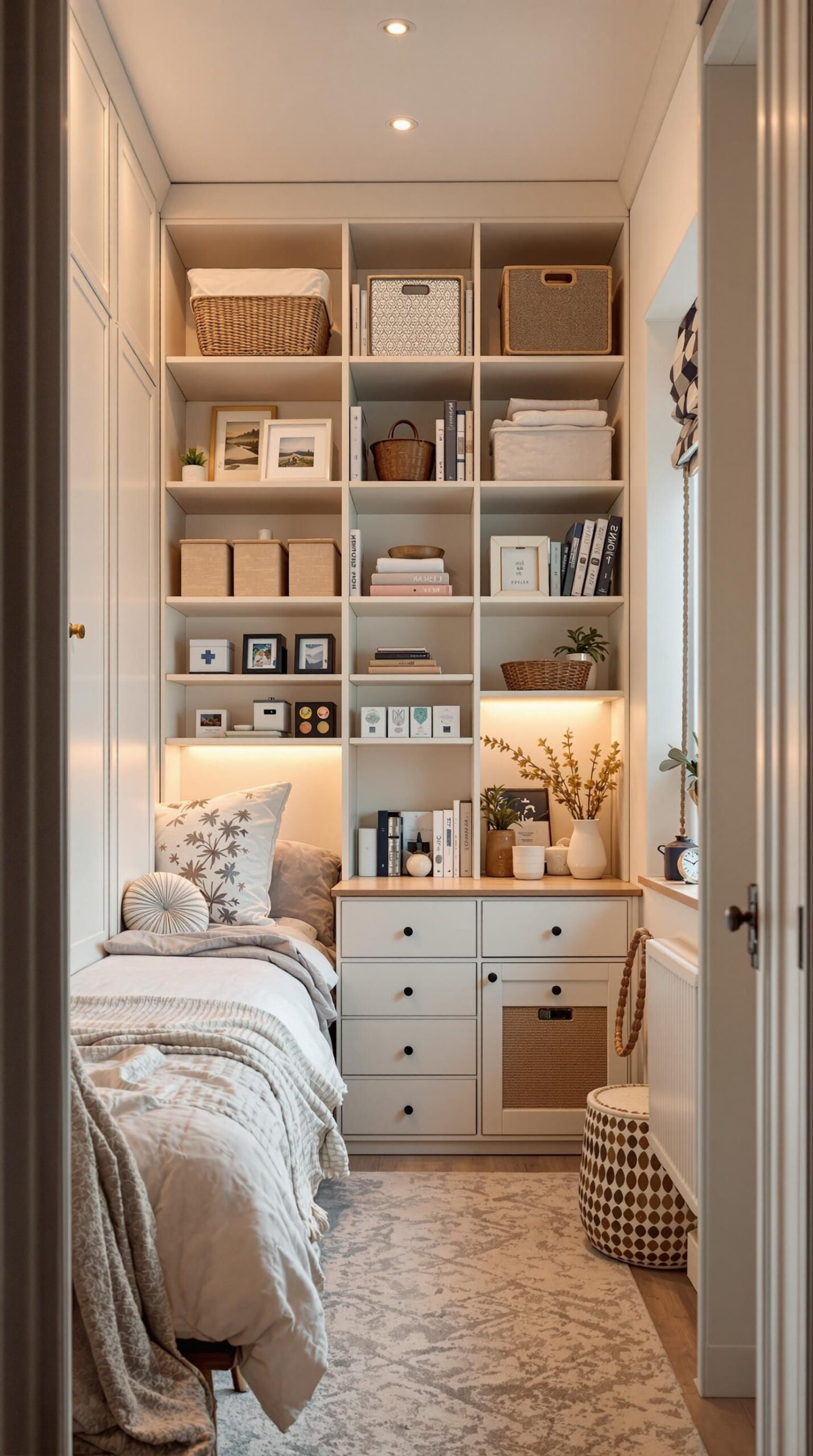
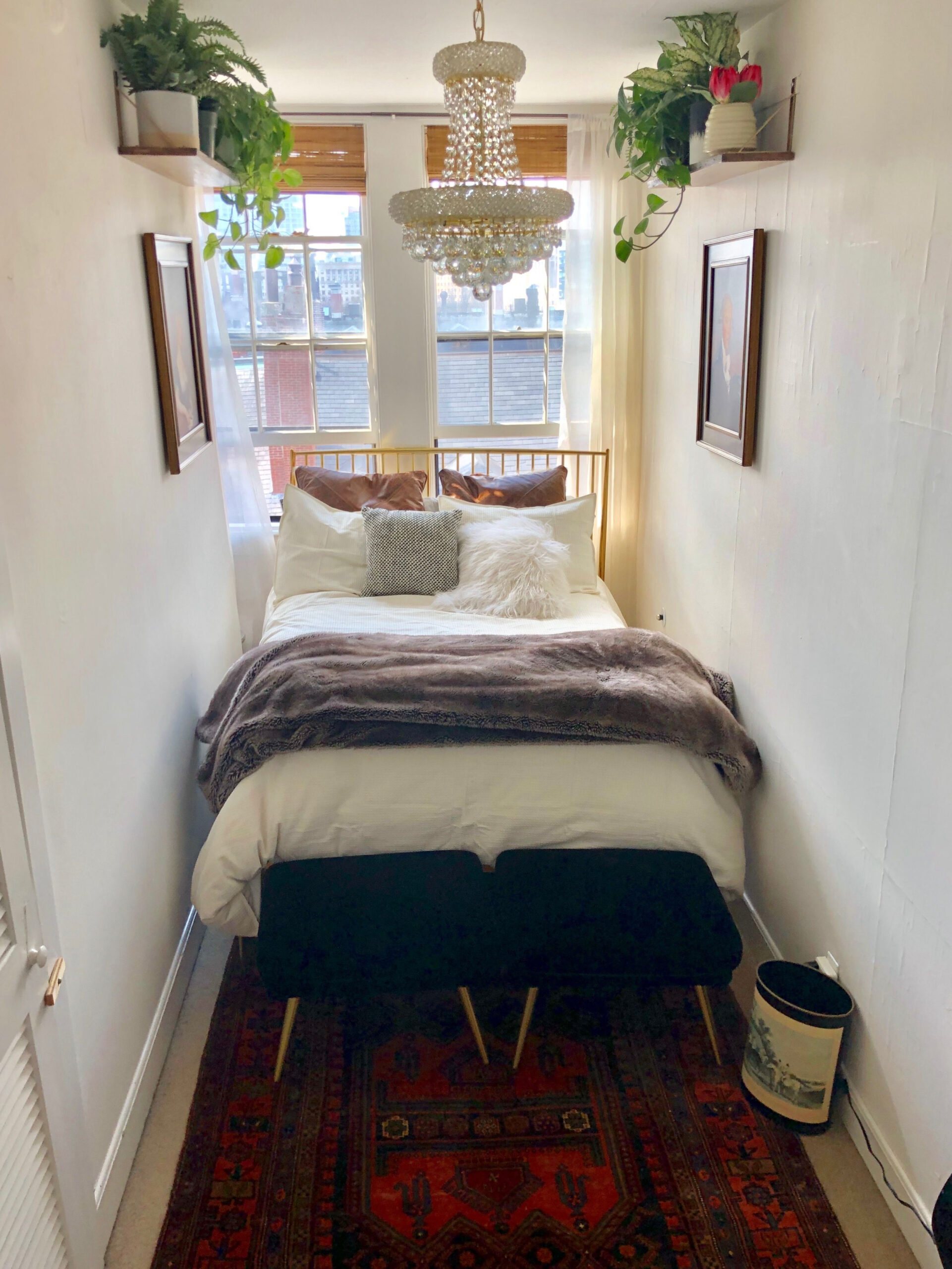
One of the most effective approaches to maximizing small bedroom space is to think vertically. Most people overlook the vertical dimension entirely, leaving walls unused and wasted potential everywhere. This strategy involves using wall space creatively, whether through built-in shelving, floating shelves, or hanging storage solutions. Picture a narrow bedroom where you’ve installed shelves from floor to ceiling. Suddenly, you’ve gained dozens of square feet of storage space without taking up any floor area. The key is choosing the right materials and ensuring everything is securely mounted. For instance, using lightweight but sturdy materials like plywood or metal brackets allows for creative designs without compromising safety. Many people find that vertical storage becomes their favorite part of the room design because it adds visual interest while solving practical problems. Consider adding some decorative elements like picture frames or small plants on your shelves to soften the look and prevent it from feeling too clinical.
Multi-Purpose Furniture Solutions
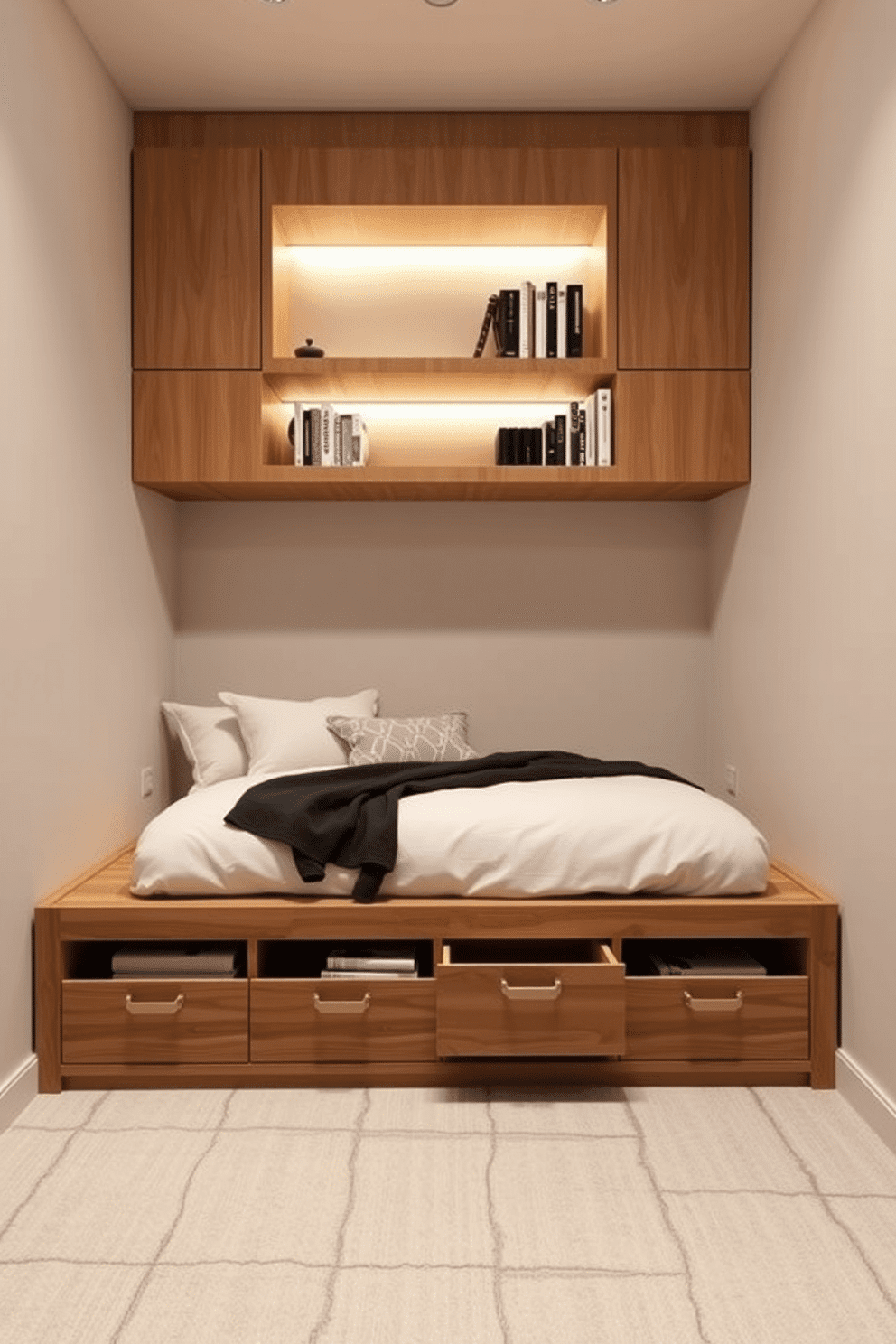
When space is limited, furniture that serves multiple functions becomes invaluable. A bed with built-in drawers, a storage ottoman that doubles as seating, or a vanity table that also works as a desk – these aren’t just clever tricks, they’re lifestyle enhancers. The trick is finding pieces that blend seamlessly with your existing style rather than clashing with it. For example, a platform bed with hidden storage underneath can hold everything from seasonal clothing to bedding supplies. You’ll be amazed at how much extra space you gain just by rethinking what your furniture does. Another popular option is the Murphy bed – though it requires a bit more investment, it provides complete flexibility. During the day, your bedroom transforms into a full-sized living area, and at night, it becomes your private sanctuary. The key is matching the furniture to your actual needs and lifestyle rather than just following trends.
Under-Bed and Hidden Storage
There’s a whole world of storage potential hiding beneath our beds that most people never consider. Under-bed storage solutions range from simple bins and boxes to more elaborate systems designed specifically for this purpose. These can be particularly useful for storing seasonal items, extra bedding, or even office supplies. The beauty of under-bed storage is that it’s completely out of sight until you need it, keeping your room looking clean and organized. Many modern beds come with built-in storage compartments, and there are also affordable add-on solutions available. However, it’s important to keep in mind that the space under a bed isn’t always ideal for heavy items – think about weight limits and accessibility when planning your storage. Some people prefer using rolling bins that can be easily moved around, while others opt for fixed storage units that provide more stability. The choice really depends on your specific needs and how you plan to use the space.
Creative Wall and Corner Solutions
Walls and corners often become neglected areas in small rooms, but they offer fantastic opportunities for storage. Corner shelves can be specially designed to fit awkward angles, making the most of these usually wasted spaces. Magnetic strips, pegboards, and adhesive hooks can transform bare walls into functional storage zones. Consider installing a corner shelf unit that follows the angle of your room, or use a corner desk that maximizes both workspace and storage. These solutions are particularly effective because they utilize space that would otherwise go unused. One common mistake people make is not considering the weight capacity of wall-mounted items. Always check that your mounting hardware can support whatever you plan to put up there. Sometimes, a few strategically placed hooks can hold everything from coats to books, eliminating the need for additional furniture. The key is being thoughtful about placement and ensuring that your storage solutions enhance rather than complicate the room’s layout.
Organizational Systems and Labeling
Having great storage is only half the battle – organizing what goes inside is equally important. Creating systems that work for your specific lifestyle helps ensure that everything stays in its place. Labeling containers, using color-coding, or implementing a simple filing system can make all the difference. For example, if you have a lot of accessories, consider using drawer organizers with dividers to separate different types of items. This way, you can quickly locate what you need without rummaging through everything. Some people swear by the "one in, one out" rule – whenever you bring something new into the room, you remove something old. This prevents accumulation and keeps your space feeling fresh. Others prefer to categorize items by season or frequency of use, which makes accessing things much easier. The most successful organizational systems are those that feel natural and effortless to maintain. They shouldn’t require constant attention or mental effort to keep functioning properly.
Lighting and Visual Impact
Storage solutions that incorporate lighting can dramatically improve both functionality and aesthetics in small bedrooms. LED strip lights hidden behind shelves or under cabinets provide illumination while highlighting your carefully organized belongings. This not only makes finding things easier but also creates a cozy atmosphere that makes the room feel larger. The strategic use of lighting can make a huge difference in how a small space feels. For instance, adding a small lamp to your bedside table area or incorporating dimmer switches can create a more comfortable environment for reading or relaxing. Some people even use smart lighting that changes color based on the time of day or mood. Beyond just practicality, good lighting can also make your storage solutions look more polished and intentional. It’s amazing how much better a room feels when everything is properly lit and visible. Consider how you want to use the space during different times of day – evening versus morning – and plan your lighting accordingly.
Maintaining Order Over Time
The initial excitement of a newly organized space can fade quickly if maintenance isn’t part of your routine. Regular touch-ups and quick resets help preserve the effectiveness of your storage solutions. This might mean doing a quick tidy-up each evening, or spending ten minutes weekly checking that everything is still in its proper place. The goal isn’t perfection – it’s consistency. Some people find success in establishing a simple daily ritual, like putting away items immediately after using them. Others prefer to schedule regular deep cleaning sessions where they reassess their storage needs and make adjustments. It’s also helpful to periodically evaluate what’s working and what isn’t, making changes as your lifestyle evolves. For instance, if you start traveling more frequently, you might need to adjust how you organize clothing or accessories. The key is staying flexible and adapting your storage strategies to match changing needs.
Cost-Effective Storage Ideas
Smart storage doesn’t have to break the bank. There are numerous affordable options that can transform a cramped bedroom without requiring major investments. Thrift stores, garage sales, and online marketplaces often have perfectly good storage solutions at a fraction of retail prices. DIY projects using basic materials can also be incredibly effective. For example, building your own floating shelves or repurposing old furniture can save money while adding personal touches. Even simple solutions like using baskets or bins to group similar items can make a significant difference. Some people find that investing in quality storage containers pays off over time, as they last longer and provide better organization than cheaper alternatives. The key is prioritizing the most impactful changes first, such as addressing the biggest storage gaps before moving on to smaller improvements. Remember that the best storage solutions are often the simplest ones that solve immediate problems.
Transforming a compact sleeping room through smart storage isn’t just about making space – it’s about reclaiming your mental space too. When we approach storage thoughtfully, we create environments that support our daily routines and reduce stress. The strategies discussed here aren’t just about fitting more things into smaller spaces; they’re about creating systems that work with our lives rather than against them. Whether you’re starting fresh or looking to optimize an existing setup, the principles remain the same: think vertically, embrace multi-purpose solutions, and maintain consistency. The end result is a bedroom that feels spacious, organized, and uniquely yours. It’s not about perfection – it’s about progress. Every small change you make toward better storage is a step toward a more peaceful, functional living space. So take a moment to look at your current bedroom setup and ask yourself: What’s one small change I could make today that would make a big difference tomorrow?
[sps_html tag=”img” src=”https://roofdrivein.com/wp-content/uploads/2026/01/30-very-small-bedroom-design-ideas-to-maximize-your-space-engineers-intended-for-very-small-bedroom-design-ideas.png” alt=”30+ Very Small Bedroom Design Ideas To Maximize Your Space – Engineers … intended for Very Small Bedroom Design Ideas” style=”width: 100%; height: auto;”]
[sps_html tag=”img” src=”https://roofdrivein.com/wp-content/uploads/2026/01/tips-for-designing-a-small-bedroom-at-erin-wyatt-blog-with-very-small-bedroom-design-ideas.jpg” alt=”Tips For Designing A Small Bedroom At Erin Wyatt Blog with Very Small Bedroom Design Ideas” style=”width: 100%; height: auto;”]
[sps_html tag=”img” src=”https://roofdrivein.com/wp-content/uploads/2026/01/15-small-bedroom-ideas-that-maximize-space-and-style-decorilla-online-throughout-very-small-bedroom-design-ideas.jpeg” alt=”15 Small Bedroom Ideas That Maximize Space And Style - Decorilla Online … throughout Very Small Bedroom Design Ideas” style=”width: 100%; height: auto;”]
[sps_html tag=”img” src=”https://roofdrivein.com/wp-content/uploads/2026/01/29-tiny-bedroom-wall-decor-tips-in-2025-bedroom-built-ins-tiny-for-very-small-bedroom-design-ideas-scaled.jpg” alt=”29 Tiny Bedroom Wall Decor Tips In 2025 | Bedroom Built Ins, Tiny … for Very Small Bedroom Design Ideas” style=”width: 100%; height: auto;”]
[sps_html tag=”img” src=”https://roofdrivein.com/wp-content/uploads/2026/01/25-very-small-bedroom-ideas-to-maximize-space-and-style-intended-for-very-small-bedroom-design-ideas.jpg” alt=”25 Very Small Bedroom Ideas To Maximize Space And Style intended for Very Small Bedroom Design Ideas” style=”width: 100%; height: auto;”]