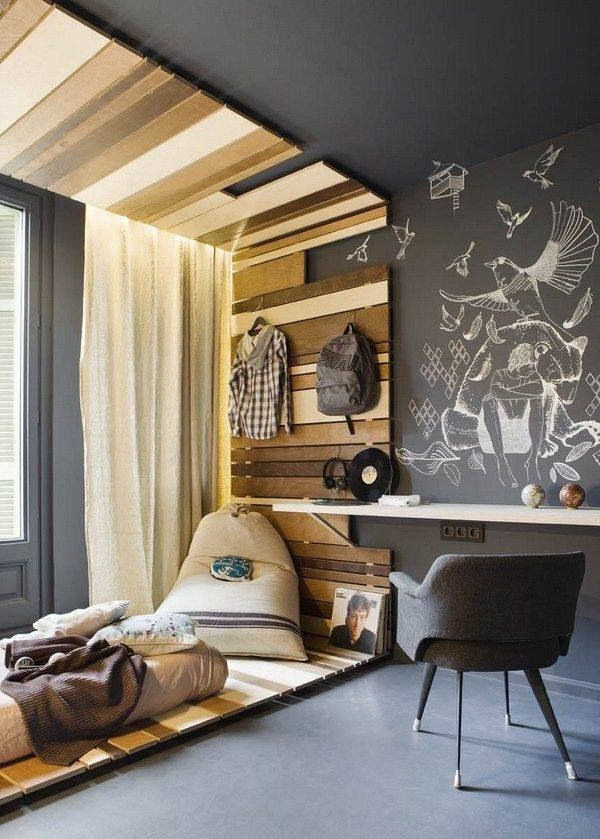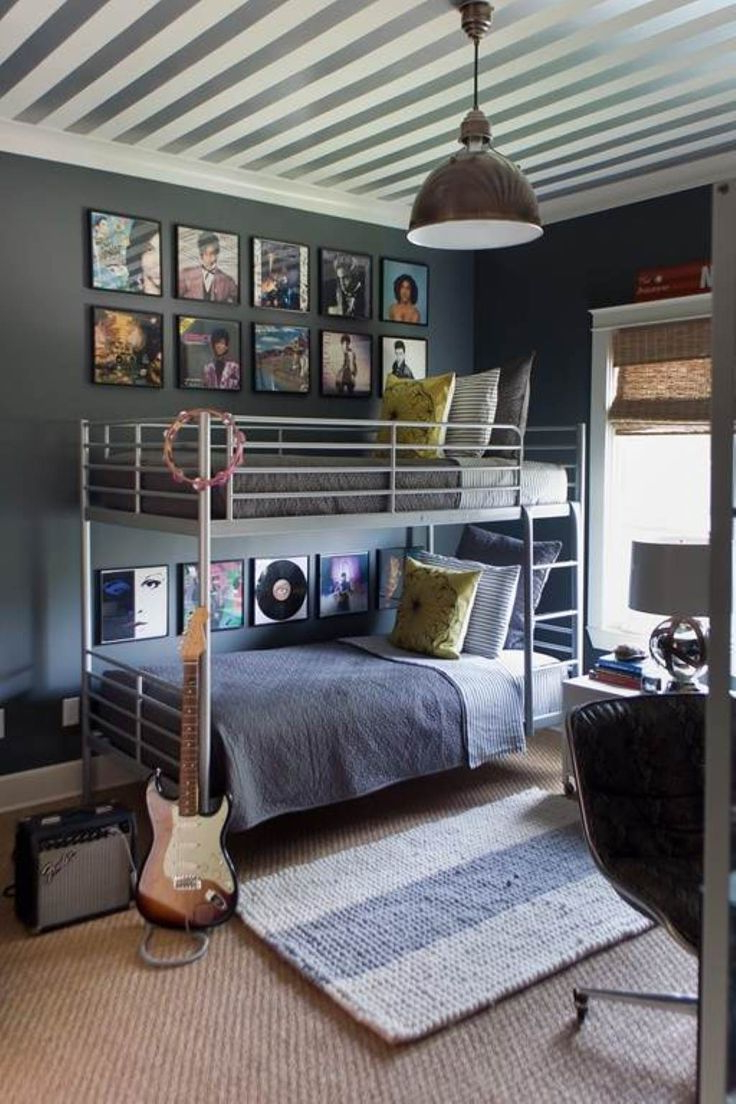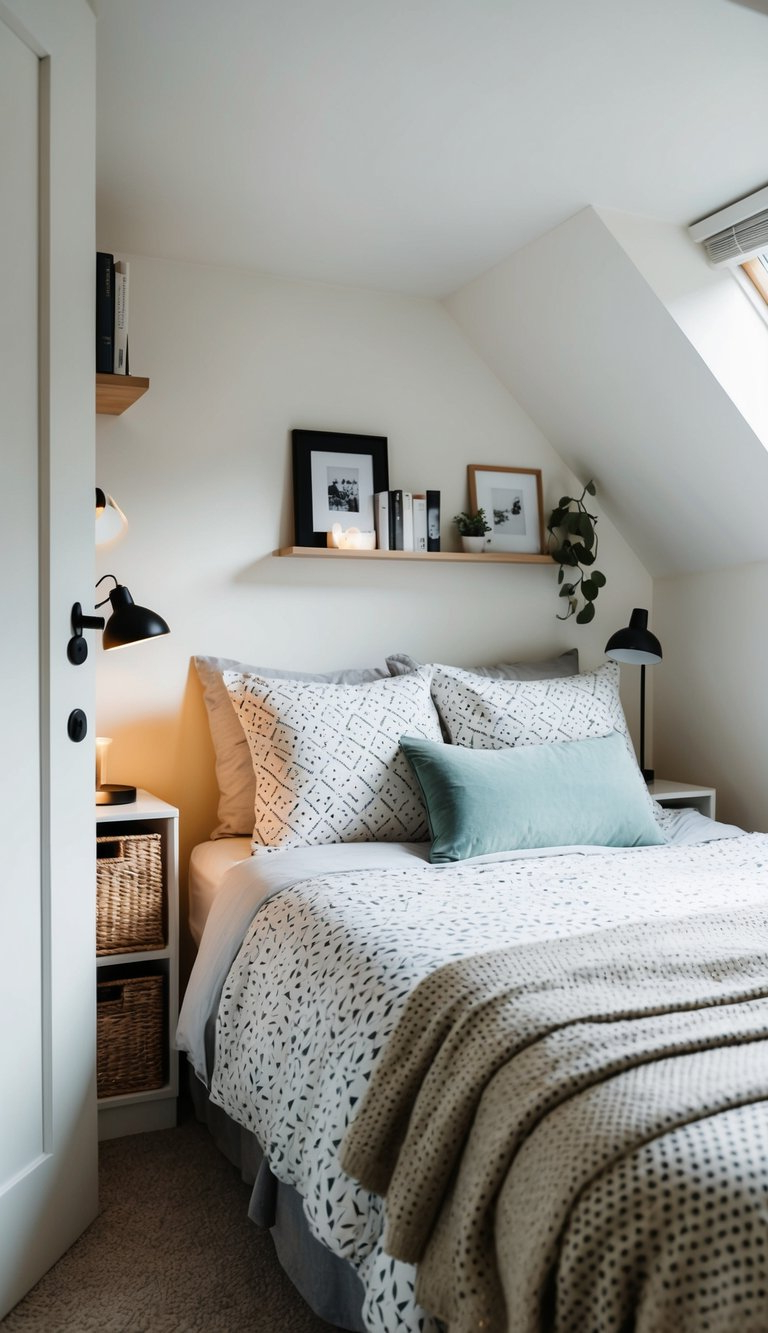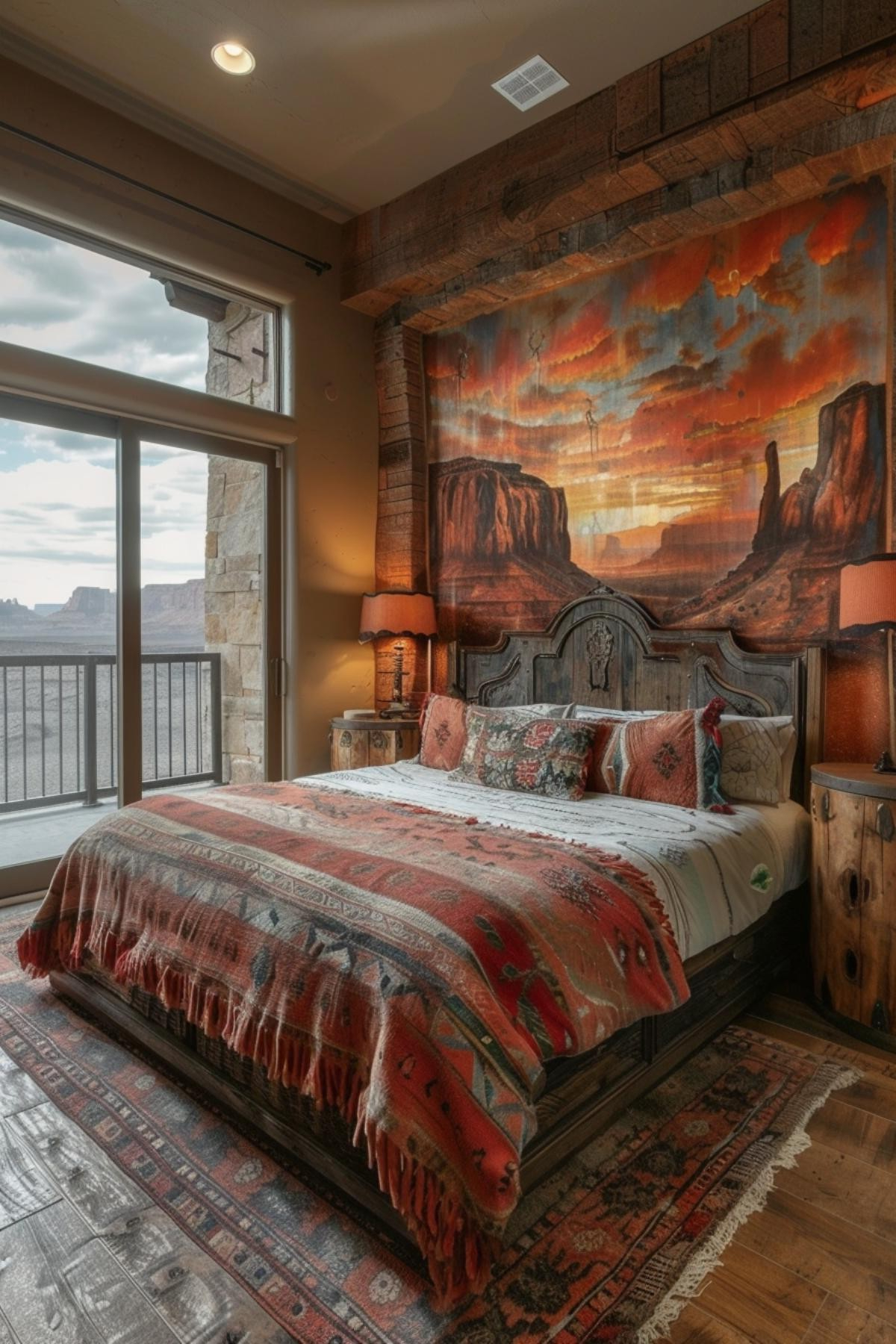
Picture this: a teenager’s room that’s not just a place to sleep, but a sanctuary where they can focus, relax, and feel truly themselves. It’s not about perfection, but about finding balance between personal expression and practicality. This isn’t just about aesthetics – it’s about creating a space that supports their daily life, helps them manage stress, and gives them room to grow.
Teens are busy creatures. Between schoolwork, social life, extracurricular activities, and the constant buzz of digital connectivity, their bedrooms often become the chaotic hub of their lives. But what if we could shift that energy? What if we could transform those cluttered spaces into calm retreats that actually serve them well? This guide isn’t about making their rooms look like a magazine photo shoot. It’s about creating something sustainable and genuinely useful for the unique needs of teenagers today.
Understanding the Teen Bedroom Challenge
Let’s face it – teen bedrooms are a battlefield of competing priorities. On one hand, they want to express their identity, showcase their interests, and have space for their friends. On the other, they’re dealing with academic pressure, emotional changes, and a desire for privacy. The result? A room that’s either too chaotic or too sterile. What happens when you combine all their stuff with their need for space to breathe? You get a perfect storm of stress and disorganization. The key lies in understanding that every item in their room should serve a purpose – whether it’s for function, comfort, or self-expression.
The Psychology Behind Bedroom Design
Research shows that our physical environment directly impacts our mental state. For teens, whose brains are still developing, having a calm, organized space can significantly improve focus and reduce anxiety. A clutter-free environment helps with better sleep quality, clearer thinking, and improved mood regulation. Think about it – when everything is in its place, there’s less visual noise competing for attention. That’s why creating a system that works for their lifestyle is so important. We’re not trying to control their choices, but to support their natural development and wellbeing.
Storage Solutions That Actually Work
Let’s talk about storage – the unsung hero of any functional bedroom. The best storage solutions aren’t necessarily the most expensive or fancy ones. They’re the ones that fit into their daily routine. Here are some practical options:
• Under-bed storage containers for seasonal clothes and extra bedding
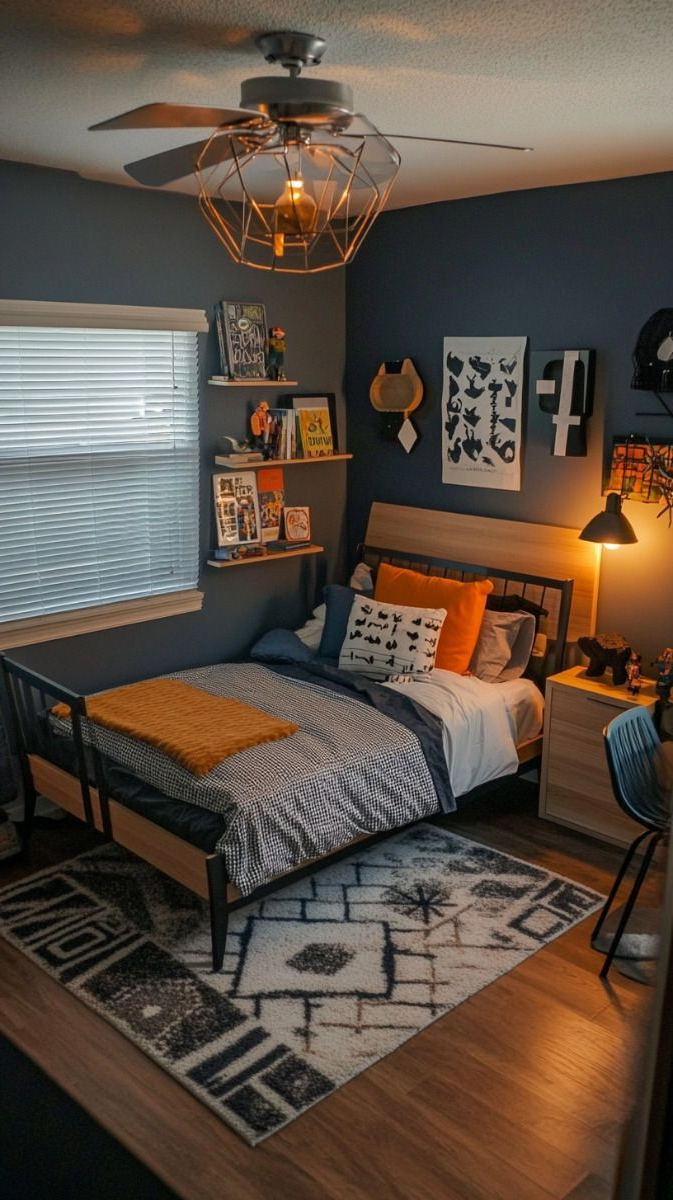
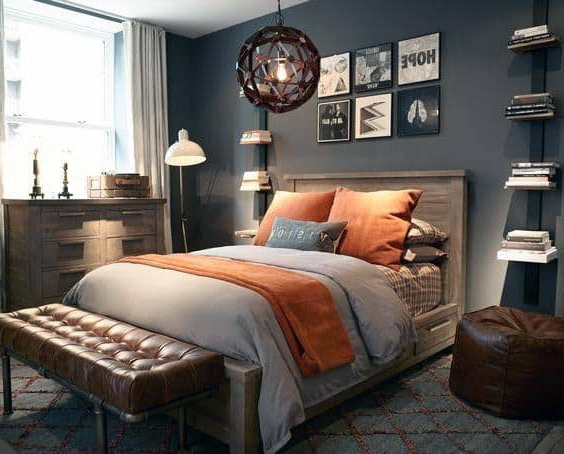
• Floating shelves that can hold books, plants, or decorative items
• Baskets and bins that can be labeled and moved around easily
• Closet organizers with multiple compartments for different clothing categories
• Desk drawers with dividers for stationery and school supplies
The secret is choosing storage that feels accessible and flexible. Teens need to be able to reach their things quickly and change things up as their needs evolve.
Creating Zones Within the Room
One of the most effective ways to organize a teen’s bedroom is by creating distinct zones. Instead of one big mess, break the space into sections that serve different purposes:
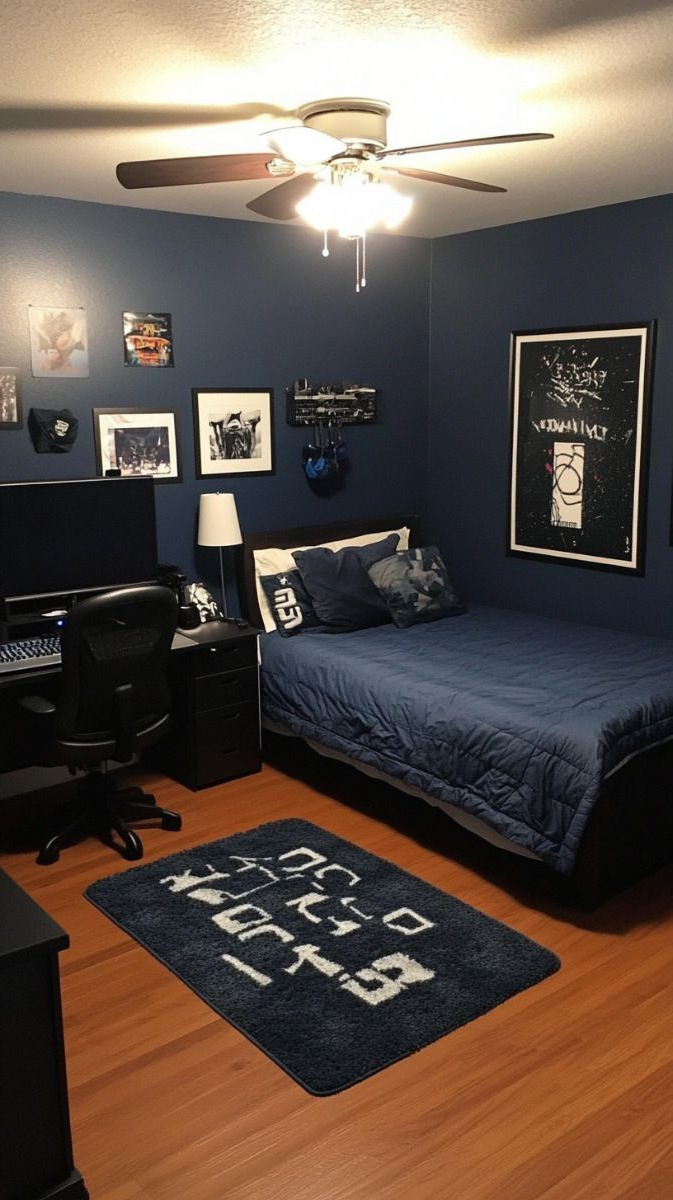
• Study zone: A dedicated area for homework and reading
• Relaxation zone: A spot for unwinding and chilling
• Social zone: Where friends can visit and hang out
• Personal zone: Space for private reflection and self-expression
This approach prevents one area from becoming overwhelming while ensuring each part of their room serves a clear role. It’s like giving their space a personality – and it’s much easier for them to maintain than one big, confusing mess.
Color Psychology and Lighting Choices
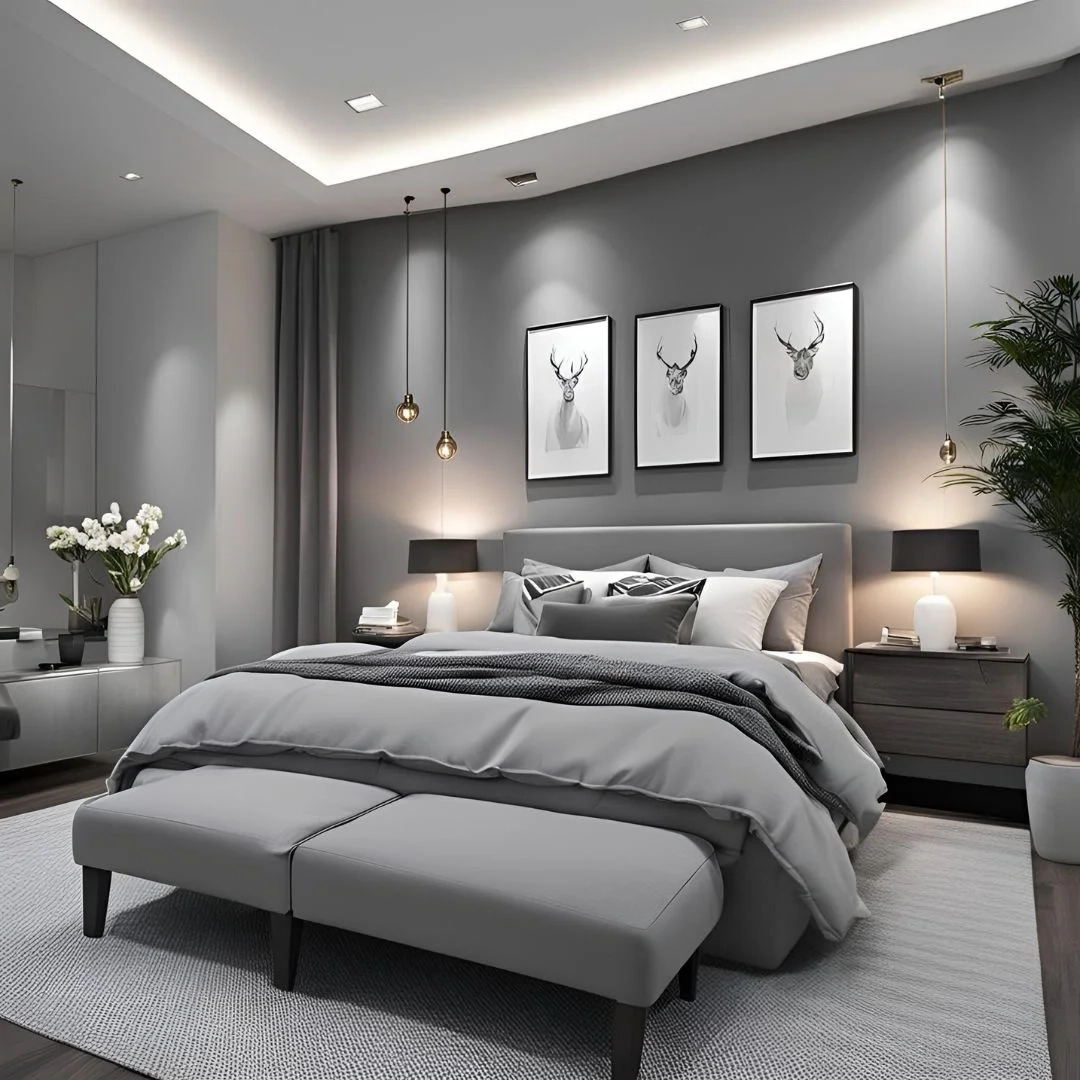
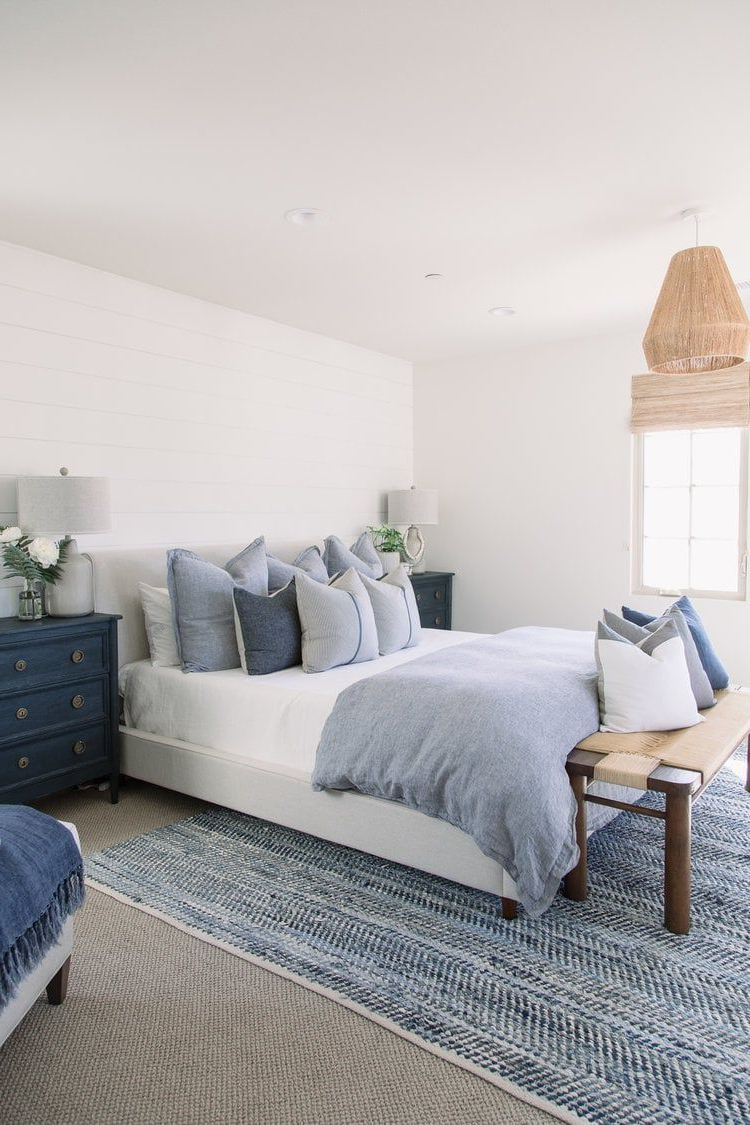
Colors and lighting might seem small, but they have a powerful impact on mood and behavior. For bedrooms, softer tones tend to promote calmness and relaxation. Light blues, warm grays, and soft greens can help create a peaceful atmosphere. Avoid overly bright or saturated colors that might overstimulate.
Lighting matters too. Natural light during the day helps regulate sleep cycles, while warm, dimmed lighting in the evening creates a better transition to rest. Consider:
• Layered lighting options (overhead, desk lamp, bedside light)
• Dimmer switches for flexibility
• String lights or candles for a cozy ambiance
Remember, the goal isn’t to make their room look like a hotel lobby – it’s to make it feel like a comfortable extension of who they are.
Involving Teens in the Design Process
Here’s something that often gets overlooked: involving the teen in the design process itself. When they’re part of the planning, they’re more likely to stick with the system. Ask them what they need, what they love, and what makes them feel good in their space. Their input matters – they live in it after all. Start with simple questions:
• What do you use your room for most?
• What makes you feel relaxed or energized?
• What would make it easier to keep clean?
• Do you prefer to keep things visible or hidden?
Sometimes the best solutions come from their own ideas. They know their habits, their preferences, and their lifestyle better than anyone else. Collaborating rather than dictating often leads to better results.
Maintaining the Balance Long-Term
Designing a functional space is only half the battle. Keeping it functional requires ongoing attention. Set up systems that don’t require constant oversight. Teach them organizational skills that will last beyond their teenage years.
• Weekly tidy-up sessions
• Monthly reassessment of what’s still useful
• Clear boundaries about what stays in the room
• Simple rules for bringing new items in
It’s about building habits, not just arranging furniture. When they develop good routines early, they’ll carry these skills into adulthood. The investment in their current room pays dividends in their future independence.
Real-Life Examples and Success Stories
Take Sarah, a high school junior who had a room that was basically a closet with a bed. After working together to create zones, she now has a study corner with her laptop, a relaxation area with a beanbag chair, and a space for her art supplies. She says her grades have improved because she can focus better, and she actually looks forward to spending time in her room.
Then there’s Marcus, who used to feel overwhelmed by his cluttered space. By using under-bed storage and labeled bins, he’s managed to keep his room looking neat even with all his sports gear and books. His parents report fewer arguments about tidiness, and he’s developed better organizational habits.
These aren’t magic transformations – they’re practical solutions that work within real-life constraints. Every room is different, but the principles remain the same: clarity, function, and respect for their individual needs.
Common Mistakes to Avoid
Even well-intentioned efforts can go wrong. Here are some frequent pitfalls:
• Over-decorating with too many items that don’t serve a purpose
• Trying to force adult-style organization on a teen’s space
• Neglecting to consider their social needs and friendship dynamics
• Not accounting for changing interests and priorities
• Making the space too sterile or restrictive
The most common mistake is assuming that because it’s a teen’s room, it should be chaotic or unstructured. In reality, structure provides freedom. A well-designed space gives them room to be themselves while still maintaining enough order to function effectively.
Final Thoughts on Creating Sustainable Spaces
Ultimately, designing a functional teen bedroom is about striking a delicate balance. It’s not about making it look perfect – it’s about making it work. When you create a space that meets their practical needs while honoring their personal style, you’re not just organizing furniture. You’re helping them develop lifelong skills and creating a foundation for healthy habits. The best spaces are those that adapt as they grow, that support their journey, and that feel like home – even when it’s a little messy.
Transforming a teen’s bedroom from clutter to calm isn’t about following a rigid formula or imposing adult expectations. It’s about understanding their unique needs and helping them create a space that supports their growth and wellbeing. Whether it’s through thoughtful storage solutions, intentional zoning, or simply involving them in the process, the end result should be a room that feels like a true sanctuary. When done right, this kind of thoughtful design becomes more than just a bedroom – it becomes a safe haven where they can thrive.
[sps_html tag=”img” src=”https://roofdrivein.com/wp-content/uploads/2026/01/47-teen-boy-bedroom-design-ideas-with-cool-textures-and-fabrics-artofit-intended-for-from-clutter-to-calm-how-to-design-a-functional-teen-bedroom.jpg” alt=”47 Teen Boy Bedroom Design Ideas With Cool Textures And Fabrics – Artofit intended for From Clutter to Calm: How to Design a Functional Teen Bedroom” style=”width: 100%; height: auto;”]
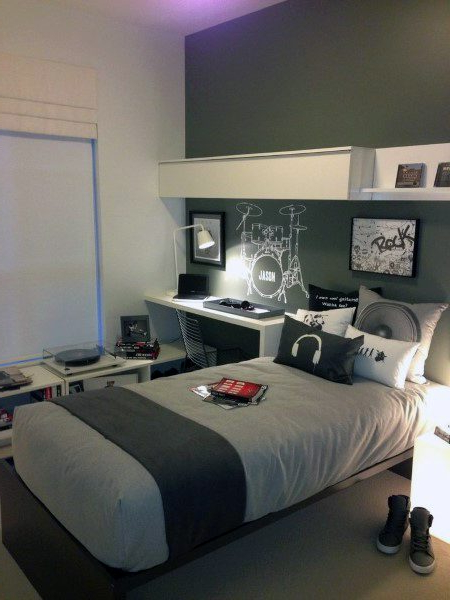
[sps_html tag=”img” src=”https://roofdrivein.com/wp-content/uploads/2026/01/47-teen-boy-bedroom-design-ideas-with-awesome-storage-solutions-intended-for-teenage-guy-bedroom-design-ideas.jpg” alt=”47+ Teen Boy Bedroom Design Ideas With Awesome Storage Solutions … intended for Teenage Guy Bedroom Design Ideas” style=”width: 100%; height: auto;”]
[sps_html tag=”img” src=”https://roofdrivein.com/wp-content/uploads/2026/01/cool-bedroom-ideas-for-teenage-guys-in-from-clutter-to-calm-how-to-design-a-functional-teen-bedroom.jpg” alt=”Cool Bedroom Ideas For Teenage Guys in From Clutter to Calm: How to Design a Functional Teen Bedroom” style=”width: 100%; height: auto;”]
[sps_html tag=”img” src=”https://roofdrivein.com/wp-content/uploads/2026/01/30-awesome-teenage-boy-bedroom-ideas-designbump-throughout-teenage-guy-bedroom-design-ideas.jpg” alt=”30 Awesome Teenage Boy Bedroom Ideas -Designbump throughout Teenage Guy Bedroom Design Ideas” style=”width: 100%; height: auto;”]
[sps_html tag=”img” src=”https://roofdrivein.com/wp-content/uploads/2026/01/bedroom-design-ideas-for-teen-boys-with-regard-to-teenage-guy-bedroom-design-ideas.jpg” alt=”Bedroom Design Ideas For Teen Boys with regard to Teenage Guy Bedroom Design Ideas” style=”width: 100%; height: auto;”]