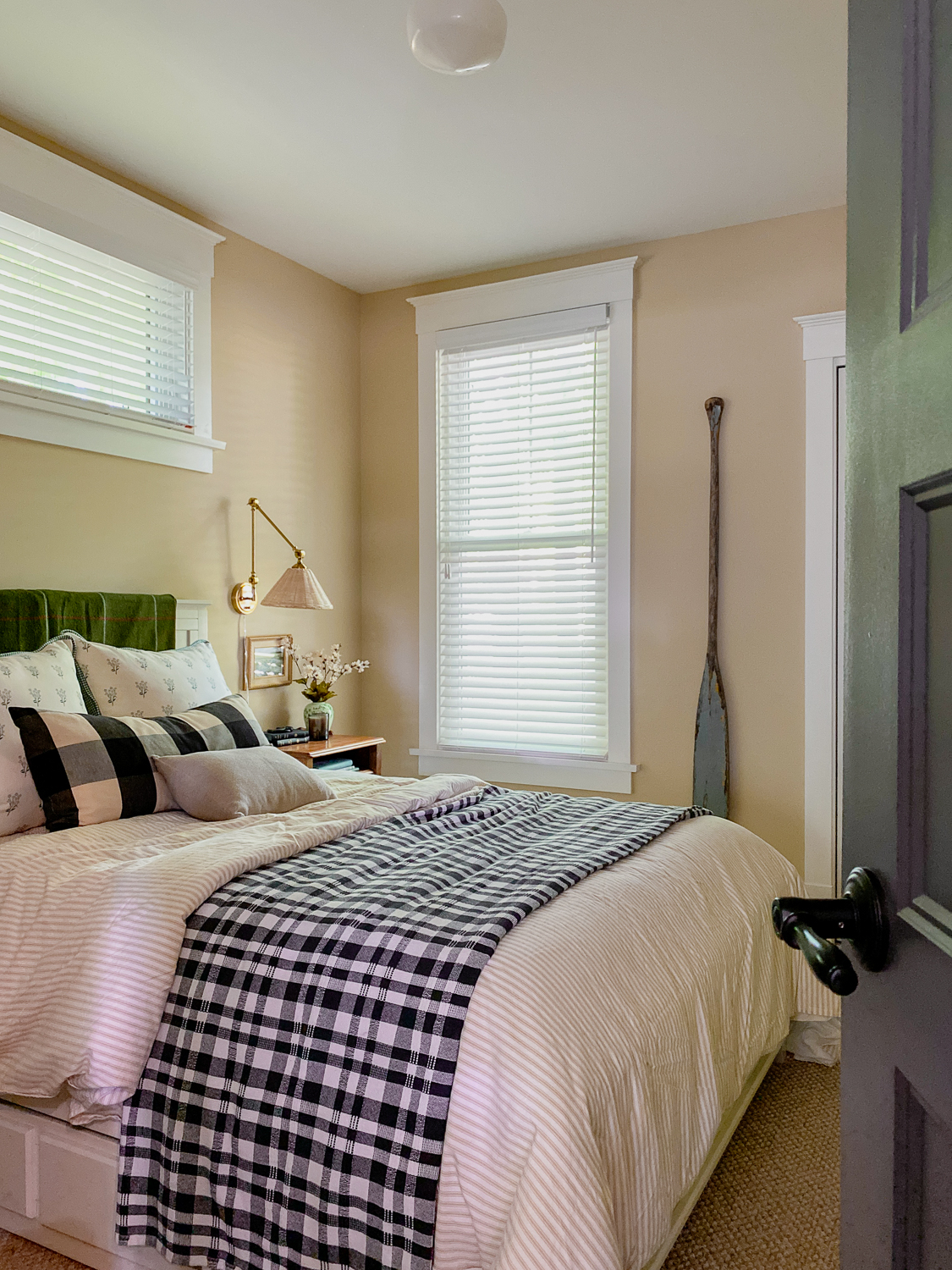
Imagine waking up every morning in a room that feels spacious, cozy, and perfectly tailored to your needs. It’s not just a dream – it’s absolutely achievable, even when you’re working with limited square footage. Whether you’re living in a studio apartment, a converted attic, or simply have a bedroom that feels too cramped, there’s a whole world of design solutions waiting to transform your space. The secret isn’t about making it bigger – it’s about making it better.
Let’s face it, small bedrooms can feel like tiny prisons sometimes. You’ve got all your stuff crammed in there, and it seems like every inch is being fought over by furniture, clothing, and dreams. But what if I told you that a tiny space could actually become one of the most comfortable places in your entire home? That’s exactly what happens when you approach small bedroom design with the right mindset and some smart planning. The truth is, small spaces offer unique opportunities to create something truly special – a sanctuary that feels intentional and personal. You might be surprised how much you can accomplish with just a few clever changes.
Maximize Vertical Space
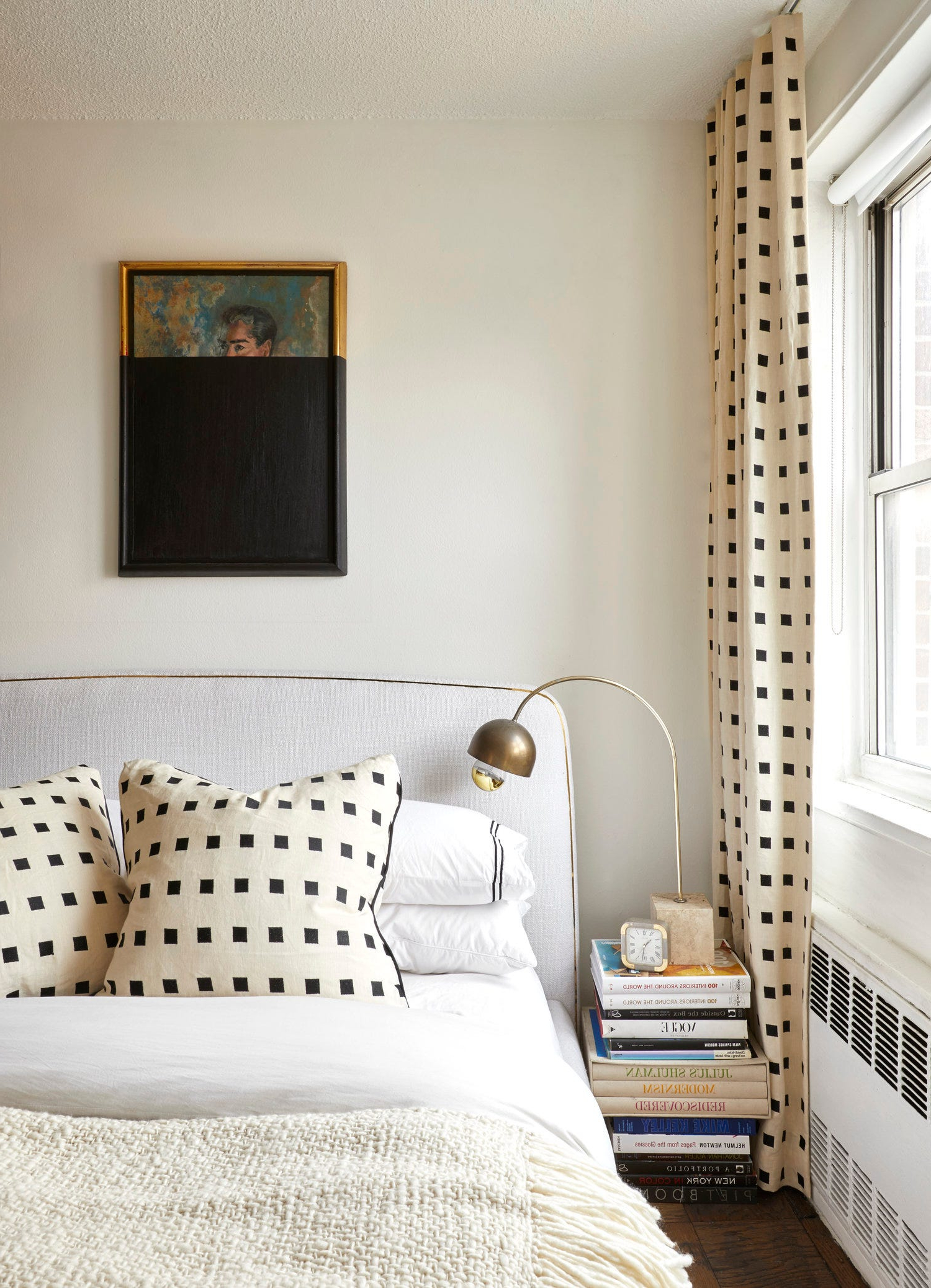
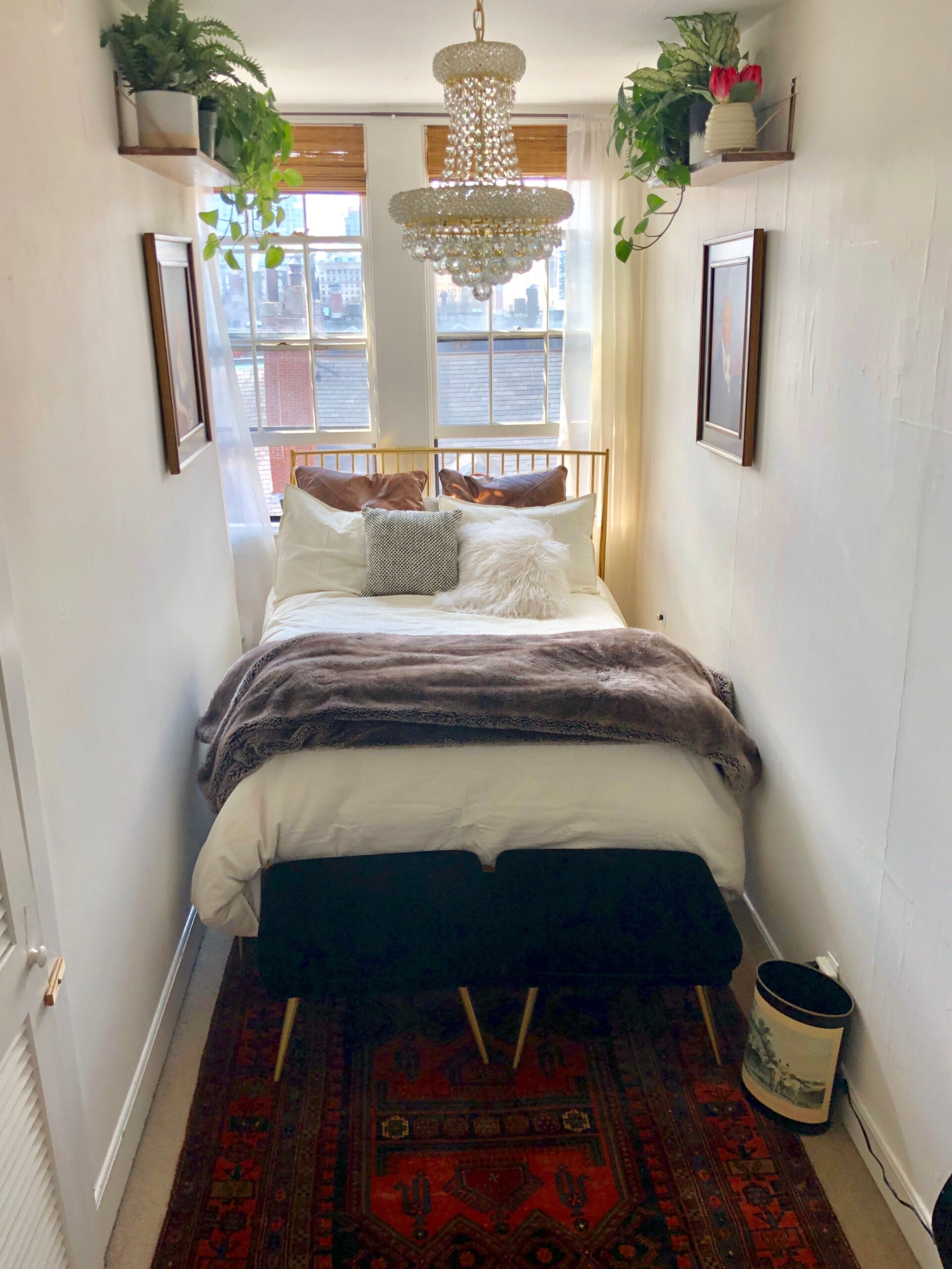
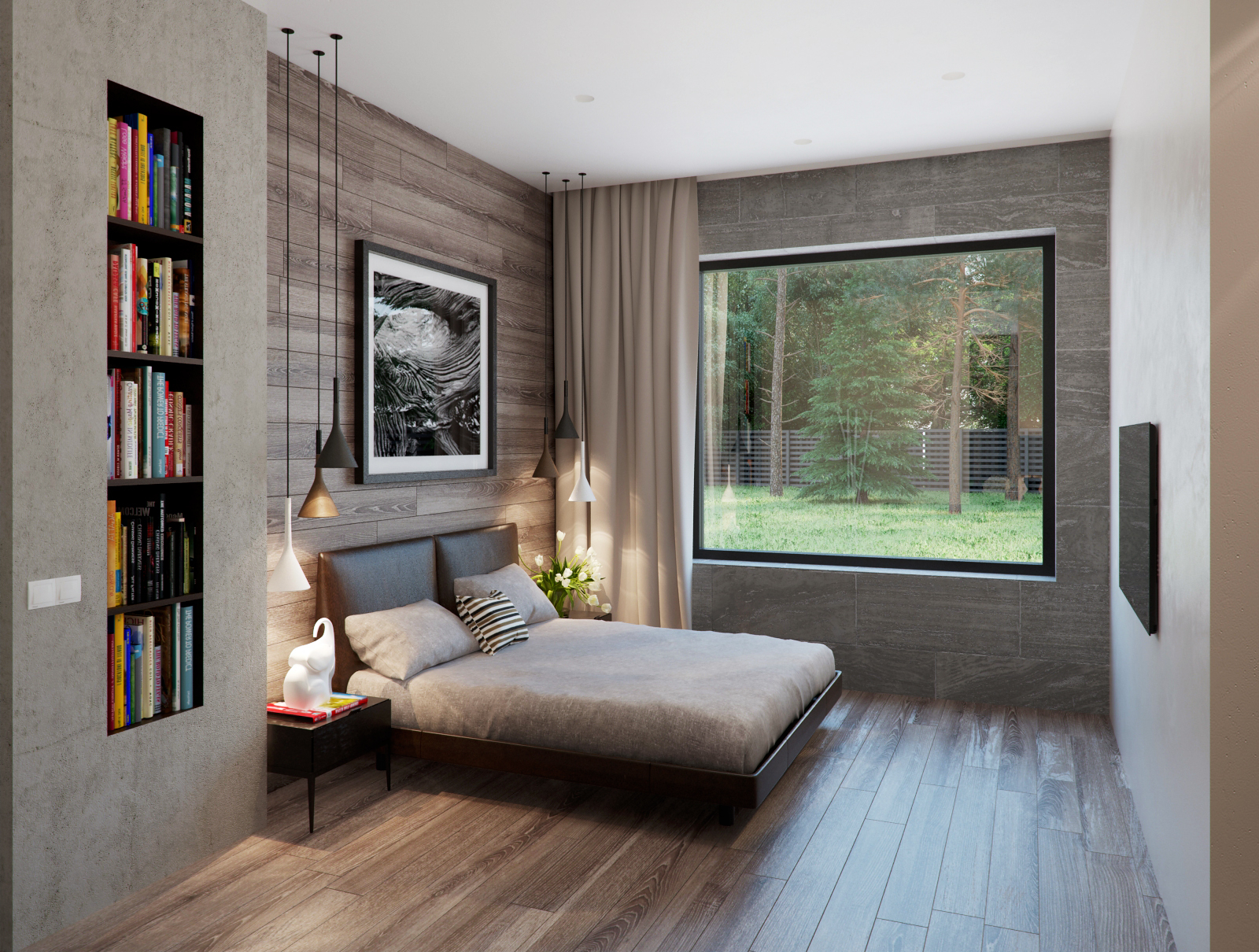
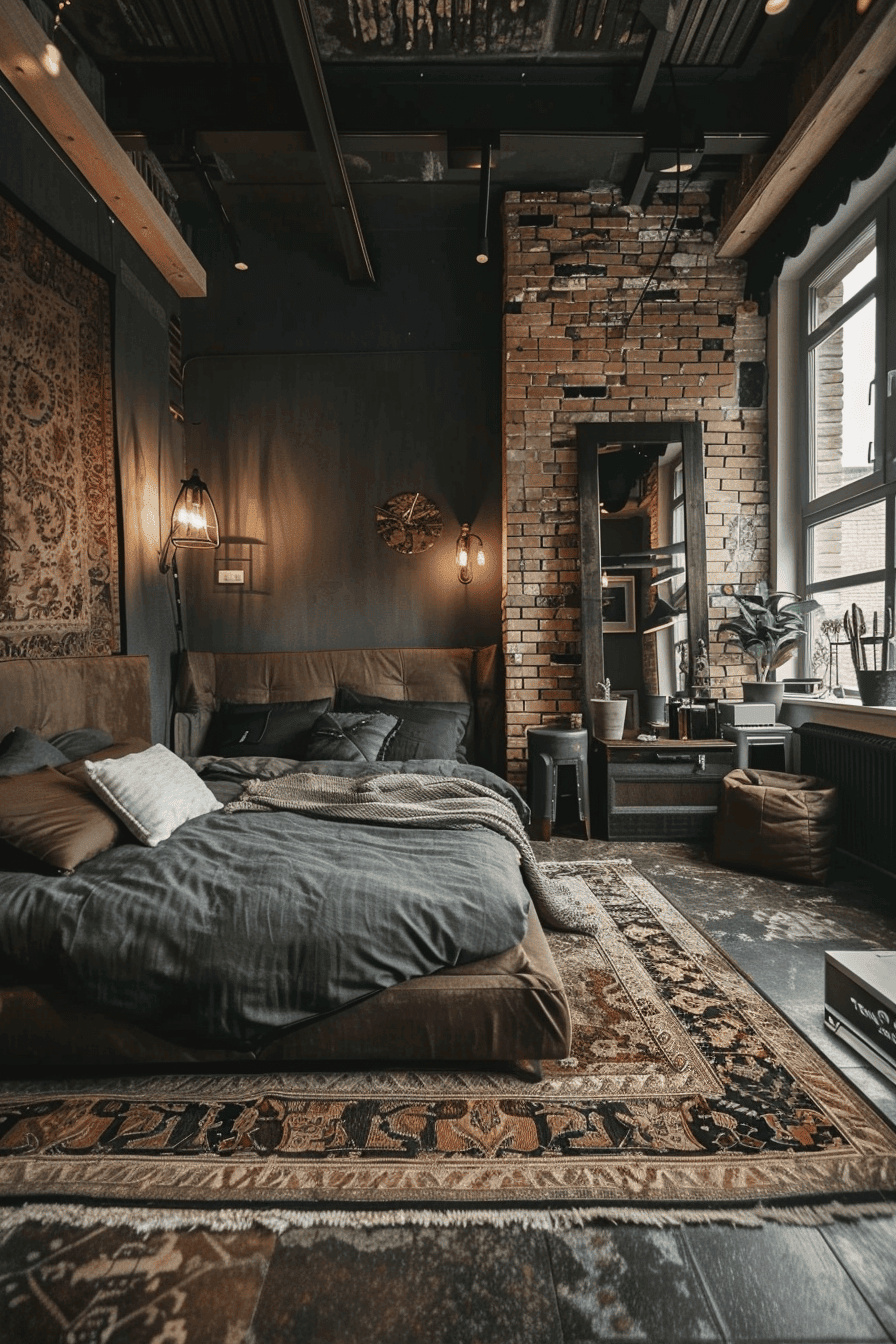
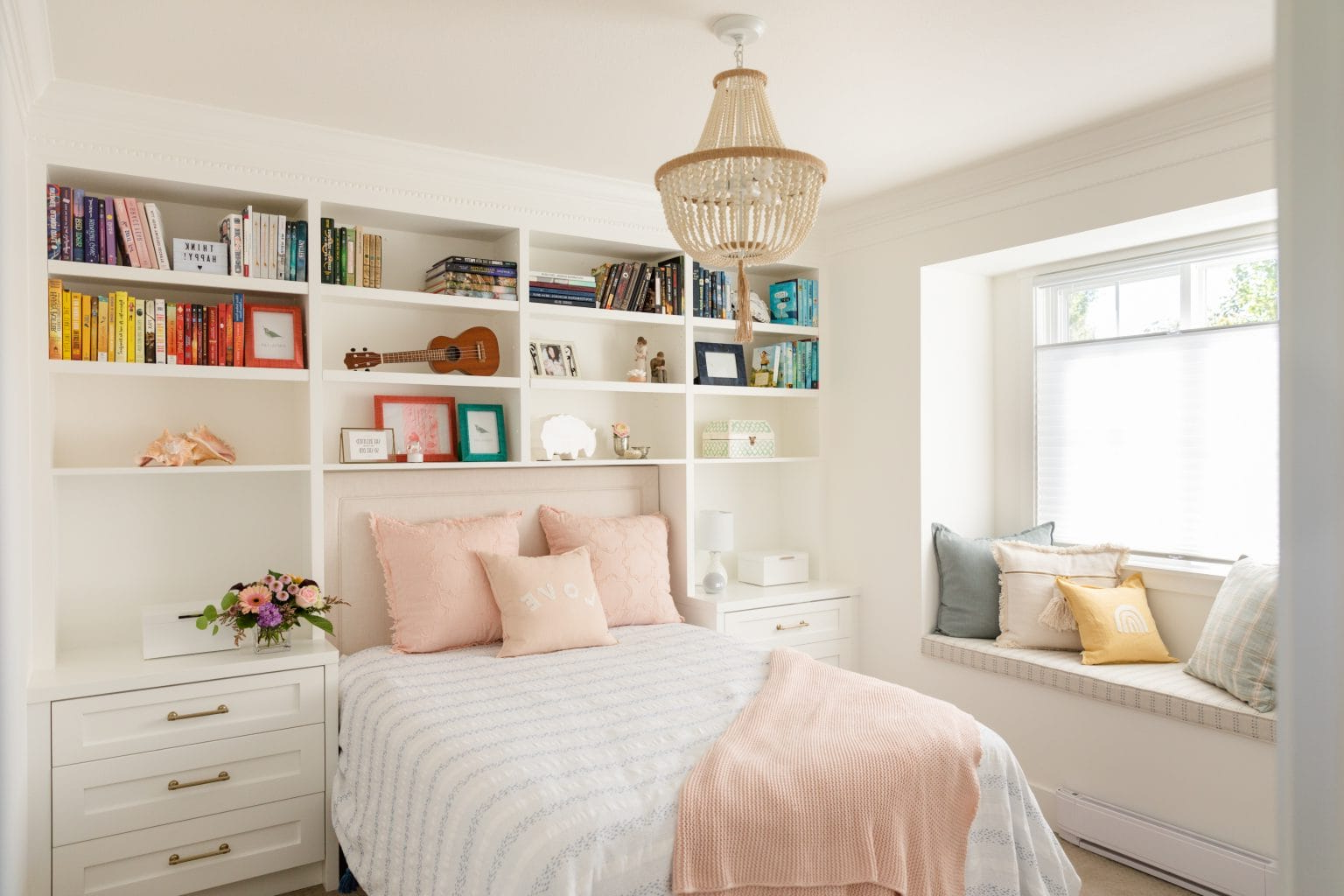
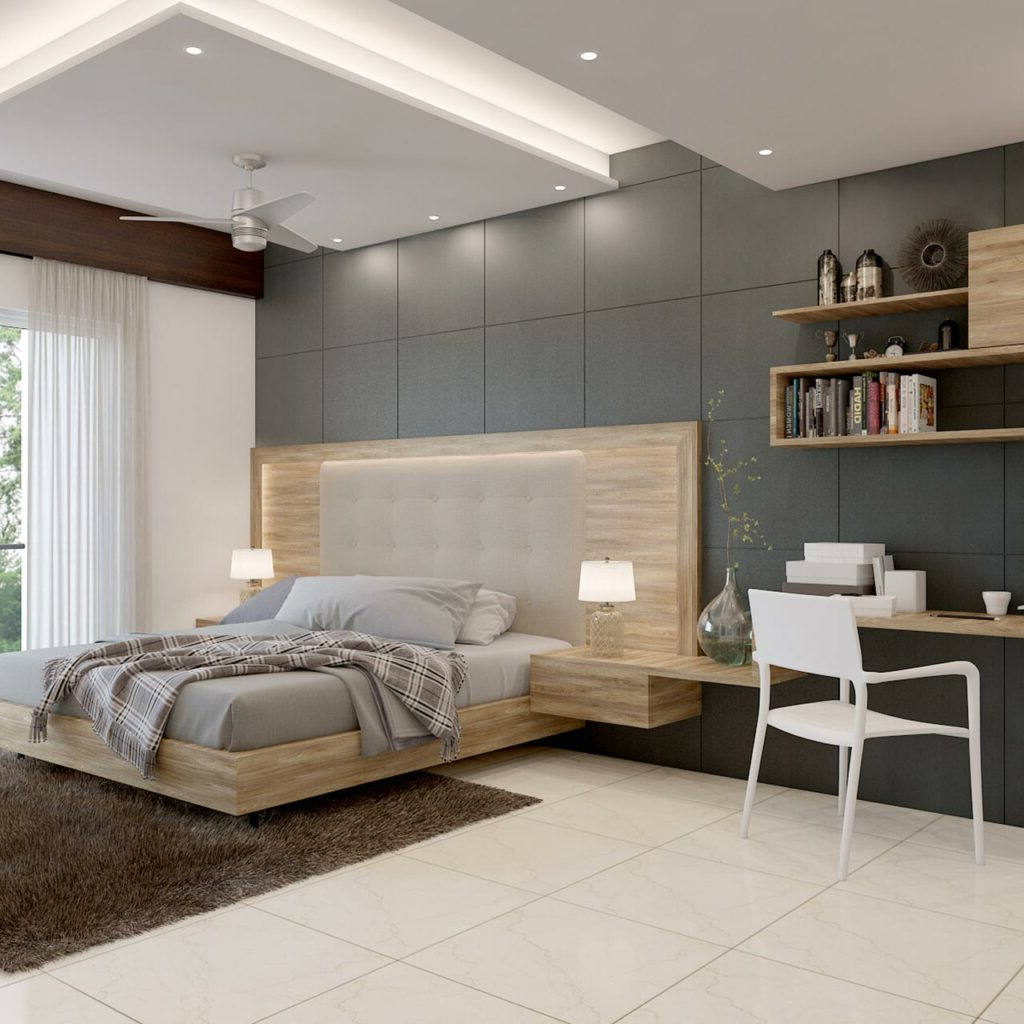
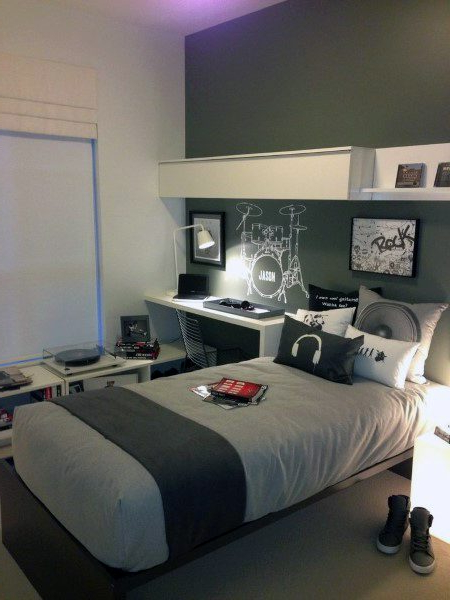
One of the biggest mistakes people make with small bedrooms is focusing only on what’s at ground level. The vertical space above you is like an untapped treasure trove waiting to be explored. Think about it – if you could double your storage capacity with just a few strategic additions, wouldn’t you do it? Wall-mounted shelves can hold everything from books to decorative items, and they keep your floor space clear. Consider installing floating shelves that extend from floor to ceiling, creating a dramatic visual effect while maximizing every inch. Built-in storage solutions that go up to the ceiling can be a game-changer, especially in rooms where you have limited wall space. These aren’t just functional – they’re beautiful too. You can even incorporate vertical elements like tall nightstands or a standing lamp that draws the eye upward. The key is to think three-dimensionally rather than just two-dimensional. What if your walls could be your best friends instead of your worst enemies?
Choose Multi-Functional Furniture
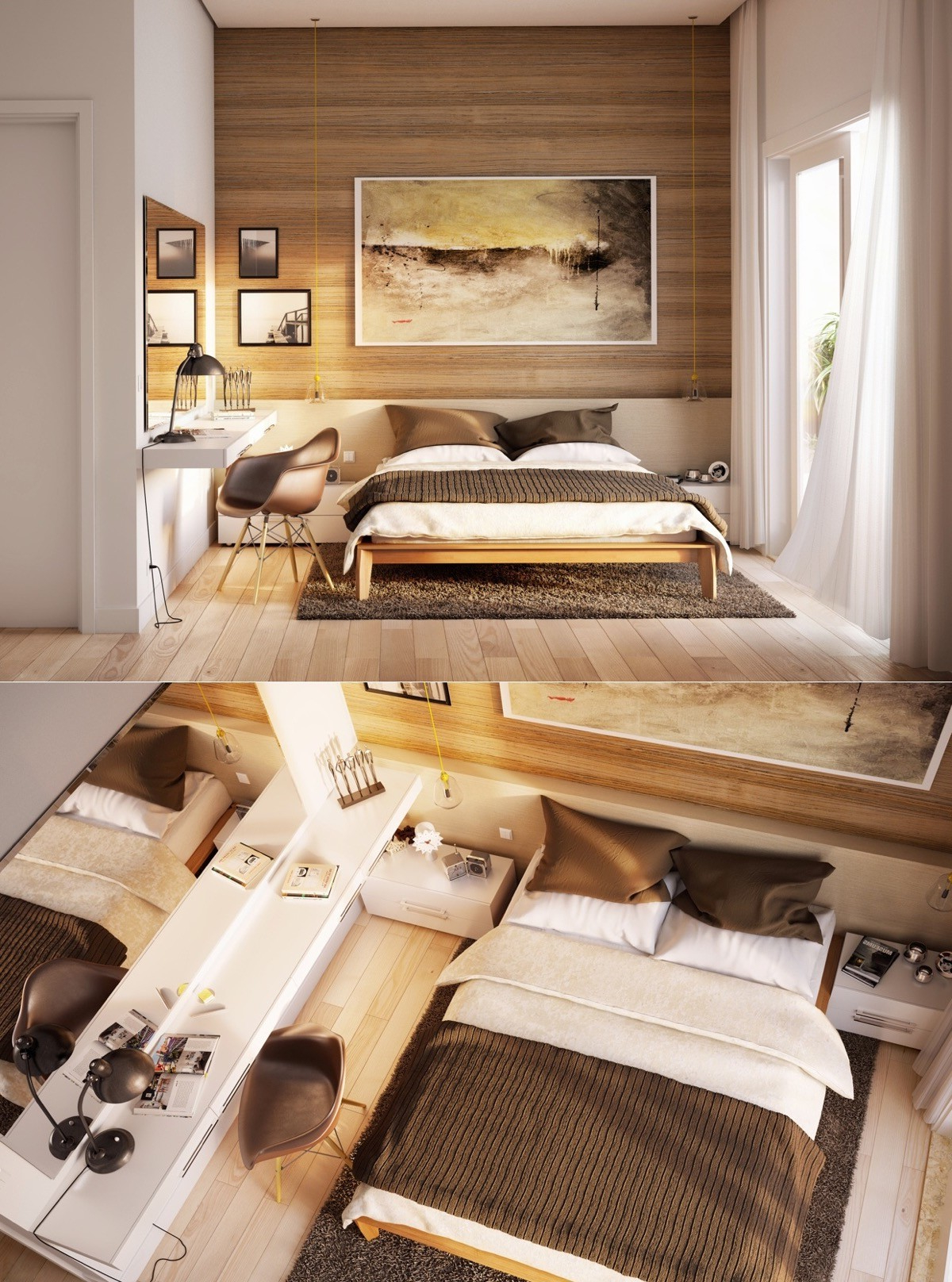
In a small bedroom, every piece of furniture needs to do double duty. This isn’t just about saving space – it’s about creating efficiency and reducing clutter. A bed with built-in drawers underneath can store everything from seasonal clothes to bedding. Nightstands that double as desk surfaces give you work space without taking up extra room. Ottomans with hidden compartments can serve as seating and storage simultaneously. Think about what activities happen in your bedroom beyond sleeping – reading, working, relaxing – and choose furniture that supports those needs. The magic happens when you can pull out a drawer and find a clean shirt, open a lid and discover your favorite book, or lift a lid and see your favorite mug waiting for you. Multi-functional furniture isn’t just about saving space; it’s about making life easier. It’s like having multiple superpowers in one package. Sometimes, the simplest solution is the most elegant one.
Optimize Lighting for Atmosphere
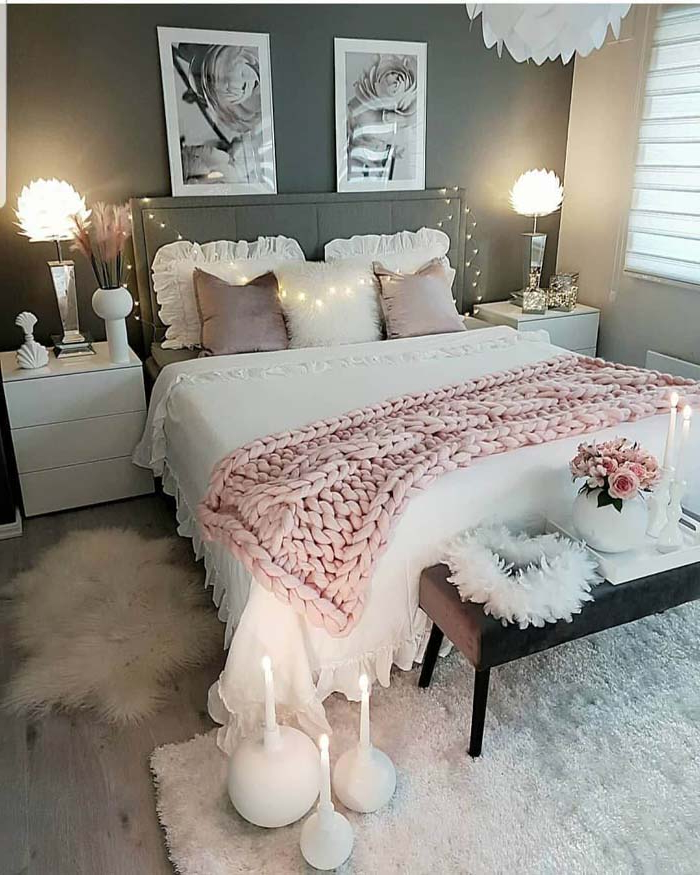
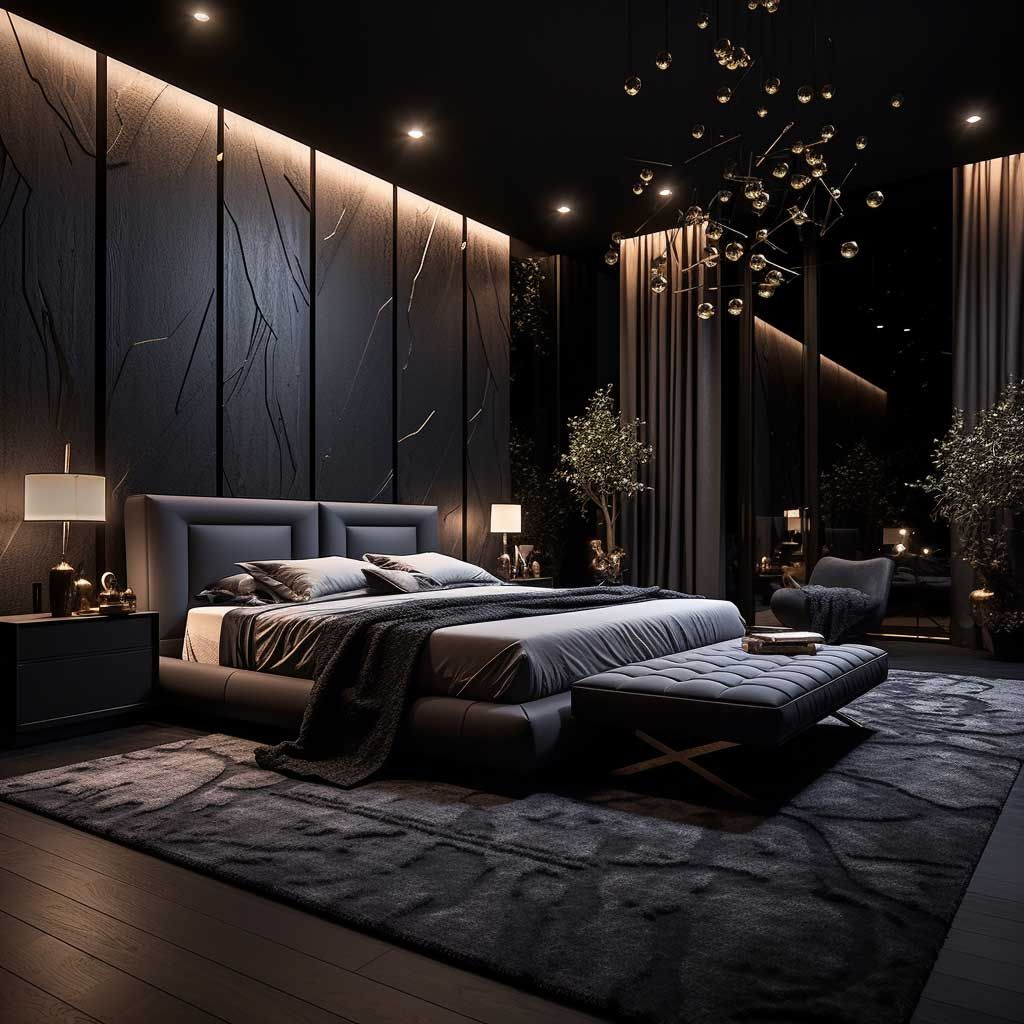
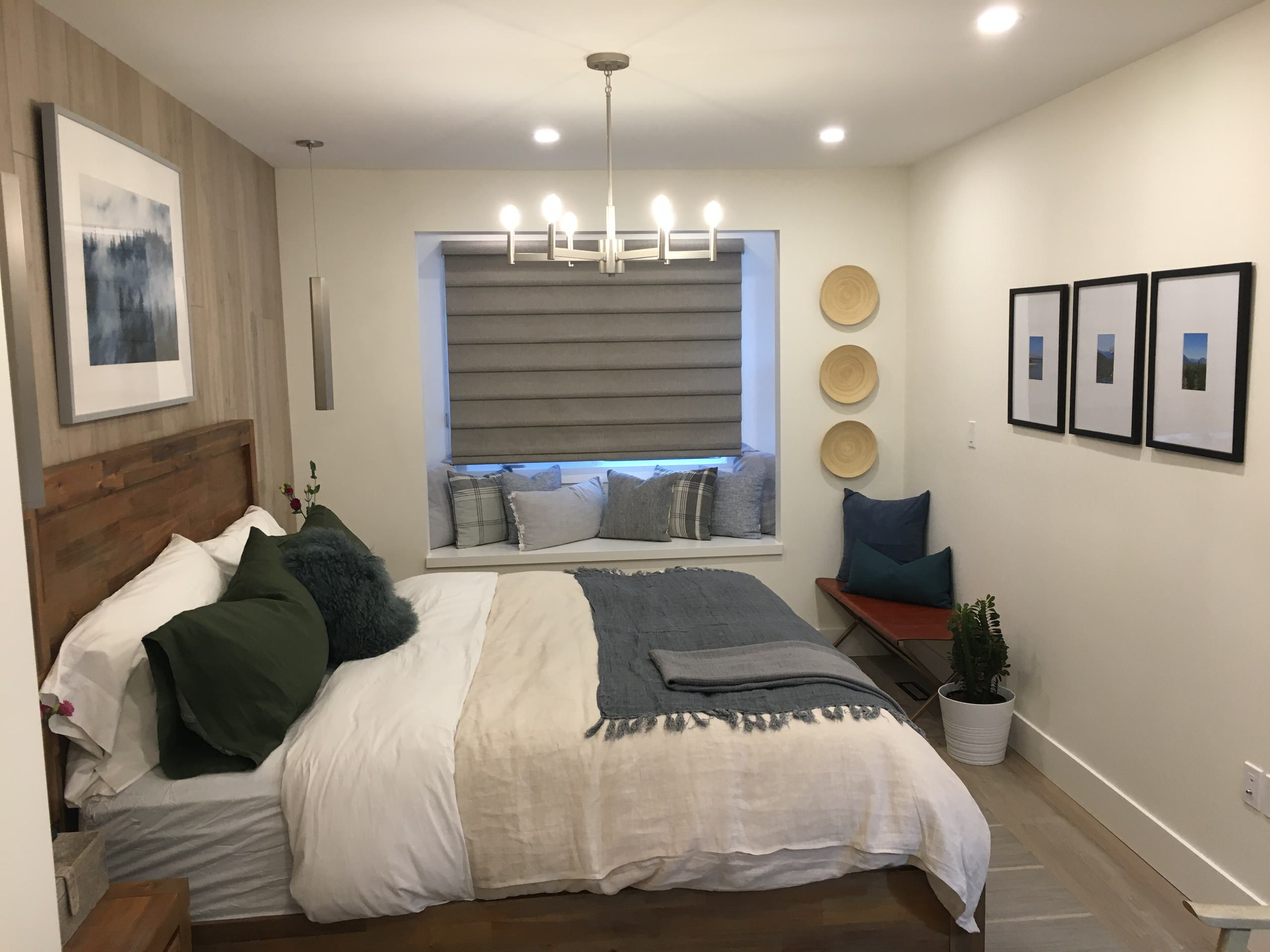
Lighting plays a crucial role in how we perceive space. A well-lit small bedroom can feel airy and open, while poor lighting can make even a modest-sized room feel oppressive. Layer your lighting carefully – start with ambient light that covers the entire space, then add task lighting where you need it most, and finish with accent lighting for mood and interest. Table lamps, wall sconces, and even string lights can create different atmospheres depending on your mood. Smart lighting systems allow you to change colors and brightness levels to match your daily routine. During the day, bright white light helps you wake up and feel alert. At night, softer amber tones can help you wind down. Don’t overlook natural light either – consider how sunlight enters your room and position furniture accordingly. A window seat with soft cushions can become a peaceful reading nook. Good lighting isn’t just practical; it’s emotional. It sets the tone for your entire day.
Create Visual Flow and Openness
The way things are arranged in your bedroom affects how large or small it feels. If you want to make a small space feel bigger, you’ll want to avoid blocking sight lines. Keep the center of your room as clear as possible, and use furniture placement strategically. A low-profile bed can make a ceiling appear higher, while a tall dresser can draw the eye upward. Mirrors are powerful tools for making spaces feel larger – they reflect light and create the illusion of depth. Position them carefully though, not just anywhere. A mirror opposite a window can make a small room feel twice its size. Choose furniture with legs that let light flow underneath, creating a sense of openness. The overall feeling should be uncluttered and calm. Think about how you move through the room – does it feel easy to walk around, or does everything seem crowded? Creating visual flow means making sure your eyes can travel easily across the space. It’s like giving your room a breathing room.
Smart Storage Solutions
Storage in small bedrooms requires creativity and intentionality. You want to hide away things that don’t need to be seen while keeping important items easily accessible. Under-bed storage containers can hold seasonal clothing, extra bedding, or even shoes. Closet organizers with multiple compartments help you sort and find things quickly. Consider using the inside of cabinet doors for additional storage – it’s amazing how much you can fit in there. Vacuum-sealed bags can compress bulky items like winter coats or comforters, freeing up significant space. Label everything clearly so you know exactly where everything is. The goal isn’t to hide everything away – it’s to organize efficiently. When you can see what you have and where it is, you feel more in control of your environment. It’s like having a tidy mind in a tidy space. Sometimes the best storage solutions are the ones you don’t see at all.
Color and Textile Strategy
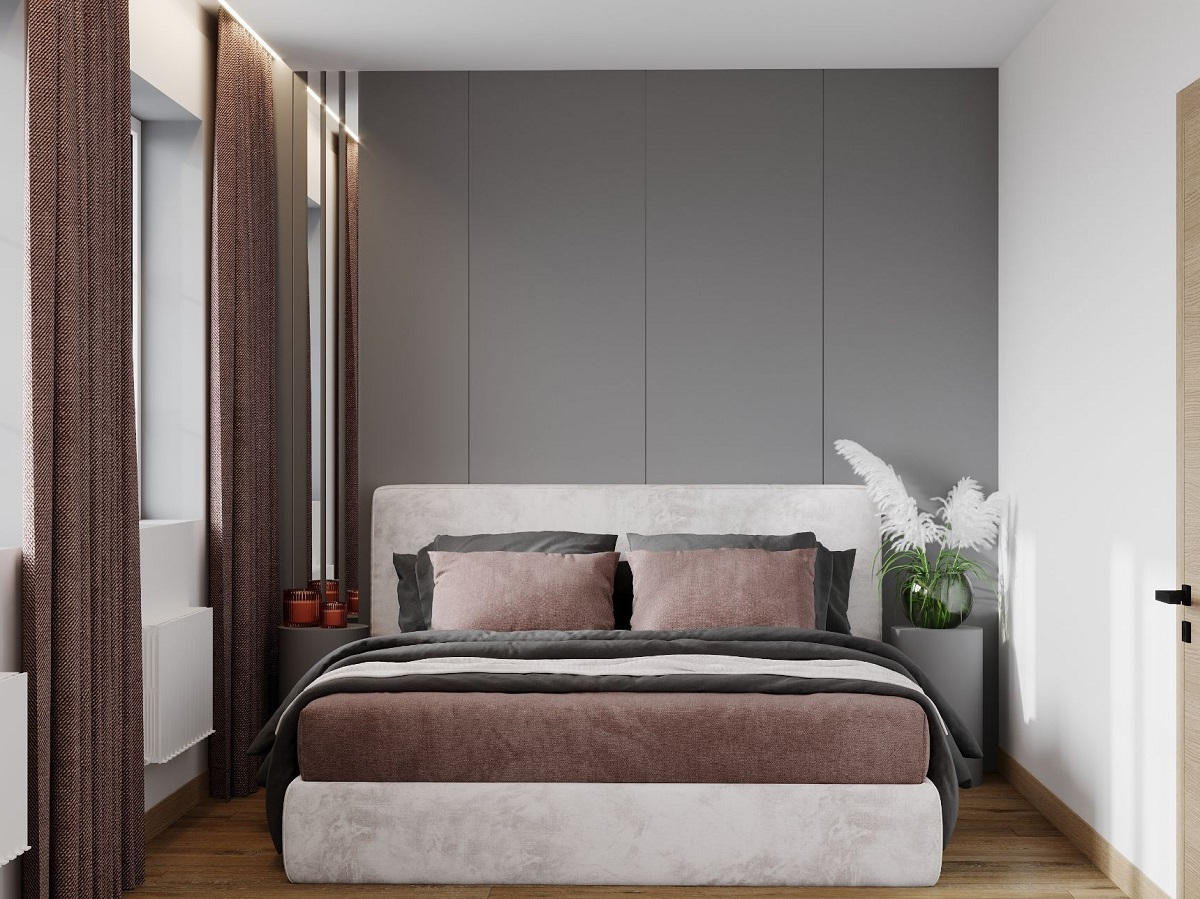
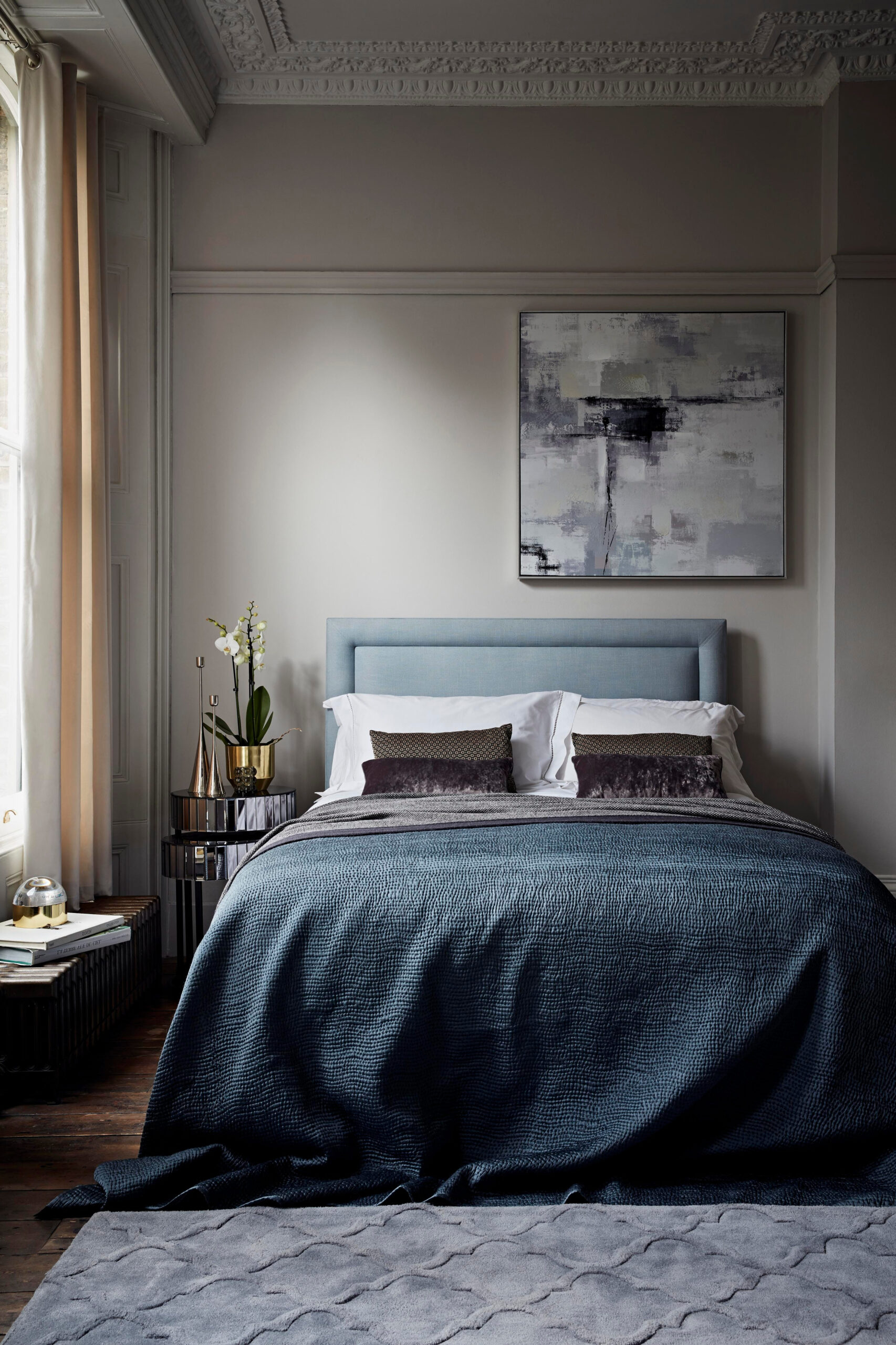
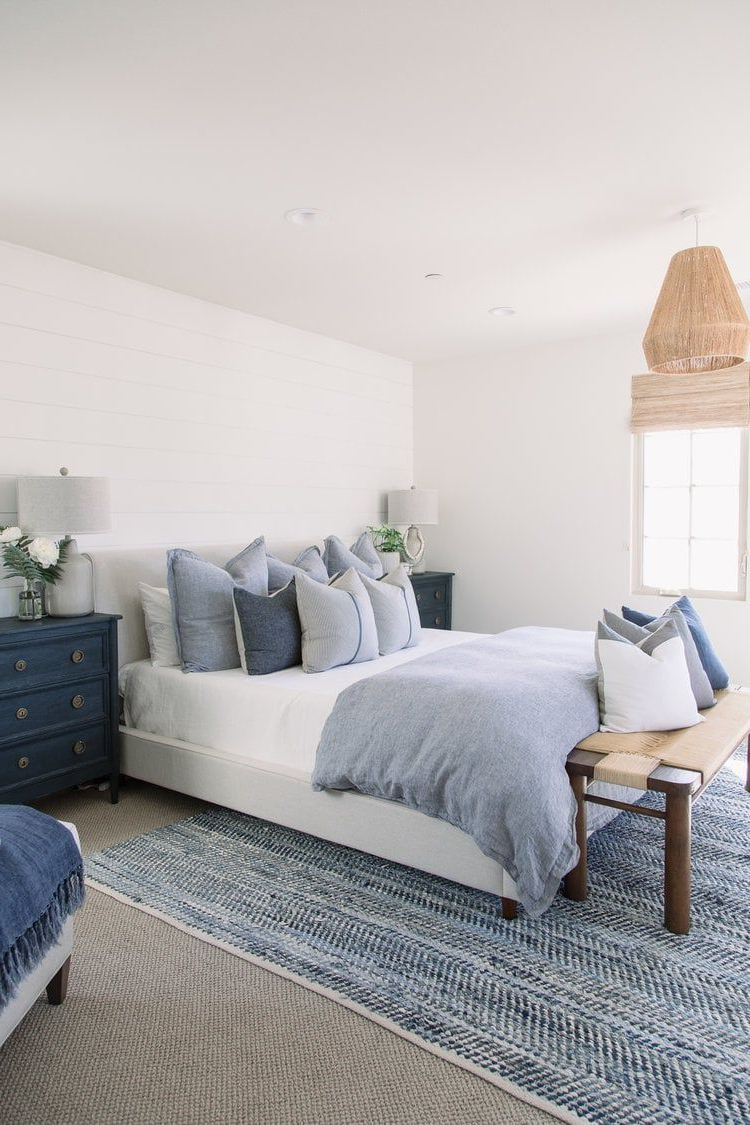
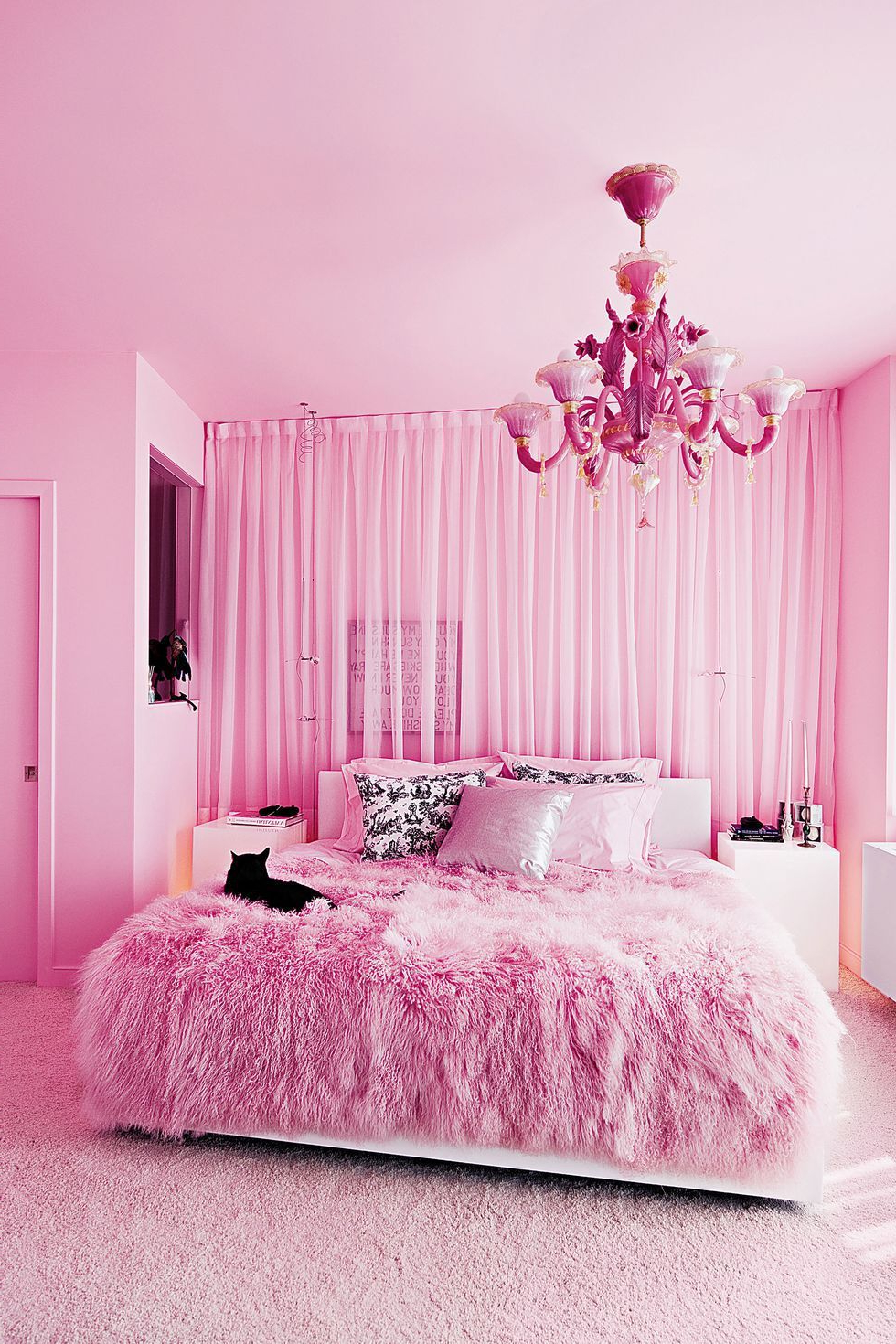
Colors can make or break a small bedroom. Light, neutral colors tend to make spaces feel larger and more open. White, cream, beige, and soft grays are classic choices that work beautifully in small rooms. But don’t be afraid to add pops of color through accessories – throw pillows, artwork, or a single statement piece. These elements can bring personality and warmth without overwhelming the space. Textures play an equally important role. Soft fabrics like linen or cotton can add visual interest while maintaining a light appearance. Consider using different textures in the same color family to create depth and dimension. A light blue wall with navy blue bedding creates a pleasing contrast without making the room feel cramped. The key is balance – you want enough visual interest to prevent the space from feeling flat, but not so much that it becomes chaotic. Think of color and texture as the soundtrack to your bedroom’s personality.
Transforming a tiny bedroom into a comfortable haven isn’t about doing more with less – it’s about doing smarter with what you have. Every element, from the way you arrange your furniture to the colors you choose, contributes to your overall experience in that space. The beauty of small bedroom design lies in its ability to force us to be more intentional about our choices. When you’re limited in space, you naturally focus on what matters most. This approach often leads to a more satisfying living environment than having unlimited space but no thought put into it. Remember, comfort isn’t about size – it’s about how well your space serves your needs. A thoughtfully designed small bedroom can be more comforting than a poorly planned large one. It’s not about having more room – it’s about having the right room. The transformation starts with a single decision to approach your space differently, and it builds from there.
[sps_html tag=”img” src=”https://roofdrivein.com/wp-content/uploads/2026/01/51-small-bedroom-design-ideas-with-tips-and-accessories-to-help-you-inside-transforming-tiny-spaces-expert-small-bedroom-design-tips-for-maximum-comfort.jpg” alt=”51 Small Bedroom Design Ideas With Tips And Accessories To Help You … inside Transforming Tiny Spaces: Expert Small Bedroom Design Tips for Maximum Comfort” style=”width: 100%; height: auto;”]
[sps_html tag=”img” src=”https://roofdrivein.com/wp-content/uploads/2026/01/50-small-bedroom-designs-and-ideas-for-maximizing-your-small-space-pertaining-to-small-bedroom-design-ideas-scaled.jpg” alt=”50+ Small Bedroom Designs And Ideas For Maximizing Your Small Space … pertaining to Small Bedroom Design Ideas” style=”width: 100%; height: auto;”]
[sps_html tag=”img” src=”https://roofdrivein.com/wp-content/uploads/2026/01/modern-small-bedroom-designs-throughout-small-bedroom-design-ideas-scaled.jpg” alt=”Modern Small Bedroom Designs throughout Small Bedroom Design Ideas” style=”width: 100%; height: auto;”]
[sps_html tag=”img” src=”https://roofdrivein.com/wp-content/uploads/2026/01/20-small-bedroom-ideas-that-will-leave-you-speechless-architecture-beast-for-transforming-tiny-spaces-expert-small-bedroom-design-tips-for-maximum-comfort.jpg” alt=”20 Small Bedroom Ideas That Will Leave You Speechless - Architecture Beast for Transforming Tiny Spaces: Expert Small Bedroom Design Tips for Maximum Comfort” style=”width: 100%; height: auto;”]
[sps_html tag=”img” src=”https://roofdrivein.com/wp-content/uploads/2026/01/best-small-bedrooms-decorating-ideas-throughout-transforming-tiny-spaces-expert-small-bedroom-design-tips-for-maximum-comfort.jpg” alt=”Best Small Bedrooms Decorating Ideas throughout Transforming Tiny Spaces: Expert Small Bedroom Design Tips for Maximum Comfort” style=”width: 100%; height: auto;”]