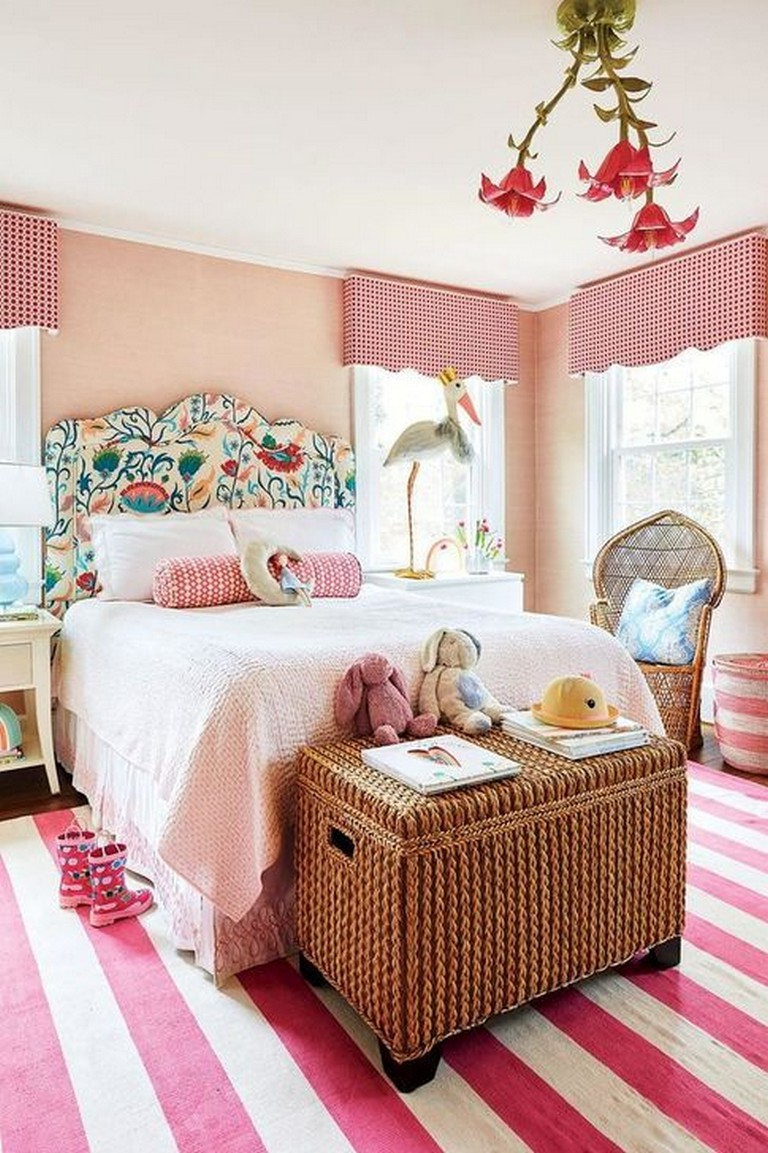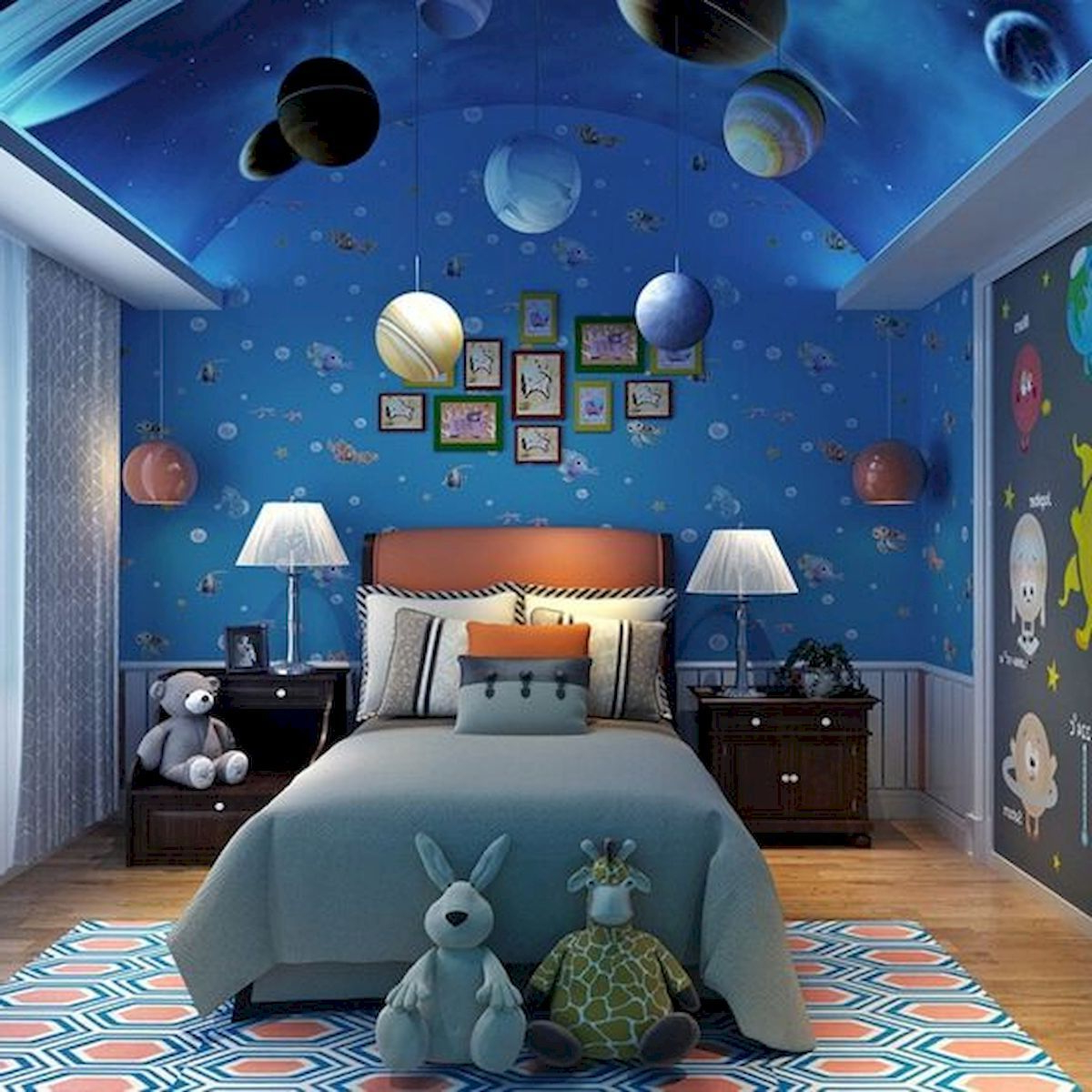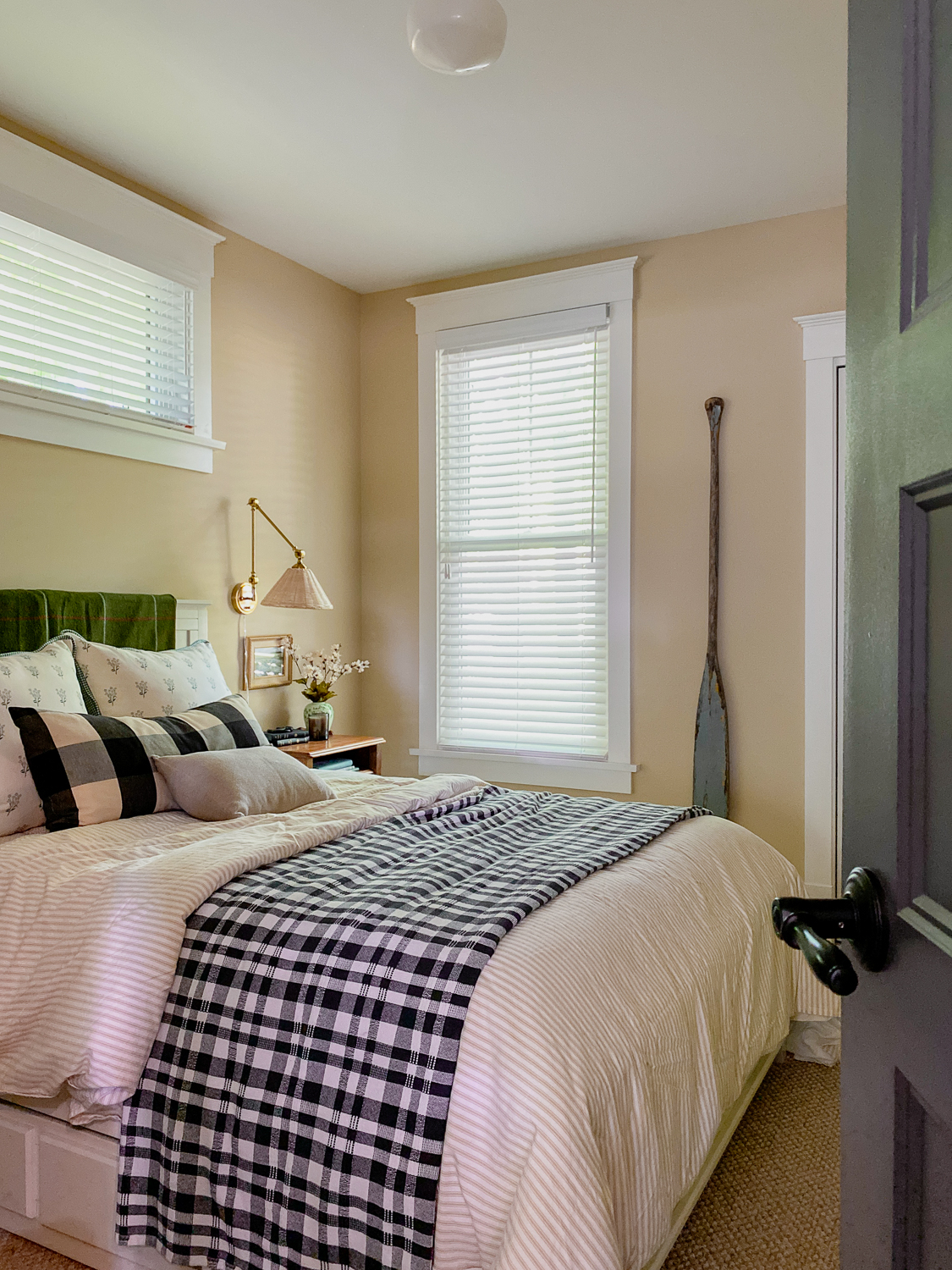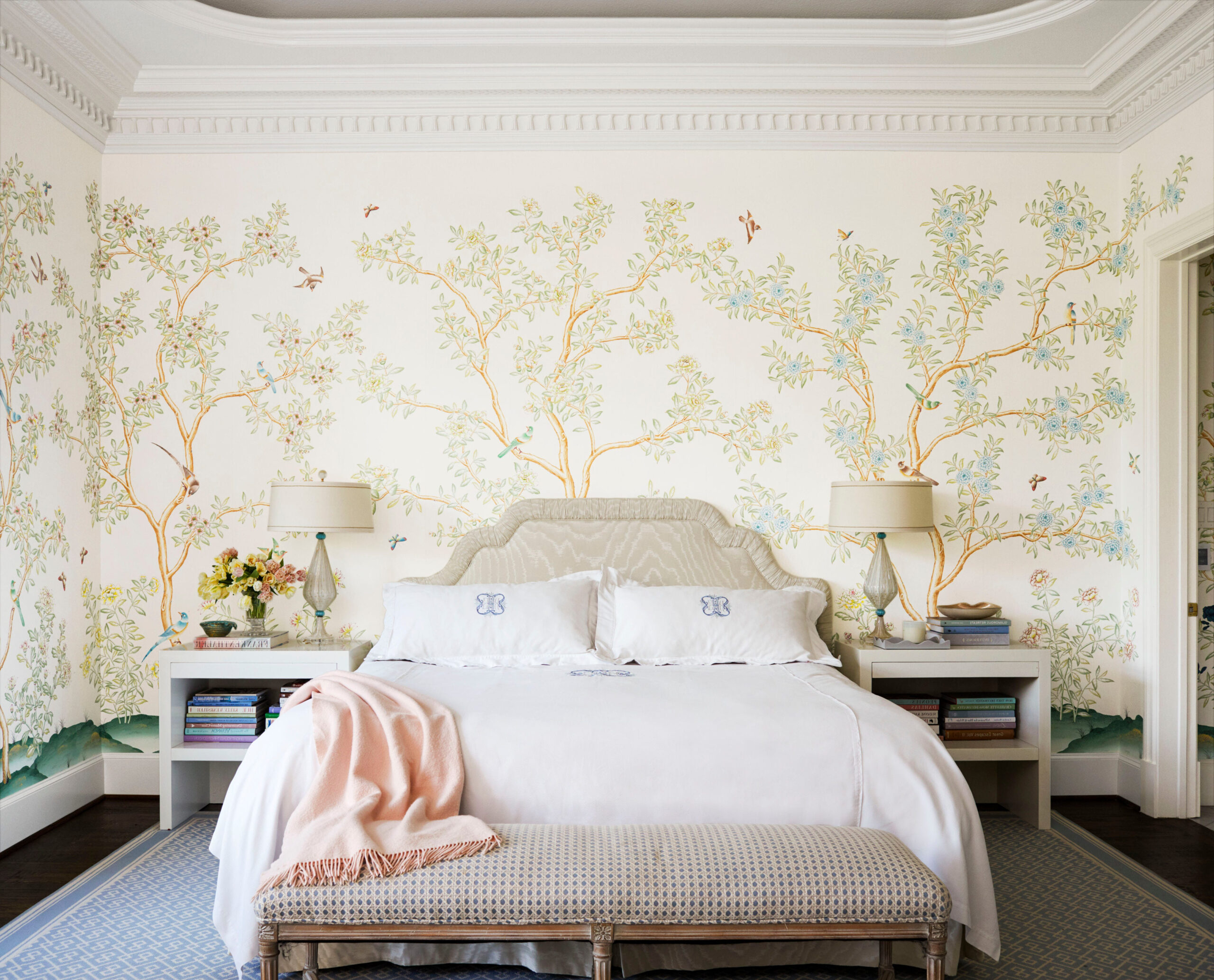
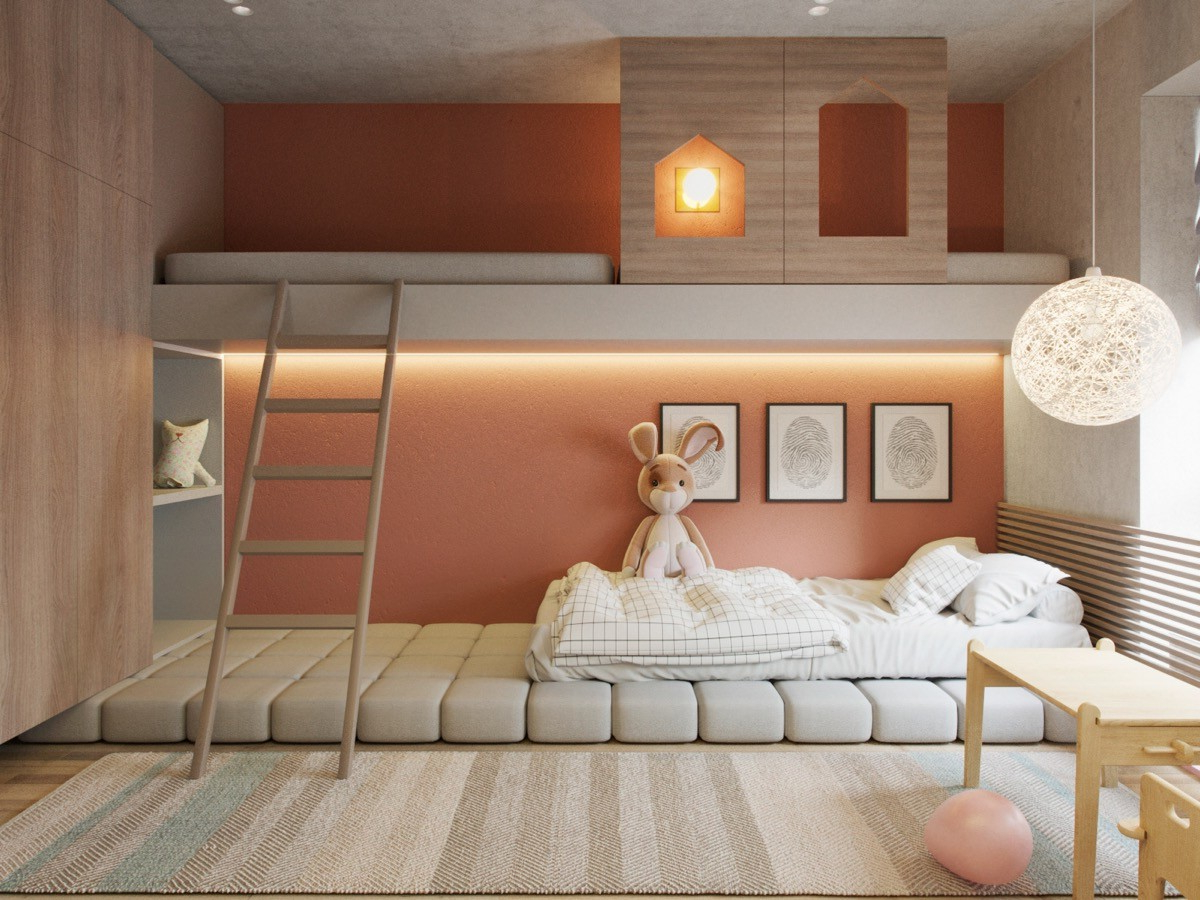
Imagine walking into a room where toys are easy to find, there’s space to play, and every corner sparkles with joy. That’s not just a dream – it’s achievable when you blend function with fun. Parents often struggle with this delicate balance, especially when their child’s room needs to serve multiple purposes while still feeling like a magical place.
Every parent knows the challenge of designing a children’s room. It’s not enough for a space to look cute or feel cozy – it must work for daily life too. Think about it: kids need areas for sleeping, playing, learning, and storing their stuff. But they also need everything to feel exciting and full of possibilities. The magic happens when we figure out how to make all these different needs fit together perfectly. This isn’t just about decoration – it’s about creating spaces that grow with kids and support their development. When done right, a child’s room becomes a sanctuary where playtime meets productivity, and where every corner serves a purpose without losing its charm.
Understanding the Dual Nature of Kids’ Spaces
Kids’ rooms have to handle two very different jobs at once. They’re places where children learn, play, and grow, but they also need to be practical for busy parents. This dual nature creates a unique challenge because what works for adults often doesn’t work for kids. For instance, a traditional bedroom might have a desk, dresser, and nightstand – but a child’s room needs storage that’s both accessible and safe. The key is understanding that functionality doesn’t have to mean boring. You can have smart organization systems that look like part of the fun rather than something separate from it.
Consider how a child’s room might be used differently at various ages. A toddler’s room focuses on safety and simple play areas, while a teenager’s room might prioritize privacy and study space. The layout should adapt to these changing needs while maintaining that sense of wonder. This means planning ahead for growth and flexibility in your design choices. A room that feels like a place to live rather than just decorate will serve families much better over time.
Storage Solutions That Feel Like Play
This is where creativity really shines in kids’ room design. Instead of hiding away toys in plain boxes or cabinets, try storage solutions that look like part of the adventure. Think of toy chests that double as seating, or bookshelves that resemble tree houses. These types of solutions make organizing feel less like a chore and more like a game.
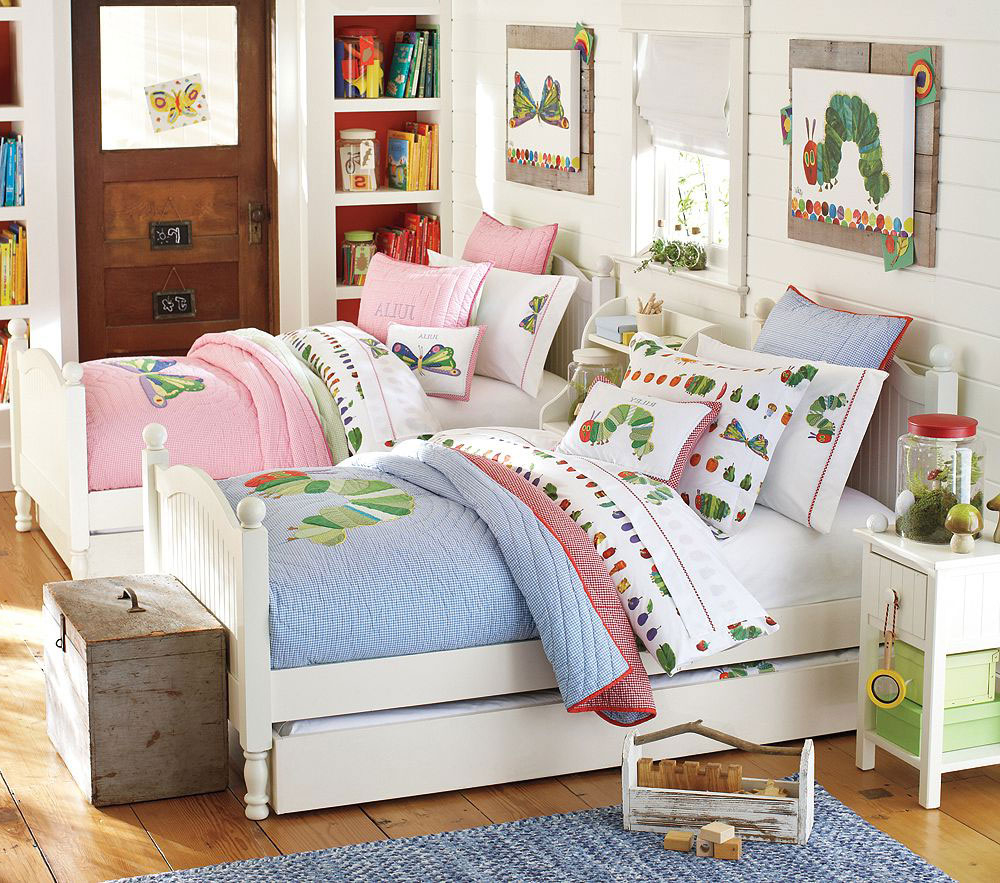
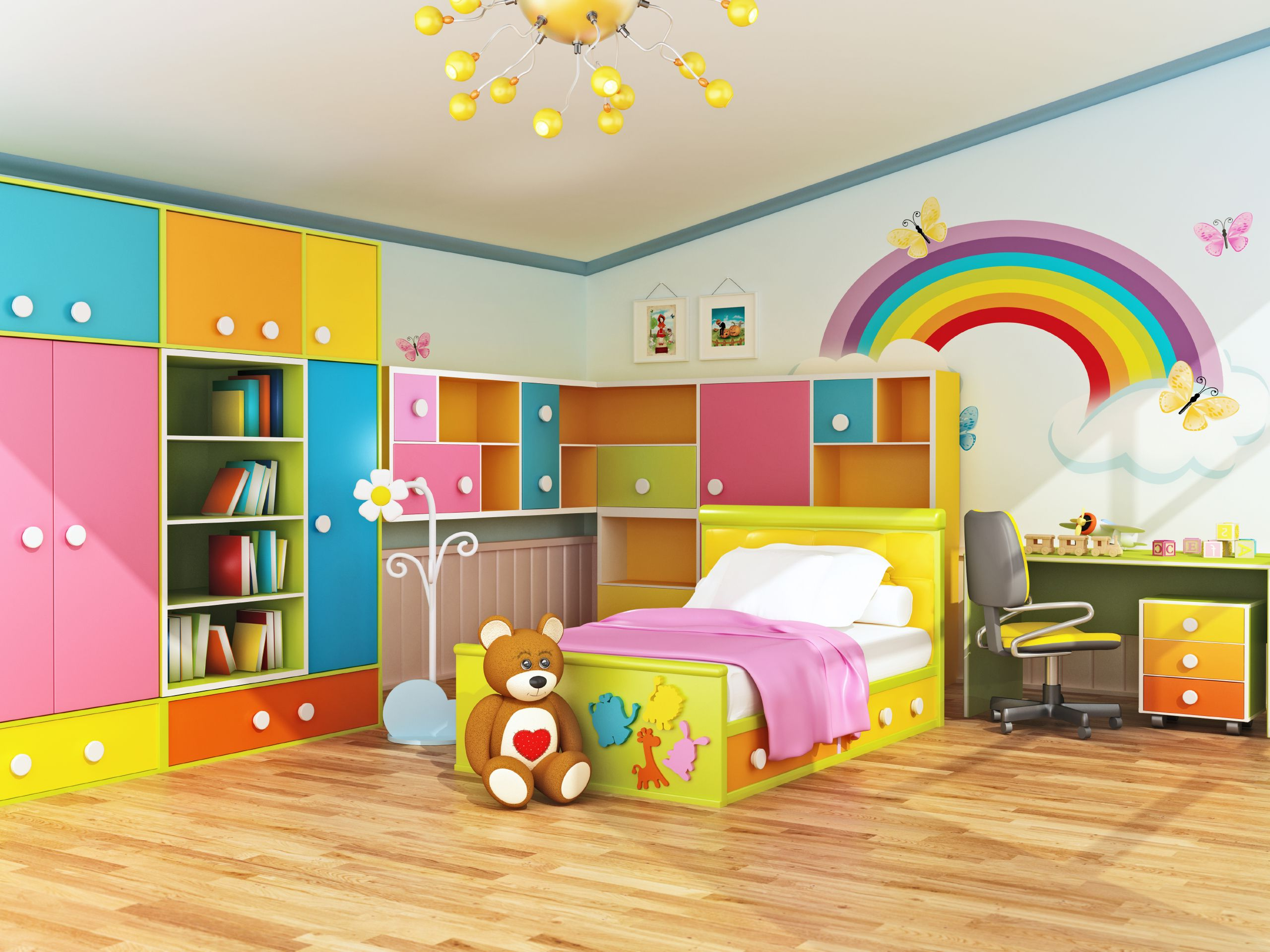
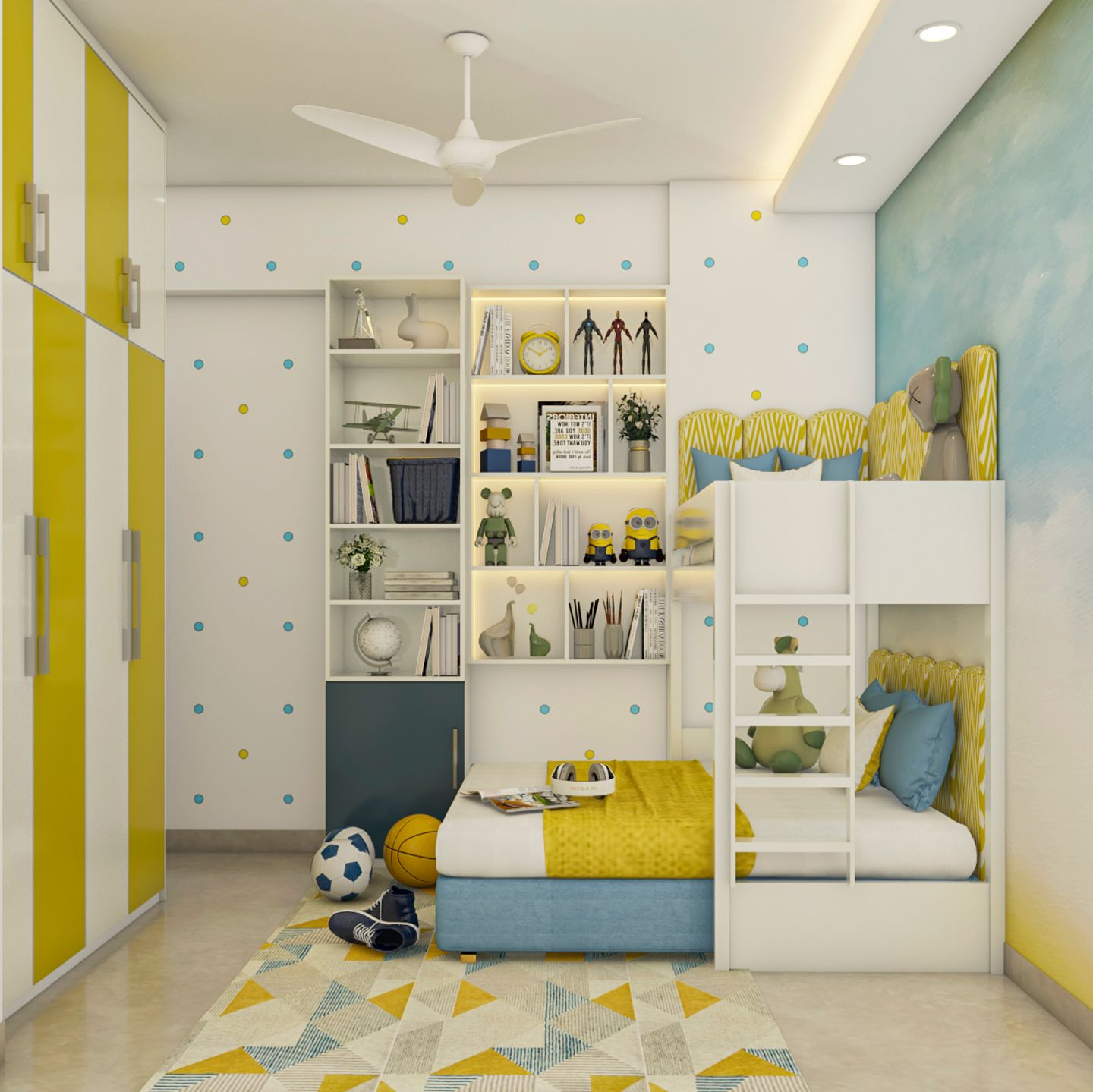
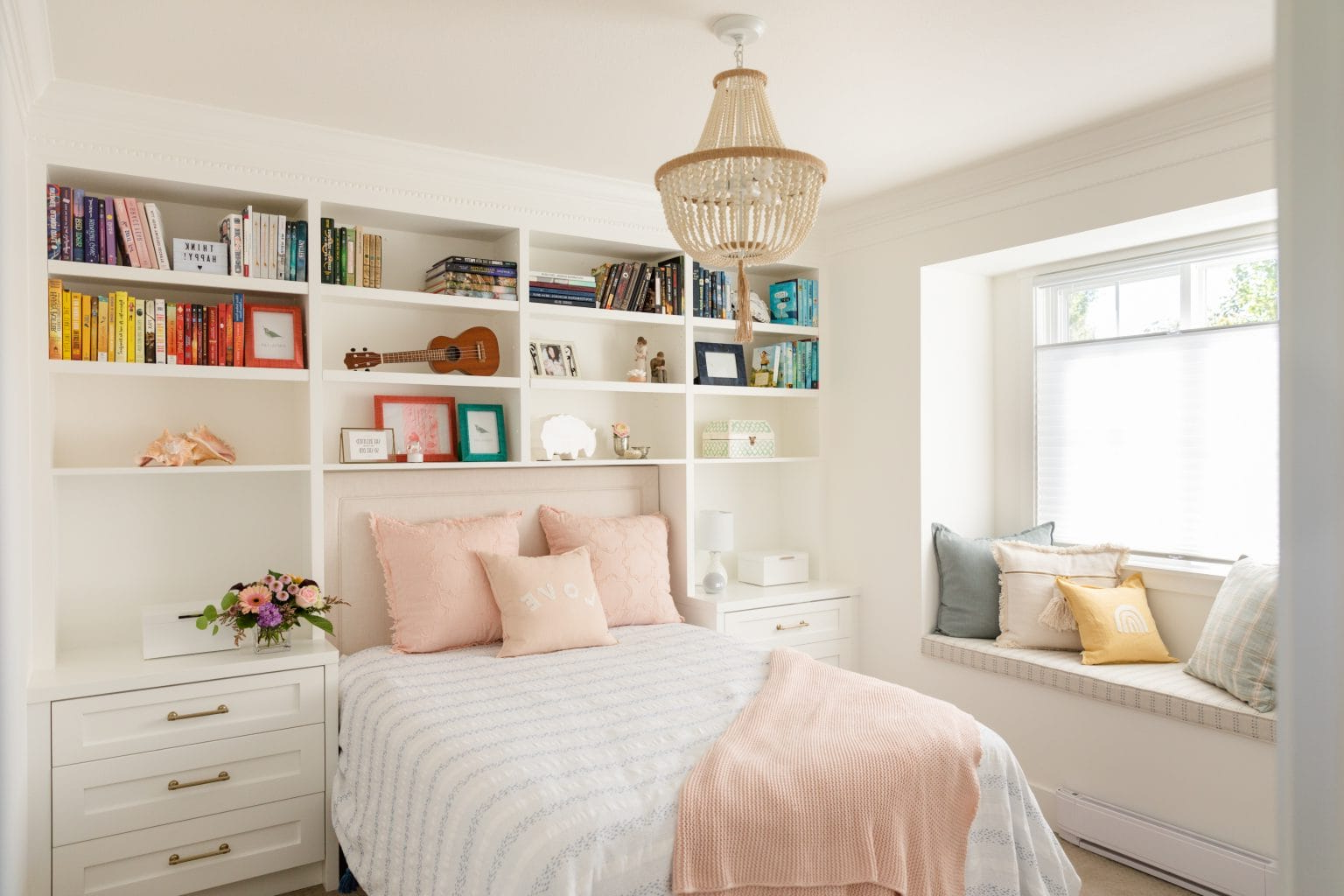
One popular approach involves using furniture with built-in storage. A bed with drawers underneath keeps clothes and blankets within reach while keeping the floor clear. Similarly, benches with hidden compartments can store seasonal items or special treasures. These aren’t just functional – they’re part of the room’s personality. When kids see their storage as part of their play environment, they’re more likely to keep things tidy.
Another effective method uses color coding or themed containers. Labels can be playful – "magic potions" for medicines, "space rocks" for small toys. This makes organization feel like a story rather than a task. The best storage solutions blend seamlessly with the overall design aesthetic. They become features rather than obstacles, helping to maintain the room’s visual appeal while solving real problems.
Creating Zones Within the Space
Think of your child’s room like a city with different neighborhoods. Each area should have a specific job, but they all connect to create a cohesive whole. A reading nook, a creative corner, and a play zone each serve different needs. The beauty comes in how these zones relate to one another and flow naturally.
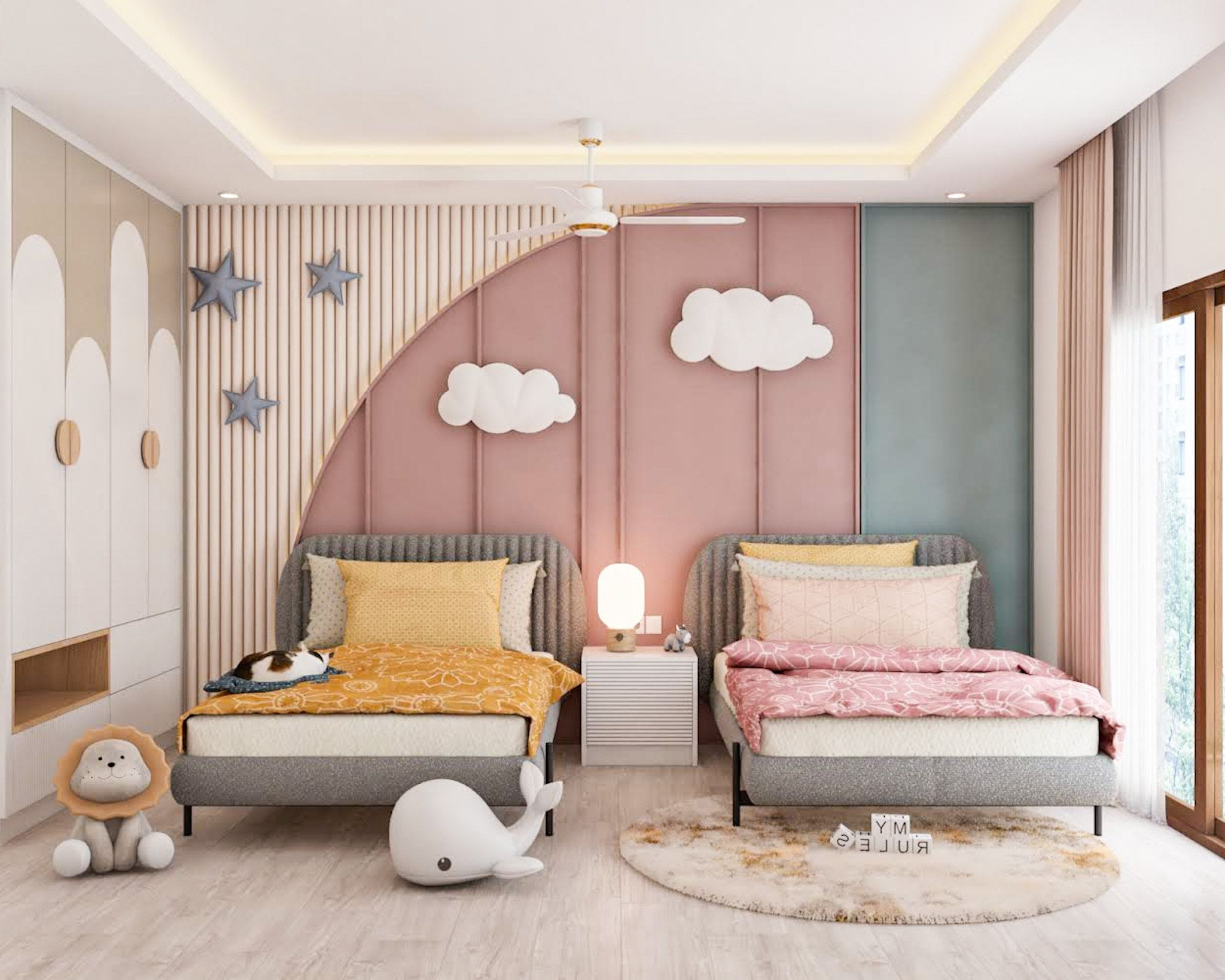
A sleeping area might feature a low platform bed with built-in seating underneath. This creates a cozy space for quiet time while providing extra storage. Next to it, a small reading area with a bean bag chair and good lighting gives kids a peaceful spot to unwind. Meanwhile, a designated play area with a rug and easy-to-clean surfaces allows for active fun. These zones don’t need to be completely separated – they can share walls or flow into each other smoothly.
Some parents find success with movable partitions or room dividers. These allow flexibility as kids grow and change their preferences. A blanket fort can become a reading area, or a building block station might transform into a craft corner. This adaptability ensures that the room continues to serve its purpose even as children’s interests shift.
Safety First, Fun Second
When it comes to children’s rooms, safety always takes priority, but that doesn’t mean sacrificing fun. Smart design choices can protect kids while keeping the space engaging. Rounded corners on furniture prevent injuries, and secure shelving keeps heavy items safely in place. These safety features don’t have to look clinical or uninviting – they can be integrated into the overall style.
Consider how lighting plays a role in both safety and atmosphere. Good overhead lighting helps parents see clearly, while softer options like string lights or nightlights create a cozy environment. Some families prefer dimmer switches that let them adjust the mood quickly. Wall-mounted lights can provide focused illumination for reading or crafts without taking up floor space.
Another crucial aspect is accessibility. Everything important to children should be within their reach. This means placing favorite books on low shelves, keeping snacks in easily opened containers, and ensuring toys are stored where they can be found quickly. When kids can navigate their space independently, they gain confidence and develop important life skills. Safety measures that are cleverly disguised as design elements make the room feel more like a playground than a prison.
Making Room for Growth and Change
Kids change fast, and so should their rooms. The most successful layouts anticipate future needs rather than simply trying to accommodate current wants. This means choosing furniture that can be reconfigured or replaced as children mature. A room designed for a three-year-old won’t necessarily work for a thirteen-year-old, but some elements can evolve with the child.
Flexible furniture pieces are essential. Convertible beds that become daybeds, storage units that can be rearranged, and modular seating that adapts to different activities all contribute to longevity. These investments pay off over time because they reduce the need for major renovations or complete re-decorating.
Color choices also matter. Neutral backgrounds give space to grow, allowing for changes in theme or style without starting from scratch. Accent colors can be swapped out easily, and new artwork or decorations can refresh the space without requiring expensive updates. The key is avoiding permanent fixtures that might limit future possibilities. A room that feels like it can change with the family is far more satisfying than one that feels static.
Incorporating Technology and Learning
Modern children’s rooms often include technology, but it’s important to integrate it thoughtfully. A dedicated homework area with proper lighting and comfortable seating supports academic growth. At the same time, entertainment options shouldn’t dominate the space. The goal is balance, not chaos.
Smart choices include built-in charging stations that keep cables organized, or a small computer table that can be folded away when not in use. These solutions keep tech accessible but out of the way during playtime. Some parents prefer to keep screens in common areas and use the bedroom mainly for learning and rest.
Learning opportunities can be woven into play areas. A math wall with number puzzles, or a science corner with magnifying glasses and collection jars, turns ordinary spaces into educational environments. The trick is making these elements feel like part of the fun rather than forced lessons. When children naturally engage with educational materials, they develop curiosity and confidence. The best learning spaces feel like adventures rather than chores.
Designing a children’s room that balances function and fun is both an art and a science. It requires thinking beyond simple aesthetics to consider how spaces will be used day after day. When parents approach room design with this mindset, they create environments that support their children’s physical, emotional, and intellectual development. The result is a space that feels like home, serves practical needs, and never loses its magic. Whether it’s through clever storage solutions, thoughtful zoning, or smart safety features, the key lies in seeing the room as a living, breathing part of family life. A well-designed children’s room isn’t just a place to sleep or play – it’s a foundation for growing up happy and confident. The investment in thoughtful design pays dividends for years to come, offering a space that grows with the child and brings joy to everyone who enters it.
[sps_html tag=”img” src=”https://roofdrivein.com/wp-content/uploads/2026/01/colourful-kids-bedroom-design-with-cove-and-recessed-lights-livspace-with-regard-to-childrens-bedroom-design-ideas.jpg” alt=”Colourful Kids Bedroom Design With Cove And Recessed Lights | Livspace with regard to Childrens Bedroom Design Ideas” style=”width: 100%; height: auto;”]
[sps_html tag=”img” src=”https://roofdrivein.com/wp-content/uploads/2026/01/contemporary-kids-bedroom-design-with-storage-unit-livspace-in-childrens-bedroom-design-ideas.jpg” alt=”Contemporary Kids Bedroom Design With Storage Unit | Livspace in Childrens Bedroom Design Ideas” style=”width: 100%; height: auto;”]
[sps_html tag=”img” src=”https://roofdrivein.com/wp-content/uploads/2026/01/25-awesome-shared-bedroom-ideas-for-kids-inside-balancing-functionality-and-fun-in-children039s-room-layouts.jpg” alt=”25 Awesome Shared Bedroom Ideas For Kids inside Balancing Functionality and Fun in Children's Room Layouts” style=”width: 100%; height: auto;”]
[sps_html tag=”img” src=”https://roofdrivein.com/wp-content/uploads/2026/01/54-incredible-children-bedroom-design-ideas-page-31-mudahome-com-within-balancing-functionality-and-fun-in-children039s-room-layouts.jpg” alt=”54+ Incredible Children Bedroom Design Ideas – Page 31 – Mudahome.com within Balancing Functionality and Fun in Children's Room Layouts” style=”width: 100%; height: auto;”]
[sps_html tag=”img” src=”https://roofdrivein.com/wp-content/uploads/2026/01/modern-kids-bedroom-decor-ideas-plan-ahead-for-colorful-and-fun-decor-with-balancing-functionality-and-fun-in-children039s-room-layouts.jpg” alt=”Modern Kids Bedroom Decor Ideas: Plan Ahead For Colorful And Fun Decor with Balancing Functionality and Fun in Children's Room Layouts” style=”width: 100%; height: auto;”]