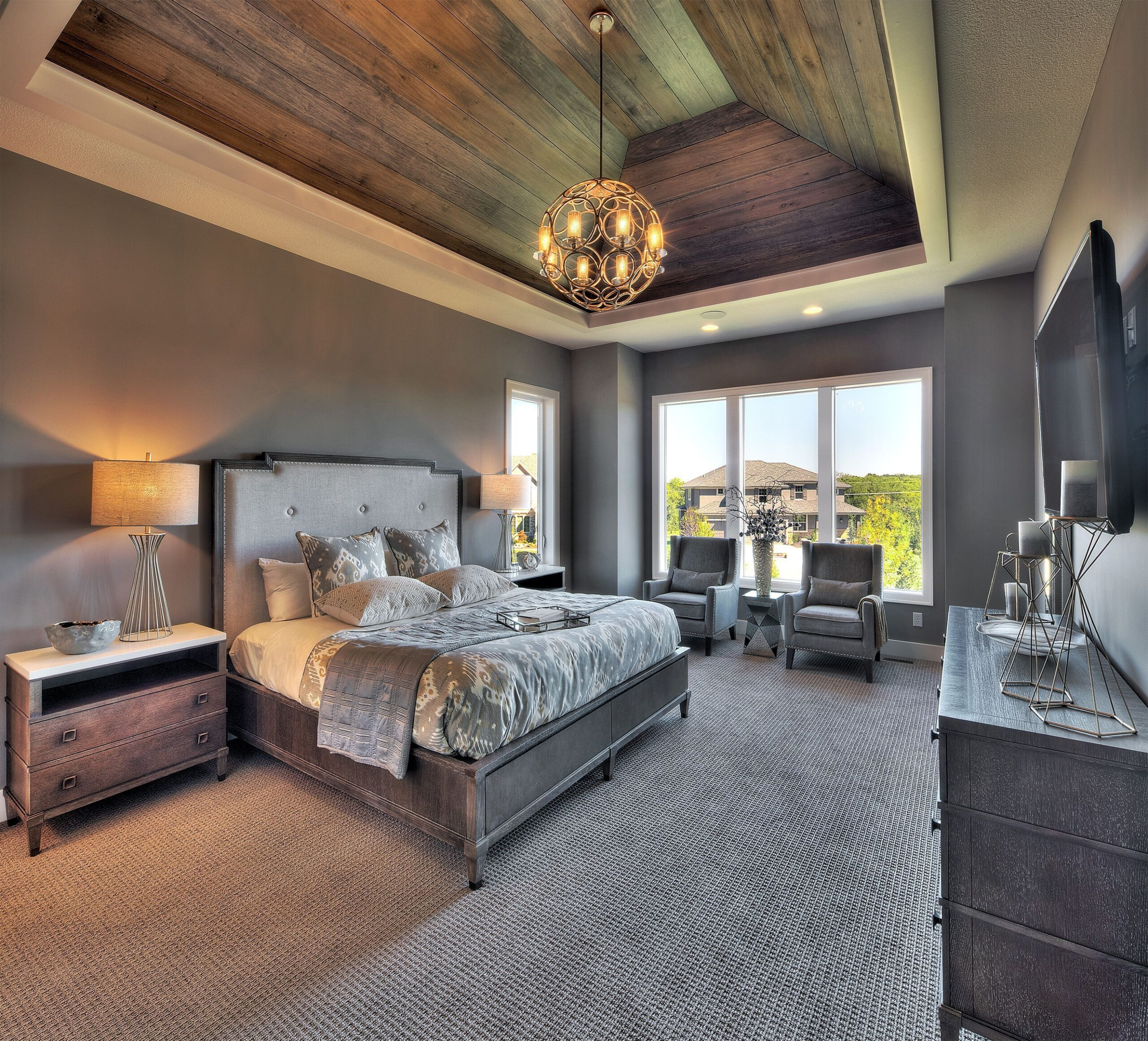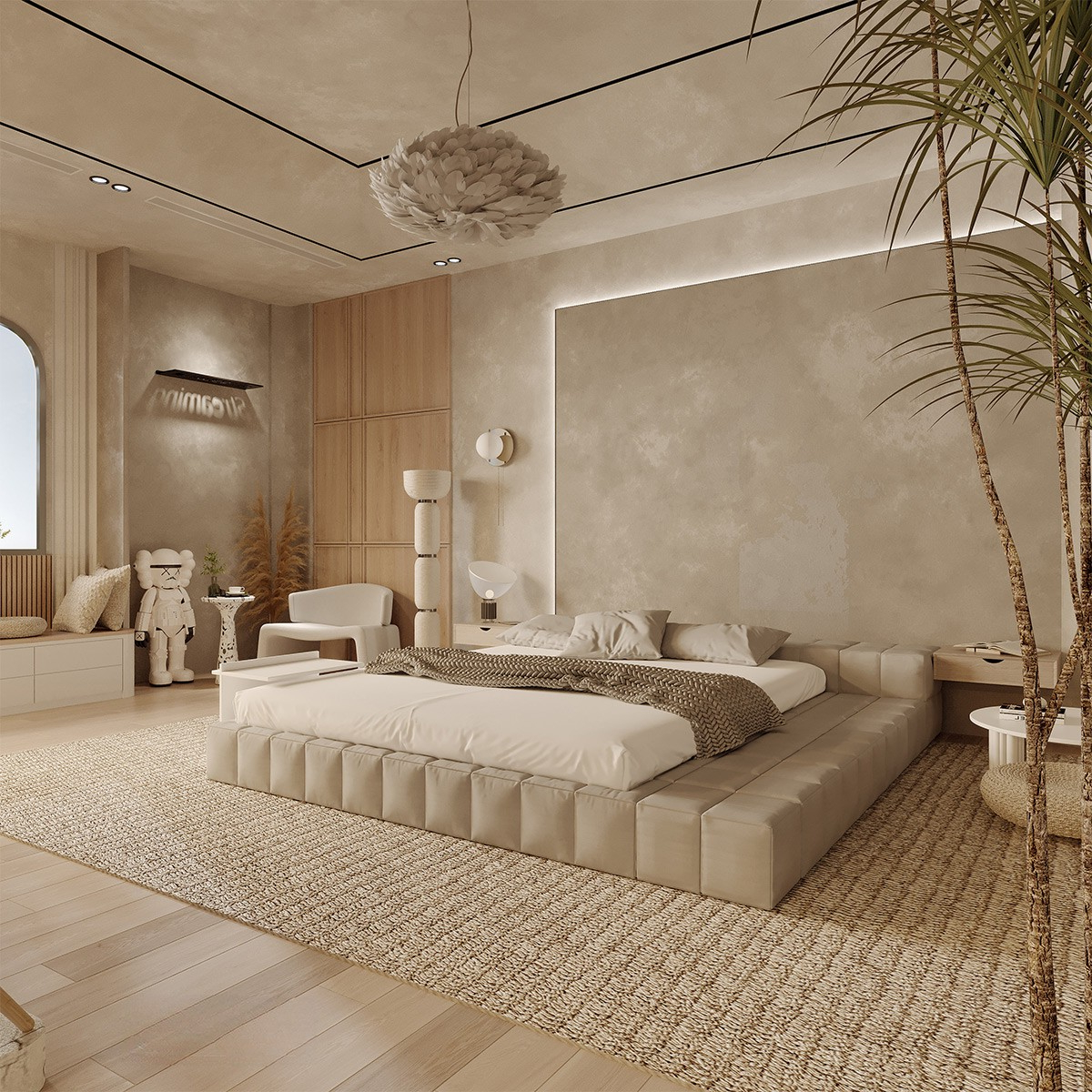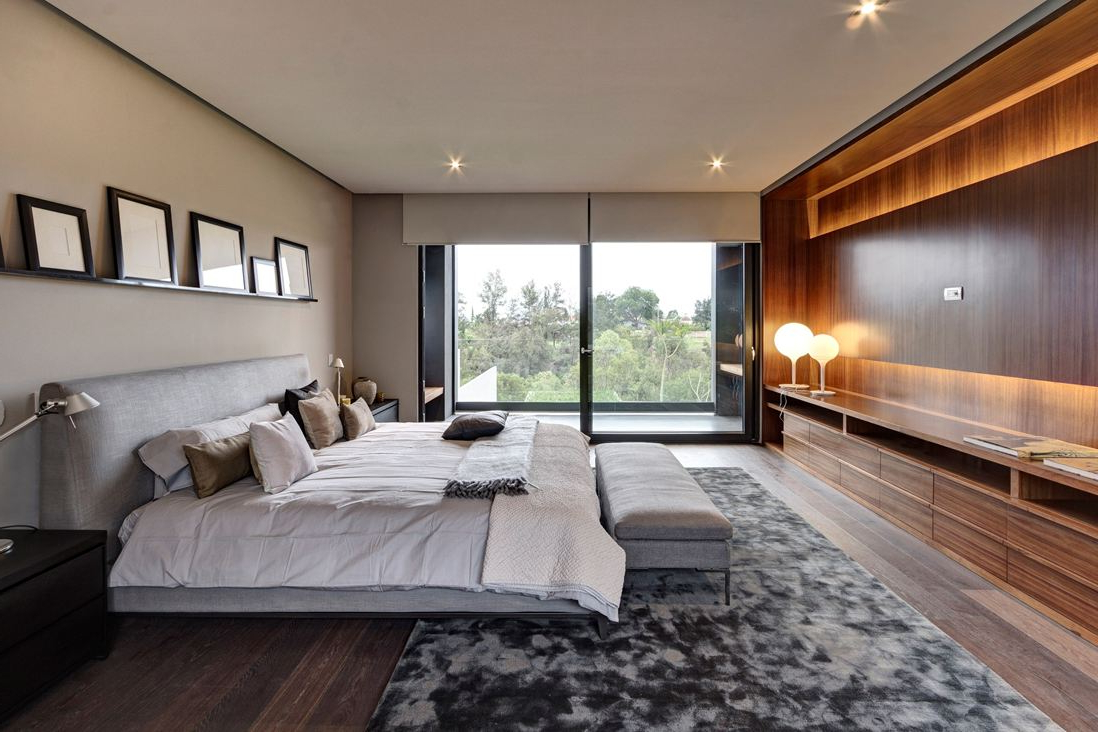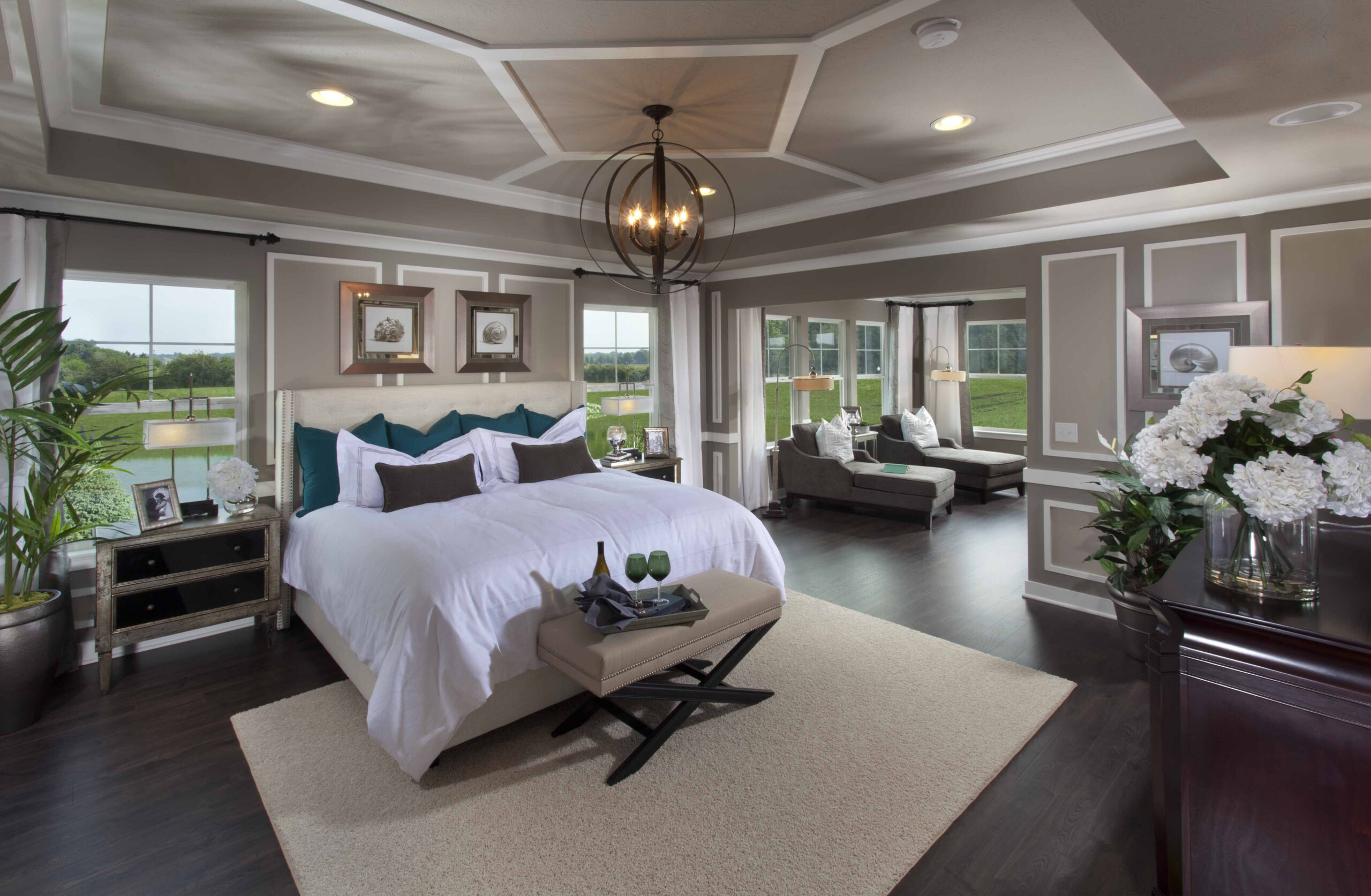
Large bedrooms offer incredible opportunities to harness the power of natural light and fresh air. But with all that space comes the challenge of making sure those precious elements reach every corner. Whether you’re dealing with a sprawling master suite or a generous guest room, understanding how to work with your layout can transform your sleep experience. It’s not just about making things look pretty—it’s about creating a space that feels alive and energizing.
Imagine waking up to golden morning rays streaming across your floor, accompanied by a gentle breeze that carries the scent of fresh air. That’s what happens when you thoughtfully design your large bedroom to embrace natural elements. It’s easy to let big spaces go to waste, especially when they’re designed for comfort rather than light flow. But here’s the thing—large rooms have the potential to become the most delightful places in your home if you know how to work with them. We’re going to walk through practical ways to bring in more daylight and airflow, turning your spacious bedroom into a sanctuary that truly works for you.
Understanding the Power of Natural Light
Natural light isn’t just about brightness—it’s about how sunlight affects our bodies and minds. When we’re exposed to adequate natural light during the day, it helps regulate our circadian rhythms, making it easier to fall asleep at night. In a large bedroom, you’ve got the advantage of positioning furniture and windows strategically to catch the best light. The morning sun hits different areas of a room depending on its orientation. If your bedroom faces east, you’ll want to position your bed so that the sunrise hits you gently as you wake up. This can be one of the most powerful tools for improving sleep quality. South-facing rooms get the most consistent light throughout the day, while north-facing rooms receive softer, more diffused light. Understanding these basics helps you make smart choices about where to place your most important furniture.
Strategic Window Placement and Design
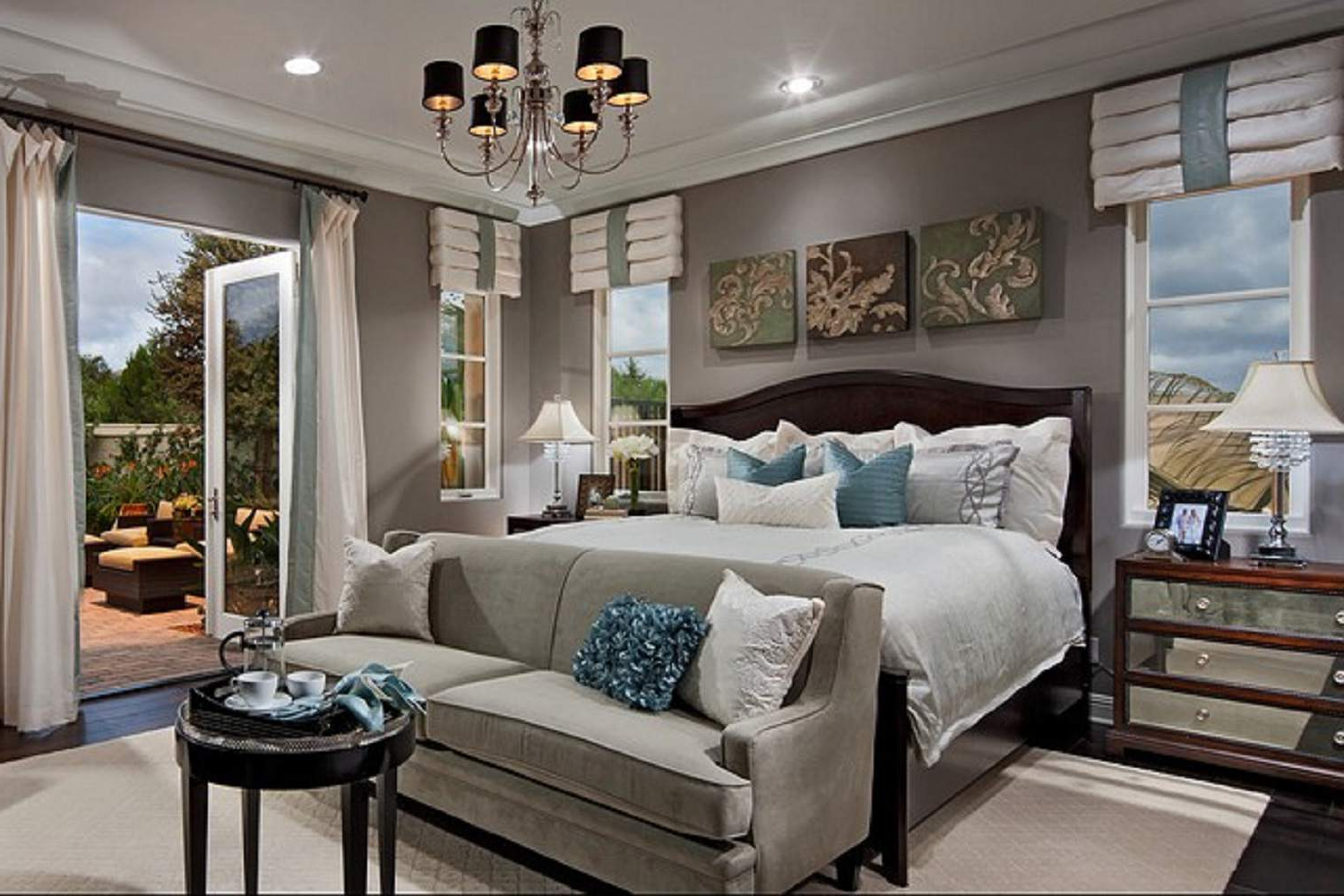
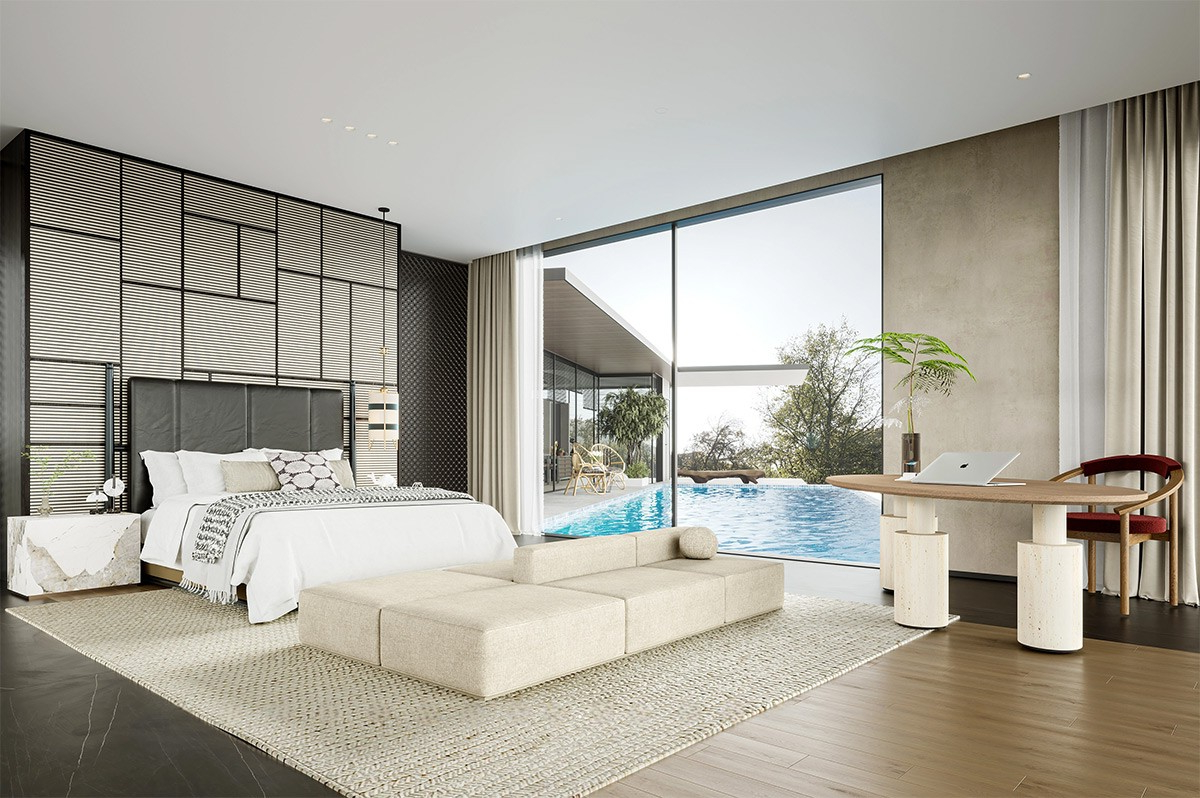
Windows are your biggest allies when it comes to letting in natural light and airflow. But not all windows are created equal. The size, shape, and placement matter enormously. Large windows or even multiple smaller windows can dramatically change how much light enters a room. Consider sliding glass doors that open wide to connect your bedroom with outdoor spaces. These aren’t just for looks—they’re practical solutions for bringing in fresh air and light. If you have a large window that’s blocked by furniture, try repositioning your desk or dresser to allow the light to flow freely. Sometimes a simple rearrangement can make a huge difference. You might also consider adding mirrors opposite windows to reflect light deeper into the room. This technique works particularly well in long, narrow bedrooms where the light needs to travel further to reach the back.
Creating Open Flow for Better Air Circulation
Air movement is just as important as light in making a bedroom feel refreshing. A large room can easily feel stuffy if there’s no good circulation. Think about how you can remove barriers to airflow. Open floor plans naturally promote better air movement, but even in more traditional layouts, you can create pathways for breezes. For instance, keeping the door between your bedroom and hallway open during the day can help air move through the entire space. If you have multiple doors, opening them strategically can create cross-ventilation. Cross-ventilation means having windows on opposite sides of the room so air can flow from one to the other. This is especially effective in hot climates or during summer months. Sometimes, simply adjusting the height of furniture or removing heavy drapes can significantly improve airflow.
Using Furniture and Layouts Wisely
The way you arrange furniture in a large bedroom can either enhance or block natural elements. If you’re trying to maximize light, avoid placing tall furniture like wardrobes or bookshelves directly in front of windows. Instead, consider using furniture as a barrier to keep light from being blocked. A low bookshelf or console table can be positioned in front of a window without blocking too much light. For airflow, you might want to think about where you place larger items. Heavy furniture near windows can prevent air from reaching certain areas. Try arranging your bedroom so that there’s a clear path from one side of the room to the other. This allows air to move more freely. You could also experiment with placing a small fan near a window to pull in fresh air and push out stale air. Sometimes, a few strategic changes can make all the difference.
Smart Use of Light and Air Control Features
Modern technology gives us many tools to optimize our bedroom environments. Smart blinds or shades can automatically adjust to control the amount of light entering the room throughout the day. Some systems even respond to the time of day or weather conditions. If you’re building or renovating, consider installing operable windows that can be opened and closed easily. These are particularly useful for managing airflow. You might also want to explore ceiling fans, which can help distribute air more evenly throughout a large room. They’re especially helpful when you’re trying to cool a space without relying on air conditioning. Some people find that a combination of natural ventilation and fans creates the perfect balance. These features can be controlled manually or set on timers to match your schedule.
Maintaining Balance Between Light, Air, and Privacy
While it’s great to let in lots of light and air, you still need privacy and some control over your environment. This is where the art of balancing comes in. You might not want to leave all your windows completely open all the time, especially if you live in a noisy area or have concerns about security. Consider using sheer curtains or light-filtering fabrics that allow light to pass through while maintaining privacy. These materials can be adjusted based on the time of day or your mood. You might also want to install window treatments that can be partially opened to let in some light and air while keeping others closed. The key is finding a system that works for your lifestyle and daily routine. A little experimentation goes a long way in discovering what feels right for you.
Maximizing natural light and airflow in large bedroom layouts is less about perfection and more about intention. Every large room has unique characteristics that can be enhanced with thoughtful planning and some creativity. Whether you’re working with existing space or designing from scratch, remember that the goal is to create a bedroom that feels alive and responsive to your needs. You don’t have to sacrifice comfort for natural elements, and you certainly shouldn’t let a big space go to waste. The techniques we’ve discussed—strategic window placement, thoughtful furniture arrangement, smart technology, and mindful privacy controls—can all work together to give you a bedroom that feels both spacious and inviting. The result? A place where you can really rest, recharge, and start each day feeling refreshed. It’s not just about looking good—it’s about feeling good in your space.
[sps_html tag=”img” src=”https://roofdrivein.com/wp-content/uploads/2026/01/40-large-bedroom-design-ideas-that-make-dreams-come-trueinterior-design-throughout-big-bedroom-design-ideas.jpg” alt=”40 Large Bedroom Design Ideas That Make Dreams Come Trueinterior Design … throughout Big Bedroom Design Ideas” style=”width: 100%; height: auto;”]
[sps_html tag=”img” src=”https://roofdrivein.com/wp-content/uploads/2026/01/large-master-bedroom-furniture-layout-at-misty-johnson-blog-intended-for-big-bedroom-design-ideas-scaled.jpg” alt=”Large Master Bedroom Furniture Layout At Misty Johnson Blog intended for Big Bedroom Design Ideas” style=”width: 100%; height: auto;”]
[sps_html tag=”img” src=”https://roofdrivein.com/wp-content/uploads/2026/01/interior-design-ideas-for-large-bedroom-at-elizabeth-klug-blog-with-regard-to-big-bedroom-design-ideas.jpg” alt=”Interior Design Ideas For Large Bedroom At Elizabeth Klug Blog with regard to Big Bedroom Design Ideas” style=”width: 100%; height: auto;”]
[sps_html tag=”img” src=”https://roofdrivein.com/wp-content/uploads/2026/01/39-ways-to-decorate-a-large-bedroom-with-regard-to-big-bedroom-design-ideas.jpeg” alt=”39 Ways To Decorate A Large Bedroom with regard to Big Bedroom Design Ideas” style=”width: 100%; height: auto;”]
[sps_html tag=”img” src=”https://roofdrivein.com/wp-content/uploads/2026/01/20-large-bedroom-decor-ideas-inside-big-bedroom-design-ideas-scaled.jpg” alt=”20+ Large Bedroom Decor Ideas inside Big Bedroom Design Ideas” style=”width: 100%; height: auto;”]