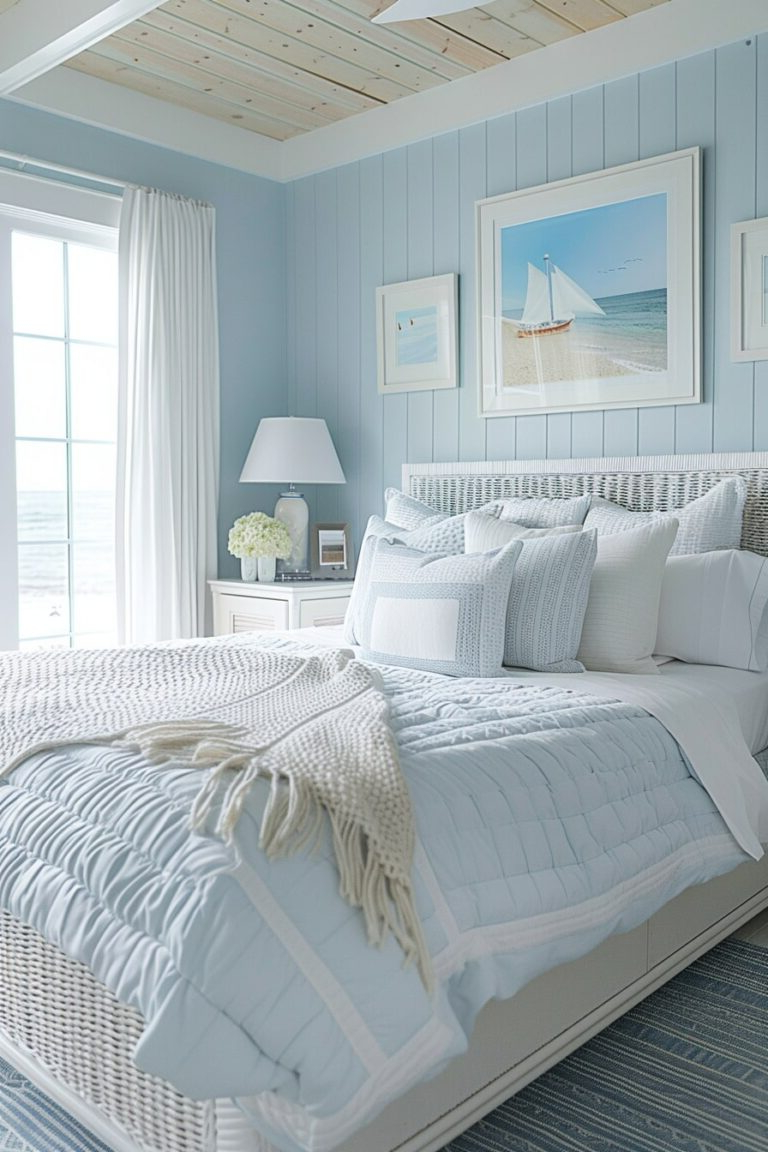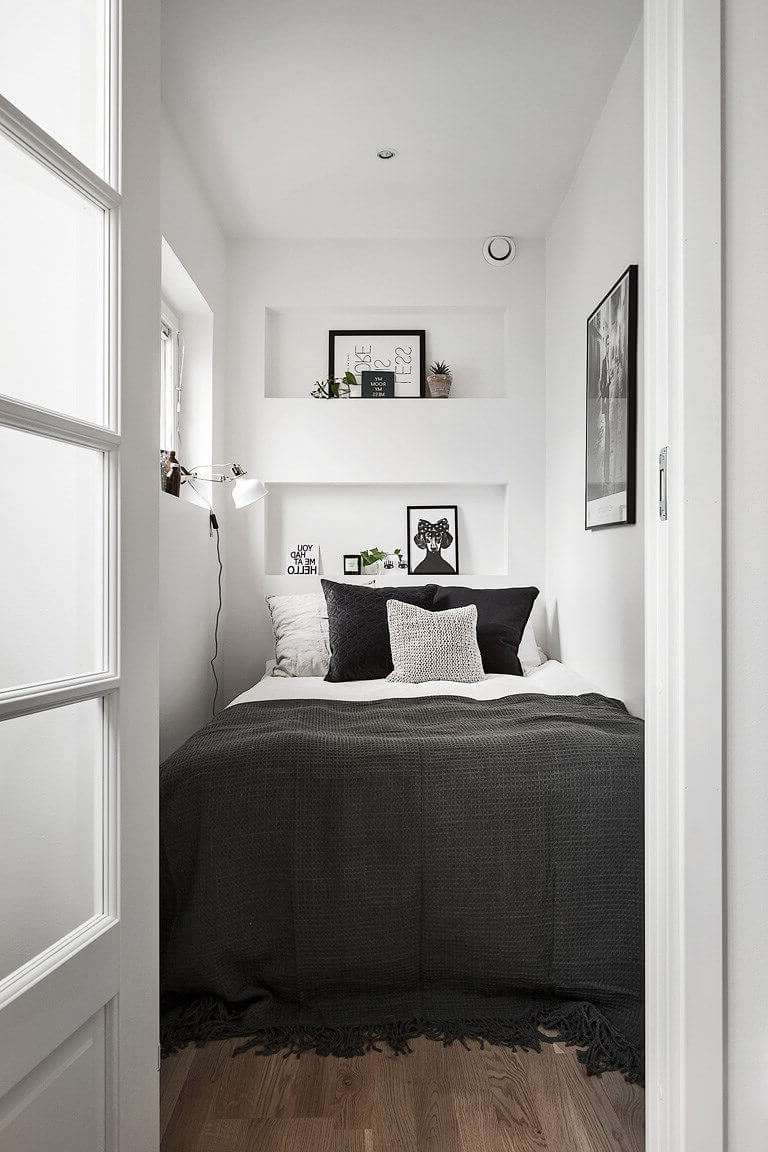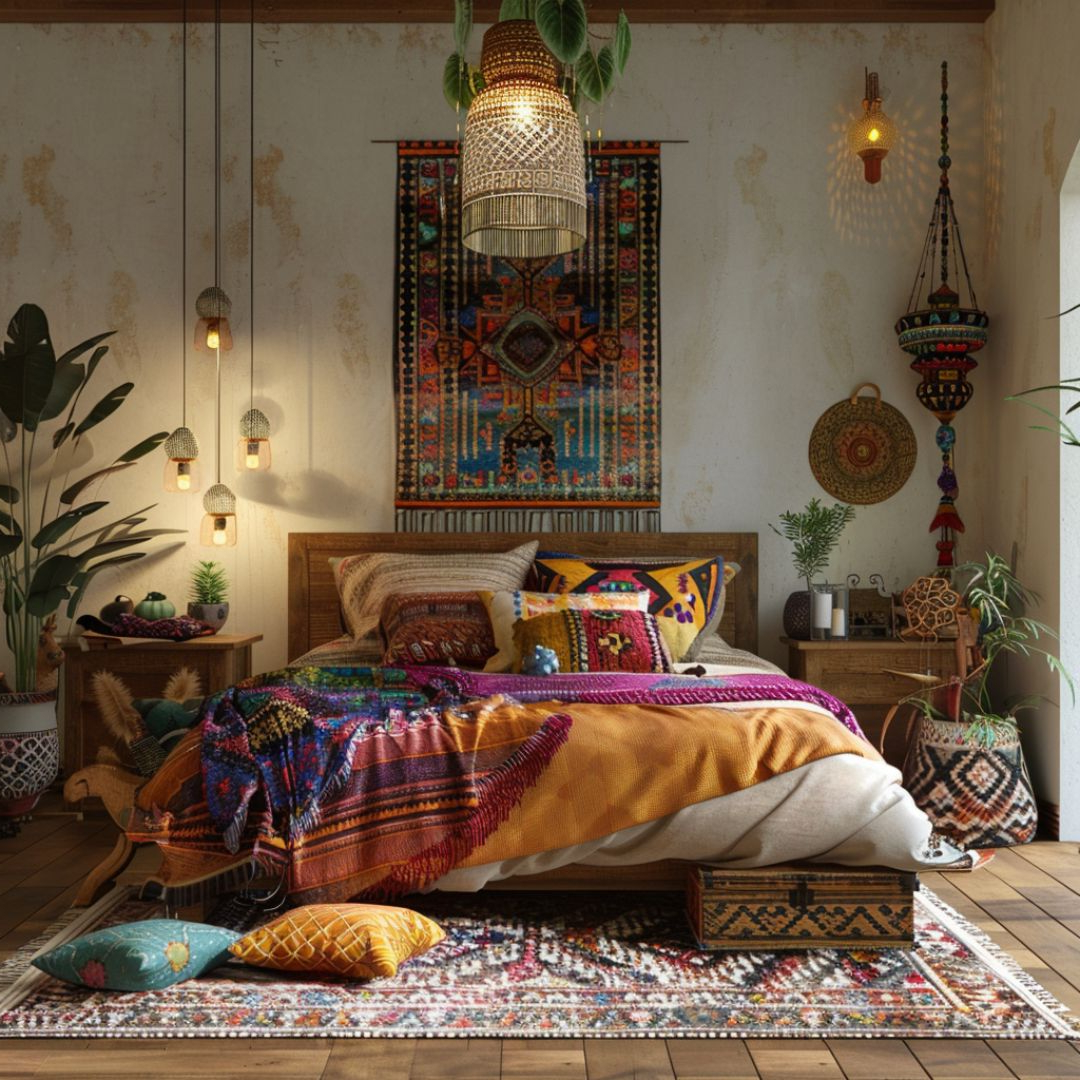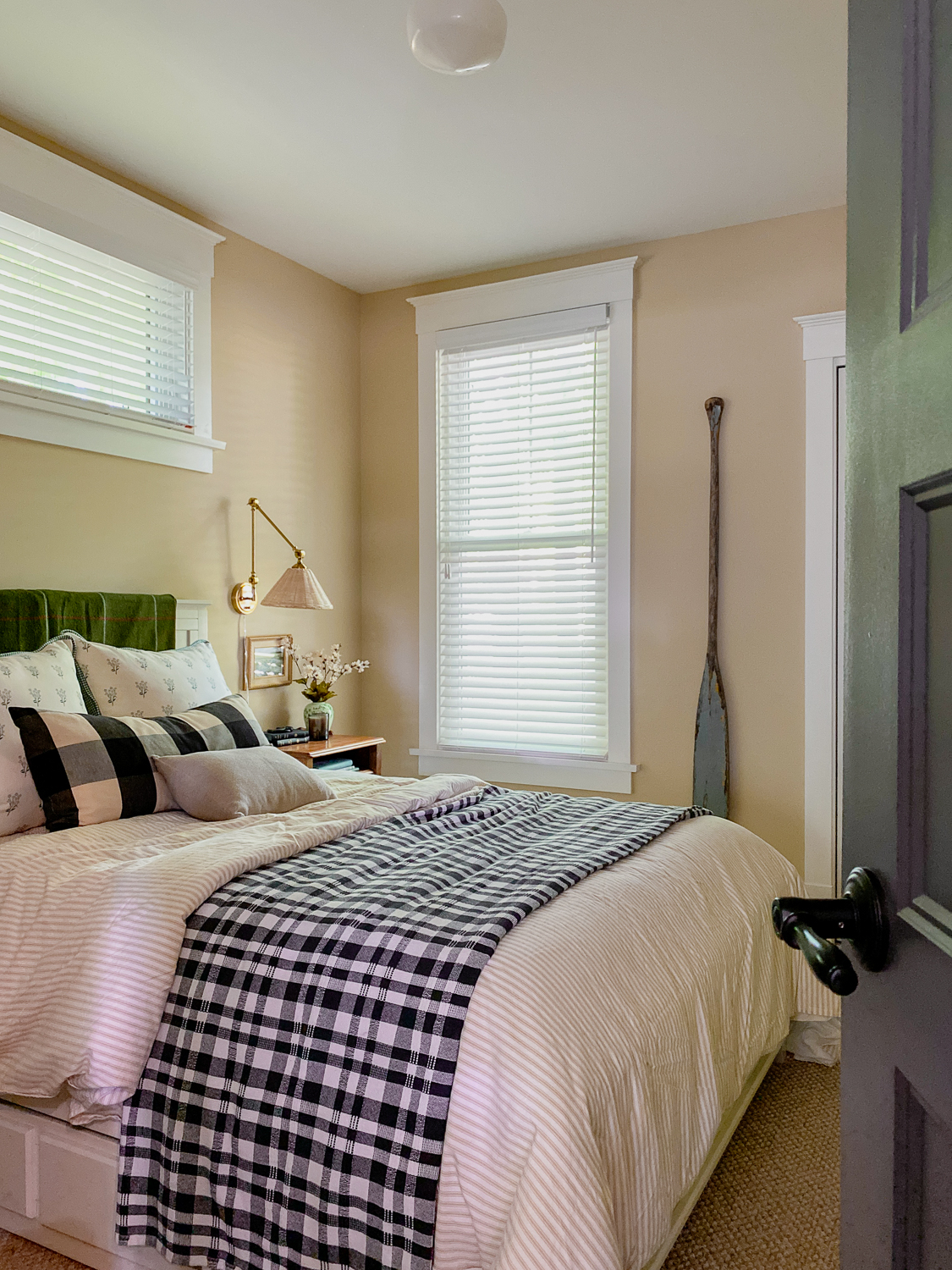
Teen bedrooms don’t have to be cramped and cluttered. With the right approach, even the tiniest spaces can become functional sanctuaries that reflect a teenager’s personality while meeting their daily needs.
Picture this: a narrow bedroom with barely enough room for a bed and a desk, yet somehow it’s filled with books, clothes, art supplies, and all the things that make a teen’s world complete. It might seem impossible, but it’s actually quite doable. The secret lies in smart planning, clever storage solutions, and understanding what makes a space feel both personal and practical. Teenagers today face unique challenges when it comes to their living spaces – they need room for studying, relaxing, storing belongings, and expressing themselves. This guide explores how to transform those tight quarters into something truly special.
Understanding the Unique Needs of Teen Bedrooms
Teens have different requirements than adults when it comes to their sleeping and working spaces. They need areas for homework, socializing, creativity, and privacy. A bedroom isn’t just about sleep anymore – it’s a hub of activity. Consider the following factors:
• Study area with good lighting and space
• Storage for clothes, books, and school supplies
• Room for hobbies like music, art, or sports equipment
• Privacy without feeling isolated
• Personal expression through decor and layout
These needs often conflict with the limited square footage of many teen rooms. But here’s the thing – a well-designed small space can actually enhance a teen’s lifestyle rather than hinder it.
Maximizing Vertical Space
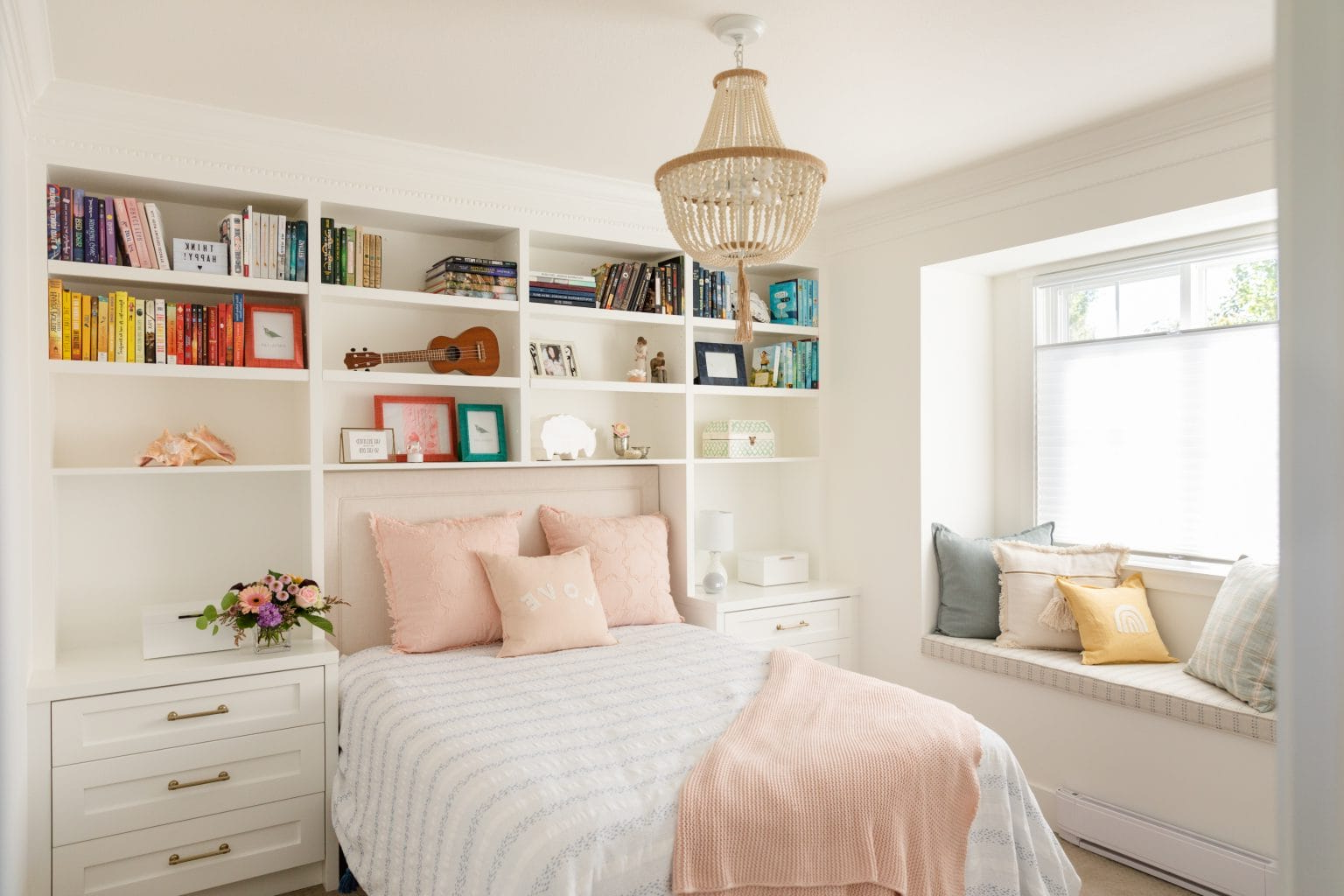
One of the most effective ways to make the most of a small room is to utilize vertical space. Think beyond just floor-to-ceiling walls.
• Install shelves that reach from floor to ceiling
• Add wall-mounted storage for books, supplies, and decorations
• Use tall furniture like wardrobes or bookcases that draw the eye upward
• Consider floating shelves for displaying favorite items
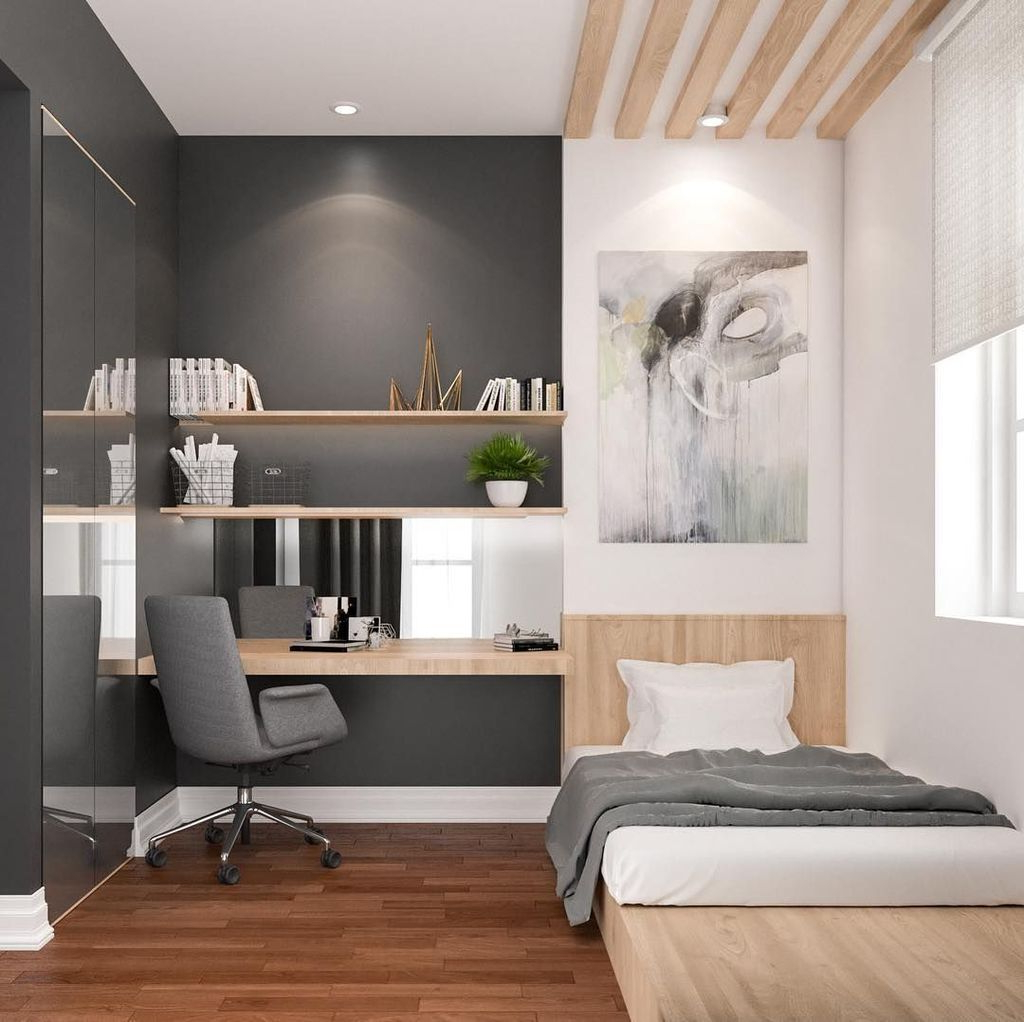
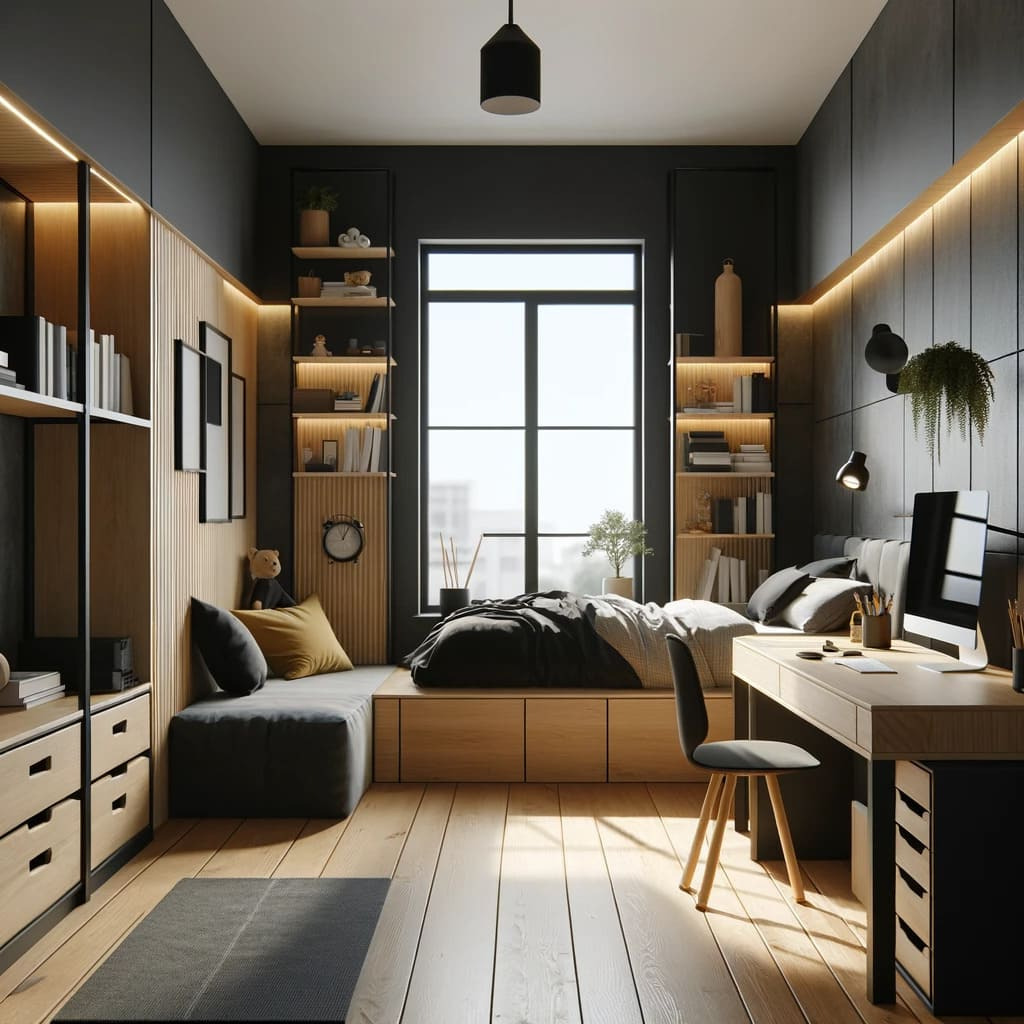
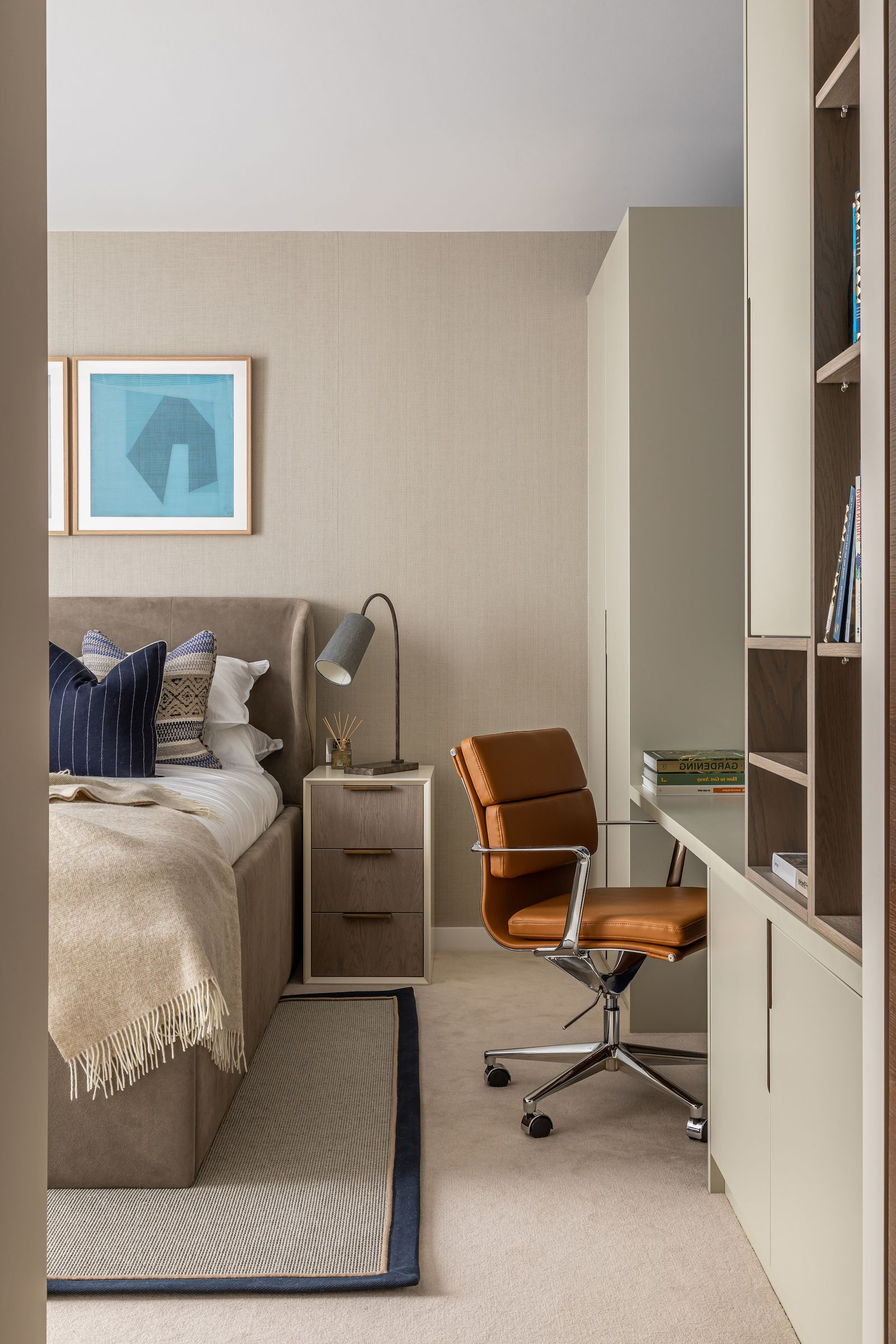
A great example? A teen who uses their entire wall space for a combination of shelving units, a desk, and a small reading nook. The result? Maximum functionality in minimal footprint.
This approach works especially well in rooms with high ceilings, which many teens overlook as an opportunity rather than a constraint.
Multi-Purpose Furniture Solutions
When every inch matters, furniture that serves multiple functions becomes a game-changer.
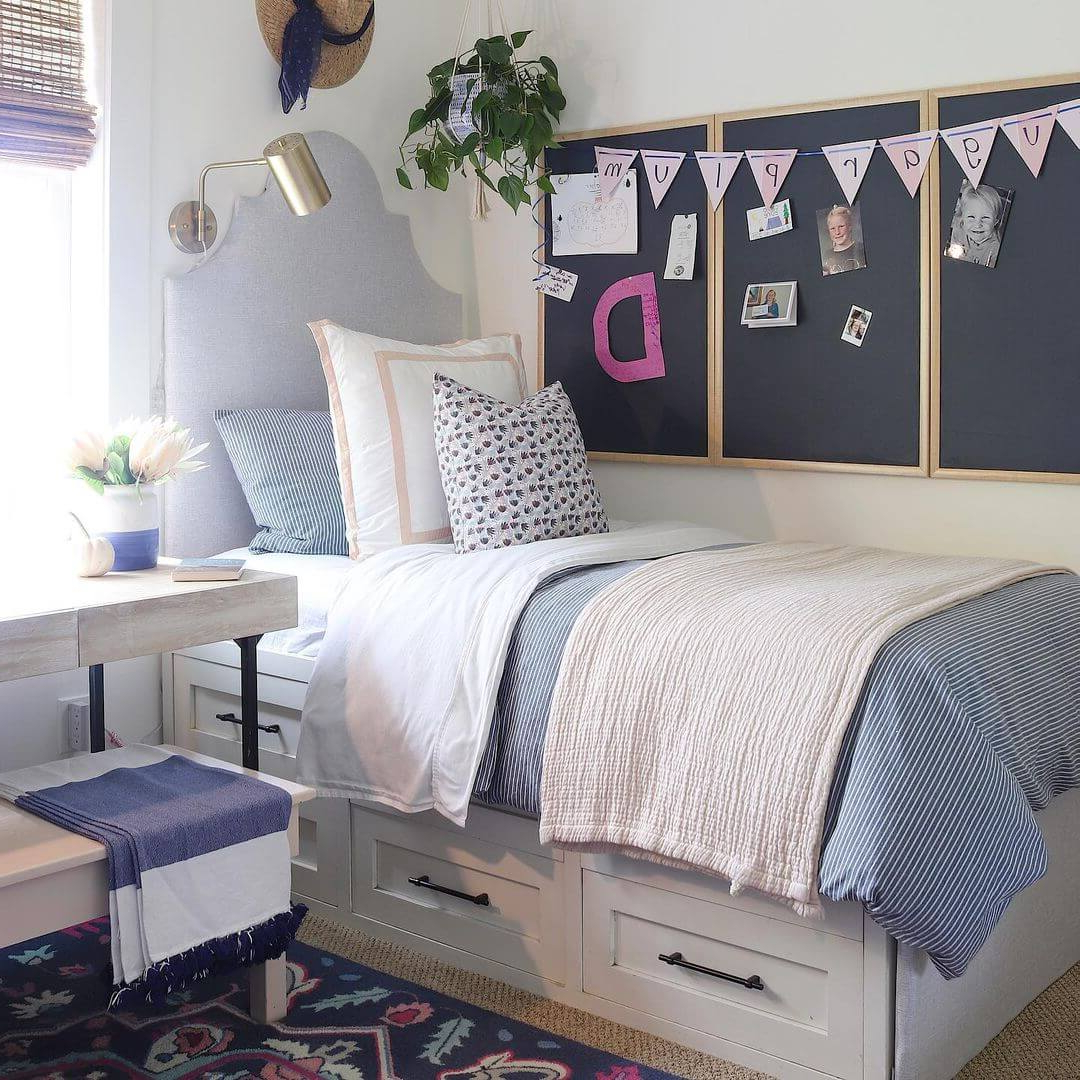
• Beds with built-in drawers or storage underneath
• Desks that convert into storage units
• Folding tables that can be tucked away when not in use
• Storage ottomans that double as seating
• Murphy beds that fold up during the day
Imagine a bedroom where the bed itself holds all the teen’s seasonal clothing, and the desk doubles as a bookshelf when not in use. These kinds of versatile pieces allow for more open space and fewer visual obstacles.
The key is choosing quality pieces that won’t look cheap or flimsy. Investing in good multi-purpose furniture pays off in the long run because it reduces clutter and creates more usable space.
Smart Storage Strategies
Storage isn’t just about hiding things away – it’s about organizing everything in a way that makes sense for daily life.
• Use drawer organizers for small items like pens, paper clips, and jewelry
• Implement clear storage bins for seasonal items
• Utilize under-bed storage for clothes and accessories
• Install hooks or pegboards for bags, hats, and art supplies
• Create a designated spot for every item in the room
A common mistake is buying too much storage without thinking about usage. Instead, focus on storage solutions that match how the teen actually lives. For instance, if they spend hours drawing, having easy access to sketchbooks and art materials is more important than having a huge closet.
Think of storage as a system, not just a place to put stuff. When everything has its place, finding things becomes effortless.
Lighting That Sets the Mood
Good lighting can completely change the feel of a small room. It’s not just about brightness – it’s about creating layers of light that serve different purposes.
• Task lighting for studying at the desk
• Ambient lighting for general room illumination
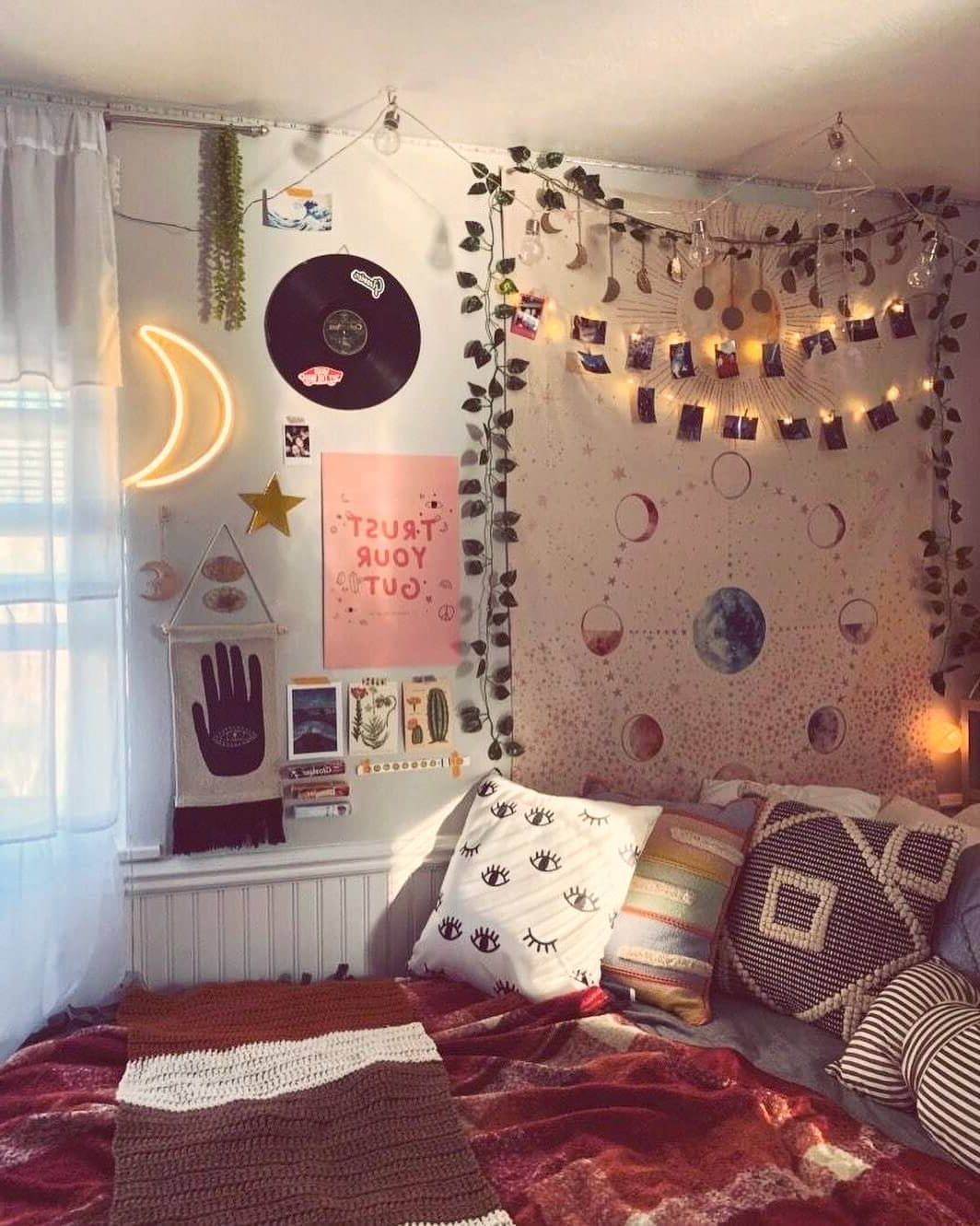
• Accent lighting to highlight artwork or favorite items
• Natural light maximization through window treatments
A bedroom with three different types of lighting feels much more sophisticated than one with just overhead lights. The right lighting can make a tiny space feel larger, more welcoming, and better suited for whatever activities the teen wants to pursue.
Consider adding a bedside lamp with adjustable brightness, a desk lamp with focused light, and some string lights or a small floor lamp for ambient warmth. These additions don’t take up much space but add significant character.
Personal Style Without Clutter
This is where the magic happens – making a room feel uniquely yours without overwhelming the space.
• Choose a color scheme that reflects personality but doesn’t make the room feel smaller
• Use mirrors strategically to create the illusion of more space
• Display meaningful items in small, curated collections
• Incorporate textures through rugs, pillows, and throws
• Add plants for life and color
Many teens try to fill their rooms with everything they love, but that often leads to chaos. Instead, pick 3-4 meaningful items that tell their story – maybe a poster of a favorite band, a collection of vintage books, or handmade crafts.
The goal isn’t to have everything visible, but to create a space that feels lived-in and personal. A few carefully chosen elements can communicate more about someone’s identity than dozens of random items.
Creating Zones Within a Small Space
Even in tiny rooms, you can create distinct areas for different activities.
• Study zone near a window with natural light
• Relaxation corner with a small chair or bean bag
• Storage area with built-in shelving
• Creative space for art or music with appropriate equipment
• Social area for hanging out with friends
This approach helps teens mentally separate different parts of their lives within one room. It’s like having multiple rooms in one space.
For example, a teen might use one side of the room for schoolwork, another for relaxation, and a third for hobbies. This organization makes the space feel less crowded and more purposeful. Think of it as creating a mini version of their ideal living situation.
Practical Tips for Real-World Implementation
Here are some actionable strategies to start transforming that small bedroom today:
• Start with a simple plan: measure the room, identify main activities, then decide how to arrange furniture
• Take advantage of the space under the bed for storage boxes
• Look for furniture that can be moved or rearranged easily
• Consider painting one wall a bold color to create visual interest
• Add removable wallpaper to a small accent wall
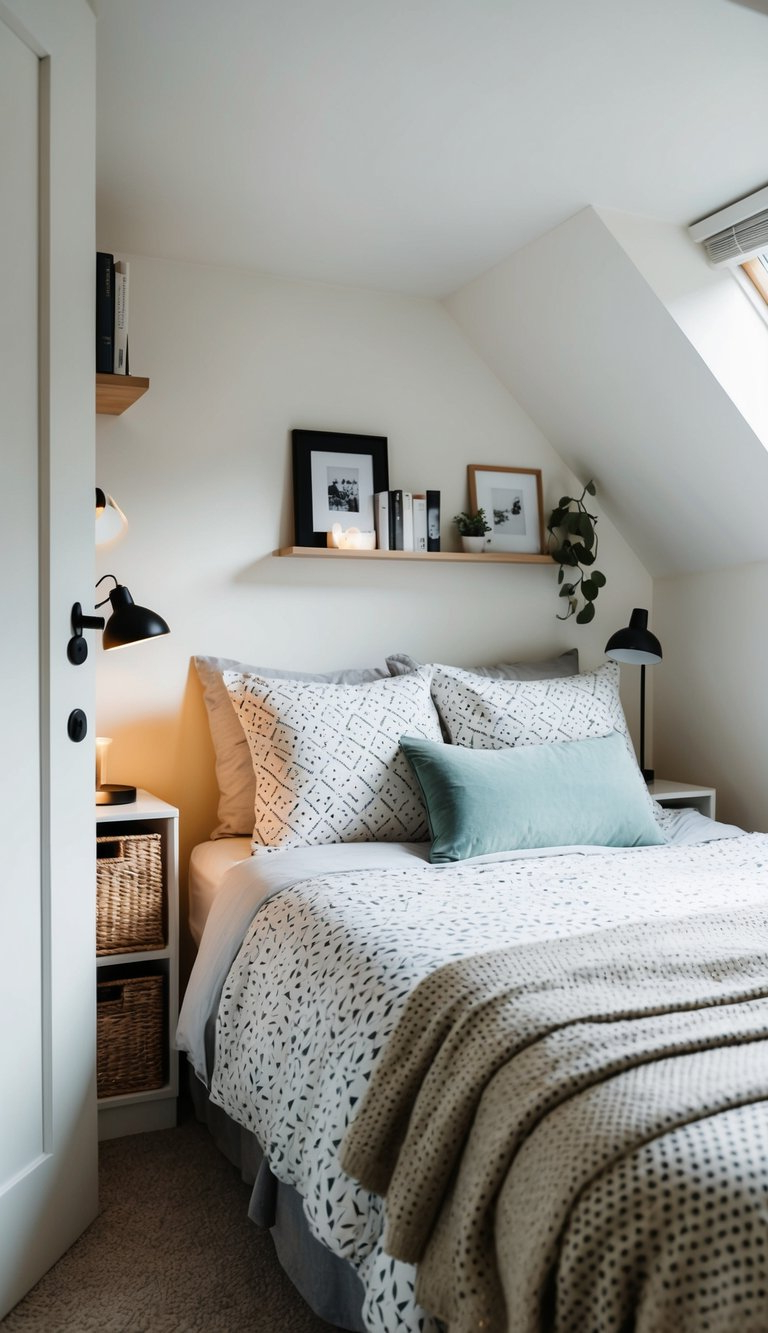
• Use the back of doors for additional storage
• Install a small mirror to make the room appear larger
The best approach is to start small. Pick one area of the room and focus on improving that first. Once you see success, move on to the next part. Small changes can lead to big improvements over time.
Remember, this process isn’t about perfection – it’s about finding what works for you and your teen’s lifestyle.
Transforming a small teen bedroom into a functional and stylish space isn’t about sacrificing style for practicality – it’s about finding the perfect balance between both. The key is understanding that every element, from furniture choices to lighting decisions, should support the teen’s lifestyle and personality. When done right, a small room can become a powerful reflection of who they are and what they need to thrive. The investment in thoughtful design pays dividends in daily happiness and productivity. Whether it’s maximizing vertical space, choosing multi-functional furniture, or simply adding the right amount of personal touches, each decision contributes to a space that feels both comfortable and inspiring. The ultimate goal isn’t just to fit more things into a small room – it’s to create a place where a teen can grow, learn, and express themselves fully.
[sps_html tag=”img” src=”https://roofdrivein.com/wp-content/uploads/2026/01/50-excellent-teen-girls-bedroom-ideas-and-designs-interiorsherpa-within-bedroom-design-ideas-for-teens.jpg” alt=”50 Excellent Teen Girl's Bedroom Ideas And Designs - Interiorsherpa within Bedroom Design Ideas For Teens” style=”width: 100%; height: auto;”]
[sps_html tag=”img” src=”https://roofdrivein.com/wp-content/uploads/2026/01/14-teen-bedroom-ideas-crafting-cool-and-creative-spaces-decorilla-in-bedroom-design-ideas-for-teens.jpeg” alt=”14 Teen Bedroom Ideas: Crafting Cool And Creative Spaces - Decorilla … in Bedroom Design Ideas For Teens” style=”width: 100%; height: auto;”]
[sps_html tag=”img” src=”https://roofdrivein.com/wp-content/uploads/2026/01/12-modern-teen-spaces-ideas-awesome-trends-in-teenager-bedroom-design-in-transforming-small-teen-bedrooms-into-functional-and-stylish-personal-spaces.jpg” alt=”12 Modern Teen Spaces Ideas: Awesome Trends In Teenager Bedroom Design … in Transforming Small Teen Bedrooms Into Functional and Stylish Personal Spaces” style=”width: 100%; height: auto;”]
[sps_html tag=”img” src=”https://roofdrivein.com/wp-content/uploads/2026/01/25-trendy-teen-bedroom-designs-for-2021-ideasdonuts-with-regard-to-transforming-small-teen-bedrooms-into-functional-and-stylish-personal-spaces.jpg” alt=”25+ Trendy Teen Bedroom Designs For 2021 – Ideasdonuts with regard to Transforming Small Teen Bedrooms Into Functional and Stylish Personal Spaces” style=”width: 100%; height: auto;”]
[sps_html tag=”img” src=”https://roofdrivein.com/wp-content/uploads/2026/01/10-best-teen-bedroom-ideas-for-teenage-girls-and-boys-in-2023-foyr-pertaining-to-transforming-small-teen-bedrooms-into-functional-and-stylish-personal-spaces.jpg” alt=”10 Best Teen Bedroom Ideas For Teenage Girls And Boys In 2023 | Foyr pertaining to Transforming Small Teen Bedrooms Into Functional and Stylish Personal Spaces” style=”width: 100%; height: auto;”]