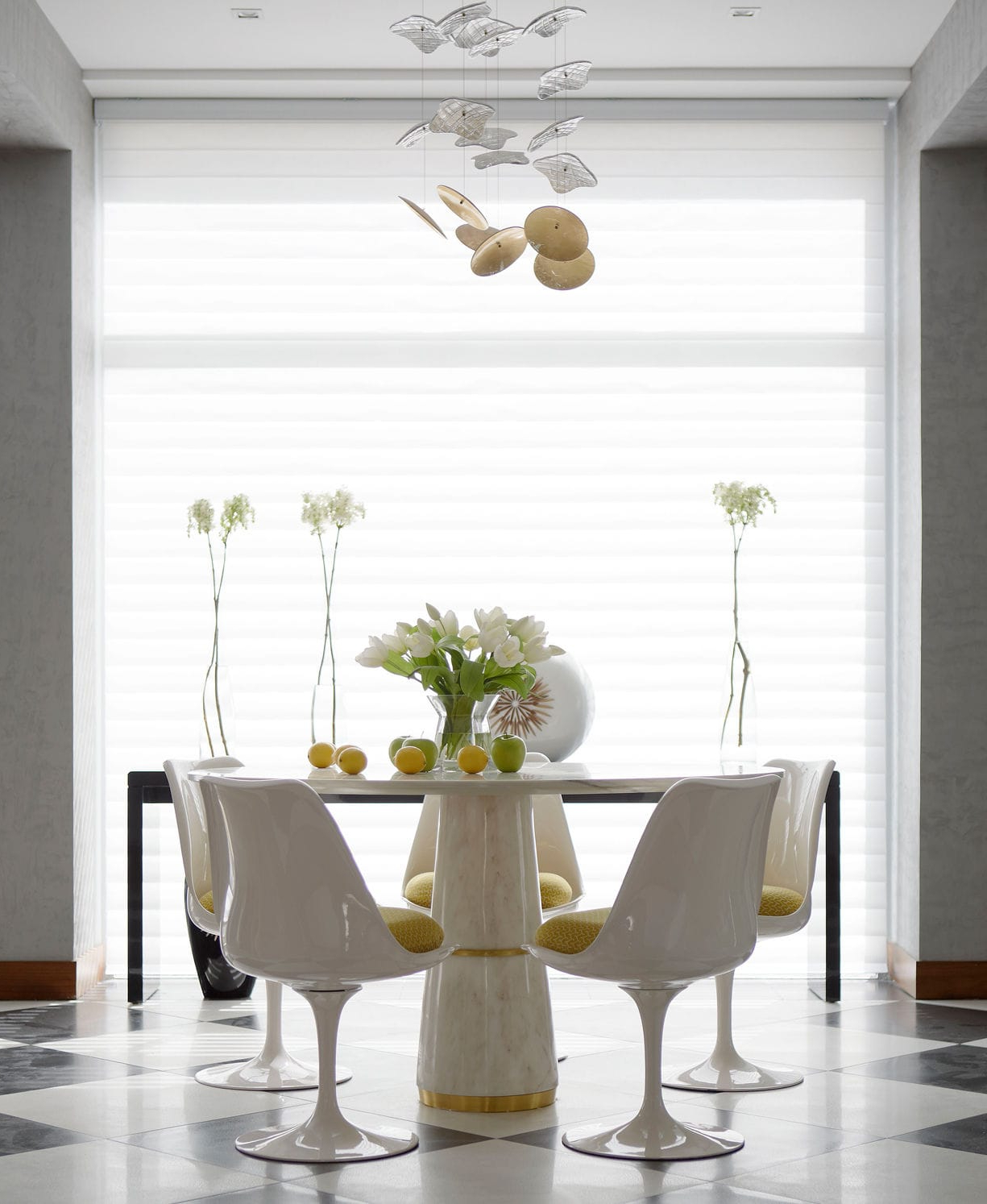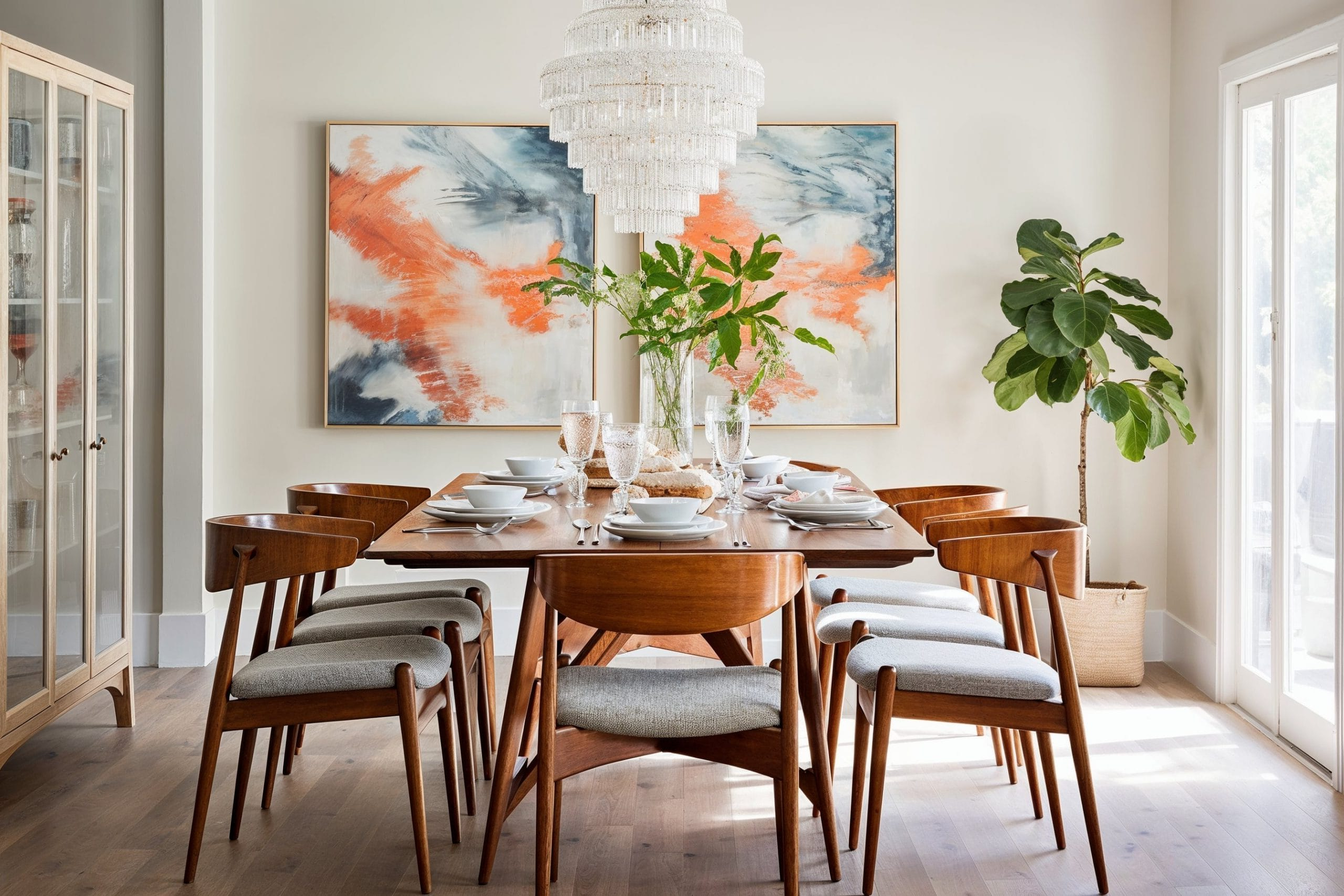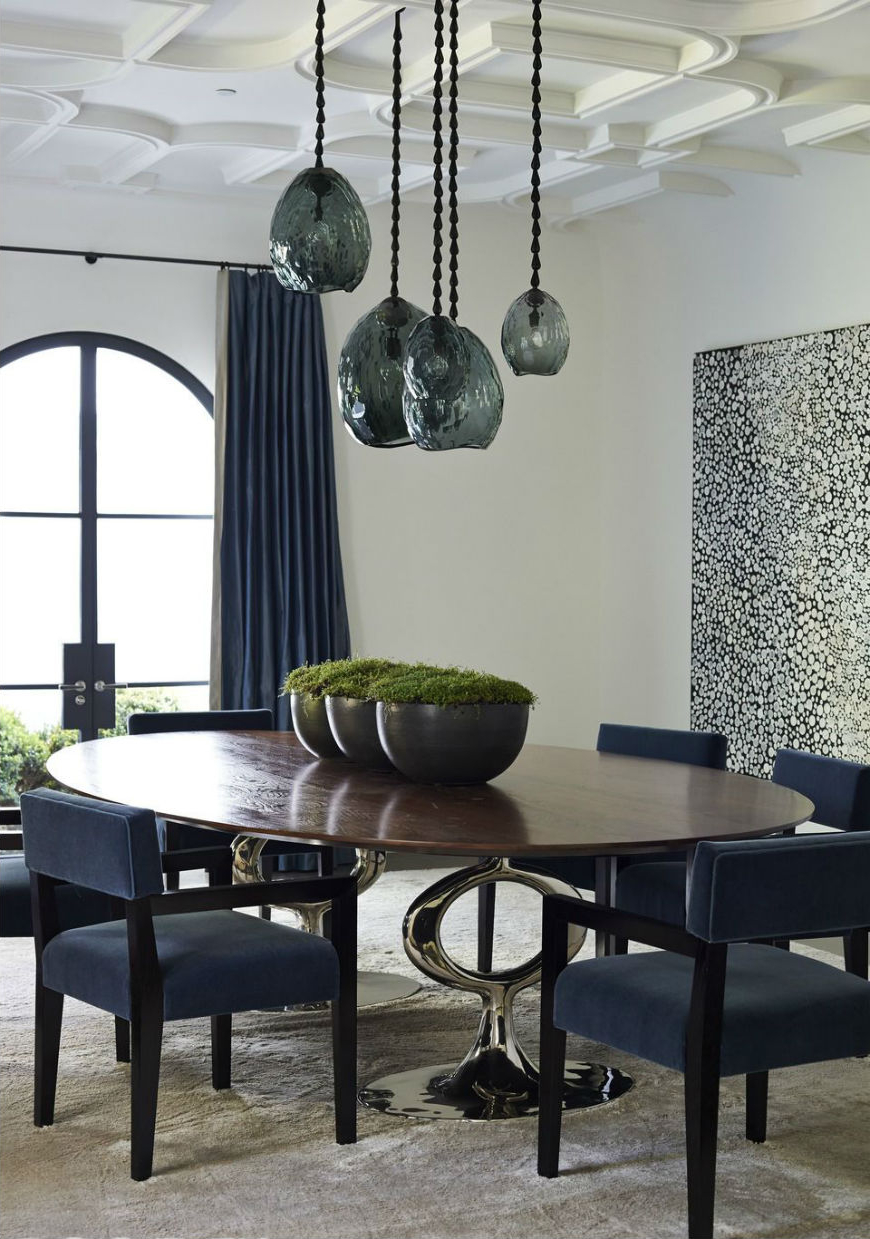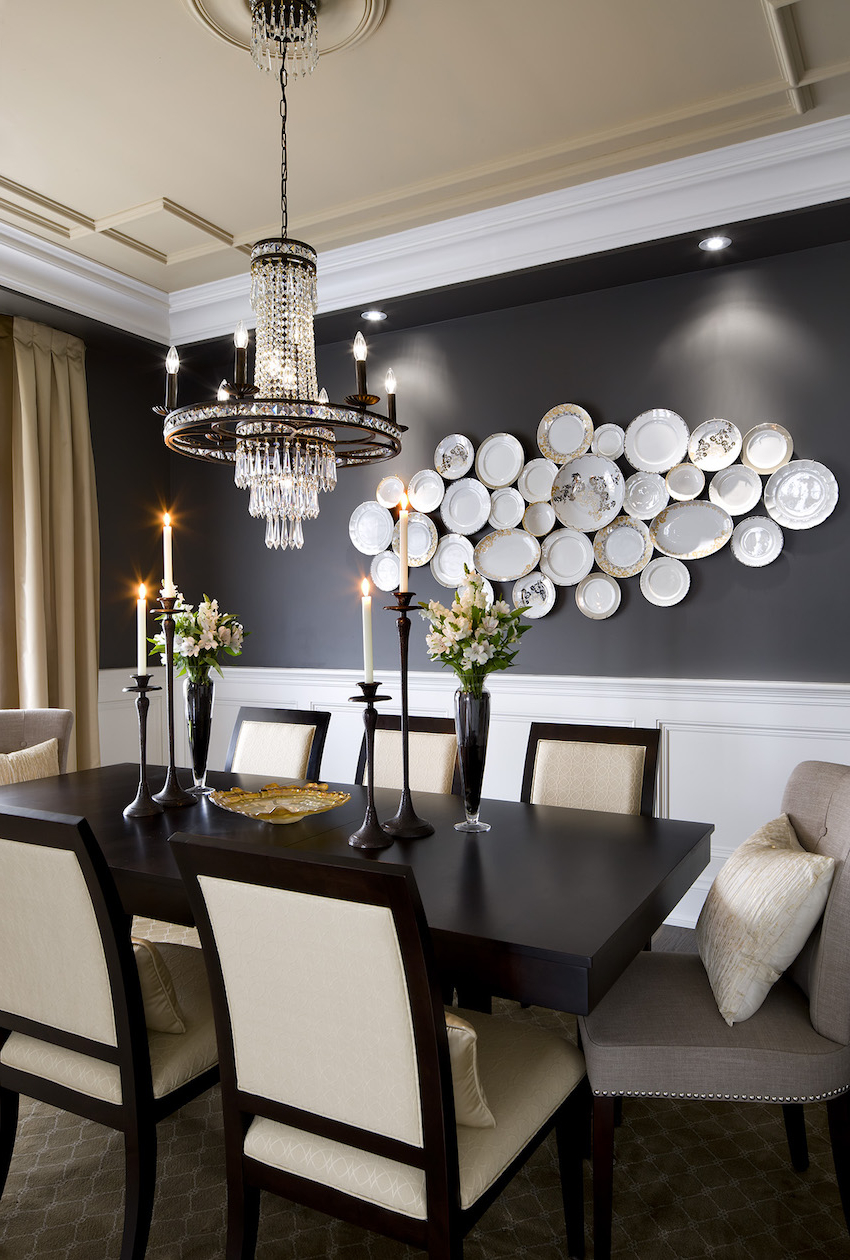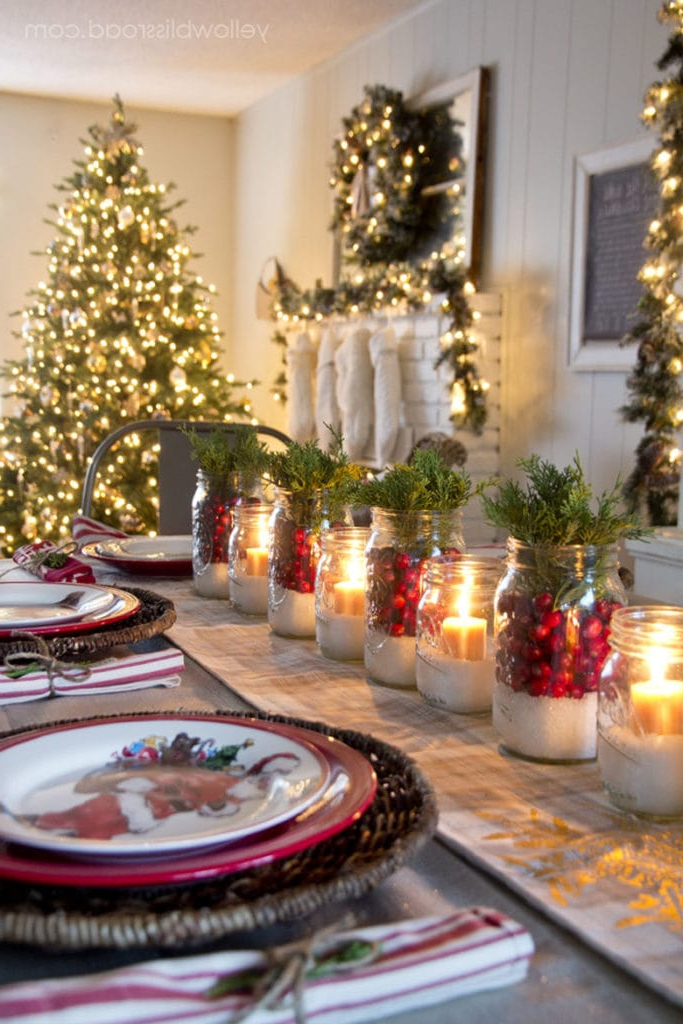
Every great meal starts with more than just delicious food. It begins with the way your table looks, feels, and invites people to gather. Think about it – when you walk into a restaurant, what catches your eye first? Is it the vibrant colors, the elegant placement of candles, or maybe the way the plates seem to dance with light? These details matter because they set the tone for everything that follows.
We all know that food feeds our bodies, but good table settings nourish our souls too. Whether you’re hosting a casual family dinner or preparing for a special occasion, the right decor choices can elevate your entire dining experience. It’s not just about making things look pretty – it’s about creating an environment where memories are made. From the choice of napkins to the positioning of your centerpiece, every element plays a role in crafting that perfect atmosphere. Let’s explore how modern approaches to table decor can turn ordinary meals into extraordinary moments.
Understanding Modern Table Design Principles
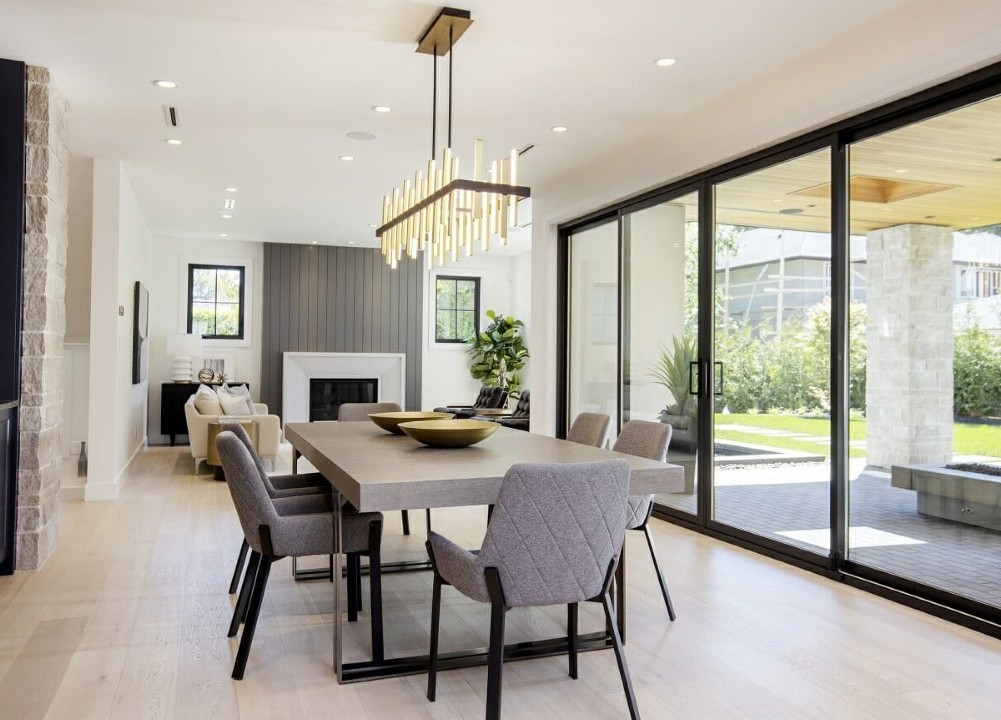
Modern table design isn’t just about following trends – it’s about creating balance and harmony that works with your lifestyle. Today’s approach focuses on clean lines, minimalism, and purposeful choices. The key is understanding that less can indeed be more. When you have fewer elements, each one becomes more impactful.
Consider the concept of negative space. This isn’t just a design term – it’s a powerful tool for creating visual breathing room. A simple table setting with just three carefully chosen elements often feels more sophisticated than a cluttered arrangement with dozens of items.
Think about the flow of your dining experience. How does someone move around your table? Where do they place their hands? What do they see first? These practical considerations shape how your decor functions in real life. A well-designed table setting should guide people naturally toward the food while providing comfort and ease.
Color Psychology in Table Settings
Colors have power – they influence mood, appetite, and even taste perception. Understanding color psychology can help you choose the perfect palette for your dining experience. Warm tones like reds and oranges tend to stimulate appetite and create feelings of warmth and energy. They’re excellent for casual dinners or when you want to encourage conversation.
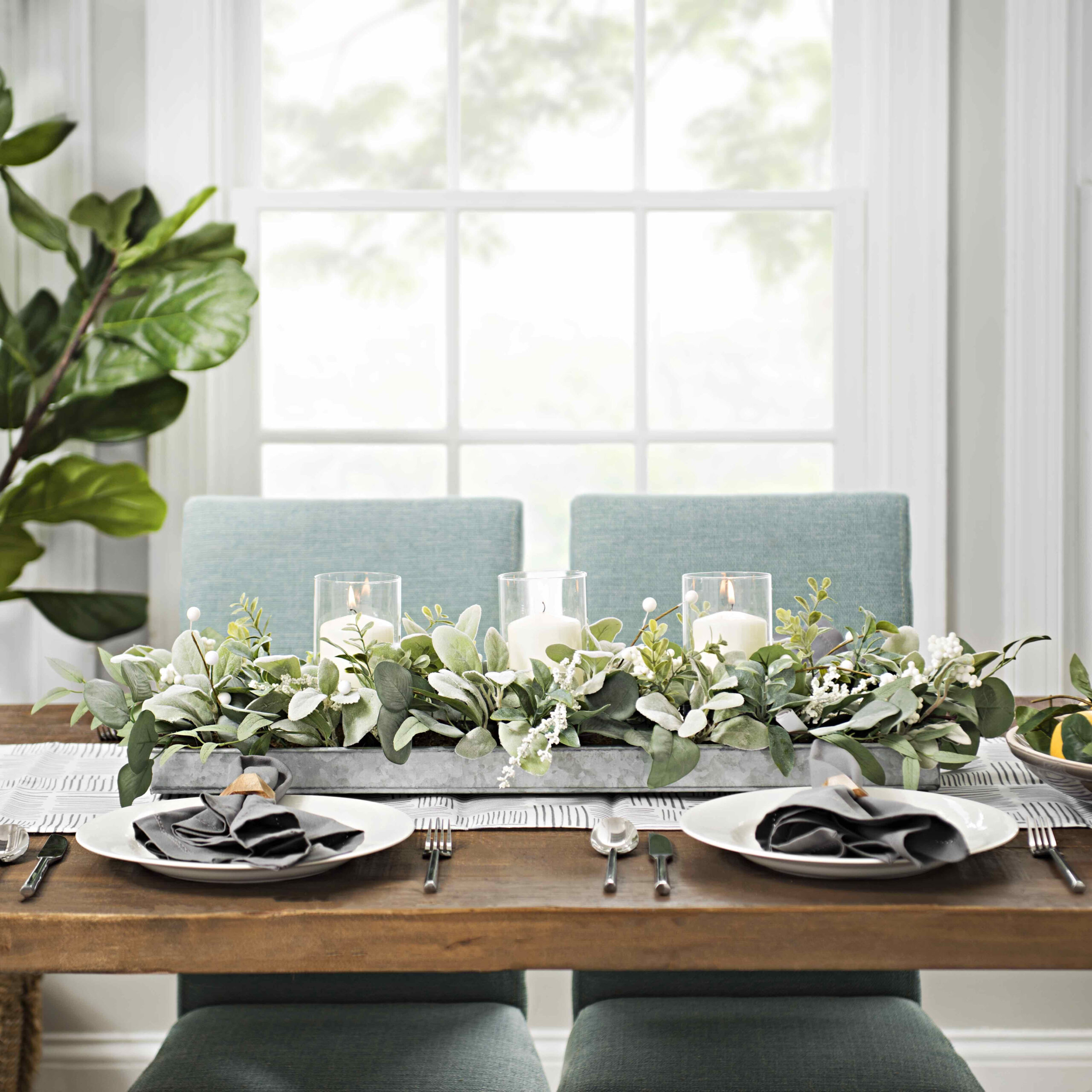
Cool blues and greens, on the other hand, promote calmness and relaxation. These colors work beautifully for intimate dinners or when you want to create a peaceful atmosphere. They also tend to make people eat more slowly, allowing them to savor each bite.
Neutral colors like beige, cream, and soft grays provide versatility. They let other elements shine while maintaining an elegant backdrop. Many designers recommend starting with neutral base colors and adding pops of accent colors for visual interest.
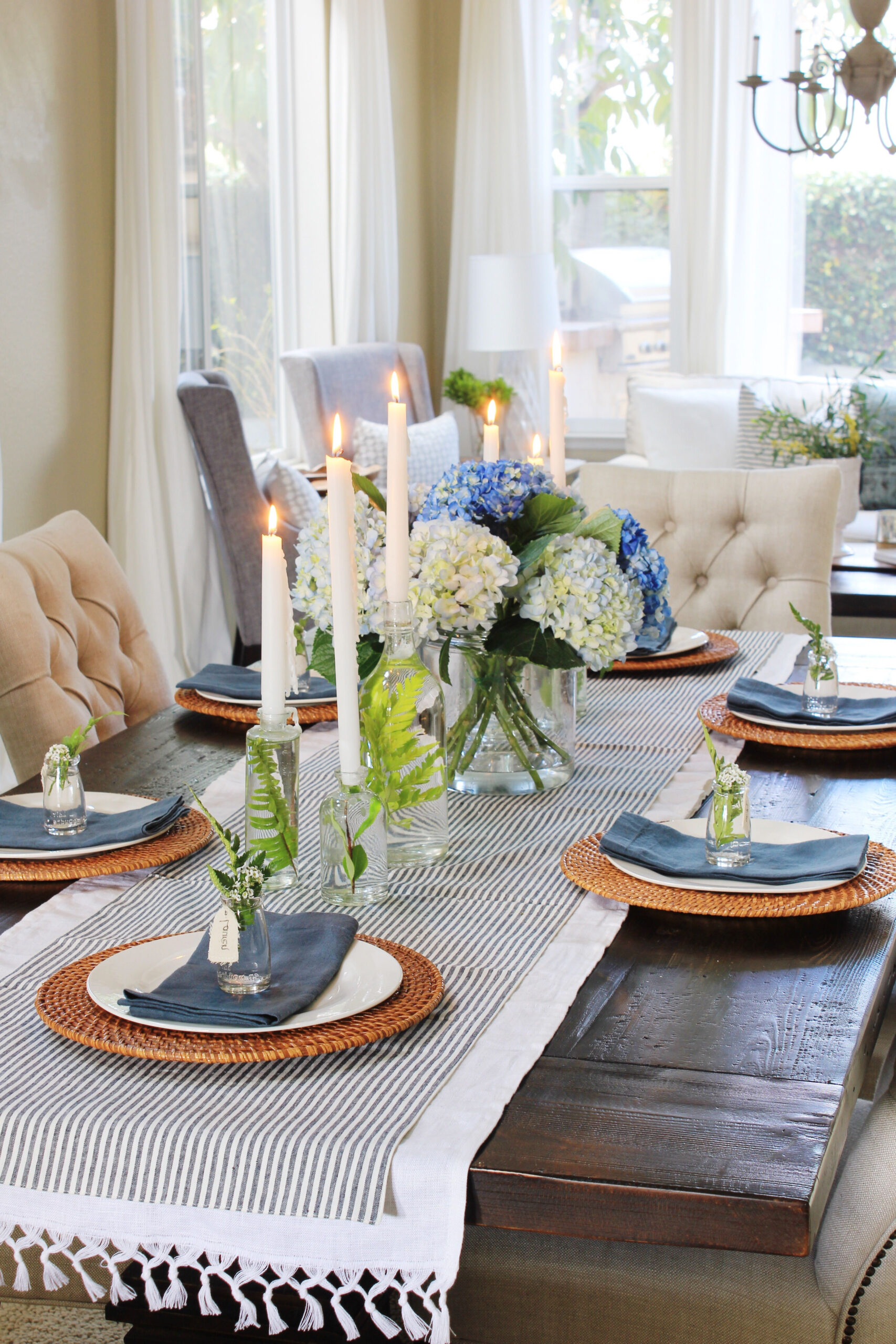
For example, a white tablecloth with deep blue dinnerware creates a classic yet modern look. The contrast draws attention without overwhelming the senses. Try experimenting with different color combinations during your next gathering to see how they affect the overall vibe of your meal.
Texture and Material Selection
Texture adds depth and dimension to any table setting. It’s one of the most tactile aspects of dining that guests experience firsthand. The right combination of materials can make a simple meal feel luxurious.
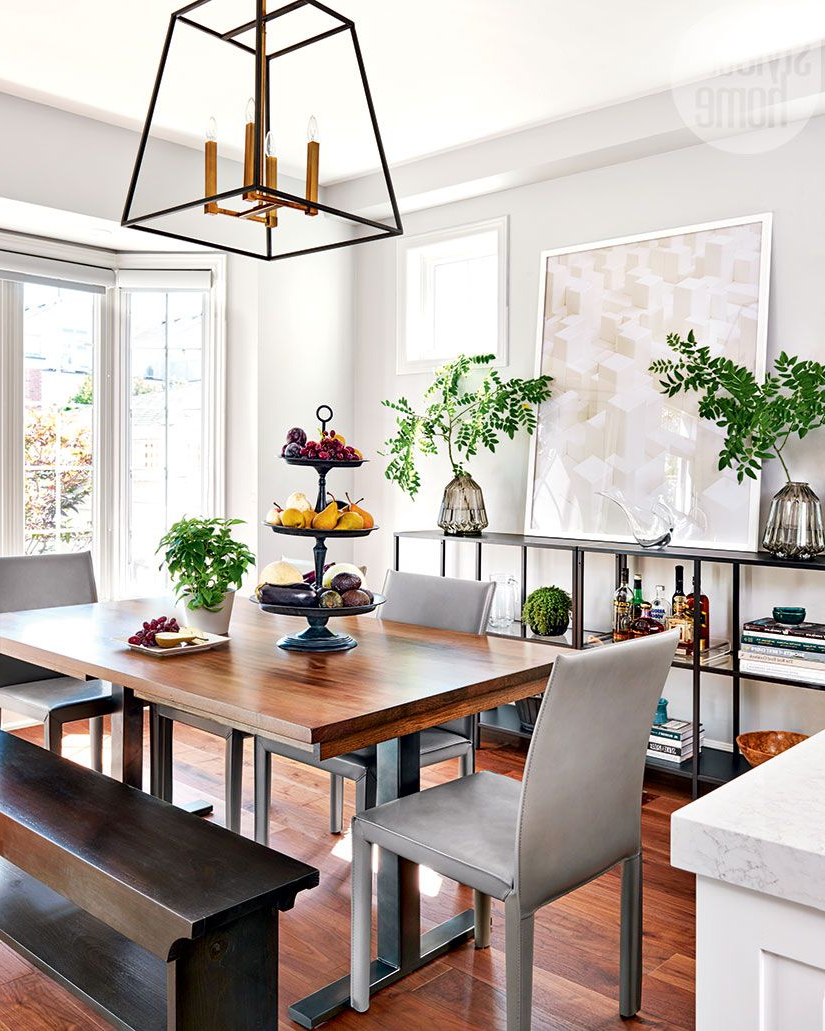
Natural materials like wood, linen, and ceramic bring warmth and authenticity to modern settings. Wood serving trays add rustic charm while still feeling contemporary. Linen napkins offer a soft, luxurious touch that feels both elegant and comfortable.
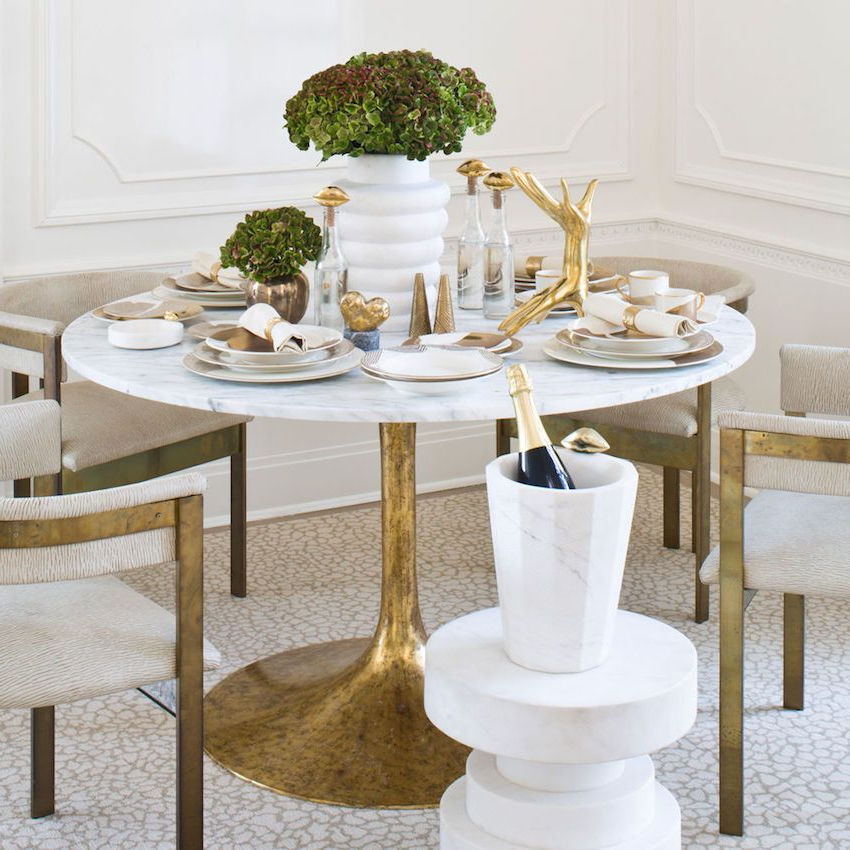
Metal accents, particularly brass or brushed steel, can add sophistication without being overwhelming. They reflect light beautifully and create subtle visual interest. Consider using metal serving utensils or decorative elements rather than going all-in on shiny surfaces.
Don’t forget about fabric textures too. Velvet placemats create a rich, sumptuous feel. Linen tablecloths offer a relaxed yet refined appearance. The key is balancing different textures so they complement each other rather than compete.
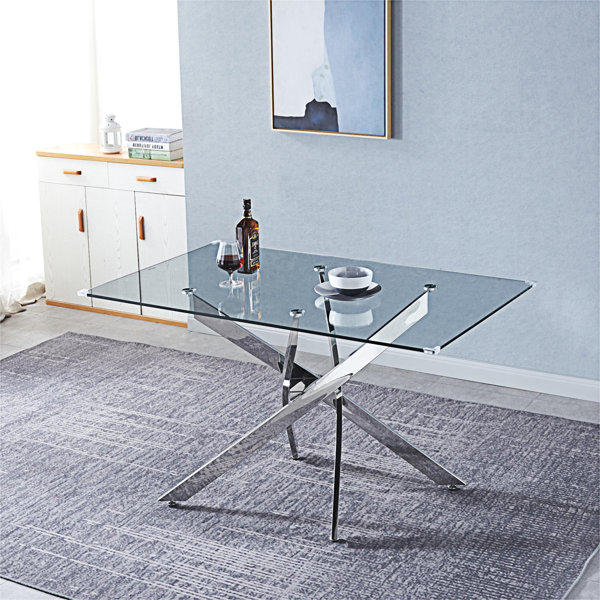
A practical tip: mix smooth and rough textures deliberately. For instance, pair a smooth glass centerpiece with a textured linen napkin. This contrast creates visual interest while maintaining harmony across the table.
Lighting as a Decorative Element
Lighting transforms a table from merely functional to truly magical. It sets the mood and affects how everything else appears. Natural light during the day creates a bright, cheerful atmosphere perfect for casual meals. But as evening approaches, artificial lighting becomes crucial for creating ambiance.
Candles remain one of the most popular lighting choices for dinner settings. Their warm glow creates intimacy and romance. However, modern alternatives like LED tea lights or string lights offer similar effects with added convenience and safety.
Consider layering different light sources. Combine overhead lighting with table lamps or candles to create depth. This approach prevents harsh shadows and ensures everyone can see their food clearly.
Dimmable lighting systems allow you to adjust the intensity based on the time of day or occasion. A bright setting works well for business dinners, while softer lighting suits romantic evenings. Some people even use colored LED strips under their tables for subtle accent lighting.
Remember that lighting affects food presentation too. Proper illumination makes dishes look more appetizing and helps guests appreciate the colors and textures of their meal.
Practical Considerations for Everyday Use
While we love thinking about beautiful table settings, we must also consider real-world functionality. Your dining experience should work for your daily life, not complicate it. This means choosing elements that are easy to clean, store, and maintain.
Invest in quality basics that will last. A good set of plates, glasses, and silverware forms the foundation of any successful table setting. These pieces should be durable enough to handle regular use while still looking elegant.
Storage solutions matter too. Having designated spots for your table accessories keeps everything organized and ready to use. Consider drawer organizers for small items like napkin rings or salt shakers. Clear storage containers help you quickly locate what you need.
Think about seasonal changes. You might want to switch out certain elements based on the weather or holidays. But keep your core pieces consistent so your table always feels familiar and welcoming.
Remember that simplicity doesn’t mean sacrificing style. Choose versatile pieces that work for multiple occasions. A few well-chosen decorative elements can transform your table for different events without requiring complete overhauls.
Personal Touches and Cultural Influences
The best table settings tell a story about the host and their personality. Personal touches make guests feel welcomed and create connections beyond the food itself. These elements can be anything from family heirlooms to handmade decorations.
Cultural influences add richness and meaning to your table setting. Different traditions bring unique perspectives on how to approach dining. Japanese aesthetics emphasize minimalism and natural beauty. Mediterranean styles celebrate vibrant colors and fresh ingredients. European approaches often focus on formal elegance and layered sophistication.
Incorporating cultural elements doesn’t require expensive purchases. Simple changes like using specific types of flowers, choosing particular serving styles, or arranging food in traditional ways can create meaningful connections. For instance, using a traditional serving dish from your heritage adds authenticity to your meal.
Family photos, handwritten place cards, or vintage recipes displayed near the table create personal narratives. These small details invite guests to learn more about you and share their own stories. The result is a dining experience that goes beyond just eating – it becomes a celebration of relationships and shared experiences.
Creating the perfect dining experience through modern table decor choices is both an art and a science. It combines aesthetic principles with practical considerations, personal preferences with cultural influences. The beauty lies in finding that sweet spot where everything works together seamlessly.
Remember that your table setting should enhance rather than distract from the main event – the food and the company. Every element, from the choice of napkin folds to the placement of your centerpiece, should support the overall feeling you want to create. Whether you prefer minimalist elegance or bold statement pieces, the key is consistency and intentionality in your choices.
The most important thing is to have fun with it. Experiment with different combinations, observe what works for your guests, and don’t be afraid to make adjustments. Your table should feel like a reflection of your personality while remaining comfortable and inviting for everyone who sits down to eat. After all, the best dining experiences happen when people feel connected to both the meal and each other.