There’s something magical about a well-set farmhouse table that makes every meal feel like a celebration. Whether you’re hosting Sunday dinner or enjoying a quiet evening alone, the right table setting can turn ordinary moments into cherished memories. These simple yet powerful elements work together to create that perfect cozy atmosphere that makes people want to linger over their food and each other’s company.
The art of creating a cozy dining experience isn’t about expensive décor or elaborate arrangements. It’s about understanding how small details can make a big difference in how people feel when they sit down to eat. Farmhouse table settings have become incredibly popular because they offer a sense of warmth, authenticity, and comfort that feels both timeless and fresh. These settings don’t require fancy china or crystal glasses, but rather focus on the essentials that make dining feel special. The beauty lies in their simplicity – a few carefully chosen elements can completely change the mood of your dining space.
The Foundation: Choosing the Right Table and Seating
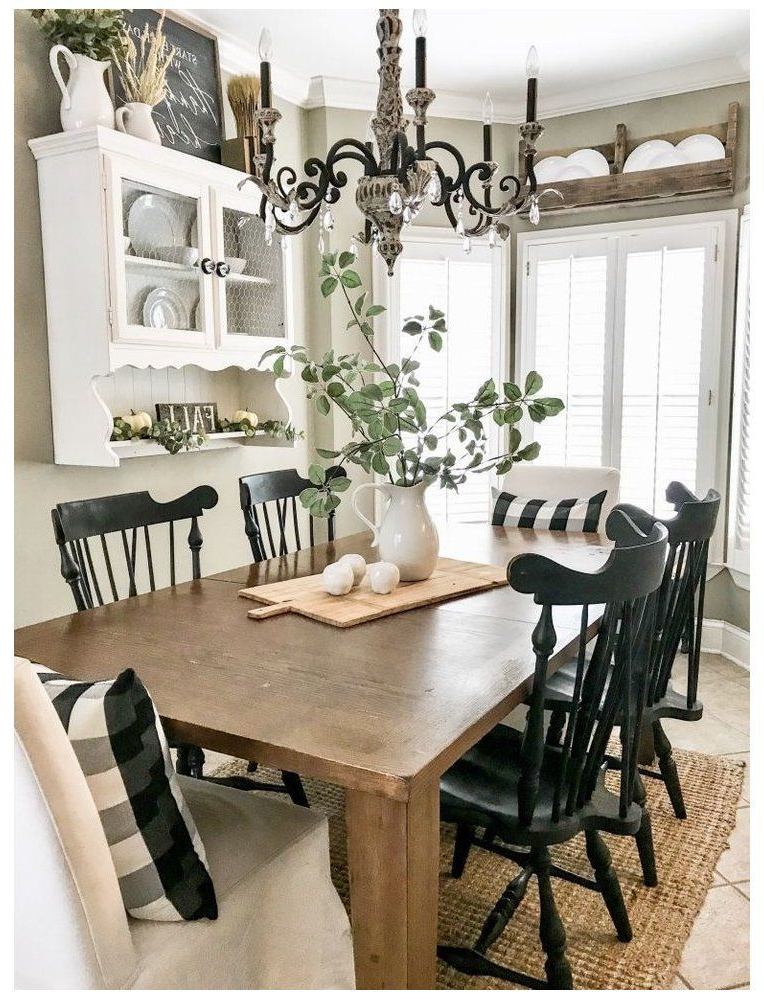
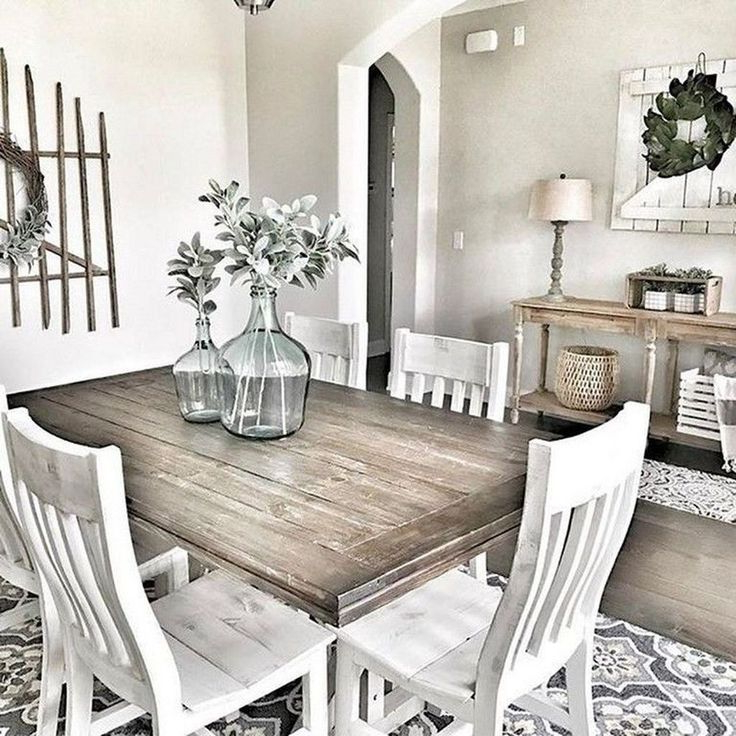
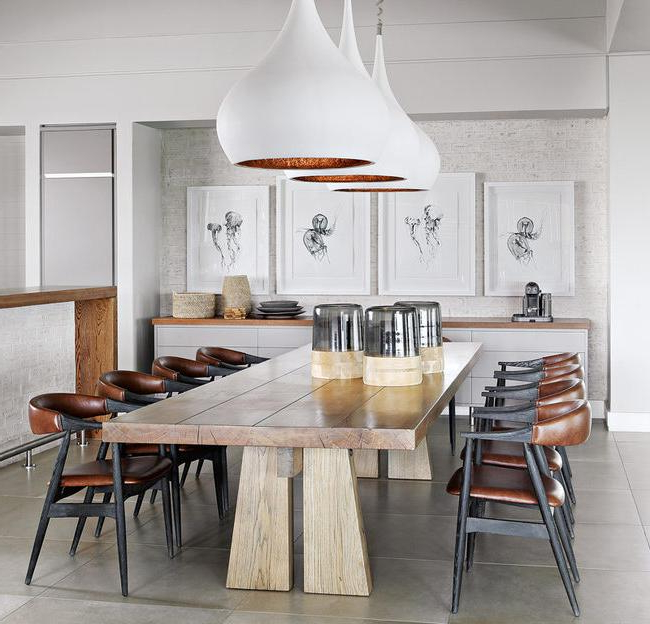
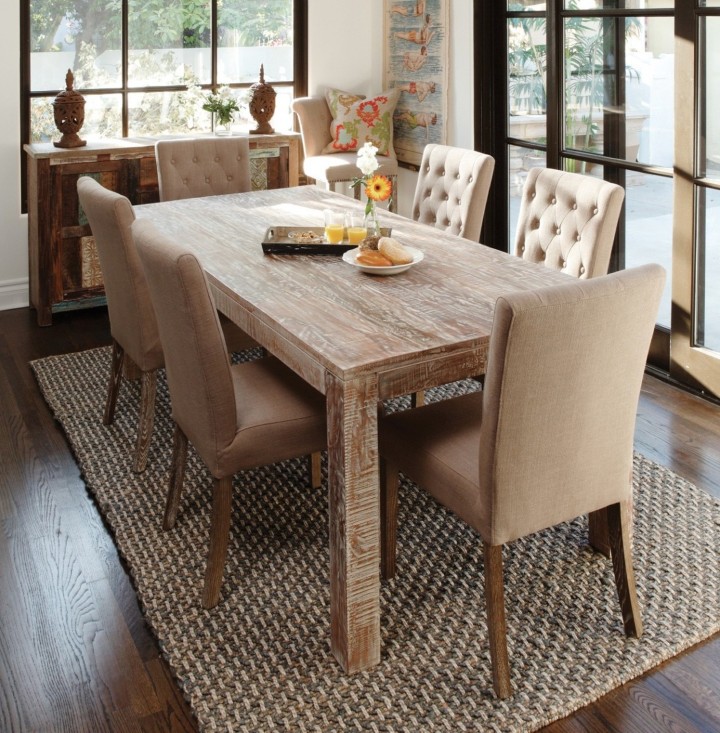
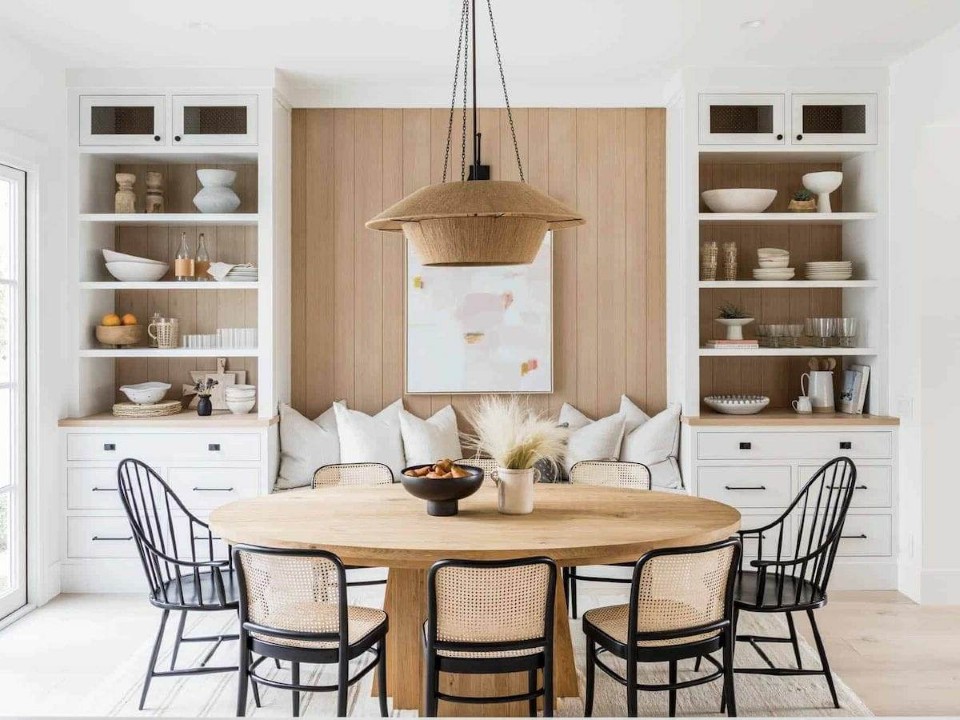
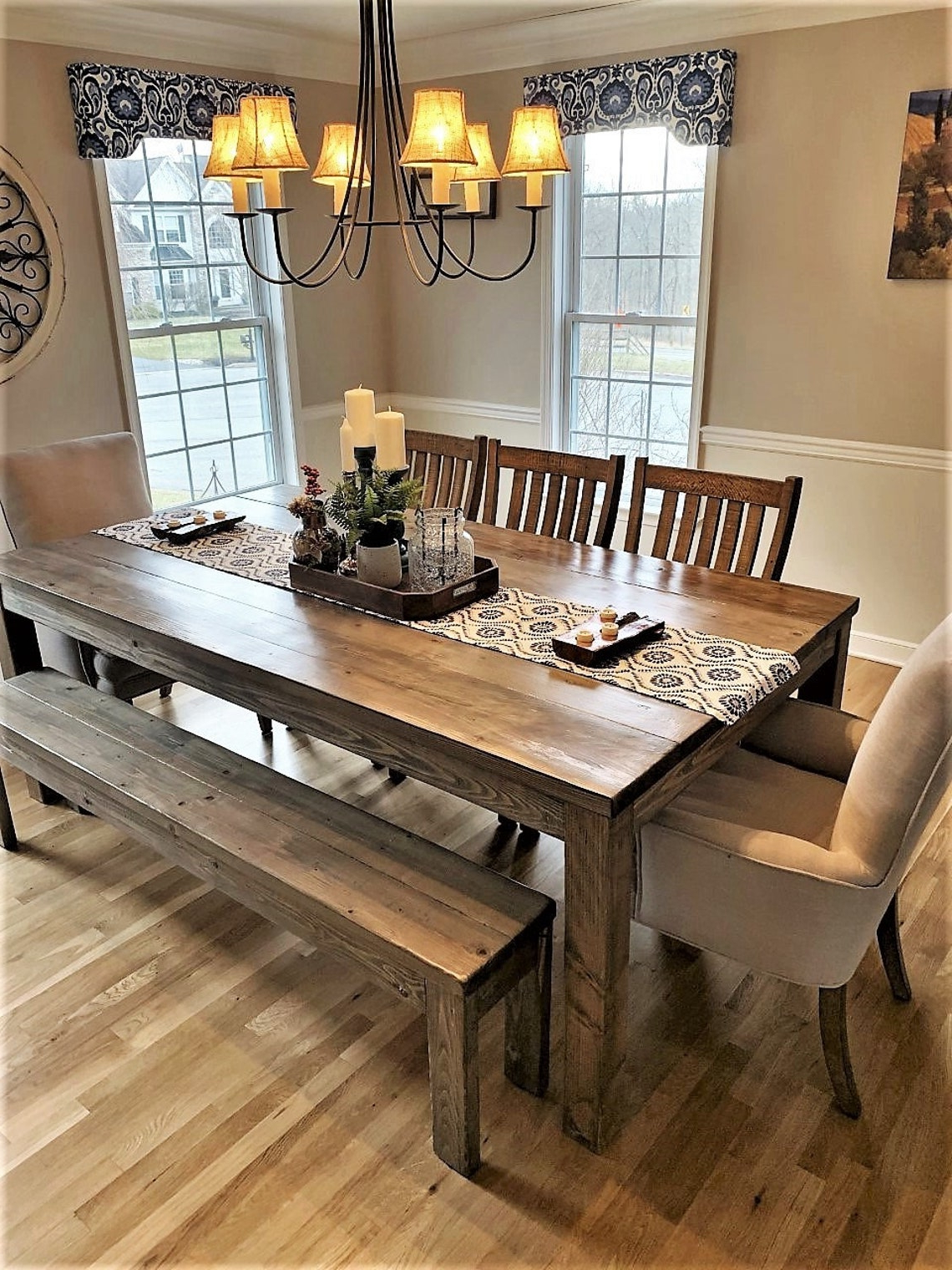
Before you even think about linens or centerpieces, you need to consider your table’s foundation. A farmhouse-style table should feel substantial yet inviting. Wood tables with gentle curves and warm tones work best for creating that homey feeling. Consider a solid oak or pine table that shows natural grain patterns – these textures add character and make the space feel lived-in rather than sterile.
The seating matters just as much as the table itself. Mix different chair styles if you want to add visual interest, but keep the overall aesthetic consistent. Wooden chairs with cushioned seats encourage people to stay longer. You don’t need to match everything perfectly, but there should be harmony between all the pieces. Think about having enough seating for your regular diners, plus a couple extra spots for unexpected guests.
Remember, the most important thing is that everyone feels comfortable and included. A table that’s too high or too low can make people feel uncomfortable, so check the proportions before finalizing your setup.
Tablecloths and Linens: Adding Depth Without Overcomplicating
When it comes to farmhouse dining, less is often more. A simple linen tablecloth can instantly elevate the look of any table without overwhelming the space. Choose natural fabrics like cotton or linen in neutral colors such as cream, beige, or soft gray. These colors complement the rustic aesthetic while providing a clean backdrop for other elements.
Don’t forget about napkins! They don’t have to be fancy – a basic white or cream napkin folded in a simple way works perfectly. You can add a pop of color or texture with a single napkin in a warm tone like sage green or terracotta. The key is consistency. If you’re using multiple napkins, make sure they’re all the same size and style.
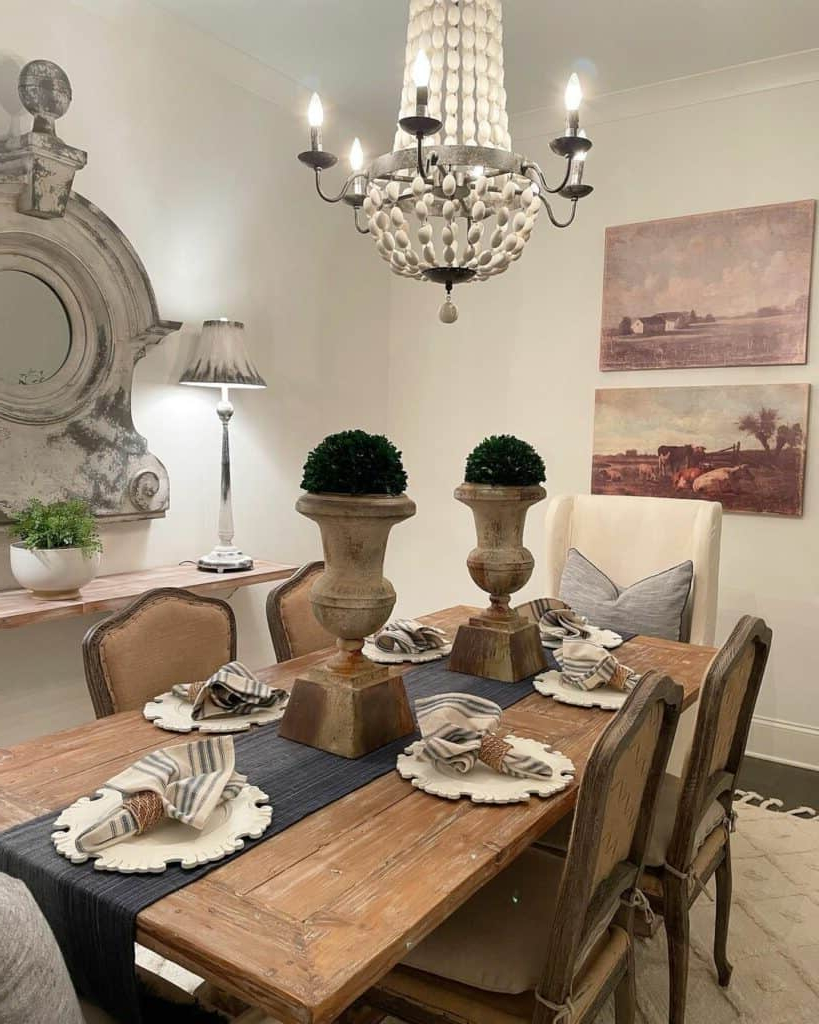
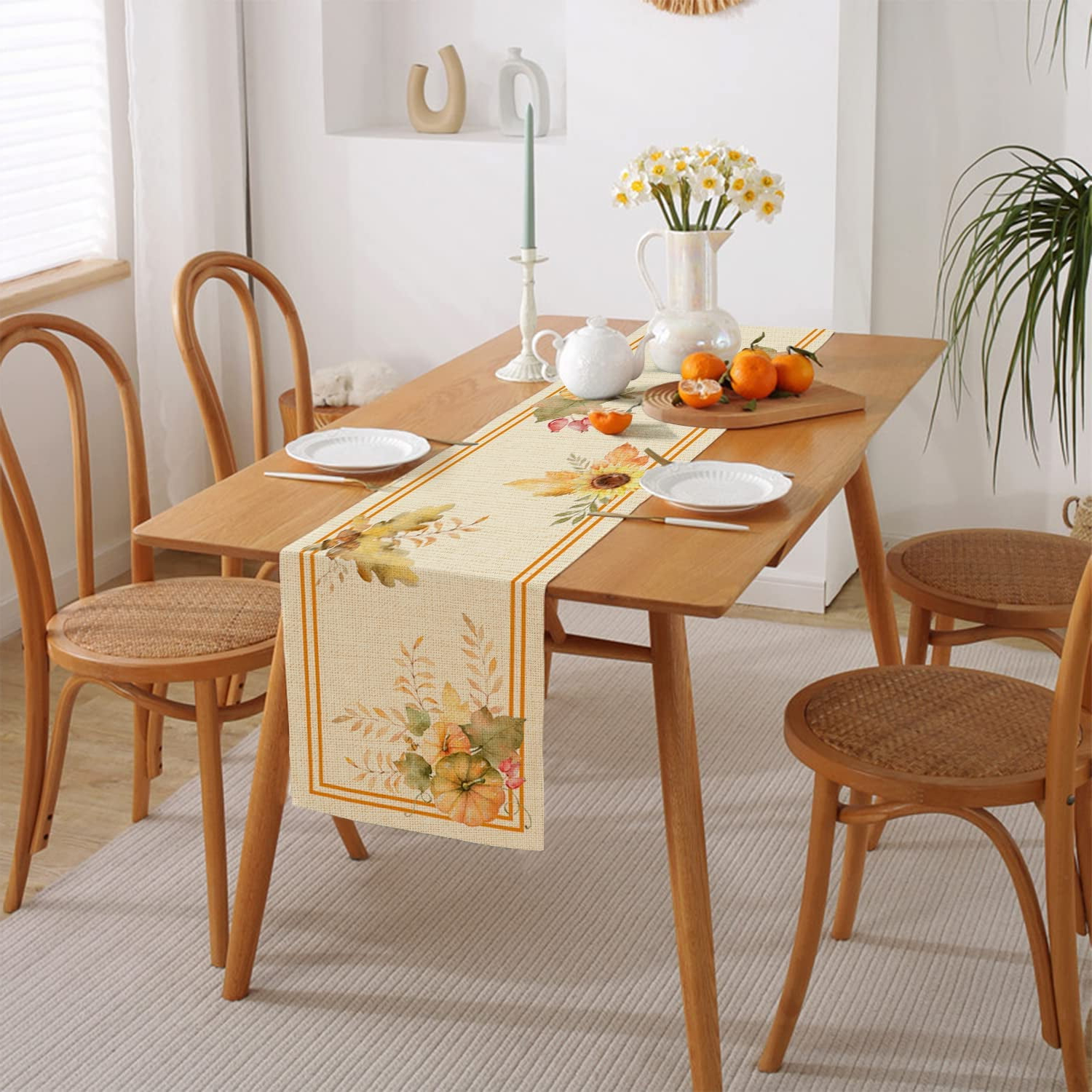
Consider using a table runner instead of a full tablecloth for a more casual approach. This allows you to showcase the natural beauty of your table top while still adding visual interest. Just make sure the runner complements the rest of your decor and doesn’t overwhelm the space.
Centerpieces That Tell a Story
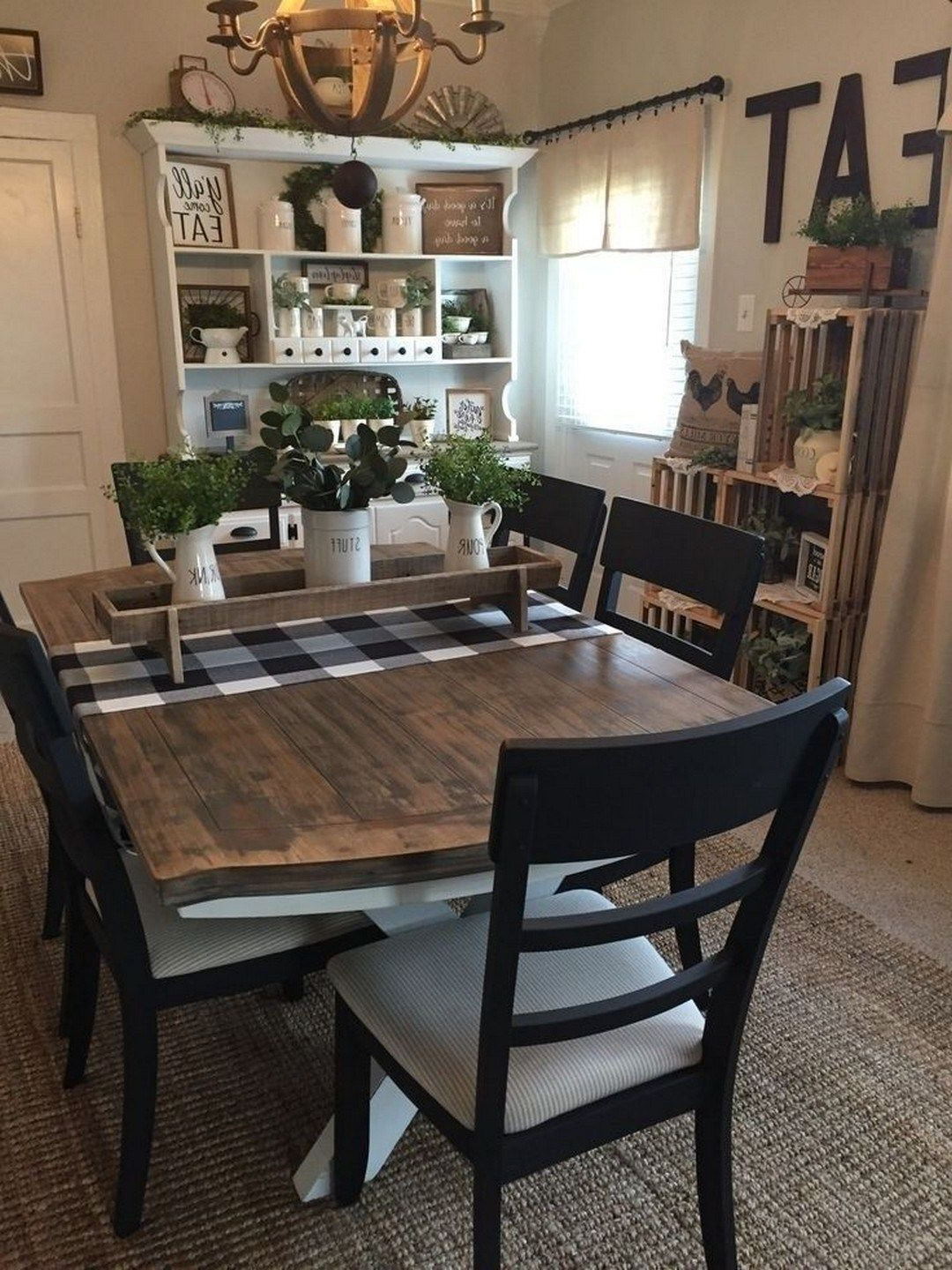
Farmhouse centerpieces should feel organic and effortless. They don’t need to be perfectly arranged or overly formal. Think about incorporating items that reflect your personality and lifestyle. A simple vase filled with wildflowers picked from your garden creates instant charm. Or try grouping different sized mason jars with candles inside for a warm glow during evening meals.
Natural elements work beautifully in farmhouse settings. Branches, dried grasses, or even a small arrangement of herbs can serve as beautiful focal points. These items bring life and movement to the table while maintaining that grounded, earthy feel. You might also consider seasonal changes – fresh flowers in spring, pumpkins in fall, or evergreen branches during winter.
Avoid overcrowding the center of your table. A single statement piece or two is usually enough. Sometimes, nothing at all can be more powerful than a cluttered display. Let your table breathe and let the food be the star of the show.
Lighting: The Secret Ingredient for Cozy Atmosphere
Good lighting can make or break a dining experience. In farmhouse settings, you want lighting that’s warm and inviting rather than harsh or clinical. Pendant lights above the table provide excellent illumination while creating a focal point. Look for fixtures with warm-toned bulbs that cast a soft glow across the table.
If you don’t have overhead lighting, consider adding table lamps or candles to create that intimate atmosphere. Candles in varying heights and sizes create depth and visual interest. They also release a subtle scent that enhances the dining experience. Just remember to use flameless options if you have young children or pets.
Dimmer switches can be game-changers. They allow you to adjust the lighting based on the time of day or mood you’re trying to create. During dinner, you might want bright light to see your food clearly. But for dessert or conversation, softer lighting helps create that relaxed feeling that makes people want to stay longer.
Dinnerware Selection: Simple and Functional
Choosing dinnerware for farmhouse dining means balancing aesthetics with practicality. Look for pieces that feel worn-in rather than brand new. Chipped ceramics, vintage patterns, or even mismatched bowls can add character and tell a story about your home. The key is consistency – if you choose a particular color palette, stick with it throughout your table settings.
White dishes are always a safe choice, especially for those who prefer a clean look. But don’t be afraid to add some color. Soft blues, greens, or terracotta can create visual interest without being overwhelming. Remember that farmhouse dining is about comfort, so choose dishes that are easy to handle and won’t break easily.
Consider the size of your plates and bowls. For casual meals, smaller plates work well. They allow you to focus on individual dishes and make the table feel less crowded. Larger plates can work for special occasions or when serving family-style meals. The important thing is that everything fits comfortably on the table without looking cramped.
Setting the Stage: Practical Tips for Perfect Placement
The way you arrange items on your farmhouse table can dramatically impact how it feels. Start with the basics: place utensils on the right side of each plate, with forks on the left. This is the standard placement, but don’t stress too much about perfection. A slightly uneven arrangement can actually look more natural and inviting.
Water glasses should be placed above the knife, and wine glasses above the fork. If you’re serving coffee or tea, put the cups to the right of the plate. This helps people know where to find everything without having to search around.
Think about creating zones on your table. Group similar items together – all the silverware in one area, napkins in another, drinks in a third. This makes the table easier to navigate and looks more organized. But remember, farmhouse settings are supposed to feel relaxed, so don’t get too rigid about the layout.
Finally, consider the flow of traffic. Make sure there’s enough space for people to move around the table easily. You want the table to feel spacious rather than cramped, giving everyone room to enjoy their meal comfortably.
Personal Touches That Make All the Difference
The magic of farmhouse dining comes from the personal touches that make each setting unique to your home. These aren’t necessarily expensive additions, but they create that sense of belonging and care that makes people feel welcome. Consider adding a handwritten note card with a brief message or recipe. These little details show thoughtfulness and attention to detail.
Photo frames can add warmth and tell stories about your family or travels. They don’t need to be large or flashy – a small black and white frame with a favorite family photo works beautifully. You might also include small items that reflect your interests, whether that’s a collection of vintage spoons, a small plant, or a book that’s been recently read.
Don’t overlook the importance of serving dishes and bowls. These can be simple and functional, but they also contribute to the overall aesthetic. Choose items that feel like they’ve been used and loved, rather than pristine and untouched. This creates a sense of authenticity that’s central to farmhouse design.
Remember, your table setting should reflect your personality and lifestyle. If you love cooking, maybe include a small bowl of fresh herbs near the serving dishes. If you’re a book lover, perhaps place a stack of books nearby. These personal touches make your dining space truly yours.
Seasonal Adjustments for Year-Round Appeal
One of the best things about farmhouse dining is its adaptability to different seasons and times of year. You can keep the core elements consistent while making small changes to reflect the changing weather and holidays.
In spring, focus on fresh greens and pastel colors. Add small arrangements of tulips, daffodils, or cherry blossoms to brighten up the table. You might also incorporate lighter linens or add a touch of mint green to your napkin selections.
Summer calls for lighter materials and cooler tones. Consider using woven baskets or rattan containers for centerpieces, and choose linens in bright whites or soft yellows. Fresh herbs like basil or rosemary can be incorporated into your settings.
Fall brings rich earth tones and natural textures. Think about using wood accents, warm oranges, and deep reds. Pumpkins, gourds, or even just autumn leaves can create beautiful centerpieces. Don’t forget to add some cozy elements like thick throw blankets or soft cushions to make the space more inviting.
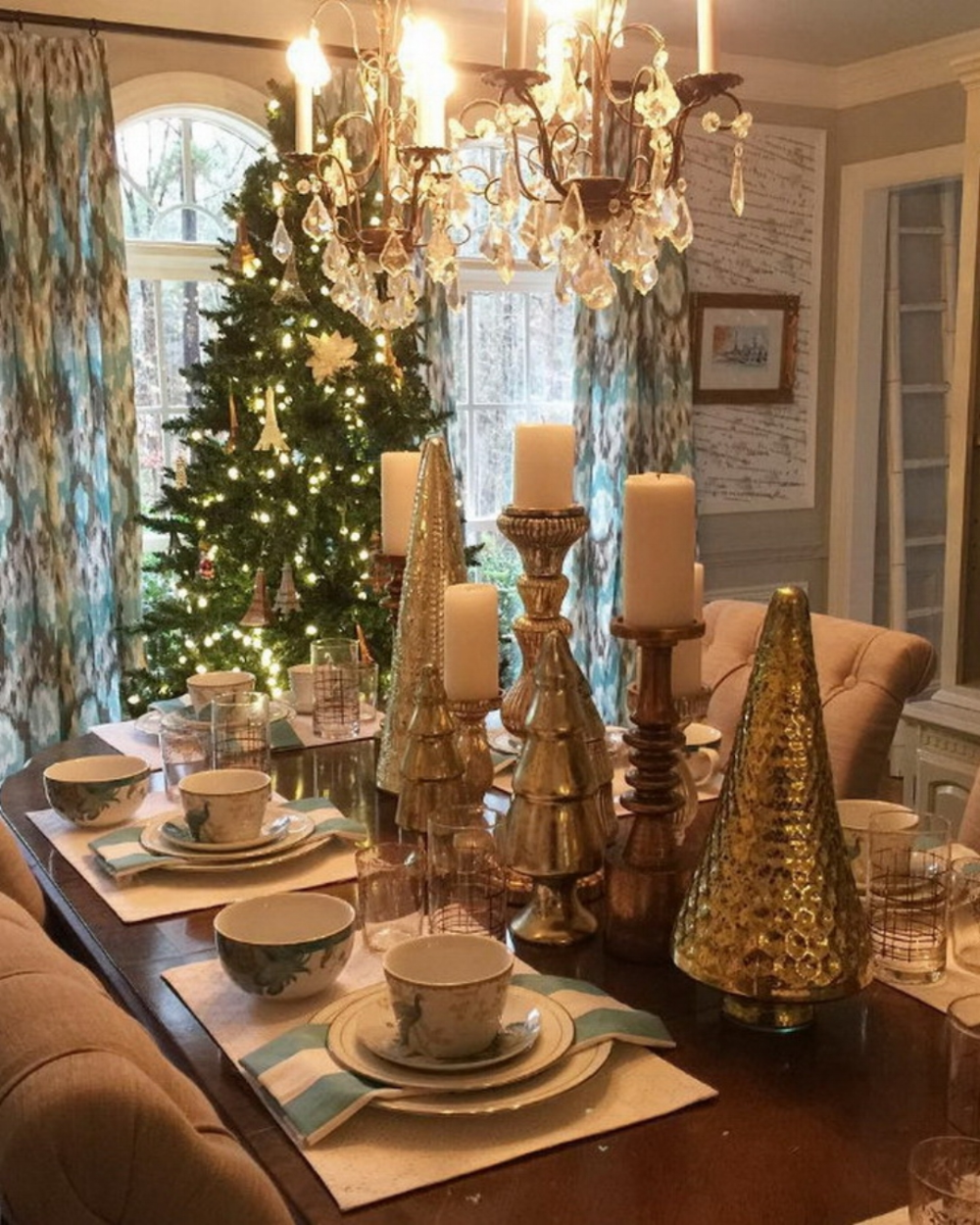
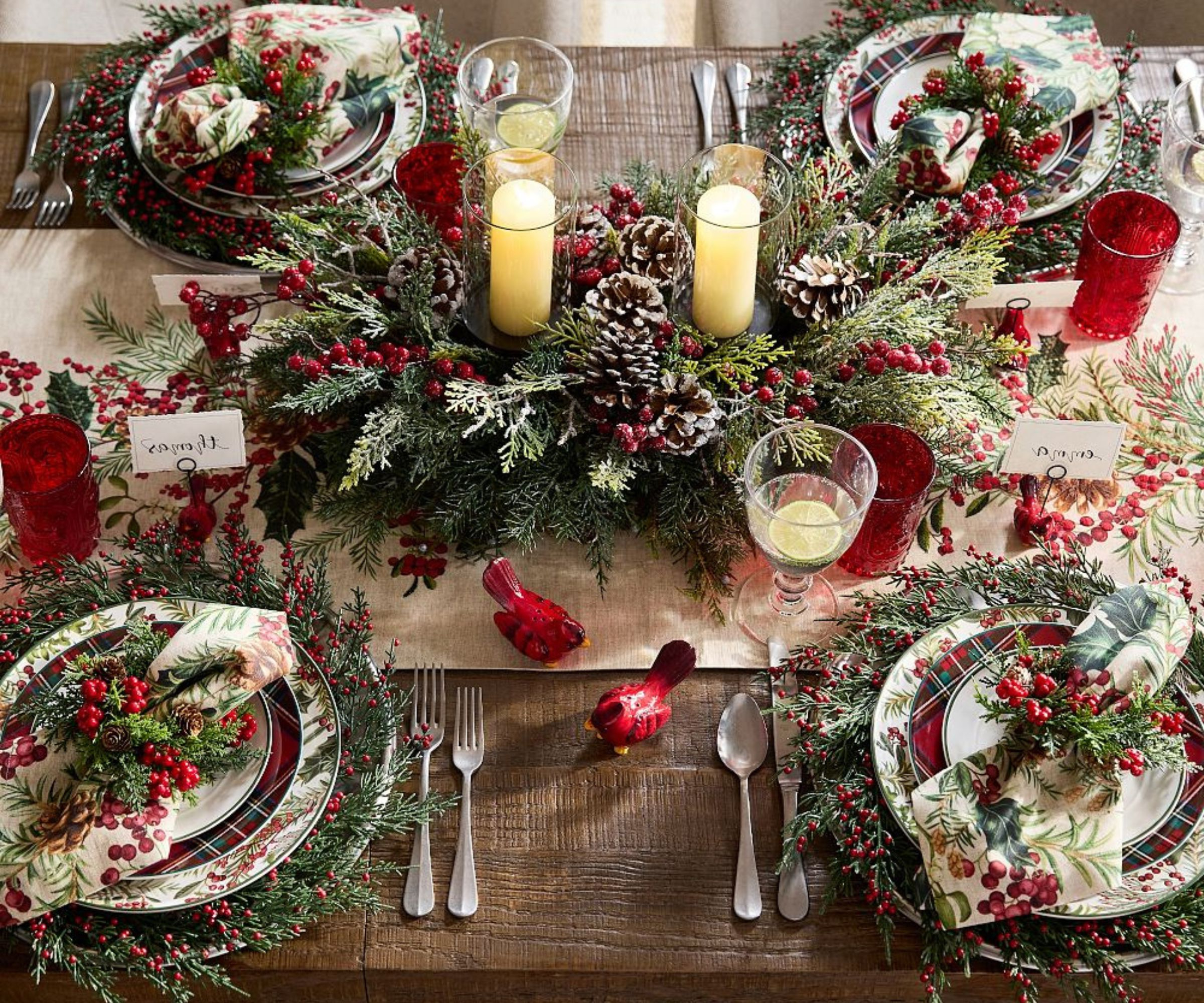
Winter settings can be cozy and warm, using deeper colors and textured materials. Think about adding candles, soft lighting, and perhaps some holiday decorations. The key is keeping everything balanced and not letting it feel too heavy or overwhelming.
Making It Work for Every Occasion
Farmhouse table settings don’t have to be reserved for special occasions. They work equally well for everyday meals and larger gatherings. The key is flexibility in your approach.
For regular dinners, keep things simple and functional. Use your everyday dishes and avoid anything too fragile or expensive. The focus should be on creating a comfortable environment where people want to eat and talk.
For larger gatherings, you might want to add more seating and adjust your serving arrangements. Consider using a long table or extending your existing one. You’ll also want to ensure you have enough serving dishes and utensils for everyone.
Party settings can be elevated with additional elements like extra lighting, more colorful linens, or a larger centerpiece. But remember, even at parties, the farmhouse aesthetic should remain relaxed and welcoming. Don’t let the occasion overshadow the comfort of the space.
The beauty of farmhouse dining is that it adapts to your needs and lifestyle. Whether you’re hosting a quiet dinner for two or a festive gathering with friends, the principles remain the same – create a space that feels warm, inviting, and true to your personality.
Maintenance and Longevity: Keeping Your Settings Looking Fresh
Maintaining your farmhouse table settings doesn’t have to be a chore. With some simple habits, you can keep everything looking fresh and appealing for years to come.
Regular cleaning is essential. Wipe down your table surfaces after each use and wash dishes promptly. This prevents stains from setting in and keeps everything looking new. For wooden tables, use appropriate cleaners and conditioners to protect the surface.
Store your linens properly. Fold them neatly and avoid storing them in damp places. If you have a variety of napkins or tablecloths, organize them by color or usage. This makes it easier to grab what you need quickly.
Keep a small collection of decorative items that can be rotated seasonally. This way, you’re not constantly replacing everything, but you still get the benefit of fresh looks throughout the year. Rotate items like candles, vases, or small accessories regularly to keep the space feeling vibrant.
Don’t be afraid to let things age naturally. Some wear and tear adds to the charm of farmhouse settings. A slightly faded tablecloth or a small chip in a plate can actually enhance the authentic feel of your dining space. The key is knowing when something needs replacement versus when it’s part of the character.
Creating a cozy dining experience with simple farmhouse table settings isn’t about following strict rules or spending a fortune on expensive décor. It’s about understanding what makes people feel comfortable, welcomed, and connected to each other and their surroundings. When you combine the right elements – from the foundational table and seating to thoughtful lighting and personal touches – you create a space where meals become moments worth remembering.
The beauty of farmhouse dining is its ability to evolve with your lifestyle and preferences. What matters most is that your table setting reflects your personality and creates a warm atmosphere where people want to gather. Whether you’re planning a quick weeknight dinner or preparing for a special occasion, these principles will help you create a space that feels both inviting and authentic. Remember, the goal isn’t perfection – it’s connection, comfort, and joy around the table.