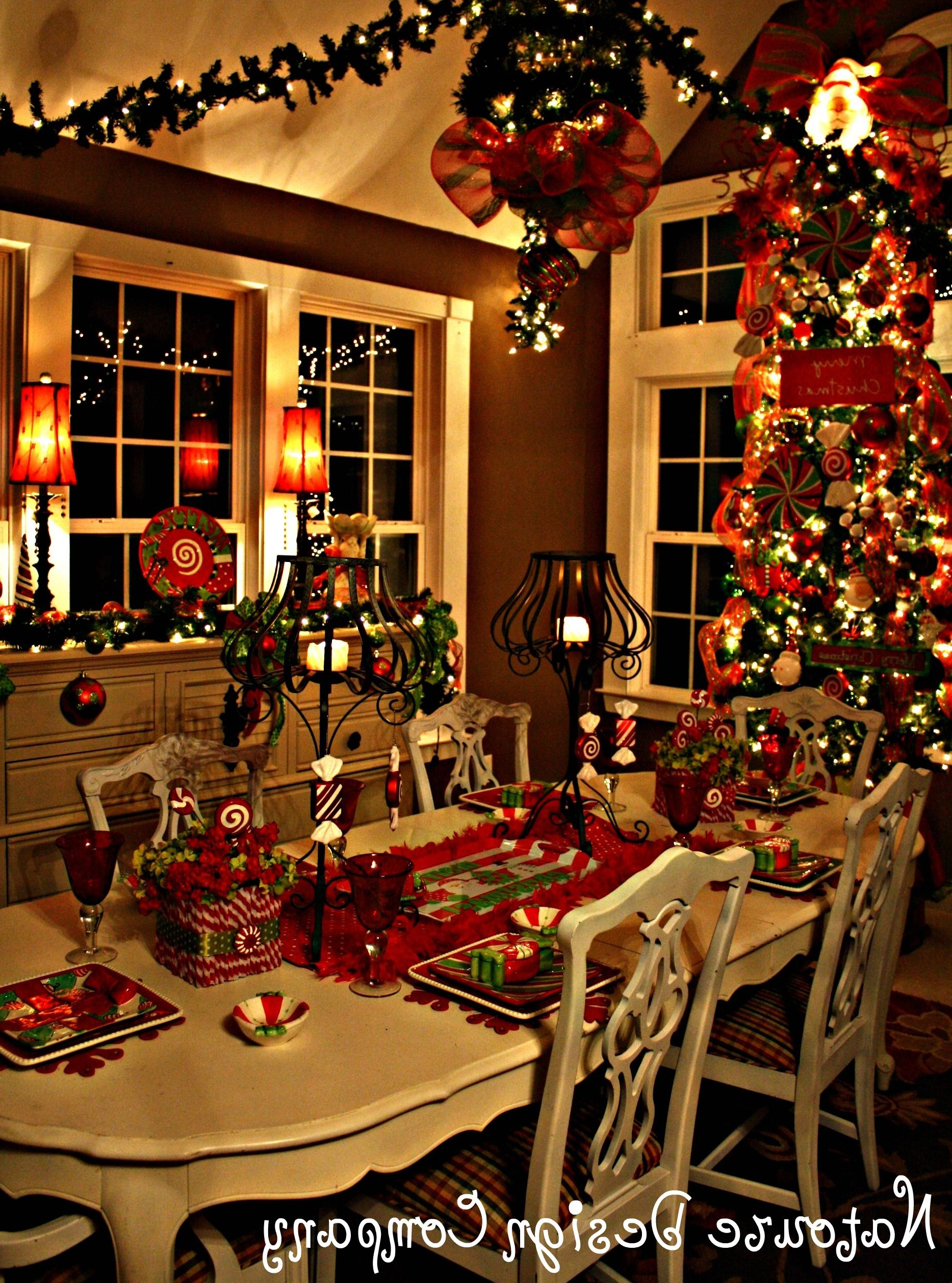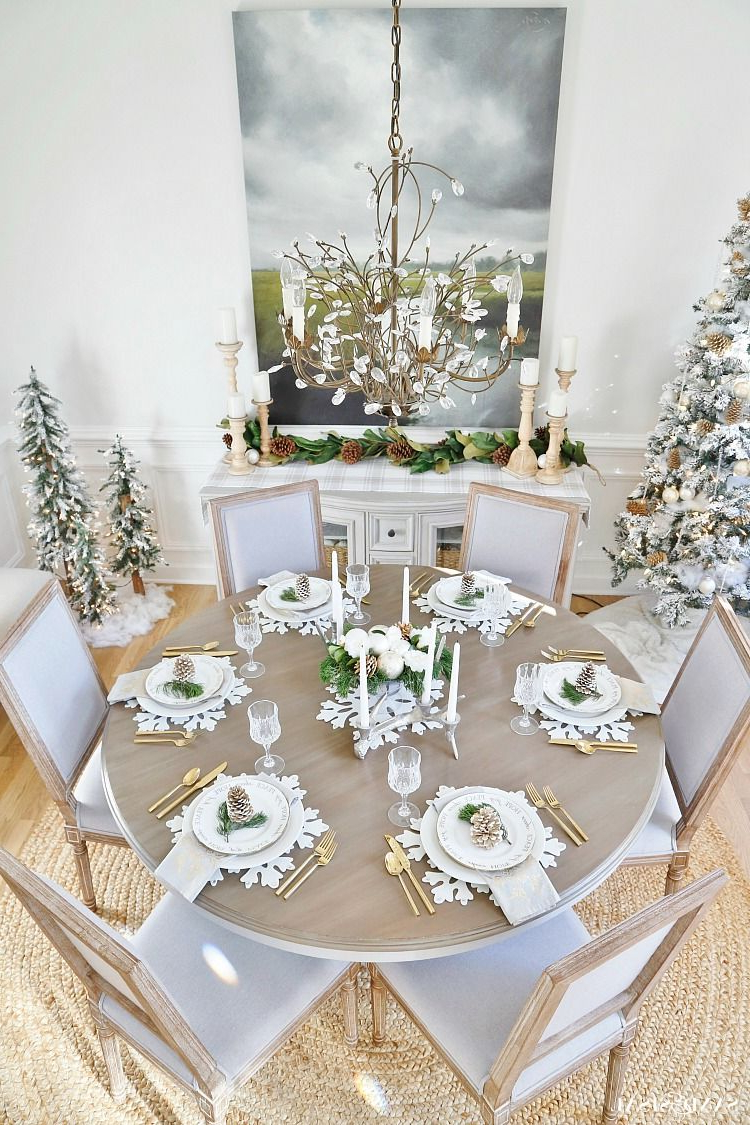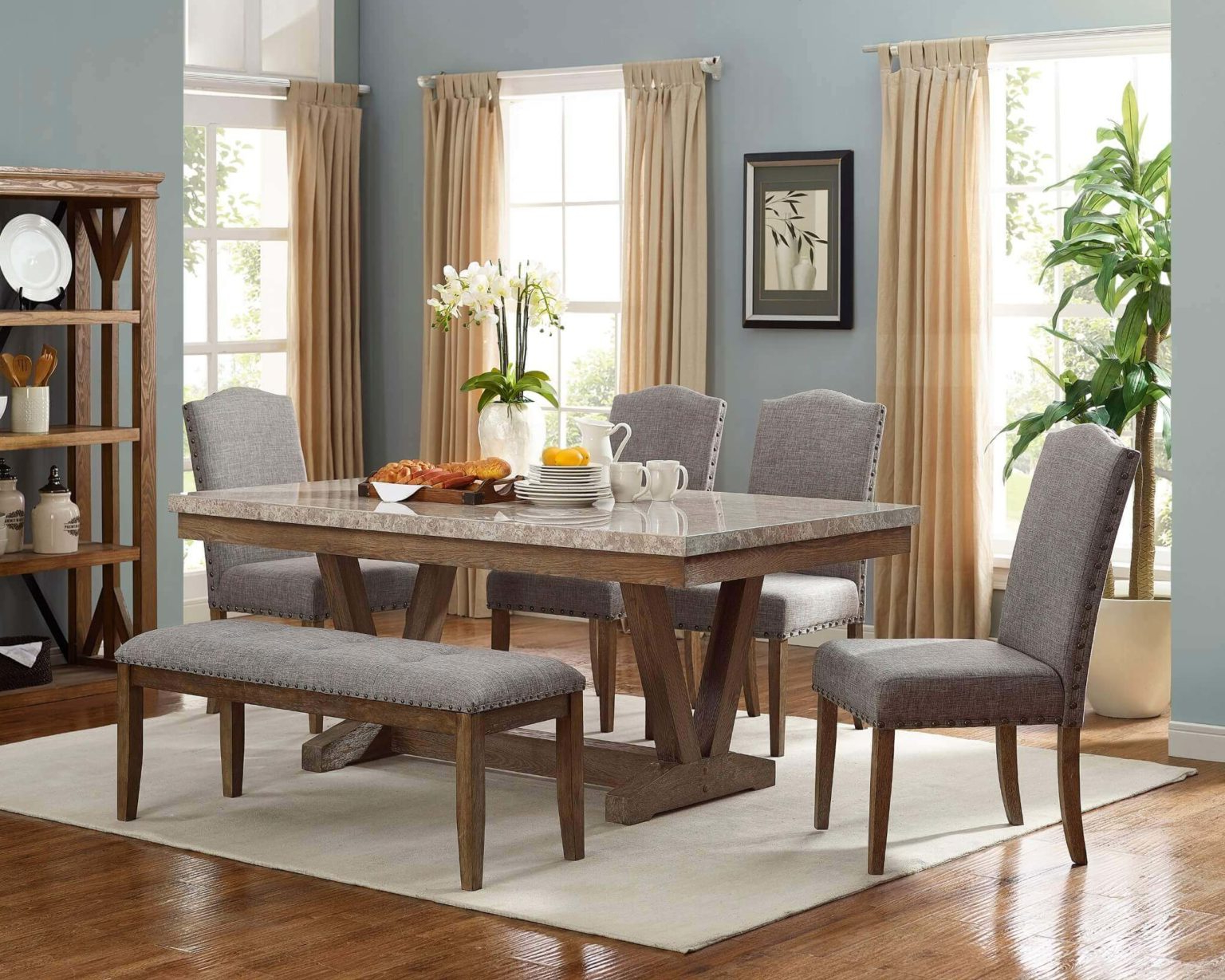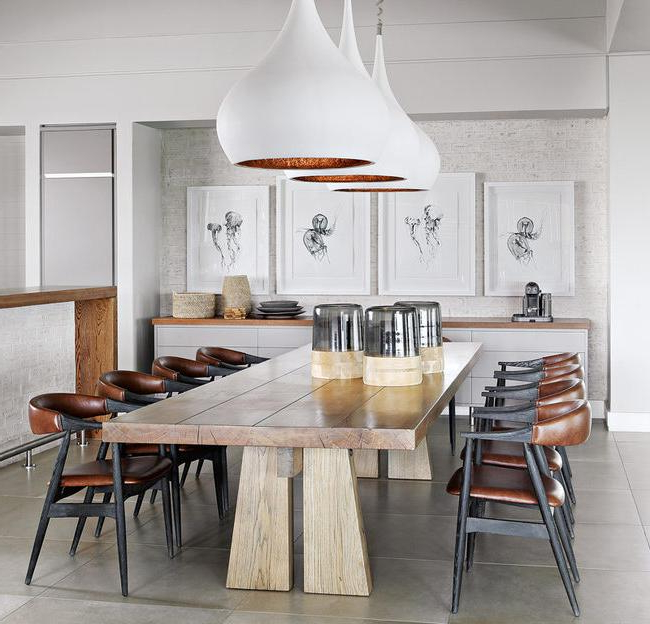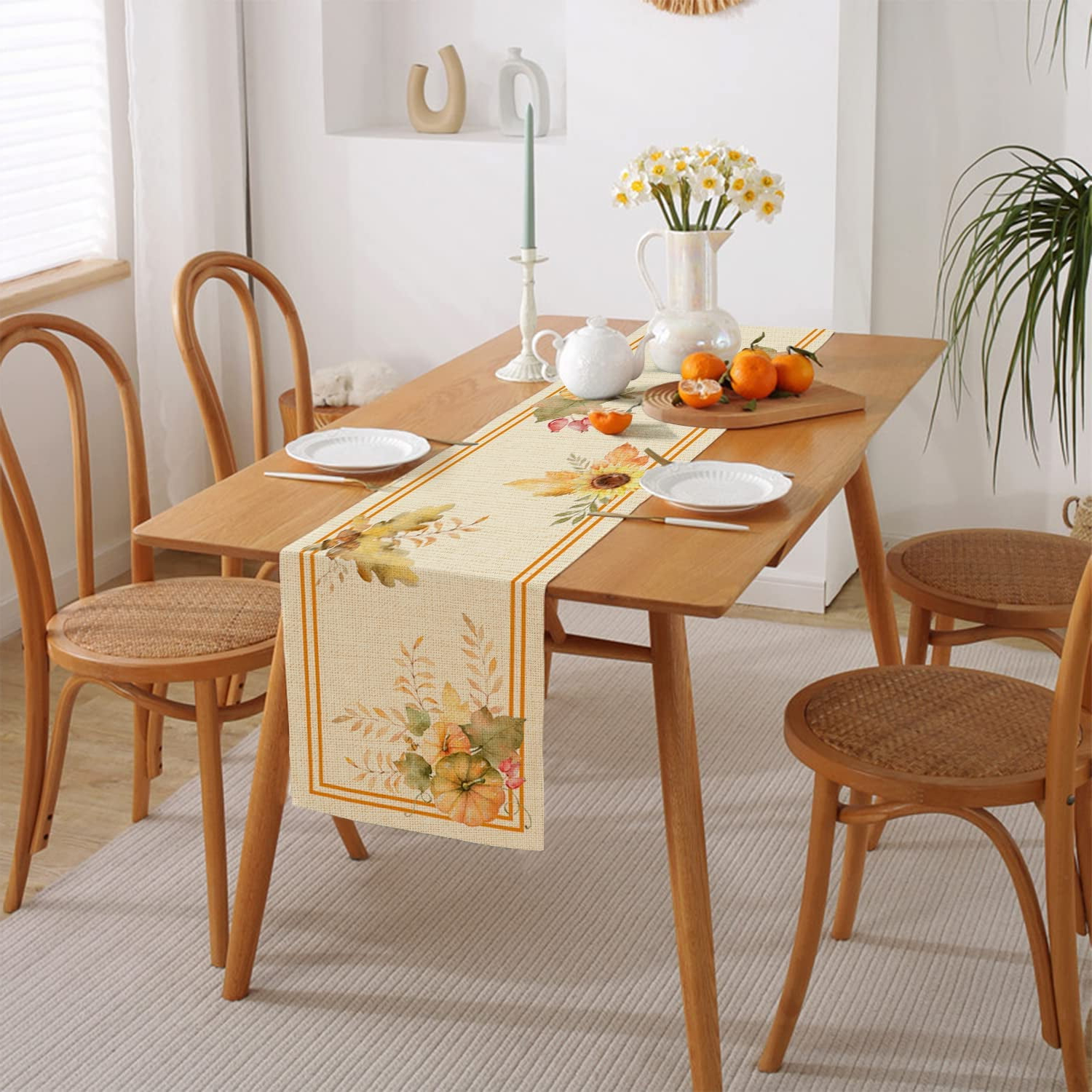
There’s something truly special about gathering around a beautifully decorated Christmas table. It’s not just about the food or the presents under the tree – it’s about creating a warm, inviting atmosphere that makes every meal feel like a celebration. Whether you’re hosting family dinner or having friends over for the holidays, your table setting can make all the difference in how your guests feel during this festive season.
The holiday season brings with it a wonderful opportunity to get creative with your home décor. Your dining room becomes the heart of your Christmas celebration, where families gather, stories are shared, and memories are made. But let’s face it – decorating a table for Christmas can feel overwhelming. You want everything to look perfect, but you also want it to feel cozy and welcoming. The secret lies in balancing aesthetics with comfort. This guide will walk you through everything you need to know to transform your ordinary dining room into a magical Christmas haven that will have everyone talking.
The Foundation: Choosing Your Color Scheme
Before ornaments, candles, or centerpieces ever come into play, the most important decision in decorating your Christmas dining table is selecting the right color scheme. Color sets the mood, tells a story, and creates visual harmony throughout the space. While traditional red and green will always have a place in holiday décor, modern Christmas styling invites creativity and personalization. A thoughtfully chosen palette can feel festive without being predictable.
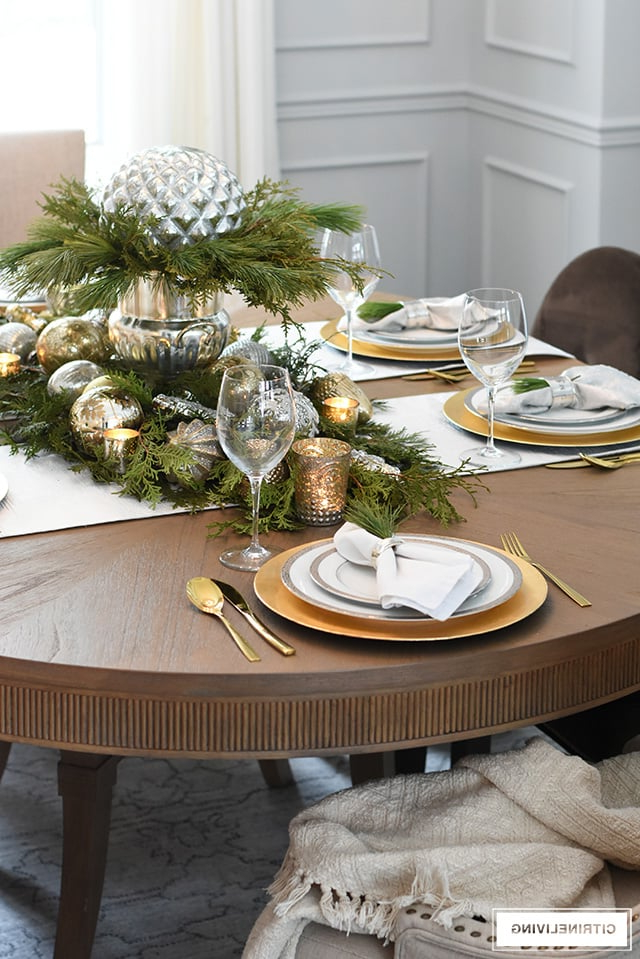
Start by identifying one dominant base color that anchors your table design. This could be a deep, rich shade like burgundy, forest green, navy, or charcoal. These tones instantly add depth and sophistication while still aligning with the warmth of the holiday season. Once you have your base, introduce one or two accent colors to enhance the overall look. Metallics such as gold, silver, or bronze work beautifully as accents because they reflect light and elevate even the simplest table setting.
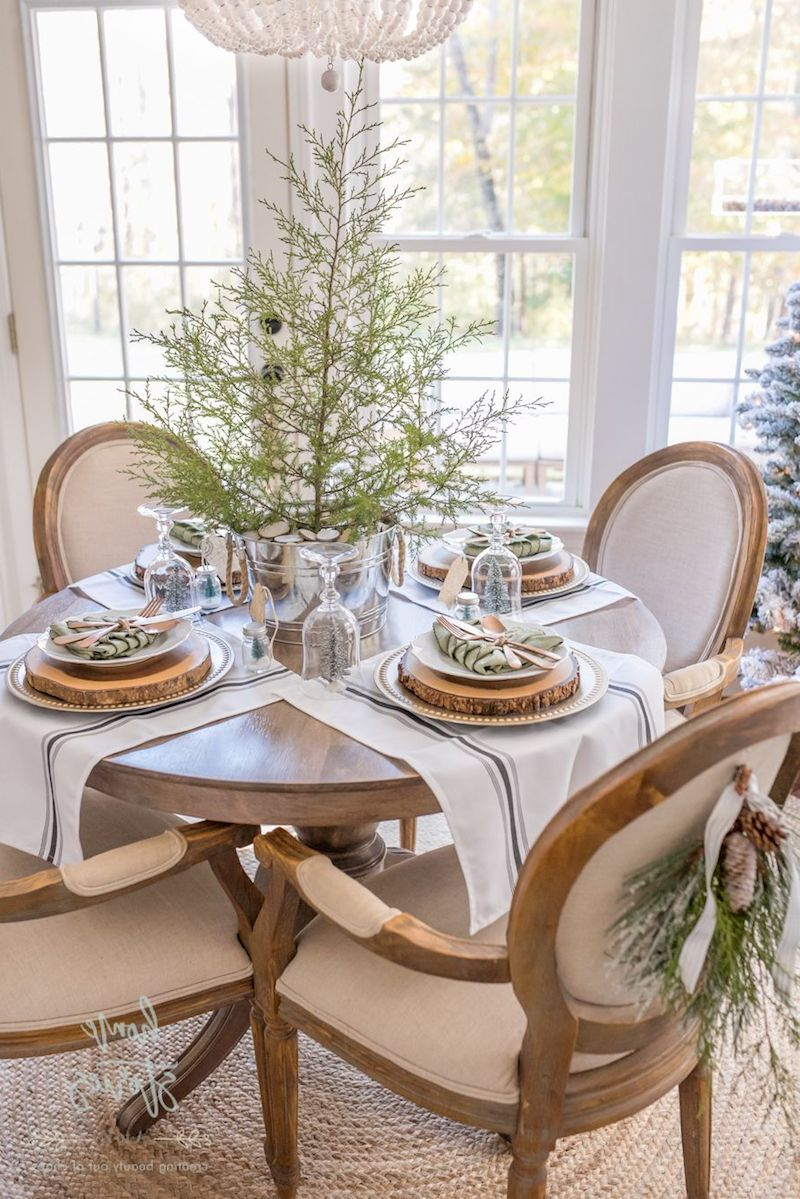
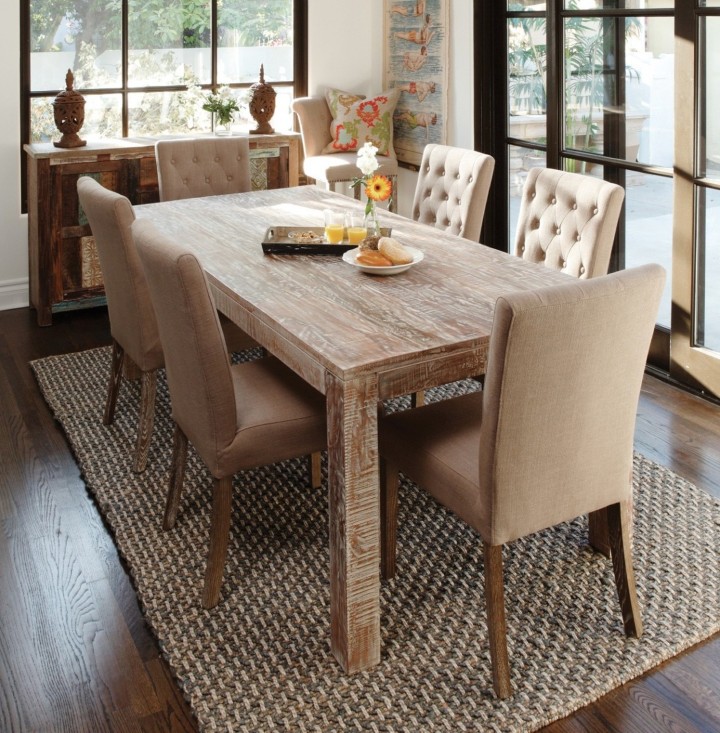
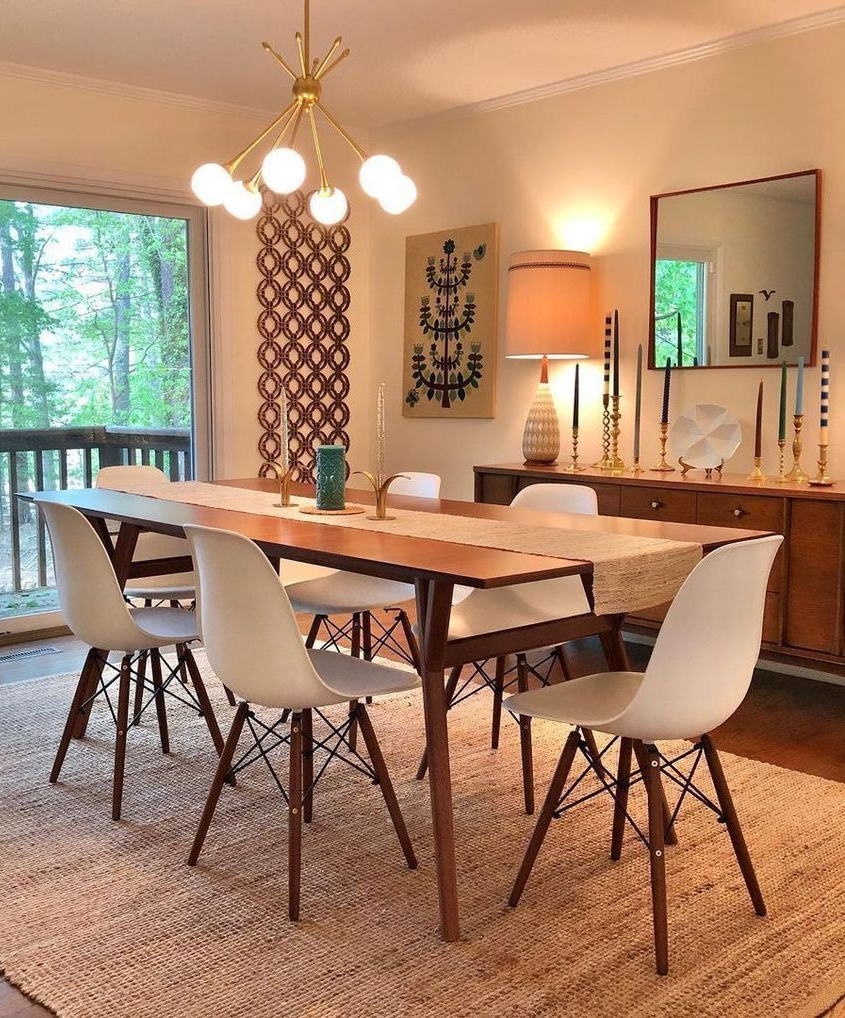
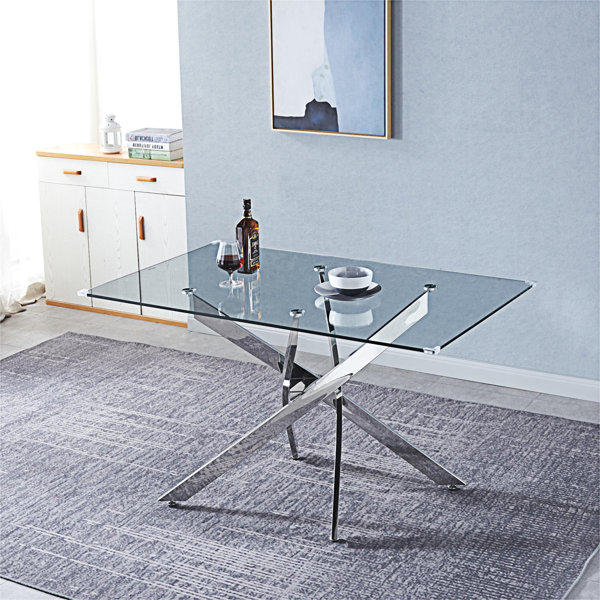
It’s also important to consider your existing dining room elements. The color of your table, chairs, walls, and lighting should influence your choices. A wooden dining table with warm undertones pairs beautifully with earthy palettes like cream, sage, and gold. Meanwhile, a modern dining space with cooler lighting may benefit from icy blues, crisp whites, or silver accents. When your table décor complements the surrounding space, the entire room feels intentional and cohesive.
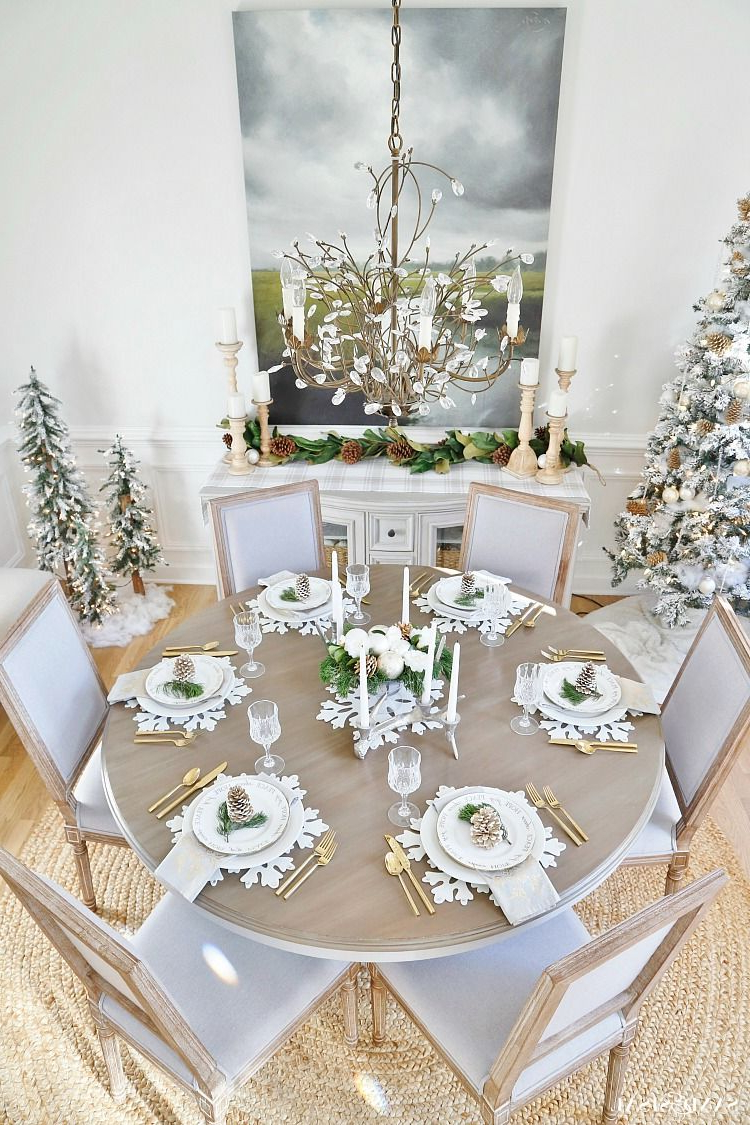
Lighting plays a surprisingly large role in how colors appear. Warm, amber-toned lighting enhances reds, golds, and natural textures, creating a cozy and intimate atmosphere. Cooler lighting can make whites, silvers, and blues feel crisp and elegant. Testing your color palette under your actual dining room lighting before finalizing it can help avoid unexpected clashes or dull tones.
Table Linens and Basics
Once your color scheme is established, it’s time to build the foundation of your table setting: linens and essential tableware. The tablecloth is often the largest visual element on the table, so it should align closely with your chosen palette. Linen tablecloths offer timeless elegance and a soft, natural texture that works well in both formal and casual settings. For a more luxurious feel, velvet or satin fabrics add richness and depth, especially for evening gatherings.
If your dining table is beautiful on its own, consider using a table runner instead of a full tablecloth. This allows the natural surface to show through while still adding color and structure. Runners are also ideal for layered looks, especially when paired with placemats or chargers.
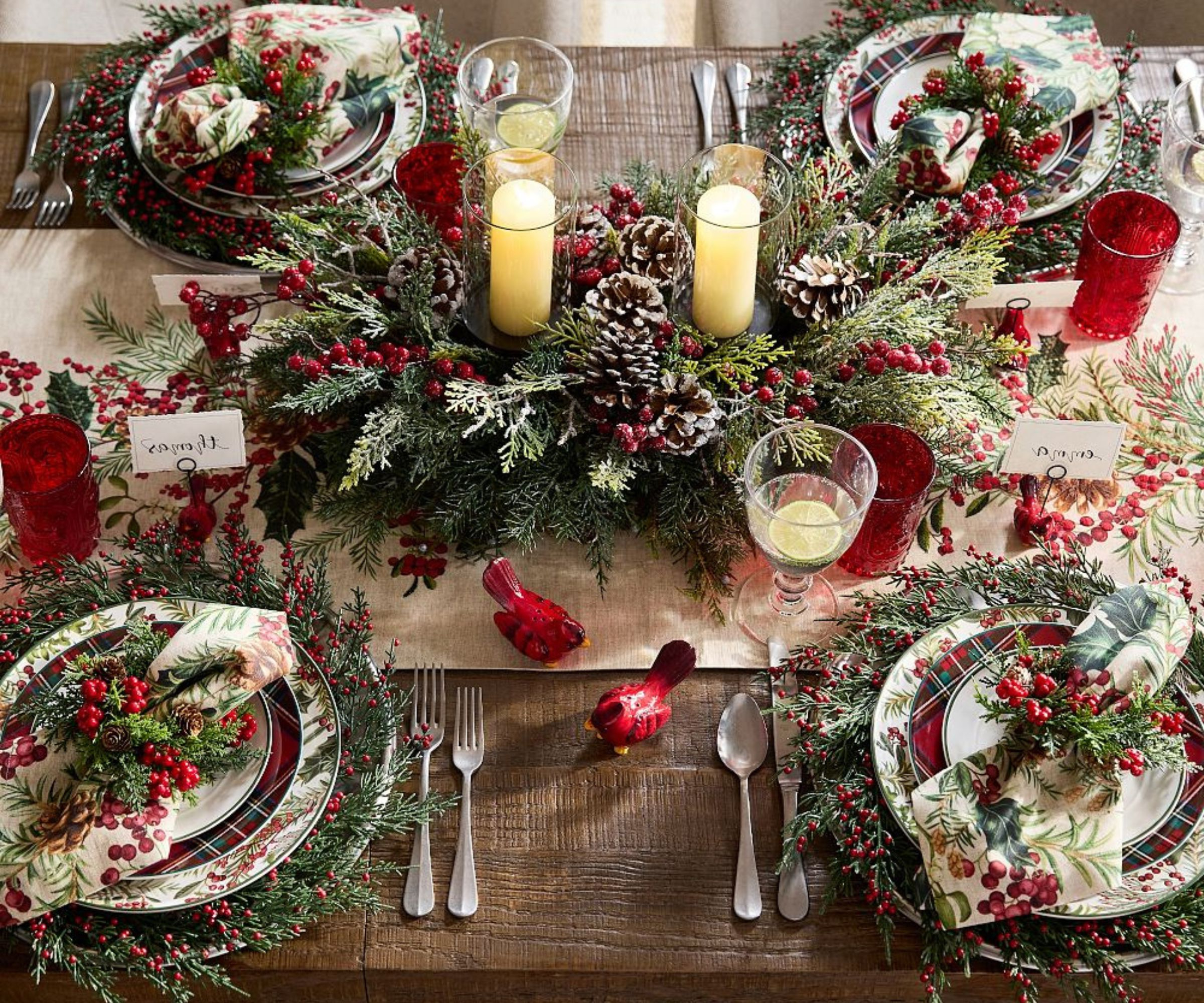
Napkins may seem like a small detail, but they significantly impact the overall presentation. Fabric napkins instantly elevate a table and offer endless styling possibilities. Neutral napkins allow colorful tableware and centerpieces to shine, while bold napkin colors can act as accents within a simpler setting. Folding techniques can range from elegant and structured to relaxed and decorative, depending on the tone of your gathering. Adding napkin rings, ribbons, or sprigs of greenery can further enhance the festive feel.
Plates and place settings form the backbone of functionality and design. Classic white dinnerware is incredibly versatile and works with nearly any holiday palette. However, incorporating patterned china, gold-rimmed plates, or vintage pieces can add personality and charm. Mixing old and new elements often creates a more inviting and memorable table than a perfectly matched set.
Ultimately, table linens and basics provide the canvas for your Christmas table décor. When these elements are thoughtfully chosen, they create balance, support your color scheme, and allow decorative accents to shine without overwhelming the space. A strong foundation ensures that every candle, ornament, and centerpiece you add feels intentional and beautifully connected.
Centerpiece Magic
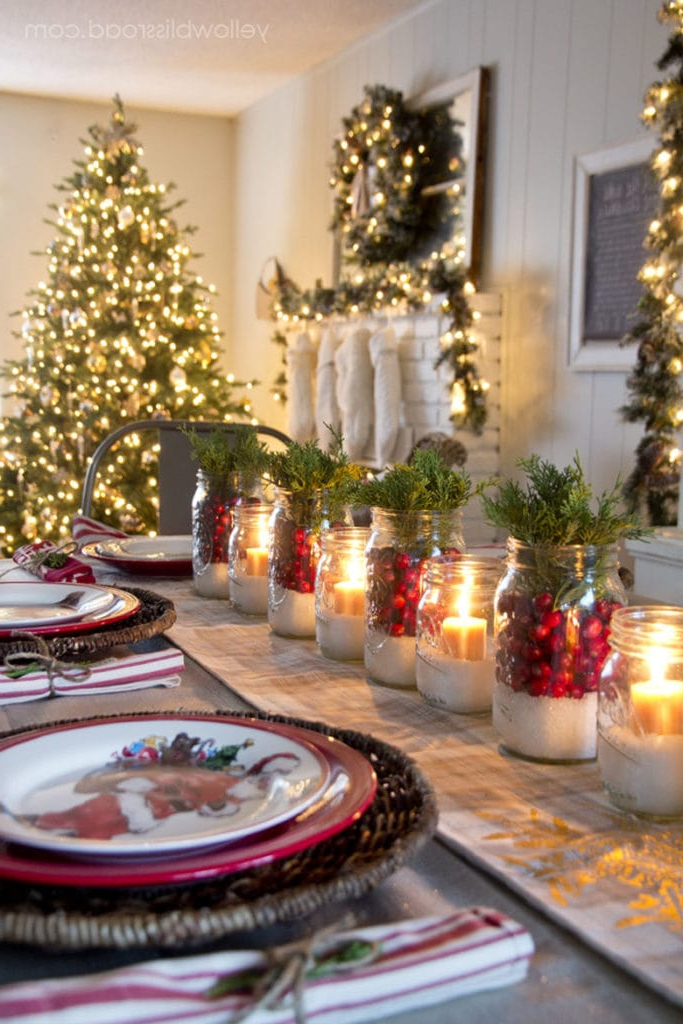
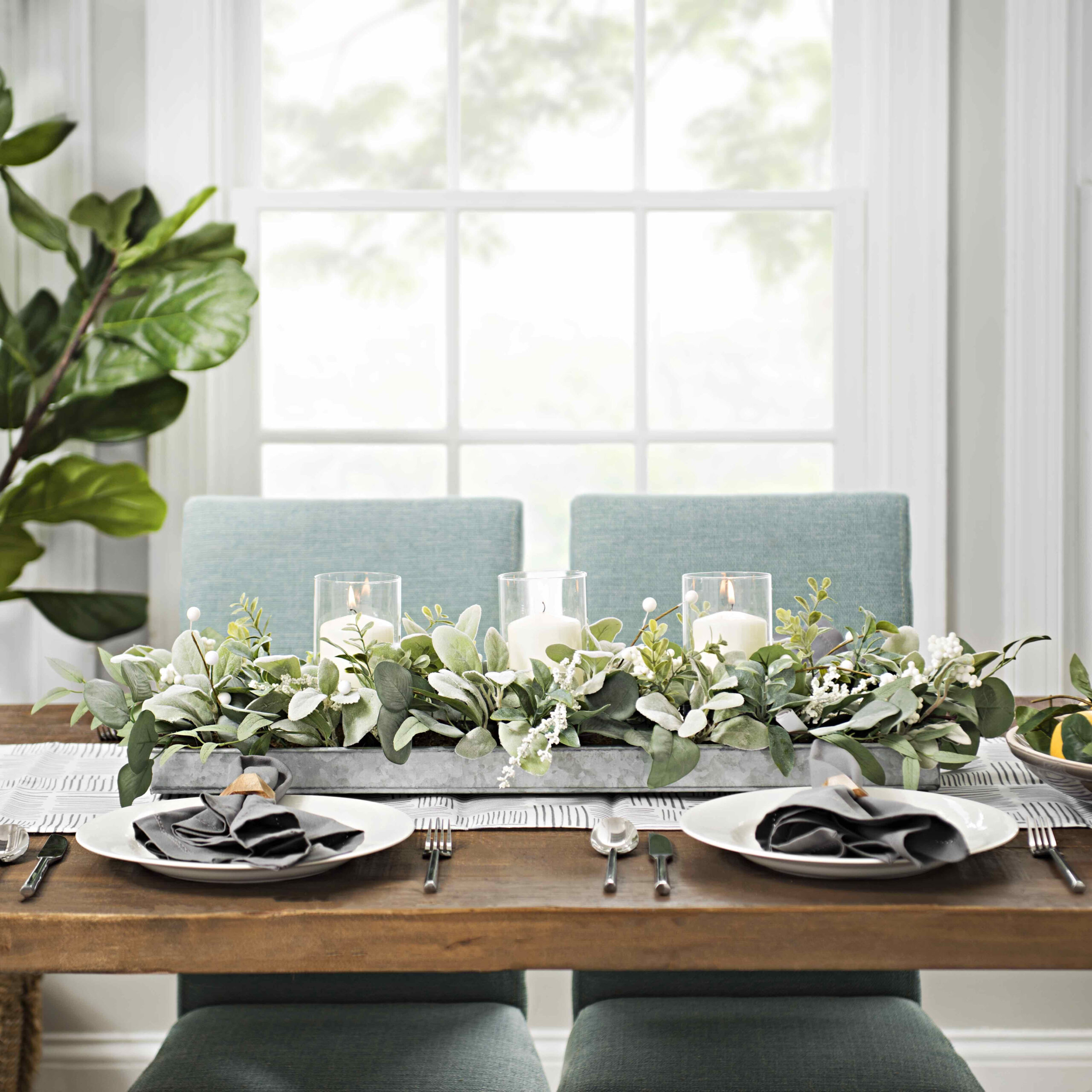
The centerpiece is often what draws the eye first when people enter the room. You don’t need to go overboard – sometimes simple is better. Fresh greenery like pine branches, eucalyptus, or holly can create a beautiful natural look. These elements are affordable and easy to work with. Consider using different textures – maybe some pine branches mixed with some berries or small ornaments. Another option is to create a centerpiece with a variety of heights. Place taller elements in the center and shorter ones around the edges. This creates visual interest and prevents the table from looking flat. If you’re working with a small table, a single large arrangement works well. For larger tables, you might consider multiple smaller arrangements placed strategically around the table. Remember, the centerpiece should enhance rather than compete with your food and conversation.
Lighting and Ambiance
Lighting plays a crucial role in creating that cozy Christmas feeling. Candles are always a classic choice – they provide warmth and soft light that makes everything feel more intimate. If you’re worried about safety, consider LED candles or battery-operated versions. String lights can also work beautifully, especially if you hang them above the table or around the room. They create a magical glow that makes even the simplest setting feel special. Table lamps with warm bulbs can also contribute to the overall ambiance. Consider dimming the lights slightly during dinner to create a more relaxed atmosphere. The right lighting can make a big difference in how your guests feel about their experience. It’s not just about visibility – it’s about mood. A softly lit table can make even ordinary food feel delicious.
Personal Touches and Details
This is where your personality really comes through. Personal touches make a table setting feel genuine and heartfelt. Consider incorporating items that reflect your family history or traditions. Maybe you have a special family recipe book that you can display, or perhaps you’ve collected ornaments over the years that tell a story. Small details like handwritten place cards, vintage spoons, or family photos can add depth and character. Don’t overlook the importance of seasonal scents. Cinnamon, vanilla, or pine essential oils can create a sensory experience that makes your table feel even more festive. These little touches show thoughtfulness and care. They’re the kind of details that make guests feel welcomed and appreciated. The best table settings aren’t necessarily the most expensive – they’re the ones that feel personal and loving.
Practical Tips for Success
Here are some tried-and-true tips that will help you avoid common mistakes. First, plan ahead – set up your table the day before if possible. This gives you time to adjust and fix any issues. Second, consider the practical aspects of your guests’ needs. Make sure there’s enough space for everyone to move comfortably. Third, don’t forget about accessibility – ensure that all items are within reach and that there’s adequate seating. Fourth, keep a backup plan for unexpected situations like spills or broken items. Fifth, remember that less can sometimes be more. A few carefully chosen elements often work better than trying to fill every inch. Finally, don’t stress too much about perfection. The most important thing is that your table feels welcoming and festive. Your guests will appreciate the effort and thoughtfulness more than they’ll notice if one item isn’t quite perfect.
Creating a magical Christmas table setting is both an art and a science. It requires careful planning, attention to detail, and a touch of creativity. But the payoff is worth it – you’ll have a dining room that not only looks beautiful but also creates a warm, inviting atmosphere for your holiday celebrations. Remember, the best table settings are those that reflect your personal style and bring people together. Whether you’re going for classic elegance or cozy comfort, the key is to have fun with it. Let your personality shine through in your choices, and don’t be afraid to experiment. After all, the holidays are about connection, joy, and making memories. Your table setting should support those feelings and make every meal feel like a special occasion. With these tips, you’ll be well on your way to creating a Christmas dining experience that everyone will remember for years to come.